Space Worksheets for Ages 4-9 - Page 2
42 filtered results
-
From - To
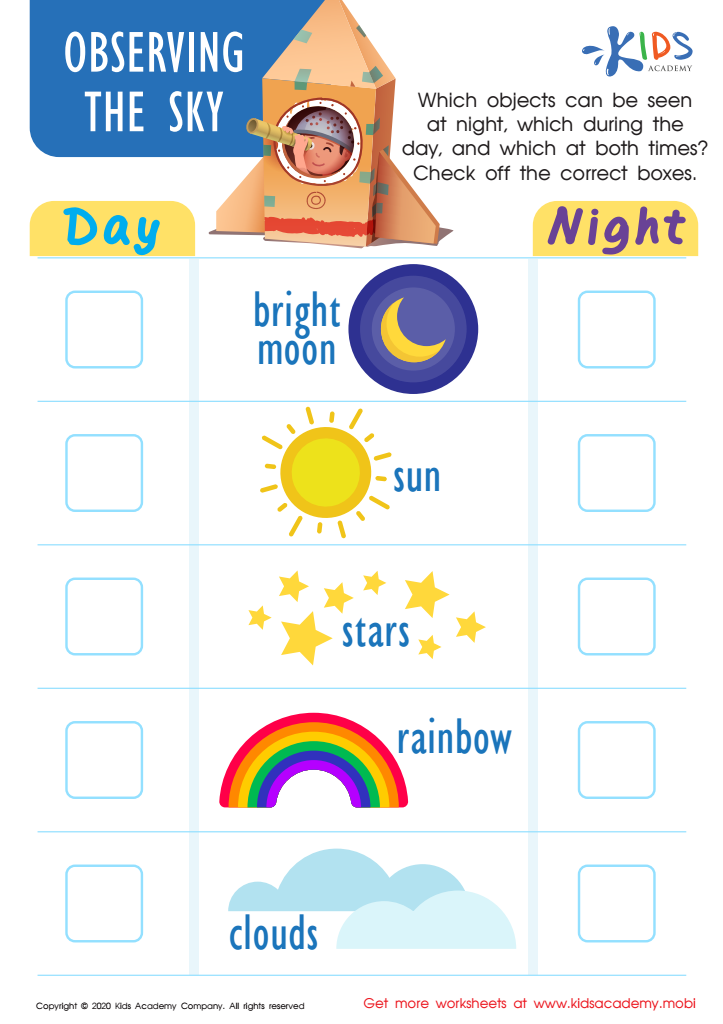
Observing the Sky Worksheet
 Assign to My Students
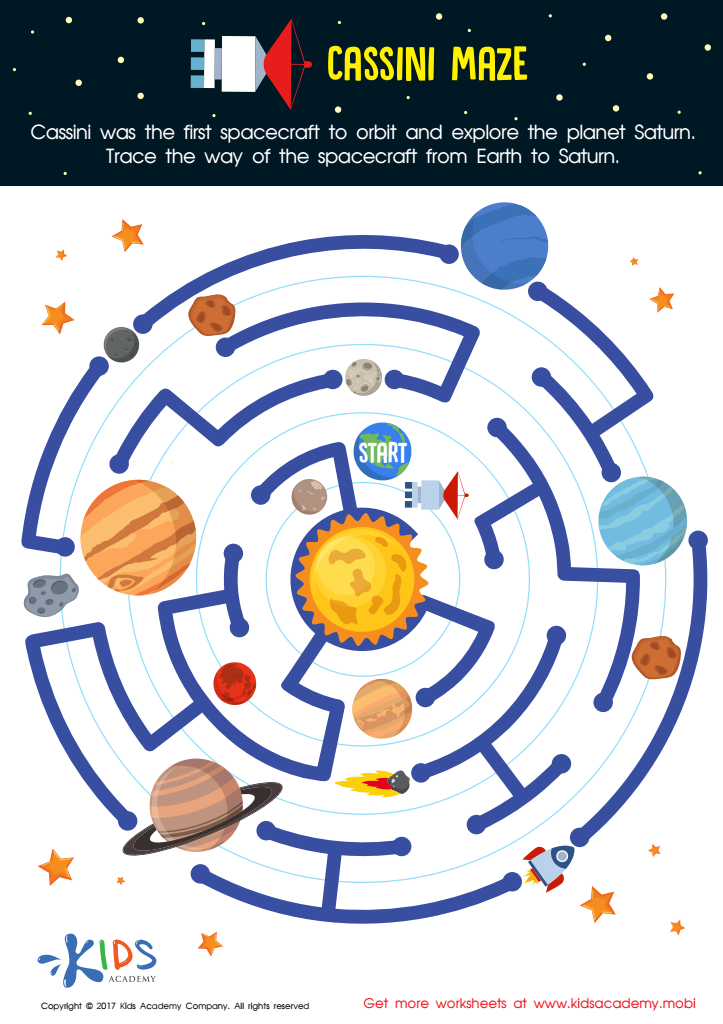
Cassini Printable Worksheet
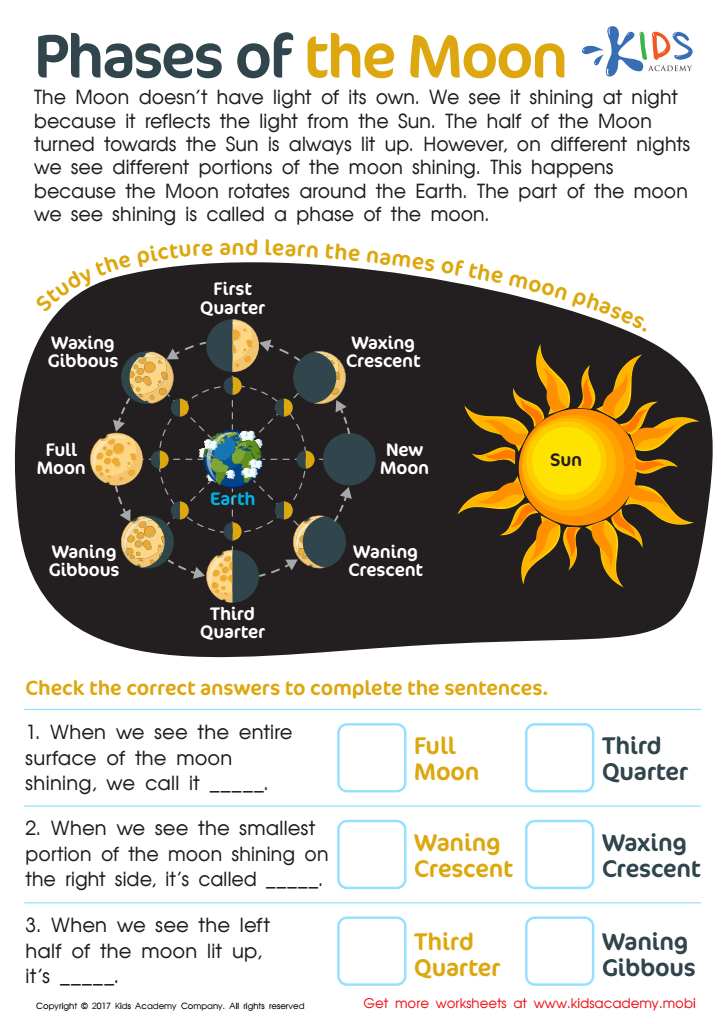
Phases of The Moon Worksheet
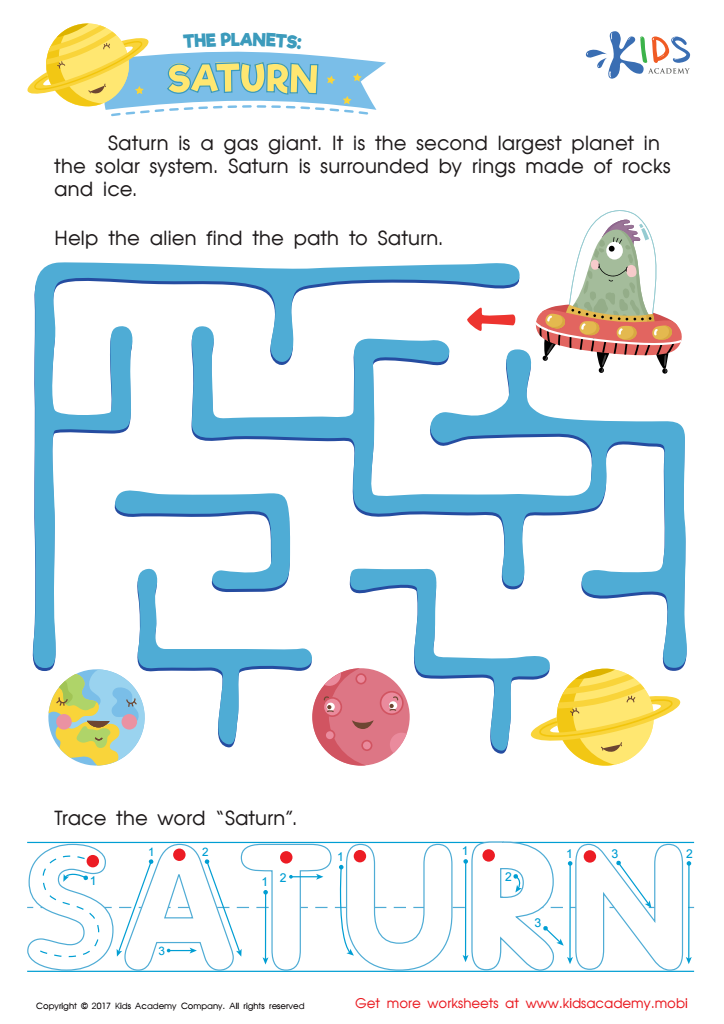
The Planets: Saturn Printable
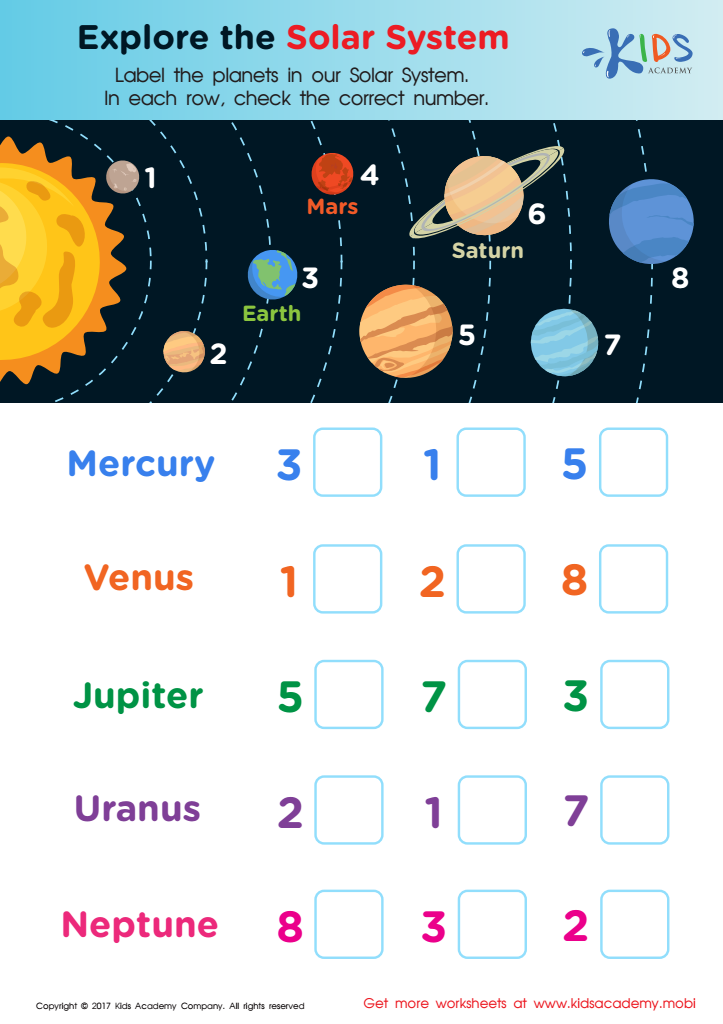
Solar System Planets Worksheet
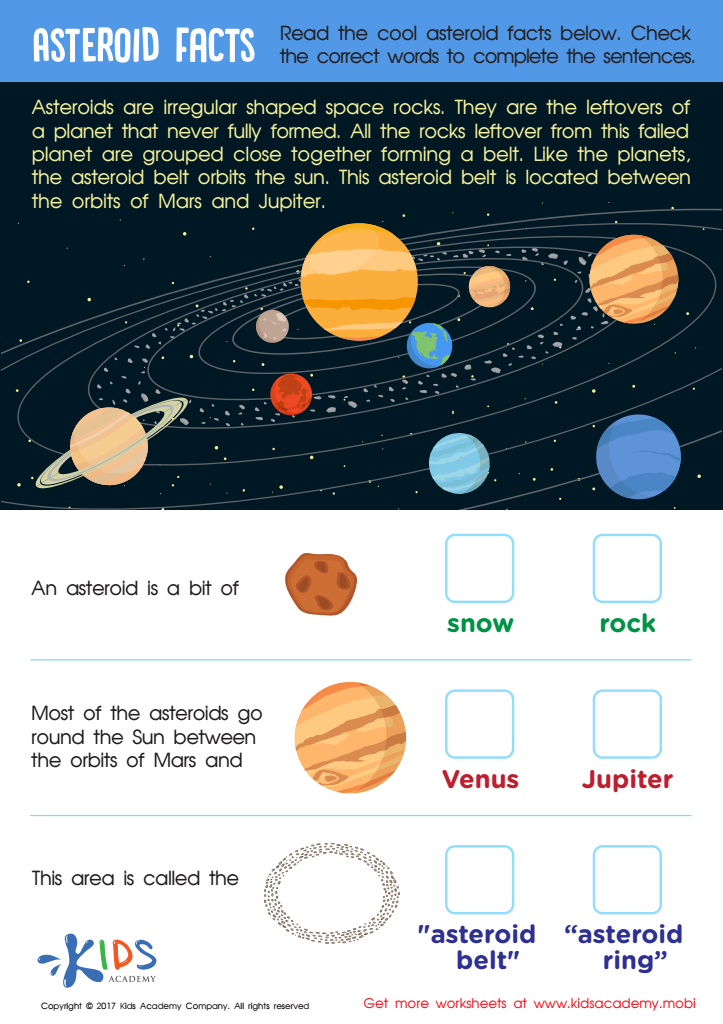
Asteroid Facts Worksheet
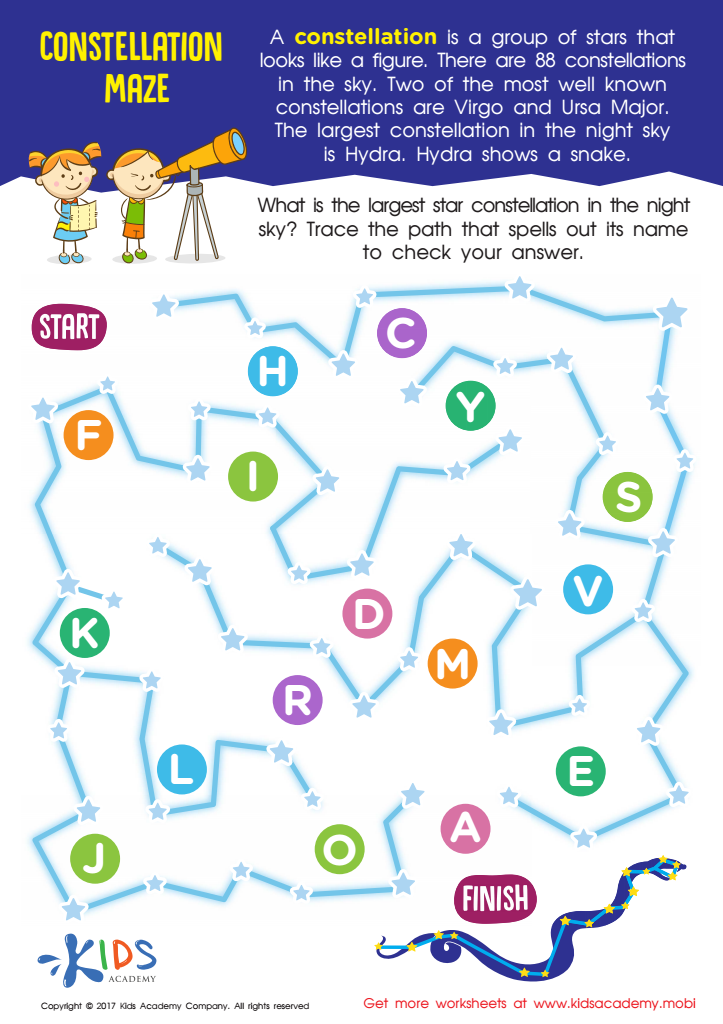
Constellations Worksheet
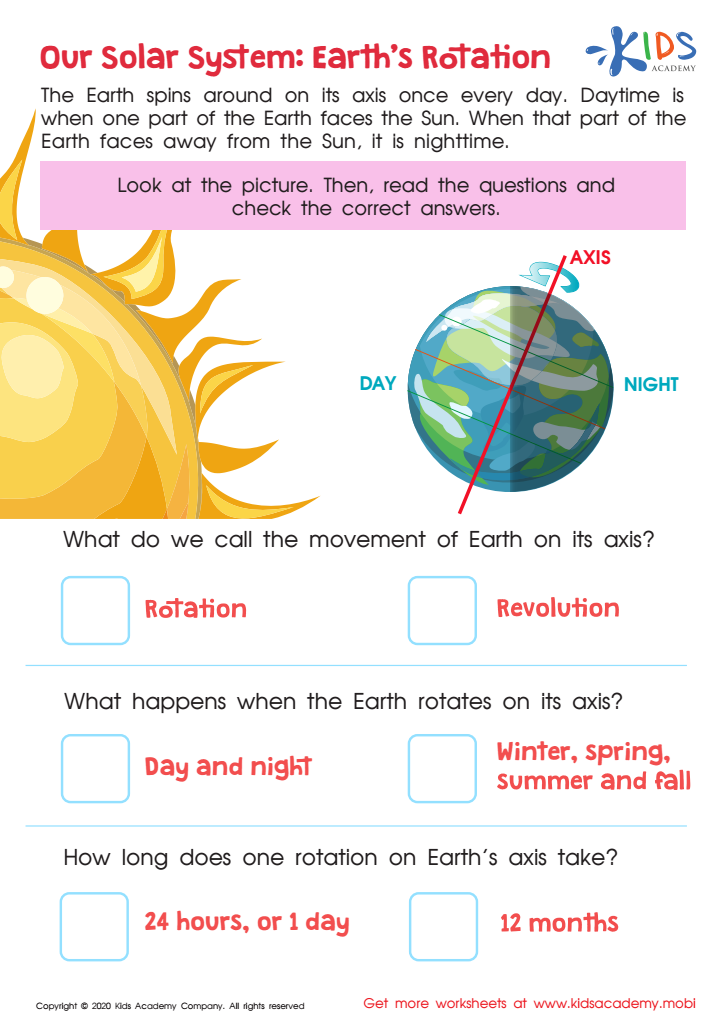
Our Solar System: Earth's Rotation Printable
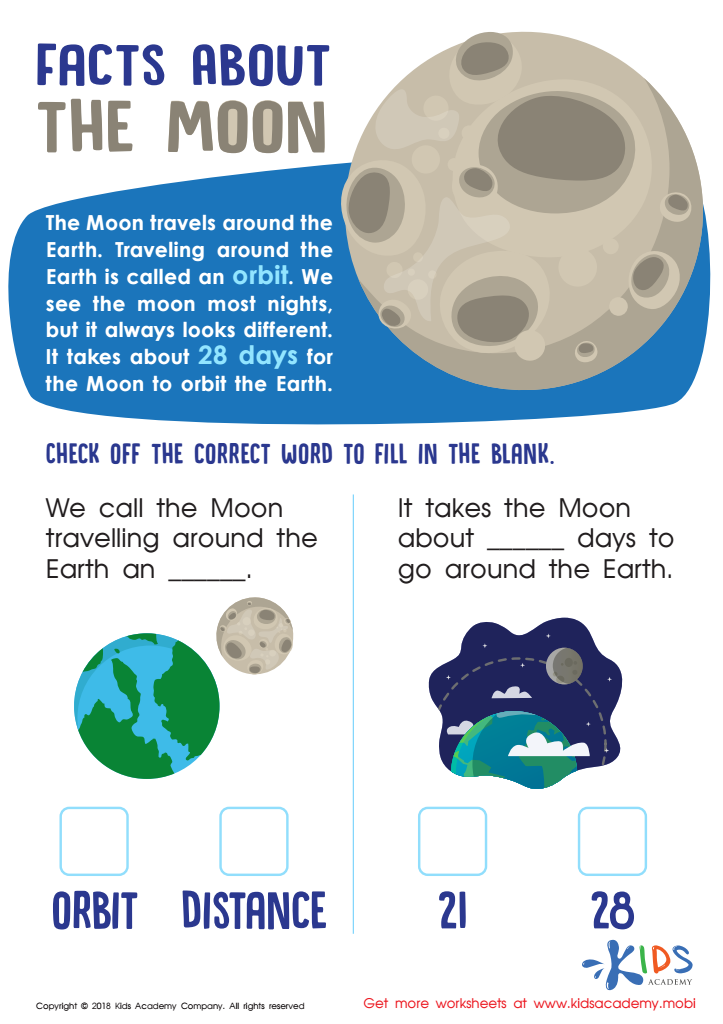
Facts About the Moon Worksheet
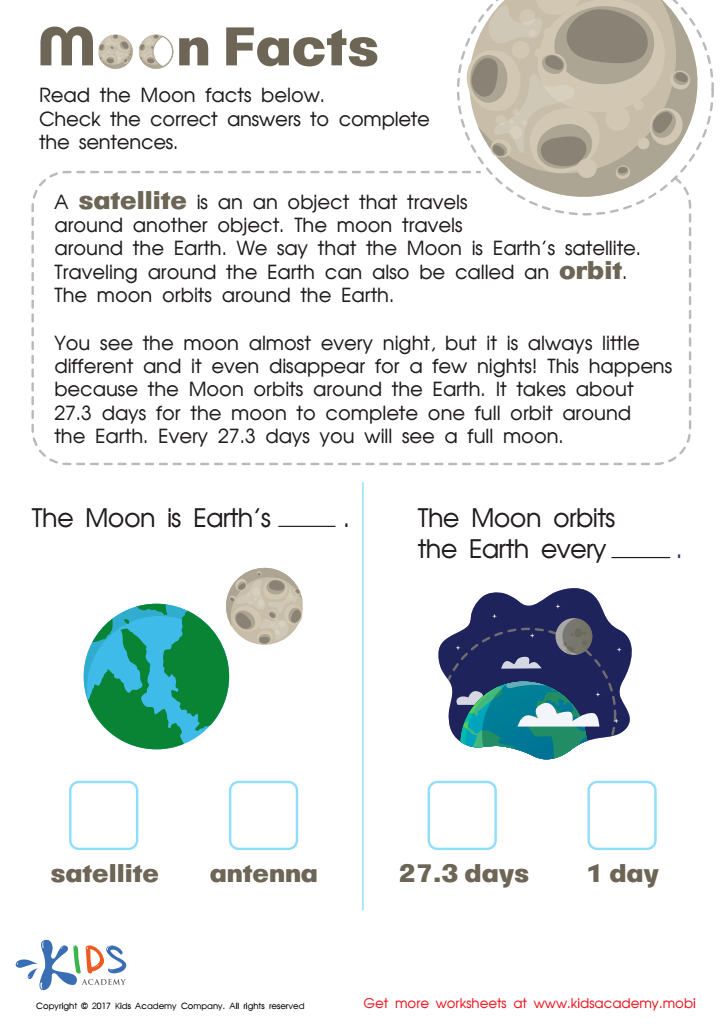
Moon Facts Worksheet
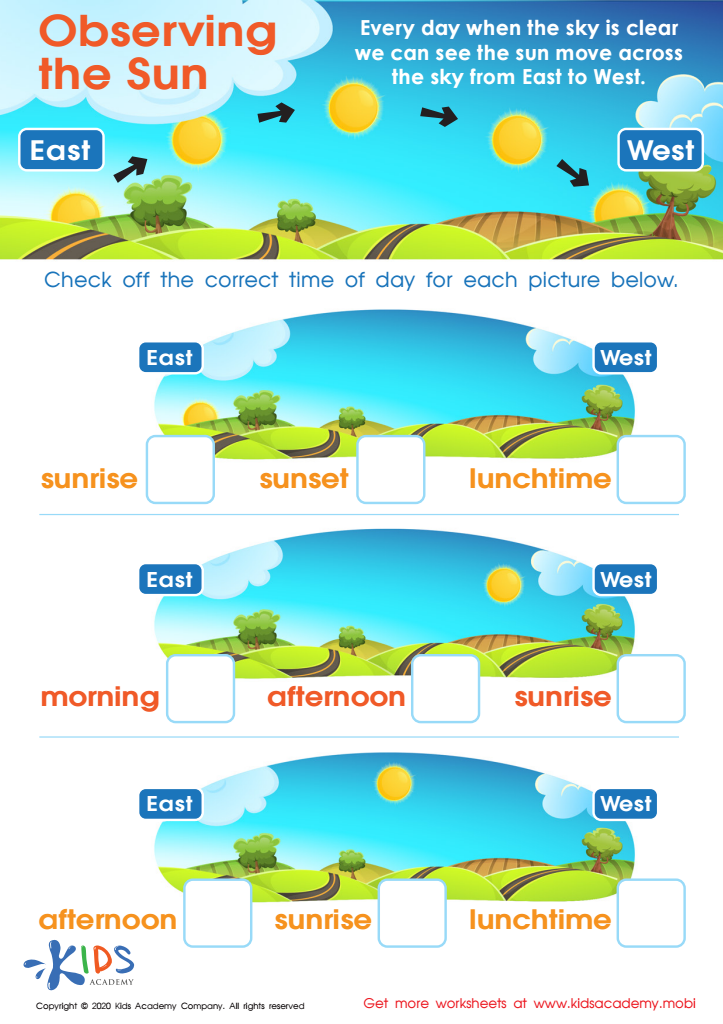
Observing the Sun Worksheet
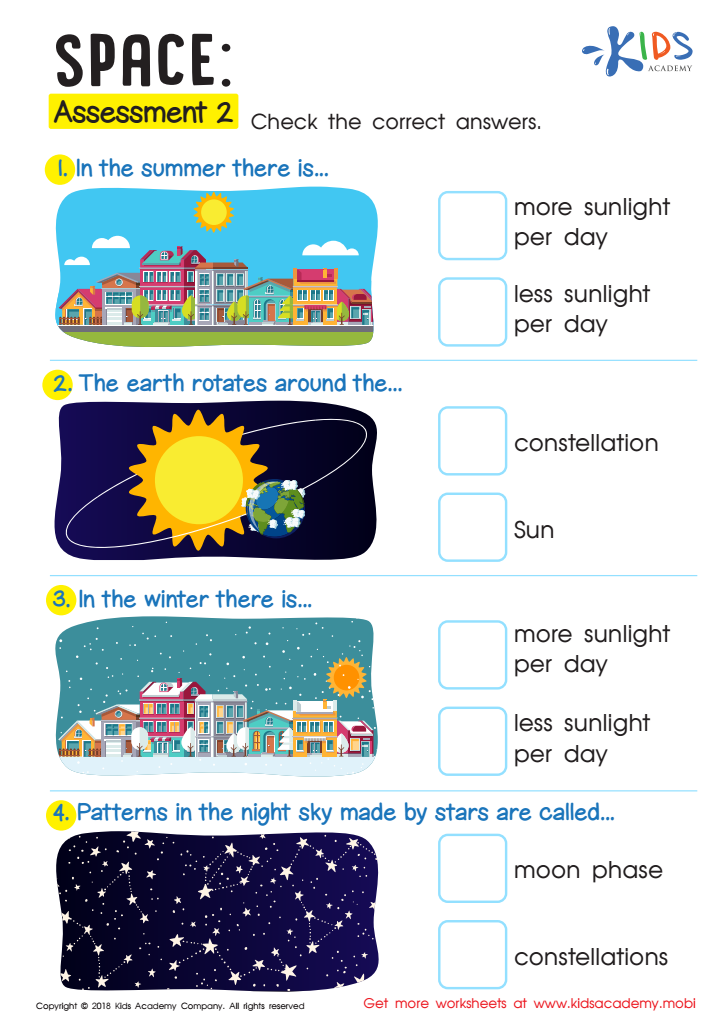
Space: Assessment 2 Worksheet
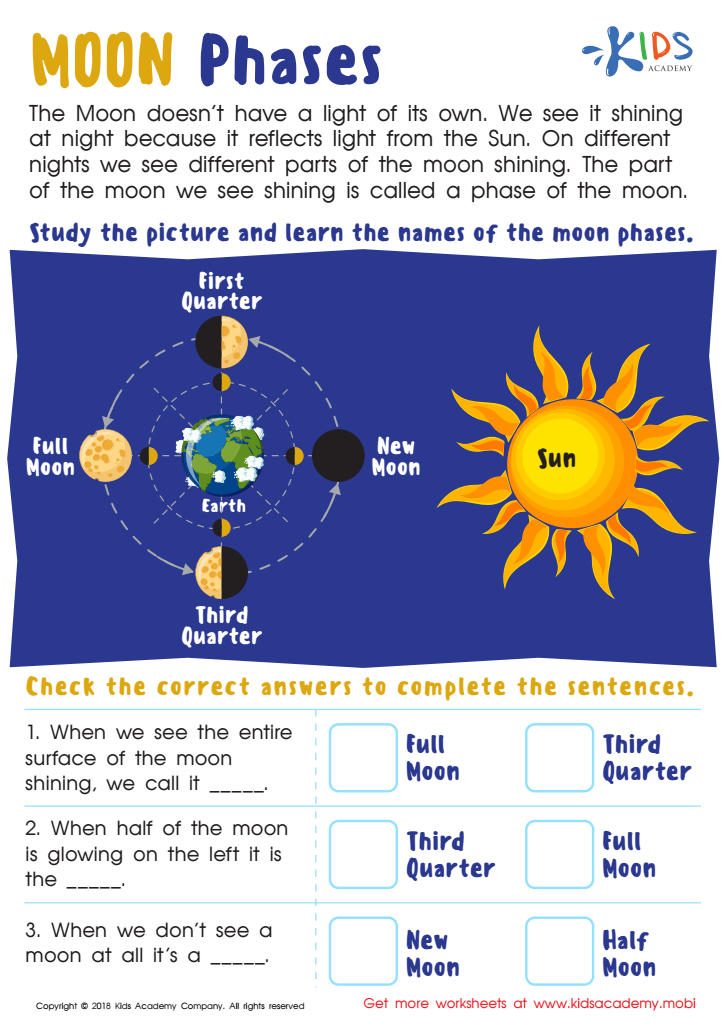
Moon Phases Worksheet
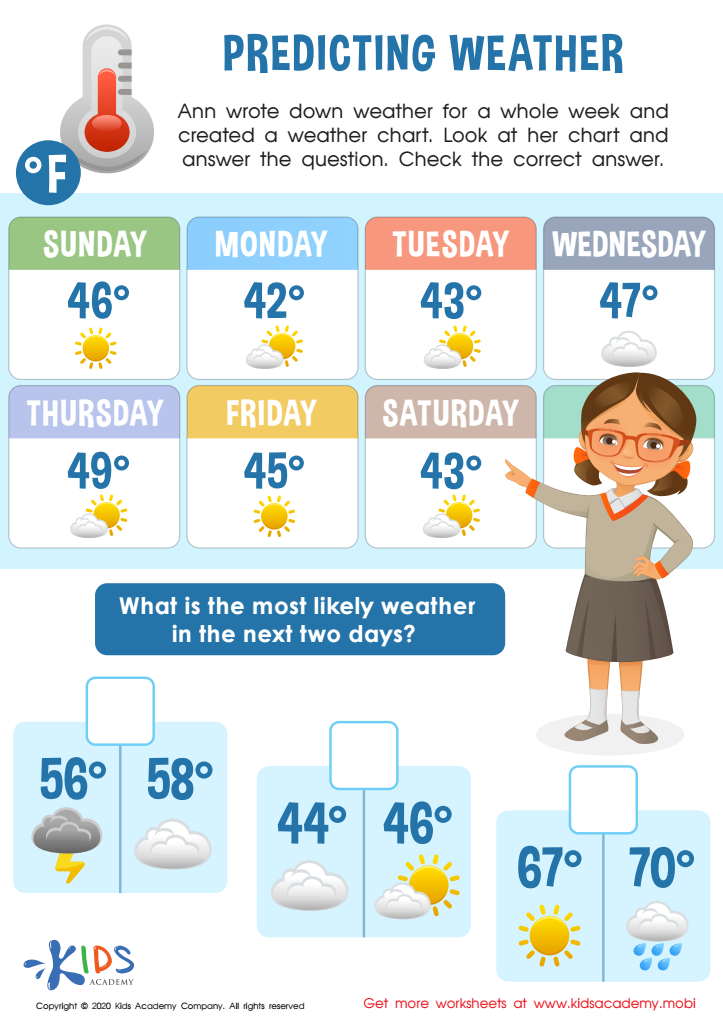
Predicting Weather Worksheet
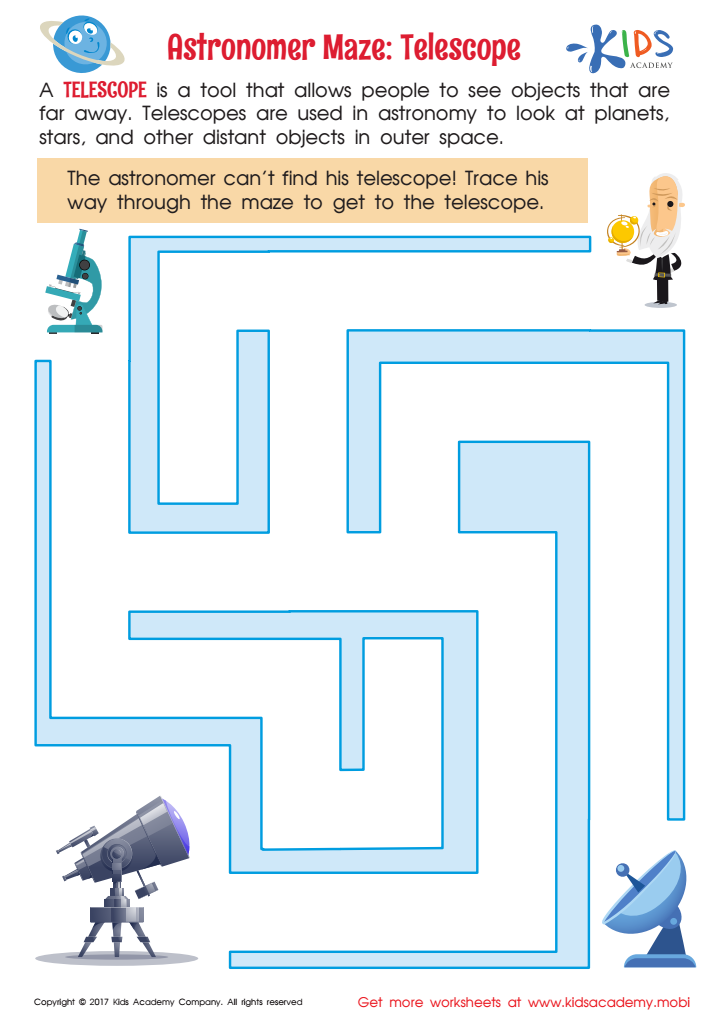
Astronomer Maze: Telescope Worksheet
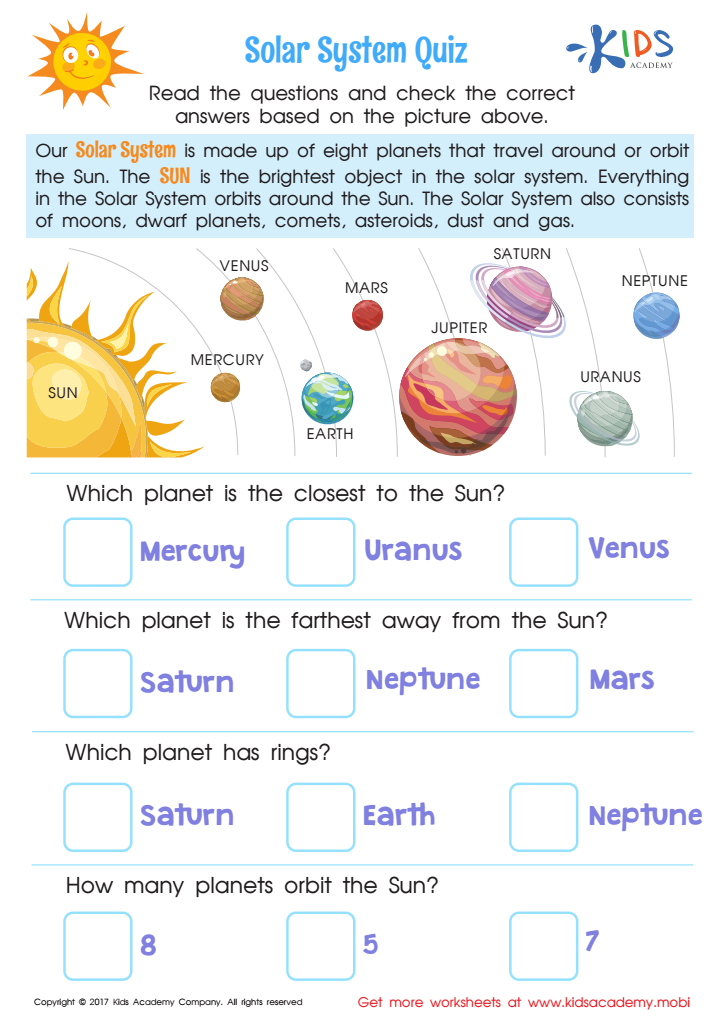
Solar System Quiz Printable
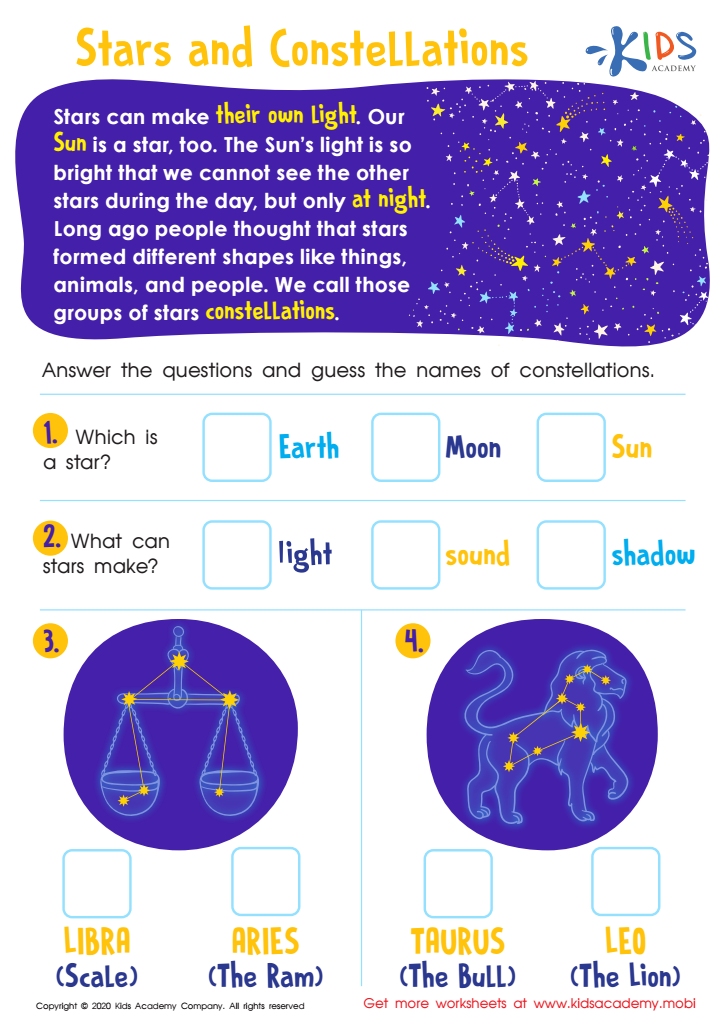
Stars and Constellations Worksheet
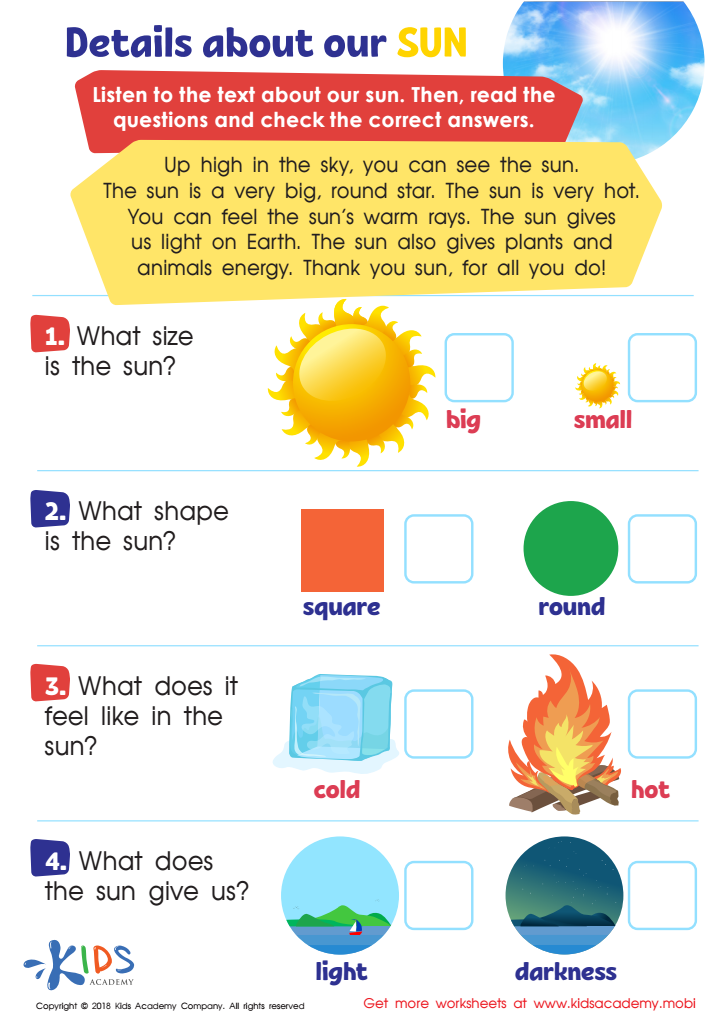
Details About Our Sun Worksheet



%20(1).jpg)

Parents and teachers should care about space education for children aged 4-9 because it fosters curiosity, critical thinking, and creativity at an early age. Space exploration captivates young minds with stories of astronauts, planets, and the universe, sparking inherent curiosity about the world around them. When children learn about space, they engage in STEM (Science, Technology, Engineering, and Mathematics) concepts that encourage problem-solving skills and innovation.
Additionally, beginning these discussions early helps children form a connection with science, making learning enjoyable and relatable. Understanding our universe can also teach valuable life lessons such as perseverance and collaboration, reflecting teamwork seen in space missions. Exploring topics like gravity, stars, and ecosystems nurtures a sense of wonder and encourages environmental stewardship as they learn about Earth’s place in the vast cosmos.
Moreover, incorporating space-related activities can stimulate social skills as children collaborate on projects and share ideas. In summary, focusing on space expands young learners' horizons, enabling them to ask questions, seek answers, and develop a lifelong love of learning that can support their academic growth and personal development.







