Chess Worksheets for Ages 5-6 - Page 4
86 filtered results
-
From - To
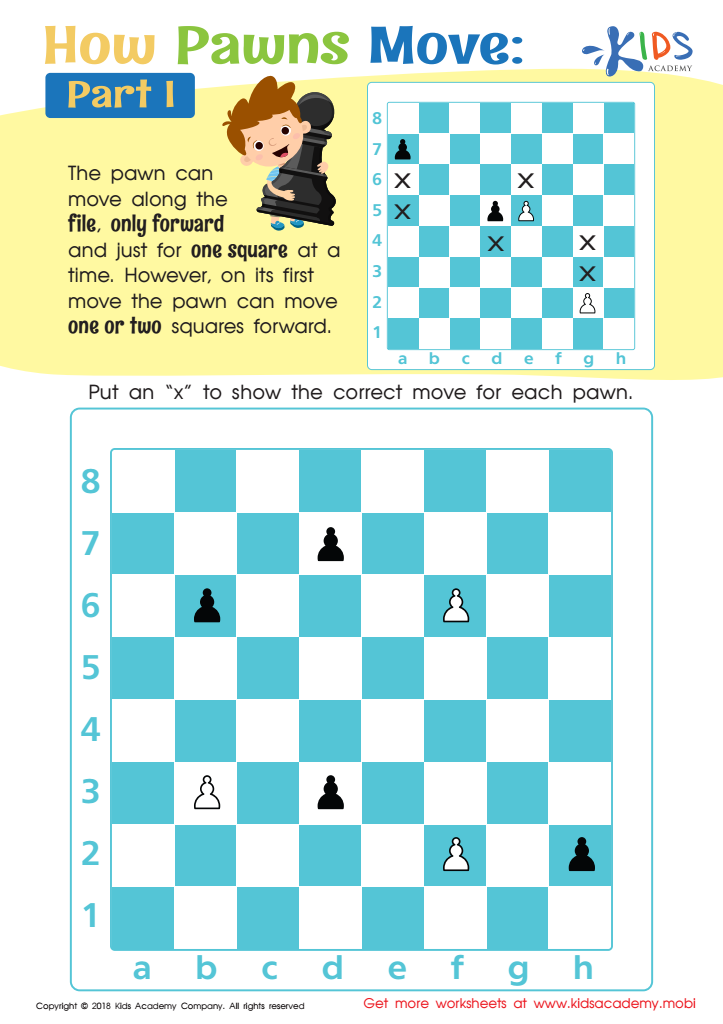
How Pawns Move: Part I Worksheet
 Assign to My Students
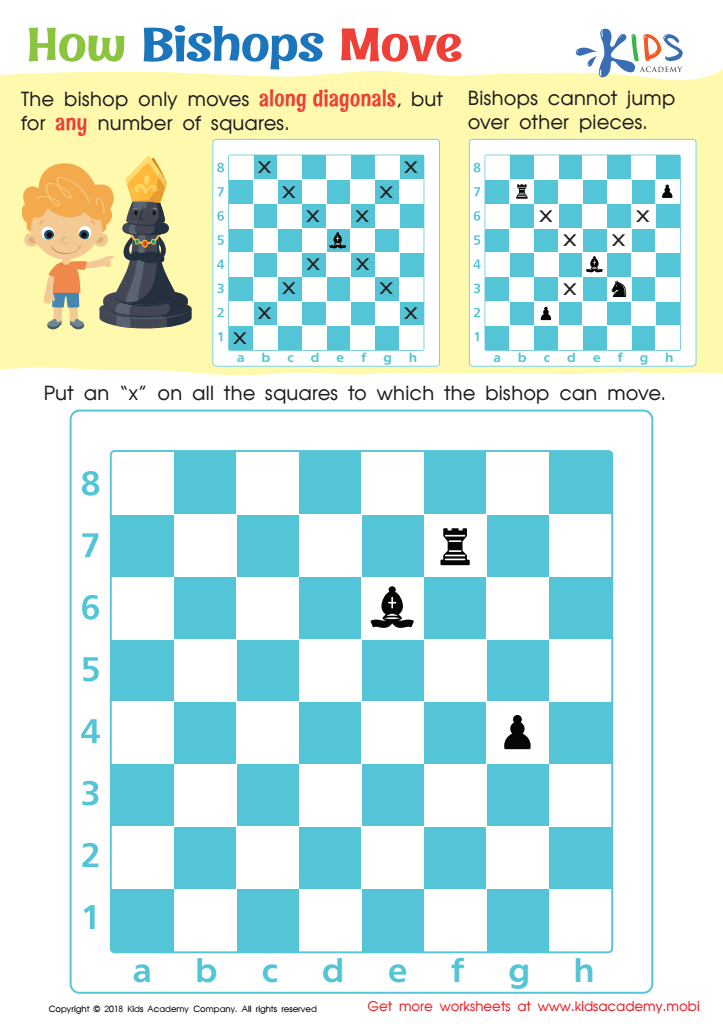
How Bishops Move Worksheet
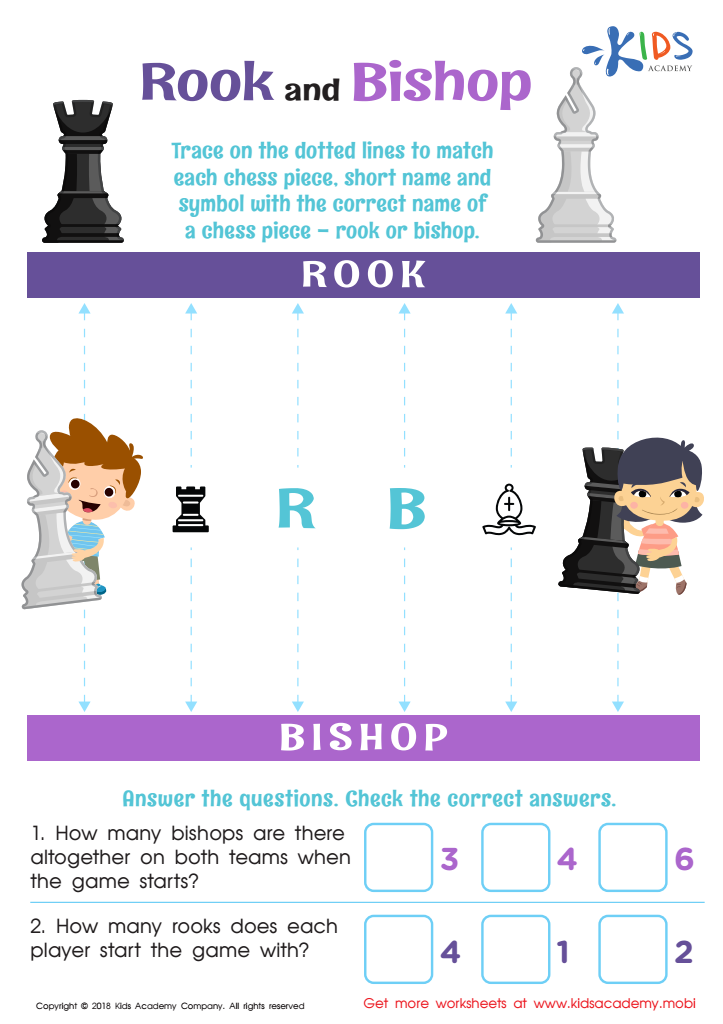
Rook and Bishop Worksheet
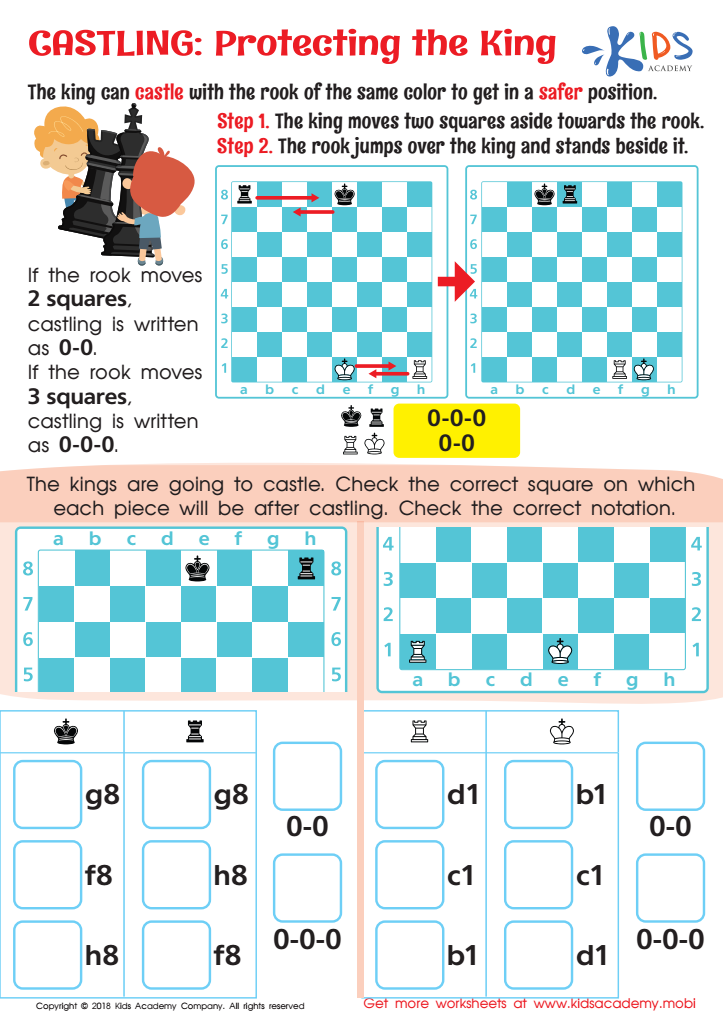
Castling: Protecting the King Worksheet
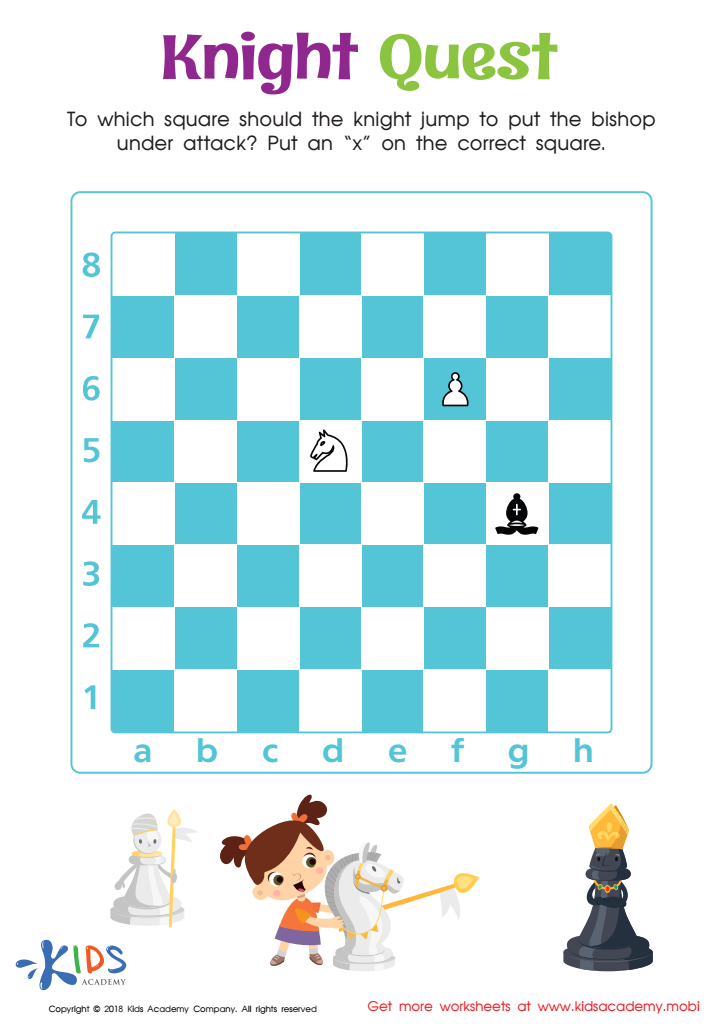
Knight Quest Worksheet
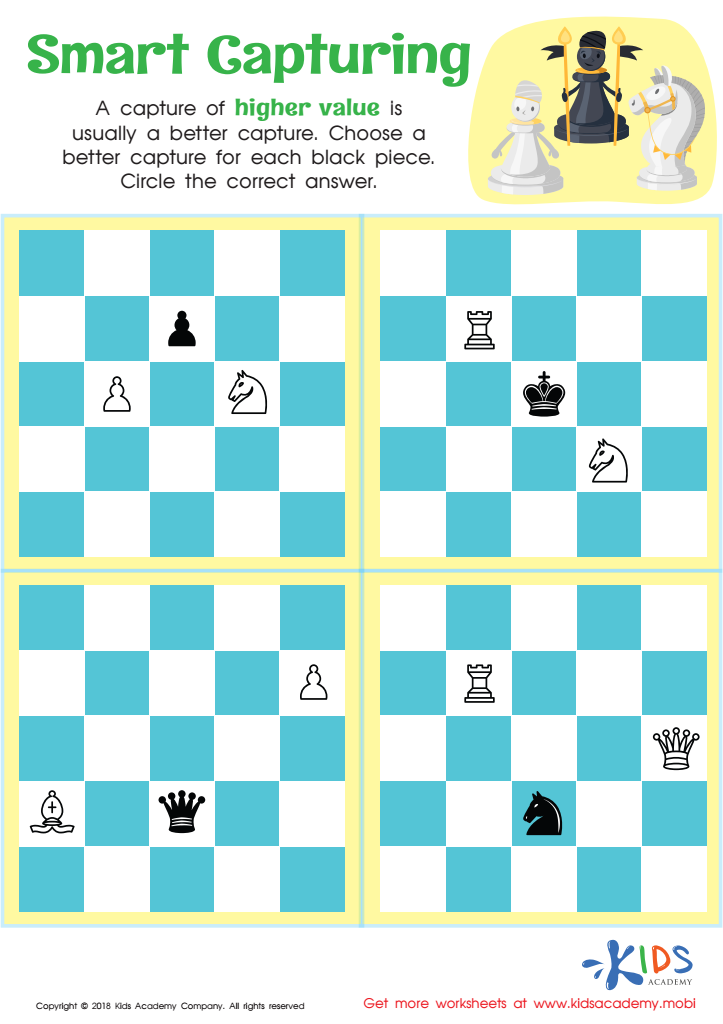
Smart Capturing Worksheet
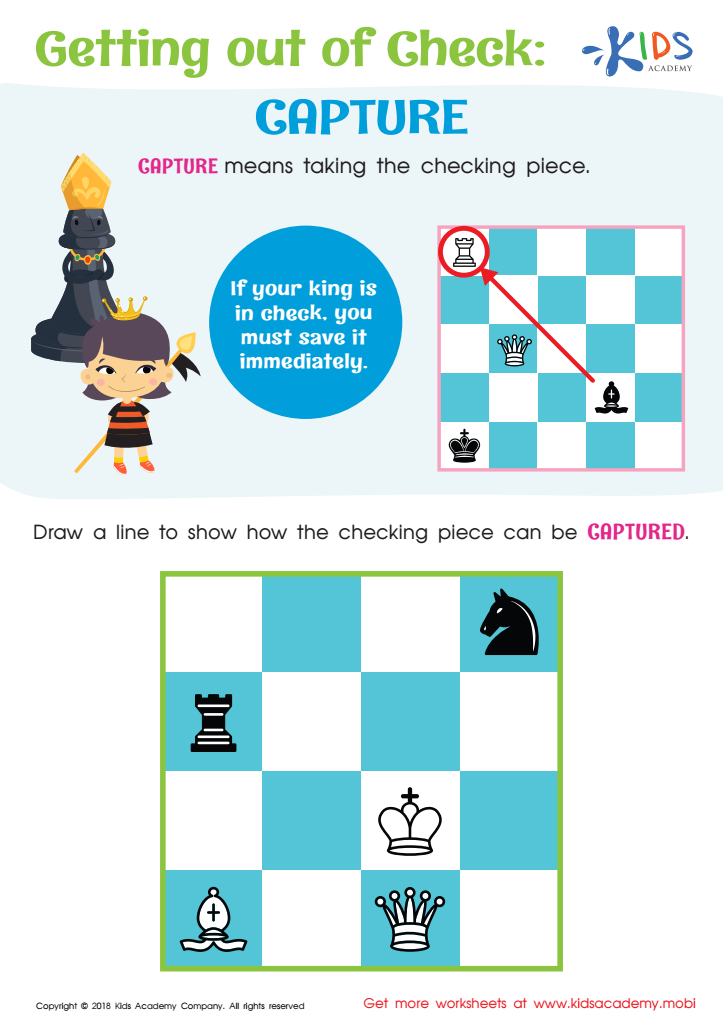
Getting out of Check: Capture
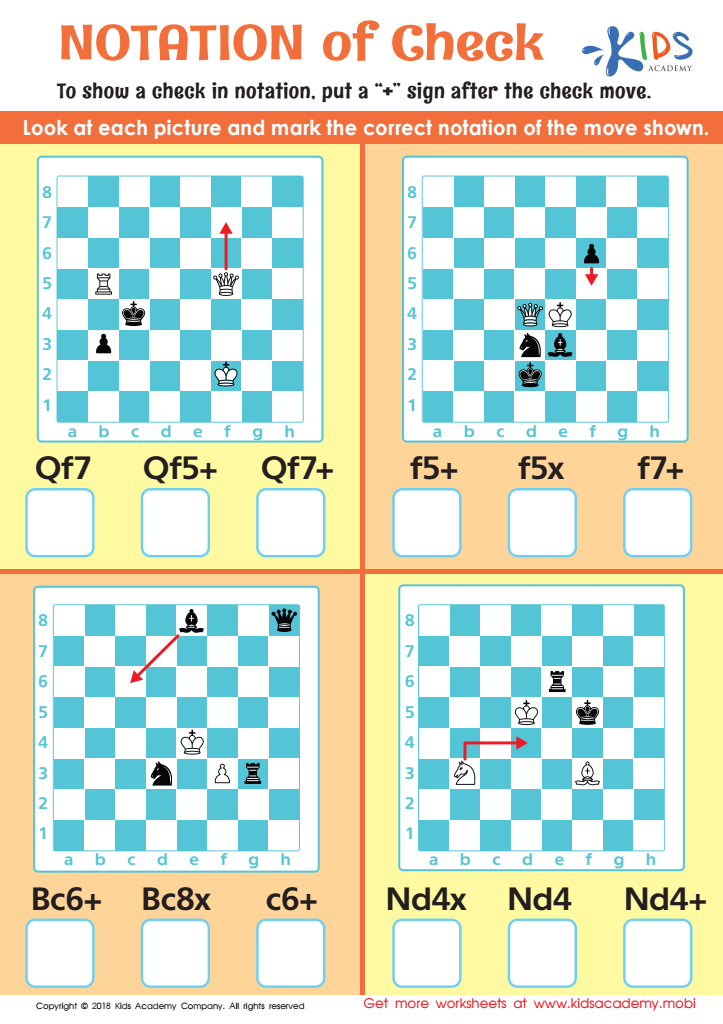
Notation of Check Worksheet
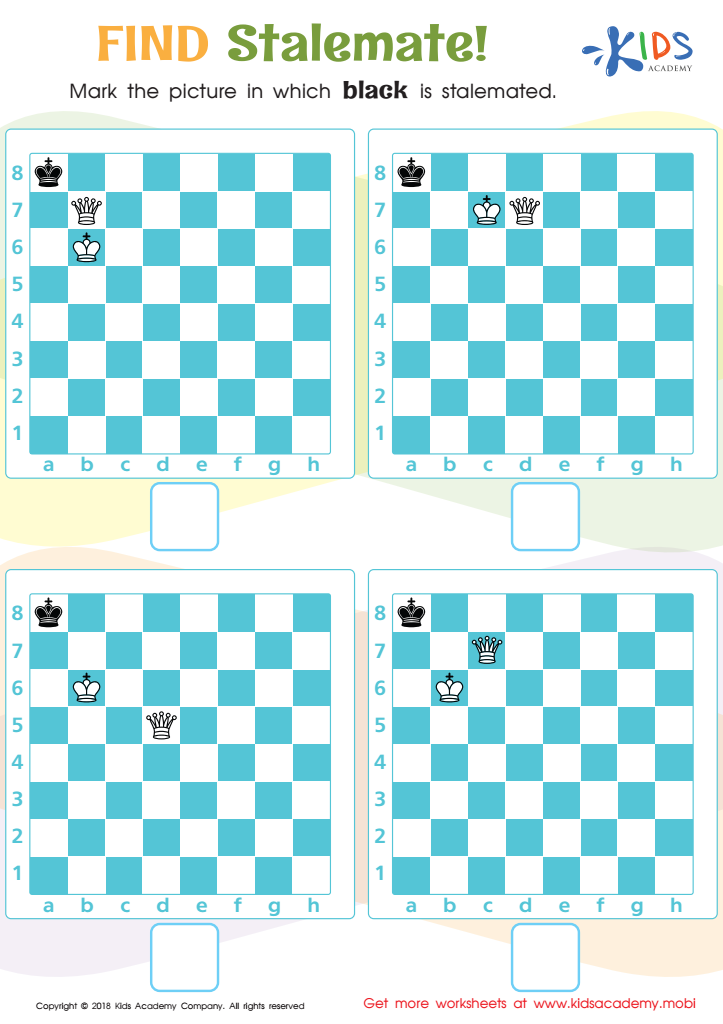
Find Stalemate! Worksheet
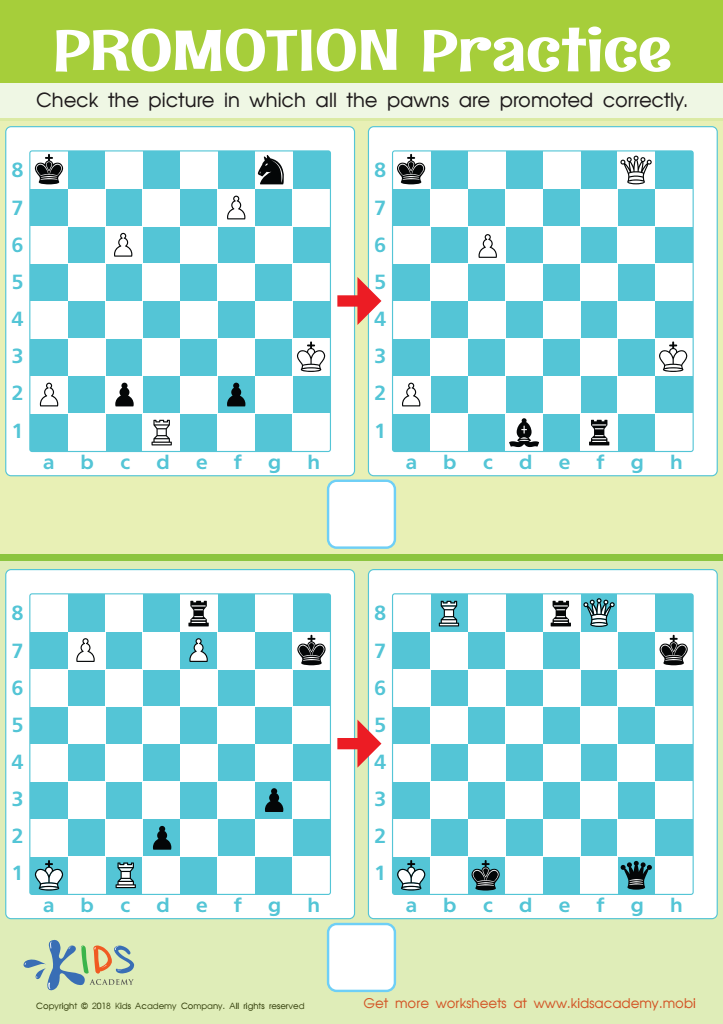
Promotion Practice Worksheet
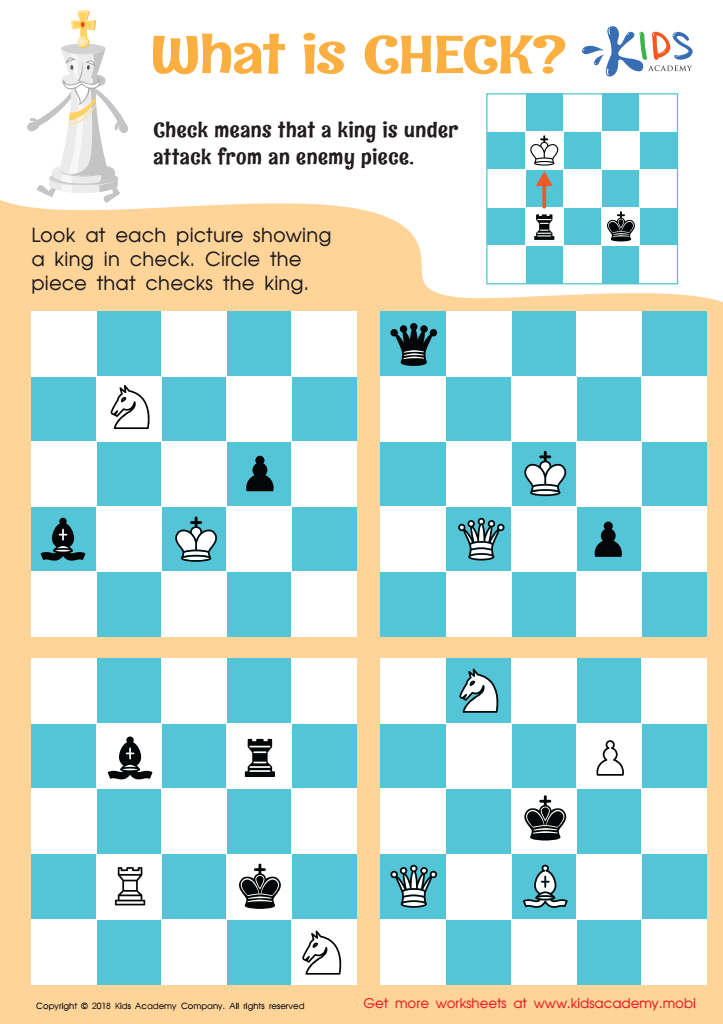
What is Check? Worksheet
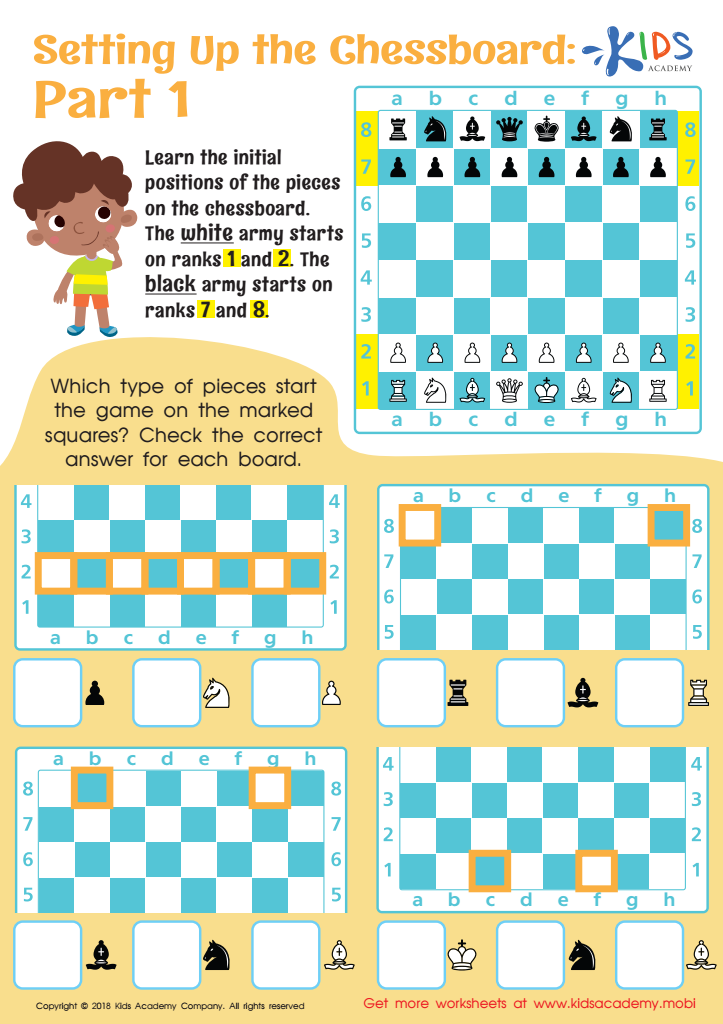
Setting up the Chessboard: Part 1 Worksheet
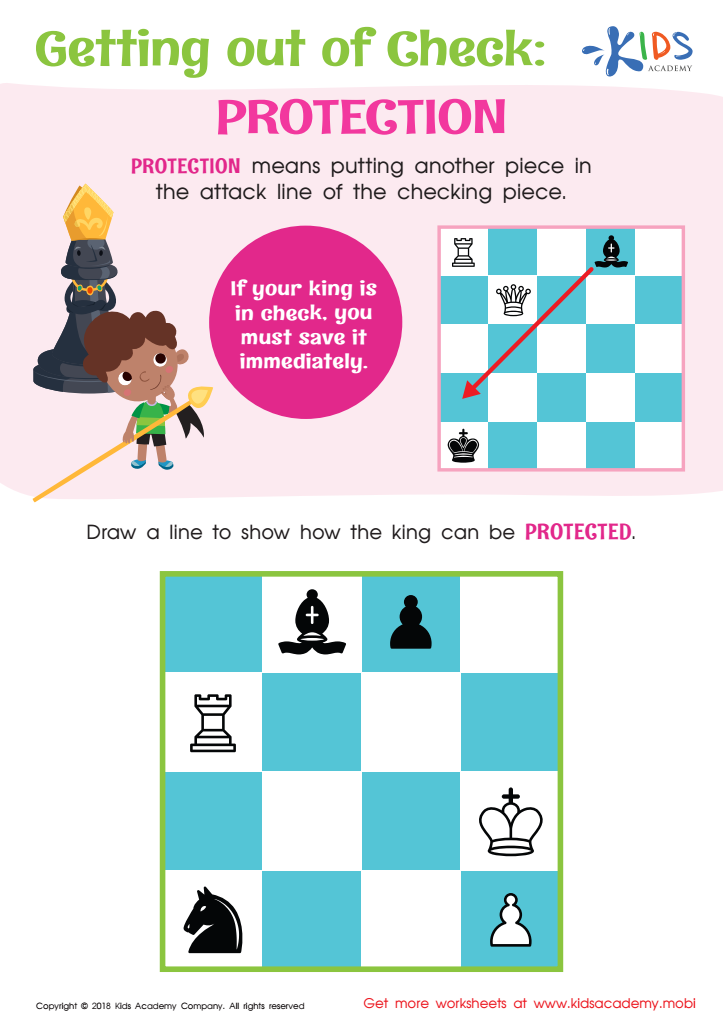
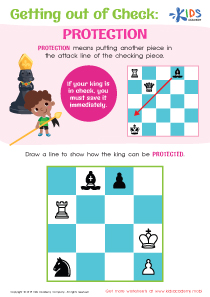
Getting out of Check: Protection
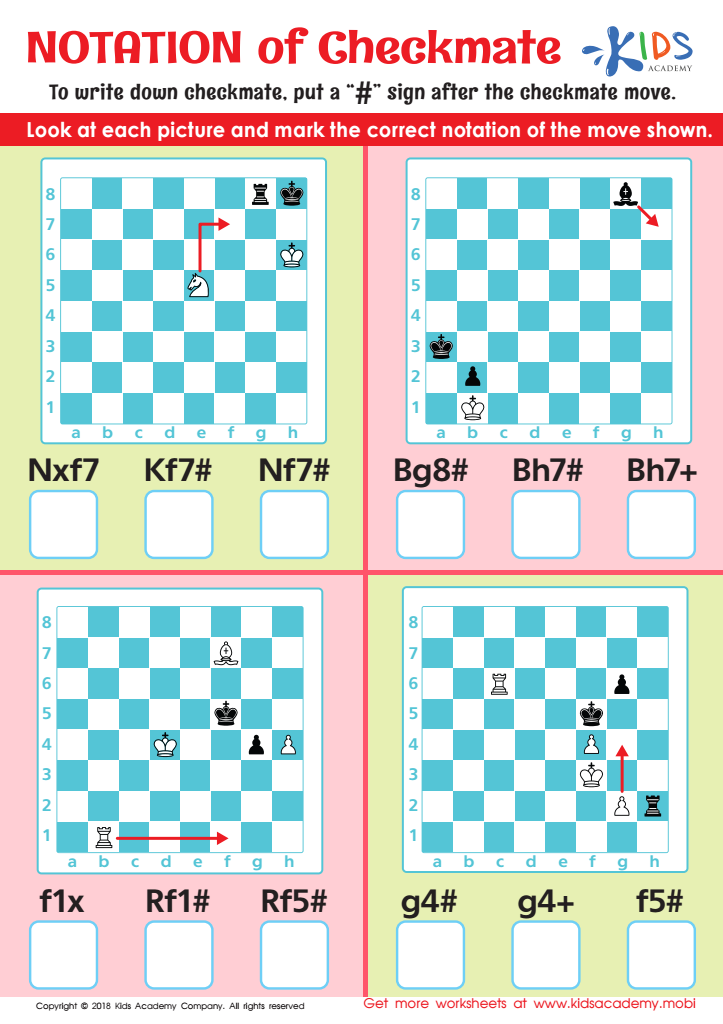
Notation of Checkmate Worksheet








Chess is an excellent educational tool for children ages 5-6, making it an important consideration for parents and teachers. Firstly, playing chess enhances critical thinking and problem-solving skills, as young players learn to analyze situations and foresee potential outcomes. This cognitive exercise encourages creativity and innovation, fostering a growth mindset.
Furthermore, chess teaches valuable life skills, including patience, discipline, and sportsmanship. As children engage in the game, they learn how to handle successes and setbacks gracefully, cultivating resilience. Chess also promotes social interaction and communication, as kids often play in pairs or small groups, developing their interpersonal skills.
Additionally, studies have demonstrated that engaging with chess can improve academic performance. The game bolsters math skills by introducing concepts like patterns, sequences, and strategic planning, making math more accessible and enjoyable.
Moreover, the game can boost memory and concentration, critical within the framework of early education. For young learners, chess provides a fun, engaging way to challenge themselves mentally, while laying the groundwork for future academic and social success. Thus, incorporating chess into early learning environments can yield multiple benefits and help shape well-rounded, thoughtful individuals.