History Worksheets for Ages 5-7 - Page 2
38 filtered results
-
From - To
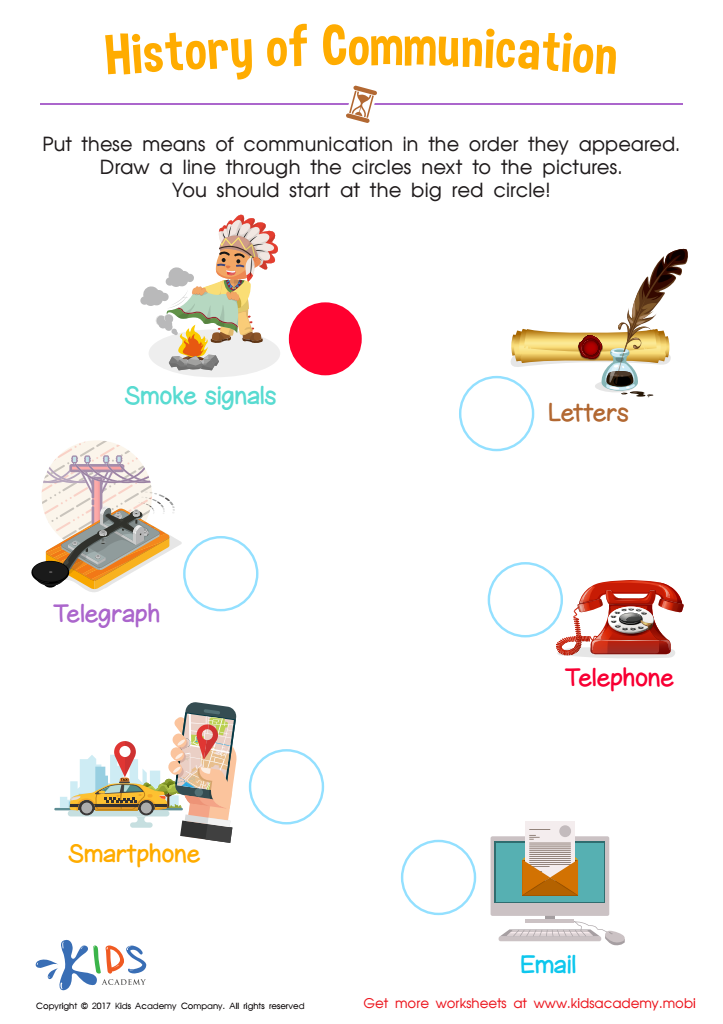
History of Communication Worksheet
 Assign to My Students
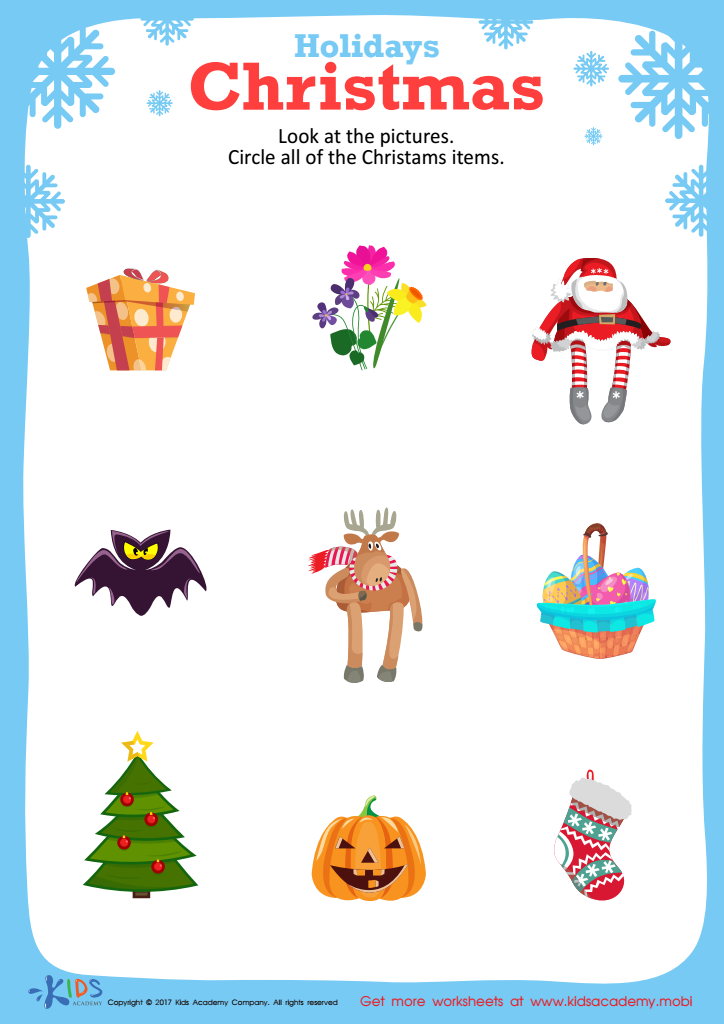
Christmas Holiday Worksheet
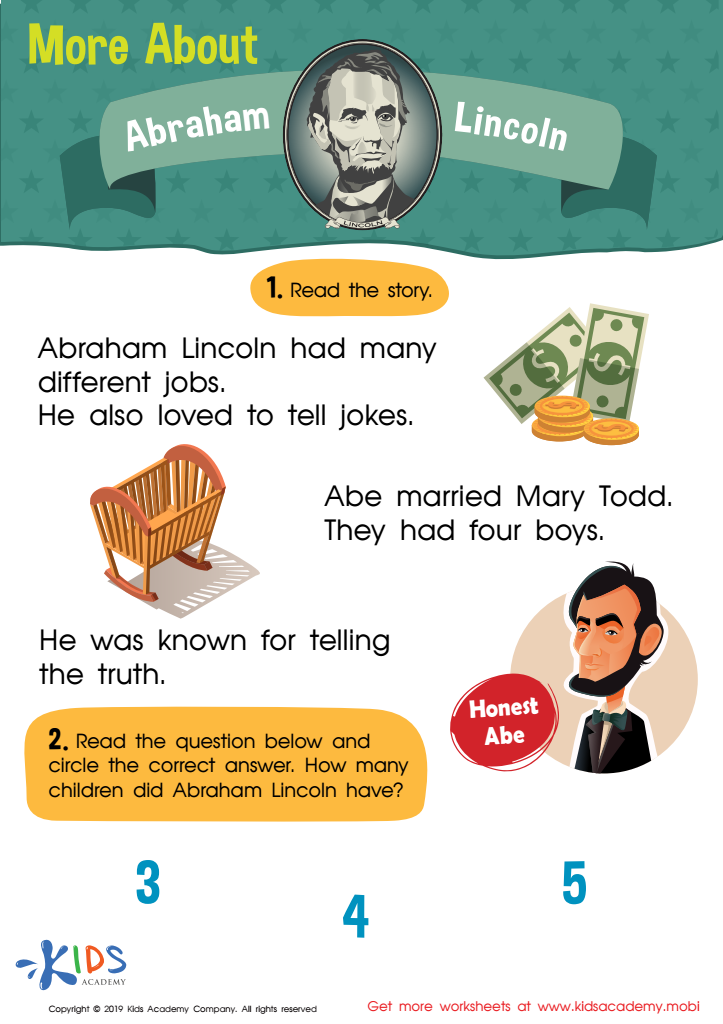
More About Abraham Lincoln Worksheet
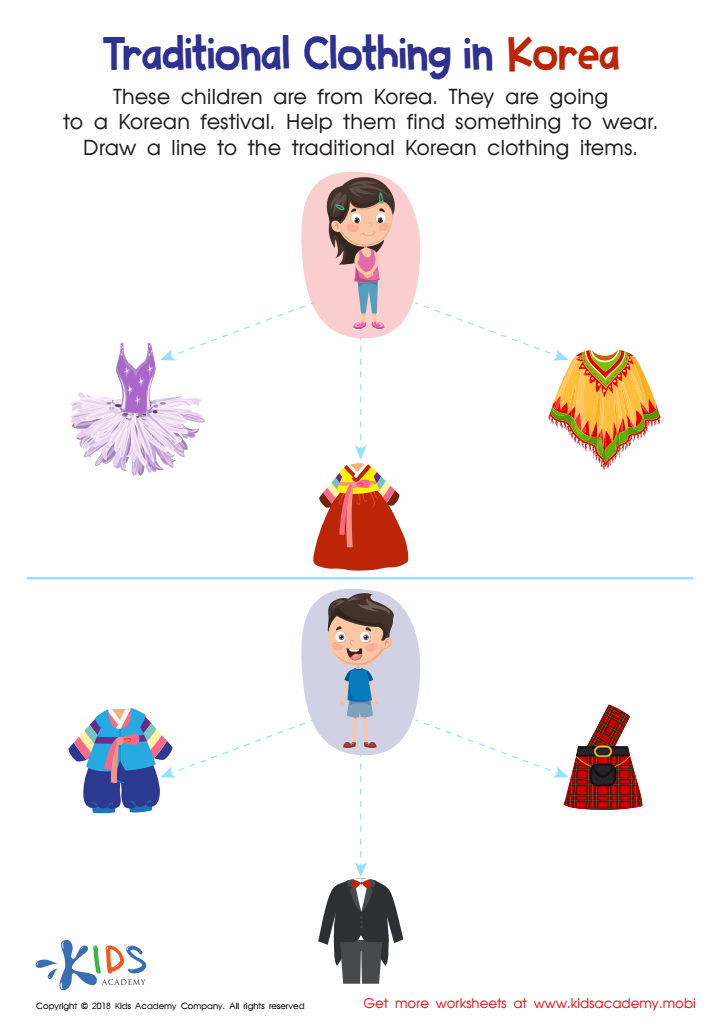
Traditional Clothing in Korea Worksheet
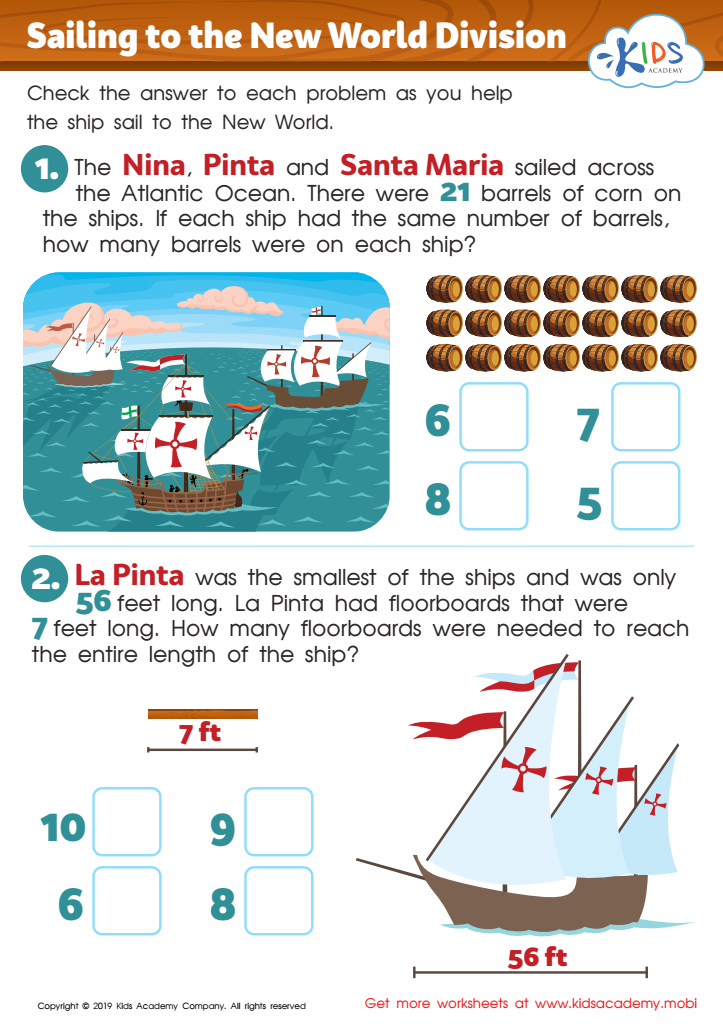
Sailing to the New World Division Worksheet
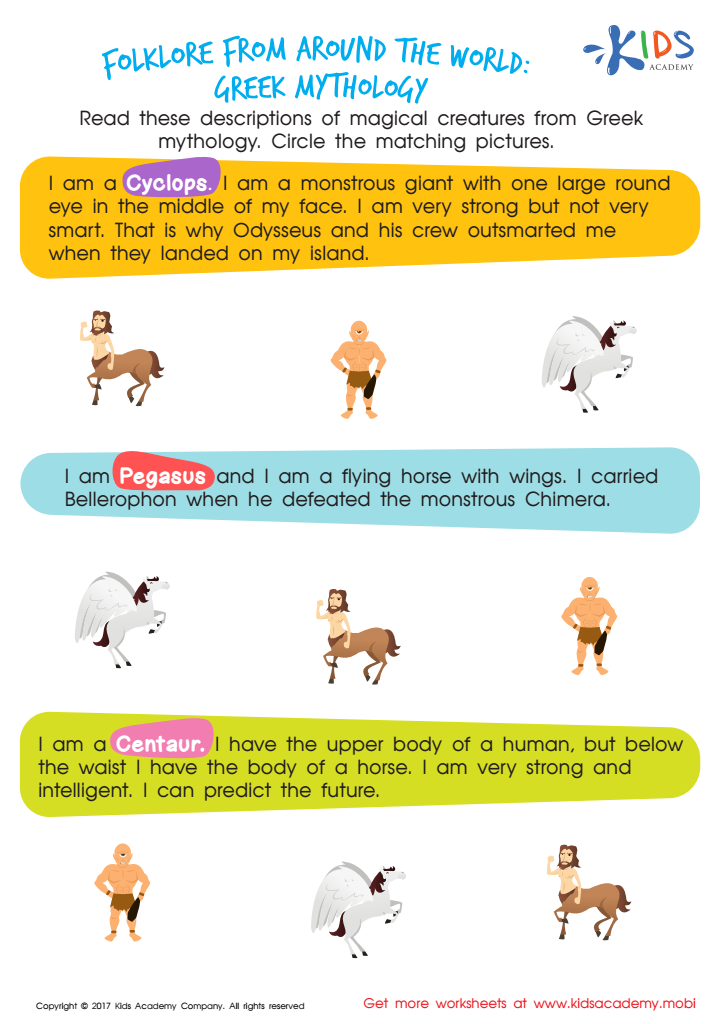
Greek Mythology Worksheet
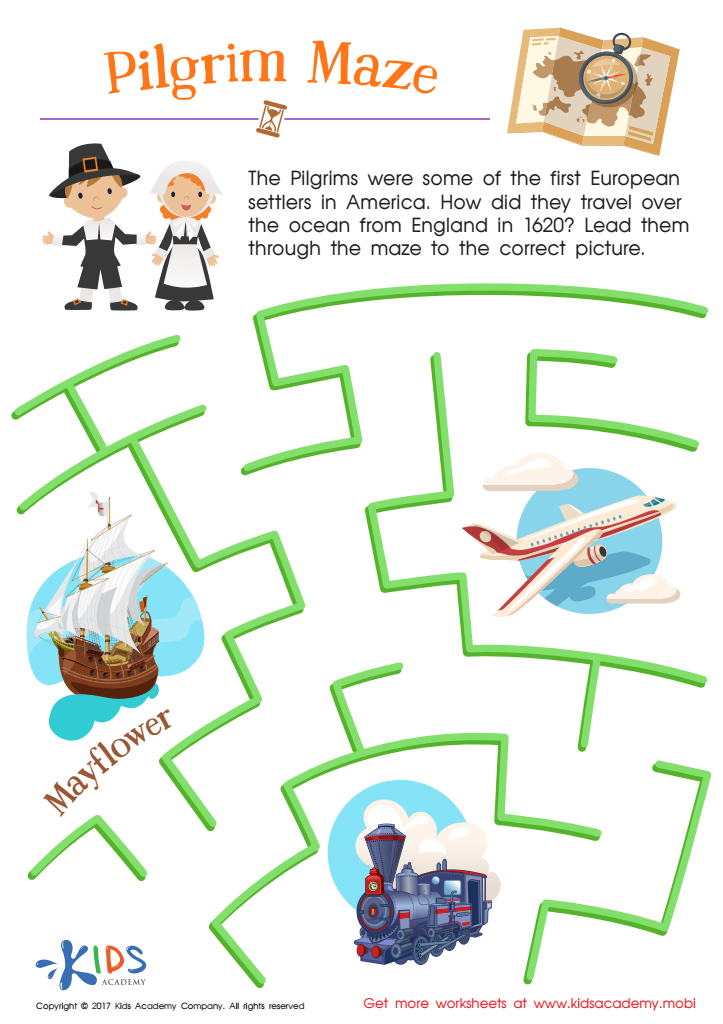
Pilgrim Maze Worksheet
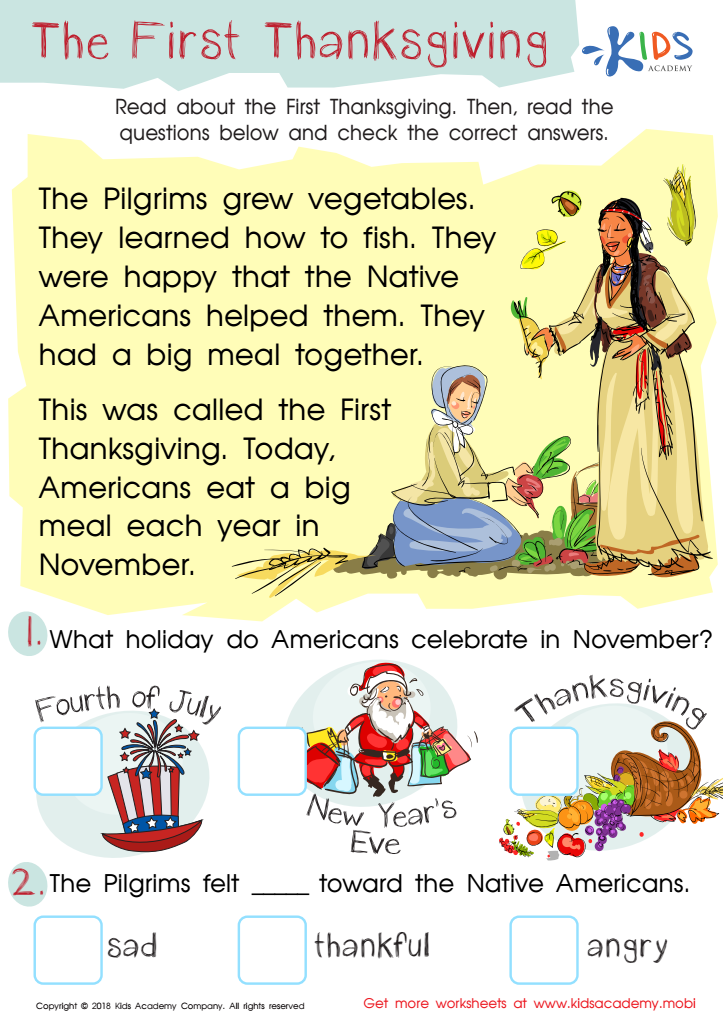
Assessment: First Thanksgiving Worksheet
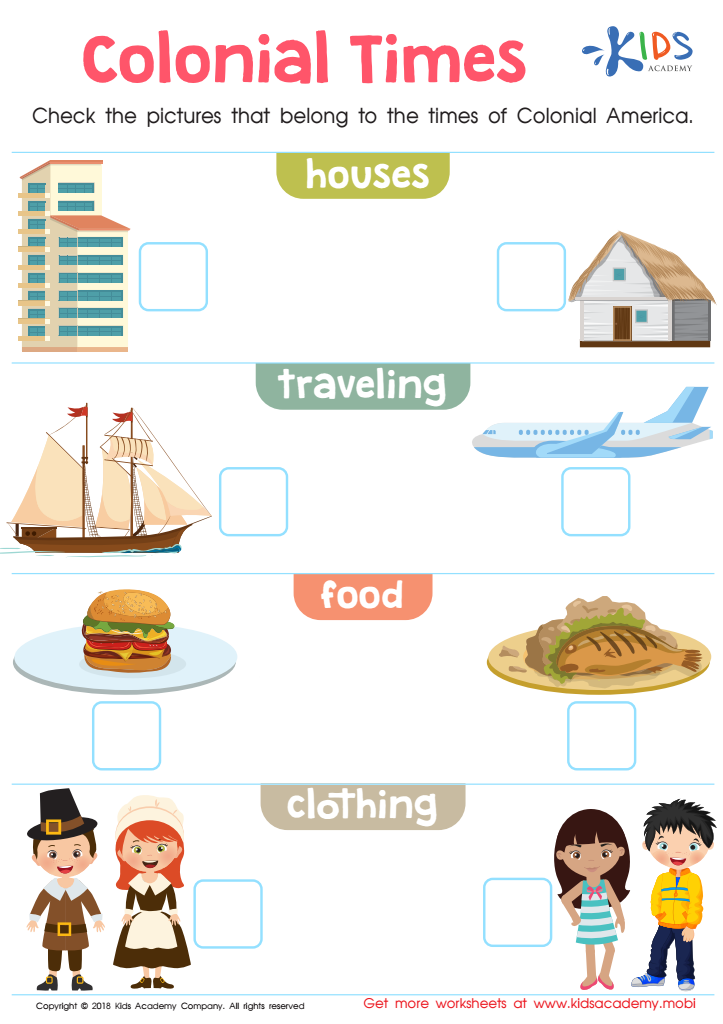
Colonial Times Worksheet
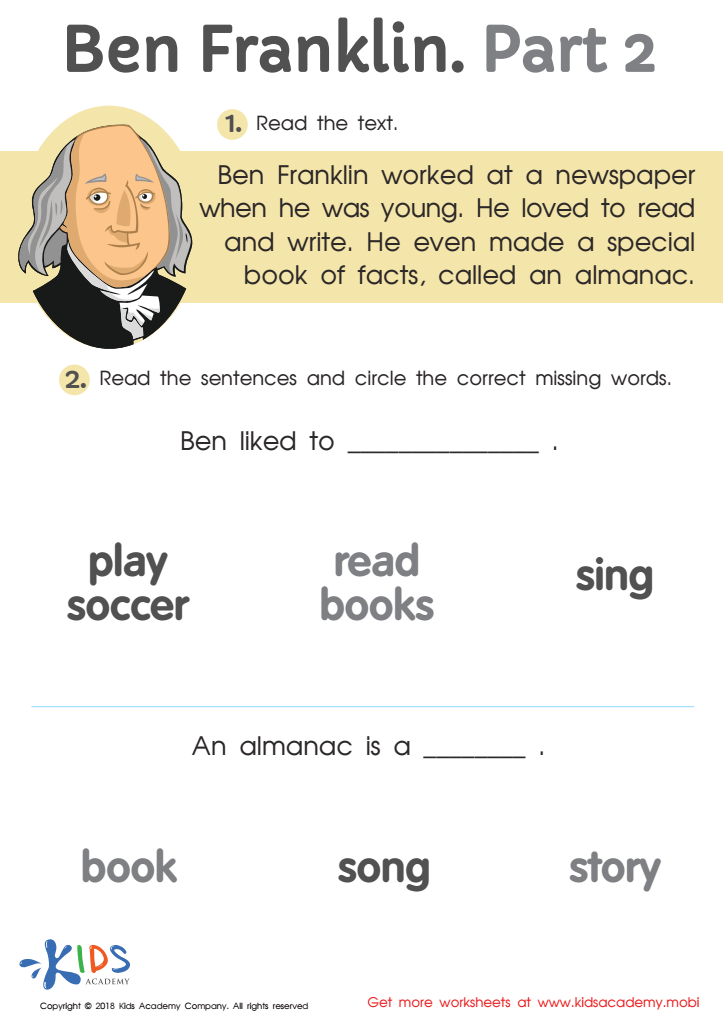
Ben Franklin Part 2 Worksheet
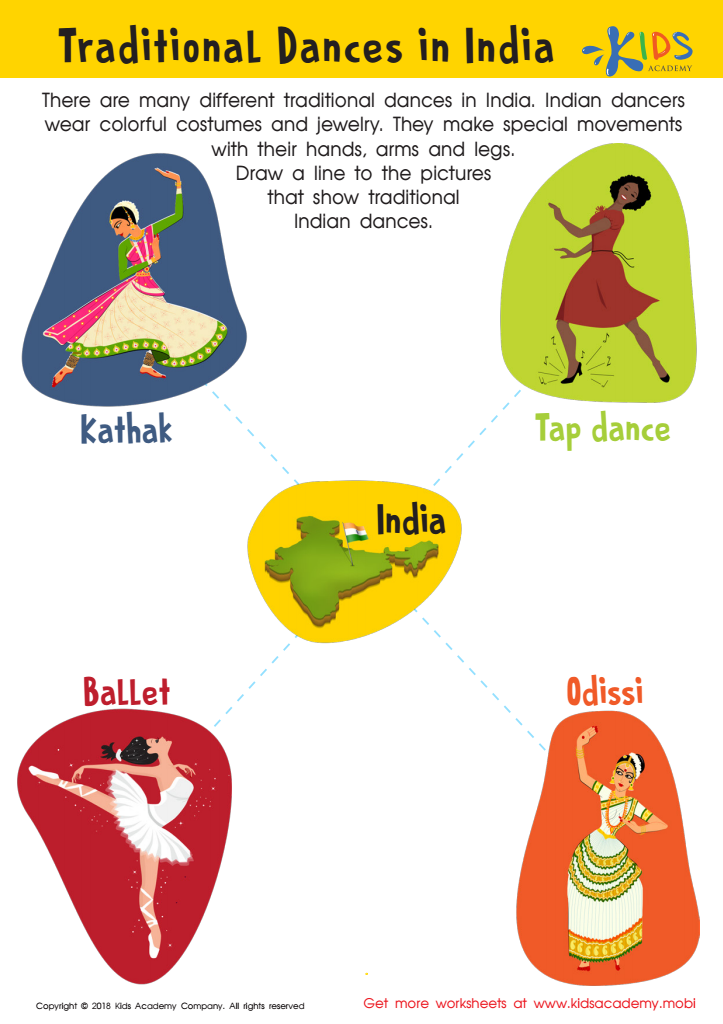
Traditional Dances in India Worksheet
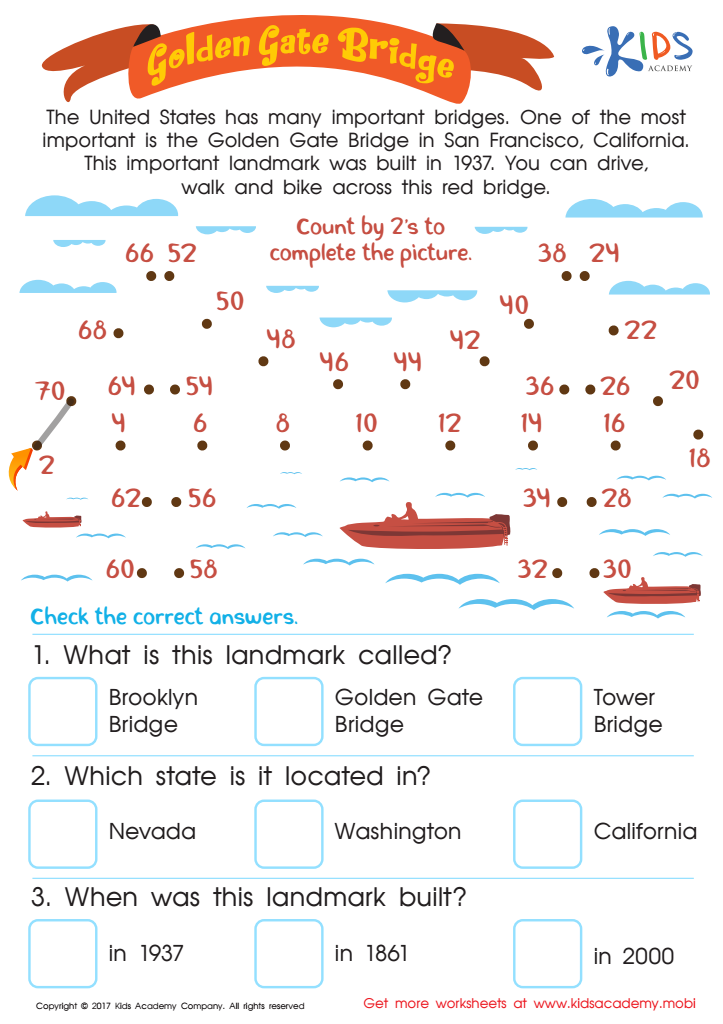
Golden Gate Bridge Worksheet
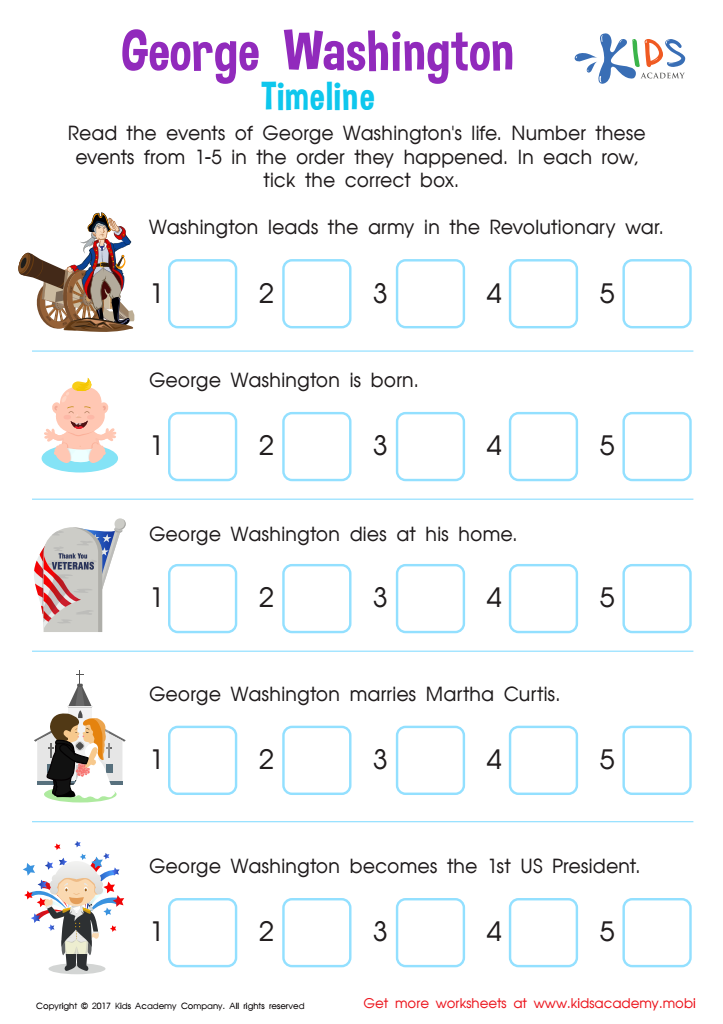
George Washington Timeline Worksheet
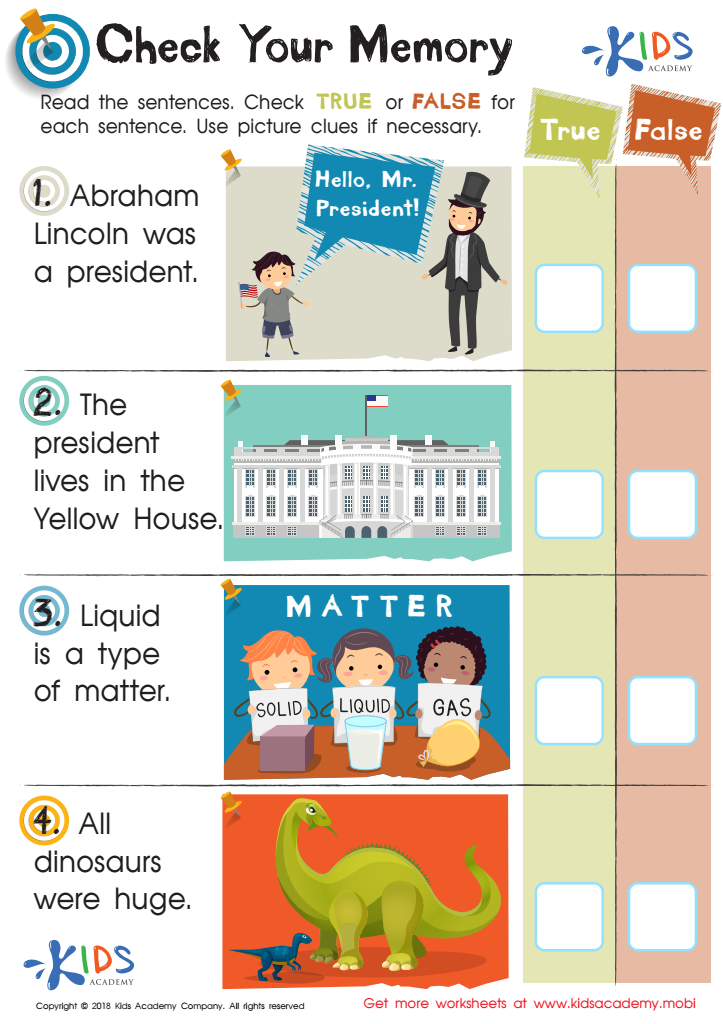
Check Memory Worksheet







.jpg)
Introduction to history for children aged 5-7 lays an essential foundation for their understanding of the world and their place in it. Early exposure to historical concepts helps develop critical thinking and analytical skills by allowing young learners to perceive timelines, cause-and-effect relationships, and the sequence of events. Learning about history also enhances children's ability to draw parallels between the past and the present, fostering a sense of continuity and context.
For parents and teachers, teaching history at this stage can also provide an opportunity to instill values such as empathy, respect, and appreciation for diversity. Understanding various cultures, traditions, and historical figures broadens a child's perspective and encourages tolerance and inclusiveness. Moreover, it helps children learn valuable life lessons through stories of perseverance, bravery, and kindness.
Studying history can be fun and engaging through activities like storytelling, role-playing, and arts and crafts, making it an interactive way to spark curiosity and a love for learning. On a practical level, knowledge of history supports language development and comprehension skills, as historical stories often introduce students to new vocabulary and concepts.
In summary, learning history at ages 5-7 is crucial not just for academic growth but also for nurturing well-rounded, informed, and thoughtful individuals.