Nursery Rhymes Worksheets for Ages 5-8
5 filtered results
-
From - To
Explore our engaging Nursery Rhymes Worksheets for children ages 5-8, designed to spark creativity and enhance early literacy skills! Our diverse selection of printable worksheets includes fun activities based on beloved nursery rhymes, promoting vocabulary development, phonics, and comprehension. Each worksheet offers colorful illustrations and interactive prompts, making learning enjoyable and effective. Whether your child is matching rhymes, filling in the blanks, or engaging in creative writing, these resources cater to varied learning styles. Perfect for home or classroom use, our nursery rhyme activities ensure a developmental and delightful experience for young learners. Start your journey of fun learning today!
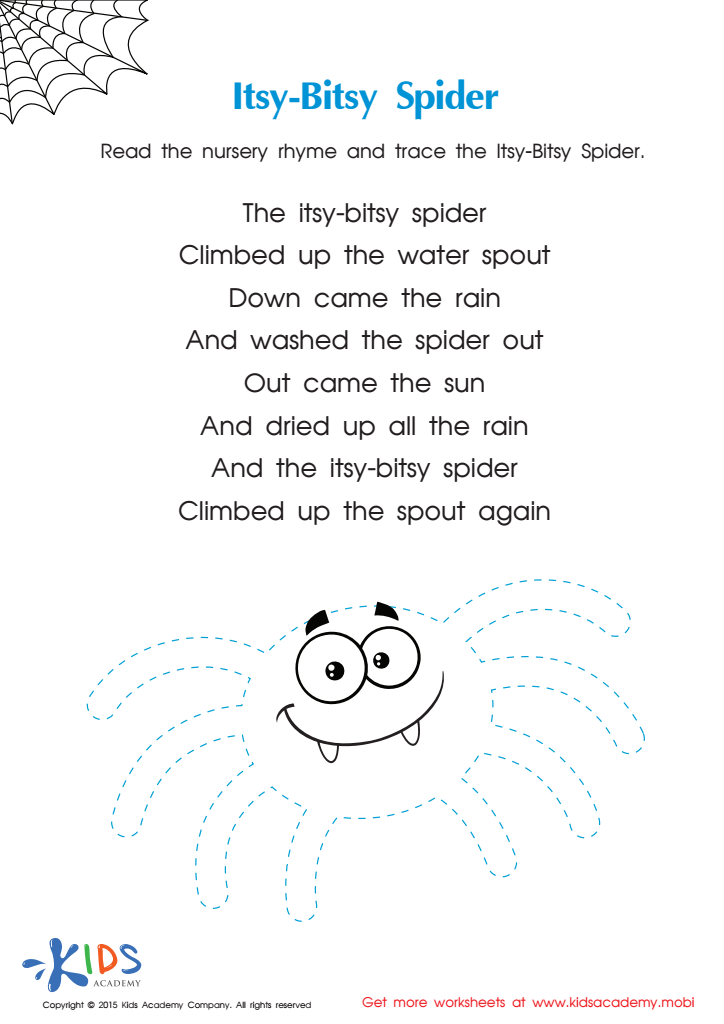
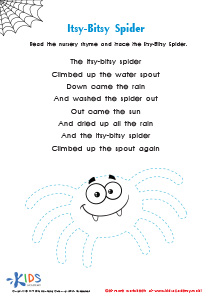
Itsy Bitsy Spider Nursery Rhyme PDF Worksheet
 Assign to My Students
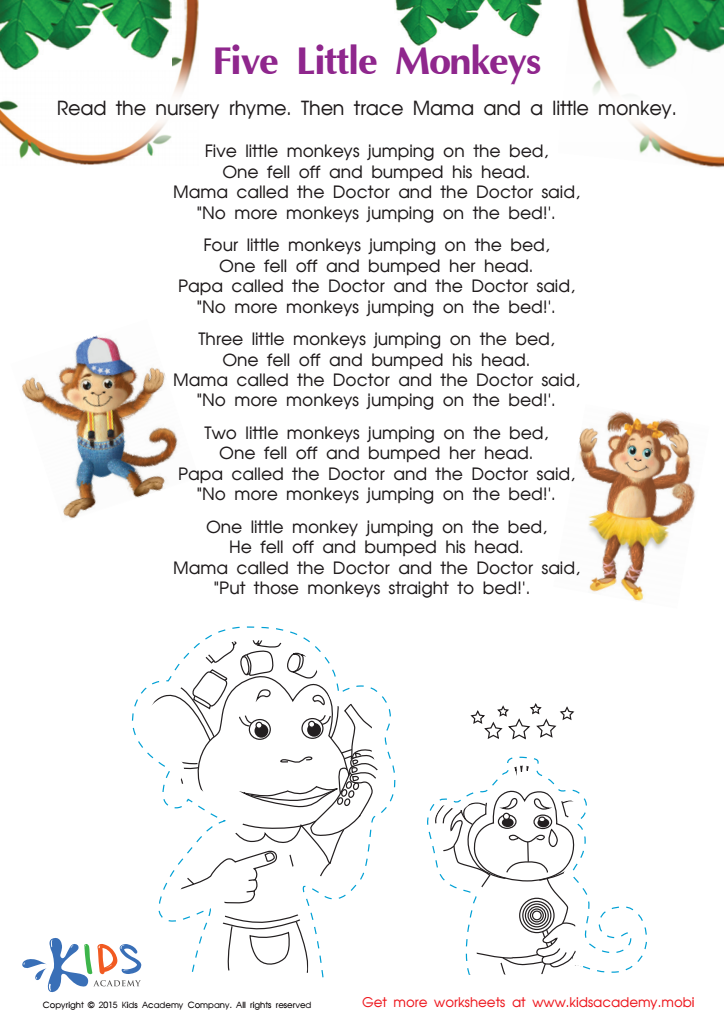
The Five Little Monkeys Nursery Rhyme Worksheet
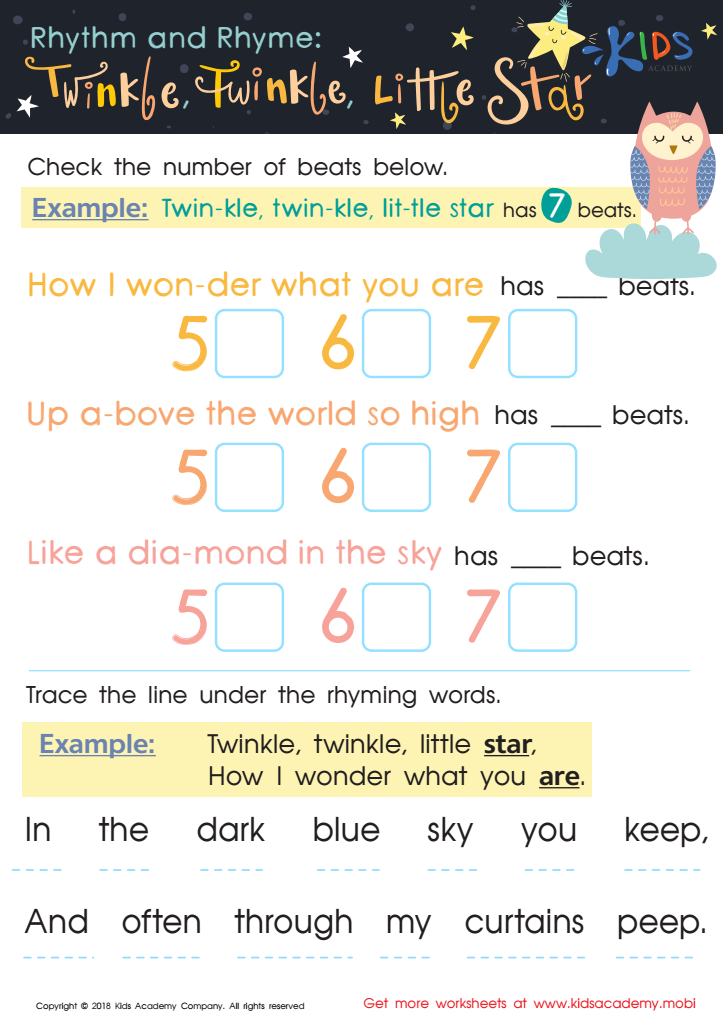
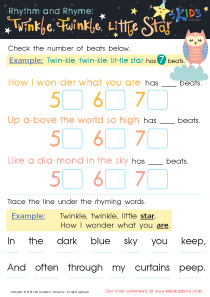
Rhythm and Rhyme: Twinkle, Twinkle, Little Star Worksheet
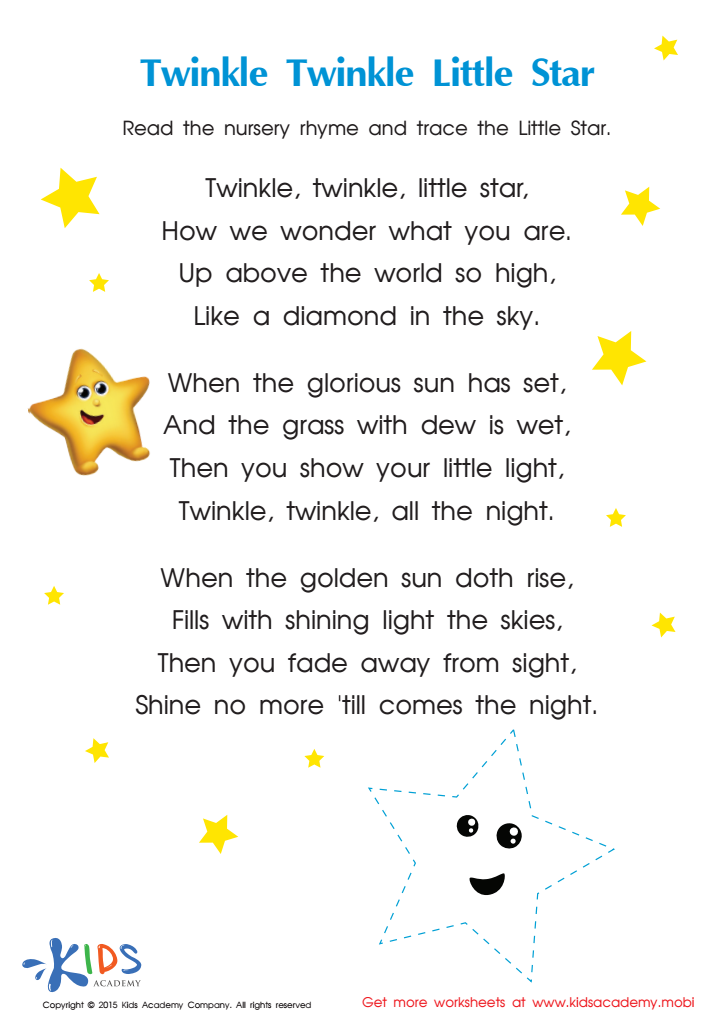
Nursery Rhymes: Twinkle Little Star Worksheet
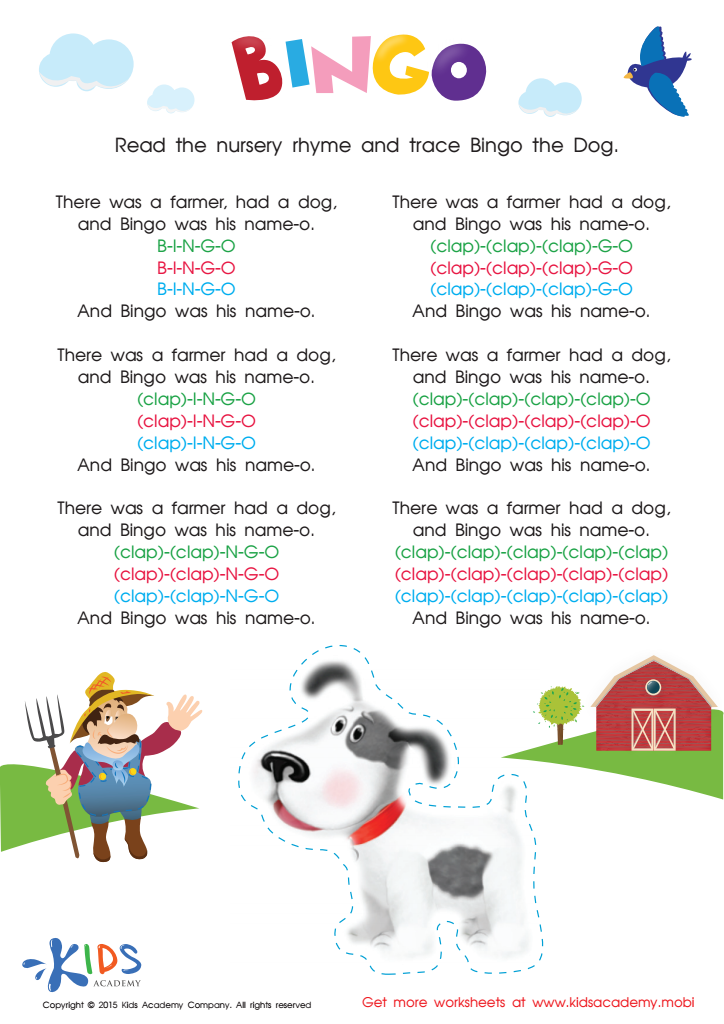
Nursery Rhymes: The Bingo Song Worksheet








Nursery rhymes play a crucial role in early childhood development, particularly for children ages 5-8. Firstly, they enhance linguistic skills. The rhythmic patterns, rhyming words, and repetitive nature help children develop phonemic awareness, vocabulary, and pronunciation. This foundational language skill is essential as they progress in reading and writing.
Secondly, nursery rhymes foster cognitive development. The simple, often whimsical narratives stimulate imagination and critical thinking. Children learn to make connections, anticipate outcomes, and understand sequencing within the stories presented in the rhymes.
Additionally, these simple verses support social and emotional development. Through shared experiences of singing and reciting rhymes, children bond with peers and caregivers, cultivating a sense of belonging and community. They also introduce emotional concepts and moral lessons, providing a safe space for children to explore feelings and ethical situations.
Lastly, nursery rhymes promote cultural literacy. Many rhymes carry historical or cultural significance, providing context about traditions and collective stories that enrich a child's understanding of diverse backgrounds and worldviews.
In summary, nursery rhymes are not merely playful songs; they are valuable educational tools that nurture language acquisition, cognitive growth, social bonds, and cultural awareness, making them essential for parents and teachers to prioritize.