Science Worksheets for Ages 5-8 - Page 14
393 filtered results
-
From - To
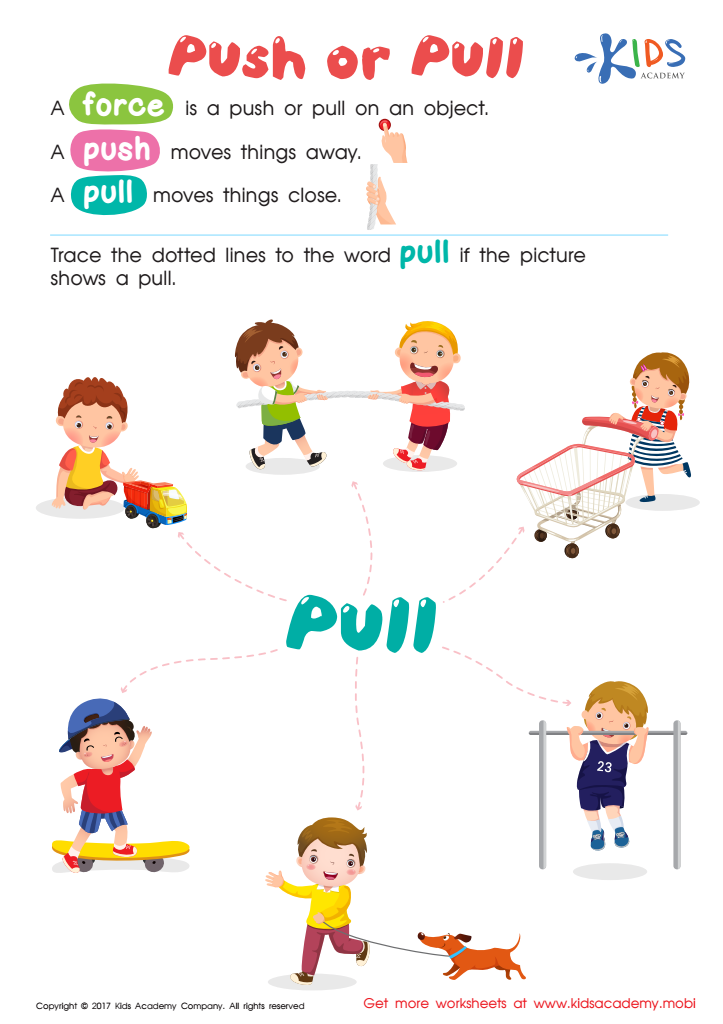
Pull or Push Worksheet
 Assign to My Students
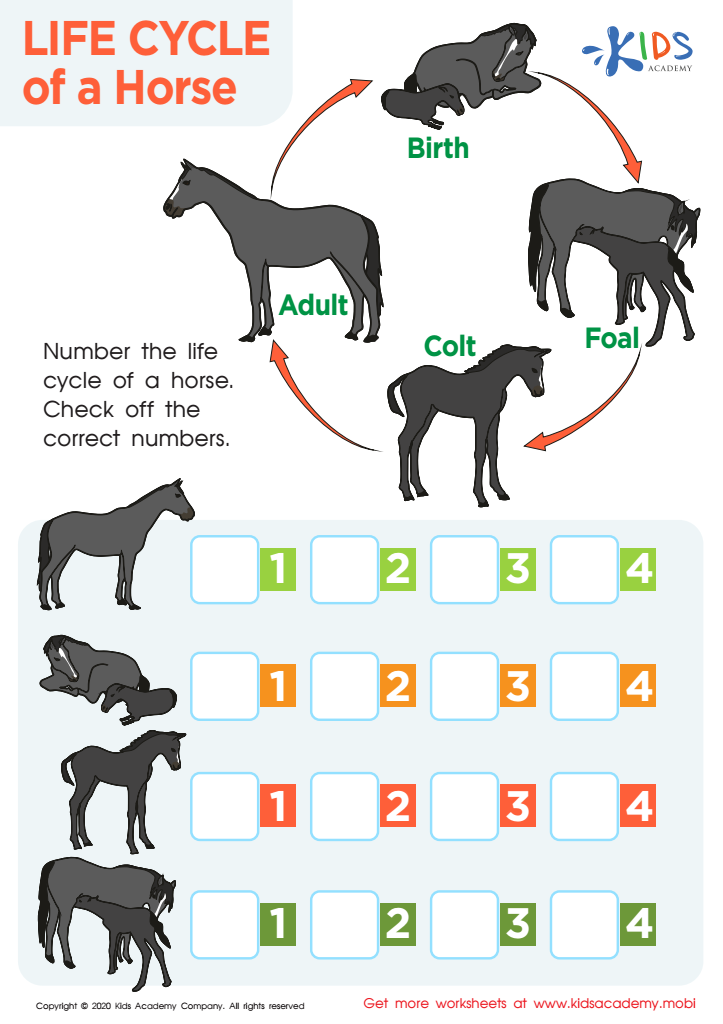
Life Cycle of a Horse Worksheet
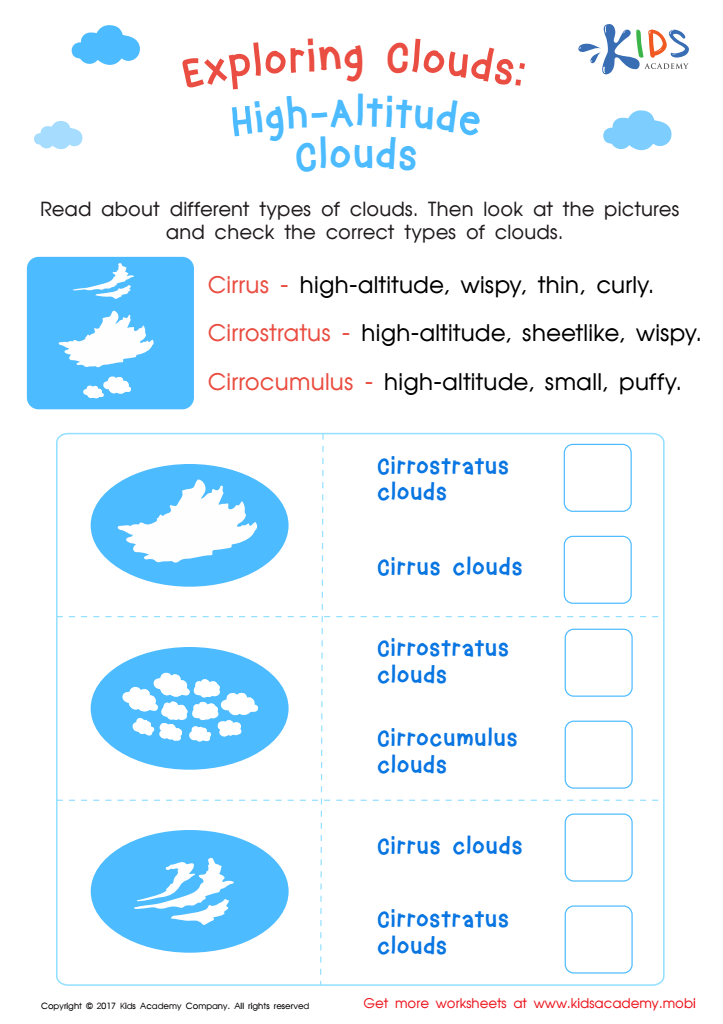
Exploring Clouds: High Altitude Clouds Worksheet
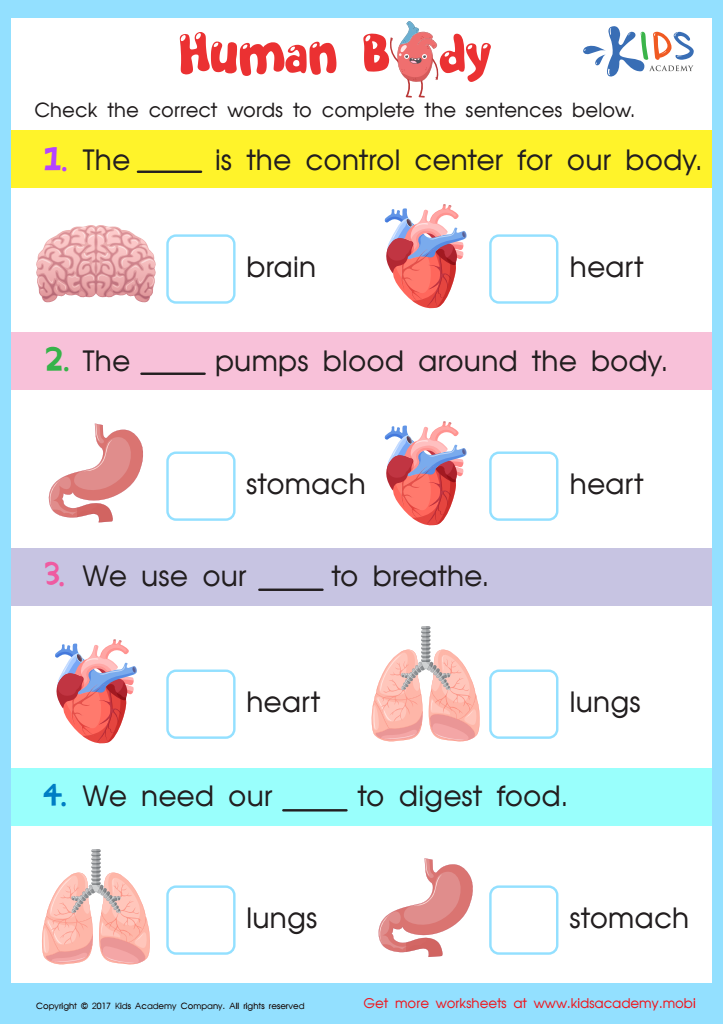
Internal Organs Worksheet
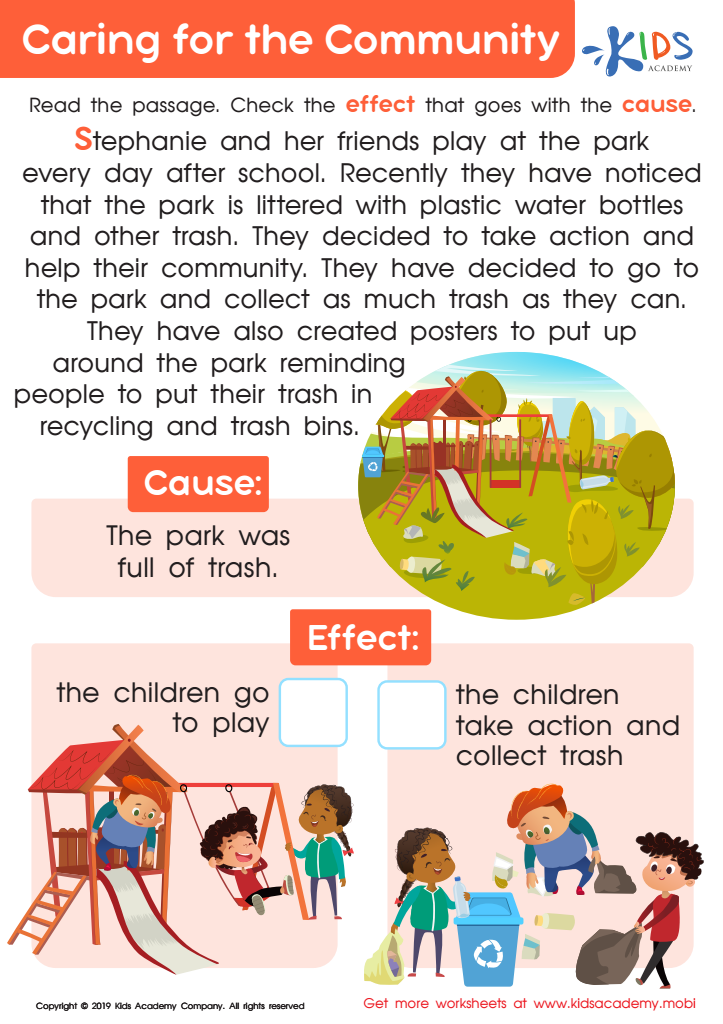
Caring for the Community Worksheet
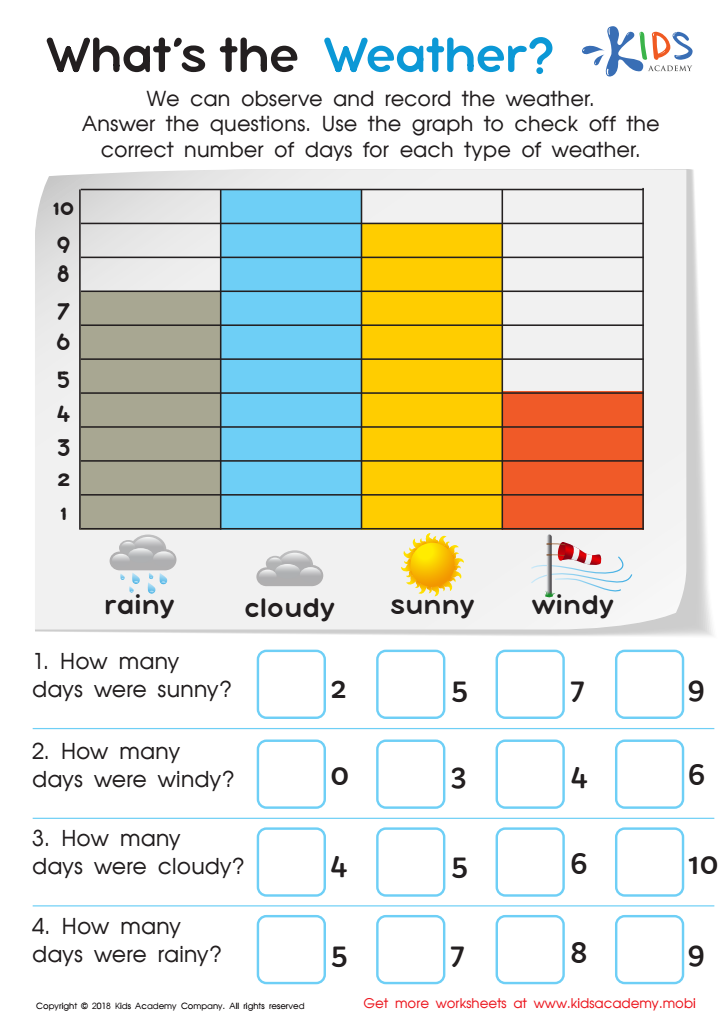
What's the Weather? Worksheet
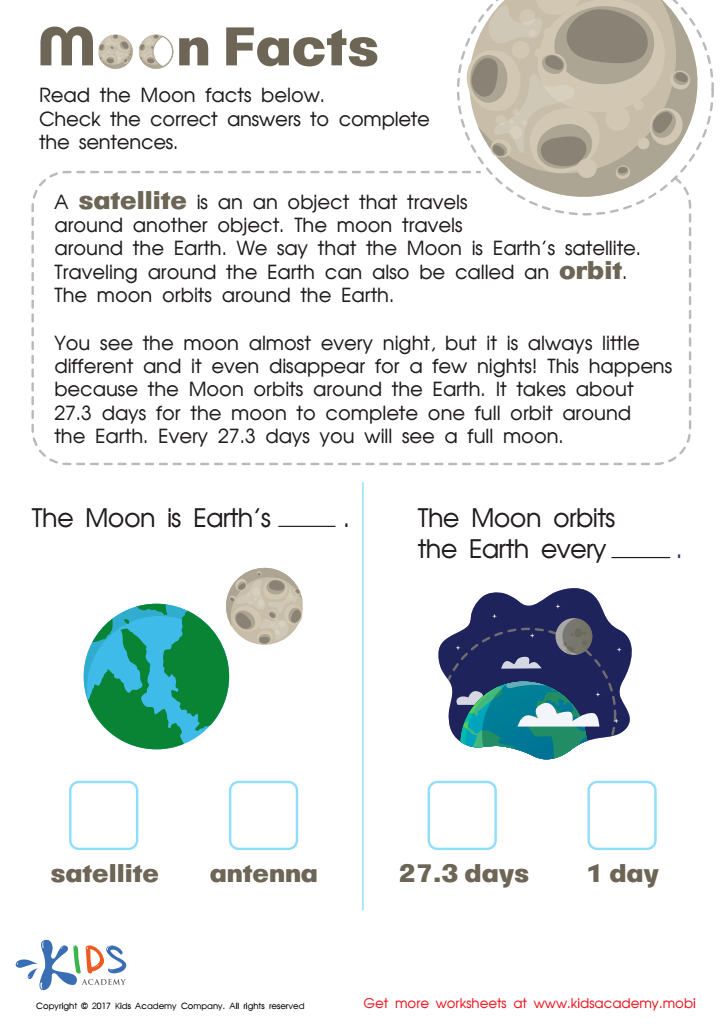
Moon Facts Worksheet
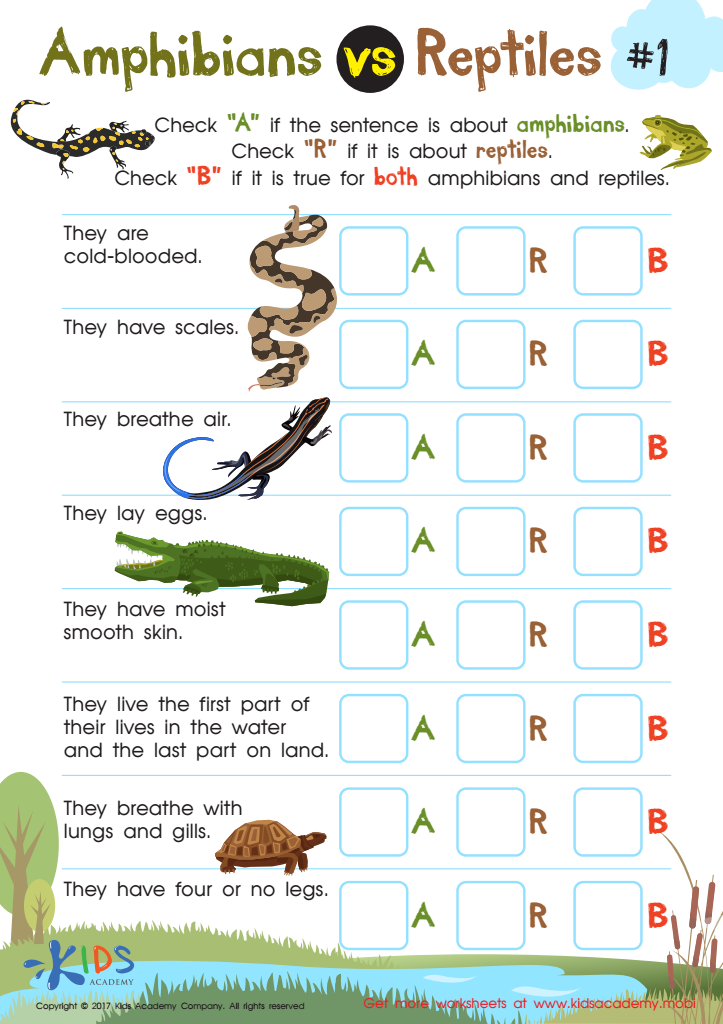
Amphibians vs Reptiles Worksheet
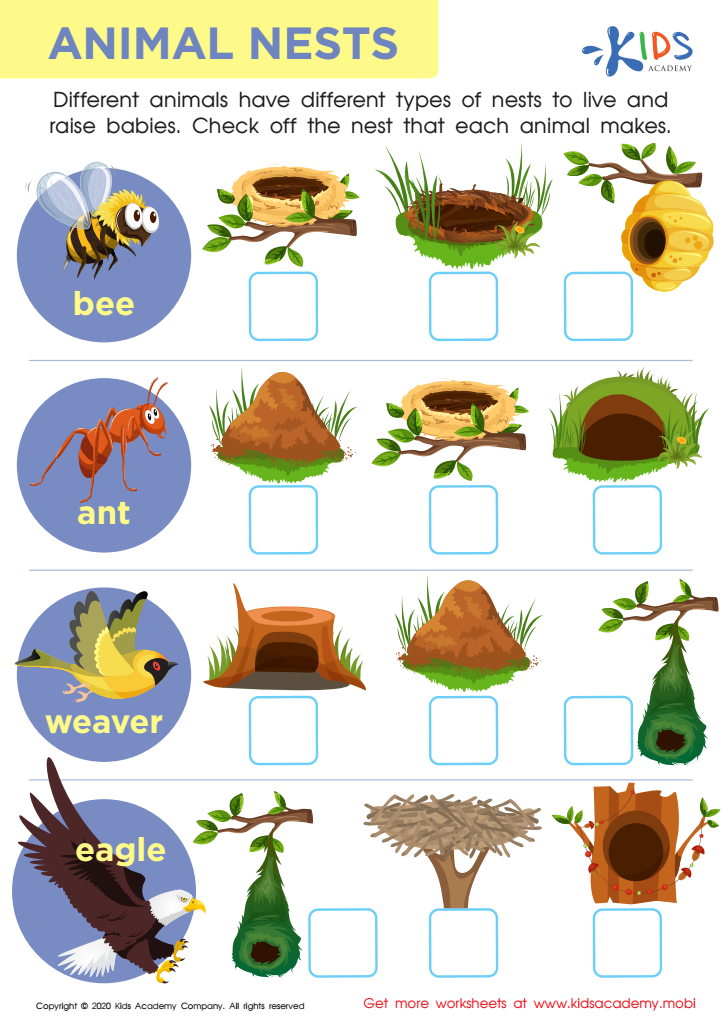
Animal Nests Worksheet
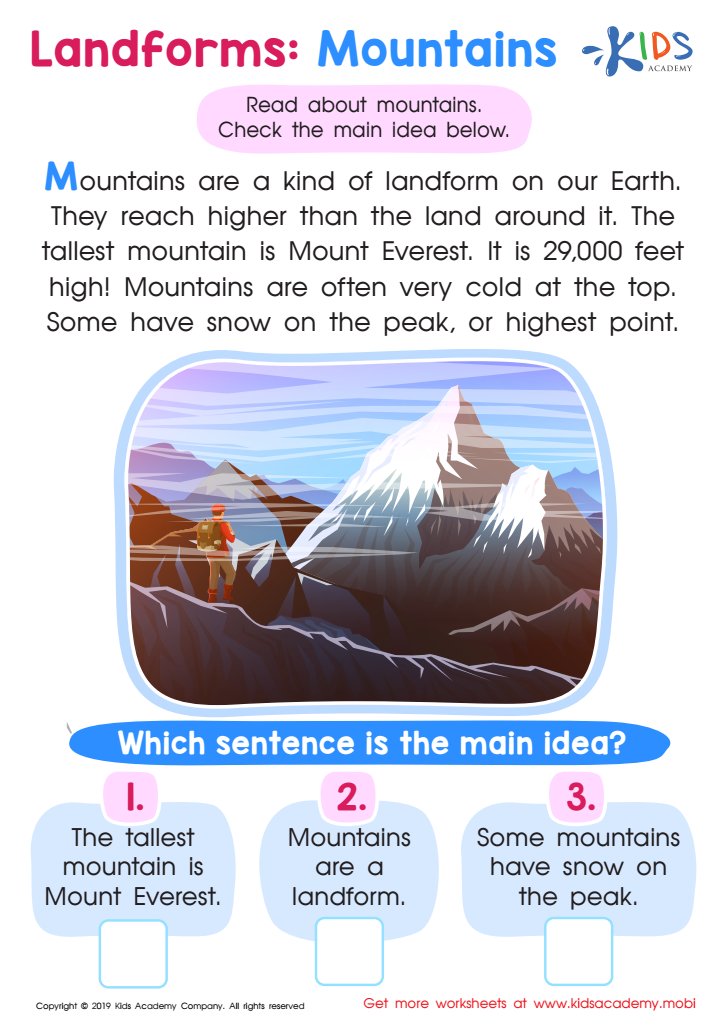
Landforms: Mountains Worksheet
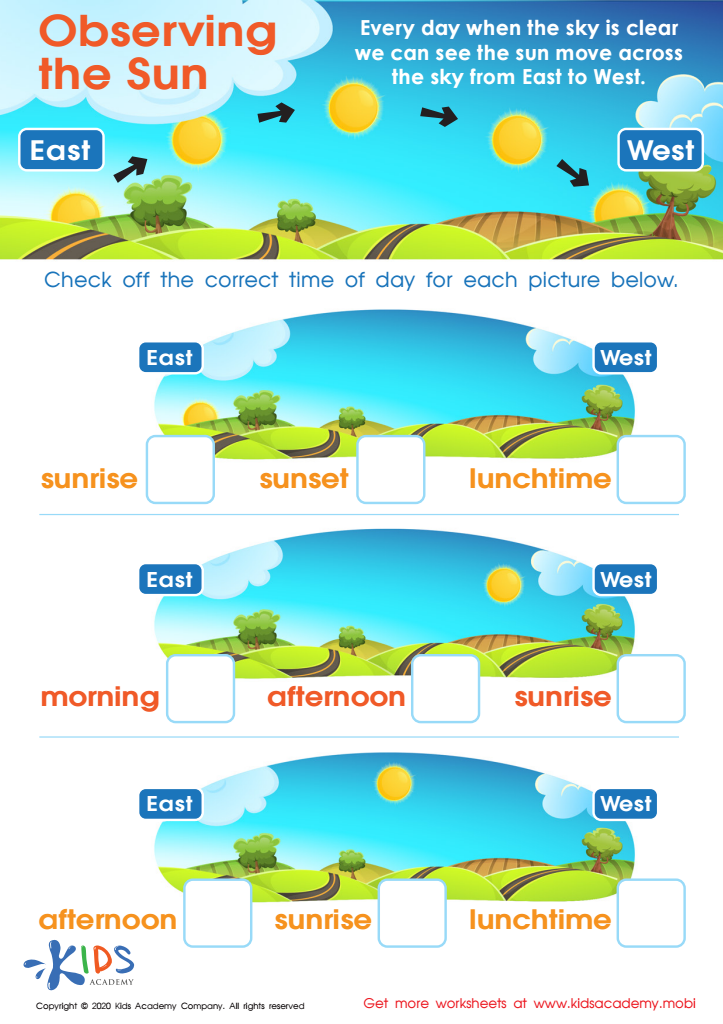
Observing the Sun Worksheet
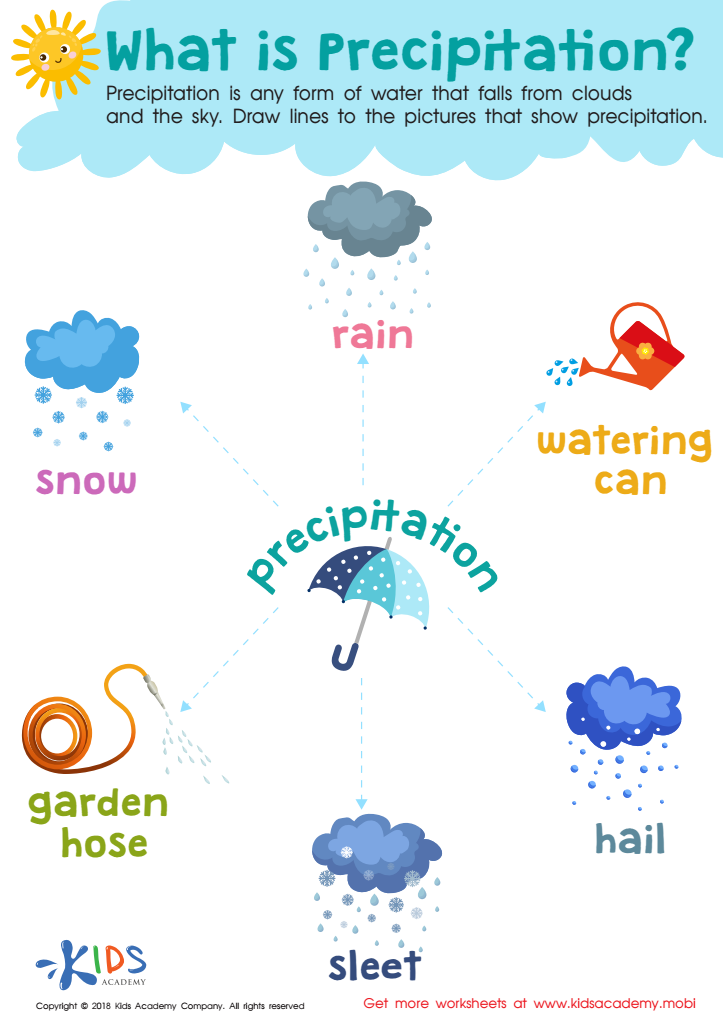
What Is Precipitation? Worksheet
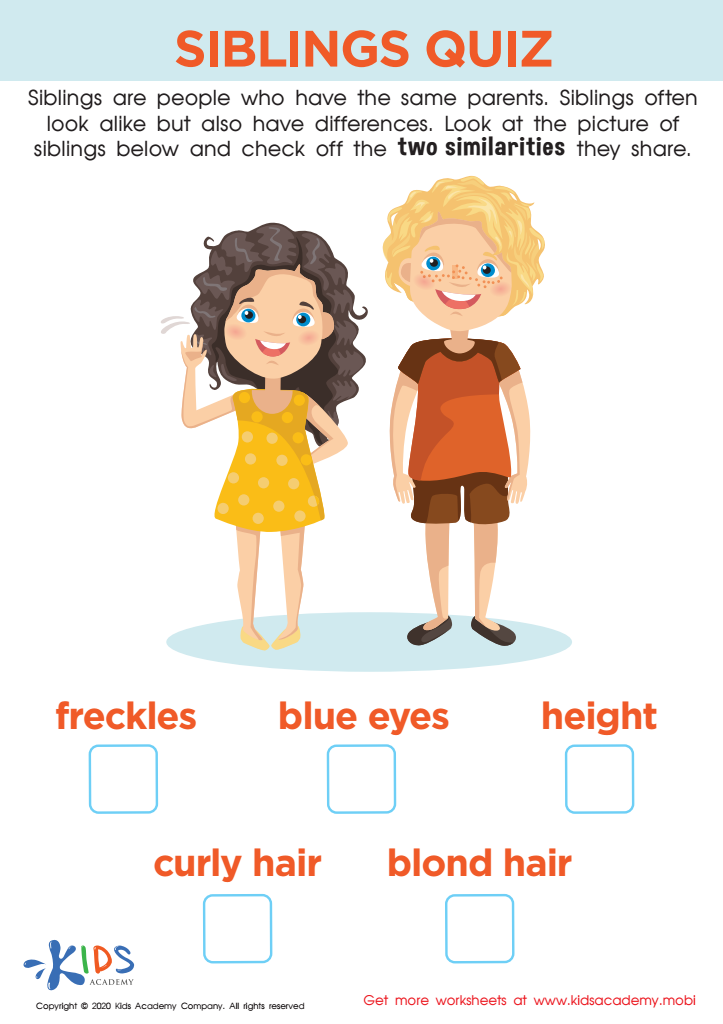
Siblings Quiz Worksheet
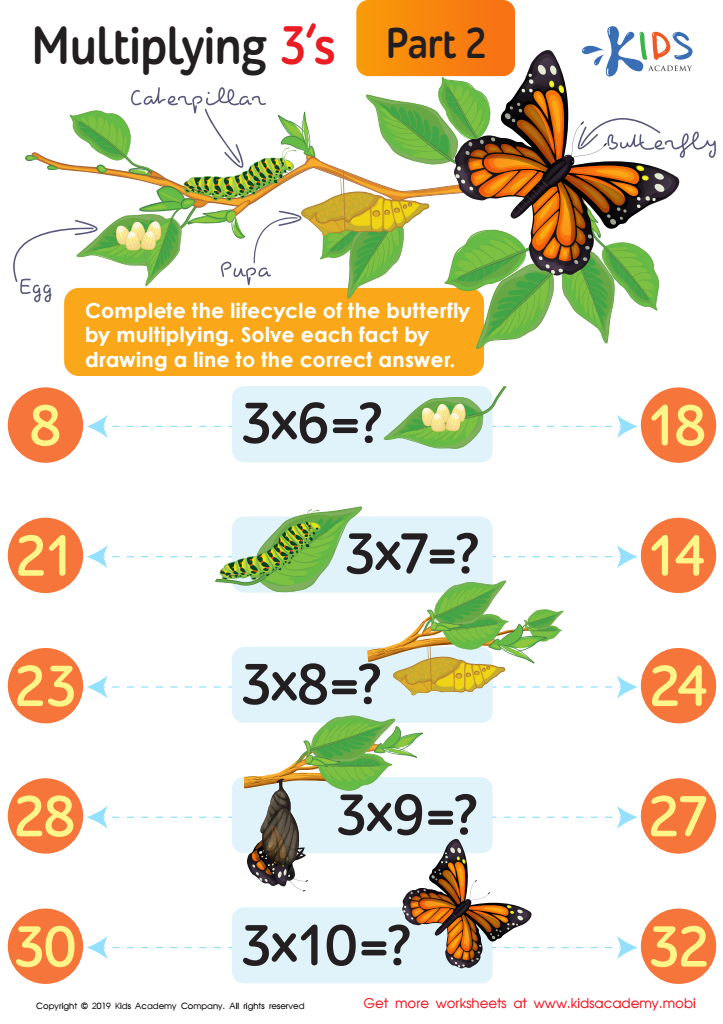
Multiplying 3s Part 2 Worksheet
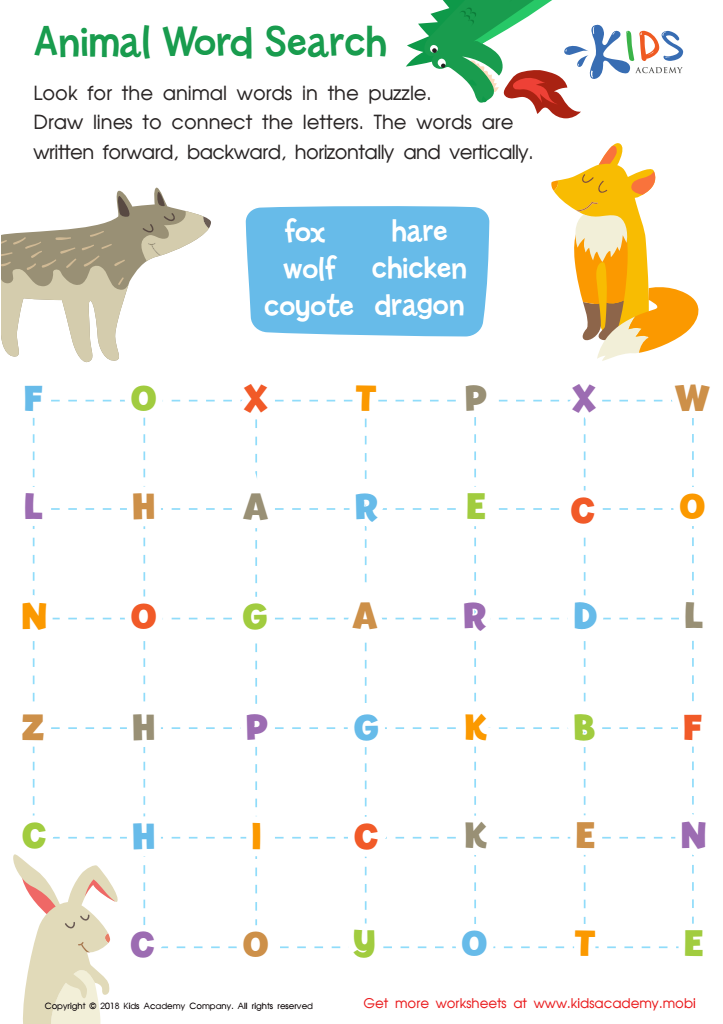
Animal Word Search Worksheet
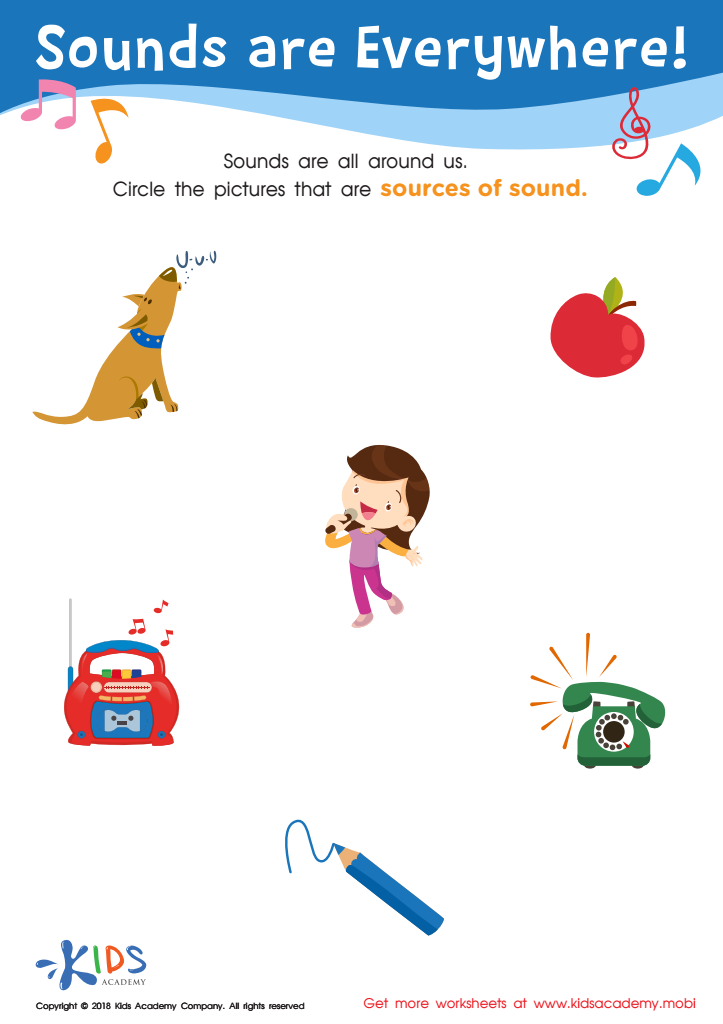
Sounds Are Everywhere! Worksheet
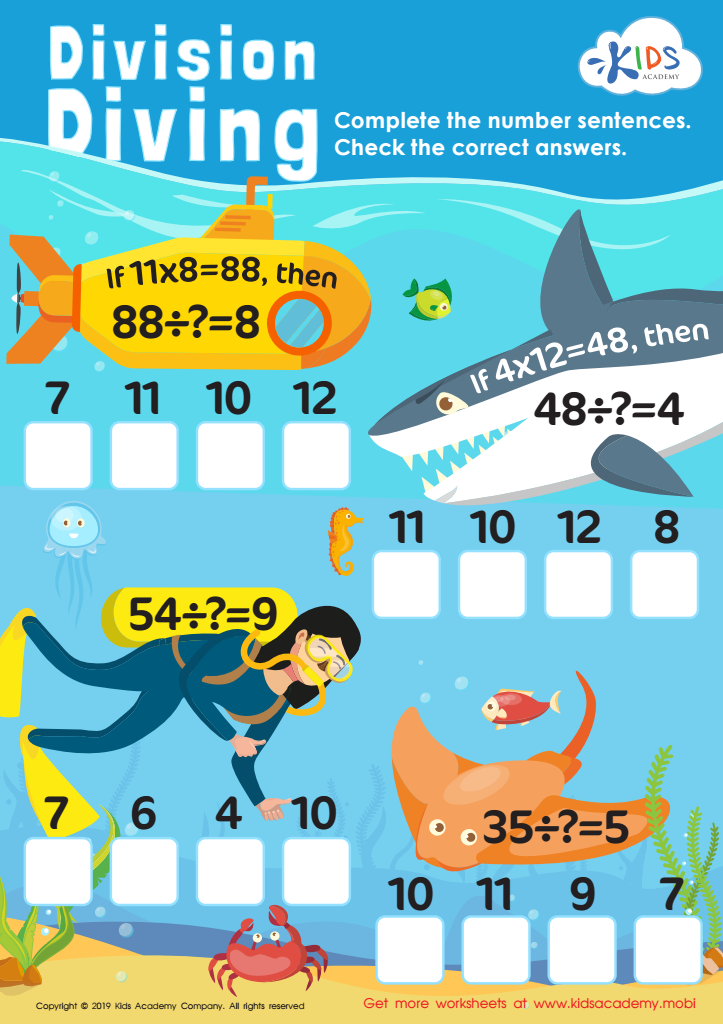
Division Diving Worksheet
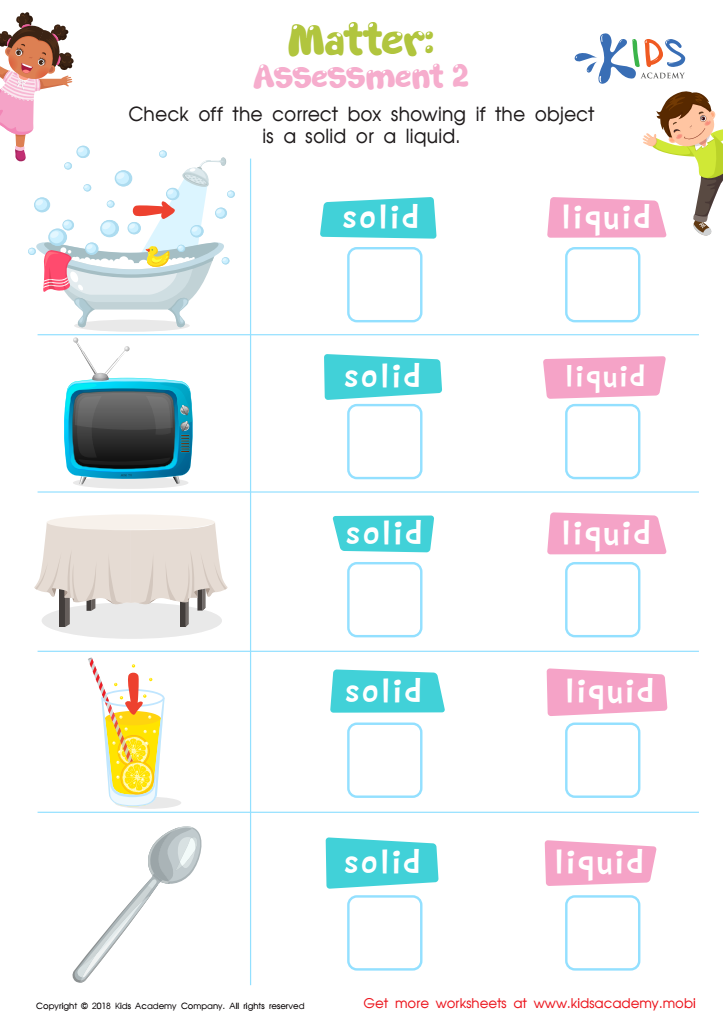
Matter: Assessment 2 Worksheet
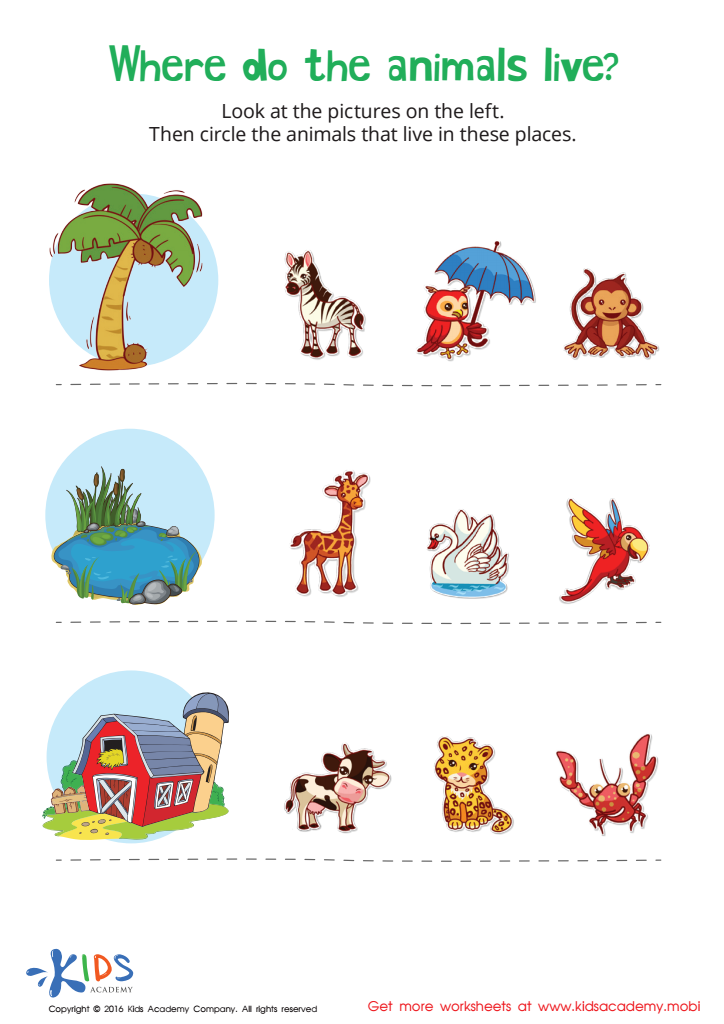
Where Animals Live Worksheet
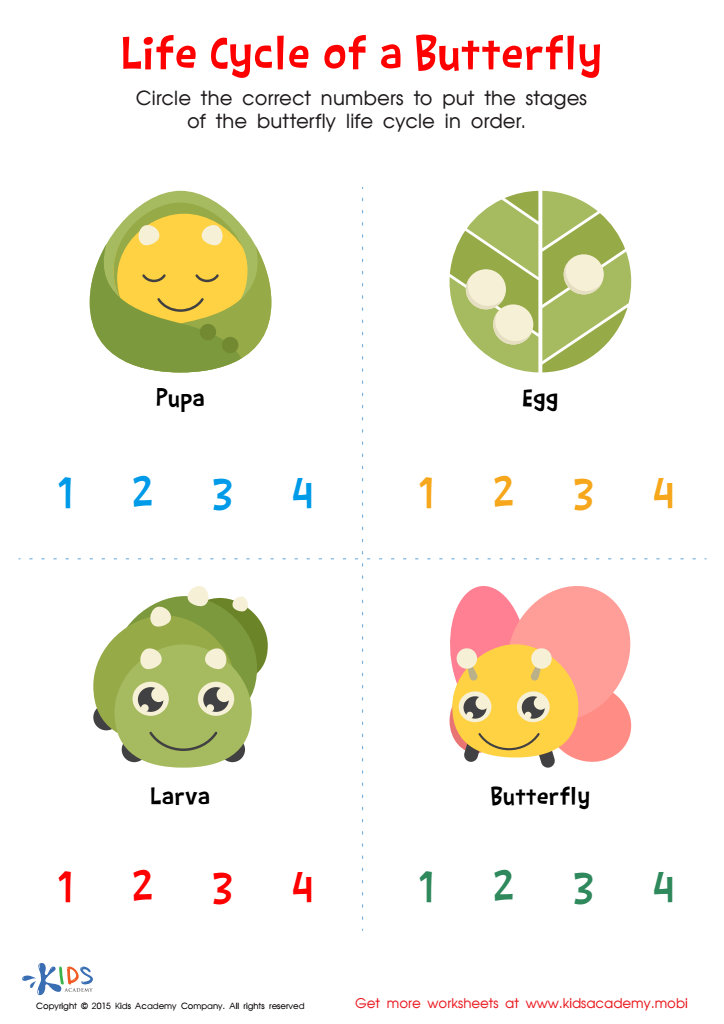
Life Cycle of Butterfly Printable
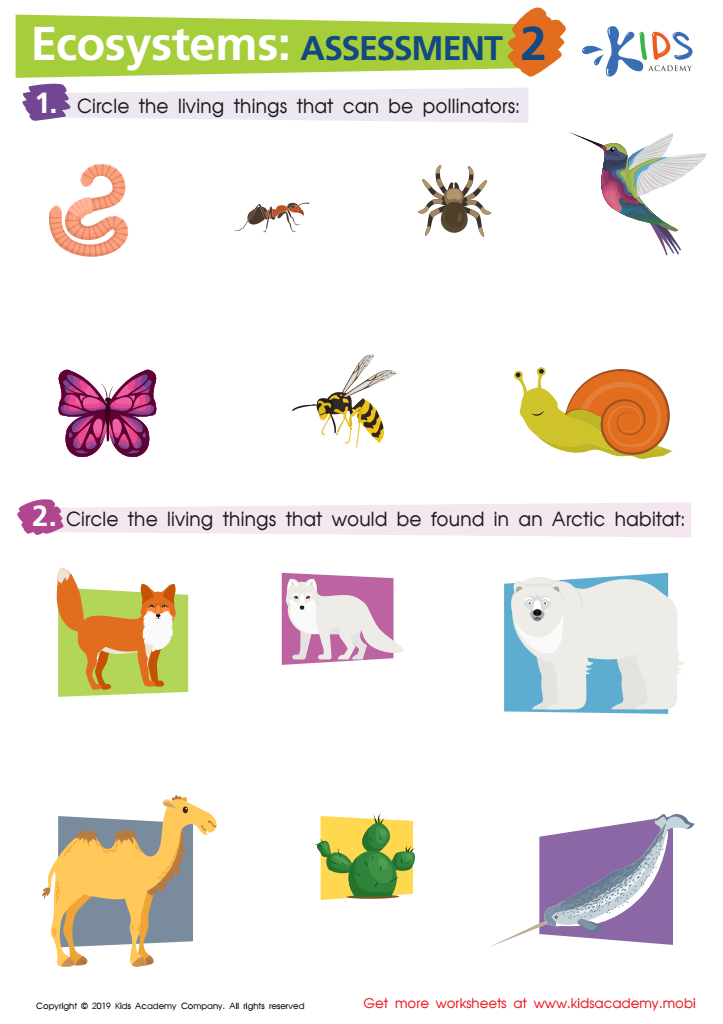
Ecosystems: Assessment 2 Worksheet
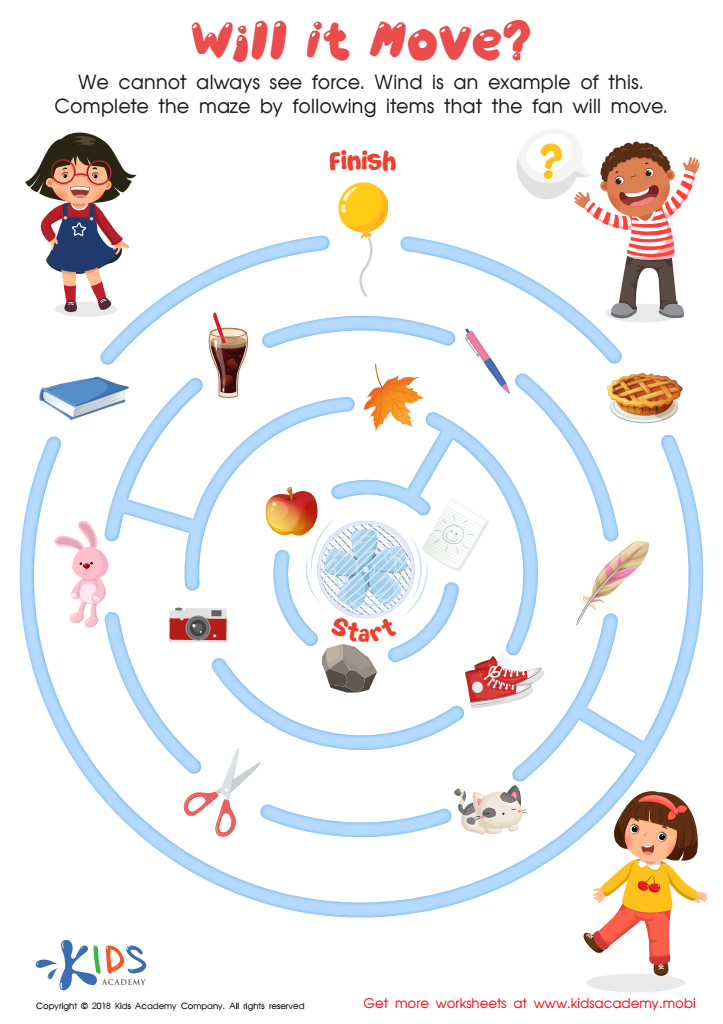
Will it Move? Worksheet
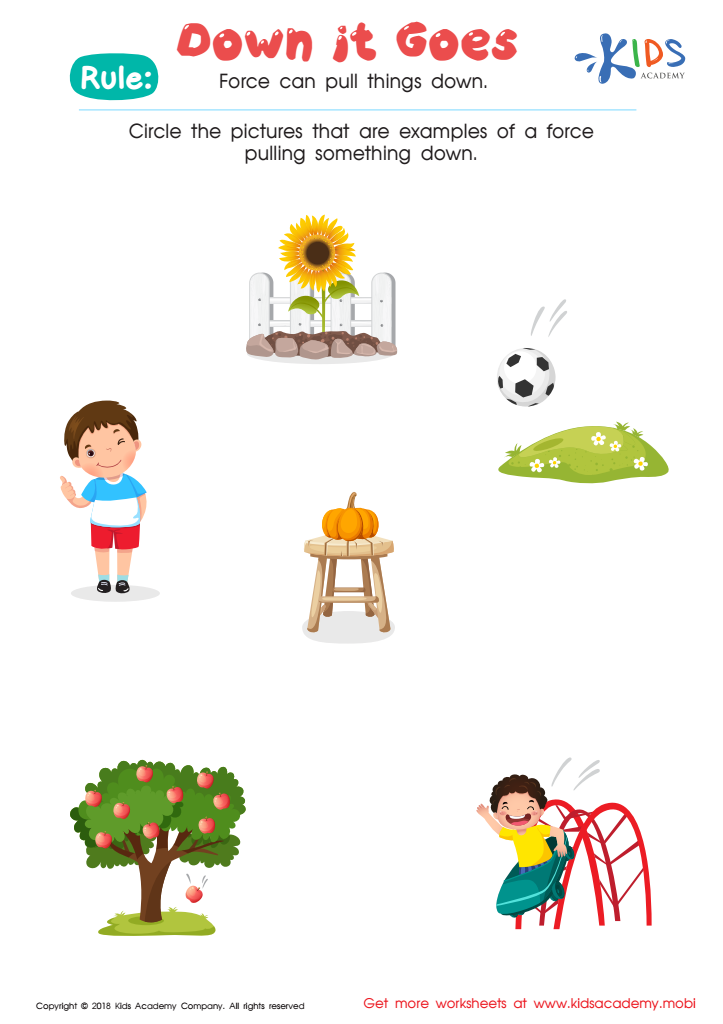
Down it Goes Worksheet
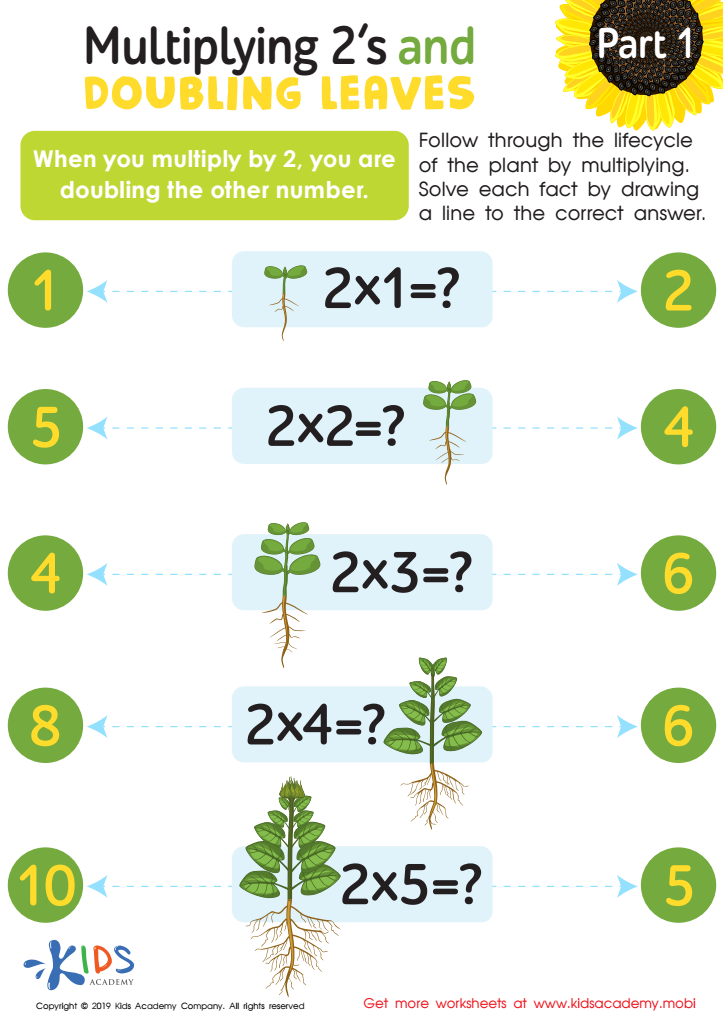
Multiplying 2’s and Doubling Leaves Part 1 Worksheet







Understanding science concepts from a young age is vital for children aged 5-8, as this foundational knowledge shapes their cognitive development and curiosity. Parents and teachers should prioritize science education during these formative years for several reasons.
Firstly, introducing science early fosters critical thinking and problem-solving skills. Children learn to ask questions, make observations, and investigate, laying the groundwork for scientific literacy. This foundation helps equip them with the ability to analyze information throughout their lives.
Additionally, engaging with science nurtures a child's natural curiosity. Young learners are like sponges, eager to explore the world around them. By encouraging inquiry-based learning, adults can ignite a lifelong passion for discovery and motivate students to embrace challenges and explore new ideas.
Moreover, science education promotes creativity and innovation. Activities that involve experimentation and exploration inspire imaginative thinking, which is essential in our rapidly changing world.
Finally, developing an understanding of scientific concepts is crucial in helping children navigate their environment, make informed decisions, and understand critical global challenges, including climate change and health issues. By prioritizing science in early education, parents and teachers can ensure that children are prepared to engage with the world as informed, curious, and capable individuals.







