ABC Order Worksheets for Ages 5-9 - Page 2
26 filtered results
-
From - To
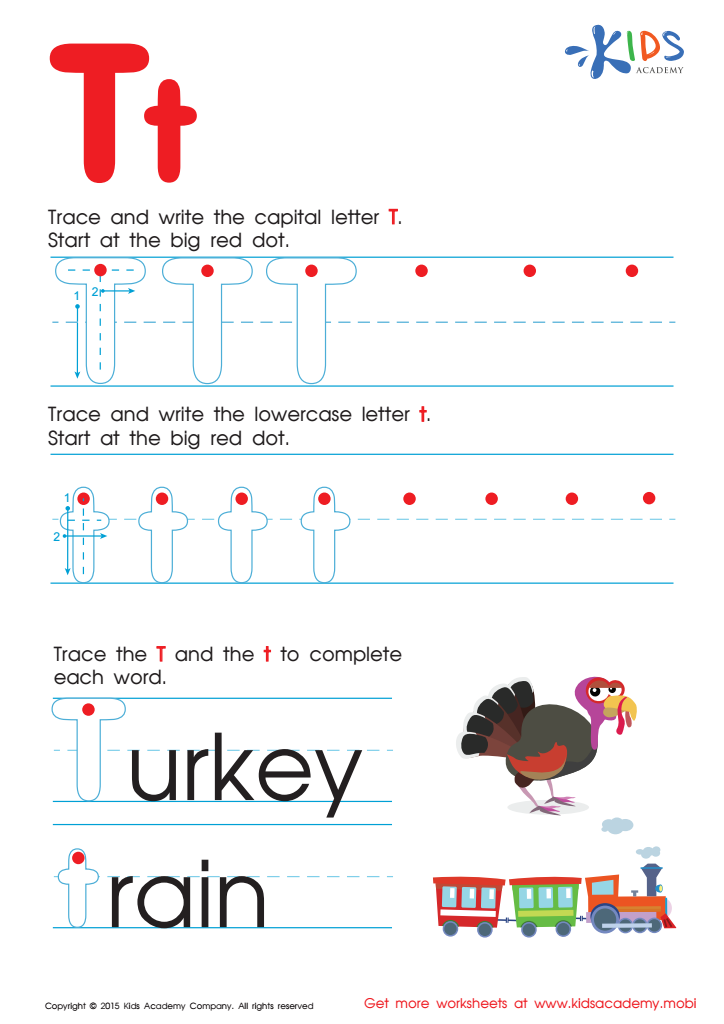
Letter T Tracing Page
 Assign to My Students


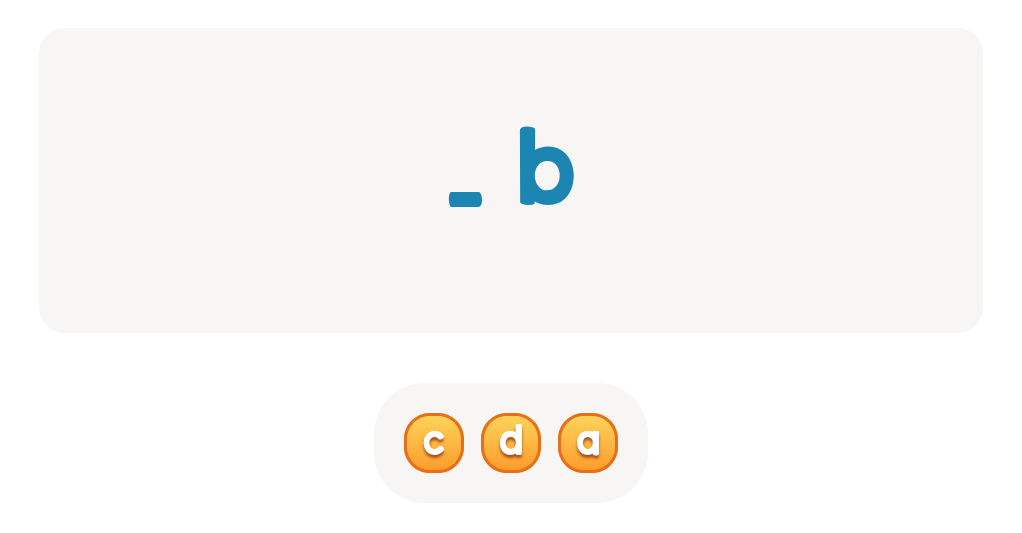


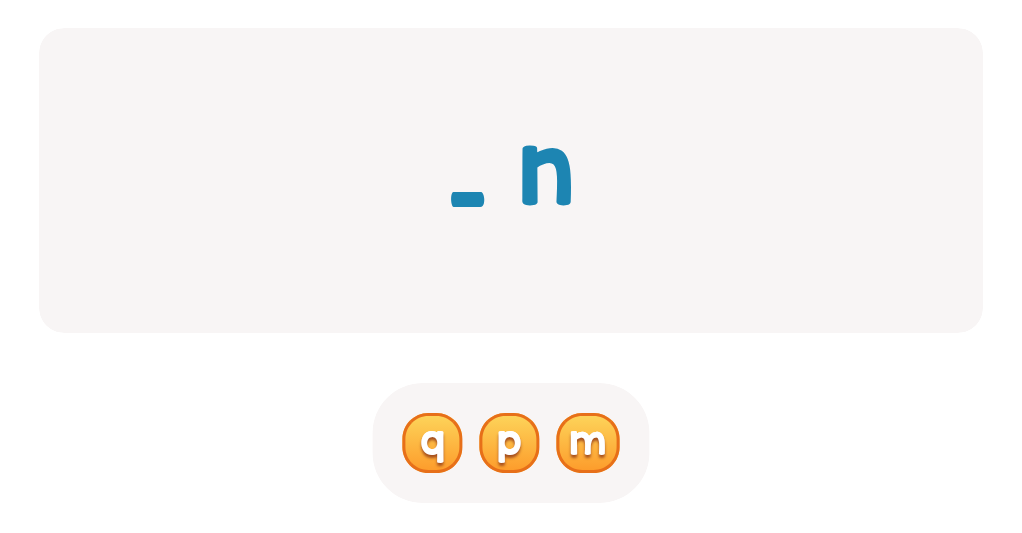


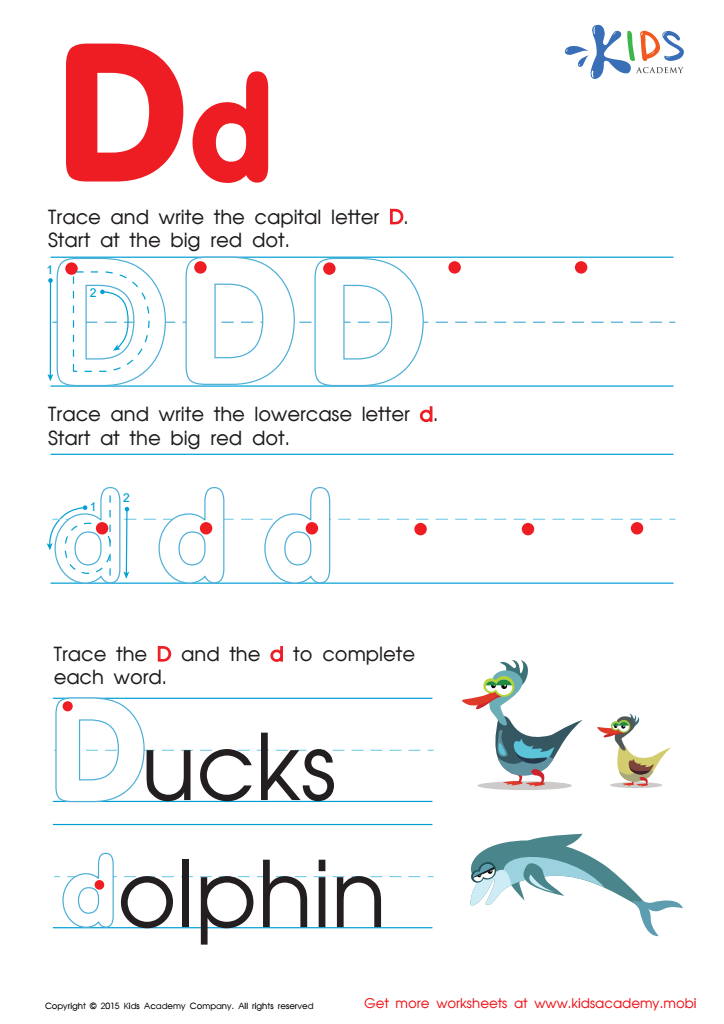
Letter D Tracing Page







Understanding ABC order is vital for children ages 5-9 as it lays the groundwork for effective literacy skills, promoting both cognitive development and academic success. Recognizing and arranging words alphabetically teaches children the principles of organization and categorization, which are essential in various areas of learning.
Firstly, alphabetical order enhances vocabulary acquisition. It exposes children to new words as they work with lists, reinforcing how words are related and how to spell them correctly. This skill also contributes to reading comprehension, supporting children in locating and identifying information in texts or reference materials efficiently.
Moreover, the act of sorting items in ABC order encourages critical thinking and problem-solving skills, allowing children to practice and strengthen their cognitive abilities. As children become familiar with the structure of the alphabet, they develop a sense of sequence and order, crucial for later math skills and other logical thought processes.
For parents and teachers, fostering an understanding of ABC order also aids in teaching responsibility and independence, as children learn to find and organize their belongings. Encouraging this skill can make reading more enjoyable and manageable, providing foundational tools for lifelong learning. Ultimately, mastering ABC order empowers children, setting them up for future academic achievements.