Filters

393 filtered results

Clear all filters
Favorites
With answer key
Interactive

393 filtered results

Difficulty Level

Grade


Check out this FREE Trial Lesson on Science for age 5-9!

Observing the Stars

Favorites
With answer key
Interactive
  • 5-9
  • With answer key
  • Science
Noisy Maze Worksheet

Noisy Maze Worksheet

Have your kids name some objects that make noise? Then, look at the worksheet with them and help them identify each object. Guide them through the maze, following the sound-producing pictures.
Noisy Maze Worksheet
Worksheet
Fossil Skulls Worksheet

Fossil Skulls Worksheet

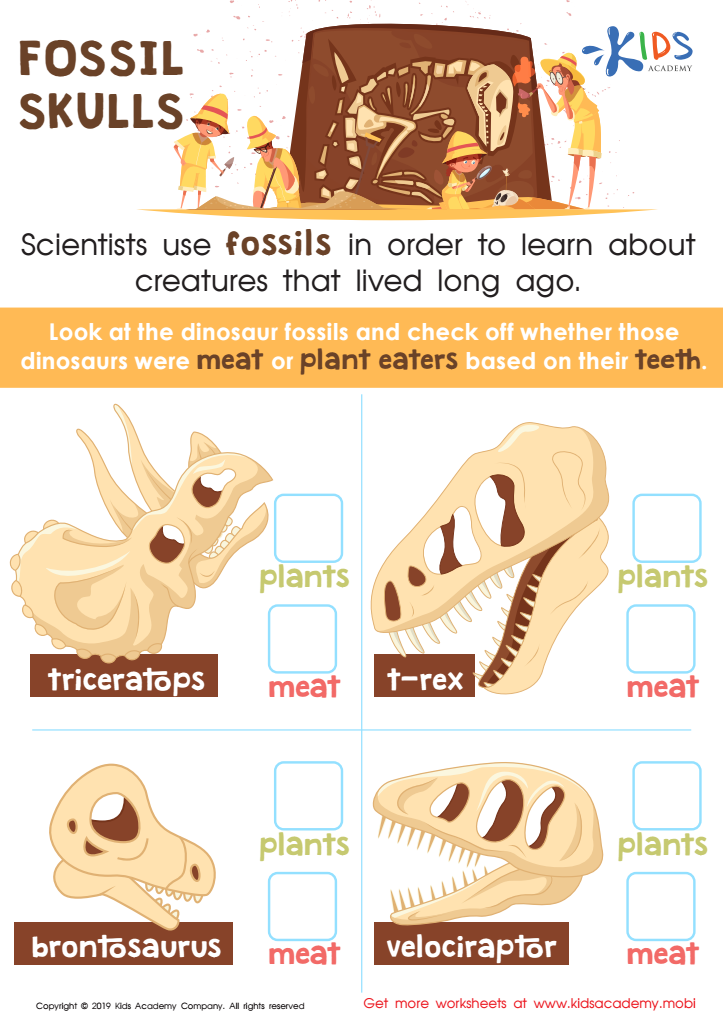
Your child is invited to join us on a fossil dig! With this free worksheet, they'll learn how paleontologists use fossils to discover what creatures ate long ago. Kids will examine dinosaur teeth to find out if the dinos were plant or meat eaters. It's a fun way to explore adaptation and how dinosaurs fed themselves.
Fossil Skulls Worksheet
Worksheet
Animals and Plants: Assesment 1 Worksheet

Animals and Plants: Assessment 1 Worksheet
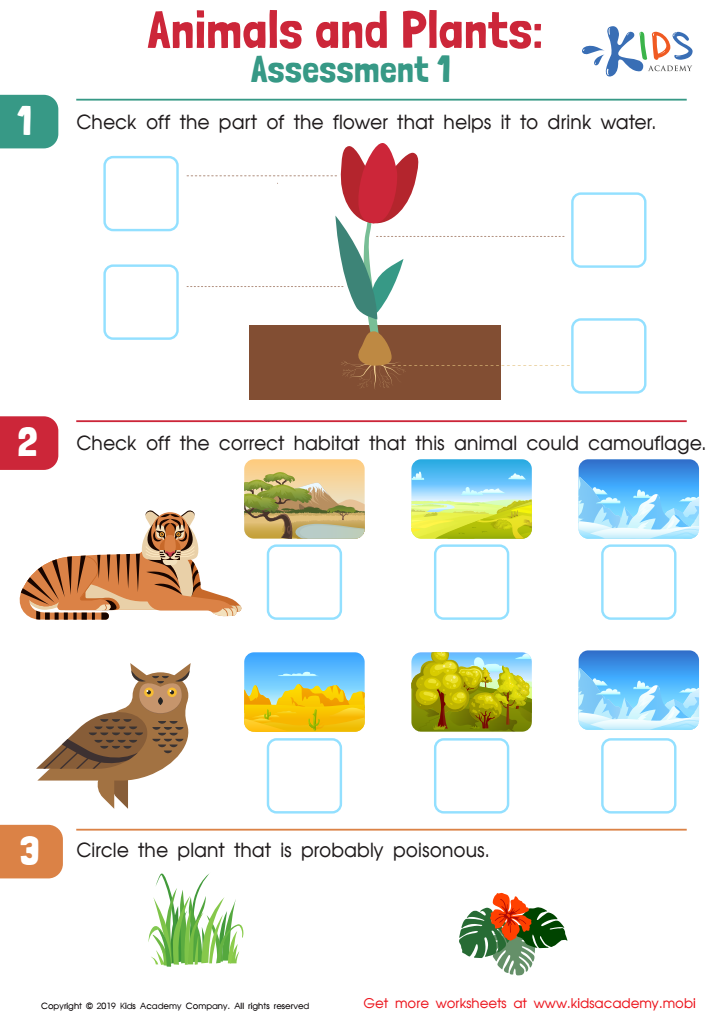
Do you want to easily assess your child's understanding of basic science concepts? This colorful PDF offers a free opportunity for them to test their knowledge about parts of a flower, poisonous plants, animal habitats and more! Bright pictures make it fun and easy for you to see what they know.
Animals and Plants: Assessment 1 Worksheet
Worksheet
Stars and Constellations Worksheet

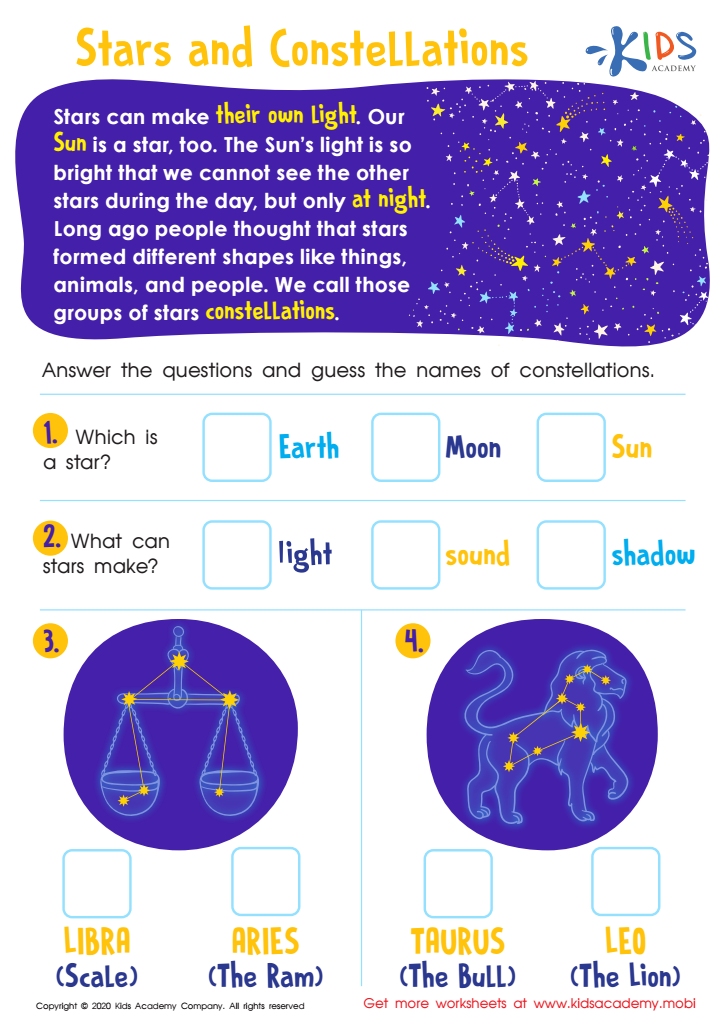
Stars and Constellations Worksheet

Learn about stars and constellations with this entertaining worksheet! Read the passage at the top of the page to gain an understanding of stars, then test your child's knowledge with the questions below. Check the right answers and finish this science worksheet with your child - they'll be amazed that stars can make their own light, just like the sun!
Stars and Constellations Worksheet
Worksheet
Compare Two Sources Worksheet

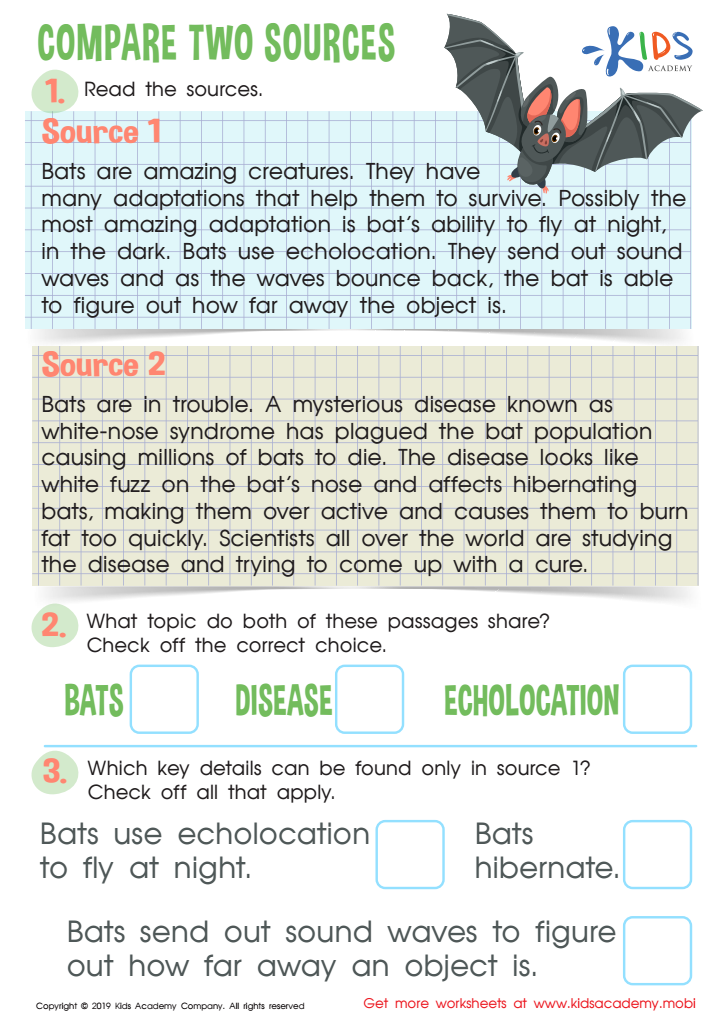
Compare Two Sources Worksheet

Reading exposes us to new words, spelling, and info about different topics. Kids can practice their reading skills, and learn about bats, with this worksheet. Read the two sources in the picture, then help your kids answer the questions at the bottom.
Compare Two Sources Worksheet
Worksheet
Details About Our Sun Worksheet

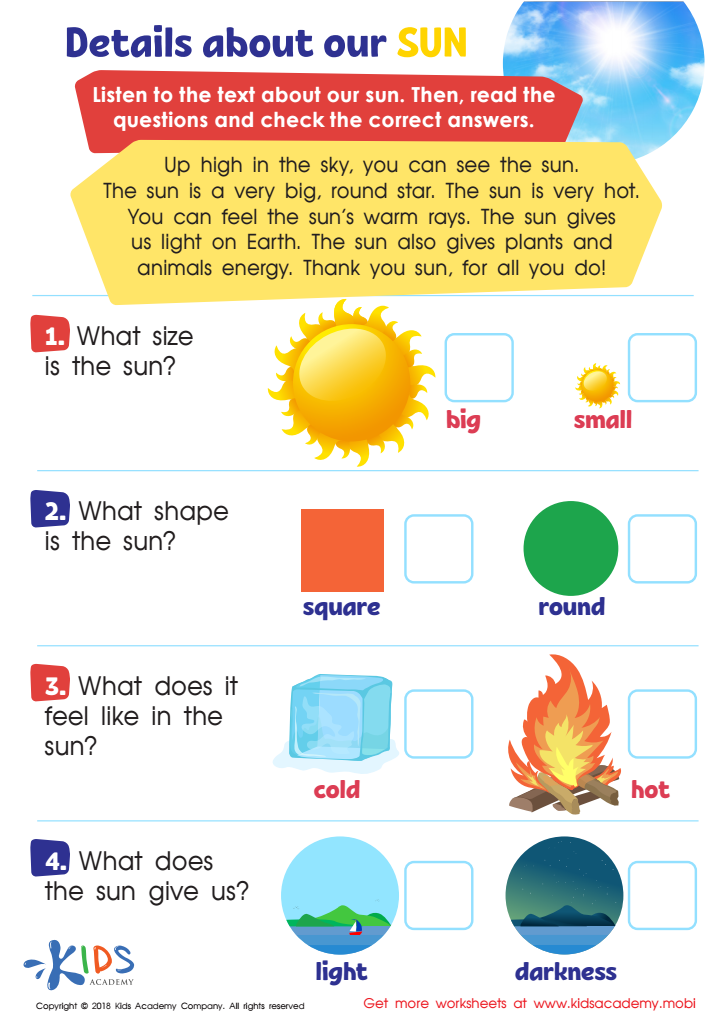
Details About Our Sun Worksheet

Teach your kindergartners about the sun with this worksheet. Read the informative text to them, then ask the questions and help them mark the right answers. Discover what your student knows about this big glowing ball of fire in the sky.
Details About Our Sun Worksheet
Worksheet
Multiplying 5’s: Telling Temperature Part 2 Worksheet

Multiplying 5’s: Telling Temperature Part 2 Worksheet

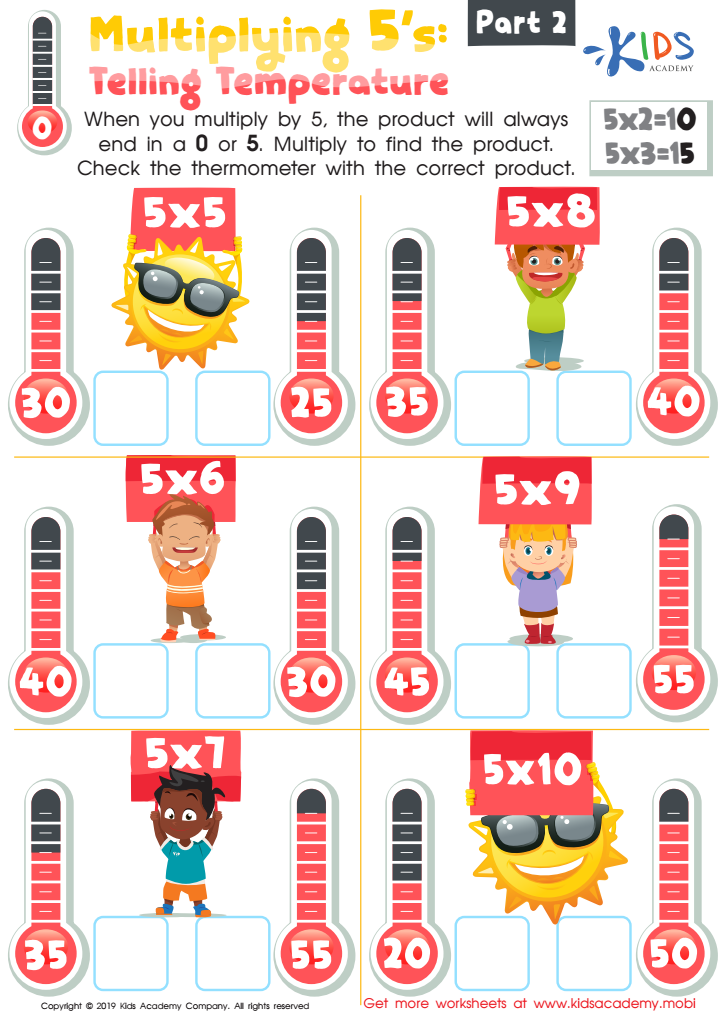
To help your child with multiplication, teach them some simple tricks. For example, when multiplying 10's the product always ends in a 0, and when multiplying by 5, the product will end in 0 or 5. Look at the problems in this worksheet and help your child find the product. Then, check the thermometer with the correct answer.
Multiplying 5’s: Telling Temperature Part 2 Worksheet
Worksheet
Bugs and Legs Fact Families Worksheet

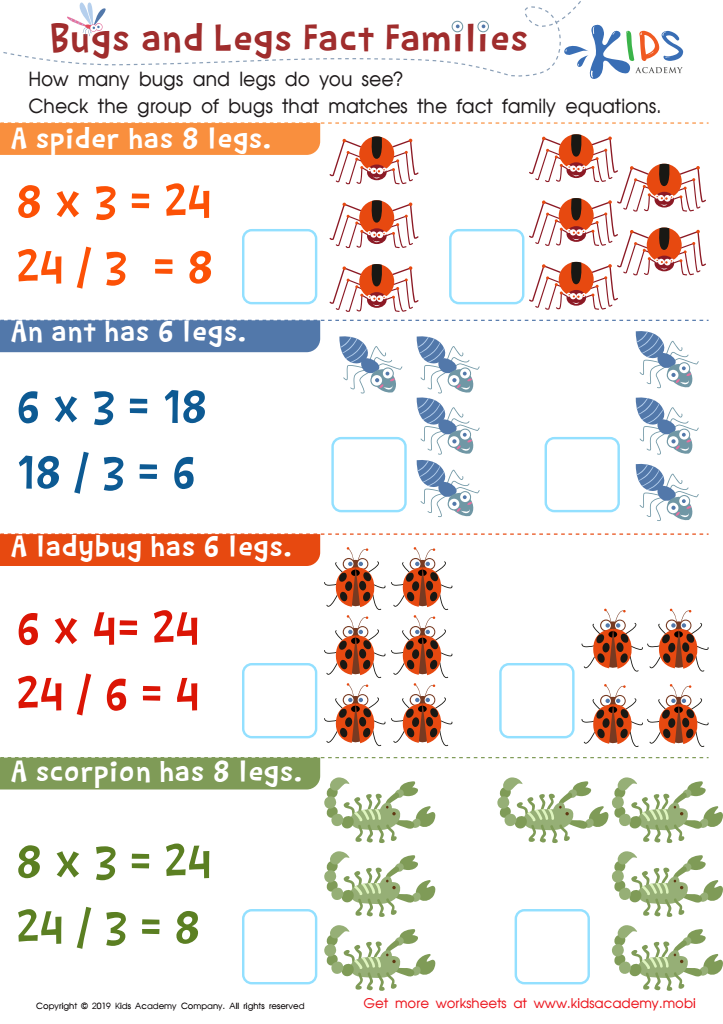
Bugs and Legs Fact Families Worksheet

This free worksheet uses bugs and insects to help young math students learn about fact families and recognize patterns in multiplication and division. It's a fun and colorful way to gain automaticity and efficiency in computation skills, without even realizing it's math!
Bugs and Legs Fact Families Worksheet
Worksheet
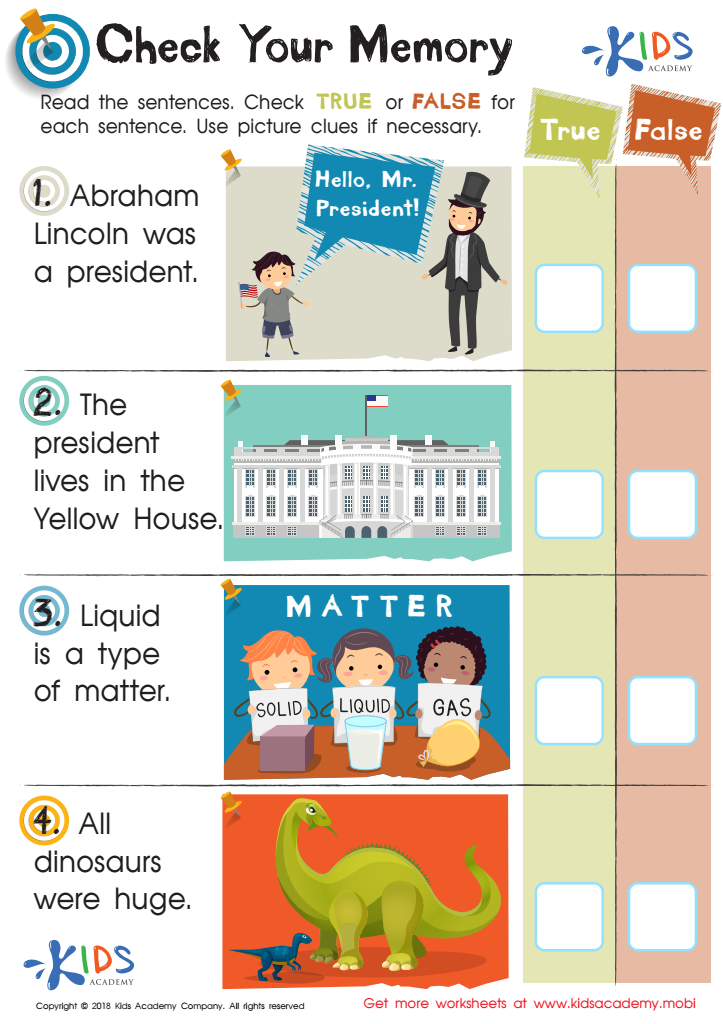
Check Memory Worksheet


Check Memory Worksheet

Assisting your kids with their homework and using worksheets is a great way for them to learn. The vibrant visuals in this printout can help stimulate the mind and motivate your child. Have them read the sentences and then point to the associated images. Afterwards, ask them to state True or False for each sentence. If they are still uncertain, offer them the picture clues to assist further.
Check Memory Worksheet
Worksheet


... 16 17

Parents and teachers should foster a love for science in children aged 5-9 because this period is critical for cognitive and emotional development. At this early age, children are naturally curious and eager to explore the world around them. Science harnesses this curiosity, encouraging children to question, observe, and experiment—skills essential not just in academics, but in daily life.

Introducing science early helps develop critical thinking and problem-solving abilities. When children conduct simple experiments, ask questions about nature, or learn about basic scientific concepts, they practice reasoning and logical thinking. Additionally, early exposure to science can help demystify the subject, making it more accessible and less intimidating as they progress in their education.

Moreover, science education promotes literacy and numeracy. For example, reading instructions for a simple experiment or recording observations helps improve reading and writing skills, while measuring and comparing during experiments enhances mathematical skills.

Beyond academics, learning science cultivates a sense of wonder and joy. It encourages empathy for the environment, fostering responsible future citizens who value and protect the natural world. Engaging with science also boosts confidence, as children feel proud when they understand how things work.

Overall, by nurturing a love for science from a young age, parents and teachers lay the groundwork for lifelong learning and curiosity.