Physical Science Worksheets for Ages 5-9 - Page 4
85 filtered results
-
From - To
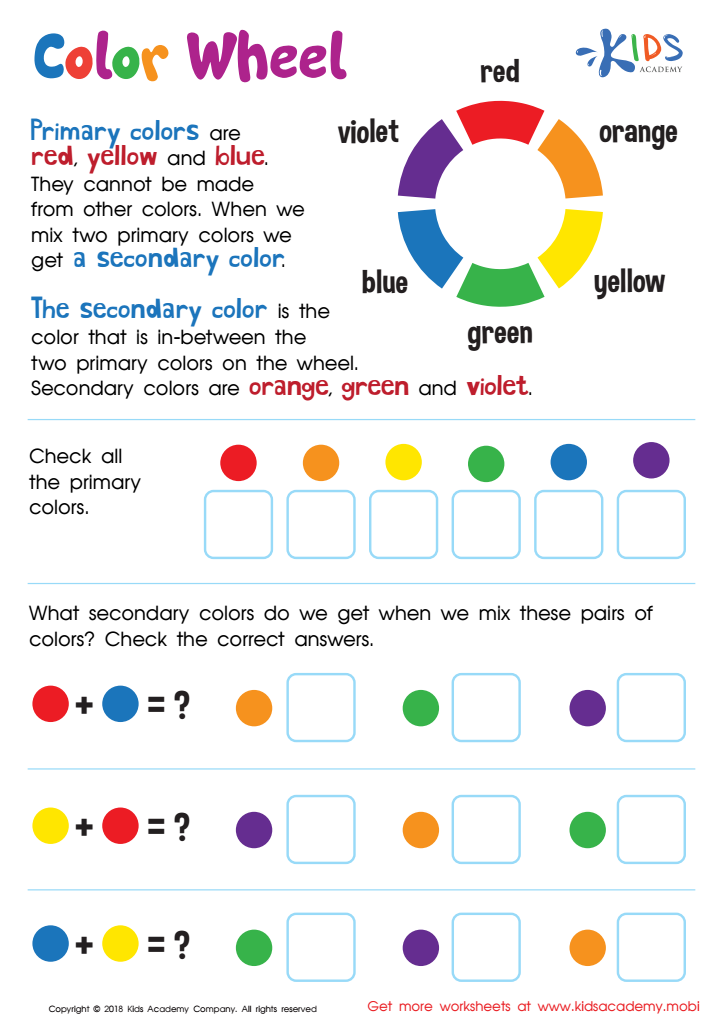
Primary and Secondary Colors Worksheet
 Assign to My Students
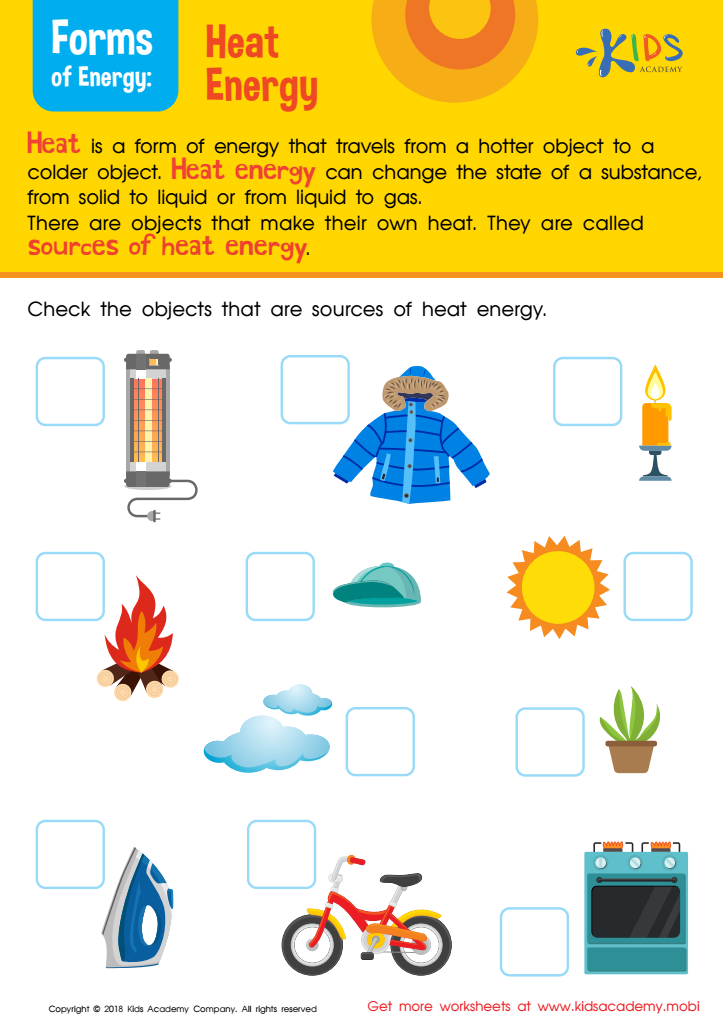
Sources of Heat Energy Worksheet
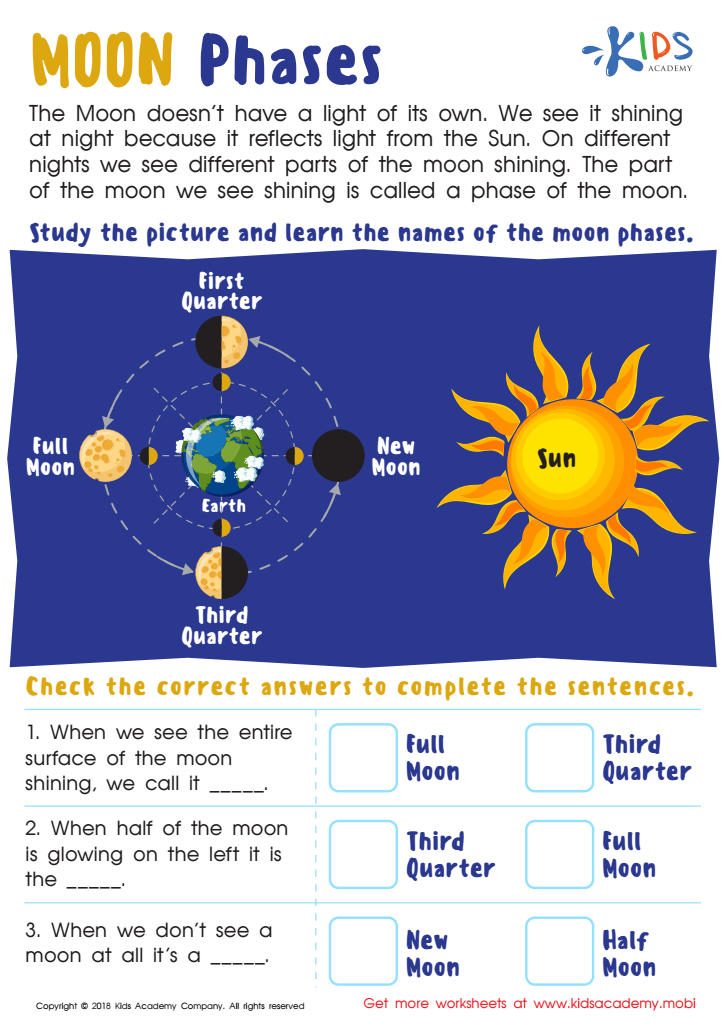
Moon Phases Worksheet
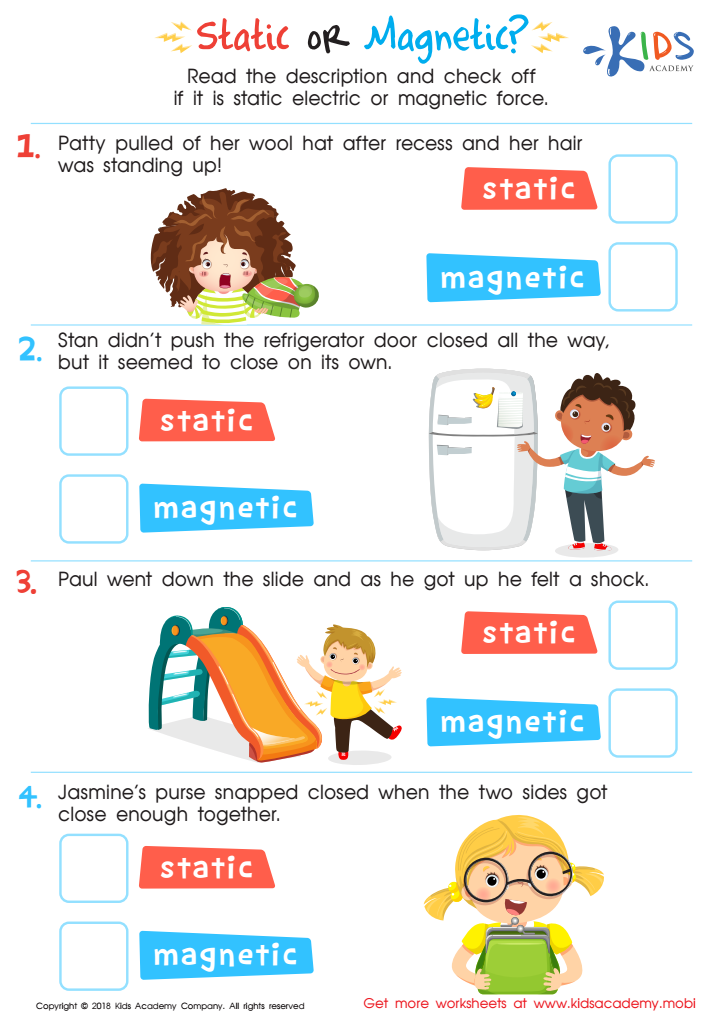
Static or Magnetic Printable Worksheet
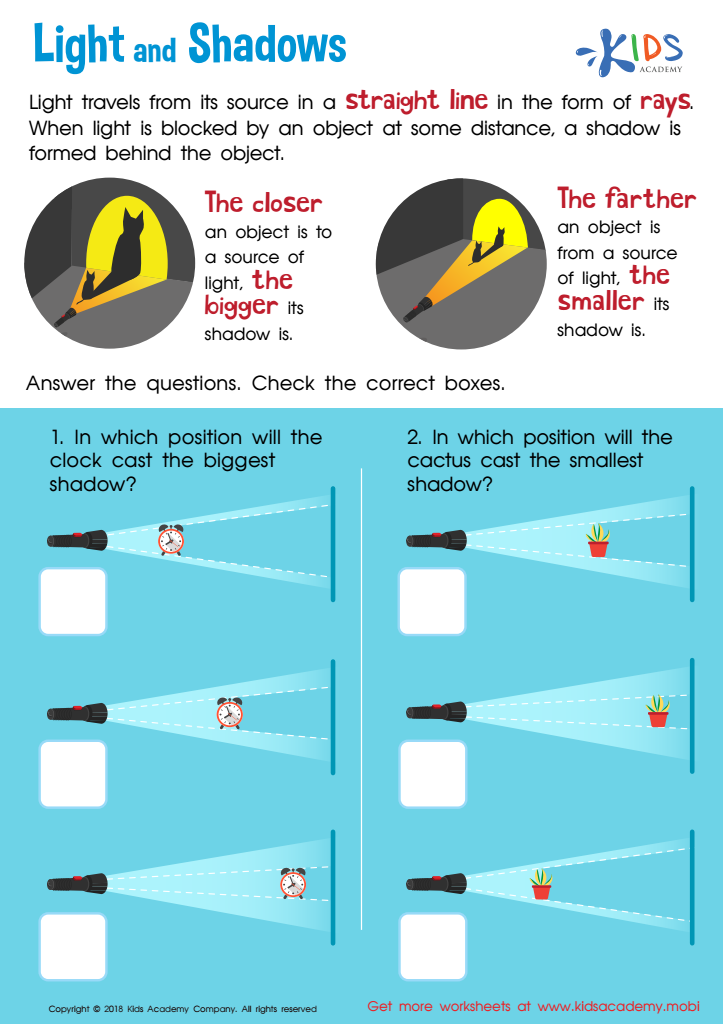
Light and Shadow Worksheet for Grade 3
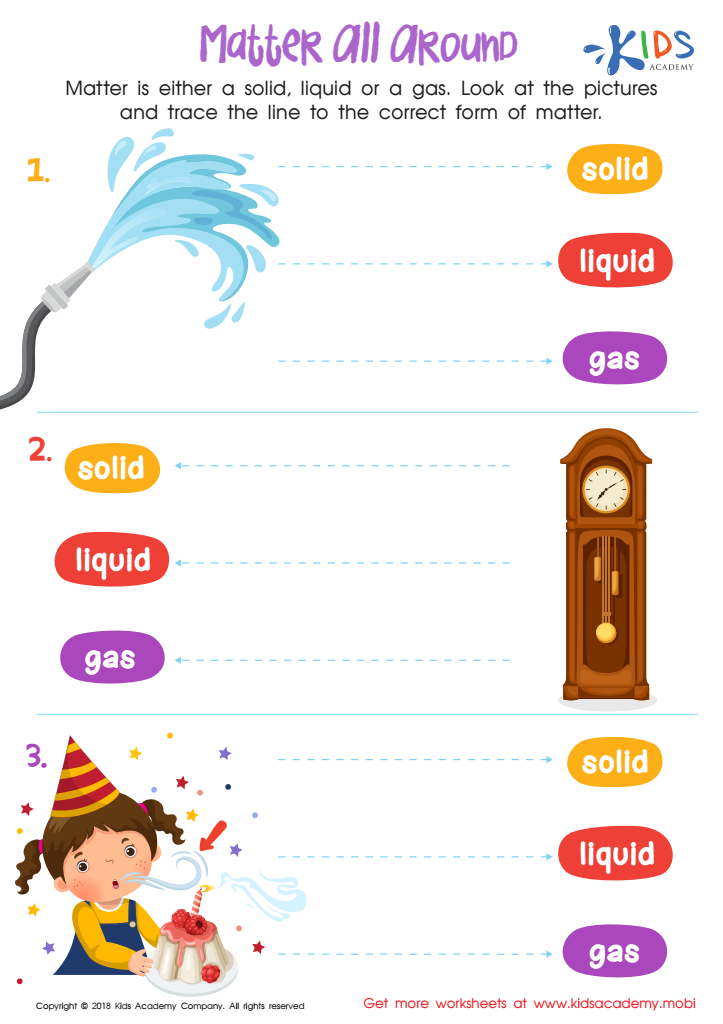
Matter all Around Worksheet
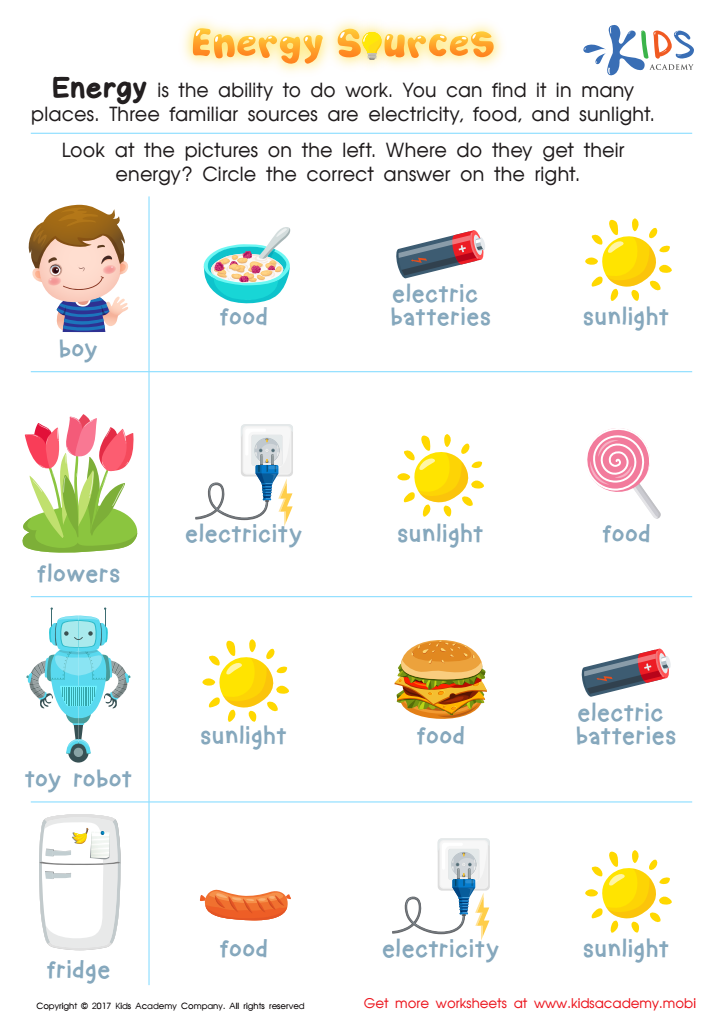
Energy Sources Printable
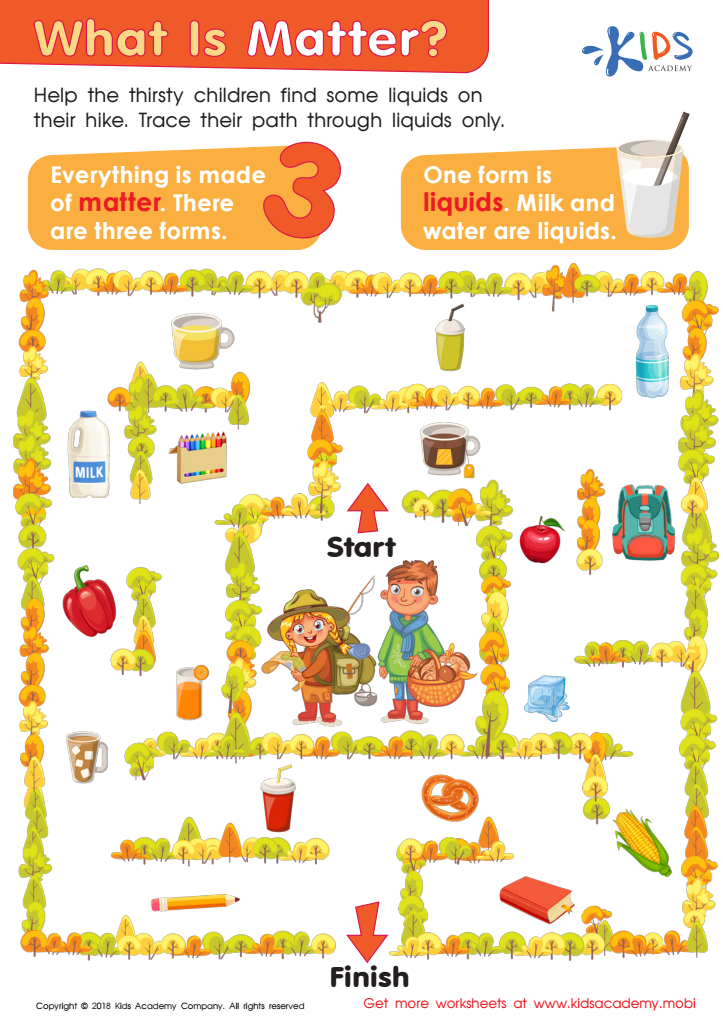
What Is Matter? Worksheet
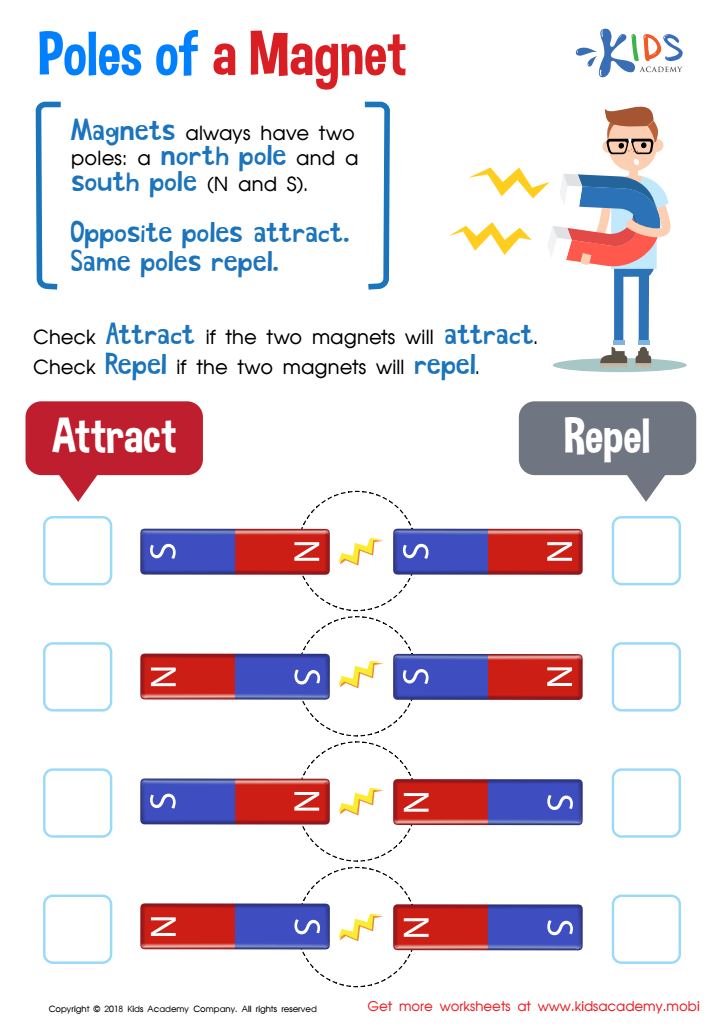
Magnet Poles Attract or Repel Worksheet
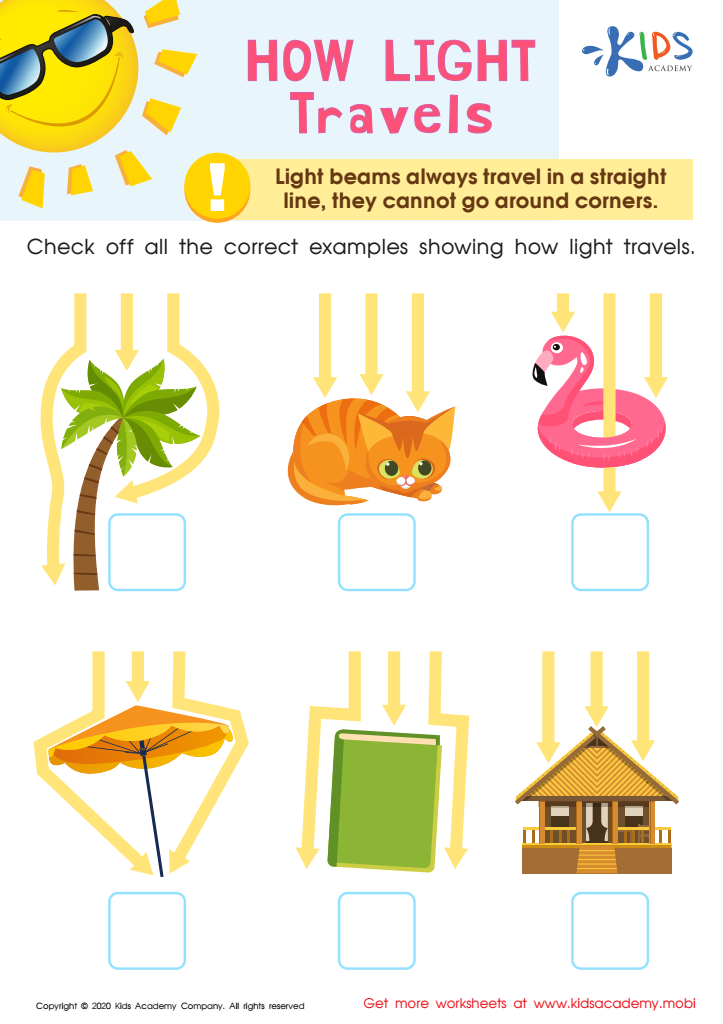
How Light Travels Worksheet
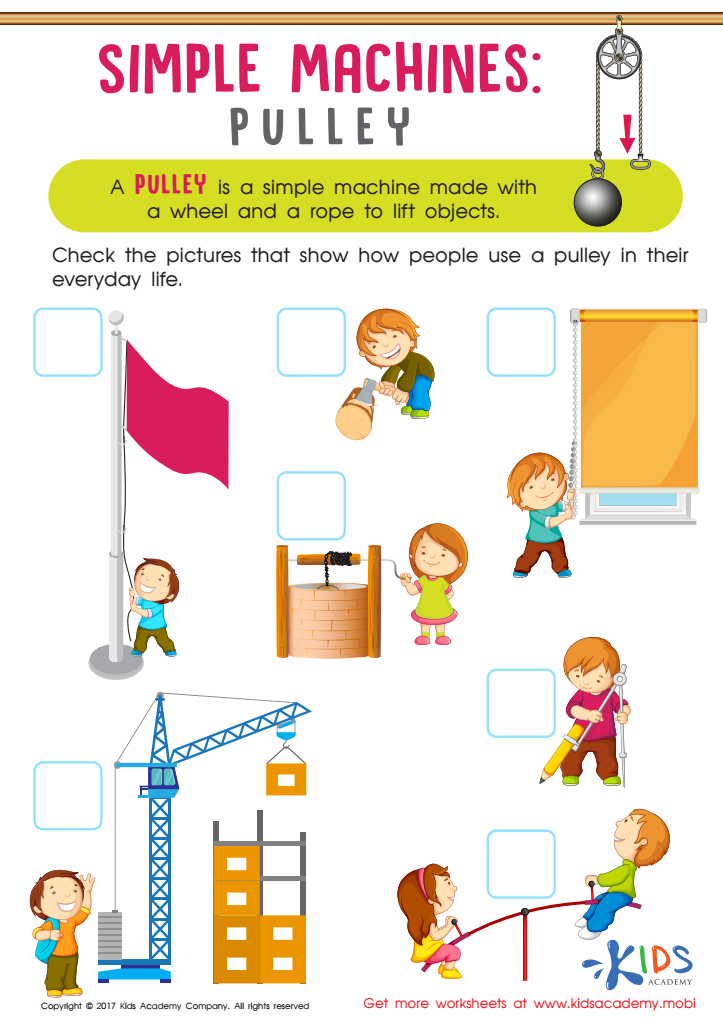
Simple Machines Pulley Worksheet
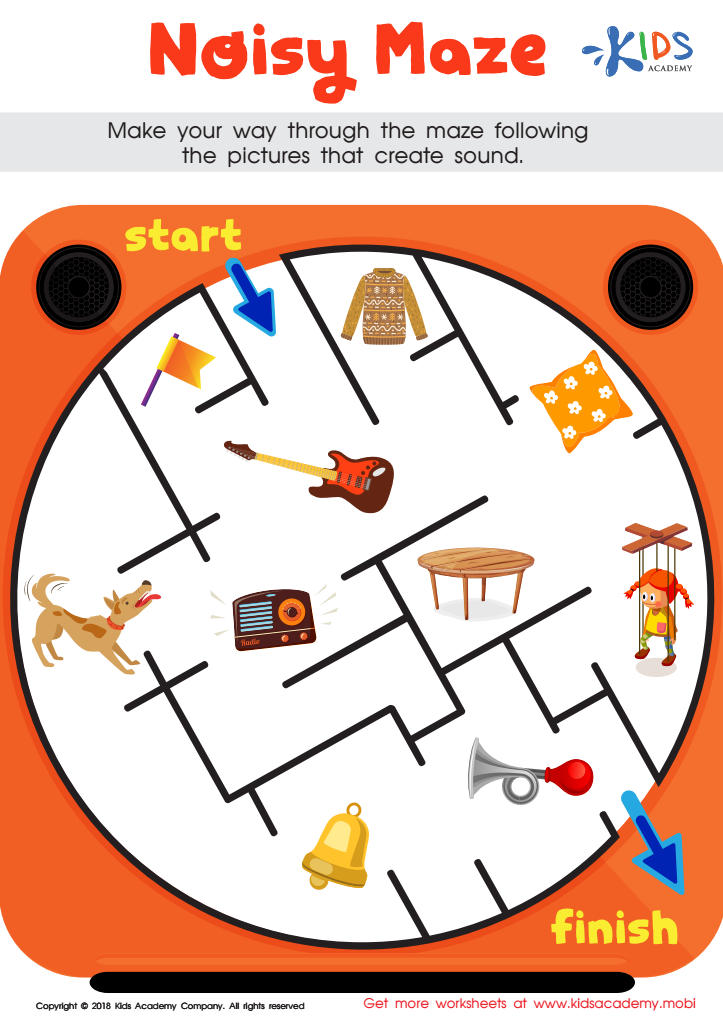
Noisy Maze Worksheet
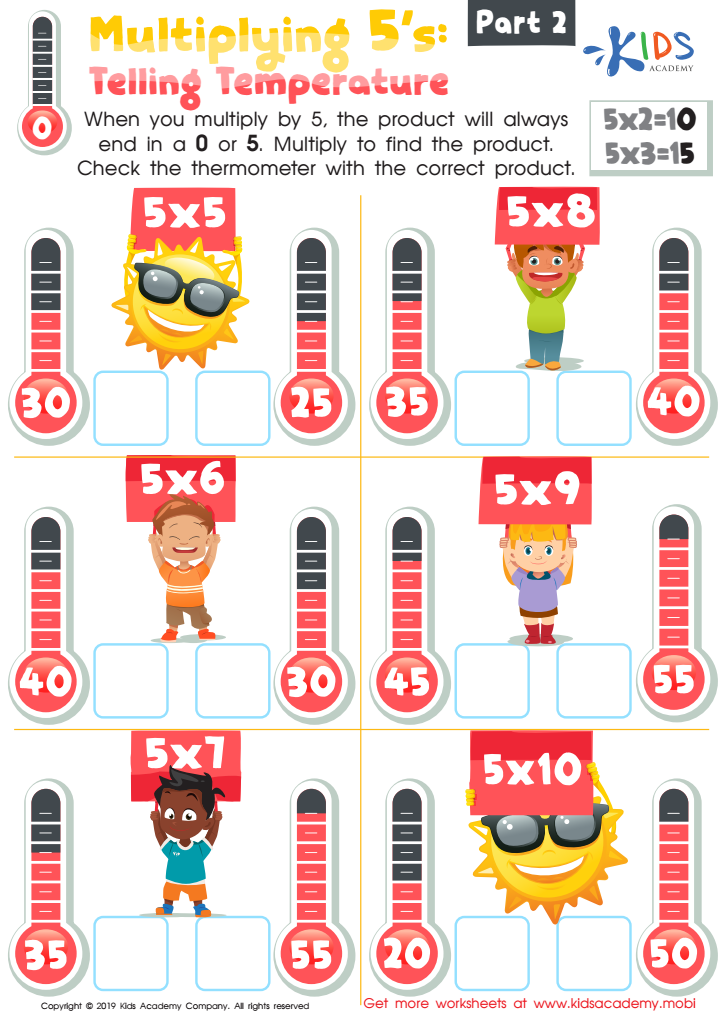
Multiplying 5’s: Telling Temperature Part 2 Worksheet








Physical Science is a crucial part of early education for children ages 5-9. This foundational stage is ripe for igniting curiosity about the natural world and understanding the principles that govern it. Engaging with physical science promotes critical thinking and problem-solving skills, which are essential for lifelong learning. By exploring concepts like motion, energy, forces, and matter, young learners can make sense of their surroundings and develop a sense of wonder about how things work.
Moreover, physical science encourages hands-on exploration through experiments and interactive activities, making learning enjoyable and relevant. This engagement can foster a love for science, potentially guiding children toward future academic and career interests in STEM fields. For parents and teachers, providing opportunities for children to explore physical science helps nurture creativity and resilience, teaching them to experiment, make mistakes, and learn from them.
Additionally, understanding these concepts early on paves the way for better performance in later school years when curricula become more advanced. By prioritizing physical science education for young learners, parents and teachers empower children with the knowledge and skills they need to navigate an increasingly complex world and make informed decisions as they grow.







