Governance and Civics Worksheets for Ages 5-9 - Page 2
51 filtered results
-
From - To
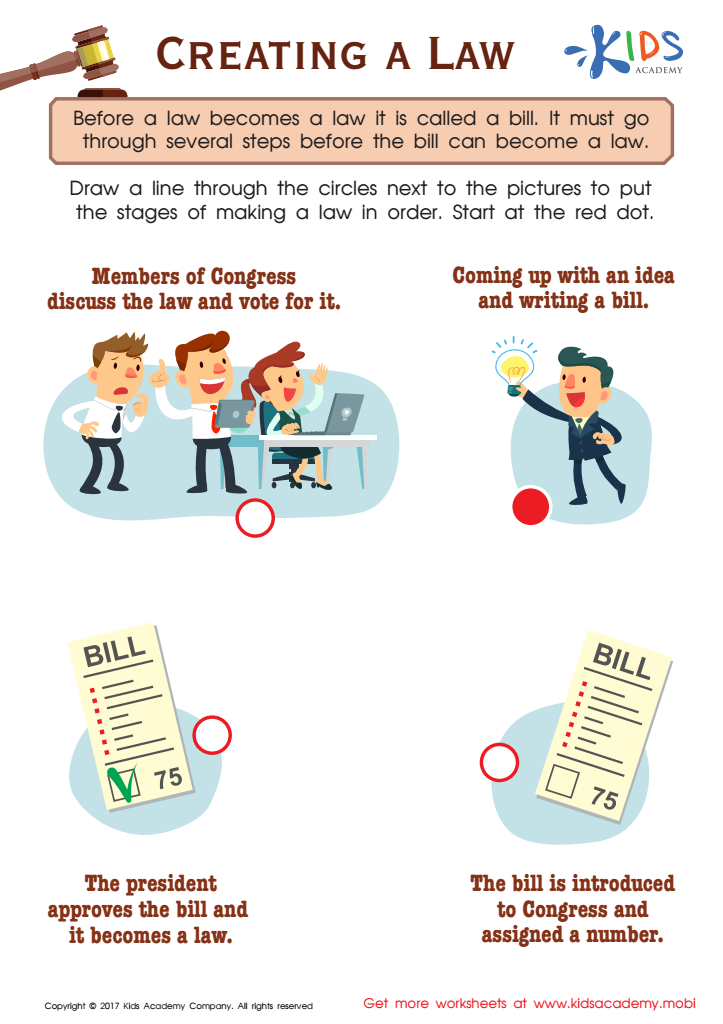
Creating a Law Worksheet
 Assign to My Students
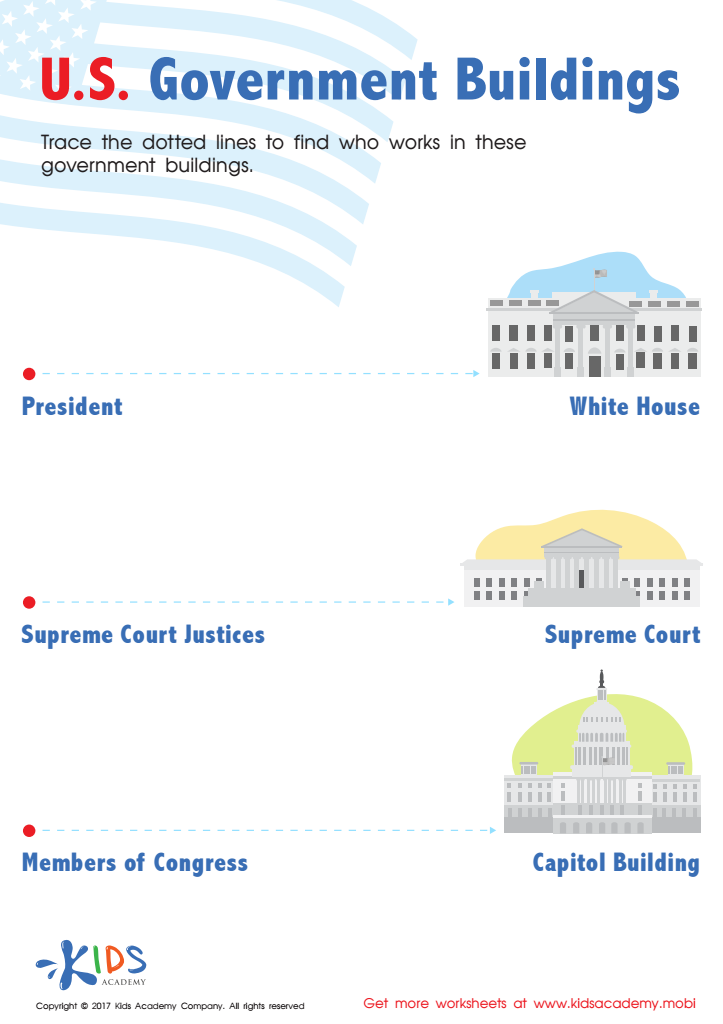
US Government Buildings Printable
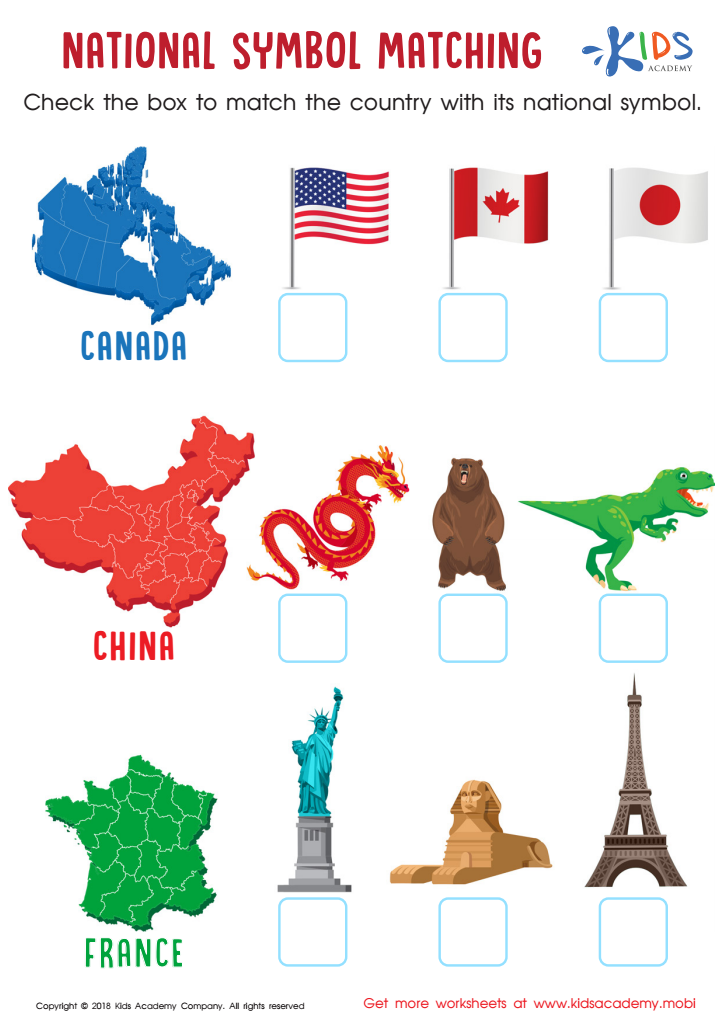
National Symbol Matching Worksheet
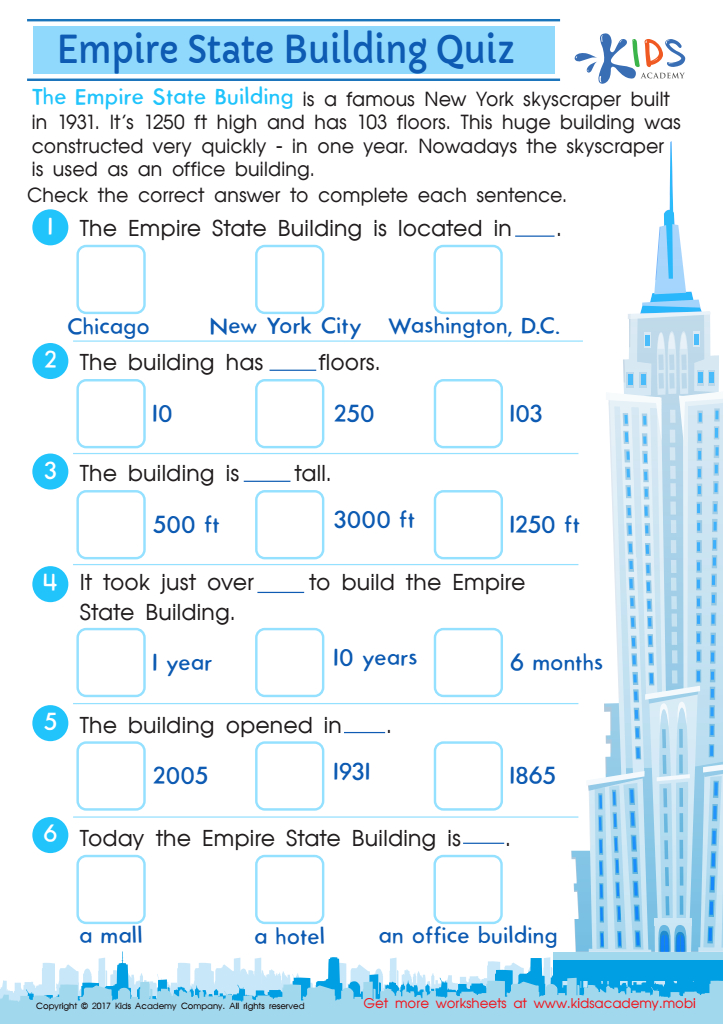
Empire State Building Printable Worksheet
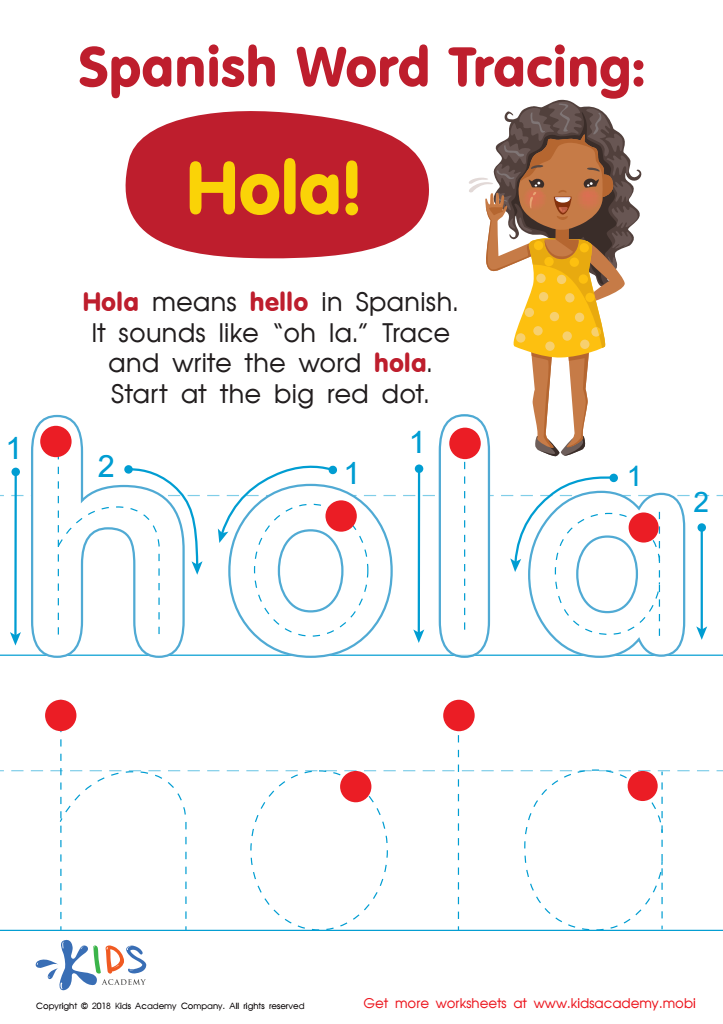
Spanish Word Tracing: Hola Worksheet
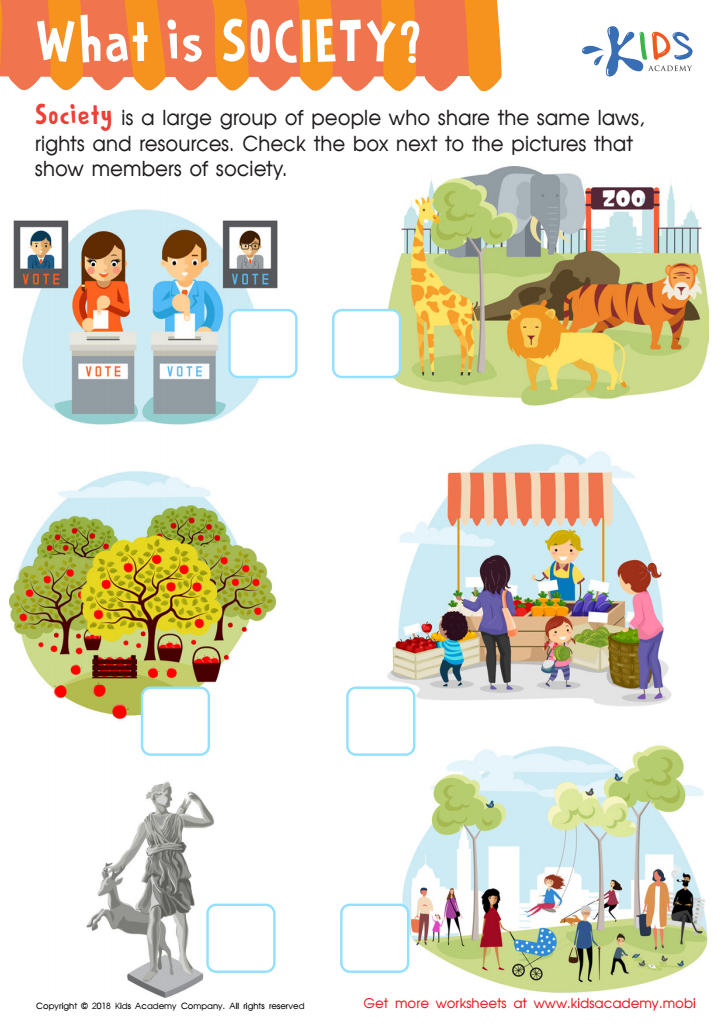
What Is Society? Worksheet
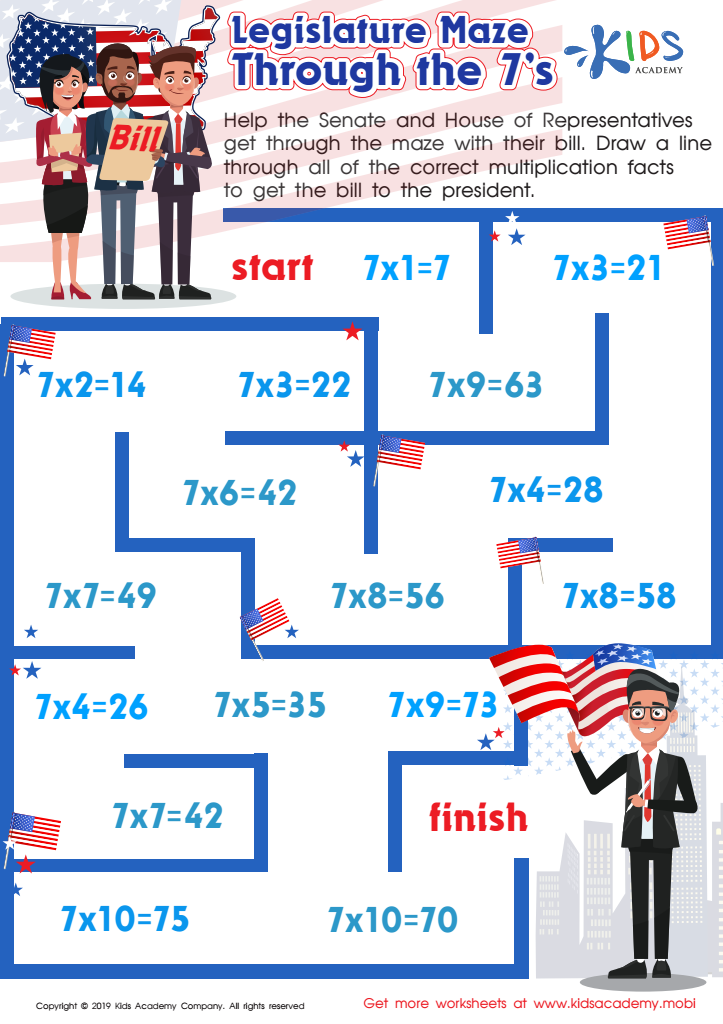
Legislature Maze Through the 7’s Worksheet
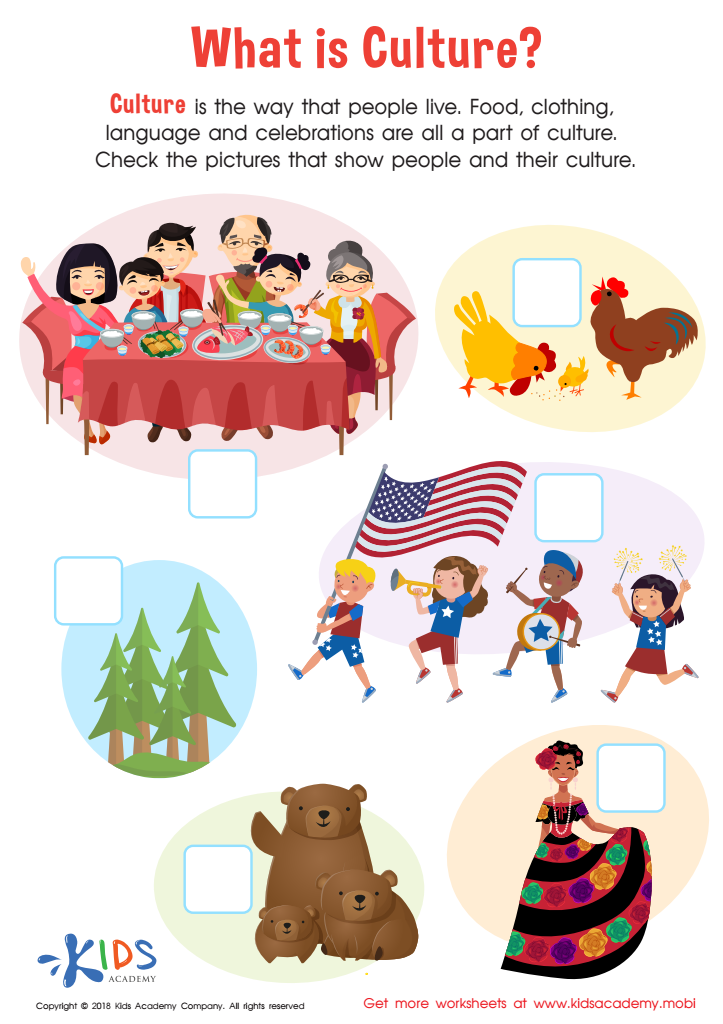
What Is Culture? Worksheet
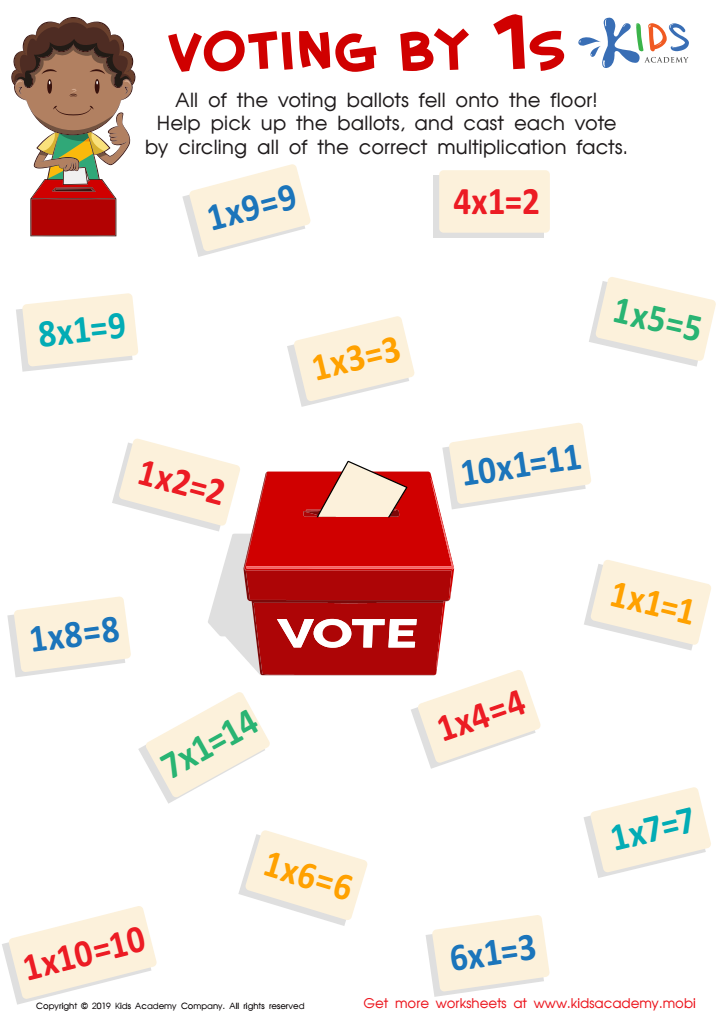
Voting by 1s Worksheet
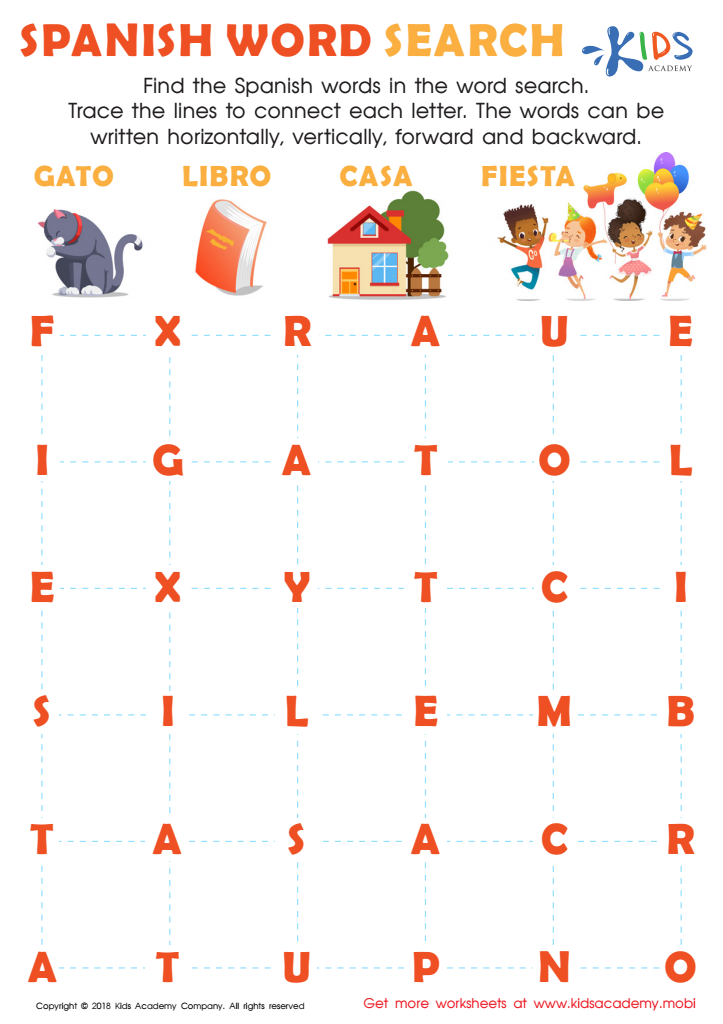
Spanish Word Search Worksheet
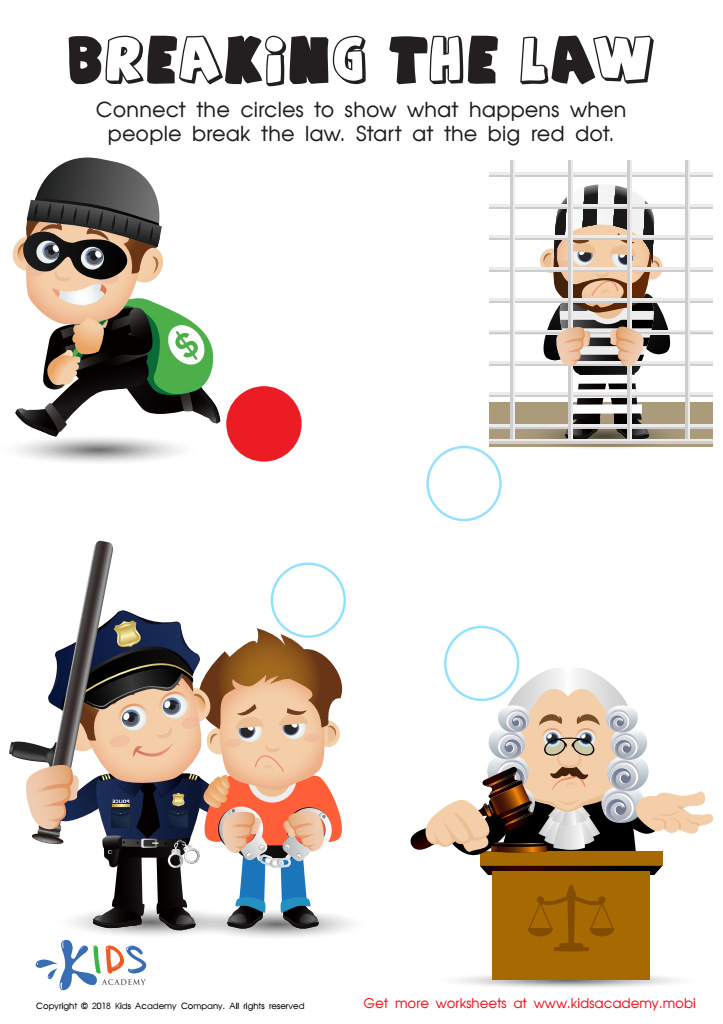
Breaking the Law Worksheet
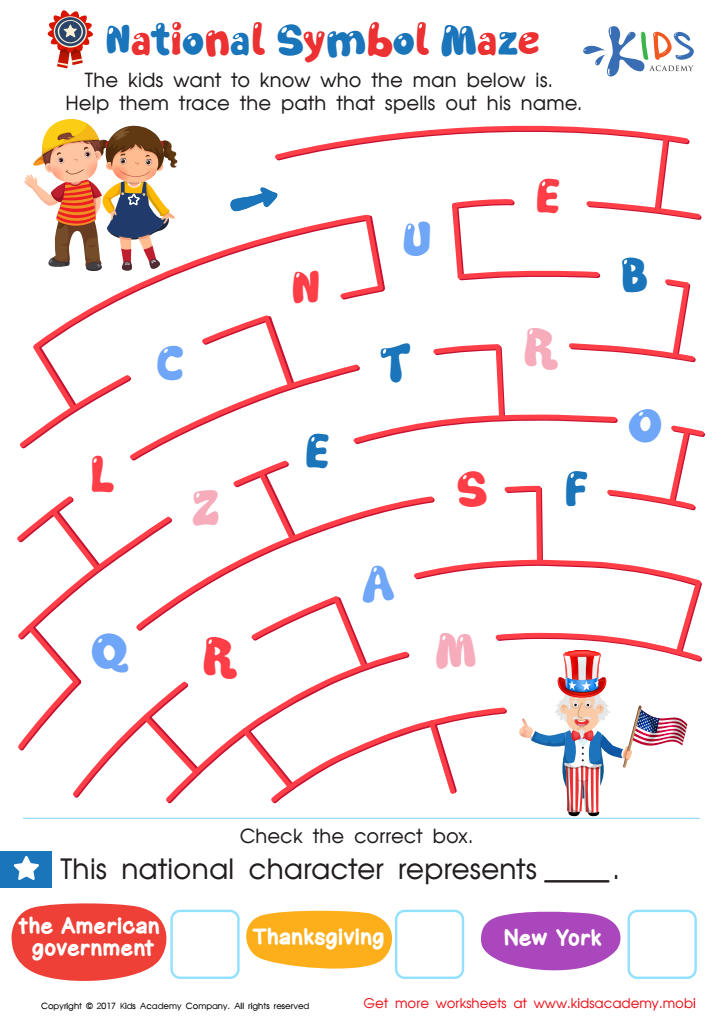
National Symbol Maze Worksheet
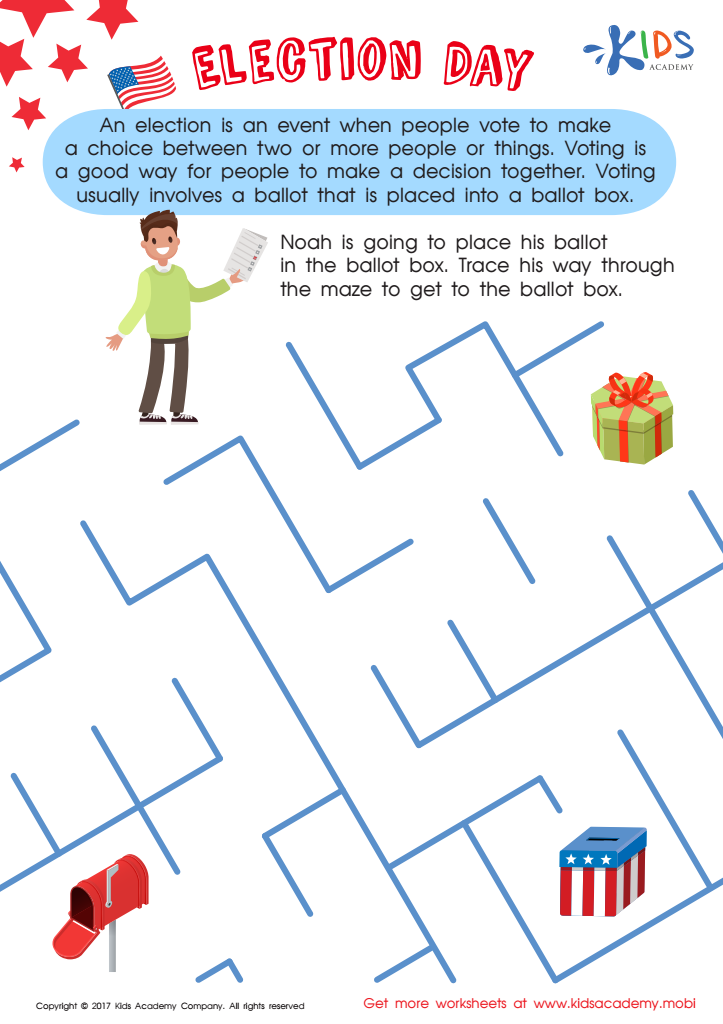
Election Day Worksheet
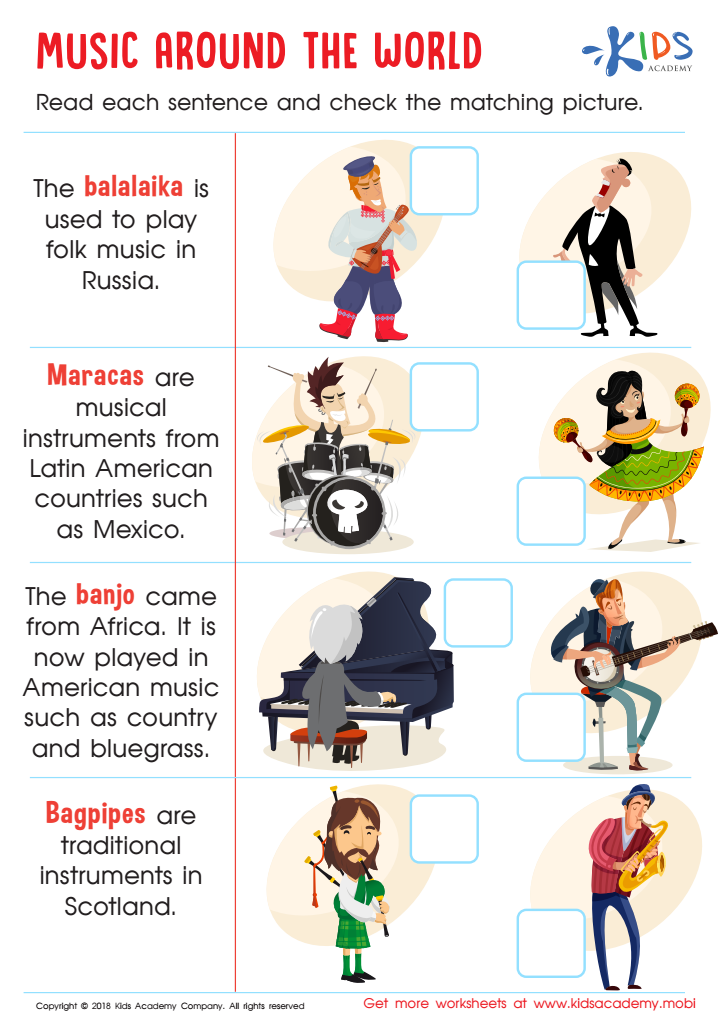
Music Around the World Worksheet
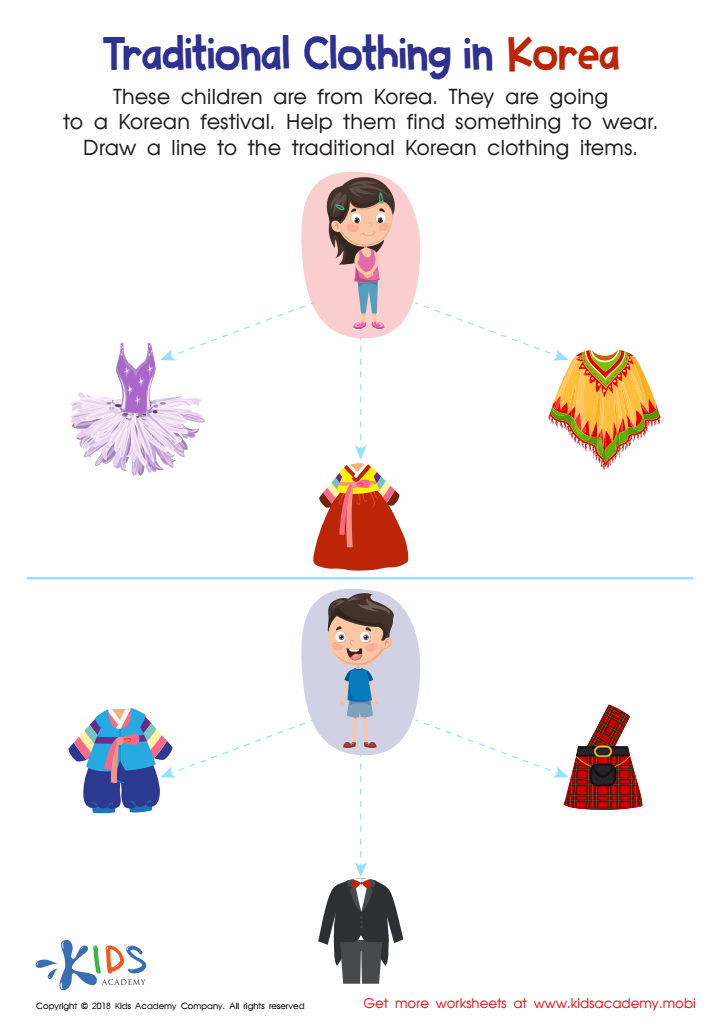
Traditional Clothing in Korea Worksheet
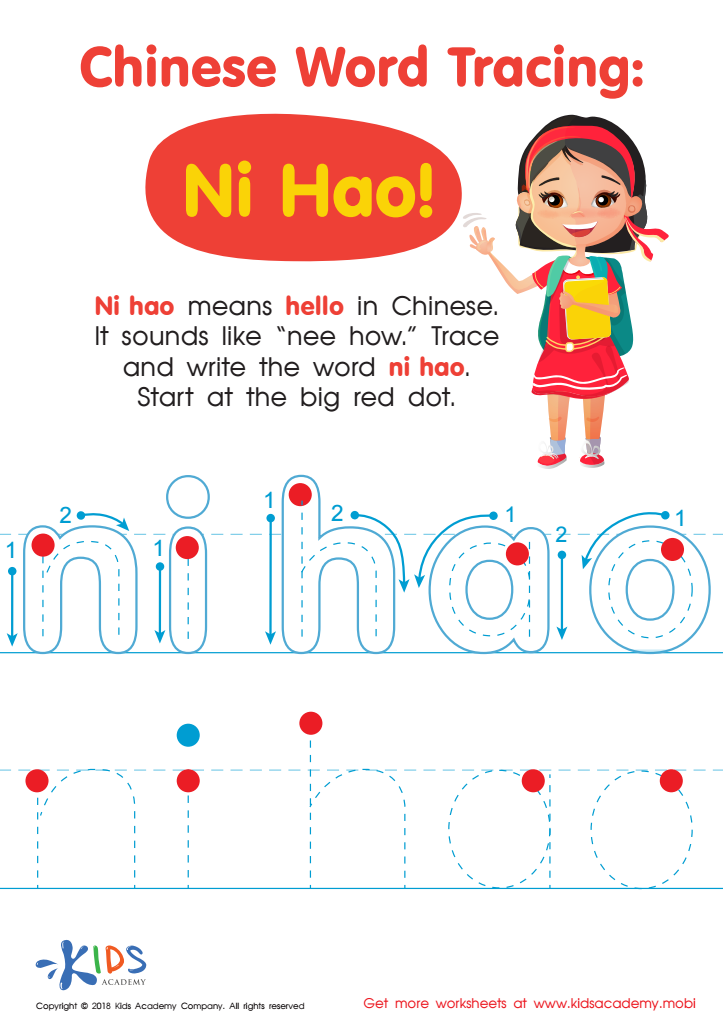
Chinese Word Tracing: Ni Hao Worksheet
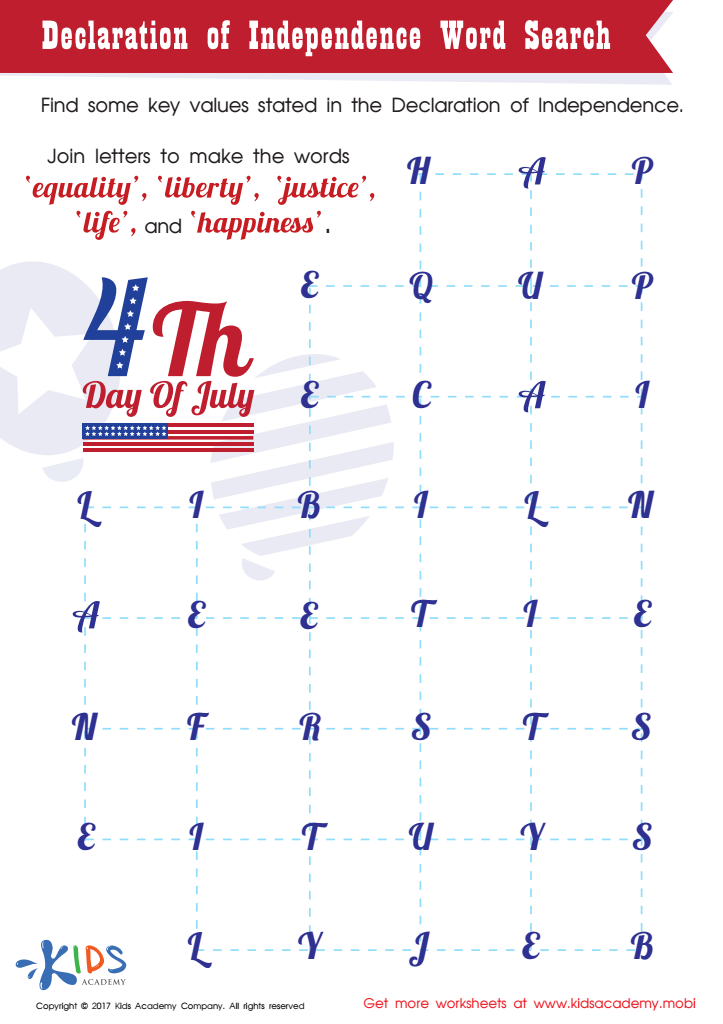
Declaration of Independence Word Search Printable
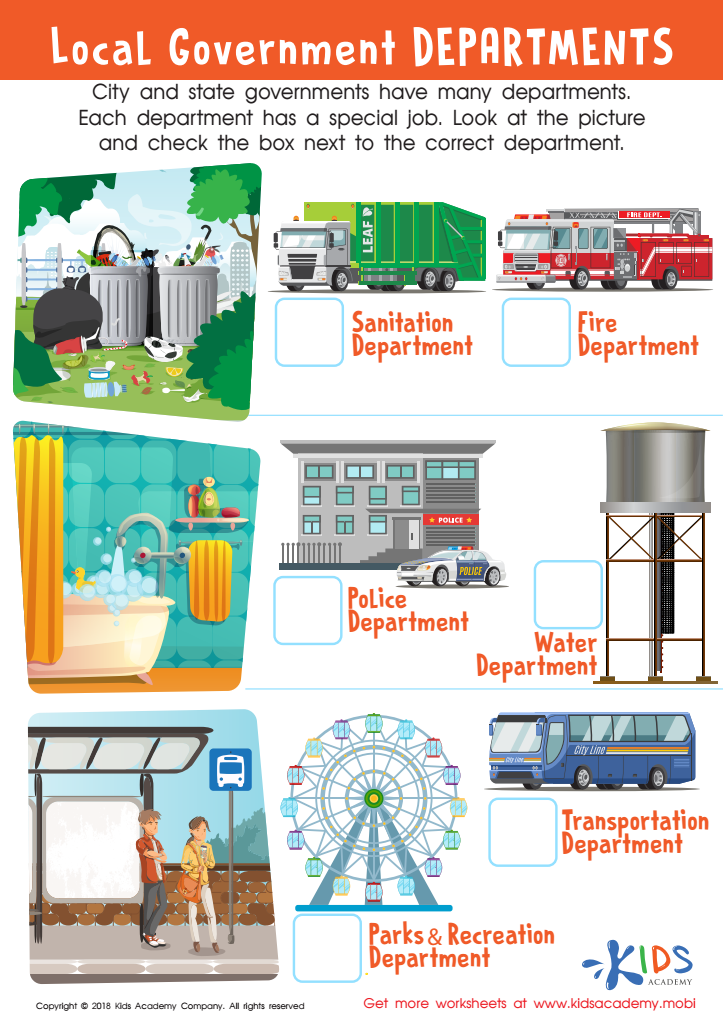
Local Government Departments Worksheet
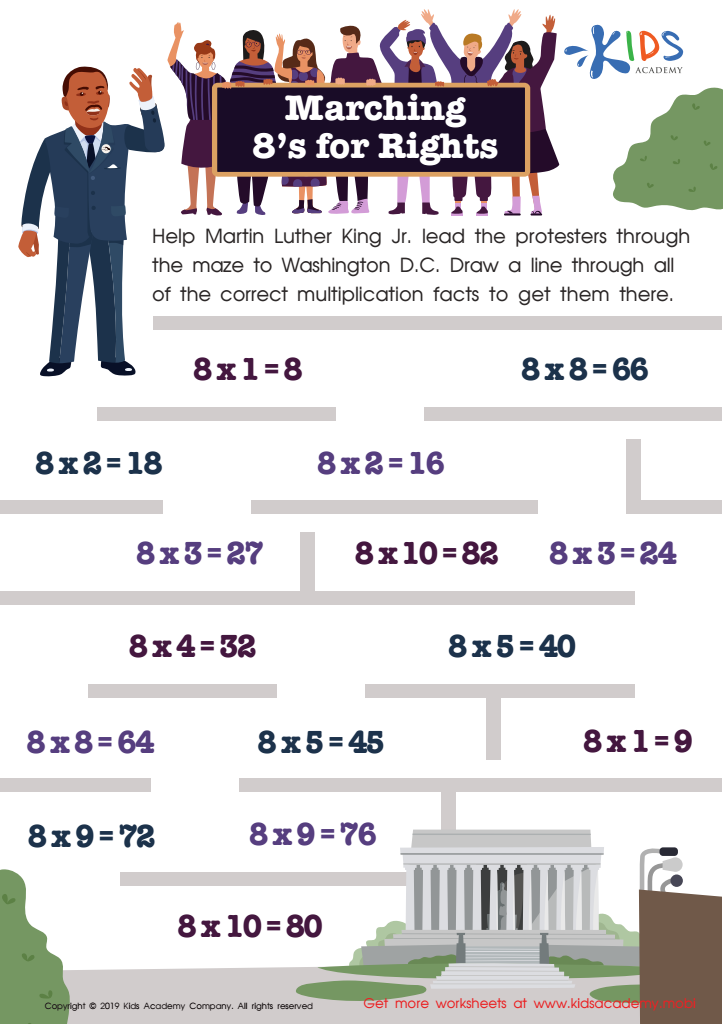
Marching 8’s for Rights Worksheet
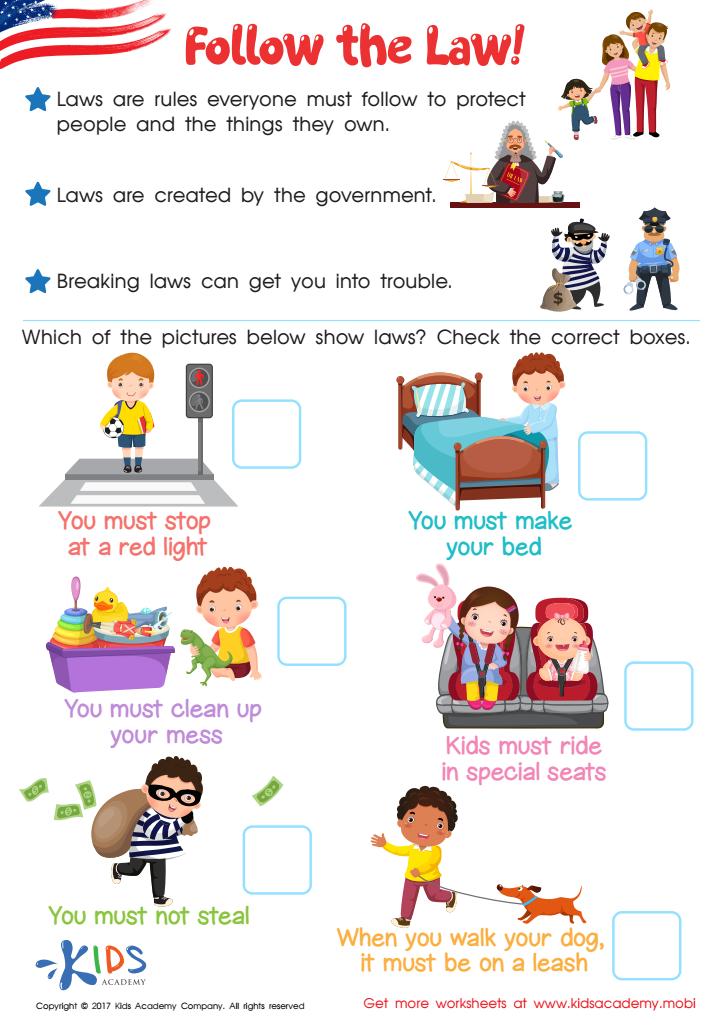
Follow the Law Worksheet
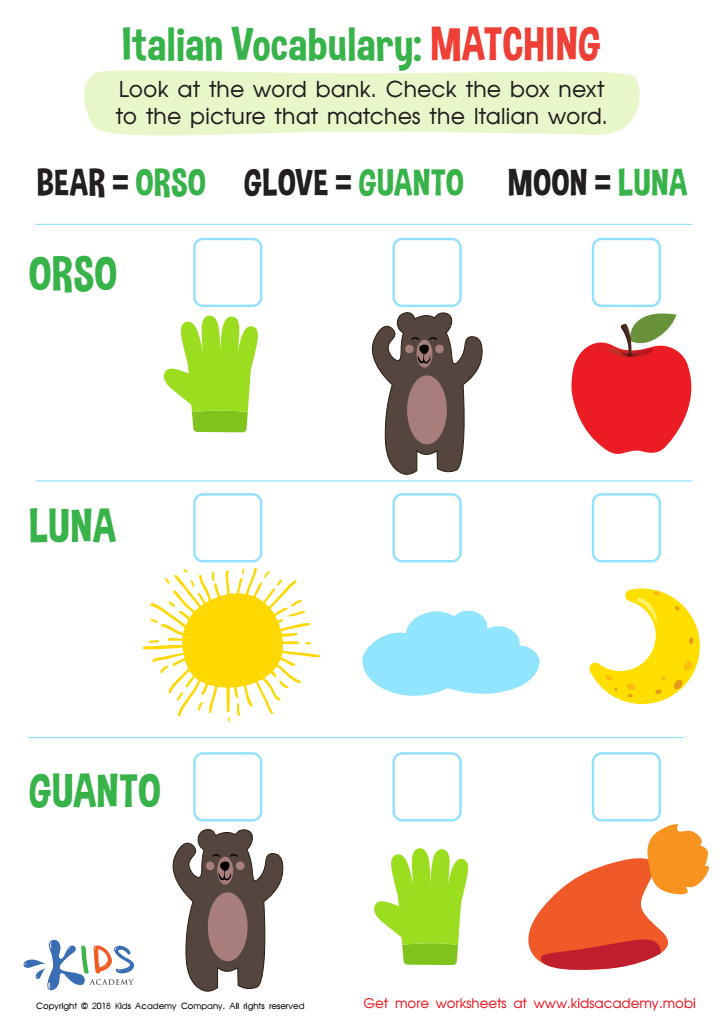
Italian Vocabulary Matching Worksheet
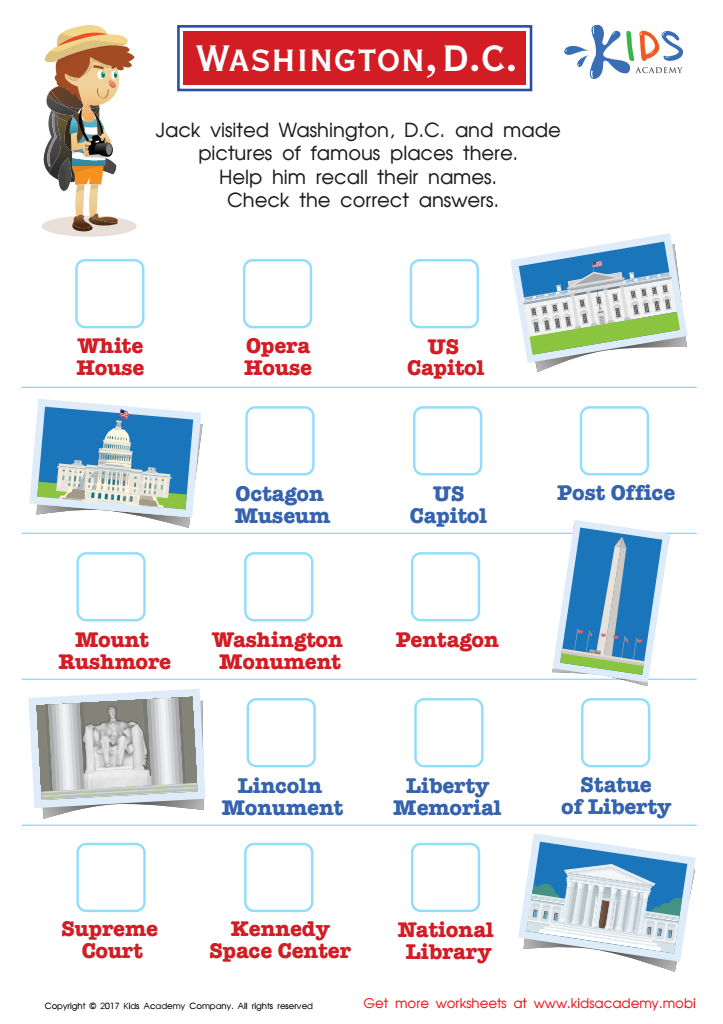
Washington D.C. Printable Worksheet
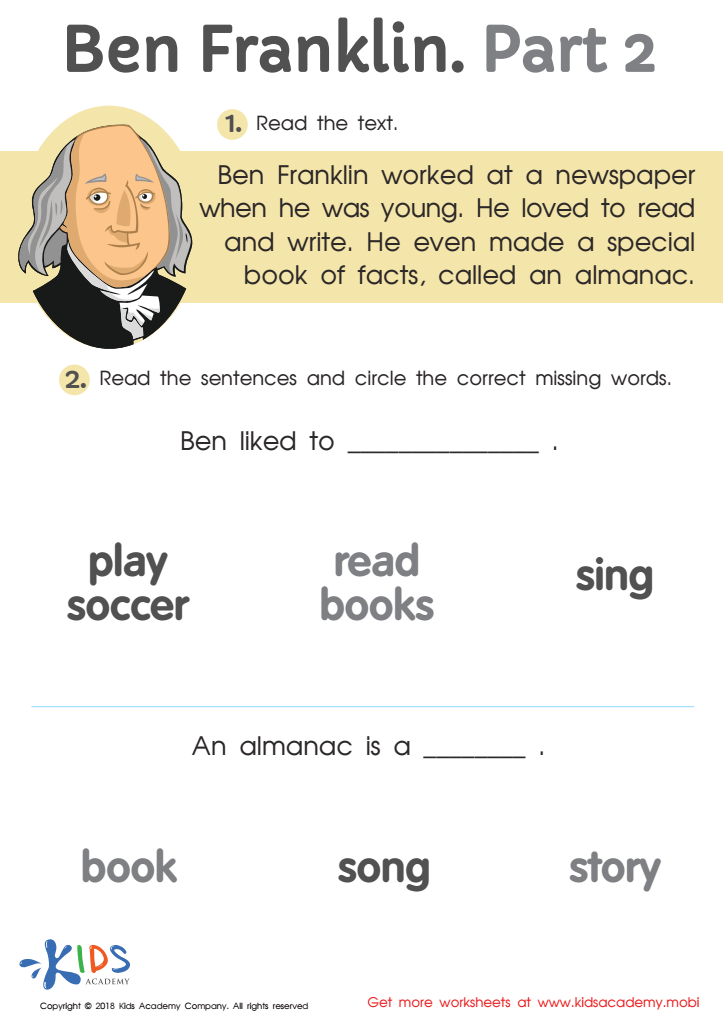
Ben Franklin Part 2 Worksheet
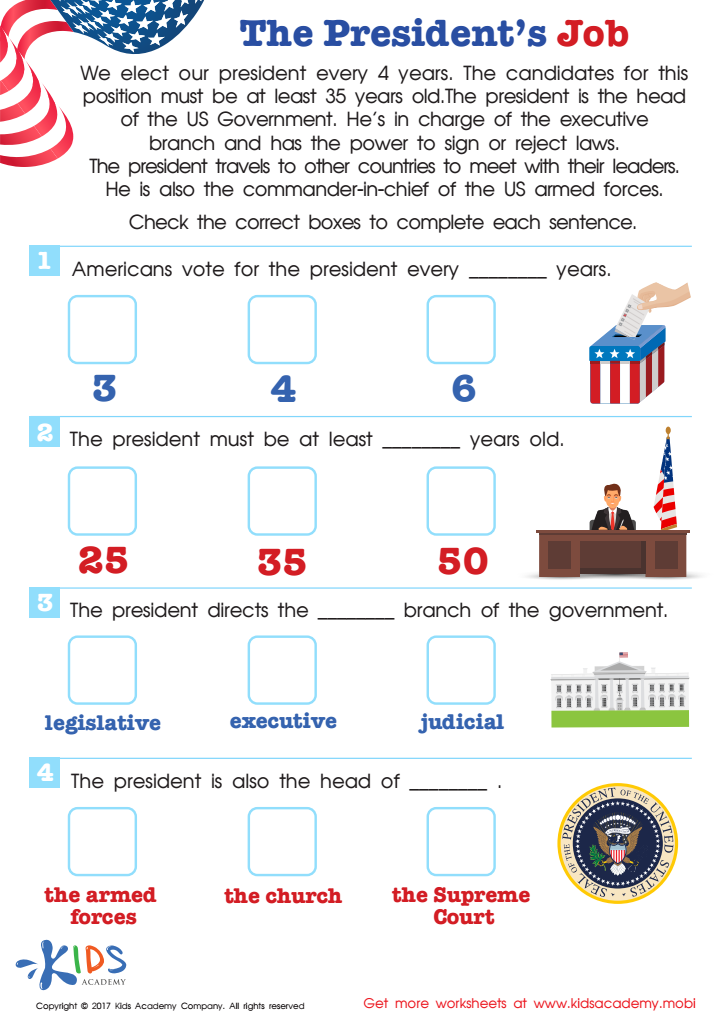
President of the USA Job Description Worksheet


Teaching governance and civics to children ages 5-9 is crucial for several reasons. At this developmental stage, children are beginning to form their understanding of the world around them. Introducing them to concepts like community, citizenship, and basic government structures helps nurture their sense of belonging and responsibility. It lays the foundation for developing critical thinking skills and fosters an understanding of the importance of rules and fairness in social interactions.
Moreover, when children learn about governance and civics, they start to grasp the significance of making informed decisions and participating in their communities. Encouraging this mindset early on cultivates active, informed citizens who are more likely to engage in societal issues as they grow. Understanding civic principles also promotes empathy and respect for diversity, as children learn about different perspectives, cultures, and ways of life.
Finally, instilling civic knowledge and values in young children equips them with tools for advocacy and positive social change. In an increasingly interconnected world, these skills are essential for addressing communal challenges and contributing to more just societies. Ultimately, civics education empowers children to recognize their agency and the impact they can have, inspiring a lifelong commitment to civic engagement.








