Social Studies Worksheets for Ages 6-8 - Page 11
288 filtered results
-
From - To
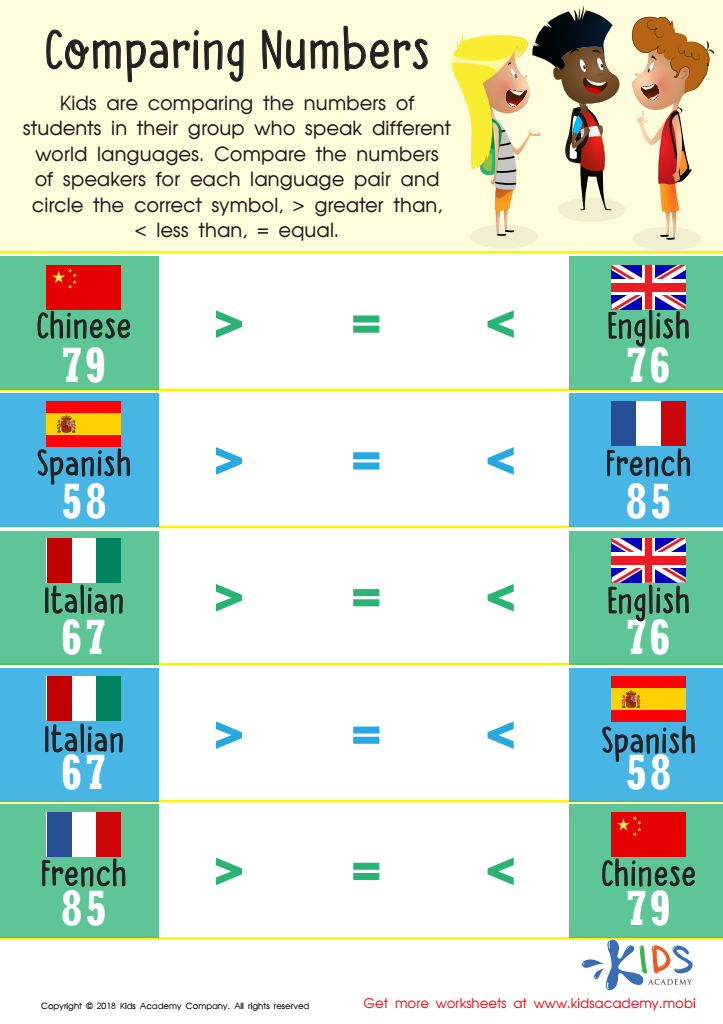
Comparing Numbers Worksheet for 1st Grade
 Assign to My Students
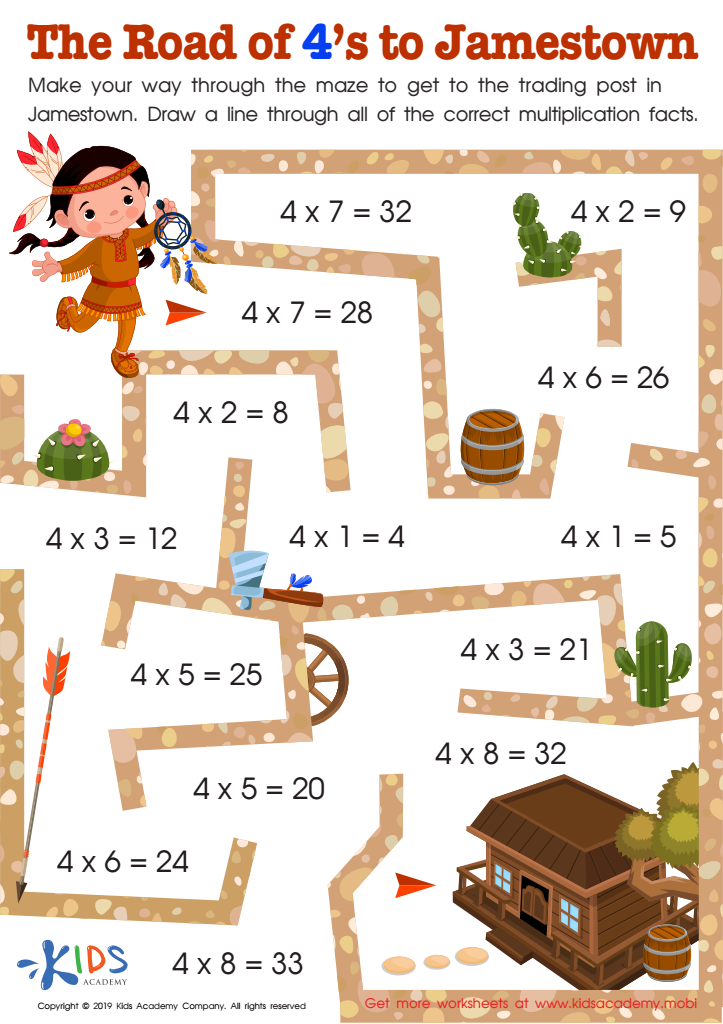
The Road of 4’s to Jamestown Worksheet

Assessment: First Thanksgiving Worksheet
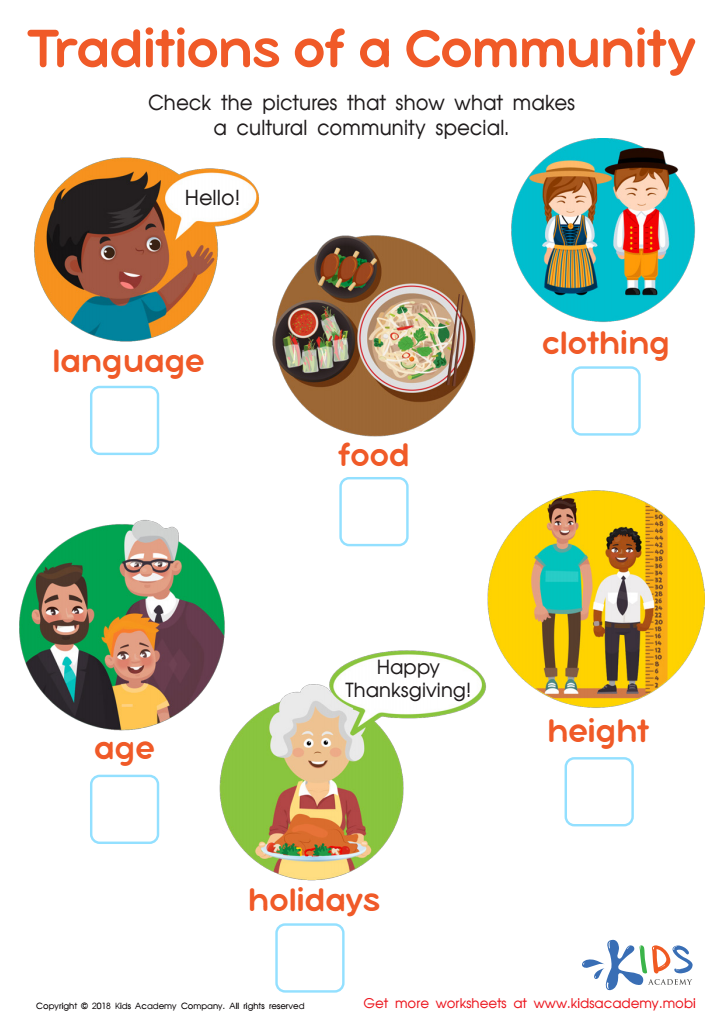
Traditions of a Community Worksheet
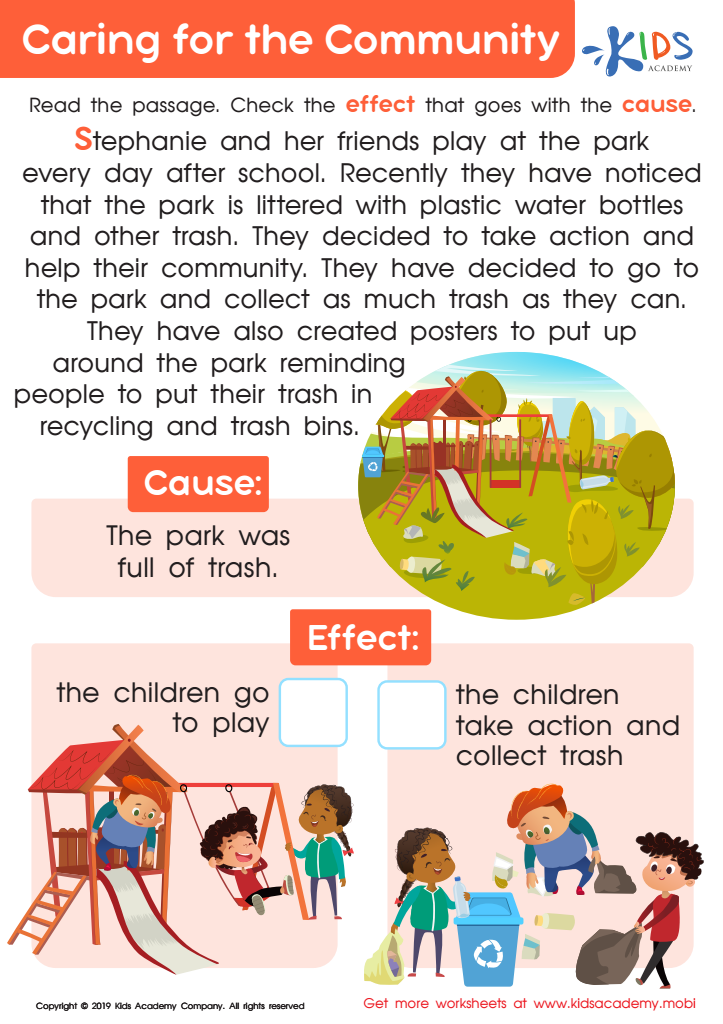
Caring for the Community Worksheet
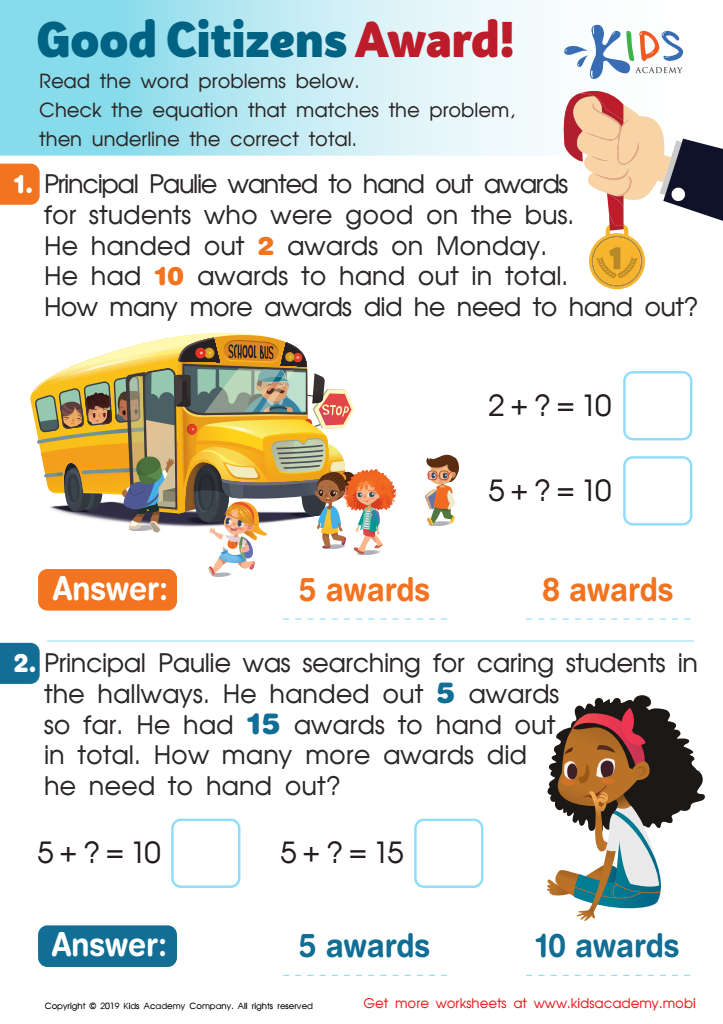
Good Citizens Award! Worksheet
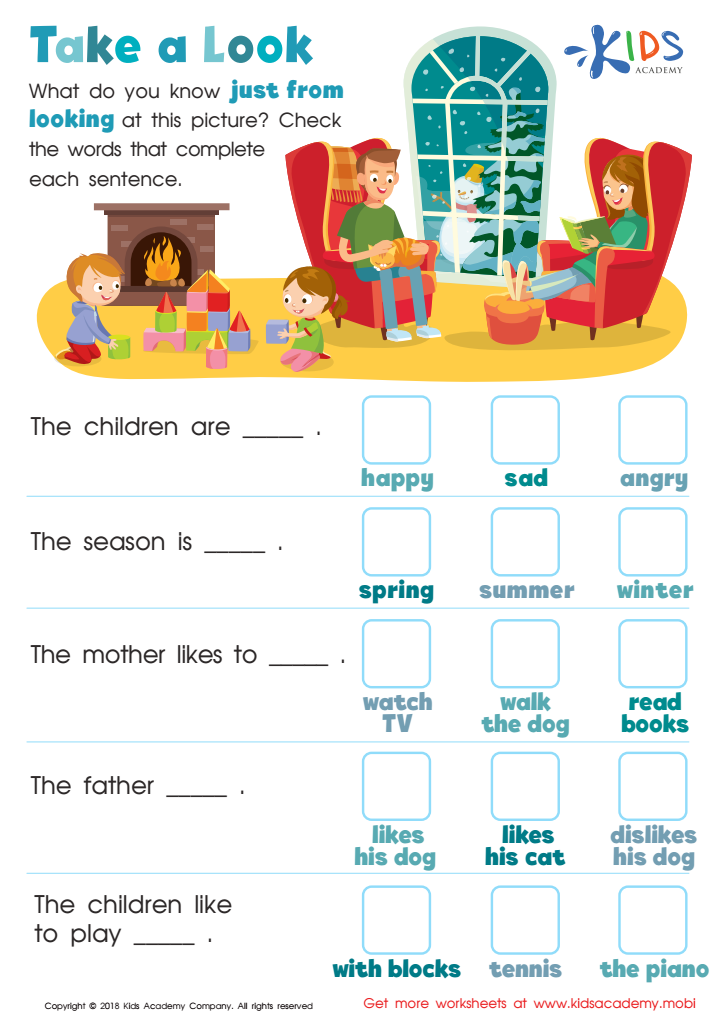
Take a Look - Part 1 Worksheet
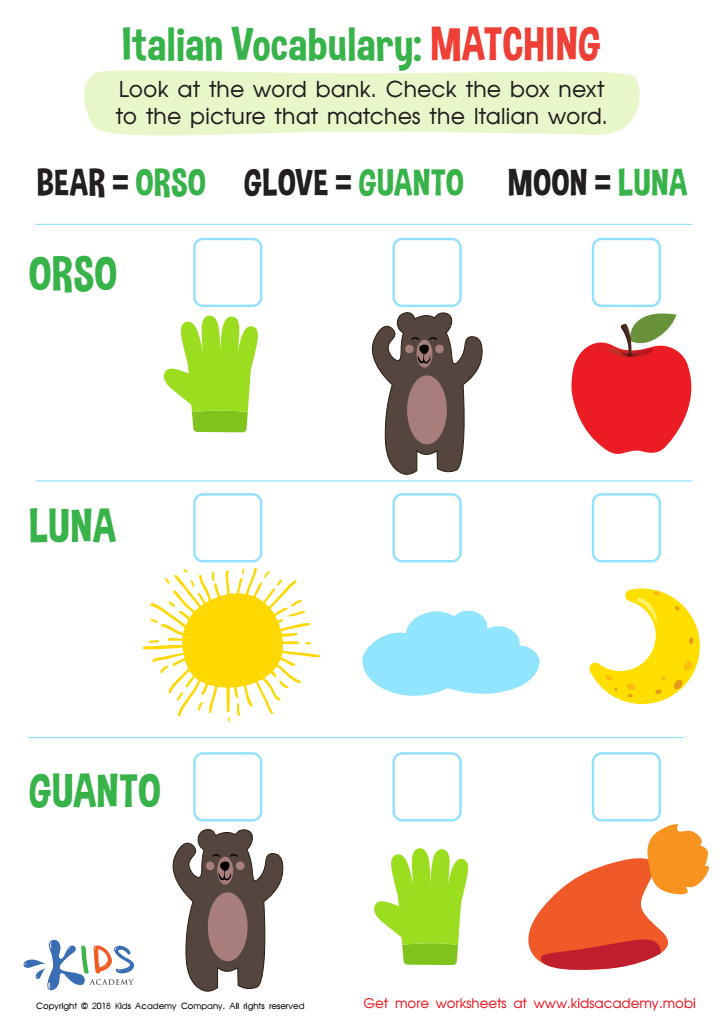
Italian Vocabulary Matching Worksheet
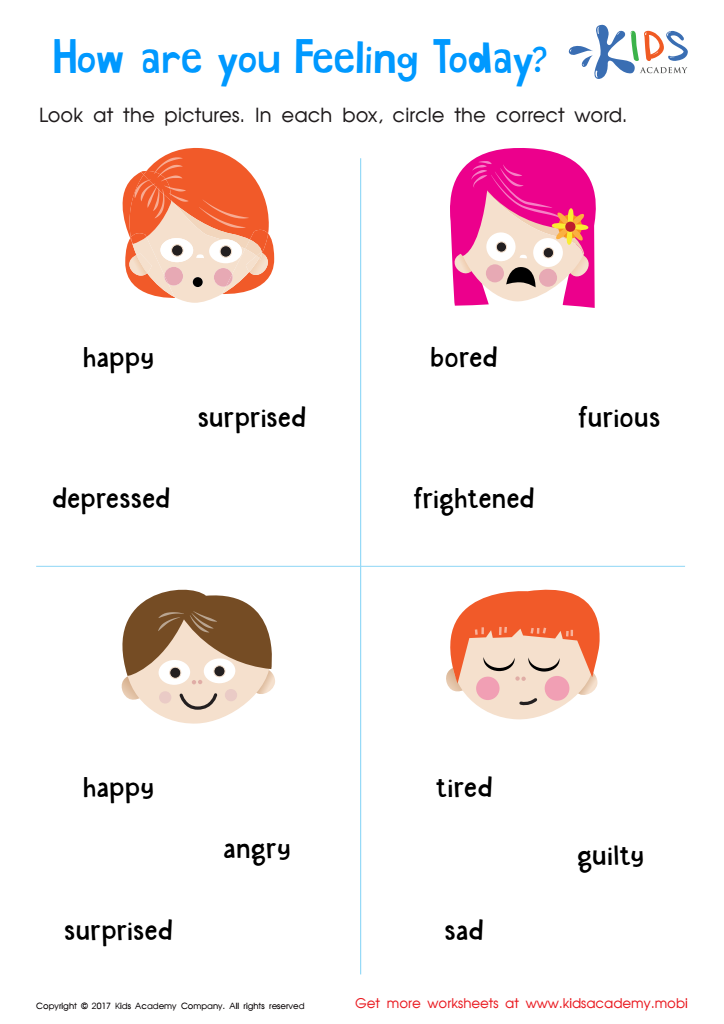
Understanding Feelings Worksheet

Washington D.C. Printable Worksheet
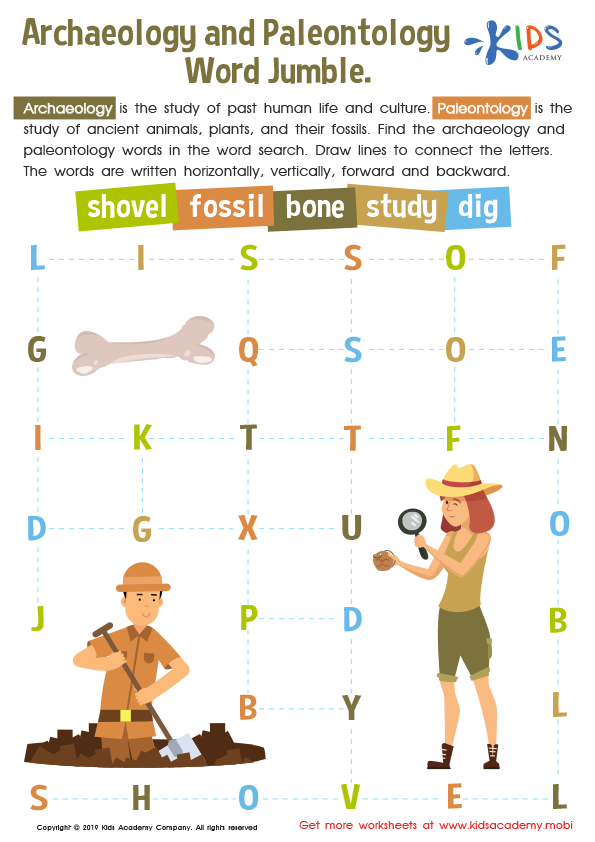
Archaeology and Paleontology Word Jumble Worksheet
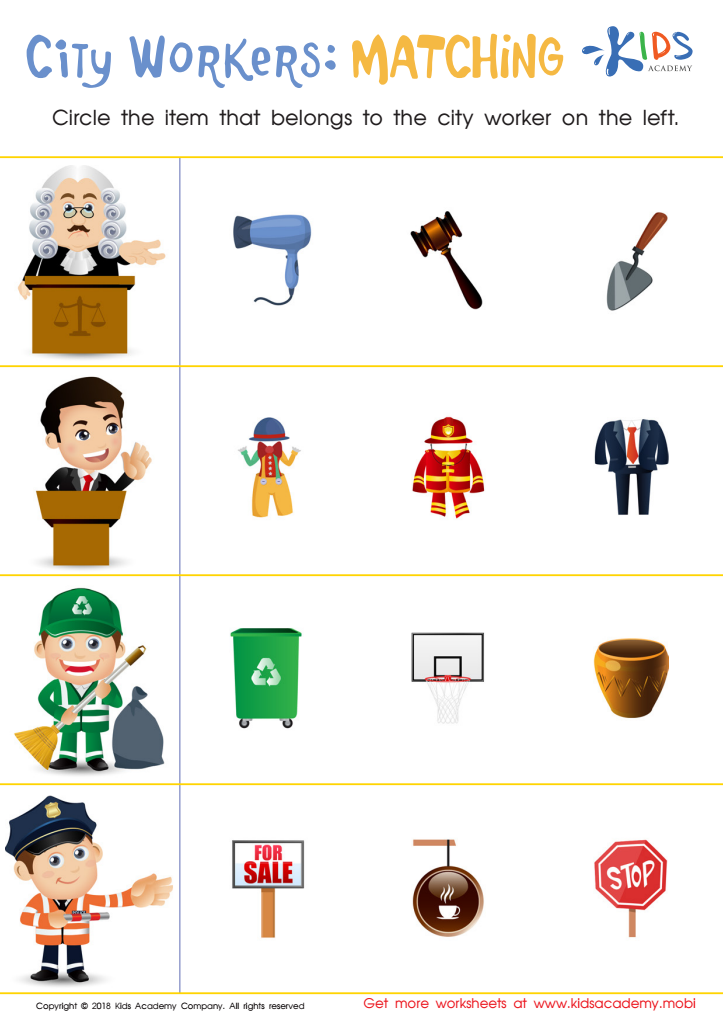
City Workers: Matching Worksheet
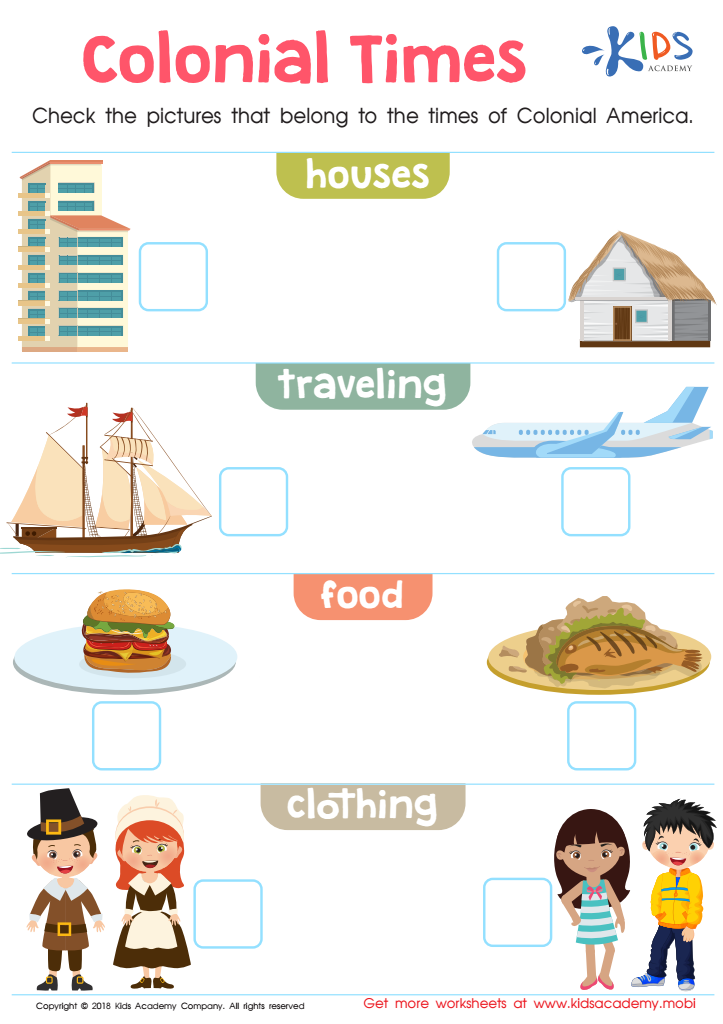
Colonial Times Worksheet

World Flags Printable
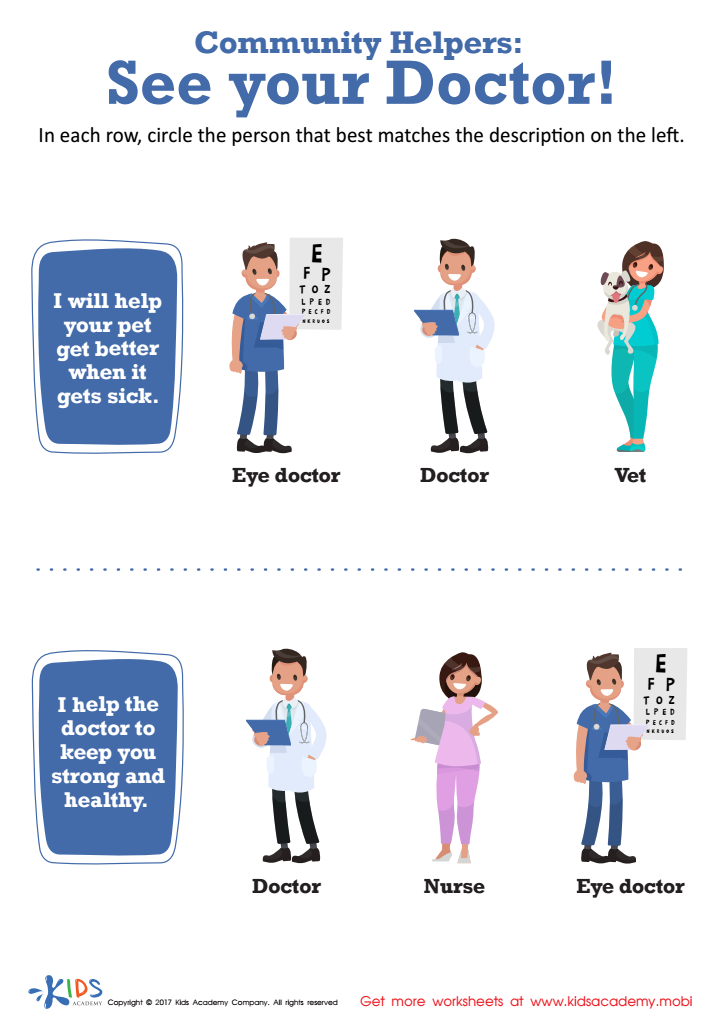
See Your Doctor (Part 2) Printable
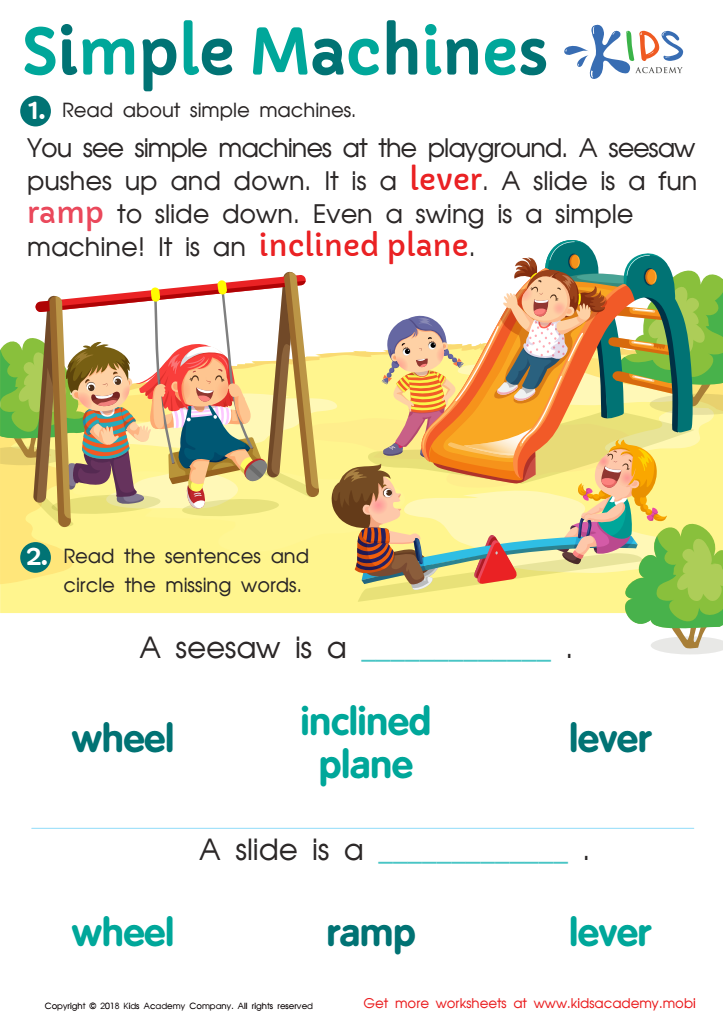
Simple Machines Worksheet

Simple Machines: Screw Worksheet
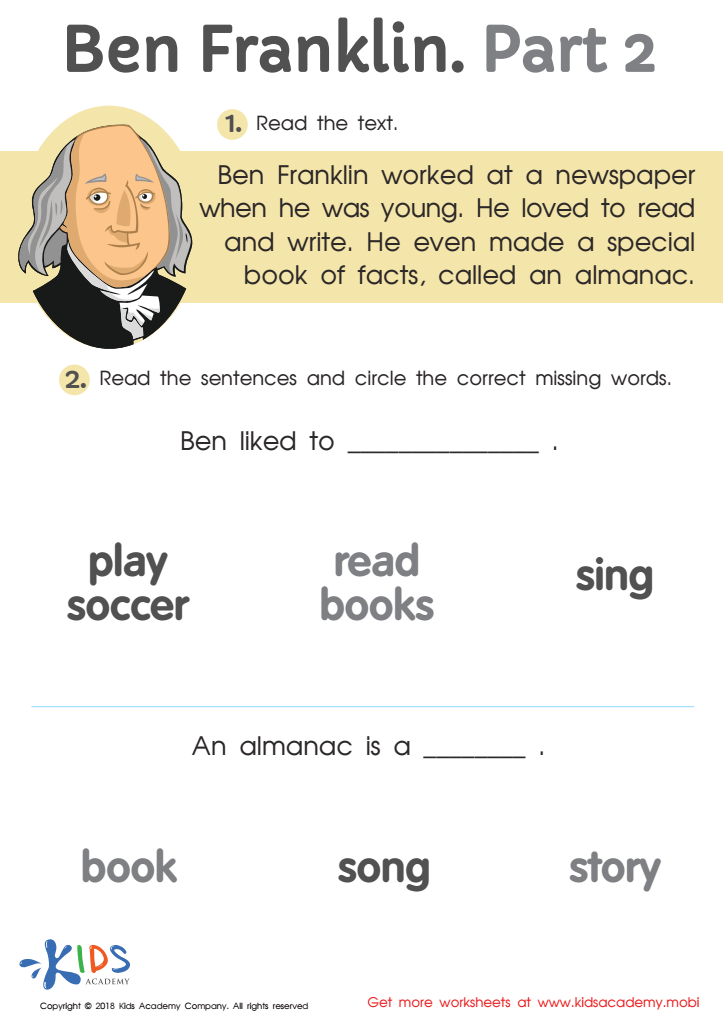
Ben Franklin Part 2 Worksheet
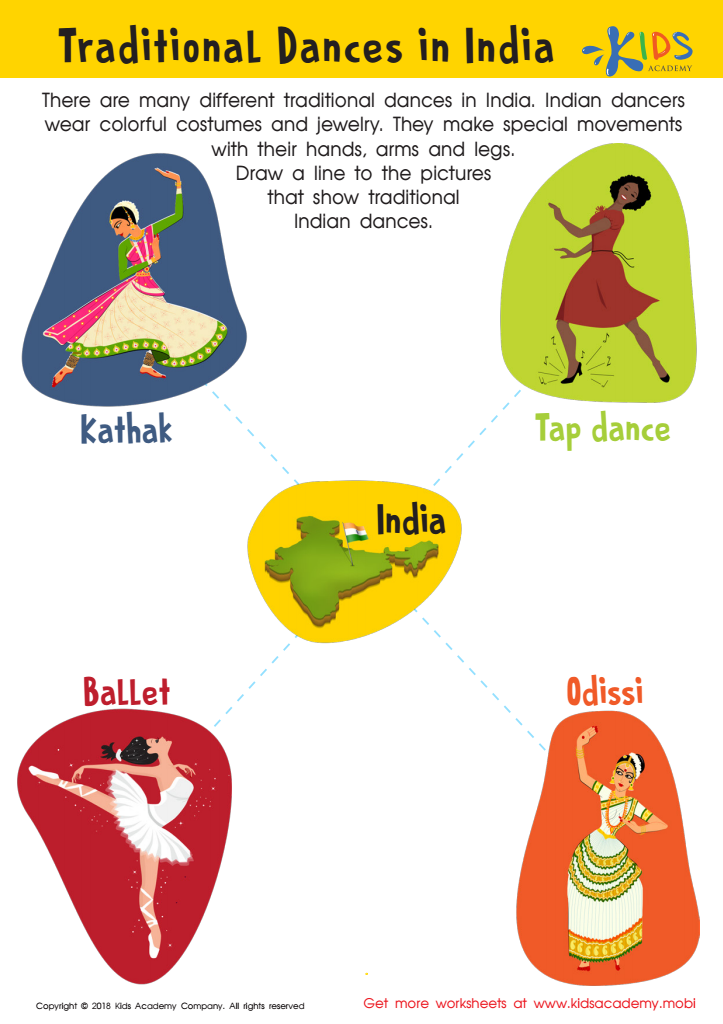
Traditional Dances in India Worksheet
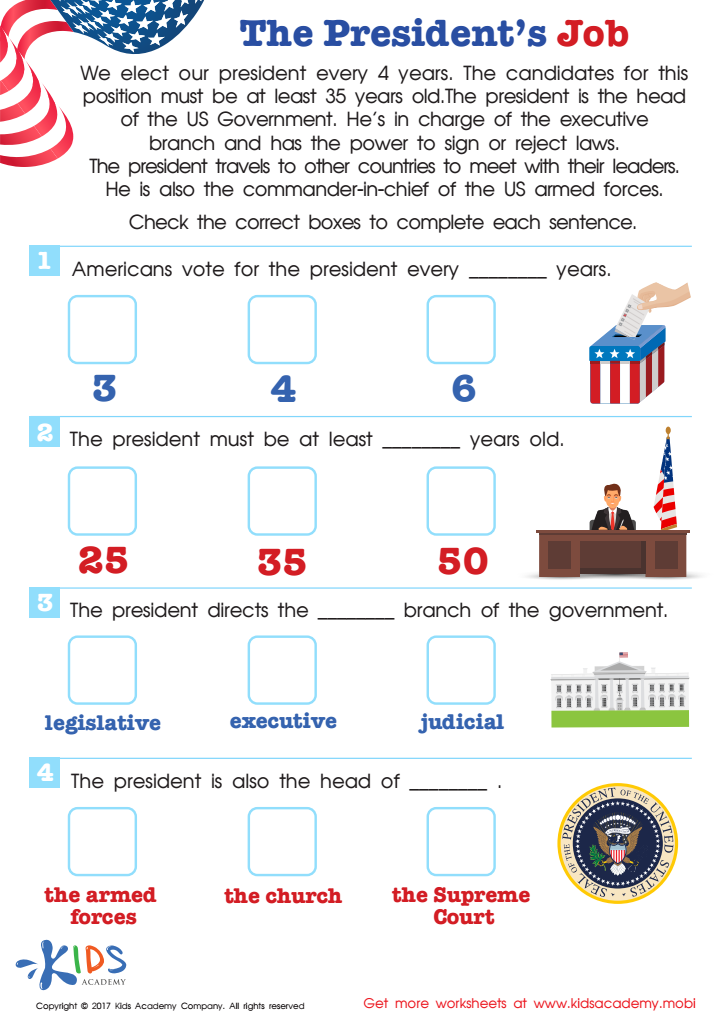
President of the USA Job Description Worksheet

Seven Wonders of the Ancient World Worksheet
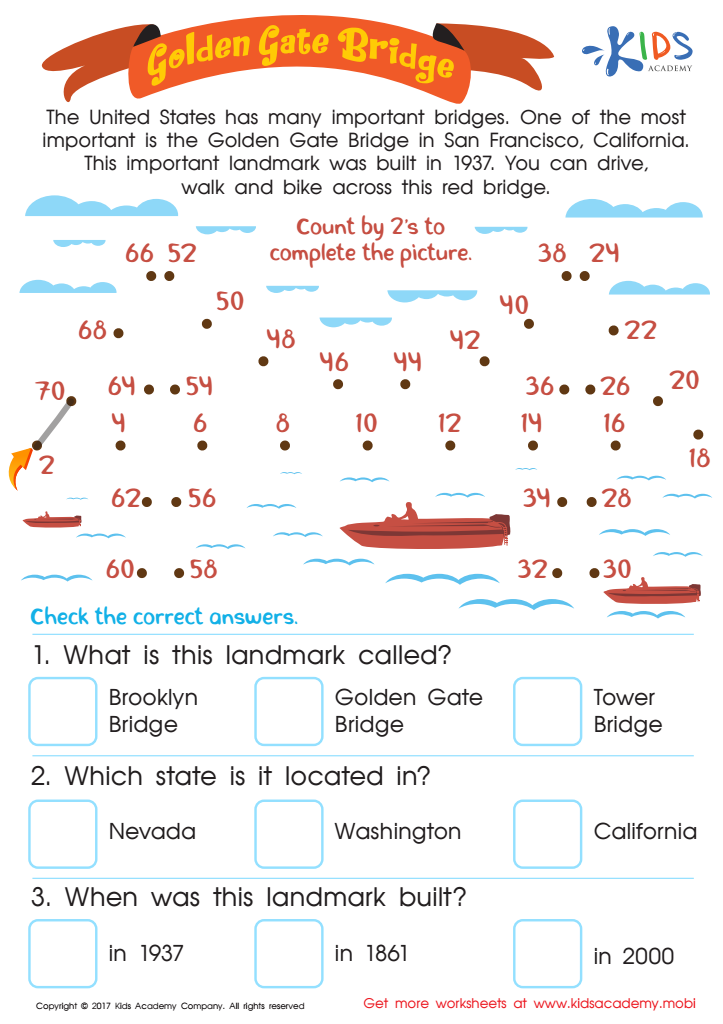
Golden Gate Bridge Worksheet
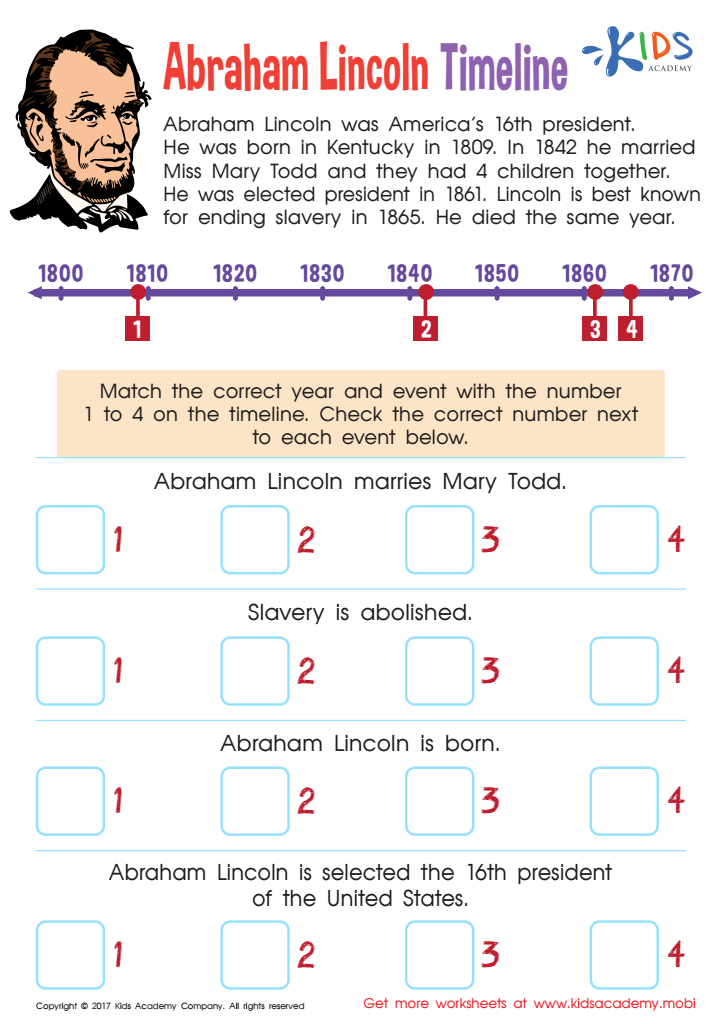
Abraham Lincoln Timeline Worksheet
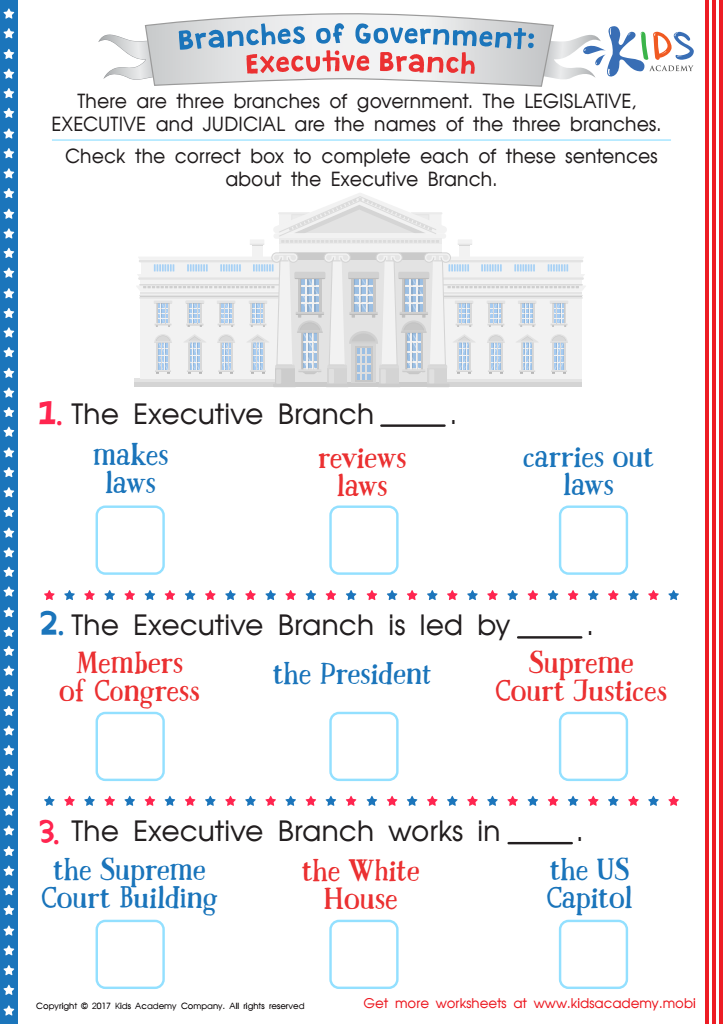
Branches of the Government: Executive Branch Printable








Parents and teachers should care deeply about Social Studies for children ages 6-8 because it forms the foundation of well-rounded citizens who understand and appreciate the world they live in. At this formative stage, Social Studies introduces young learners to basic concepts of community, history, geography, and cultural diversity. This early exposure helps them grasp the importance of collective identity and fosters empathy and respect for others.
By learning about different cultures and social systems, children develop a sense of curiosity and open-mindedness that is critical in our increasingly globalized world. It also equips them with essential life skills, such as critical thinking, problem-solving, and the ability to make informed decisions. Understanding historical events, for example, allows them to better understand the present and envision the future, building a sense of continuity and context.
Moreover, Social Studies instills civic values and duties, helping young children understand their roles and responsibilities within their communities. It teaches them about fairness, cooperation, and the importance of contributing positively to society. In essence, investing in Social Studies education at an early age nurtures informed, empathetic, and responsible future citizens, preparing them for the complexities of the adult world.








