History Worksheets for Ages 6-8 - Page 4
88 filtered results
-
From - To
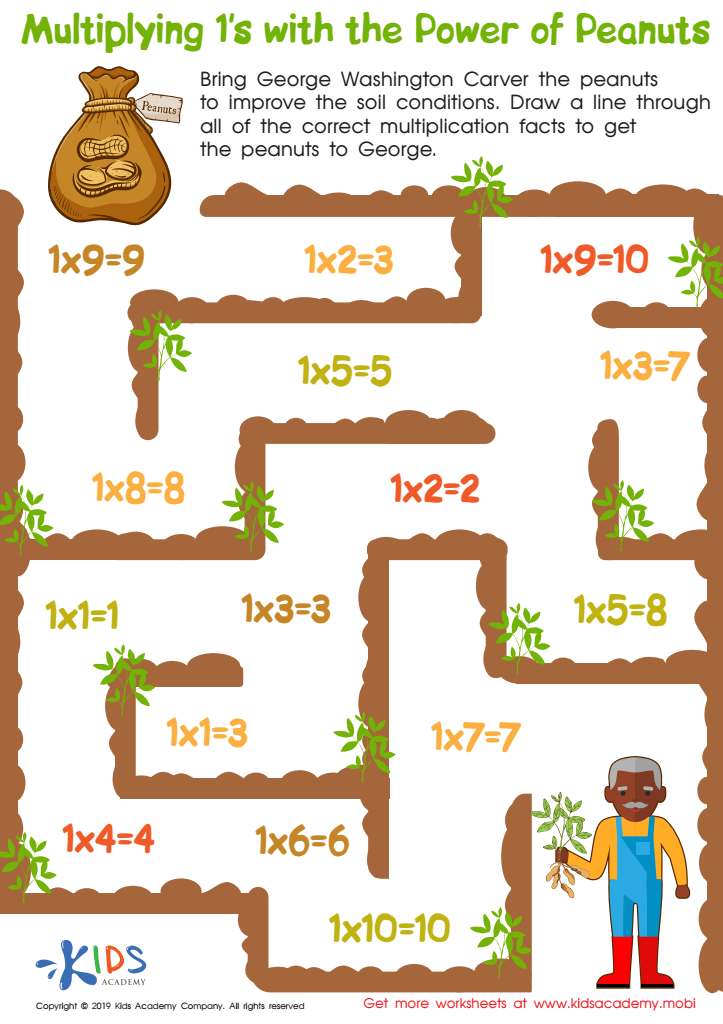
Multiplying 1’s With the Power of Peanuts Worksheet
 Assign to My Students
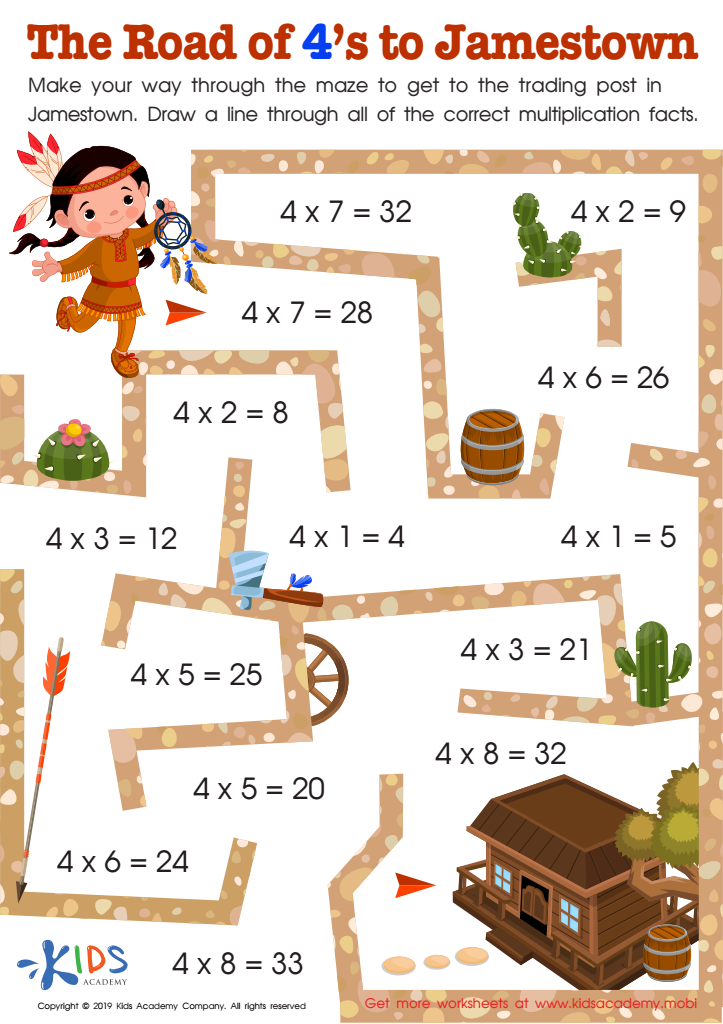
The Road of 4’s to Jamestown Worksheet
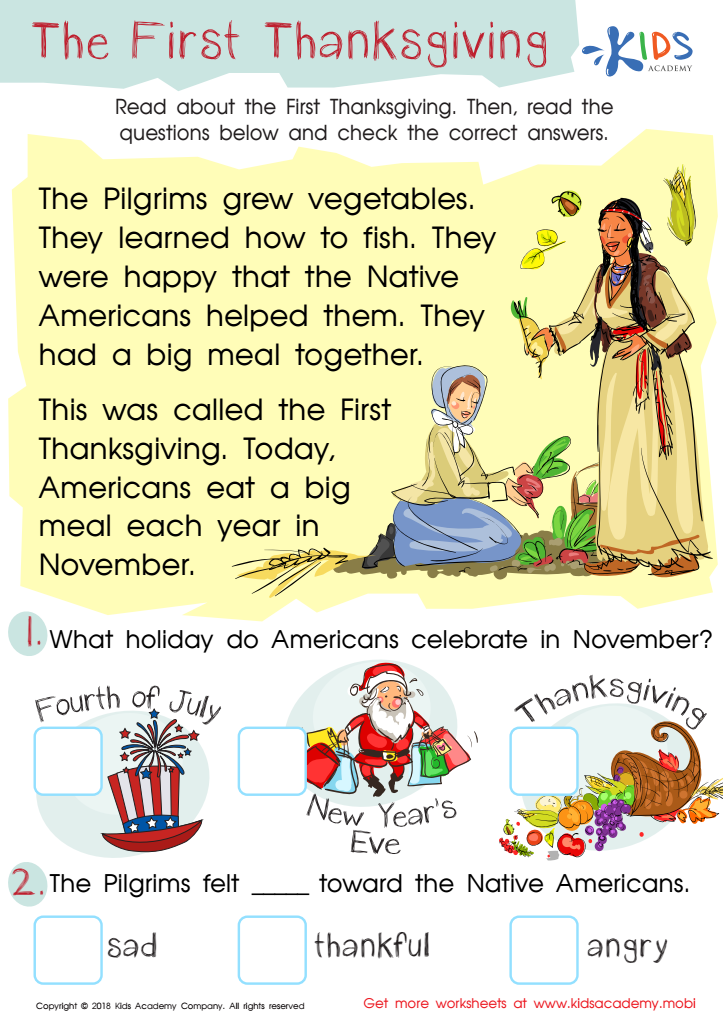
Assessment: First Thanksgiving Worksheet
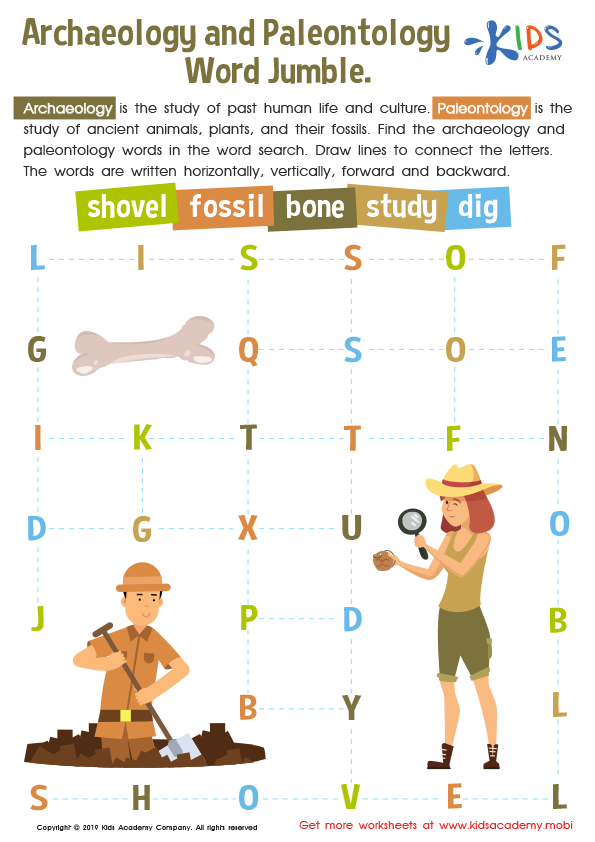
Archaeology and Paleontology Word Jumble Worksheet
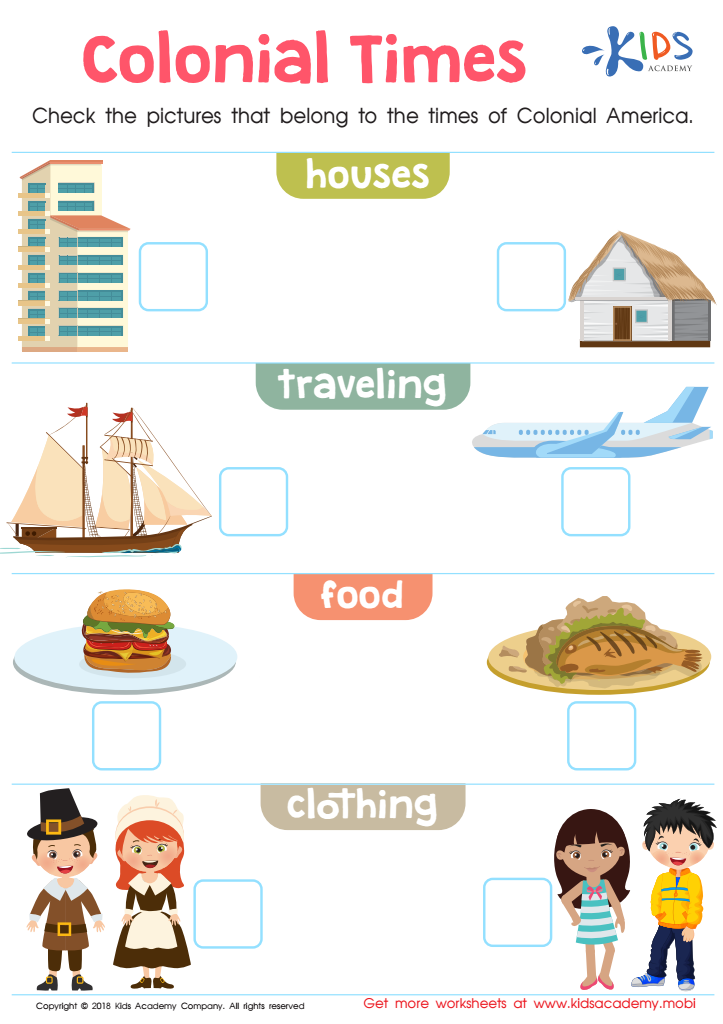
Colonial Times Worksheet
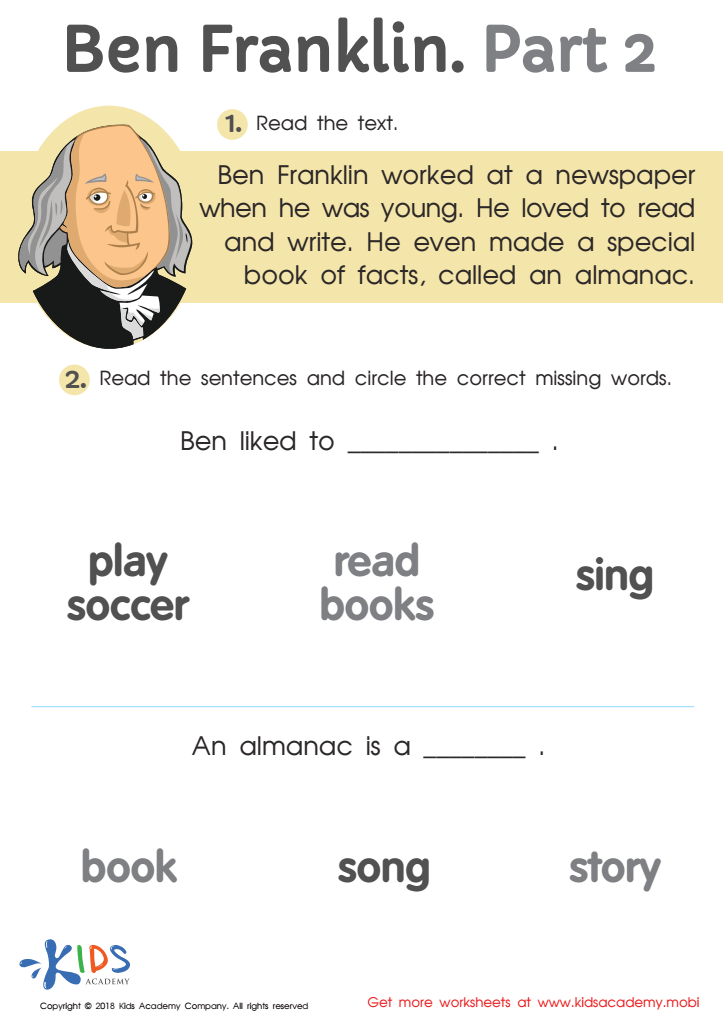
Ben Franklin Part 2 Worksheet
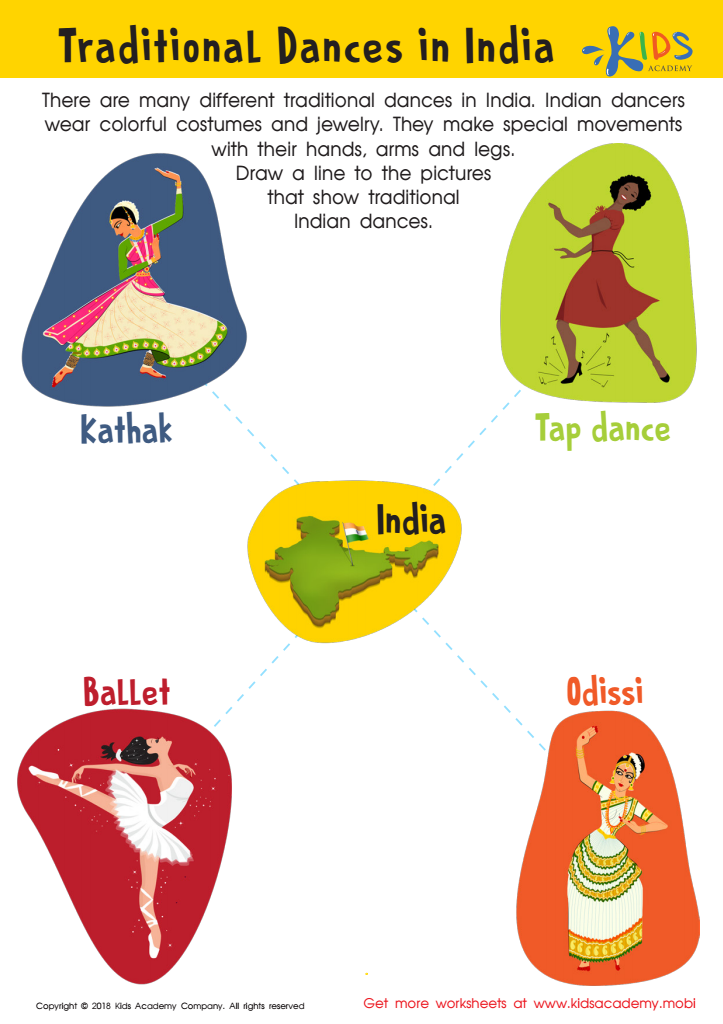
Traditional Dances in India Worksheet
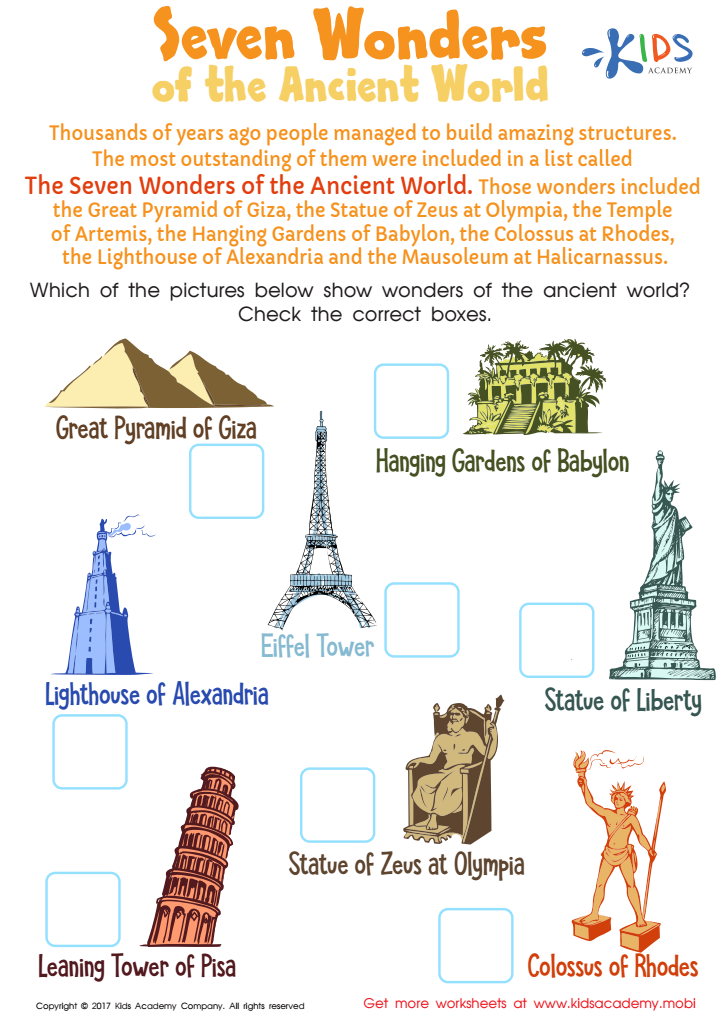
Seven Wonders of the Ancient World Worksheet
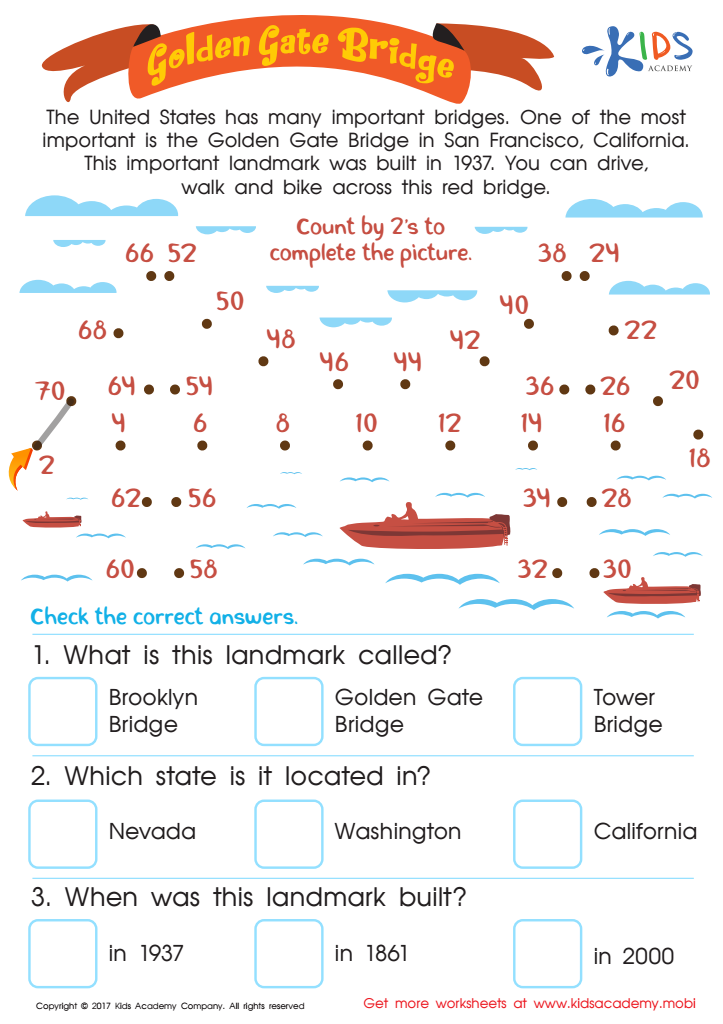
Golden Gate Bridge Worksheet
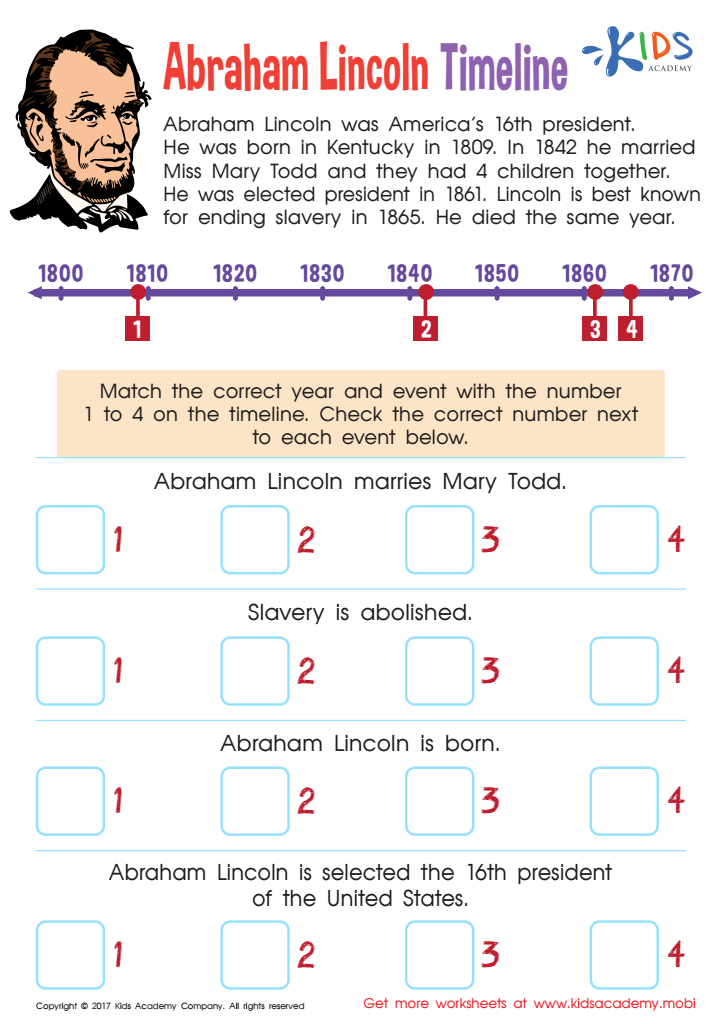
Abraham Lincoln Timeline Worksheet
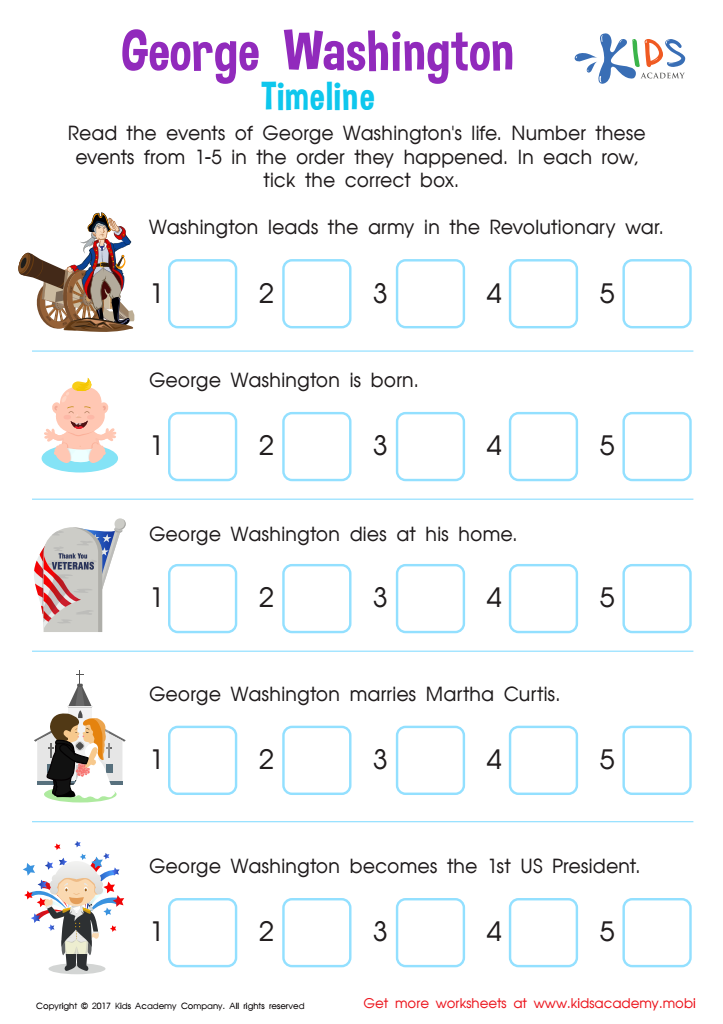
George Washington Timeline Worksheet
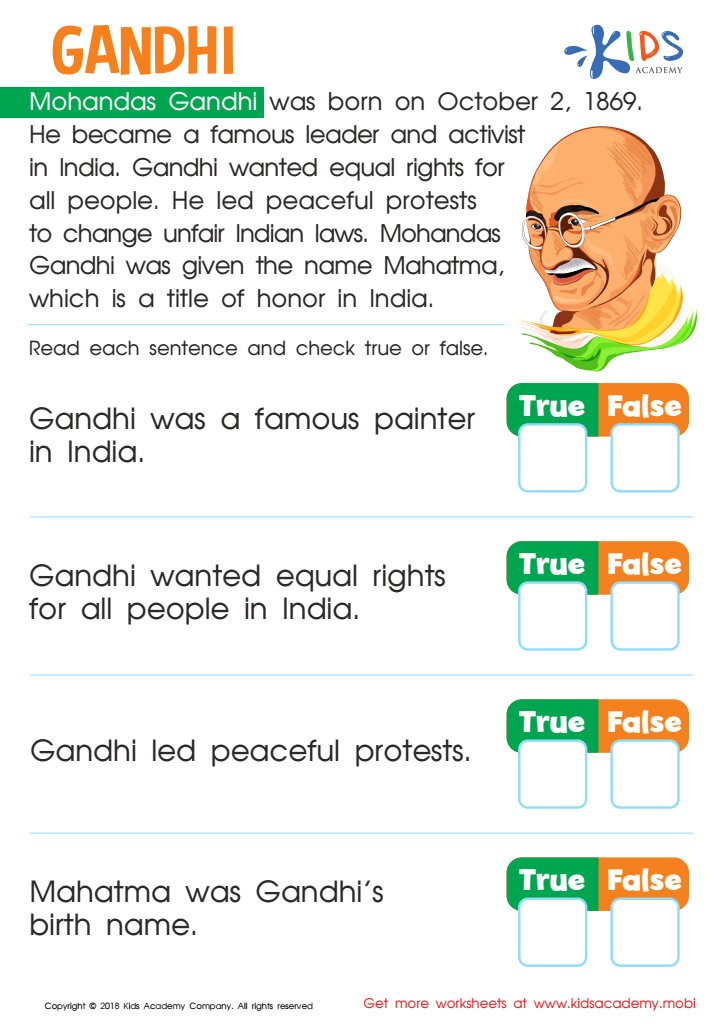
Gandhi Worksheet
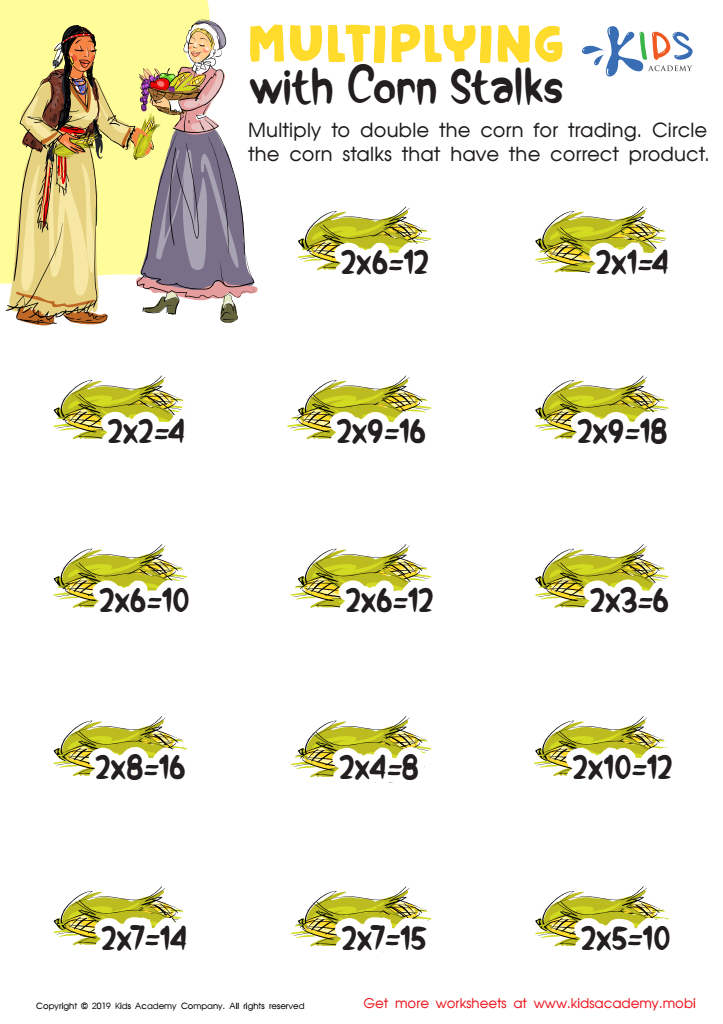
Multiplying With Corn Stalks Worksheet
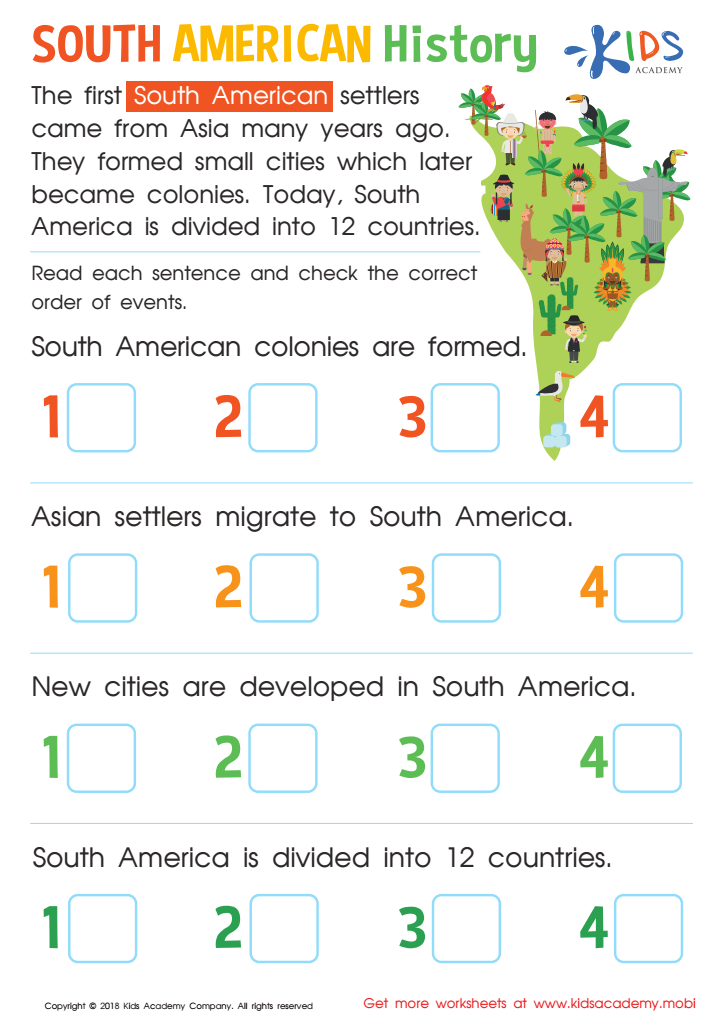
South American History Worksheet
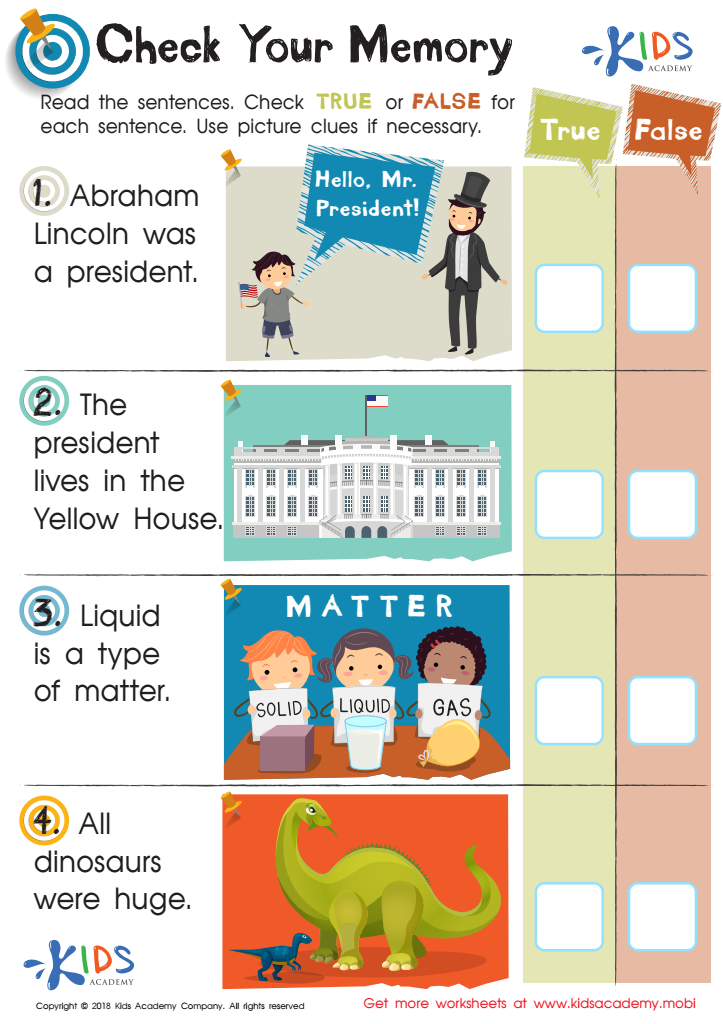
Check Memory Worksheet
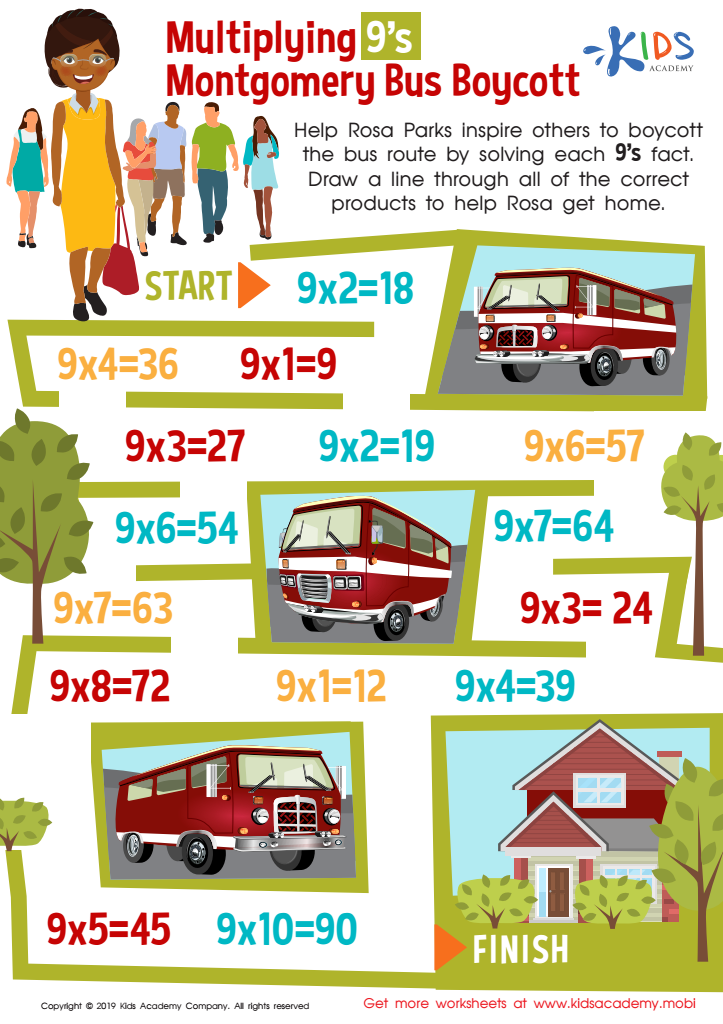
Multiplying 9’s Montgomery Bus Boycott Worksheet


.jpg)





Parents and teachers should prioritize history education for children ages 6-8 because it lays the foundation for critical thinking and understanding of the world. At this age, children are naturally curious and eager to learn about their surroundings. Teaching history helps them grasp the concept of time and the significance of events that shape our lives today.
Learning history fosters a sense of identity and belonging. Children are introduced to diverse cultures, important figures, and global milestones, instilling respect and appreciation for differences. This fosters empathy, helping young learners understand and connect with people from various backgrounds.
Moreover, historical knowledge enhances reading and comprehension skills as children engage with stories about the past. It stimulates their imagination and encourages them to ask questions, developing their critical thinking abilities.
Understanding history also aids children in comprehending current events, making connections between the past and present. This enables them to become informed citizens, understanding the complexities of society, and recognizing the importance of civic responsibility.
By investing time in history education, parents and teachers provide children with the tools to navigate their world thoughtfully and compassionately, ultimately cultivating a generation that values knowledge and perspectives from the past.