Math Worksheets for Ages 6-9 - Page 3
1237 filtered results
-
From - To
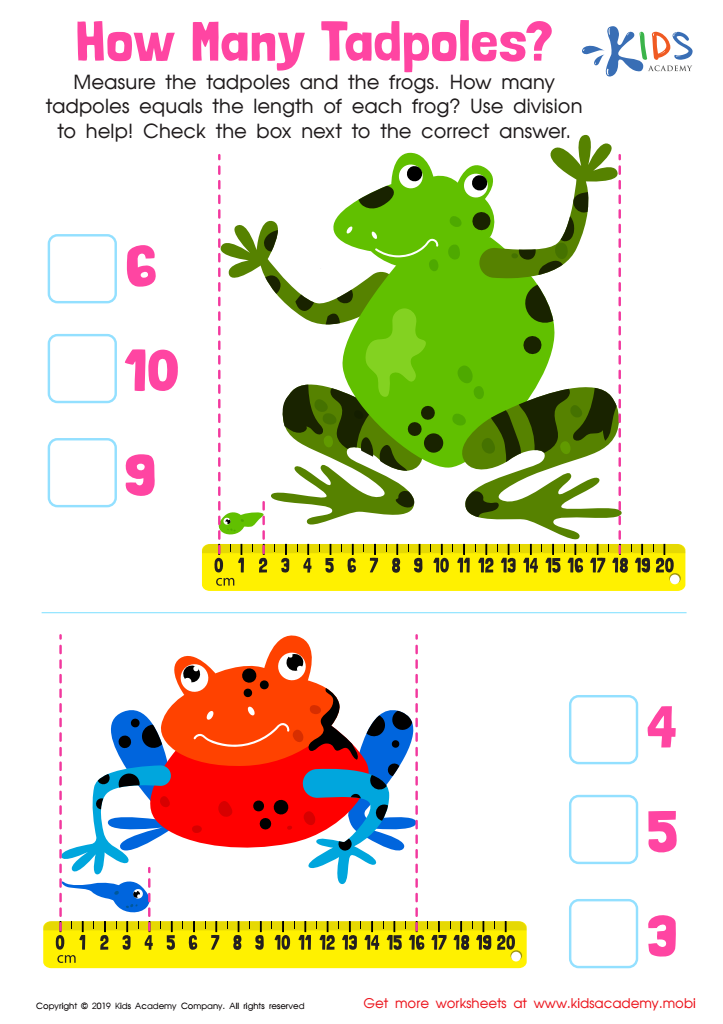
How Many Tadpoles Worksheet
 Assign to My Students
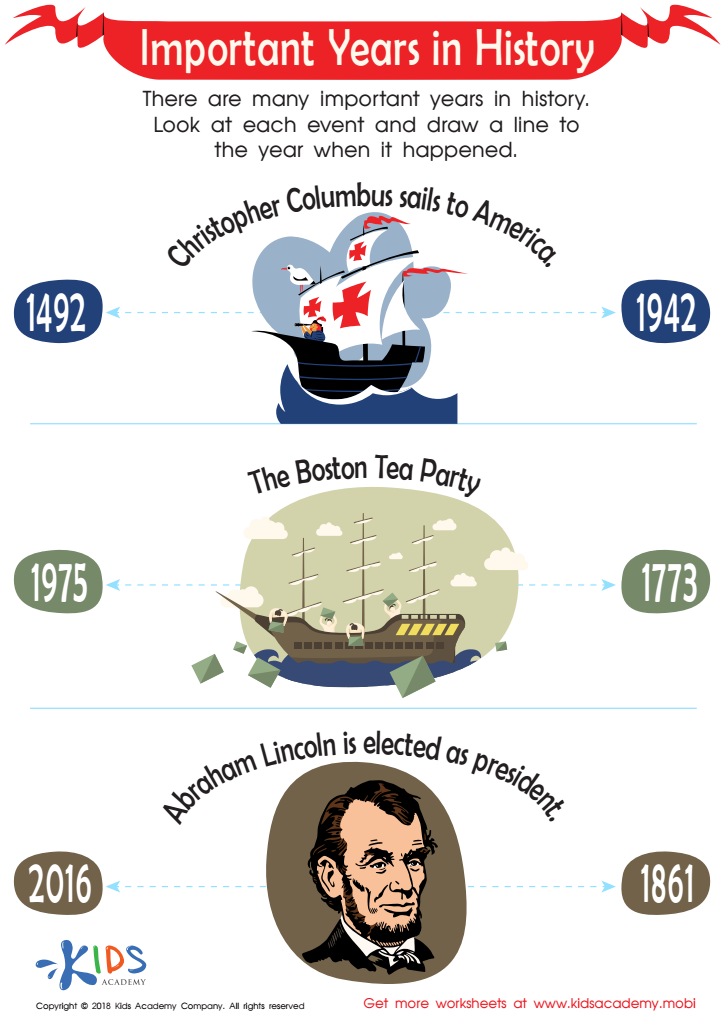
Important Years in History Worksheet
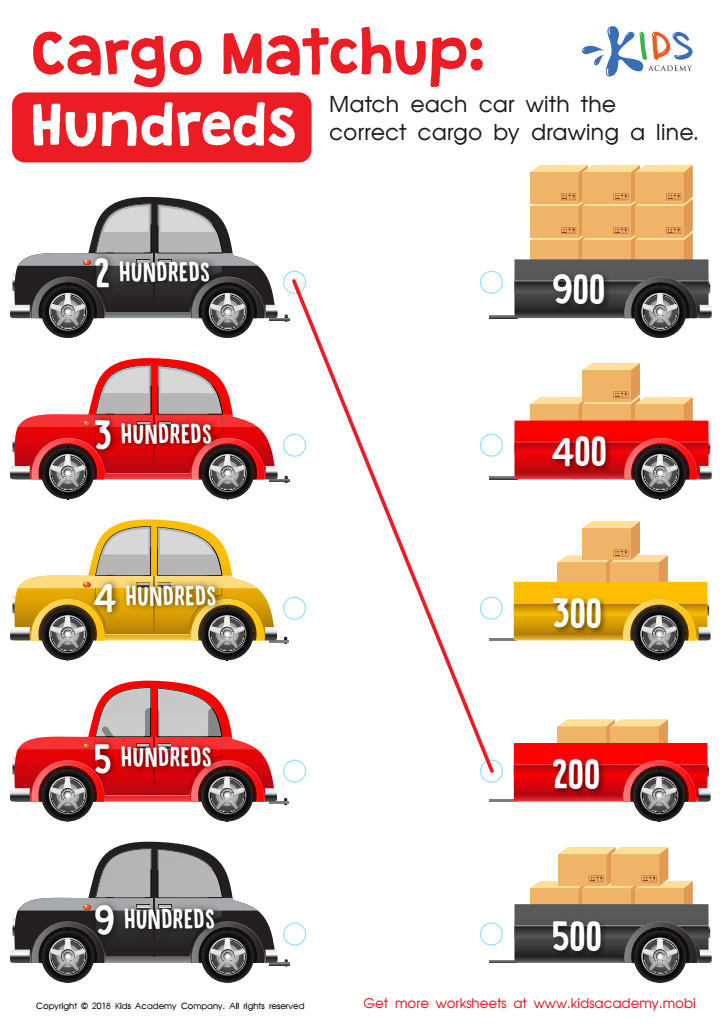
Cargo Matchup: Hundreds Worksheet
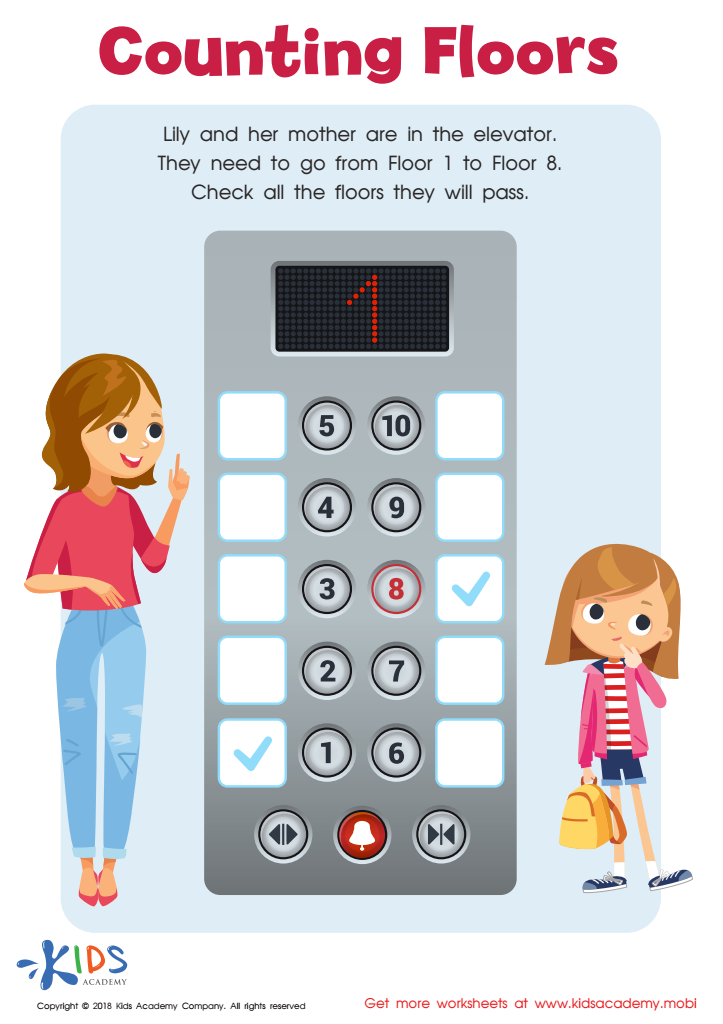
Counting Floors Worksheet
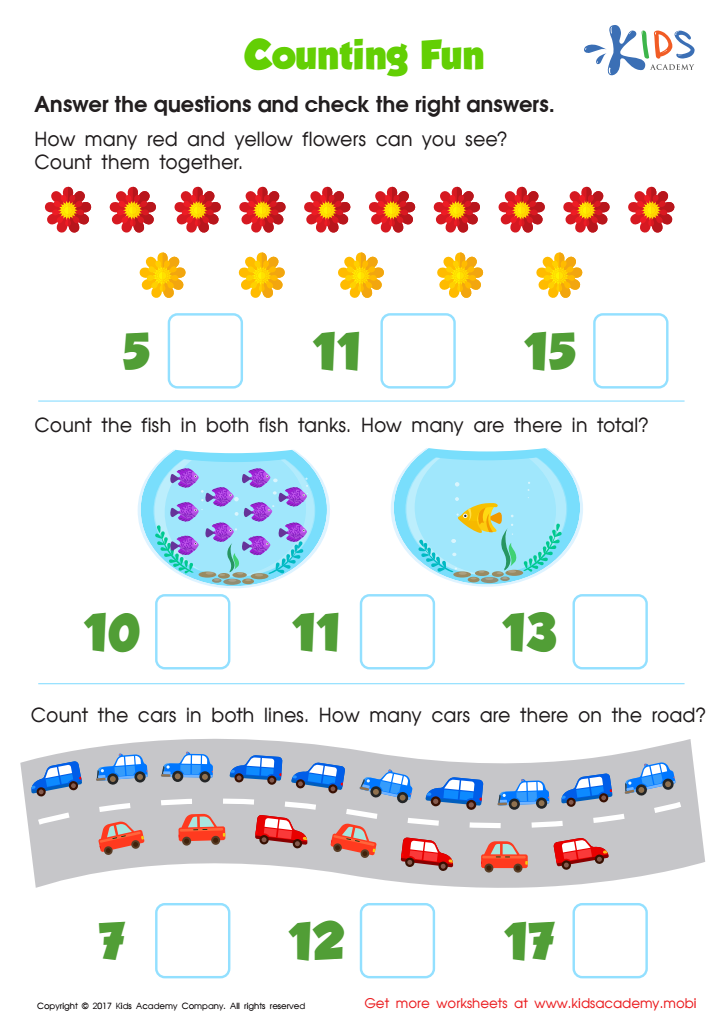
Counting Fun Worksheet
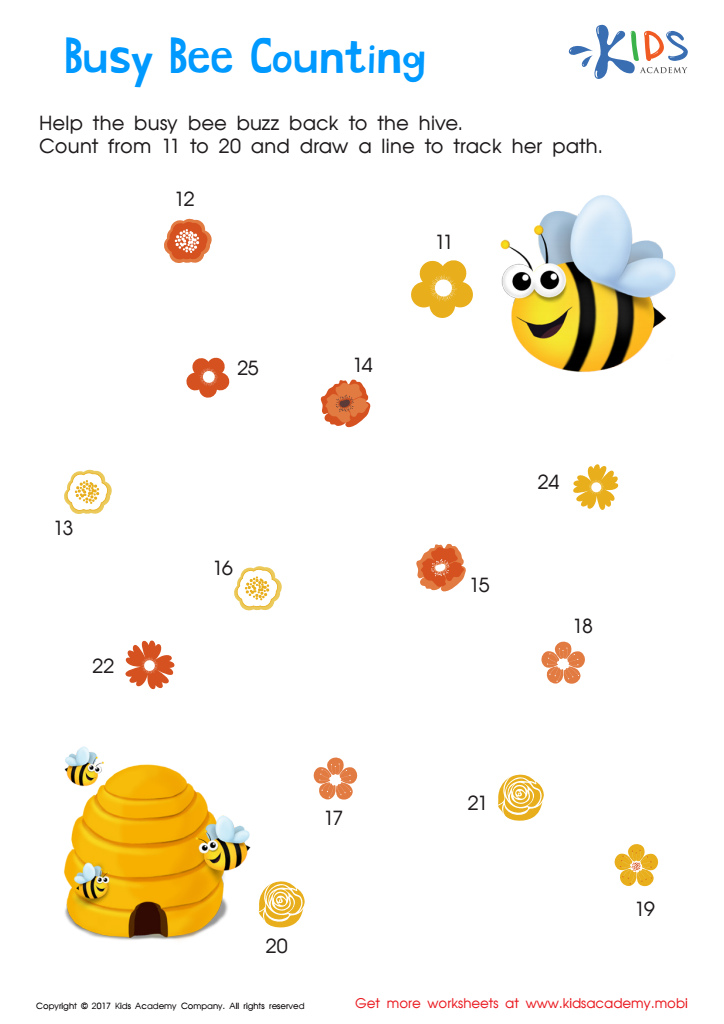
Ordering 11–20: Busy Bee Counting Worksheet
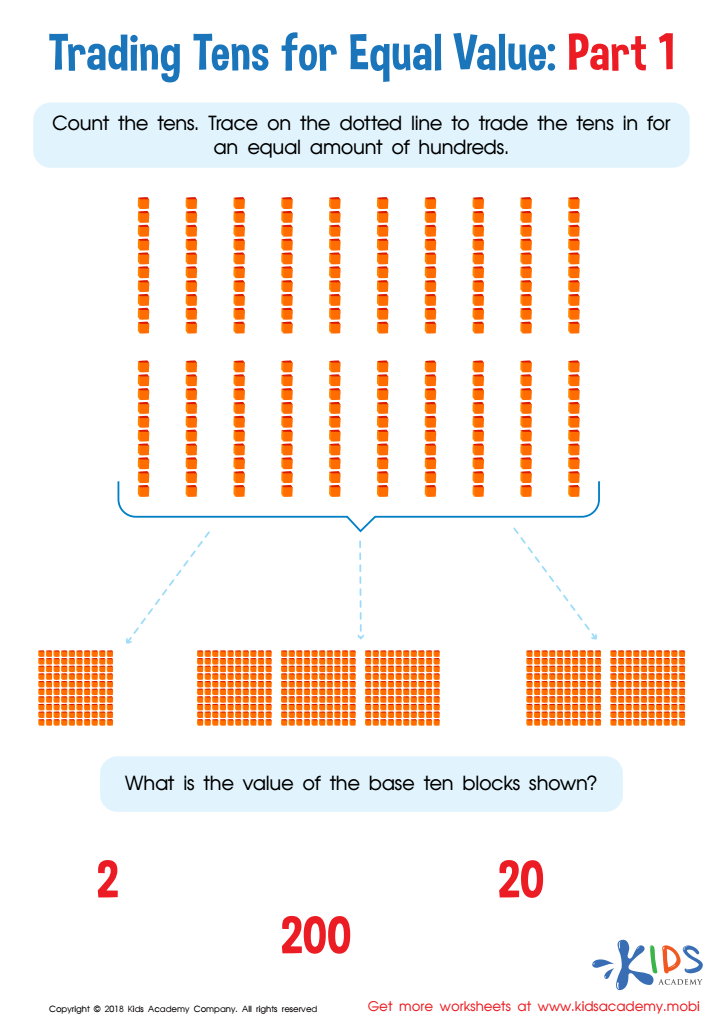
Trading Tens for Equal Value Worksheet: Part 1
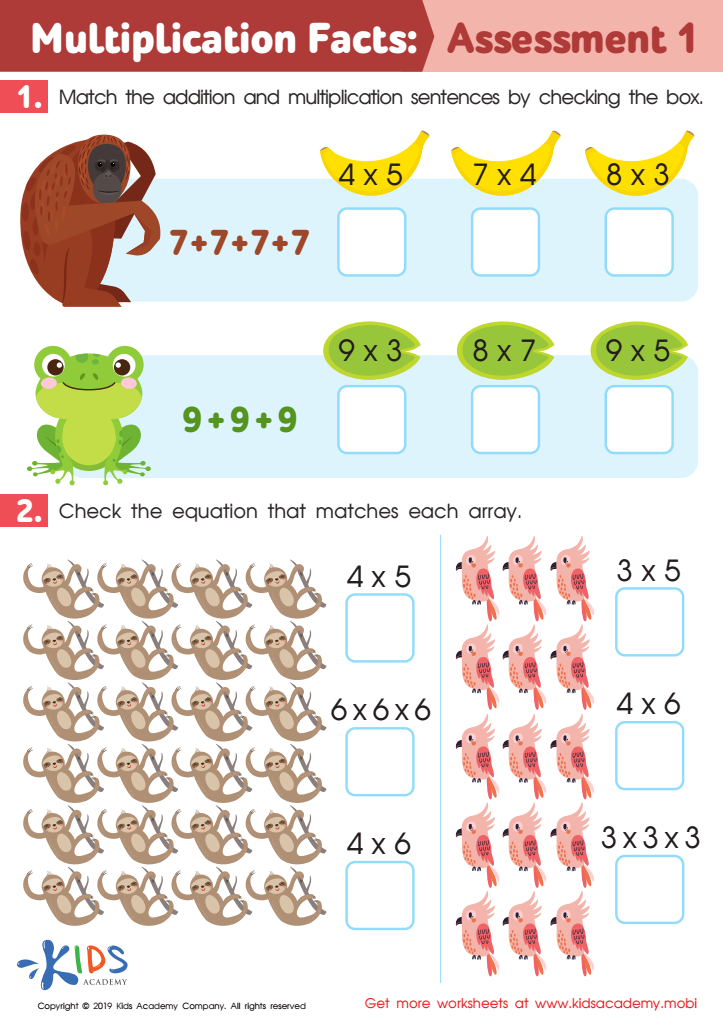
Multiplication Facts: Assessment 1 Worksheet
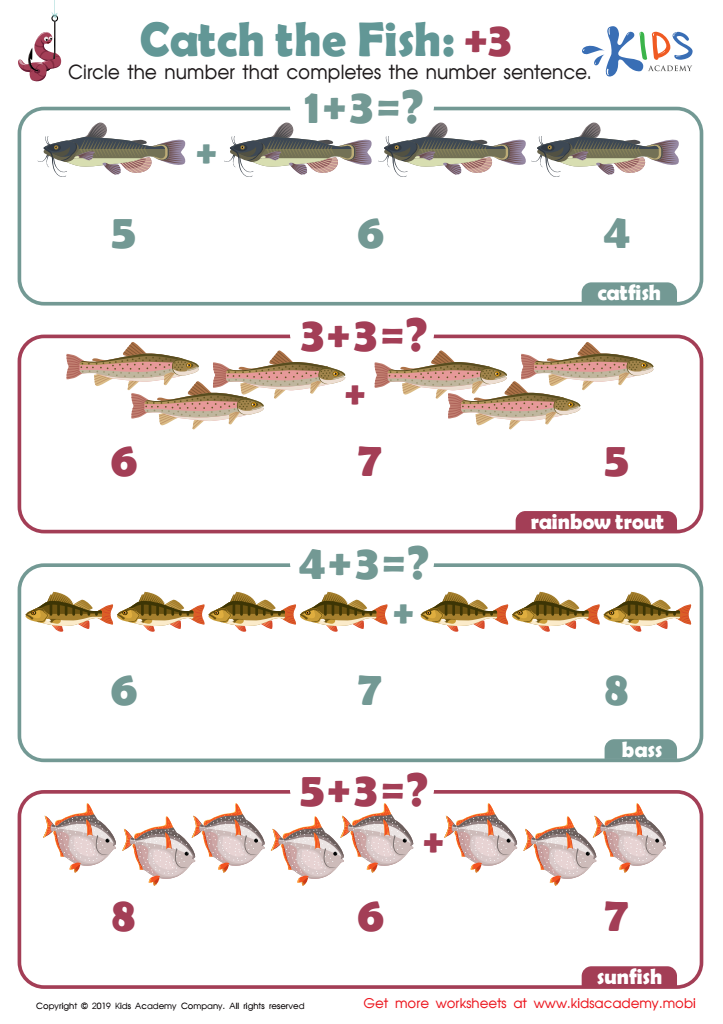
Catch the Fish: +3 Worksheet
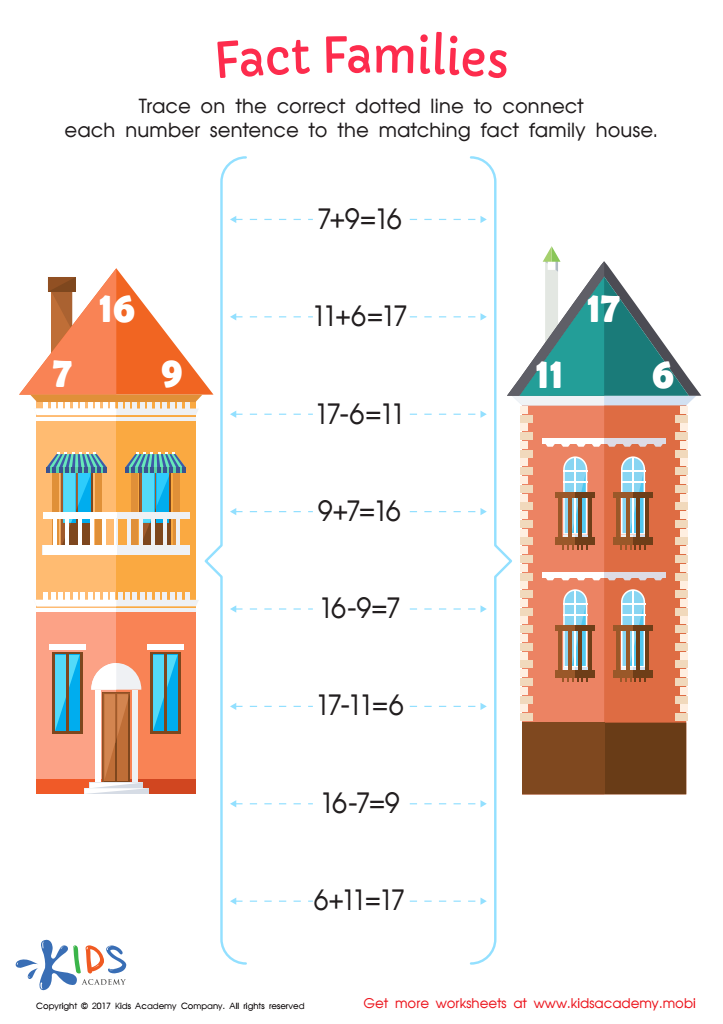
Fact Families — Add and Subtract Worksheet
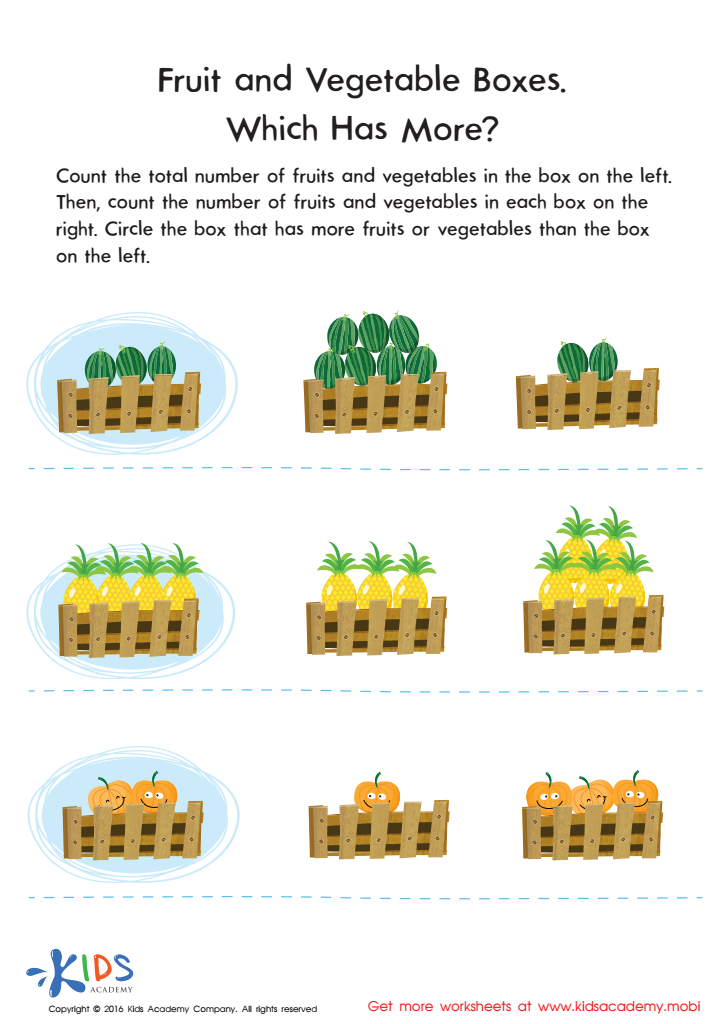
Which Has More? Size Worksheet
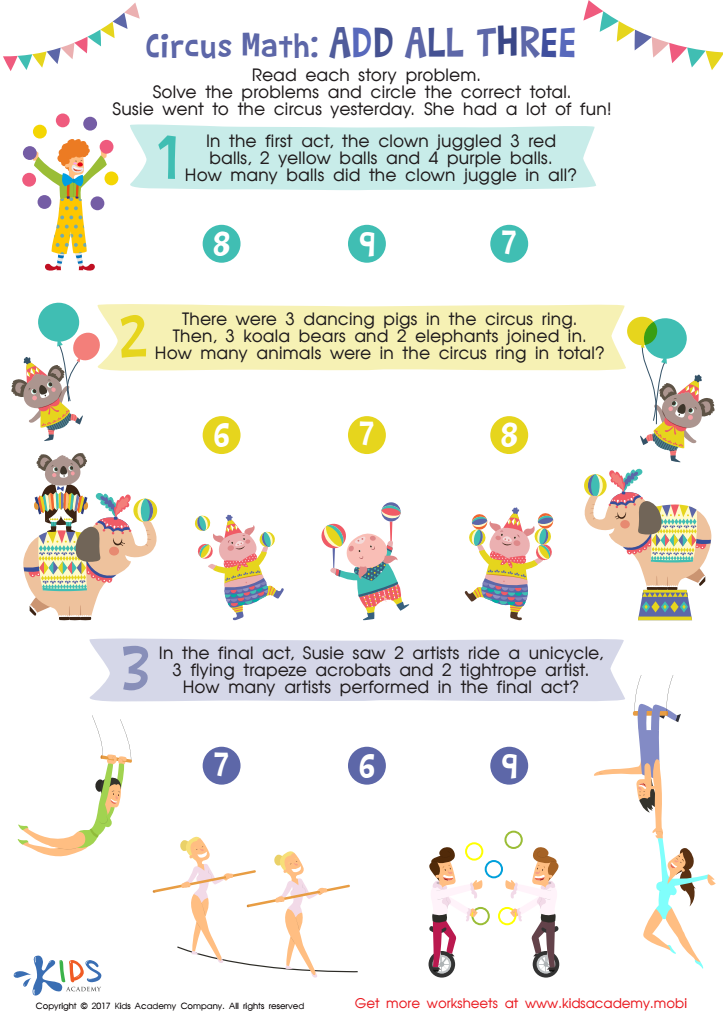
Circus Math Printable
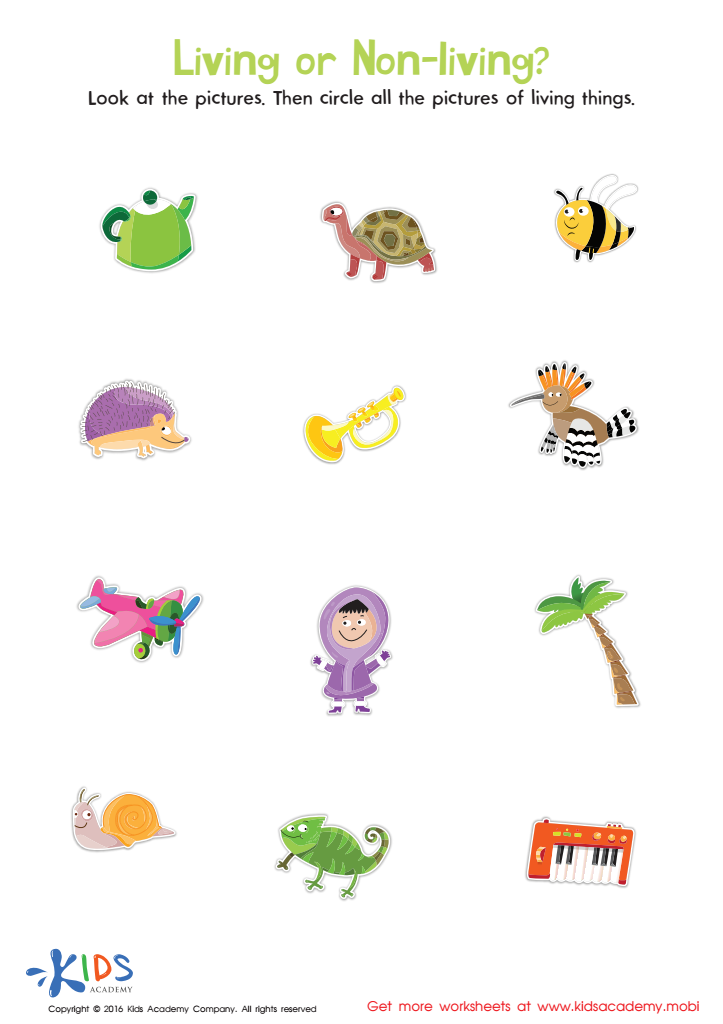
Identifying Living and Non–living Things Sorting Worksheet
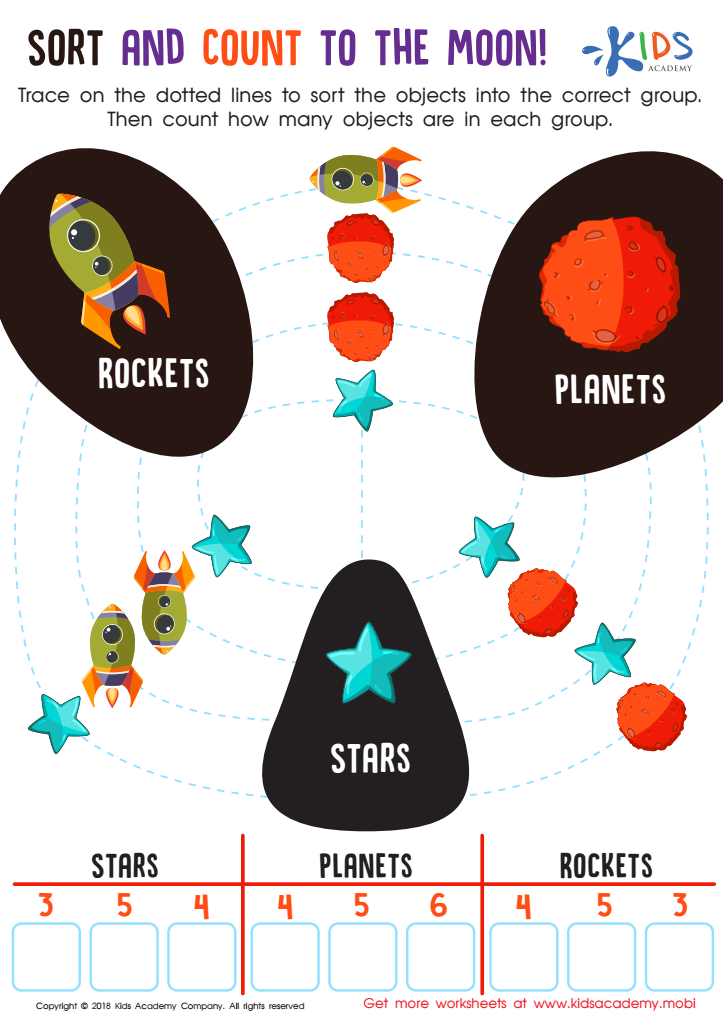
Sort and Count to the Moon Worksheet
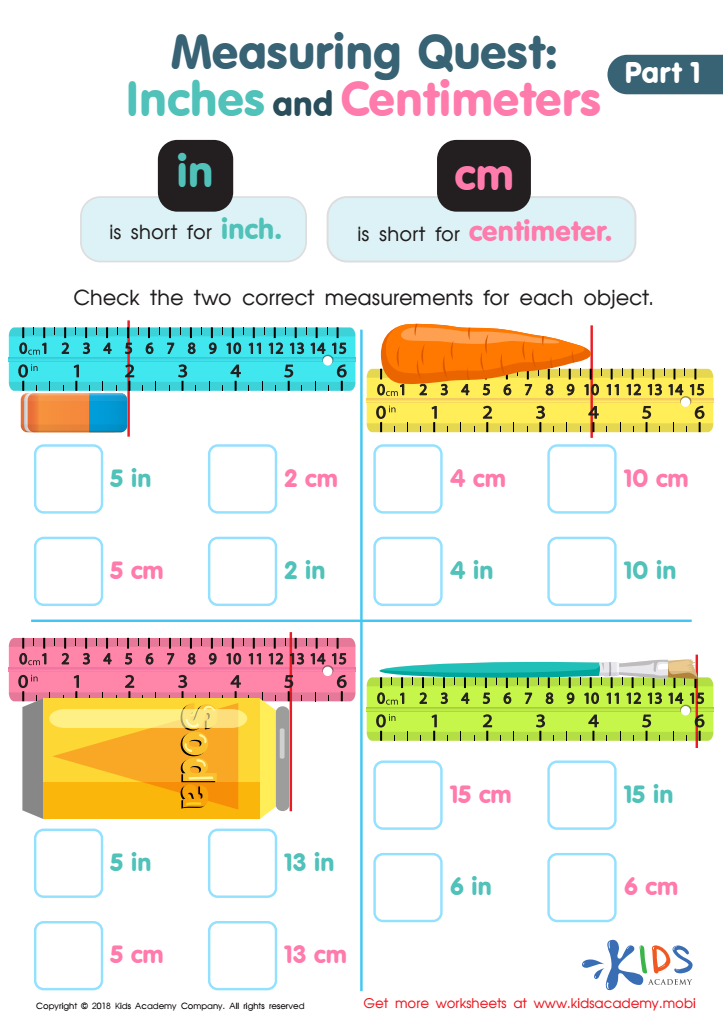
Measuring Quest: Inches and Centimeters Worksheet
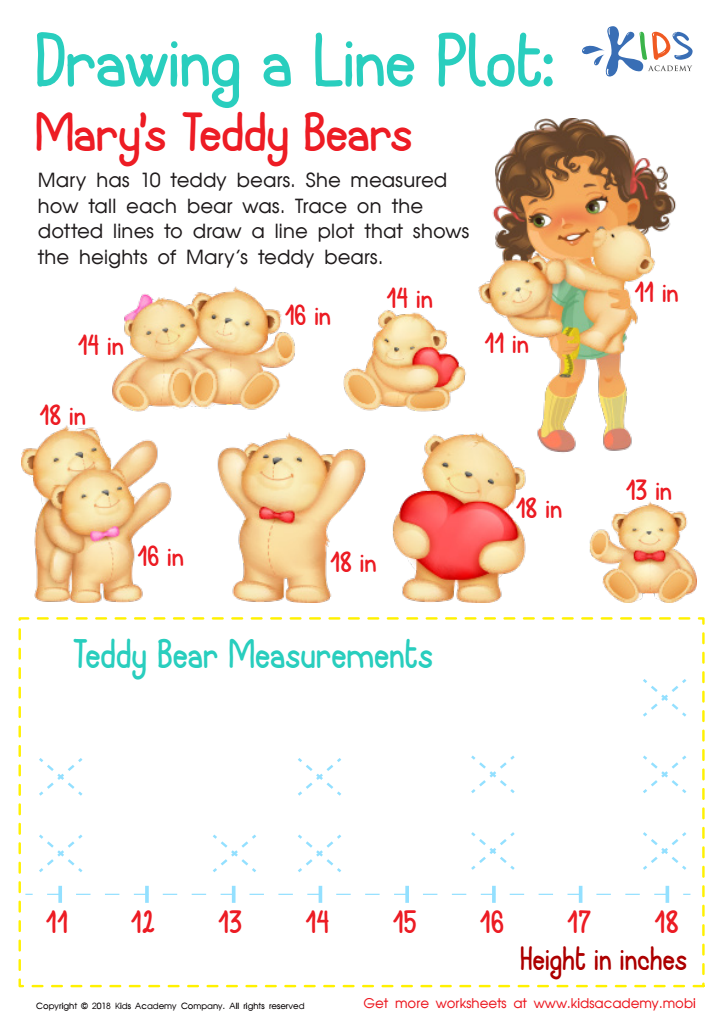
Drawing and Line Plot: Mary's Teddy Bears Worksheet
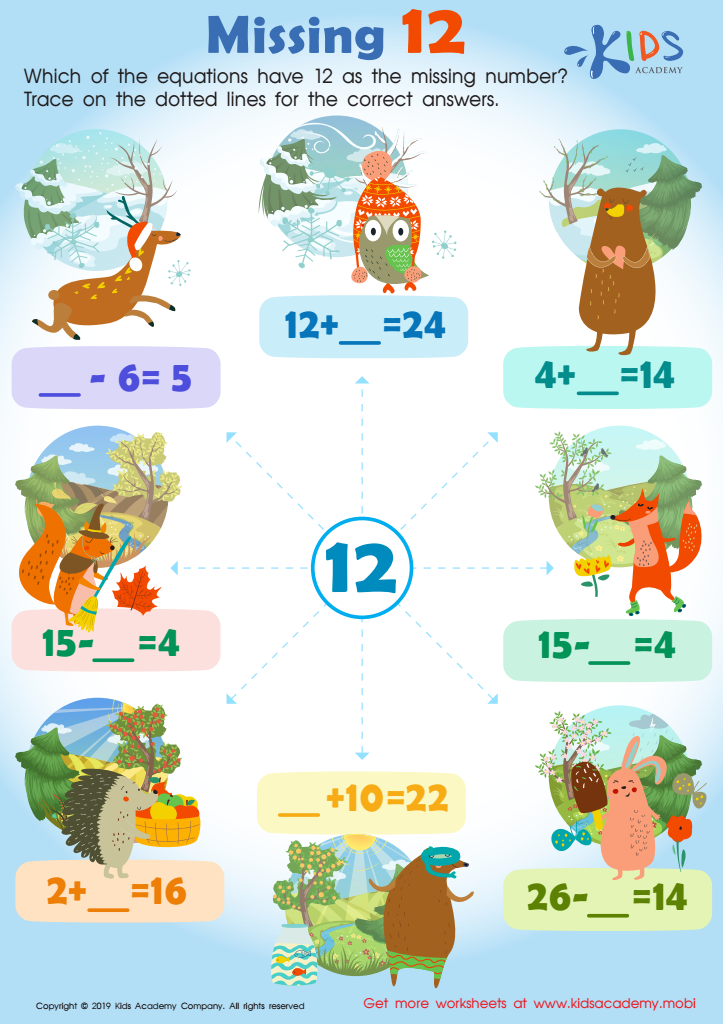
Missing 12 Worksheet
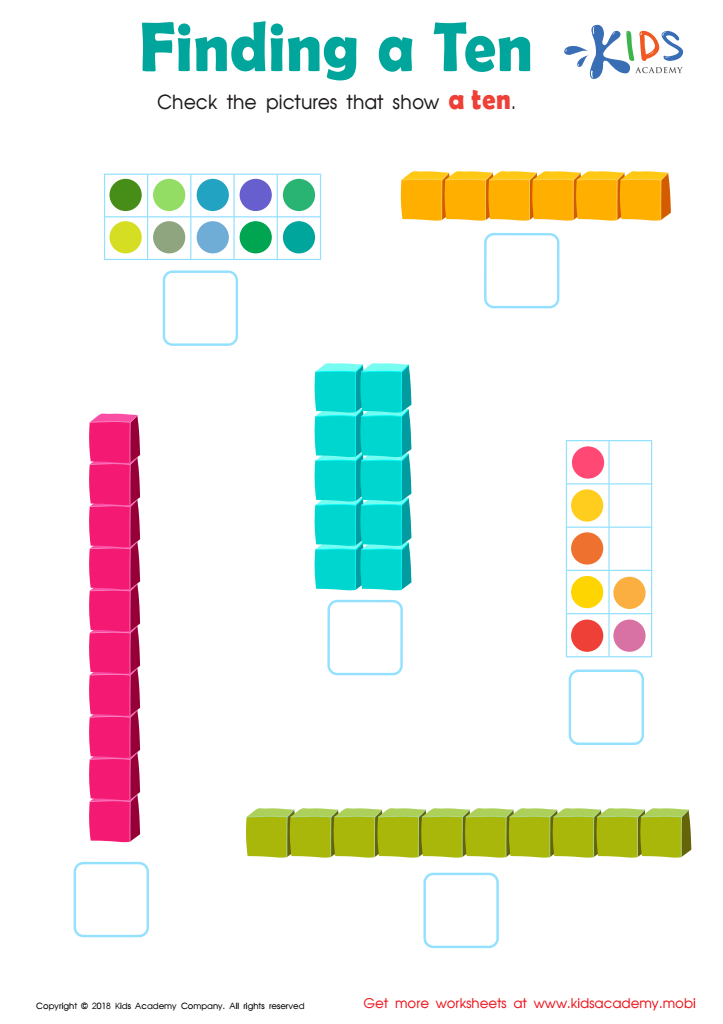
Finding a Ten Worksheet
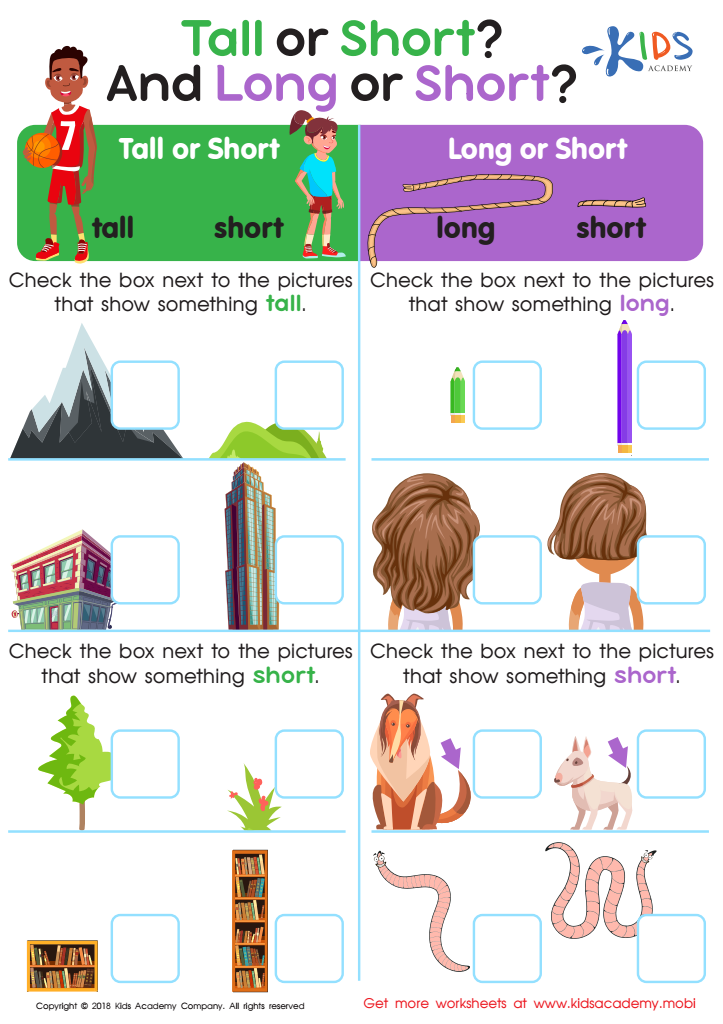
Tall or Short and Long or Short? Worksheet
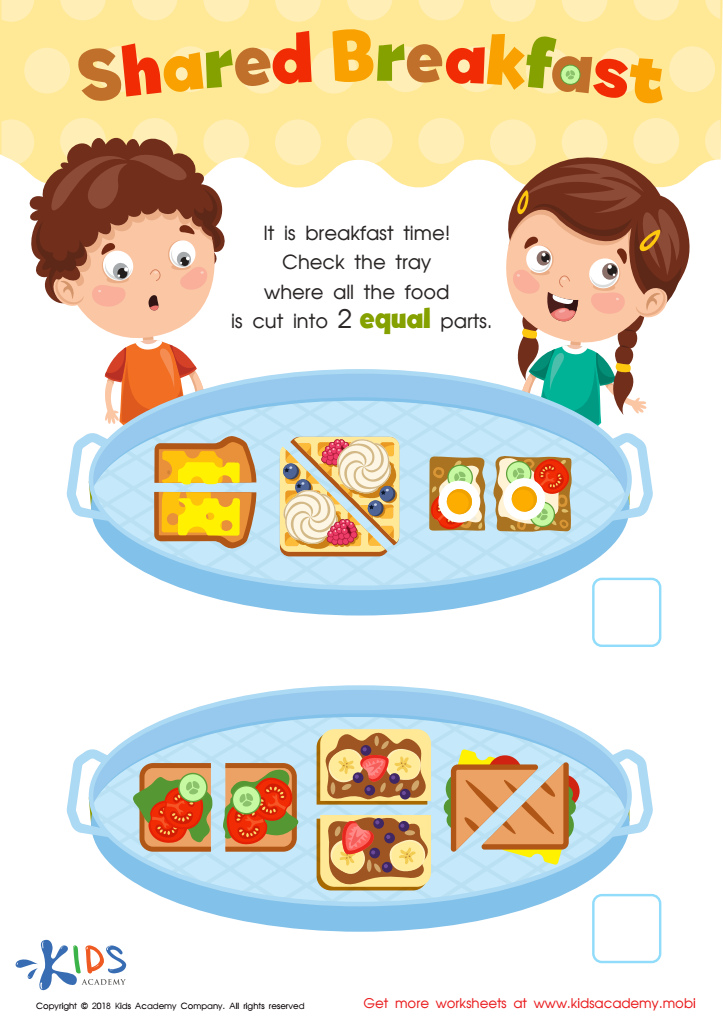
Shared Breakfast Worksheet
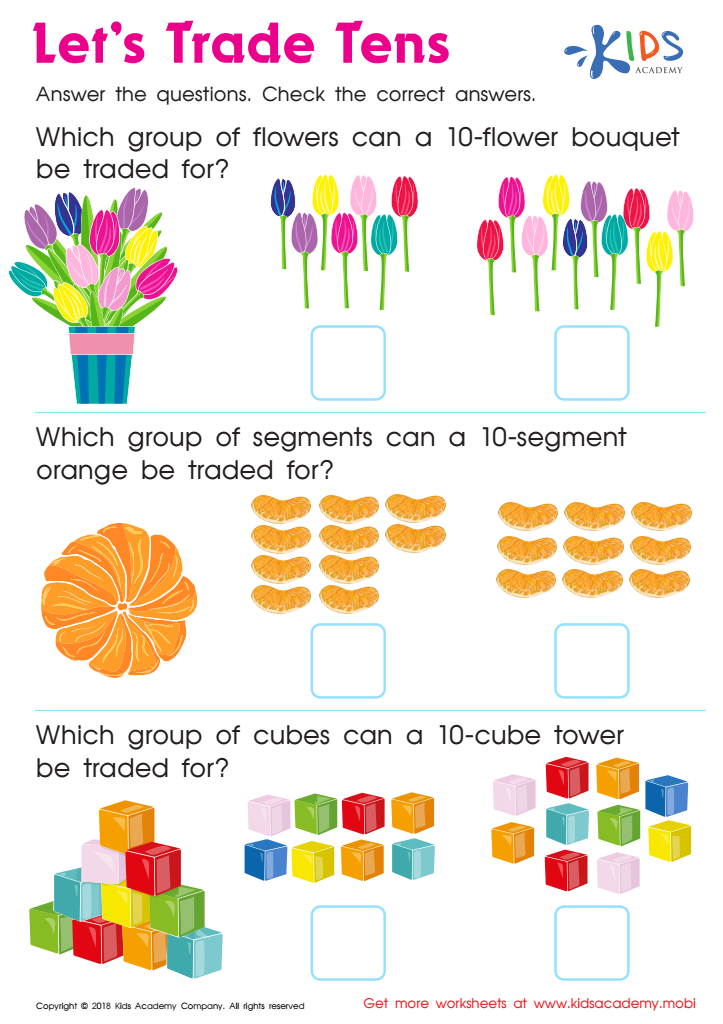
Lets Trade Tens Worksheet
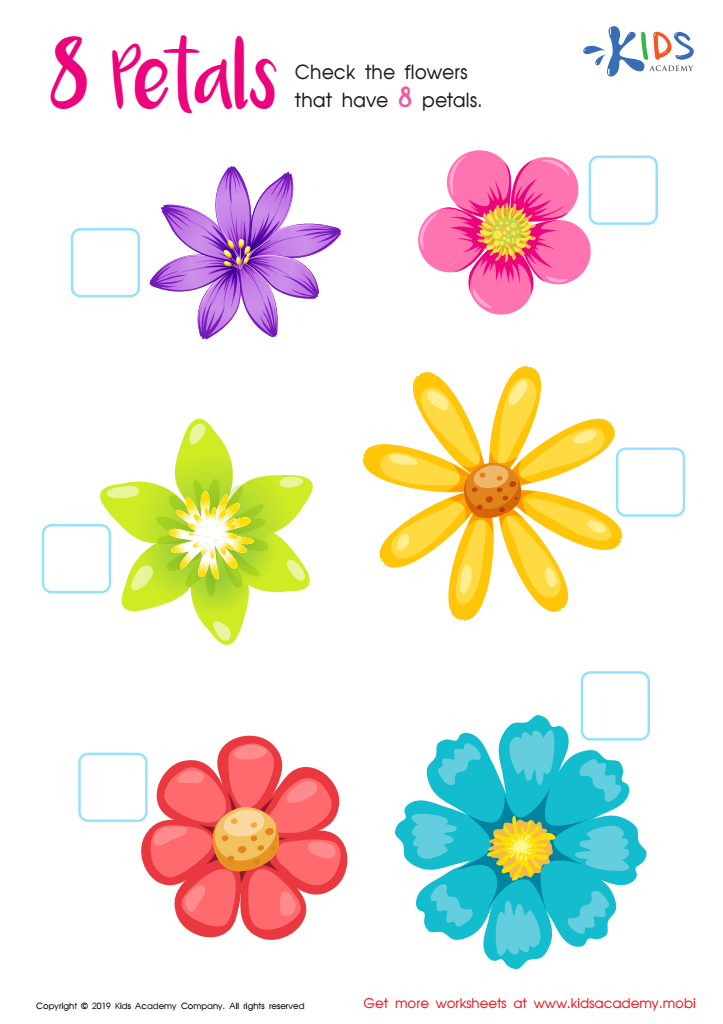
8 Petals Worksheet
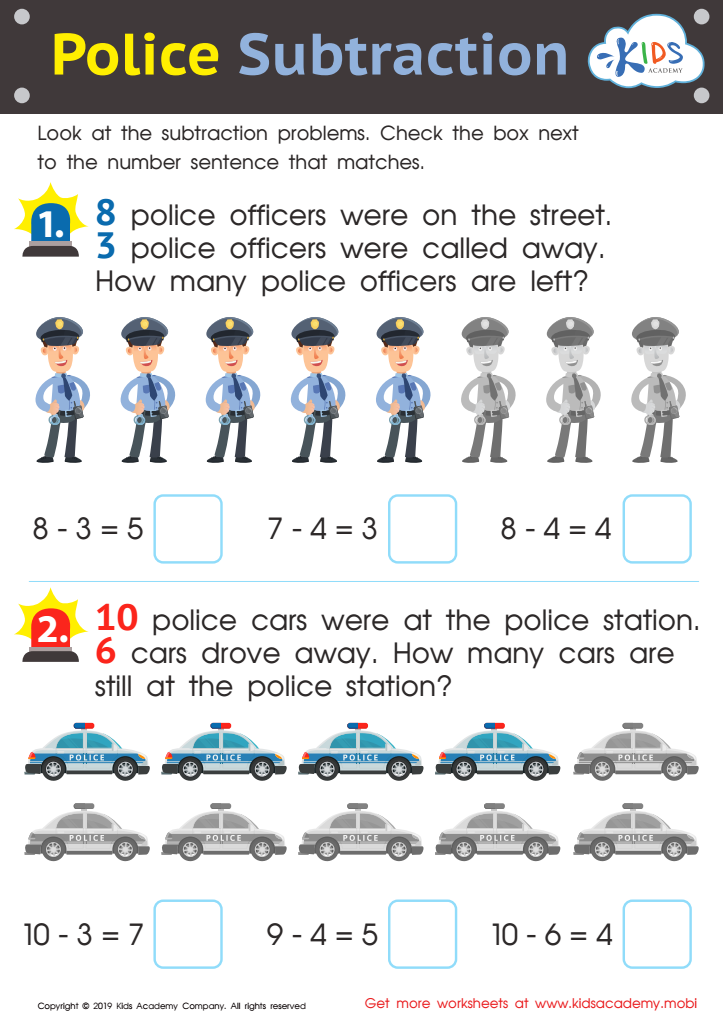
Police Subtraction Worksheet
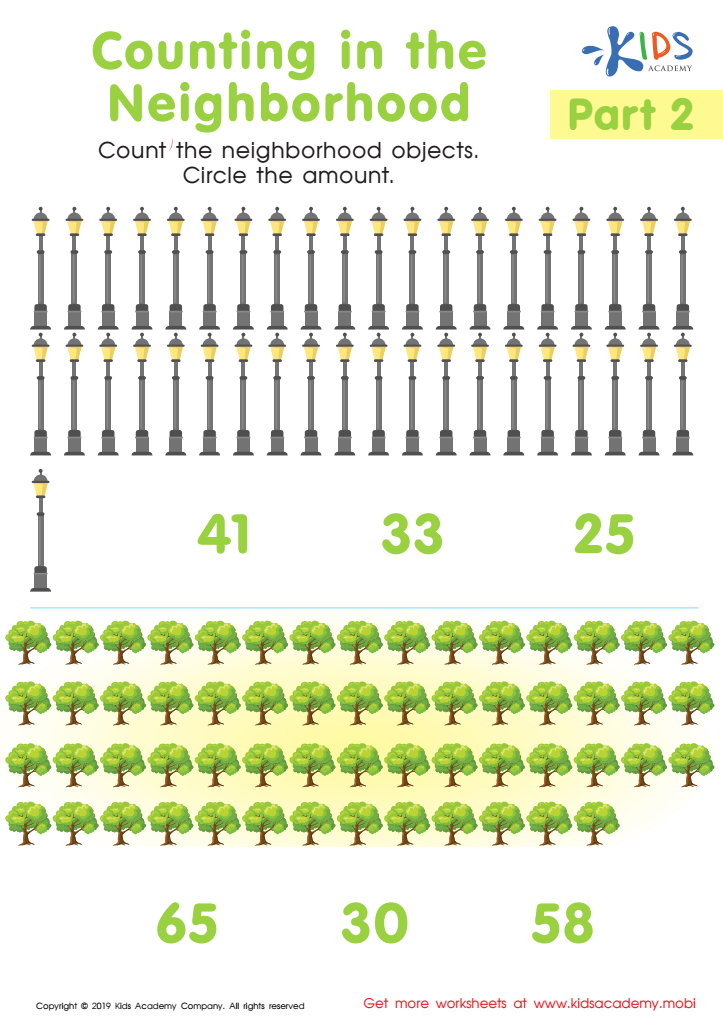
Counting In The Neighborhood Part 2 Worksheet







Math is a fundamental skill that serves as the foundation for various life skills, making it essential for parents and teachers to prioritize math education for ages 6-9. During these formative years, children are extremely receptive to new concepts and can develop strong cognitive abilities more readily than at older ages. Here’s why it matters:
-
Foundation for Advanced Learning: Early math skills set the groundwork for more complex mathematical concepts. Mastery of basic arithmetic—such as addition, subtraction, multiplication, and division—enables children to tackle advanced subjects with confidence and ease in later grades.
-
Critical Thinking and Problem-Solving: Math encourages logical thinking and problem-solving. Understanding how to approach and solve different types of problems helps children develop critical thinking skills that are applicable beyond the classroom.
-
Everyday Applications: Basic math skills are used in everyday life. Whether it is telling time, measuring ingredients for cooking, managing allowances, or understanding the concept of money and change, a solid grasp of math is crucial.
-
Boosts Confidence: Achieving competence in math fosters a sense of accomplishment and builds self-esteem. This confidence extends to other academic subjects and contributes to a positive overall attitude toward learning.
-
Future Opportunities: Proficiency in math opens up numerous career opportunities.








