Counting Worksheets for Ages 6-9 - Page 2
43 filtered results
-
From - To
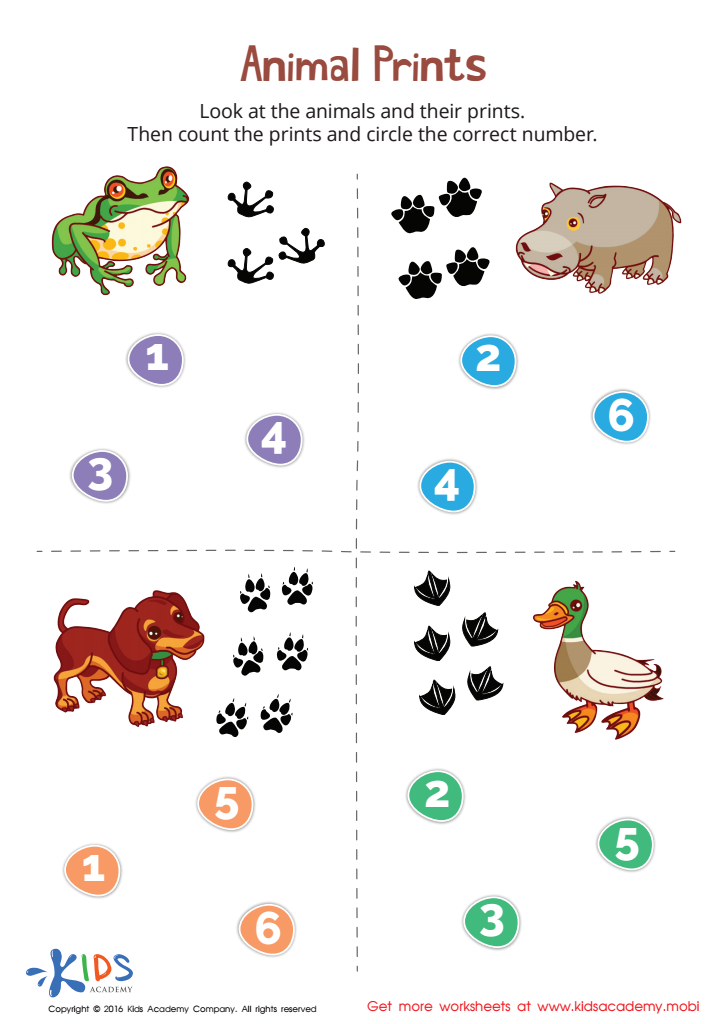
Animal Prints Match-Up Worksheet
 Assign to My Students


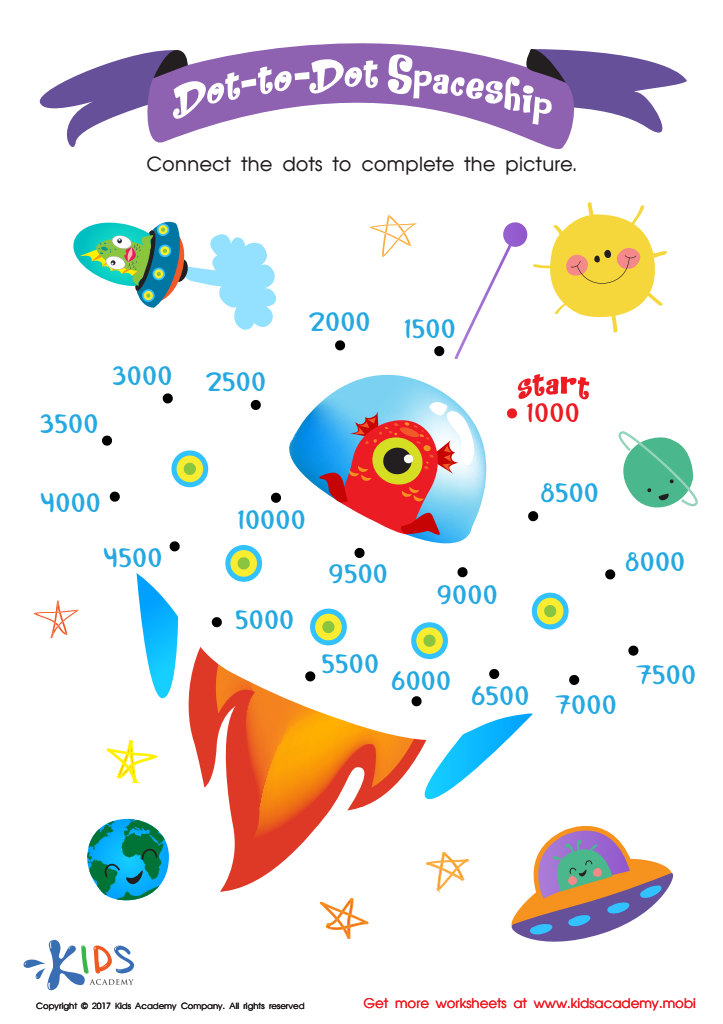
Dot to Dot Worksheet for 3rd Grade
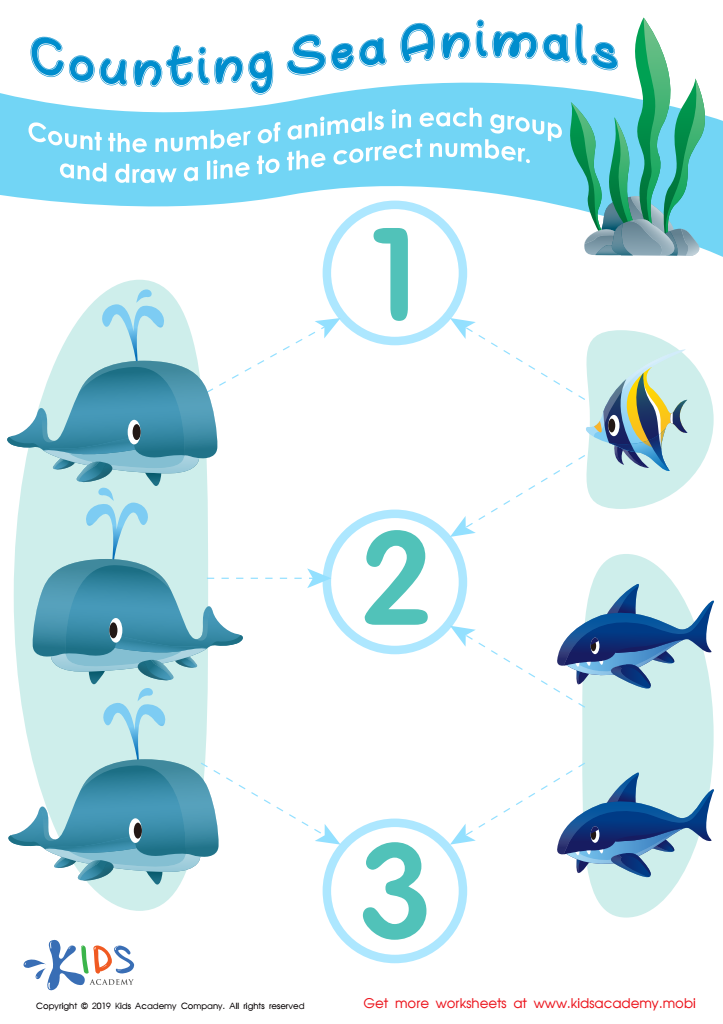
Counting Sea Animals Worksheet
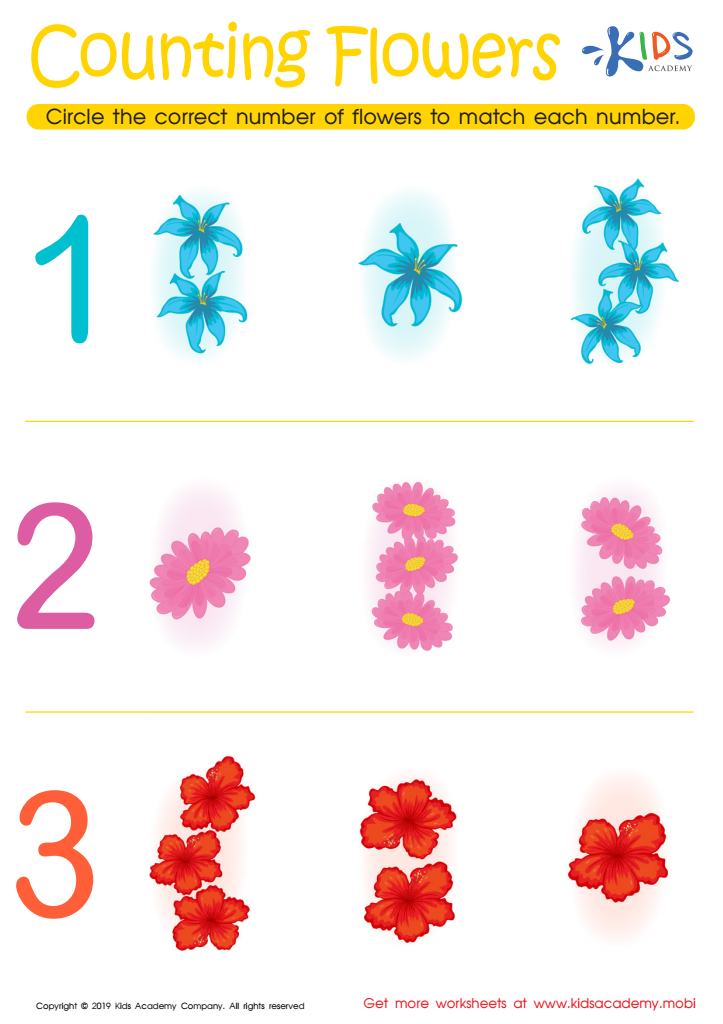
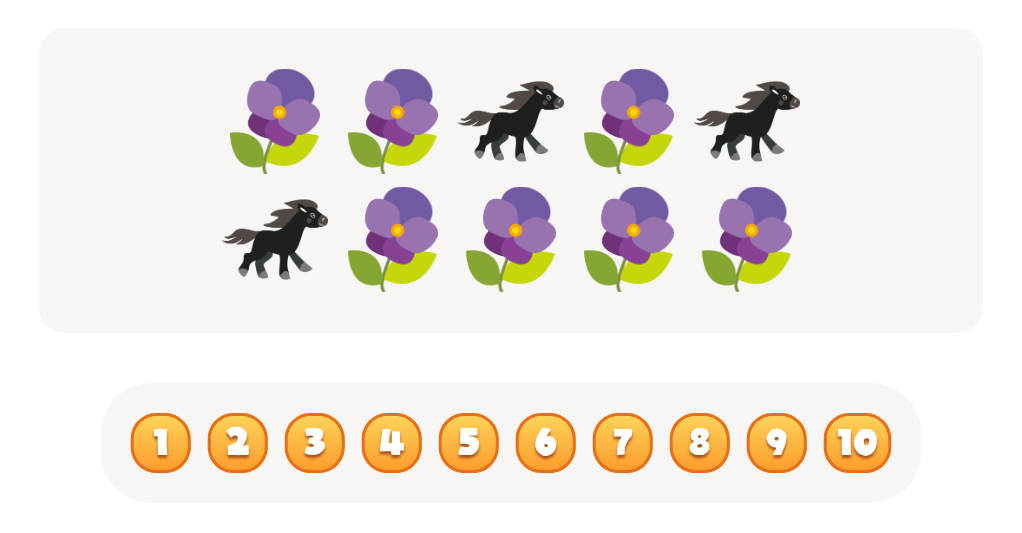
Counting Flowers Worksheet
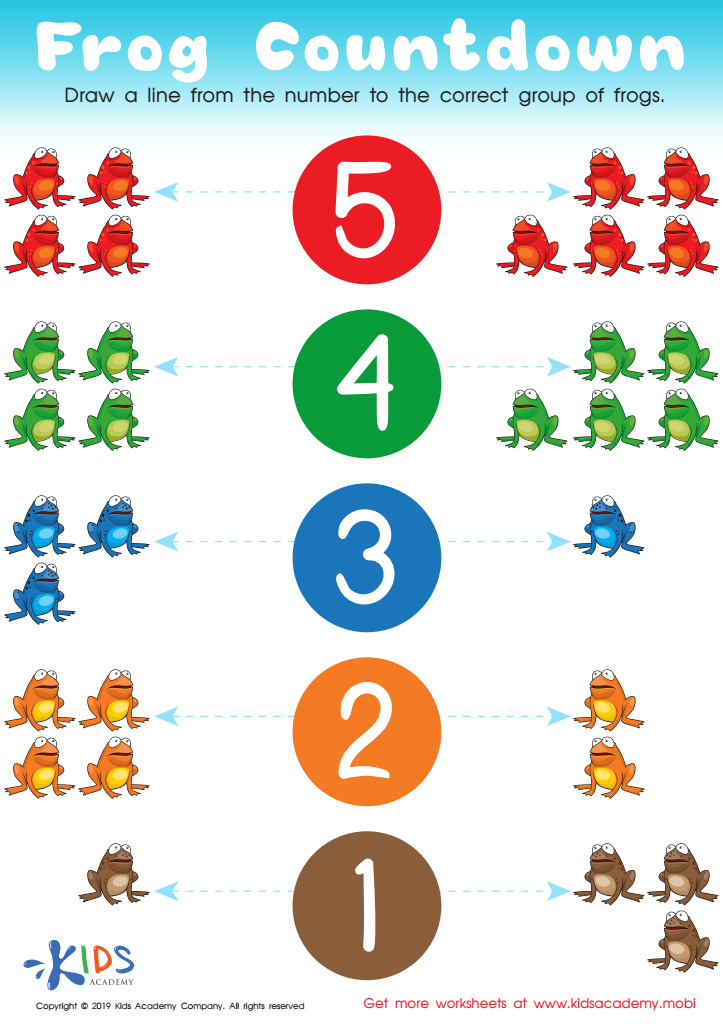
Frog Countdown Worksheet
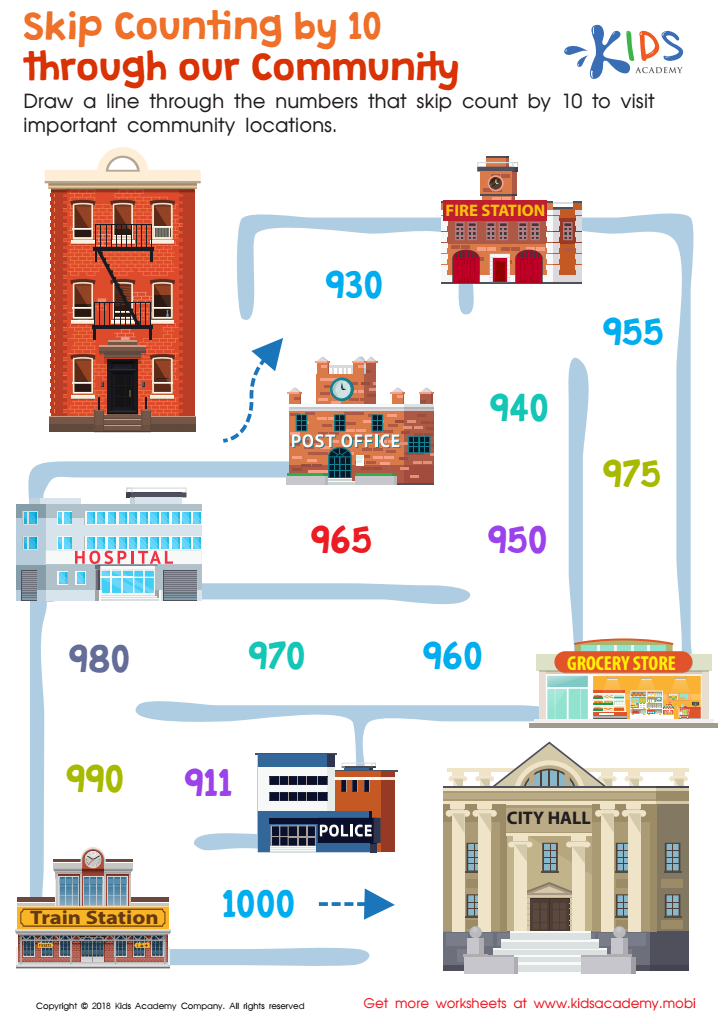
Skip Counting by 10 Through Our Community Worksheet
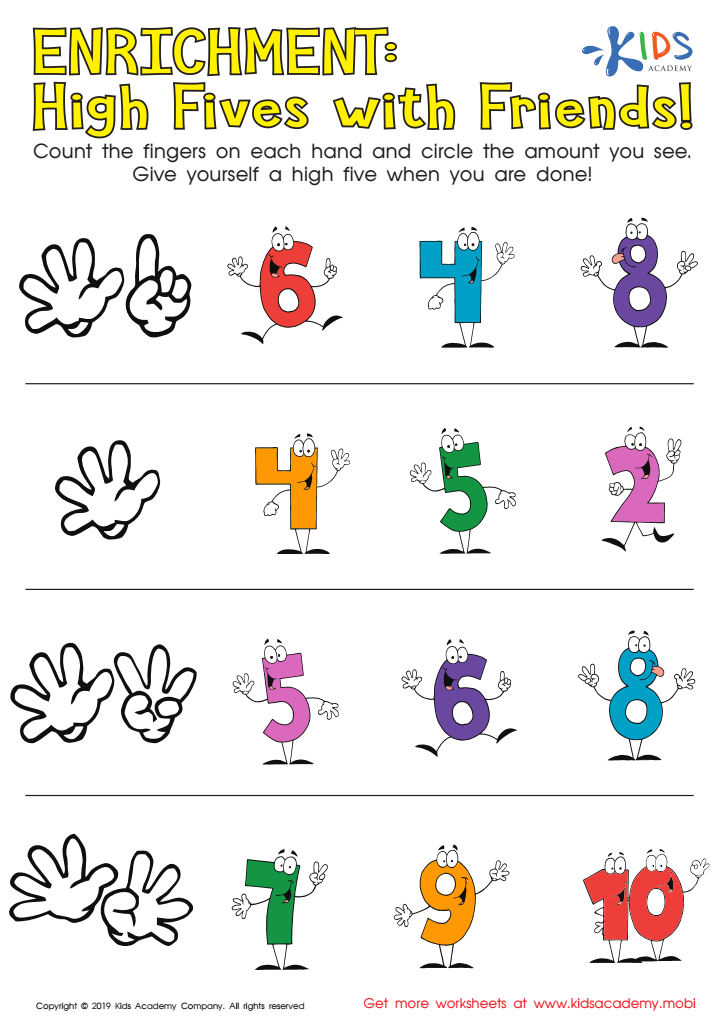
Enrichment: High Fives with Friends! Worksheet
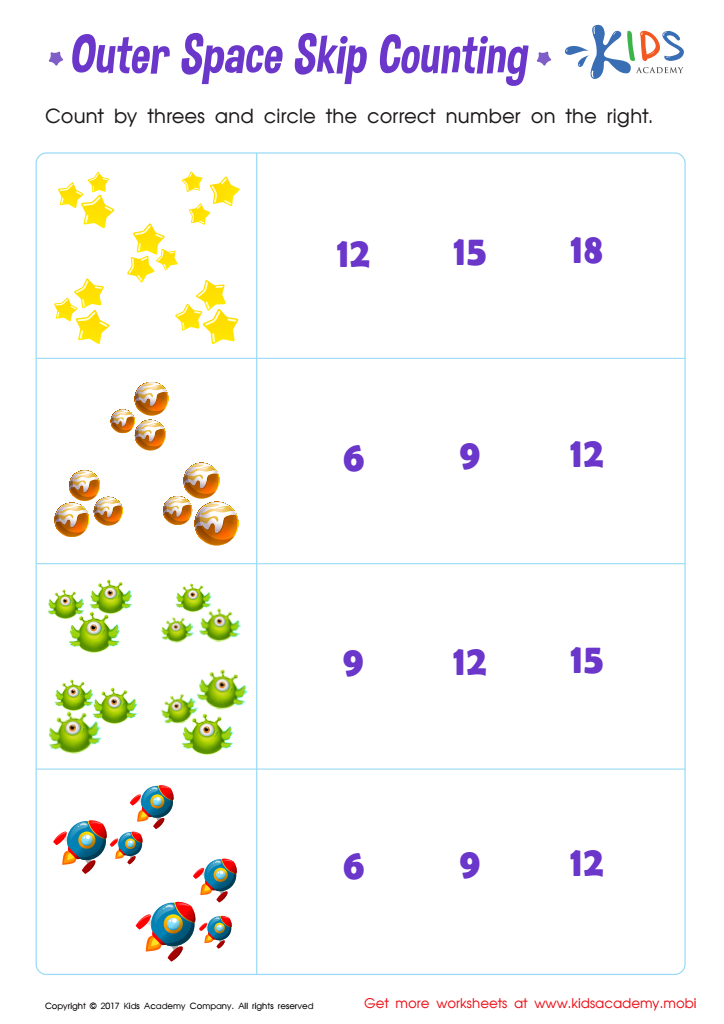
Skip Counting by 3s: Outer Space Skip Counting Printable

Make 6 Worksheet
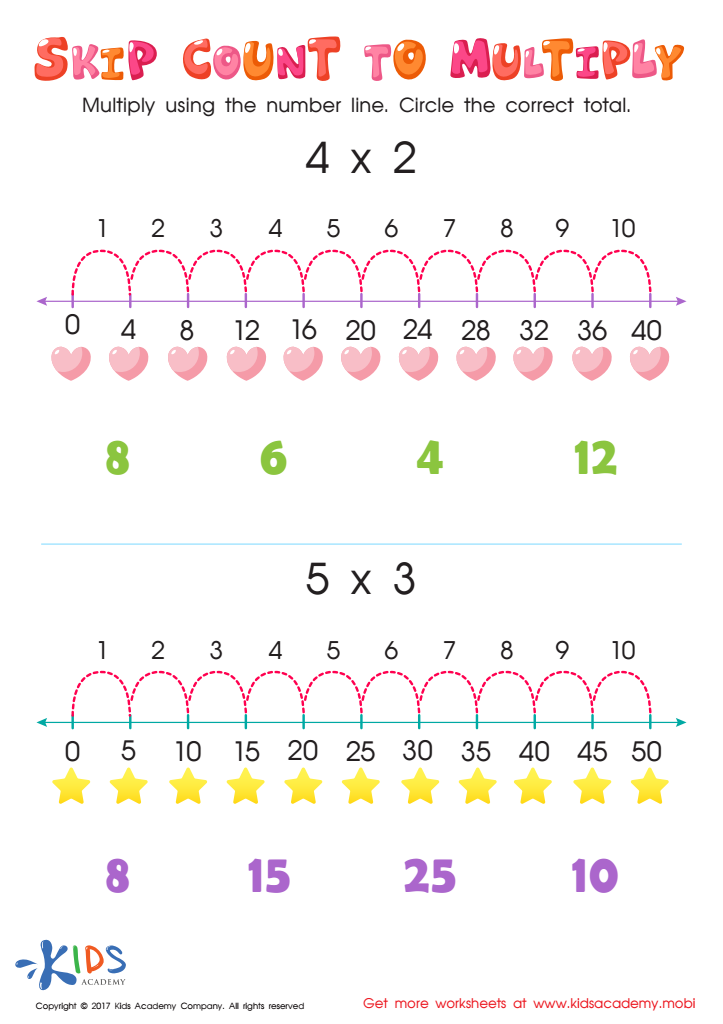
Skip Count Multiplication Worksheet
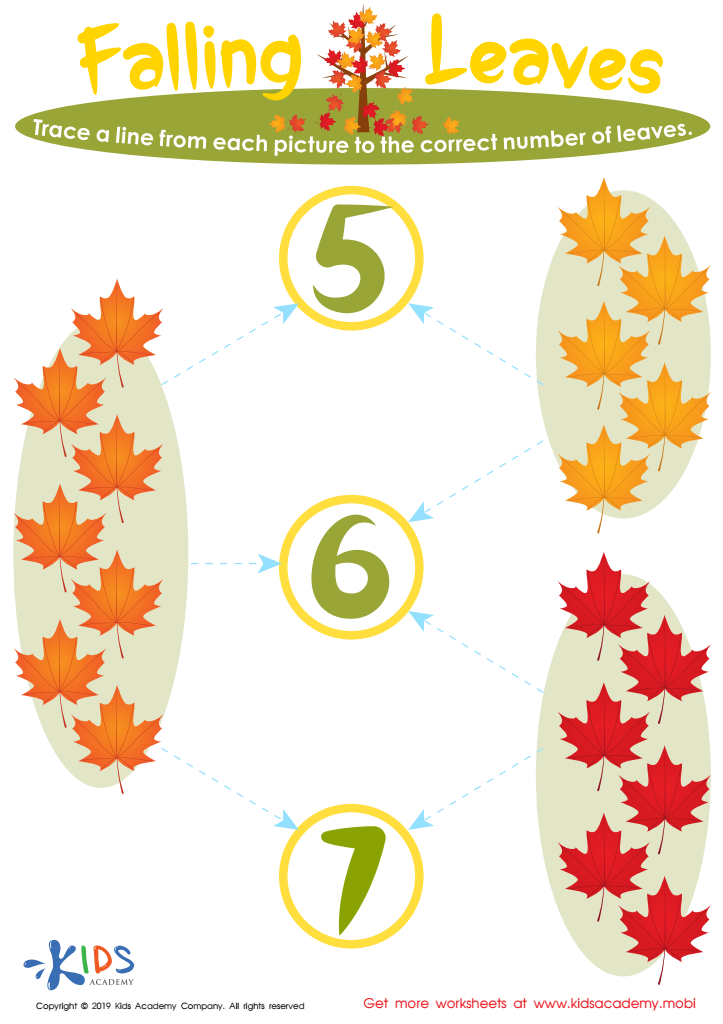
Falling Leaves Worksheet
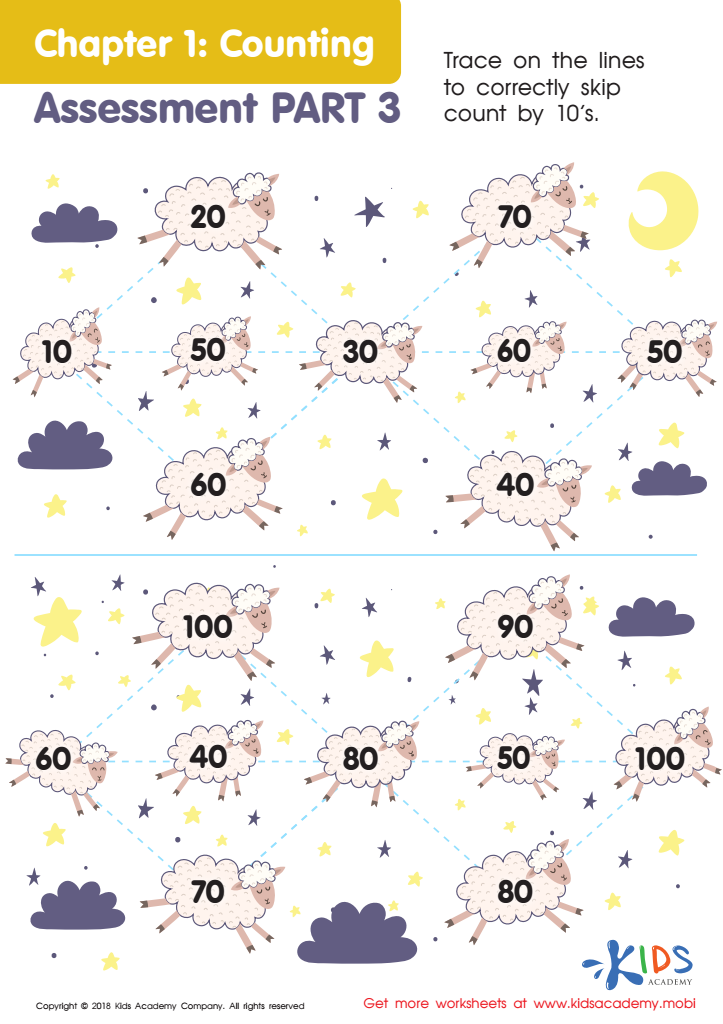
Counting: Assessment 3 Worksheet
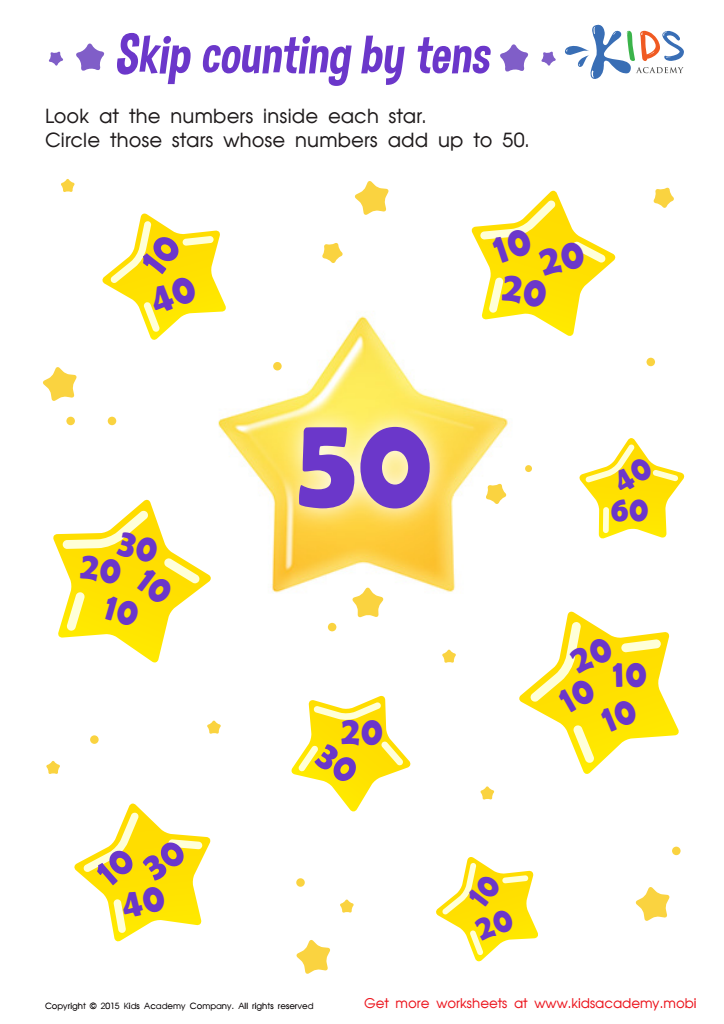
Learn Dozens: Skip Counting by Tens Printable
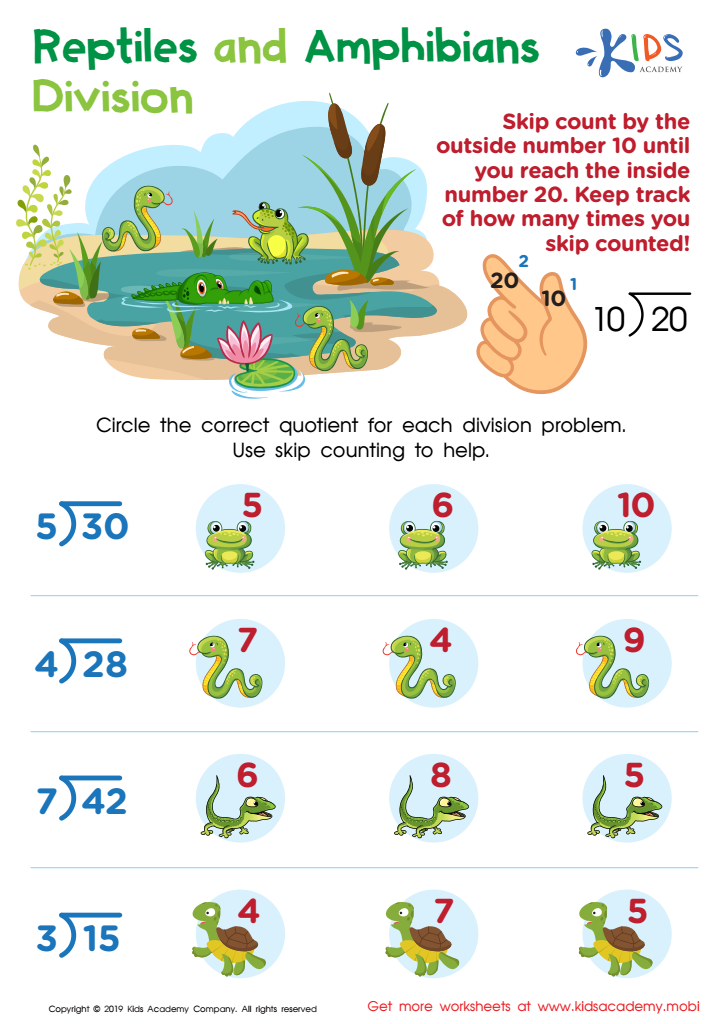
Reptile and Amphibians Division Worksheet
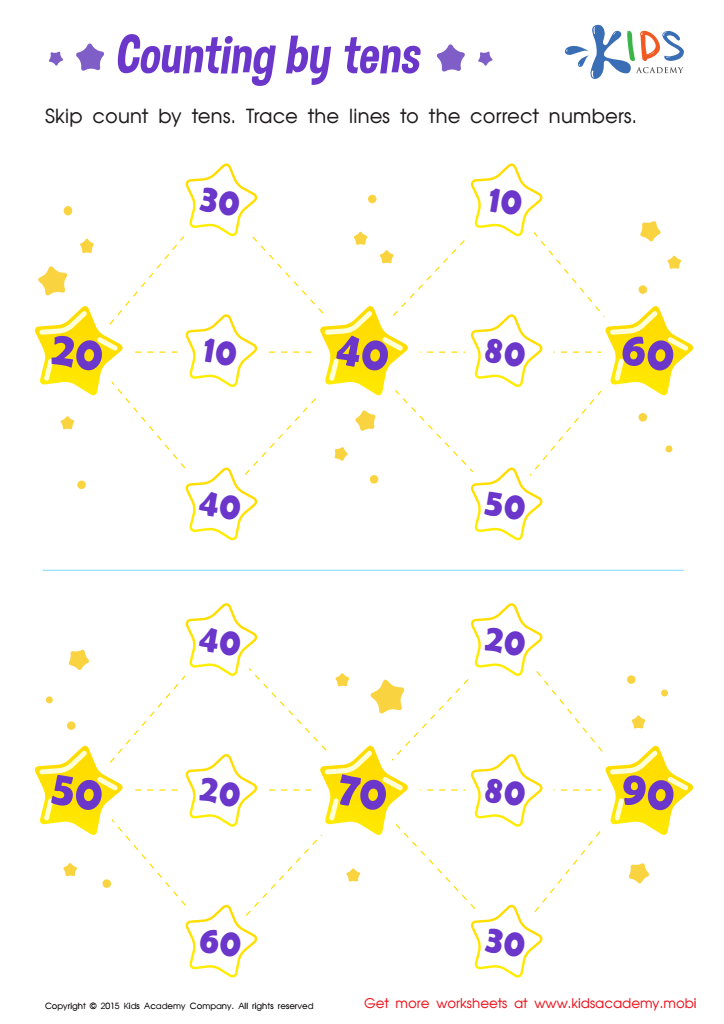
Learn Dozens: Counting by Tens Printable
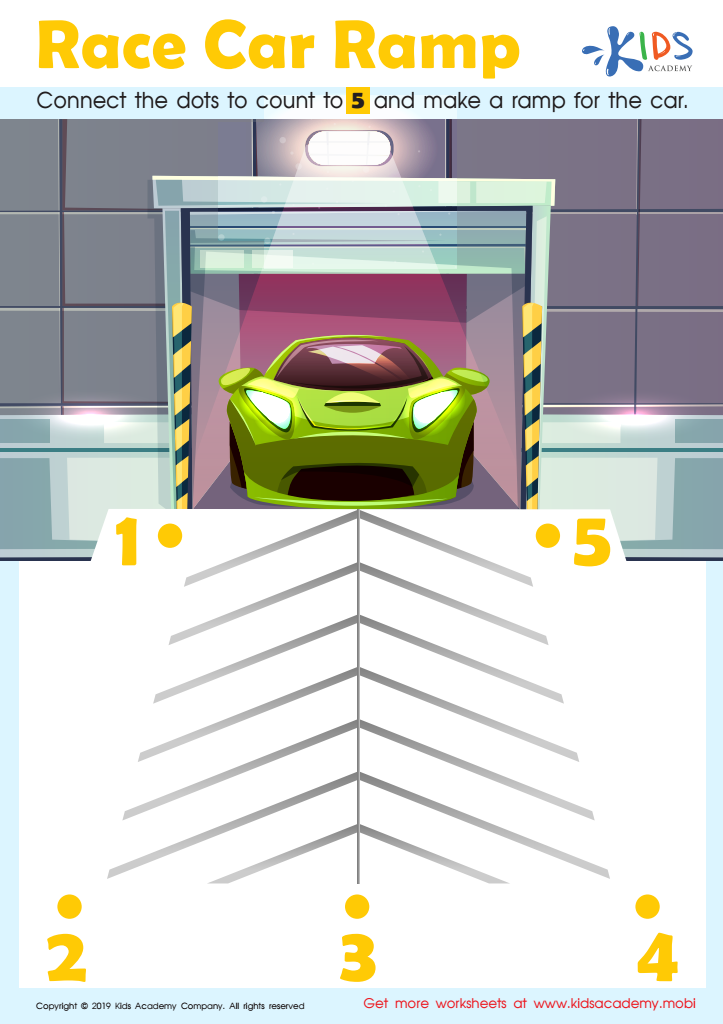
Race Car Ramp Worksheet
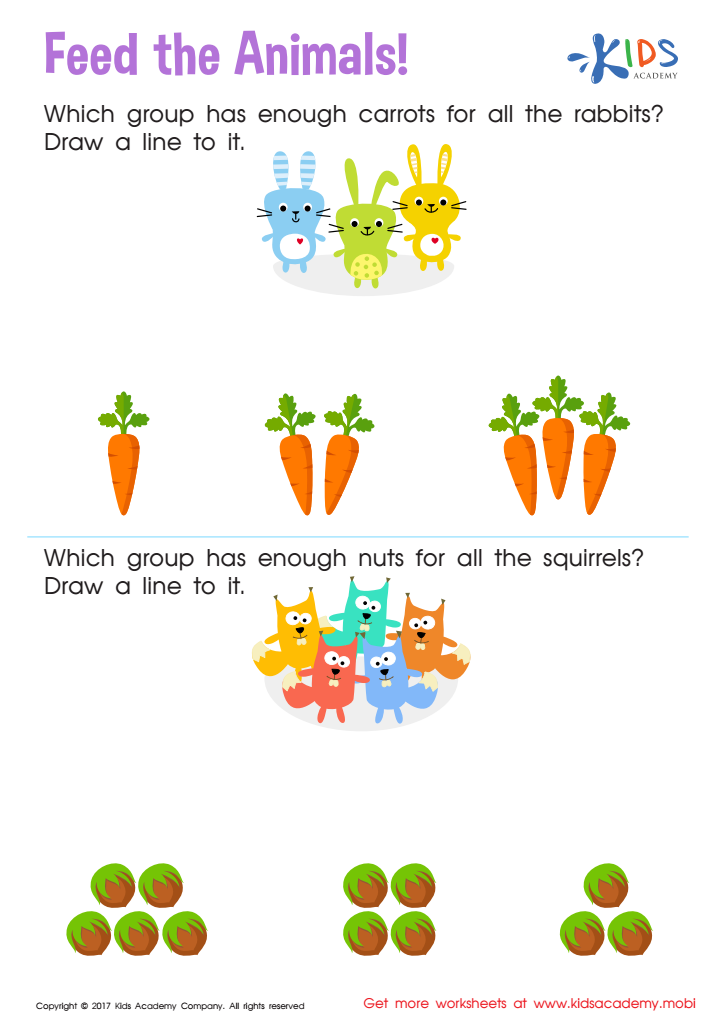
Count and Match: Feed the Animals Worksheet
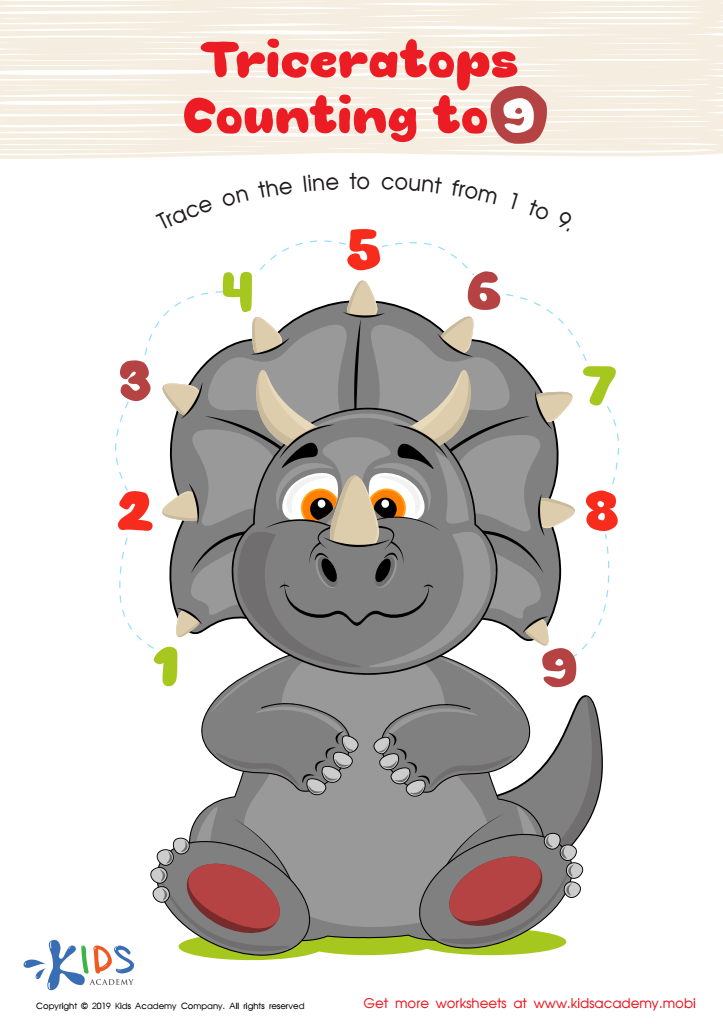
Triceratops Counting to 9 Worksheet
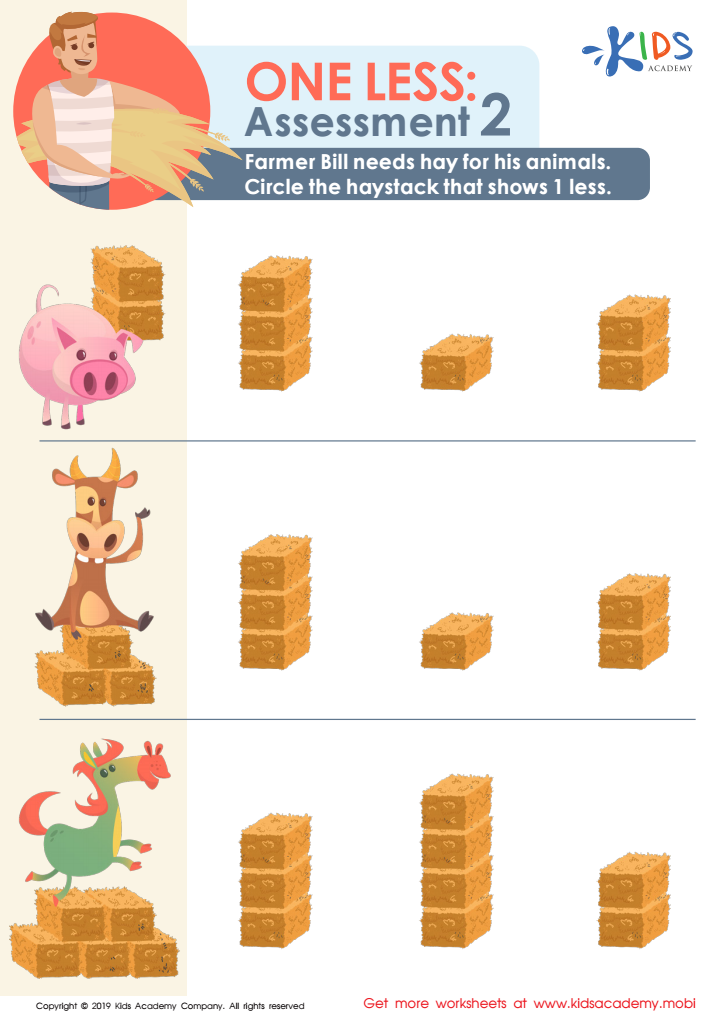
One Less: Assessment 2 Worksheet


.jpg)





Parents and teachers should care about counting for ages 6-9 because it lays the foundation for essential mathematical skills and cognitive development. Counting is not just about memorizing numbers; it fosters a deeper understanding of numerical concepts and patterns, which are crucial for higher-order math.
Firstly, proficiency in counting helps children develop strong number sense, understanding quantities, and relating numbers to their corresponding values. This is critical for operations like addition, subtraction, and eventually multiplication and division. When children grasp these basics early, they experience a smoother progression in their math education, often finding advanced concepts less intimidating.
Moreover, counting bolsters problem-solving skills and logical thinking. As young learners engage in counting objects, comparing quantities, and recognizing patterns, they enhance their ability to reason and think critically. This is beneficial for everyday decision-making and academic success across subjects.
Additionally, counting exercises strengthen fine motor skills and hand-eye coordination when involving physical objects, like beads or blocks. Group activities and games around counting also encourage social interaction and teamwork.
Early counting fosters a positive attitude towards math, making it a fun and integral part of learning. Thus, caring about counting during ages 6-9 creates a supportive environment that nurtures competent, confident, and curious learners.








