Reading Non-Fiction Worksheets for Ages 6-9 - Page 2
89 filtered results
-
From - To
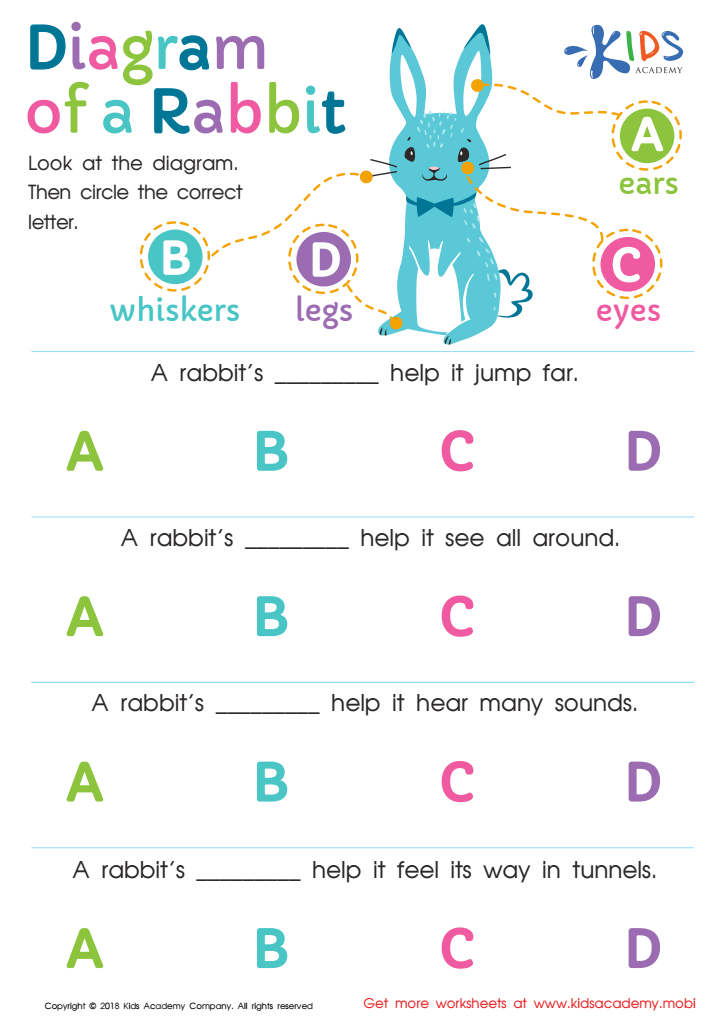
Diagram of a Rabbit Worksheet
 Assign to My Students
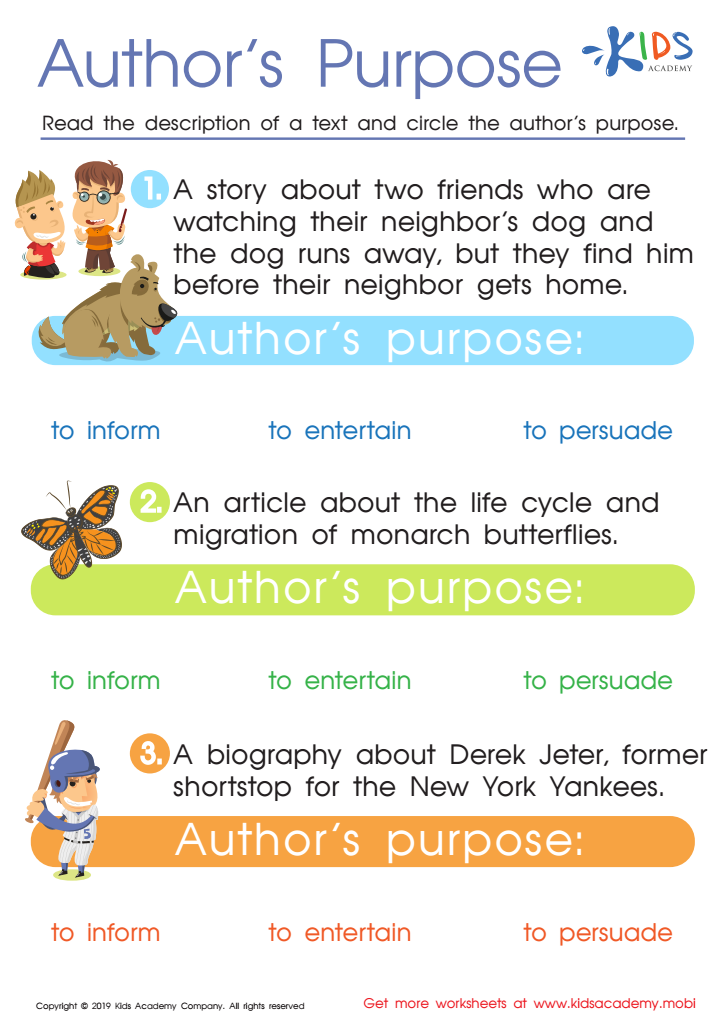
Author's Purpose Worksheet
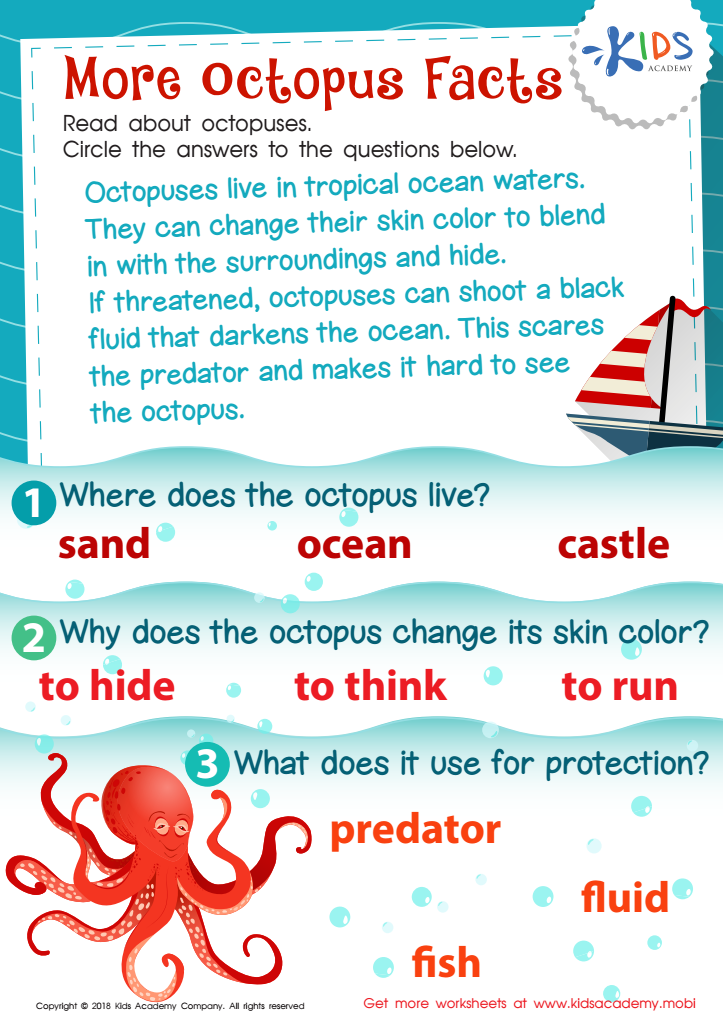
More Octopus Facts Worksheet
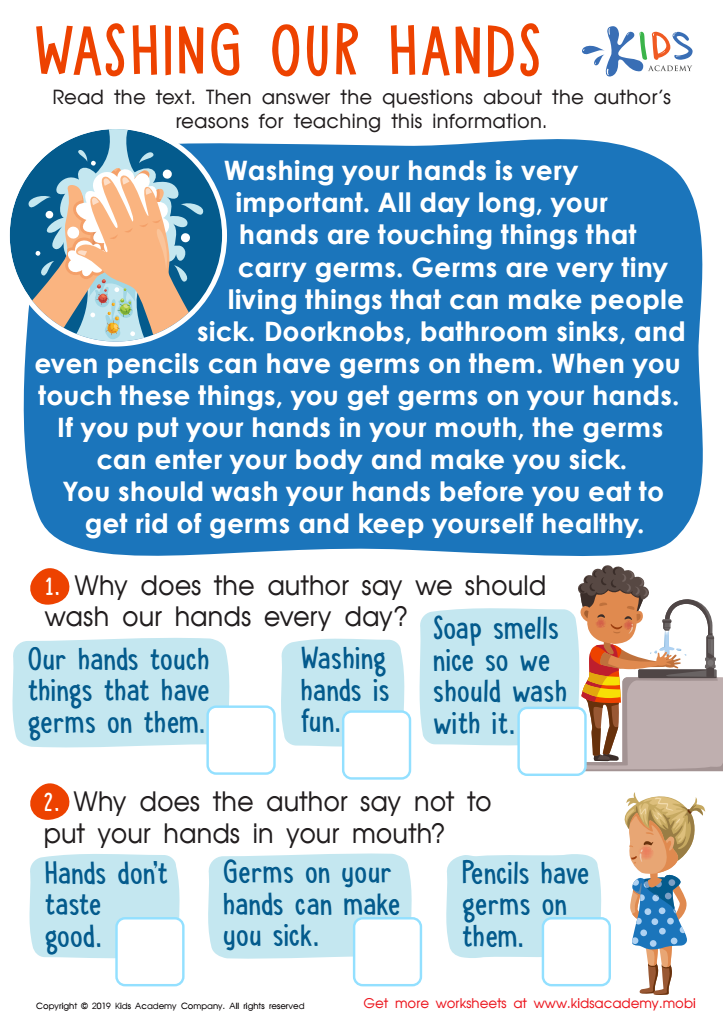
Washing Our Hands Worksheet
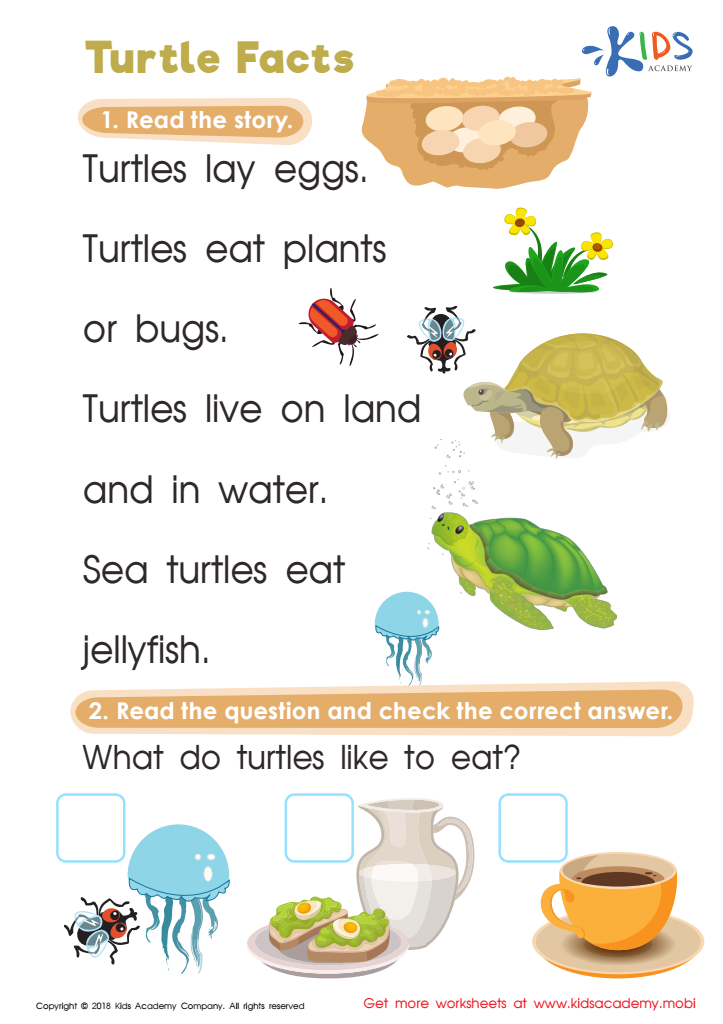
Turtle Facts Worksheet
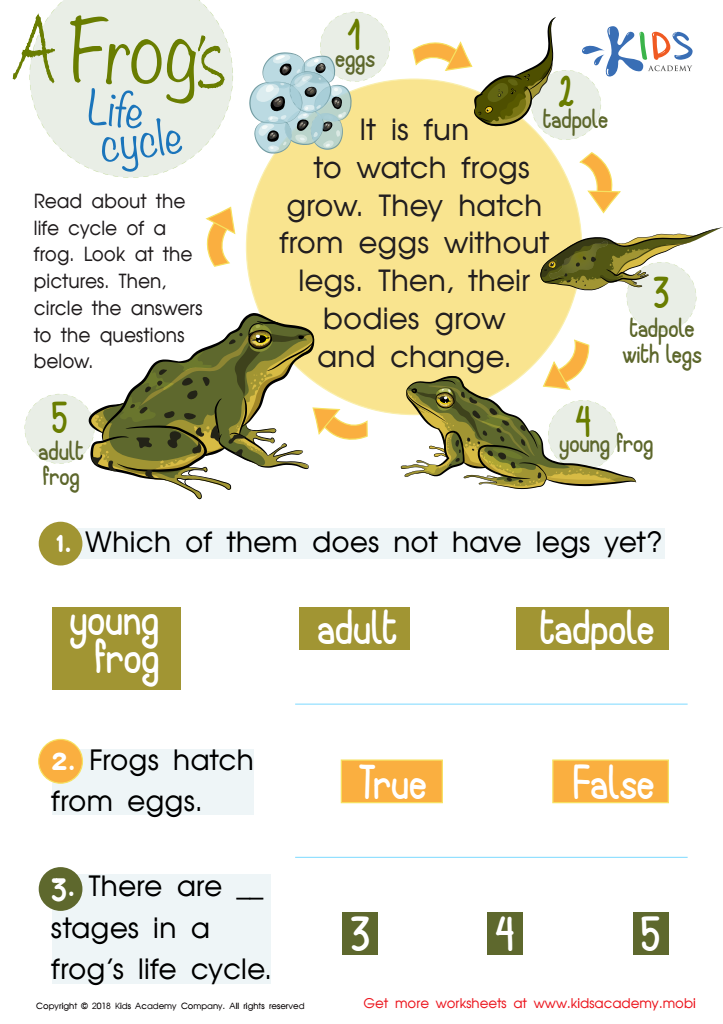
A Frog’s Life Cycle Worksheet
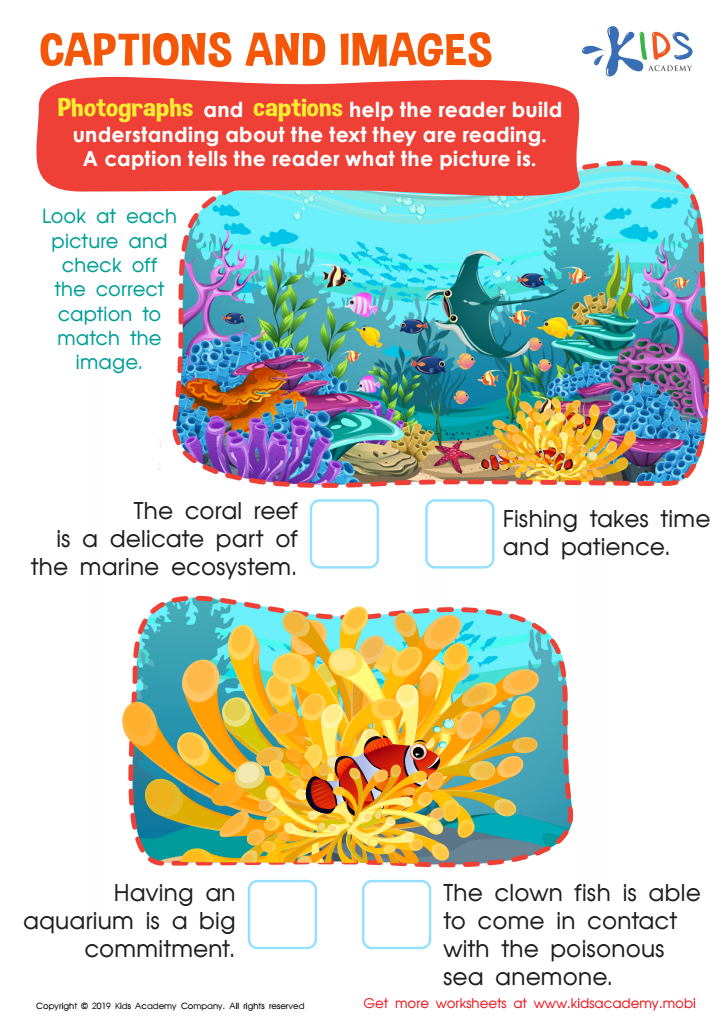
Captions and Images Worksheet
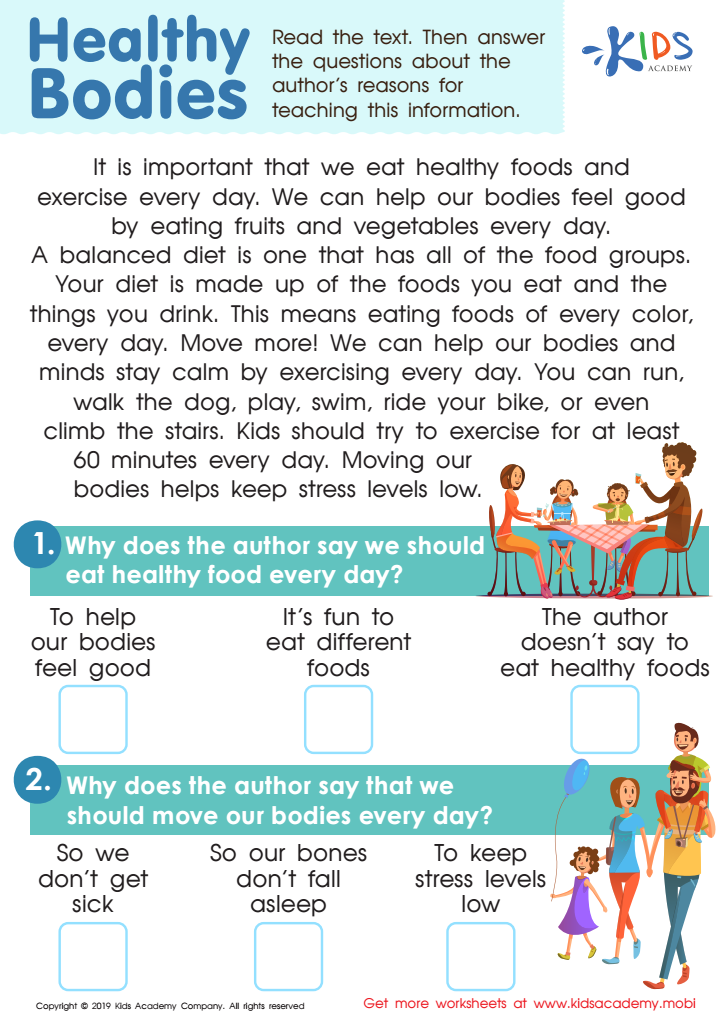
Healthy Bodies Worksheet
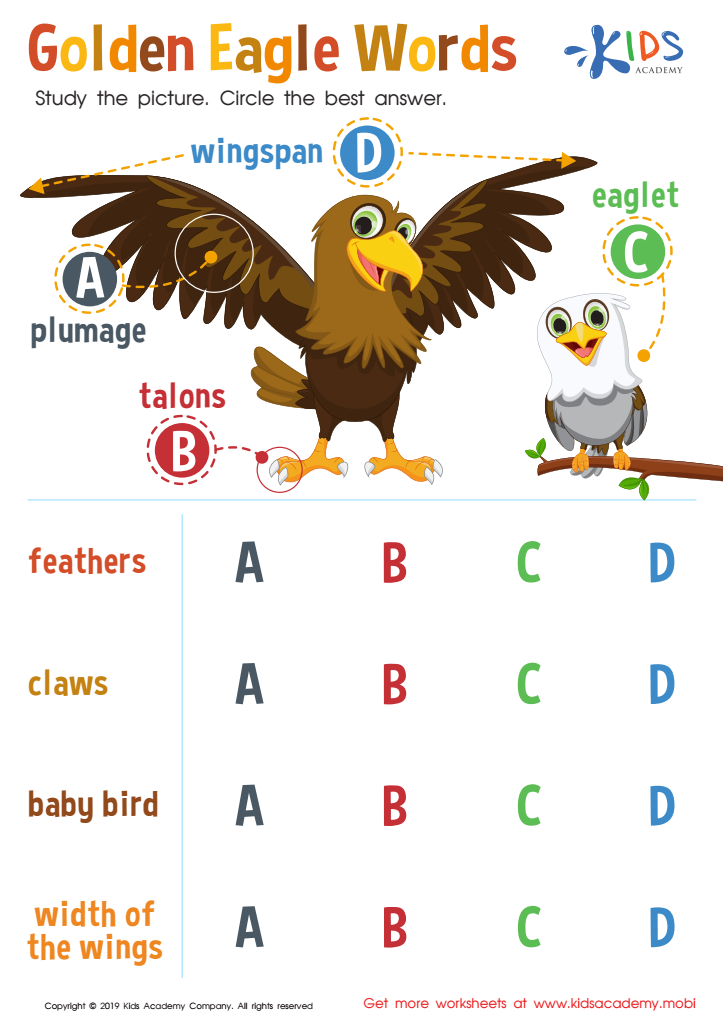
Golden Eagle Words Worksheet
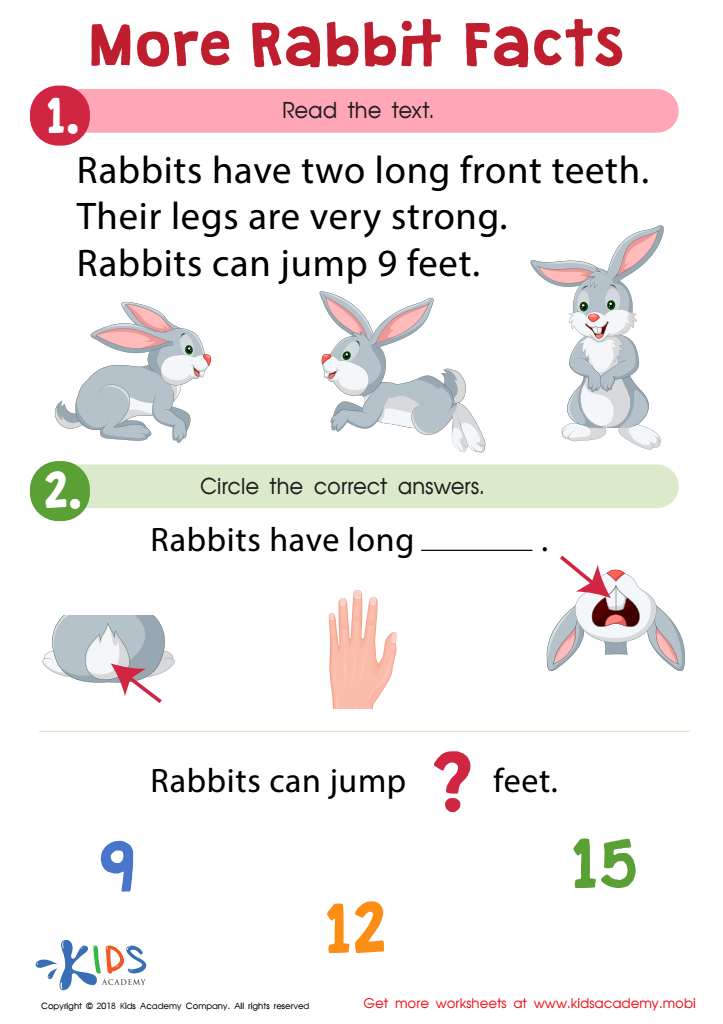
More Rabbit Facts Worksheet
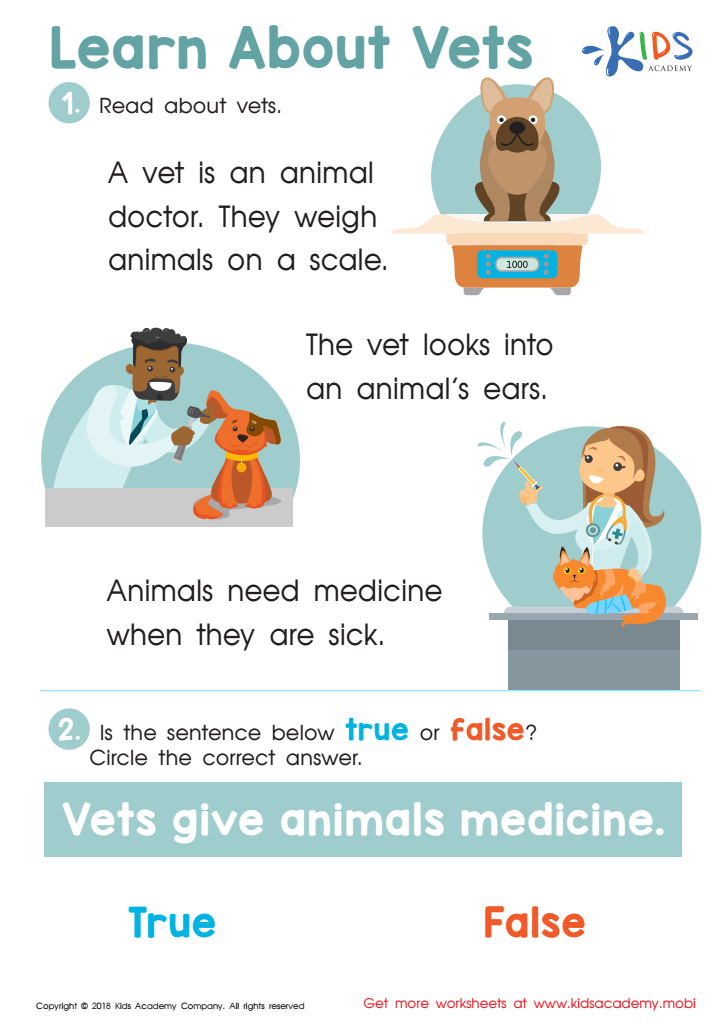
Learn About Vets Worksheet
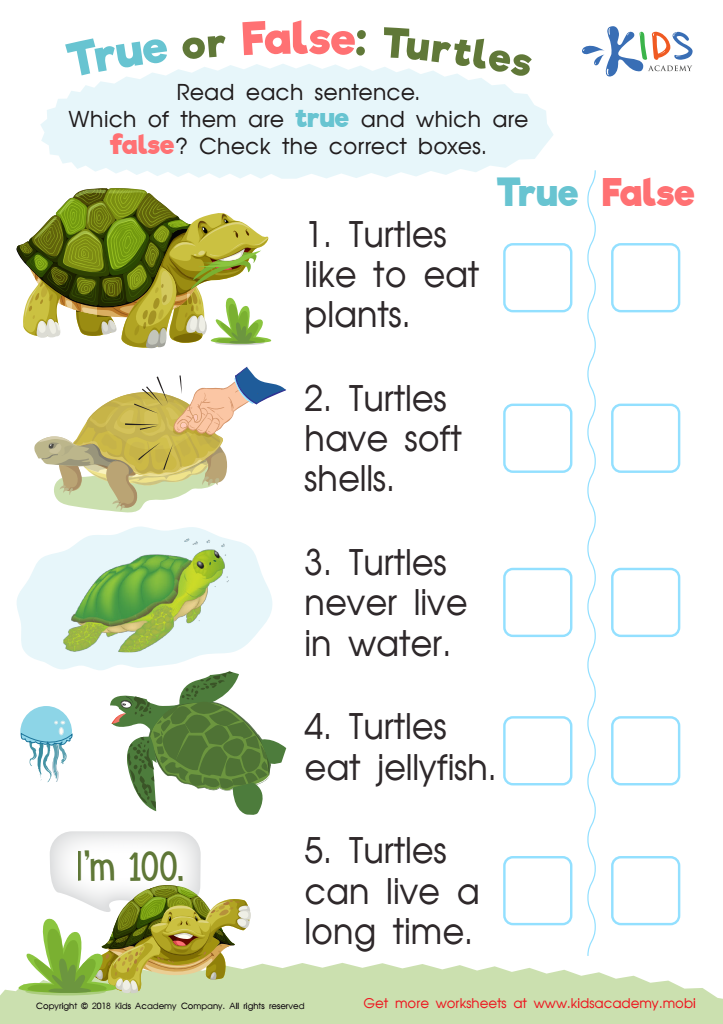
True or False: Turtles Worksheet
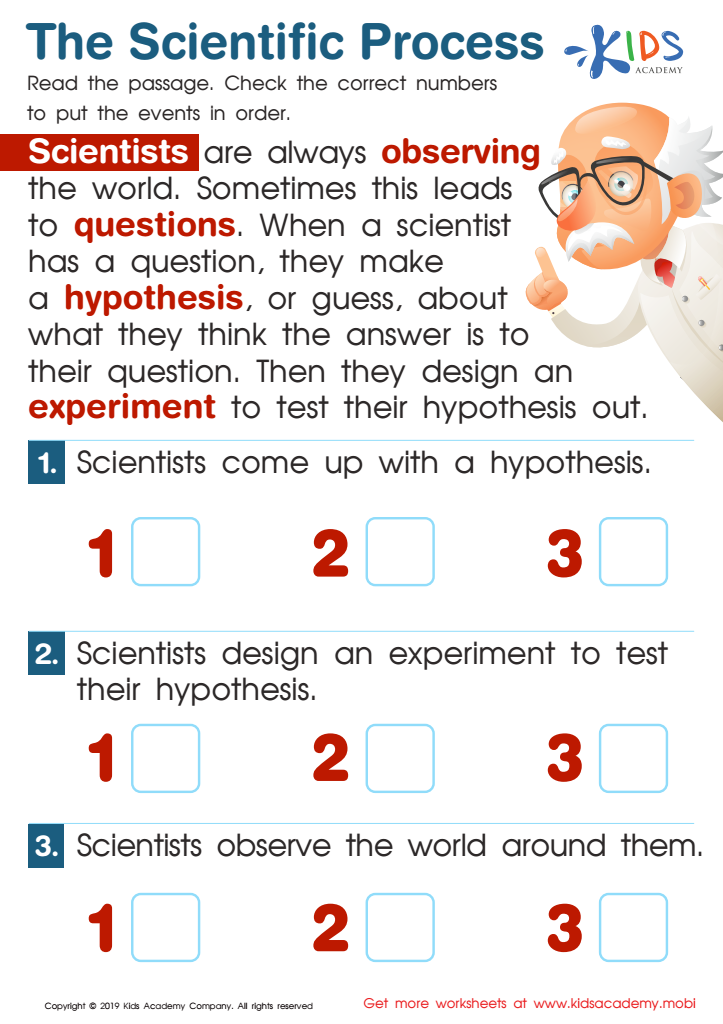
The Scientific Process Worksheet
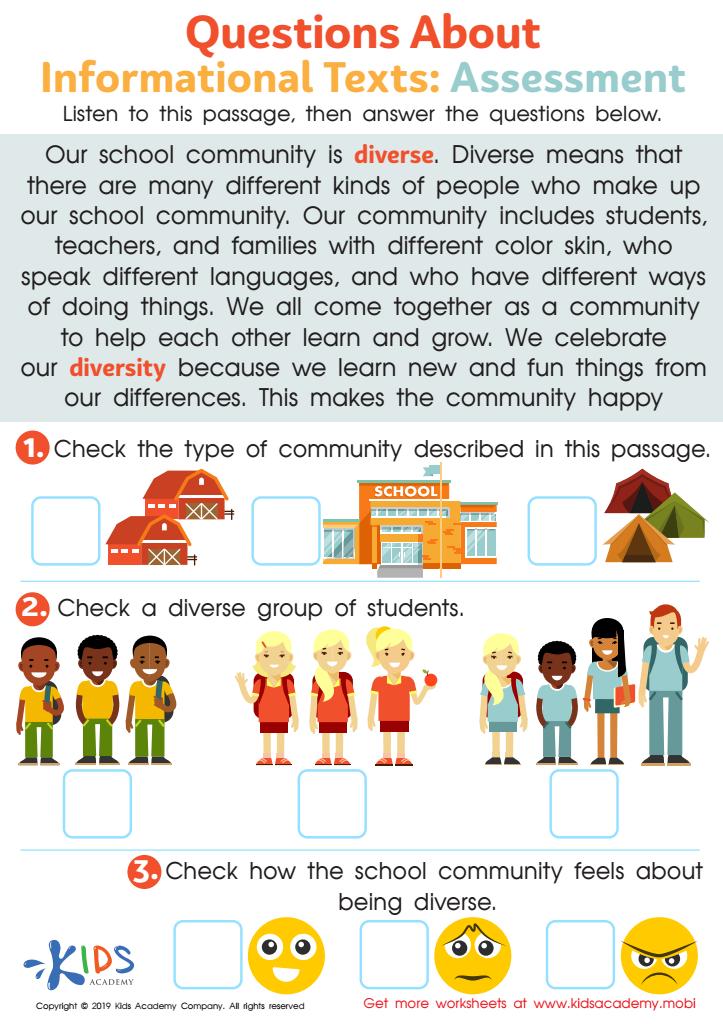
Questions About Informational Texts: Assessment 1 Worksheet
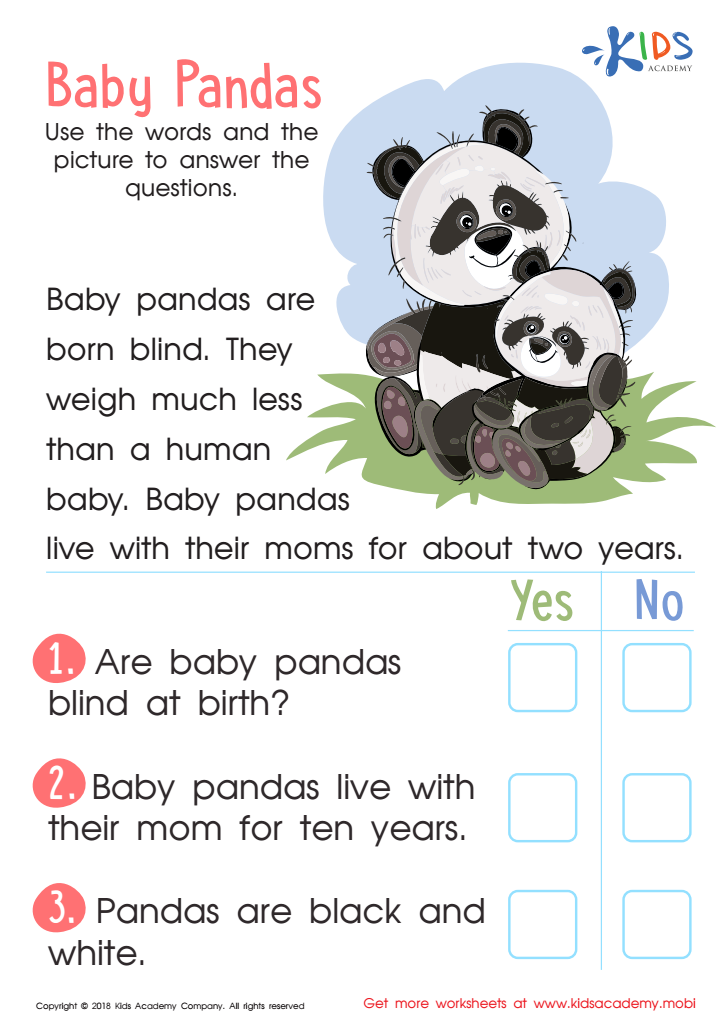
Baby Pandas Worksheet
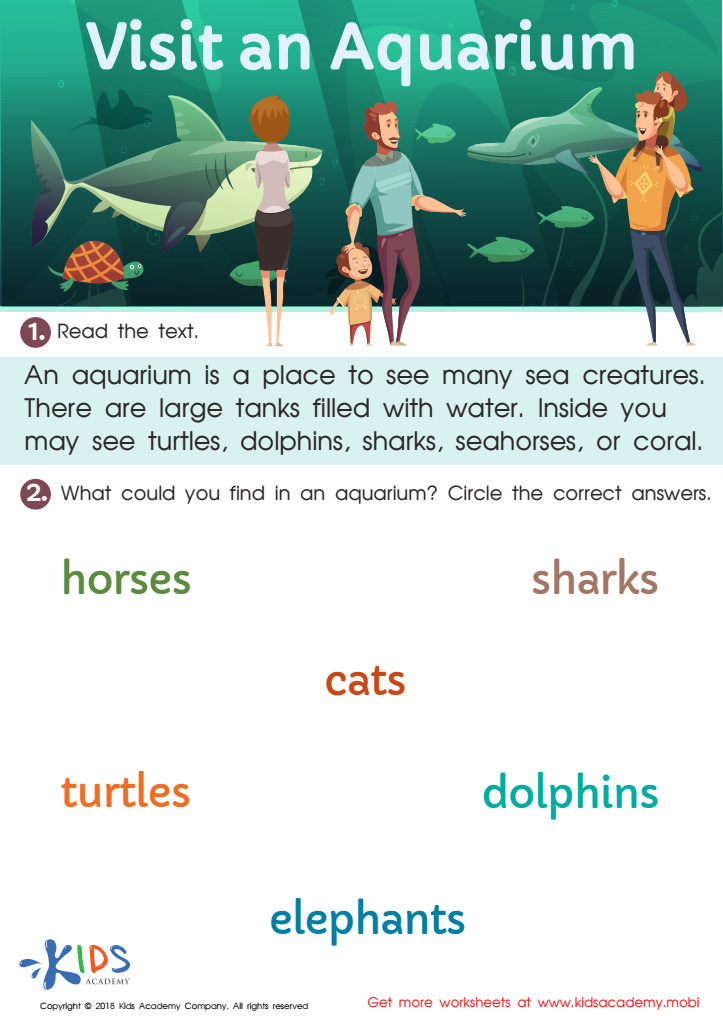
Visit an Aquarium Worksheet
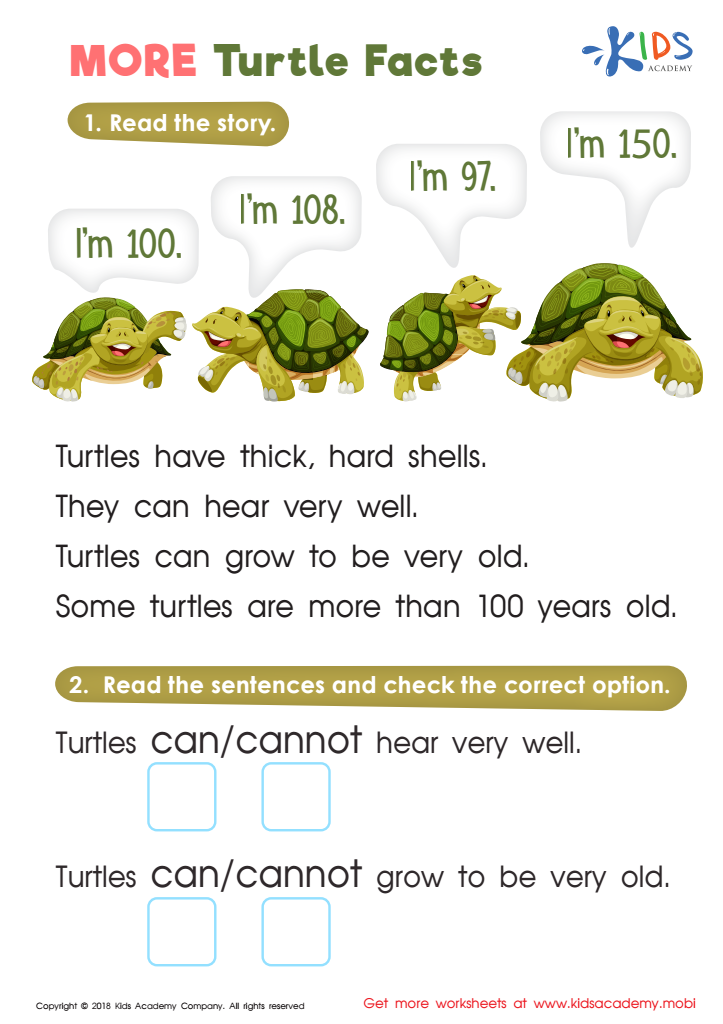
More Turtle Facts Worksheet
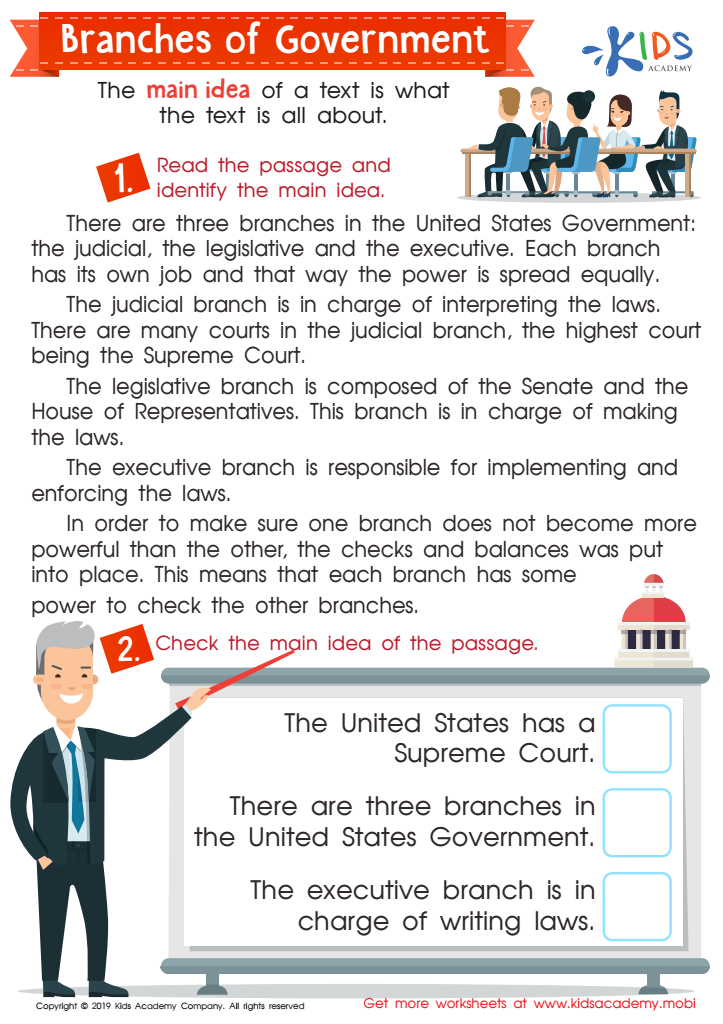
Branches of the Government Worksheet
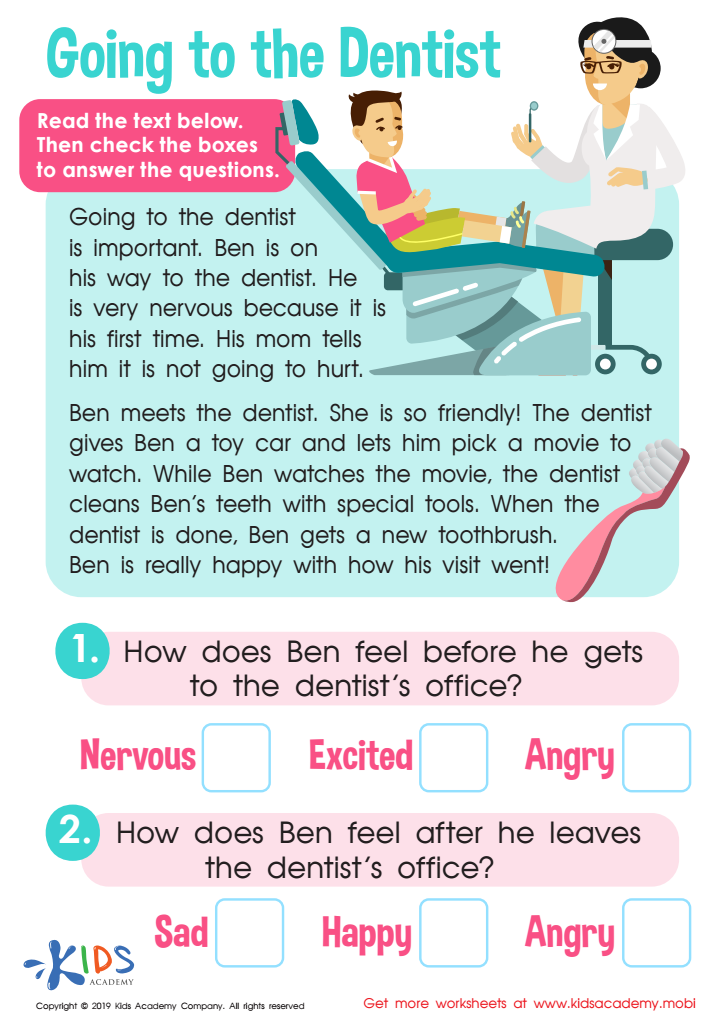
Going to the Dentist Worksheet
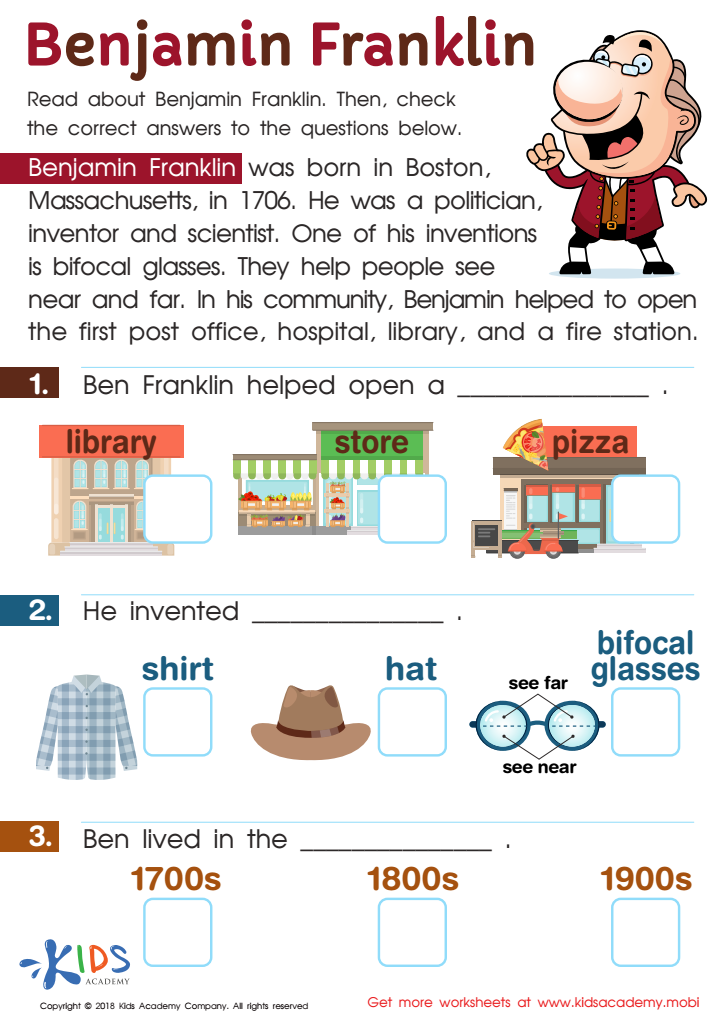
Benjamin Franklin Worksheet
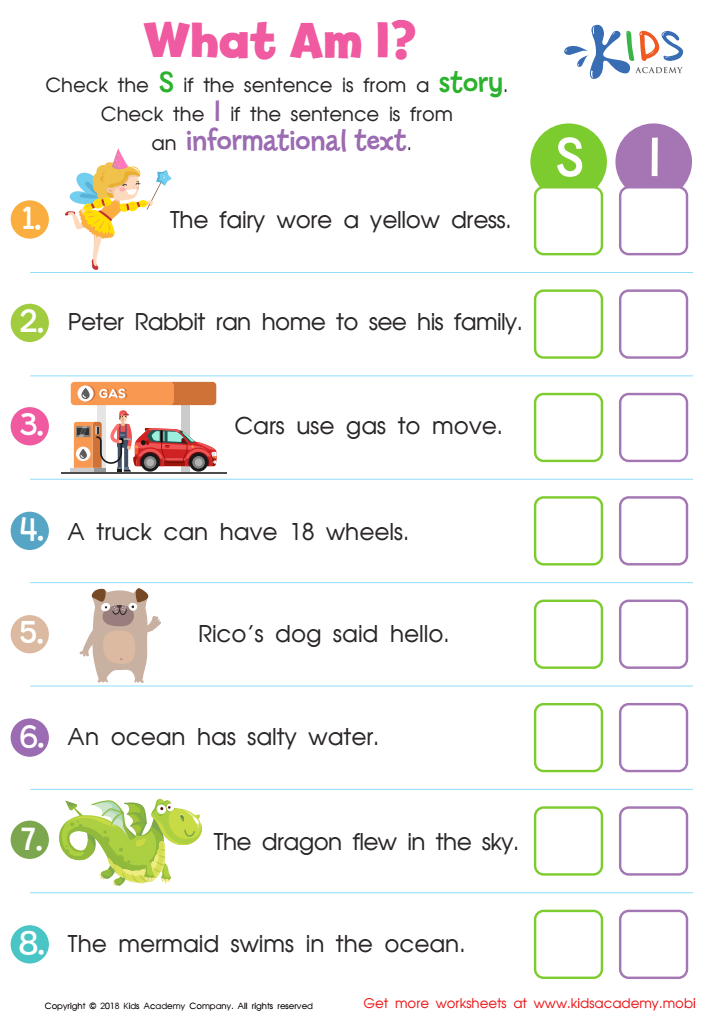
What Am I? Worksheet
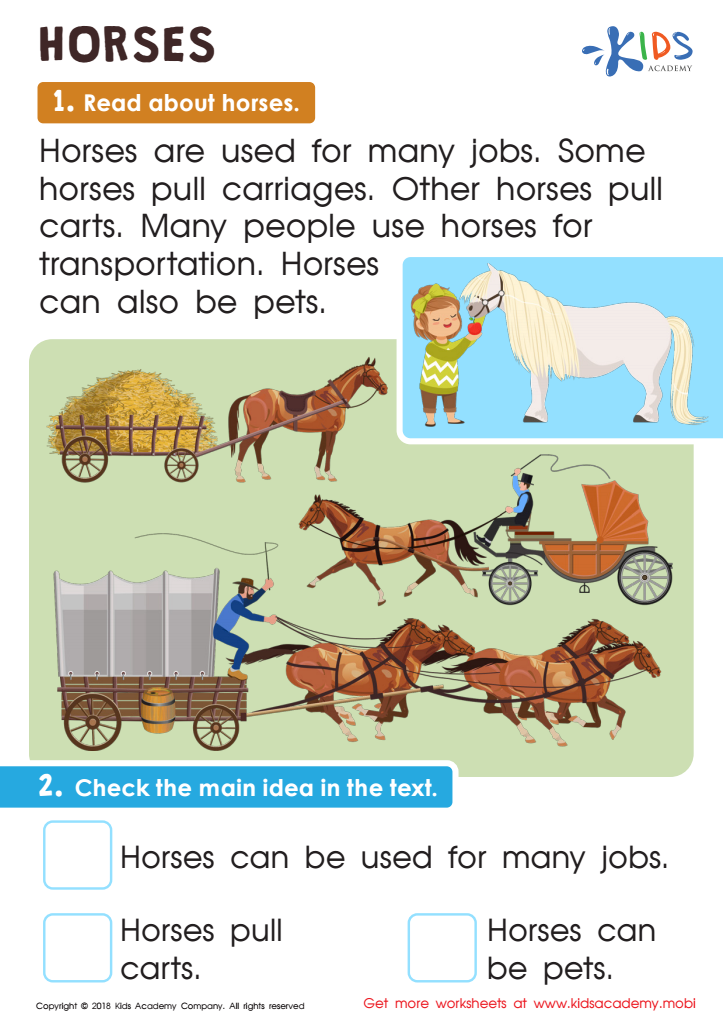
Horses Worksheet
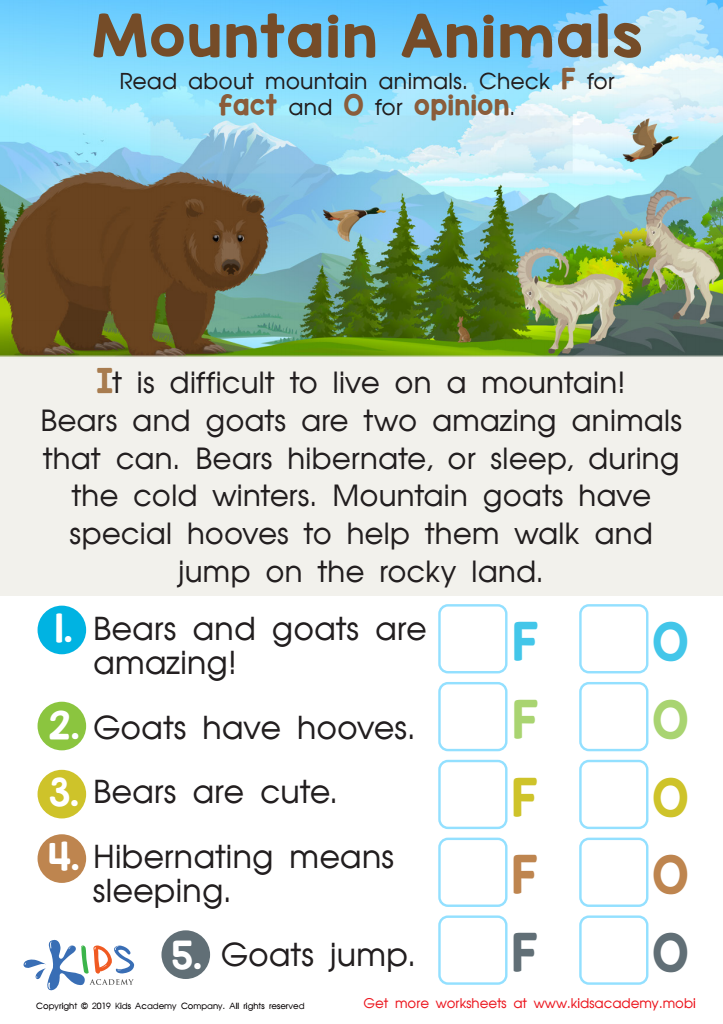
Mountain Animals Worksheet
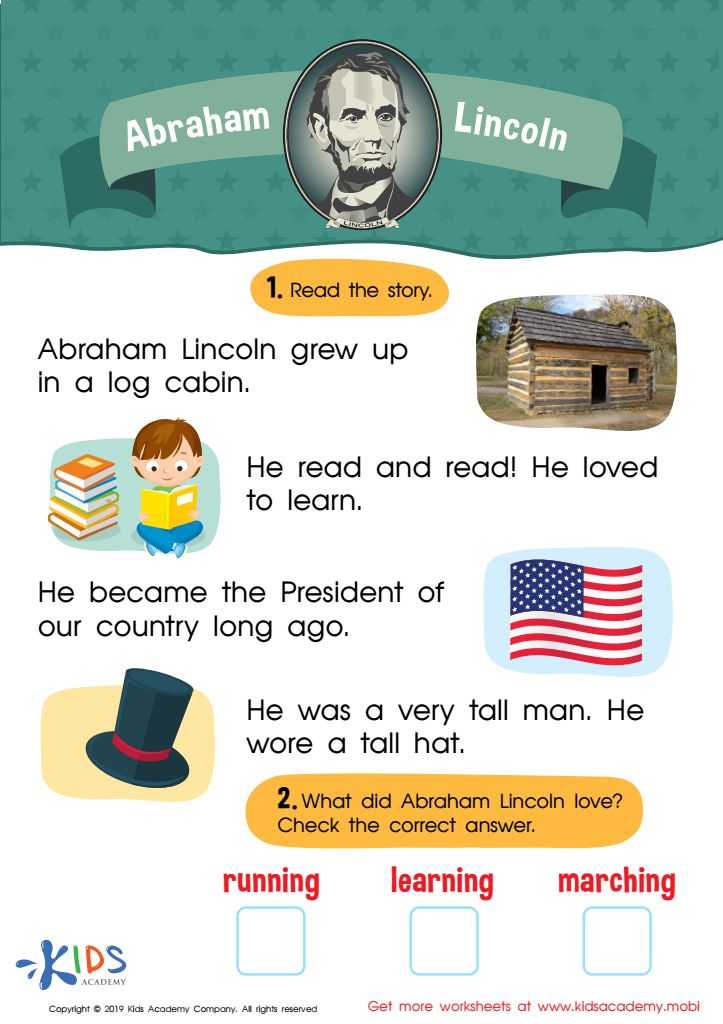
Abraham Lincoln Worksheet







Parents and teachers should care about encouraging children aged 6-9 to read non-fiction because it plays a crucial role in their development and education. At this age, children are naturally curious and eager to learn about the world around them. Non-fiction books serve as invaluable resources that introduce young minds to a myriad of real-world concepts and facts.
Reading non-fiction helps children build a strong foundation in critical thinking and analytical skills. By engaging with factual content, children learn to differentiate between opinions and evidence-based information, fostering logical reasoning. For instance, reading books about animals, space, or history not only satiates their curiosity but also enriches their vocabulary and comprehension skills. Learning about different topics broadens their knowledge base and fosters a lifelong love of learning.
Moreover, non-fiction reading aligns with educational standards and helps students excel academically. Many school curriculums require students to understand and analyze informational texts. Exposure to non-fiction at an early age prepares children for future academic tasks and research projects. In addition, it cultivates resilience and problem-solving skills, as children encounter real-world scenarios and challenges.
In summary, engaging with non-fiction opens doors to learning, critical thinking, and an informed worldview, making it an essential part of a child’s reading repertoire.








