Comparing Numbers Worksheets for Ages 7-9 - Page 2
42 filtered results
-
From - To
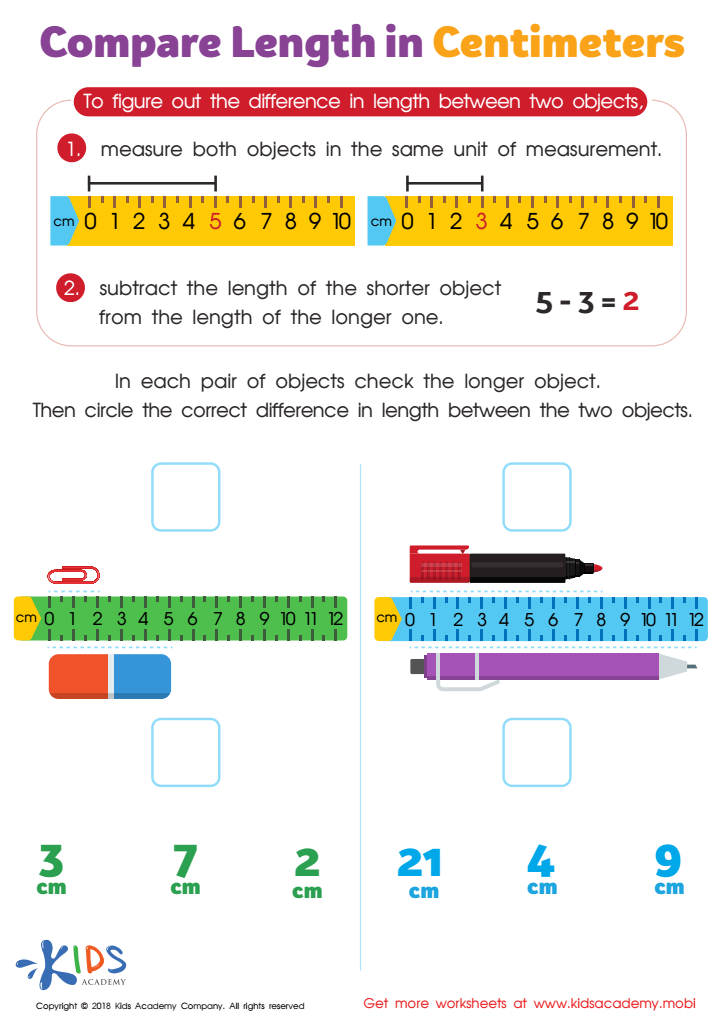
Compare Length in Centimeters Worksheet
 Assign to My Students

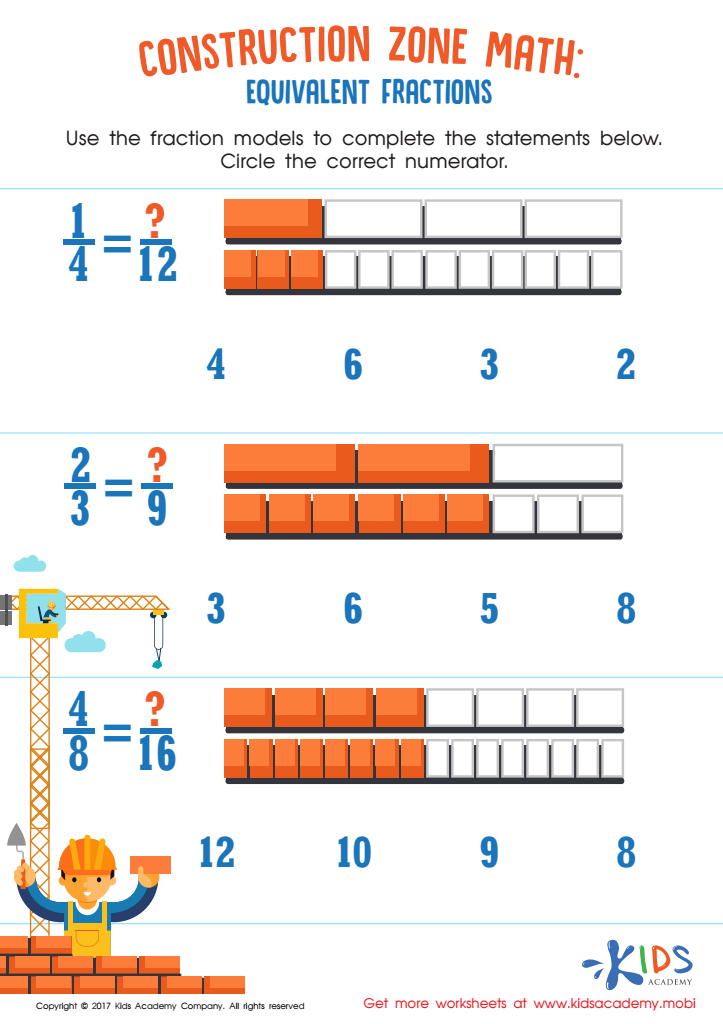
Equivalent Fractions Worksheet
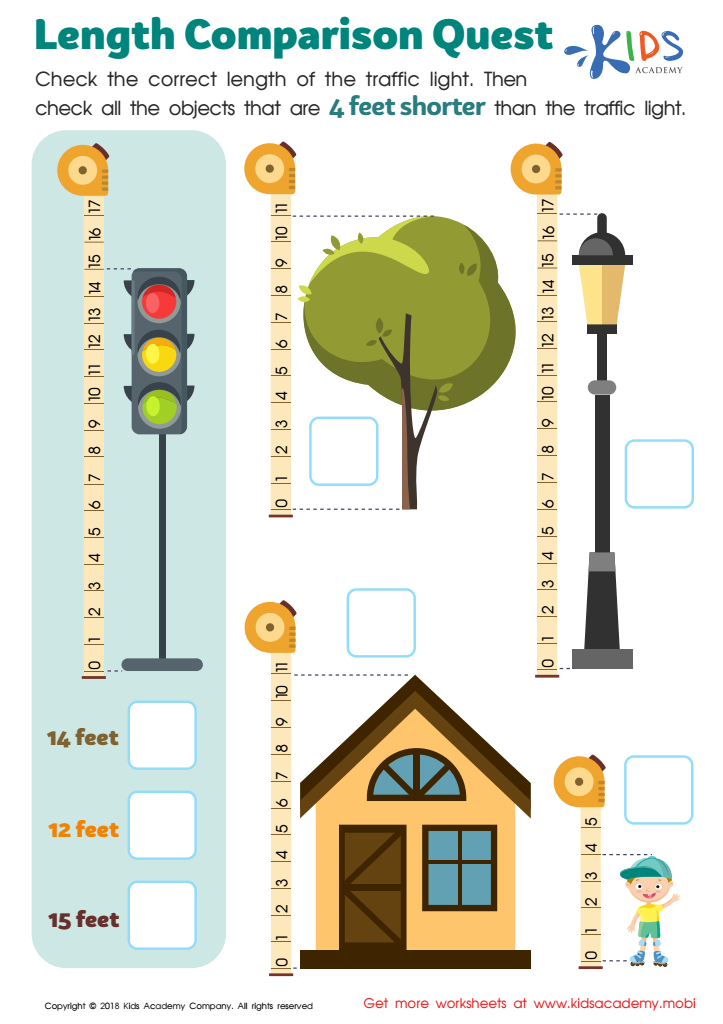
Length Comparison Quest Worksheet
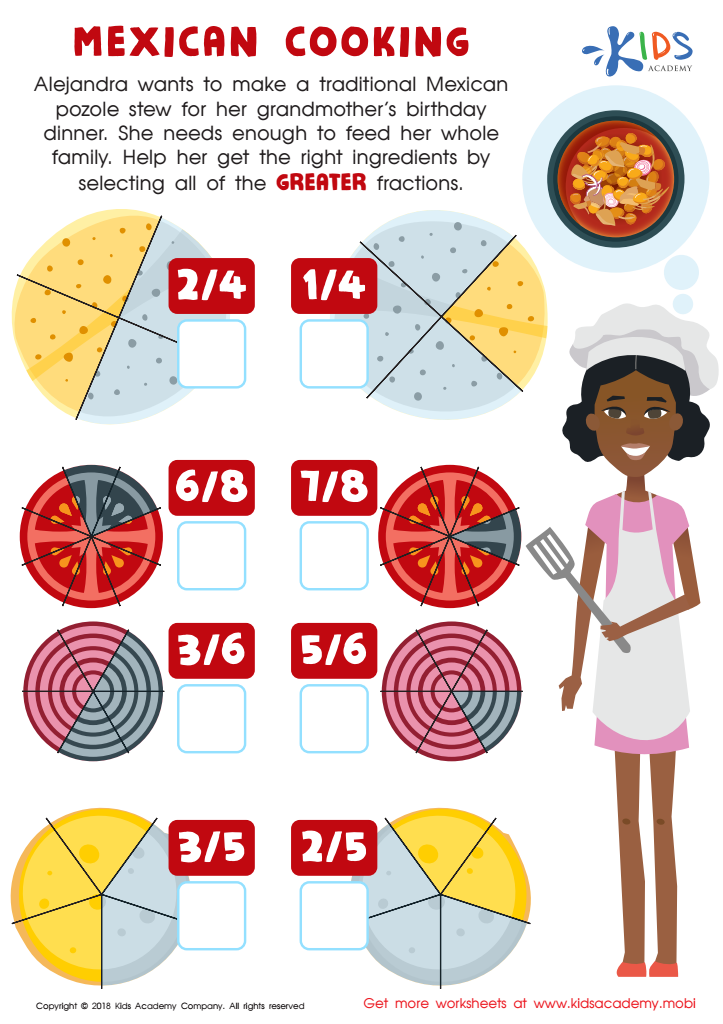
Mexican Cooking Worksheet
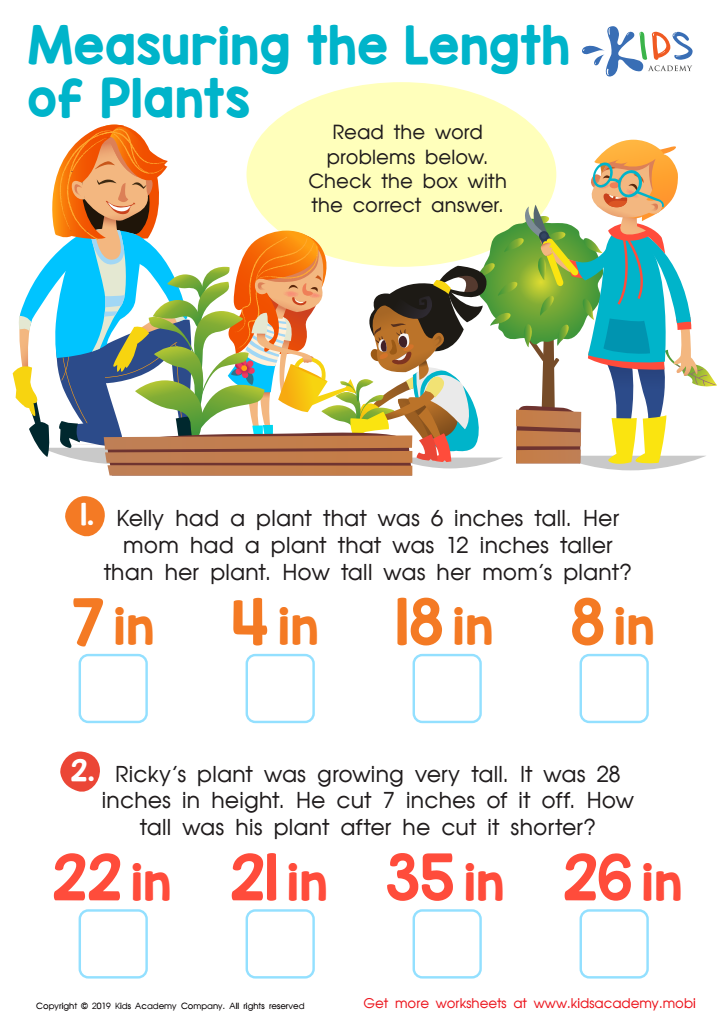
Measuring the Length of Plants Worksheet
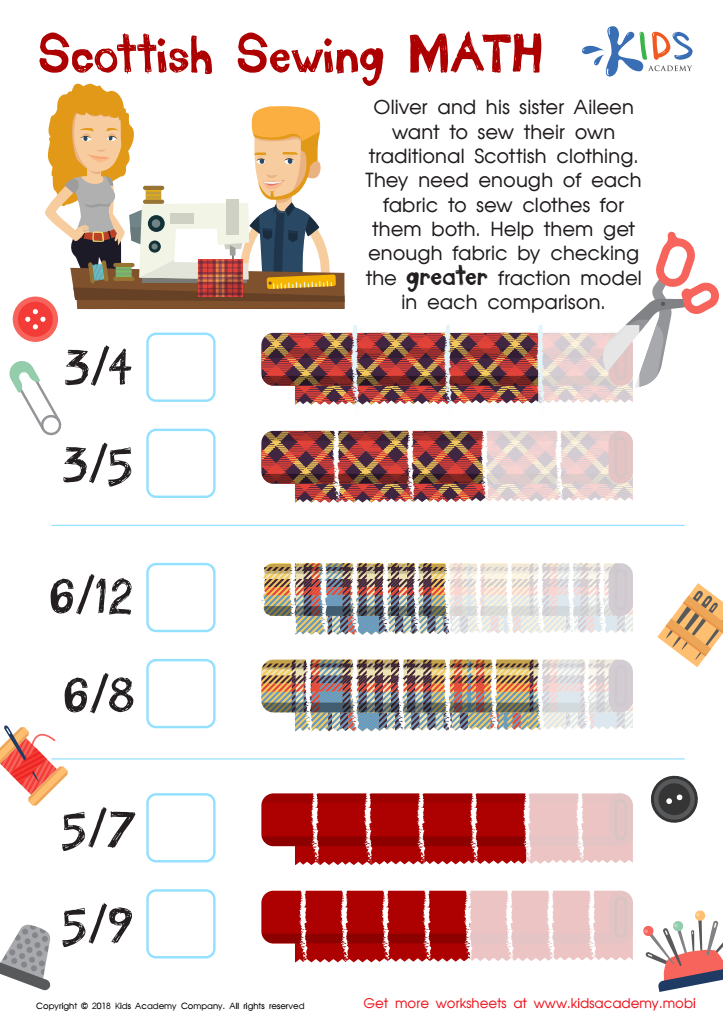
Scottish Sewing Math Worksheet
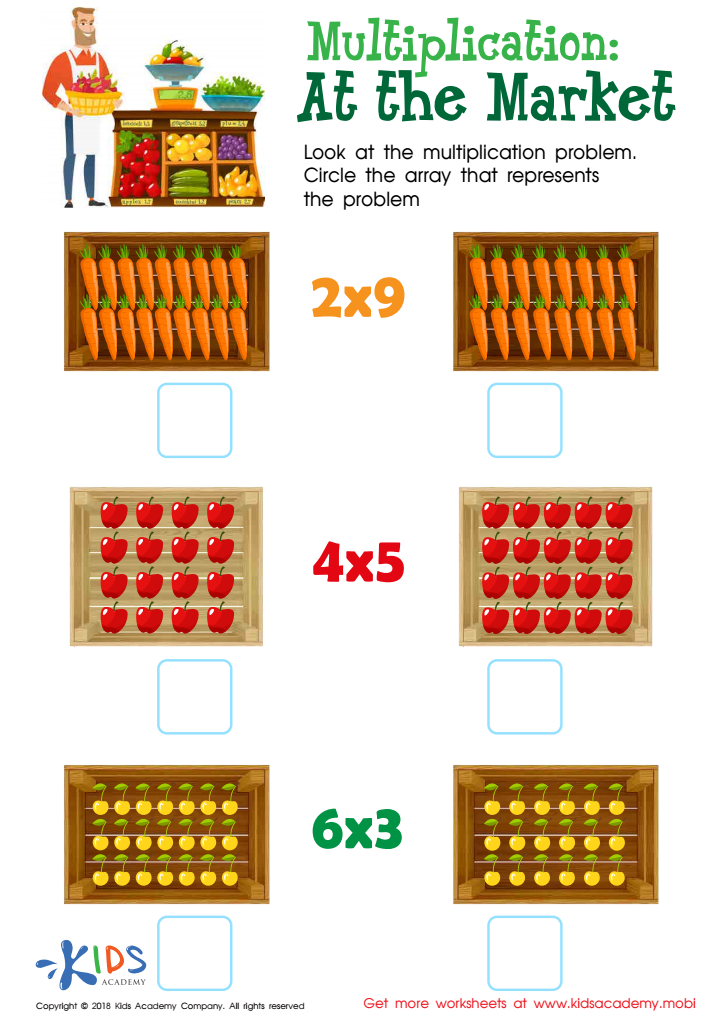
At the Market Worksheet
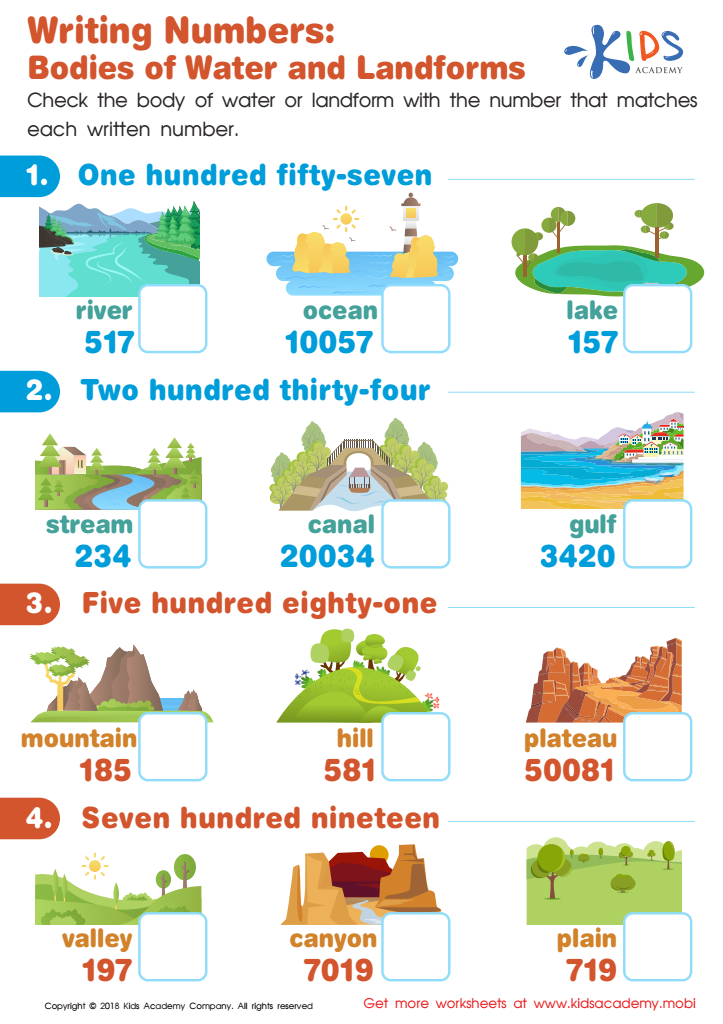
Bodies of Water and Landforms Writing Numbers Worksheet
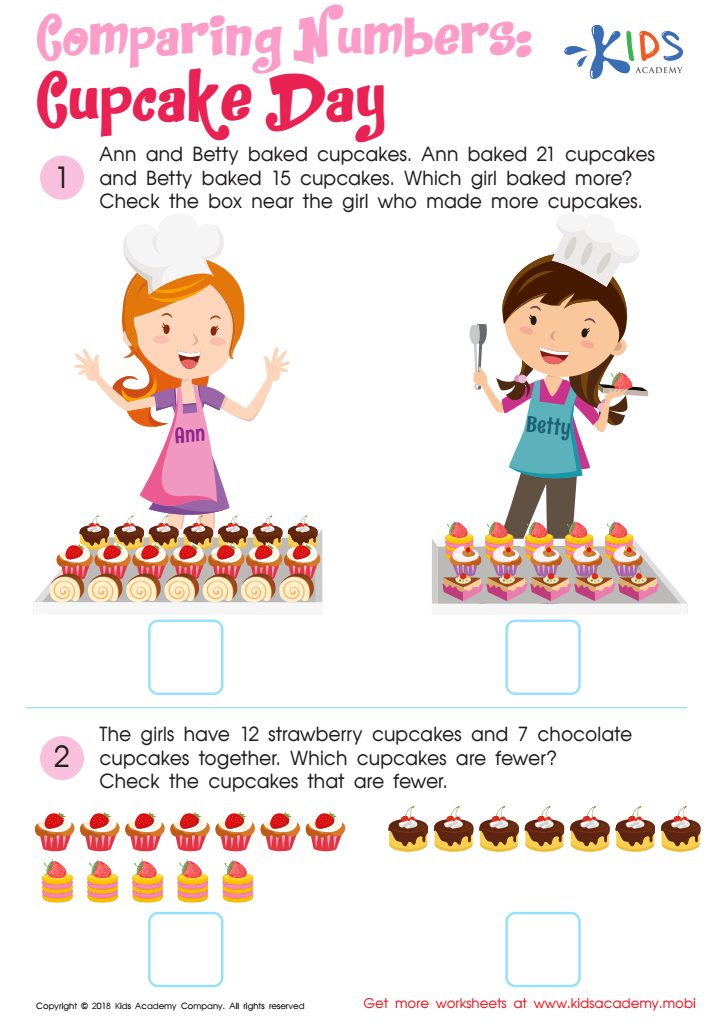
Cupcake Day Worksheet
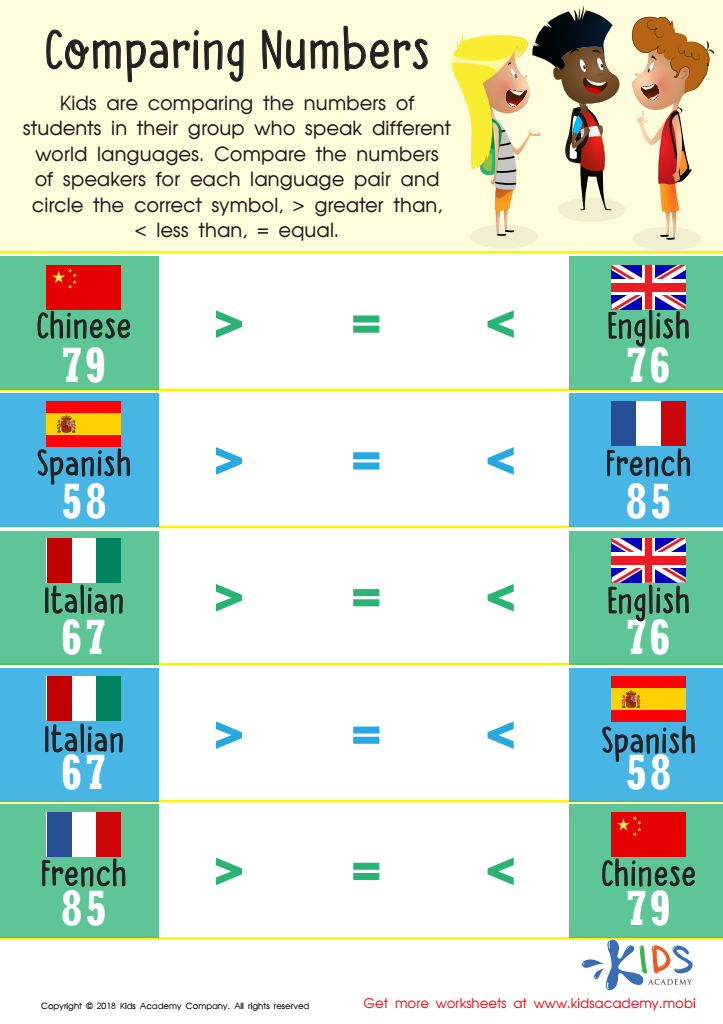
Comparing Numbers Worksheet for 1st Grade
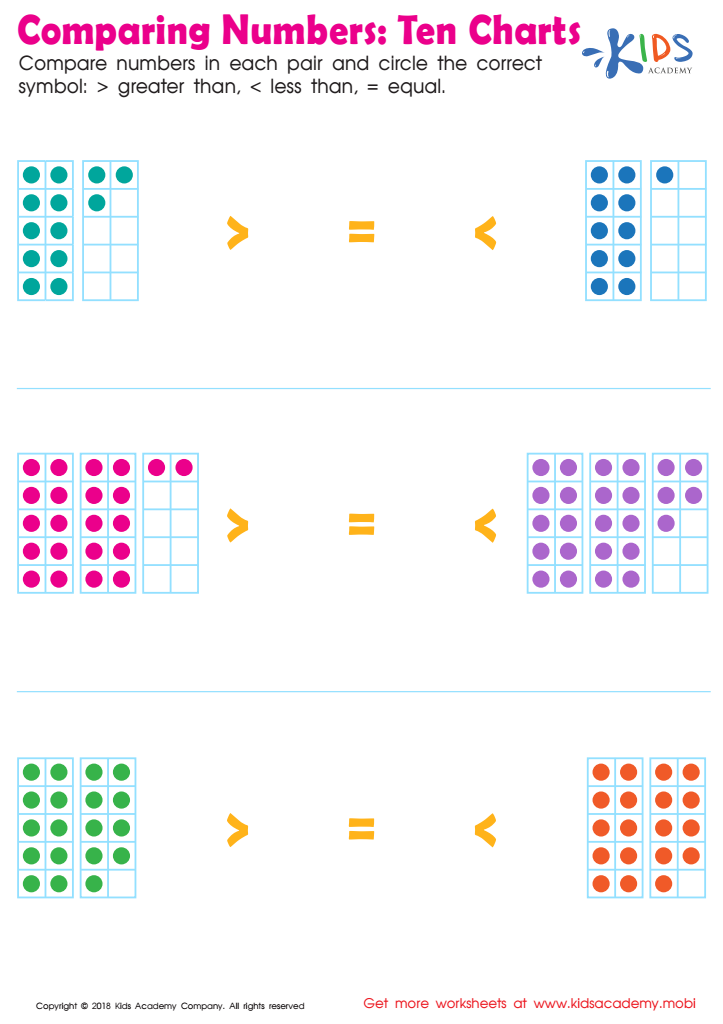
Ten Charts Worksheet
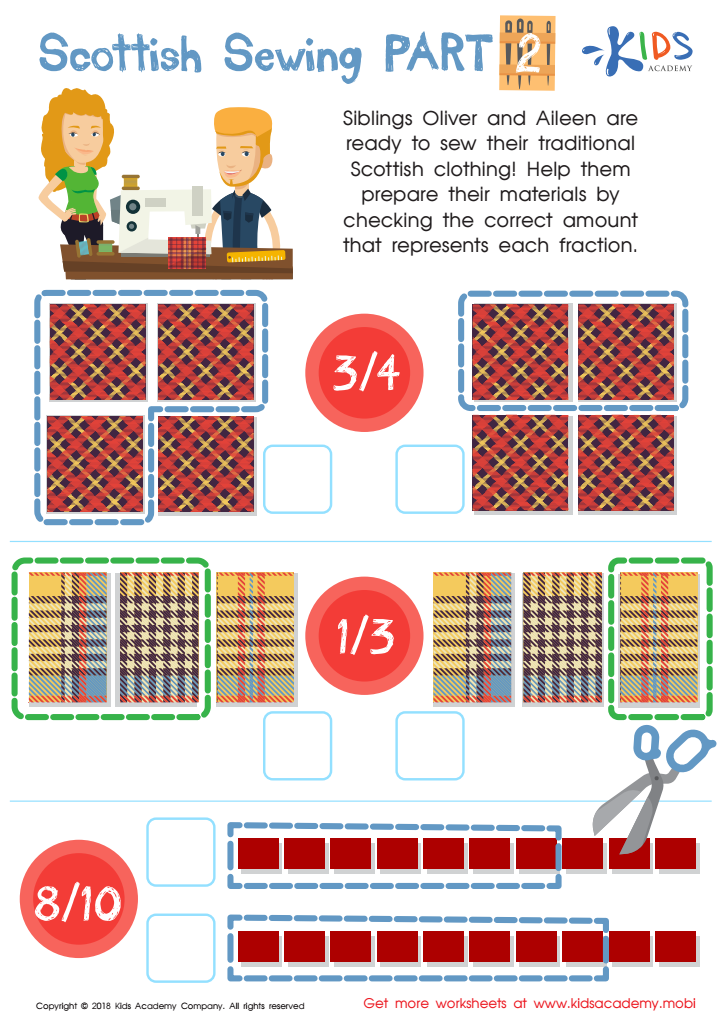
Scottish Sewing Part 2 Worksheet
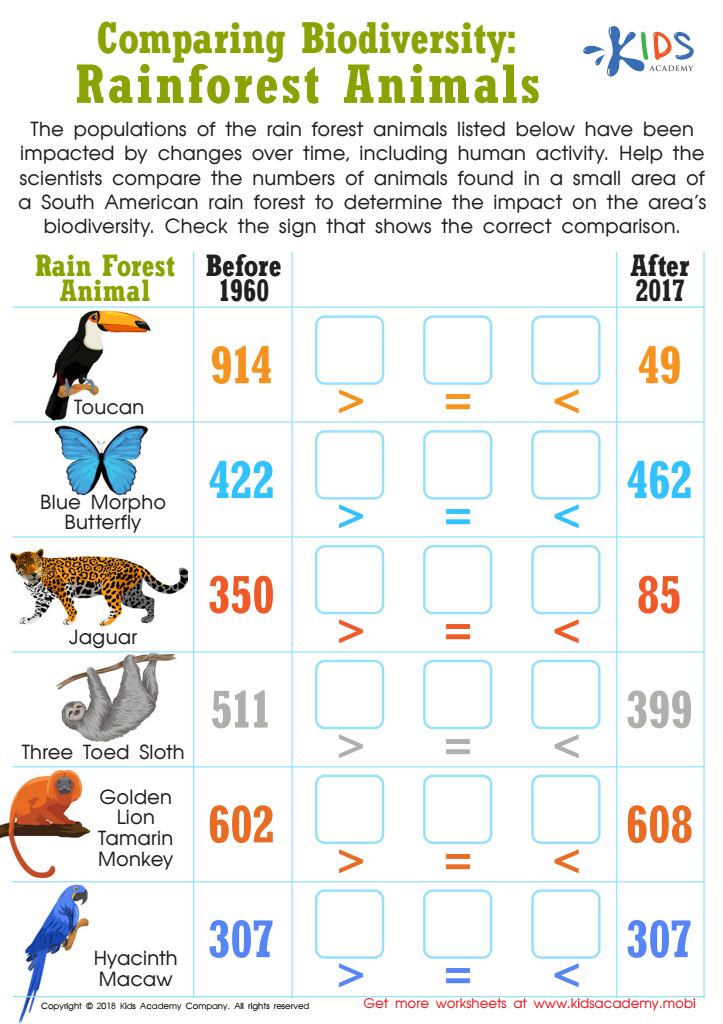
Comparing Biodiversity: Rainforest Animals Worksheet
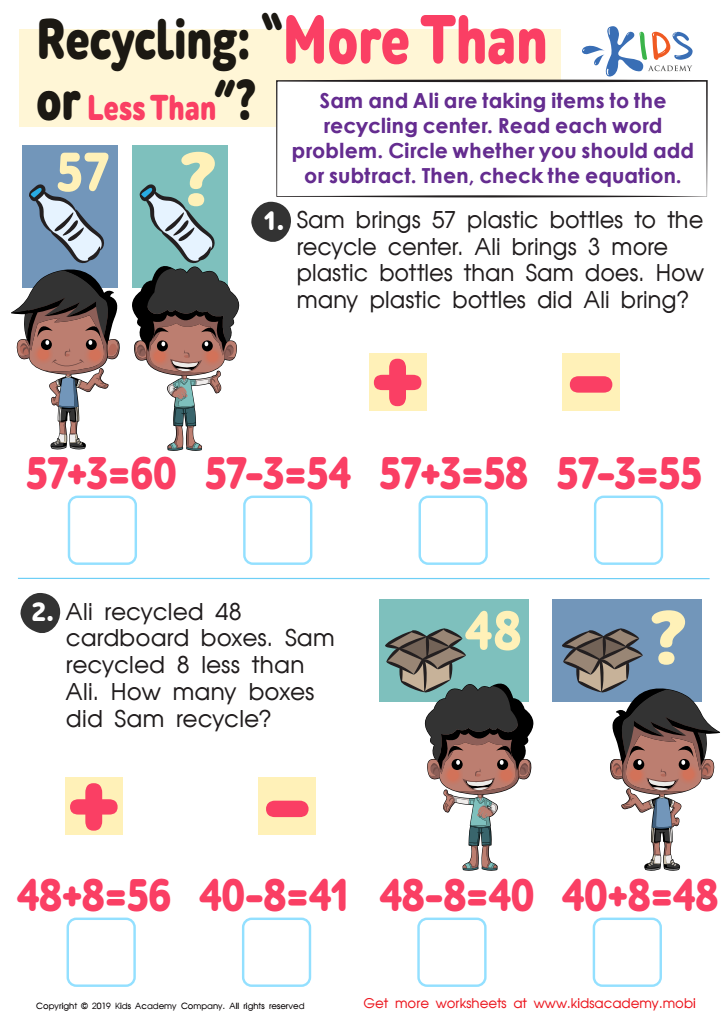
Recycling - More or Less Worksheet
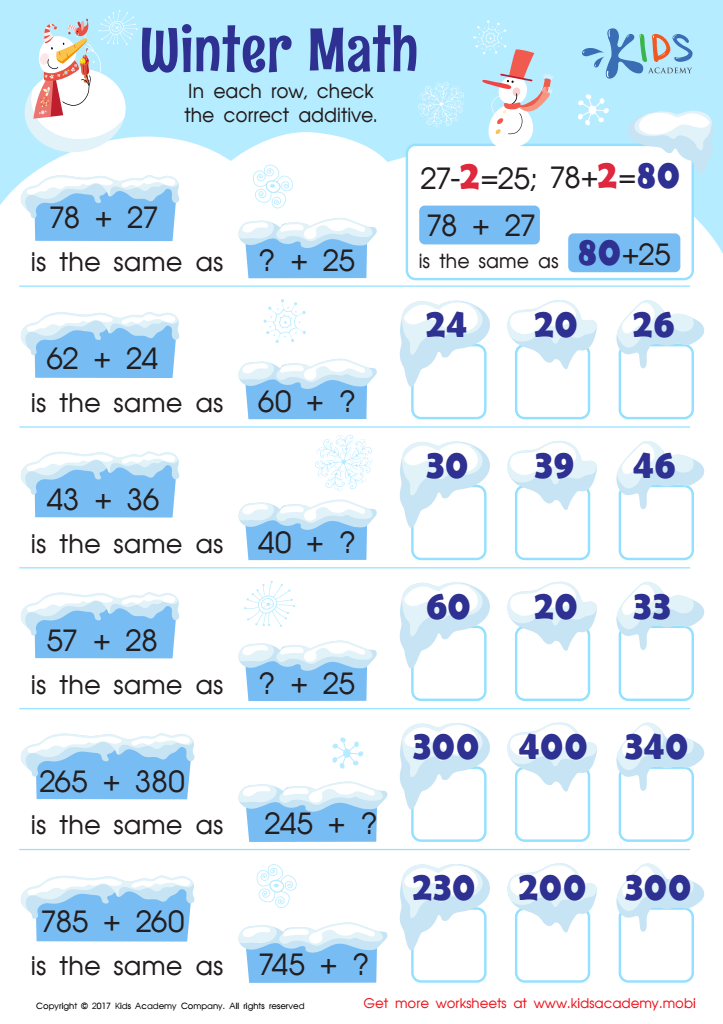
Free Addition Worksheet
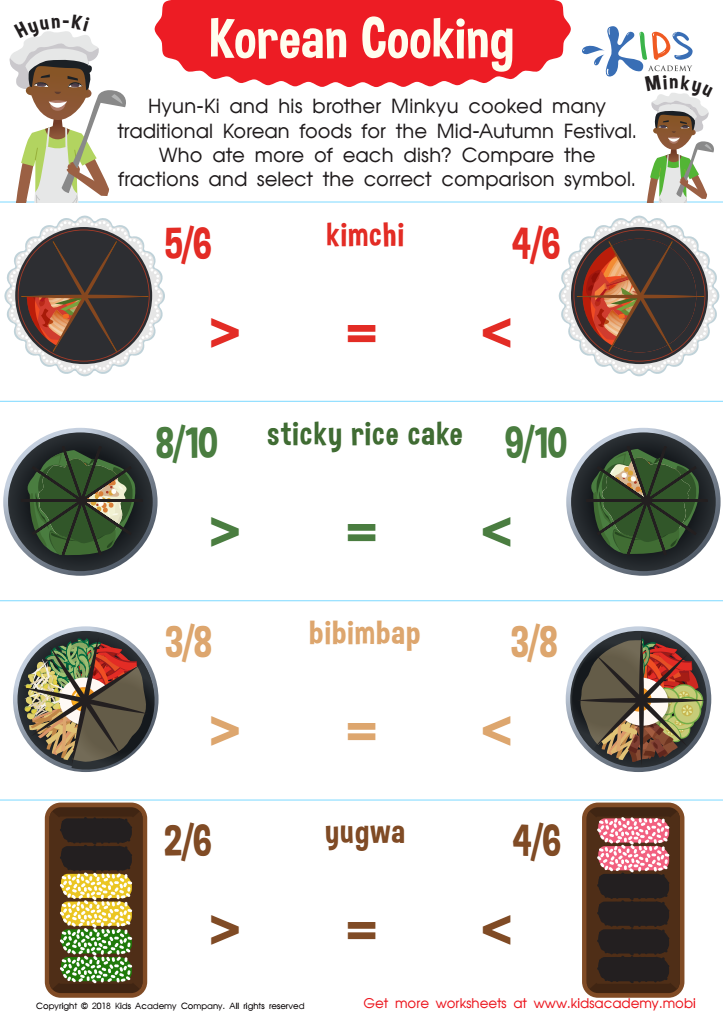
Korean Cooking Worksheet
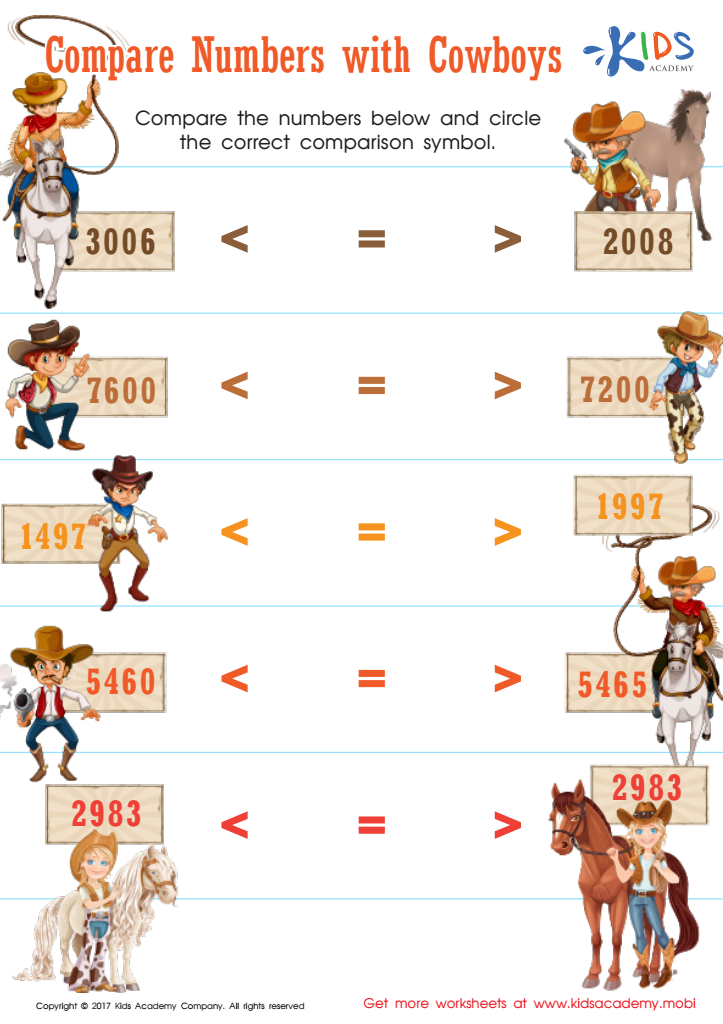
Compare Numbers Worksheet for 3rd Grade
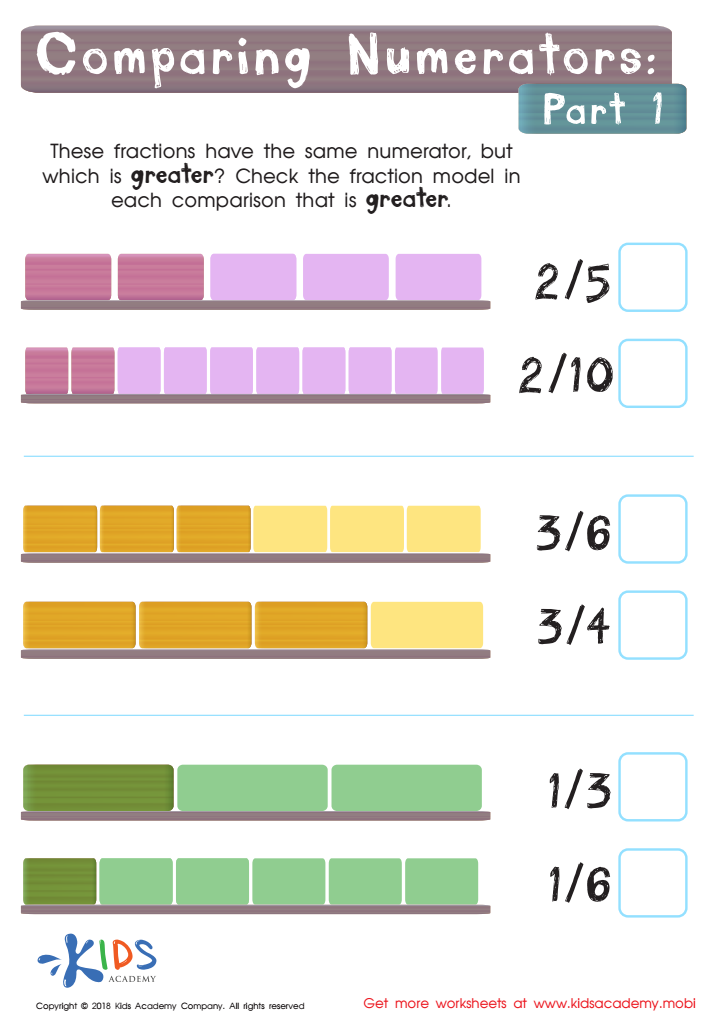
Comparing Numerators Part 1 Worksheet








Understanding how to compare numbers is a fundamental skill for children aged 7-9, serving as a cornerstone for mathematical comprehension. During this formative stage, grasping such concepts fosters their numerical literacy, facilitating smoother progress through more complex mathematical operations in the future, like addition, subtraction, multiplication, and division.
Comparing numbers nurtures critical thinking and problem-solving skills by encouraging children to recognize relationships between different values. When children learn terms like "greater than," "less than," and "equal to," they start to understand not just numbers, but tangible aspects of real life—like comparing quantities of items, understanding scores in games, or managing allowances.
Furthermore, a strong grasp of this concept supports cognitive development by promoting logical reasoning and decision-making. For example, comparing prices makes a trip to the grocery store an informal math lesson about money management.
For teachers, incorporating exercises on comparing numbers in the curriculum helps create engaging, interactive lessons that relate mathematics to everyday life, making learning more meaningful and enjoyable. For parents, supporting this learning at home reinforces these concepts through real-world applications, solidifying the child’s academic foundation and boosting their confidence in mathematics, thus preparing them for future academic success.