Community Worksheets for Ages 7-9 - Page 3
61 filtered results
-
From - To
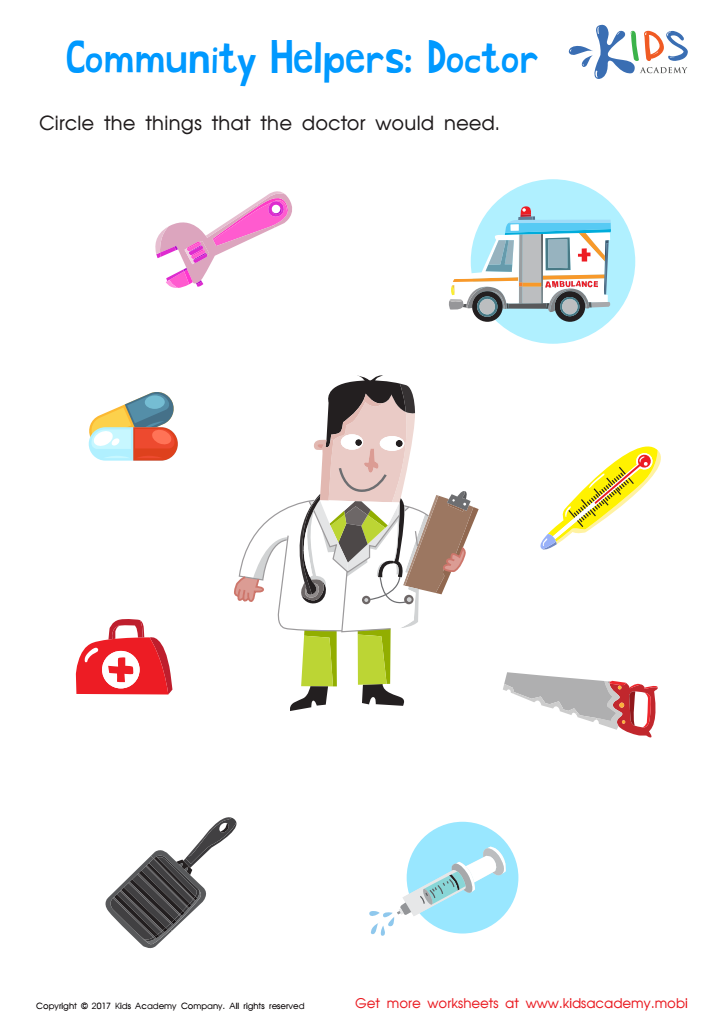
 Assign to My Students
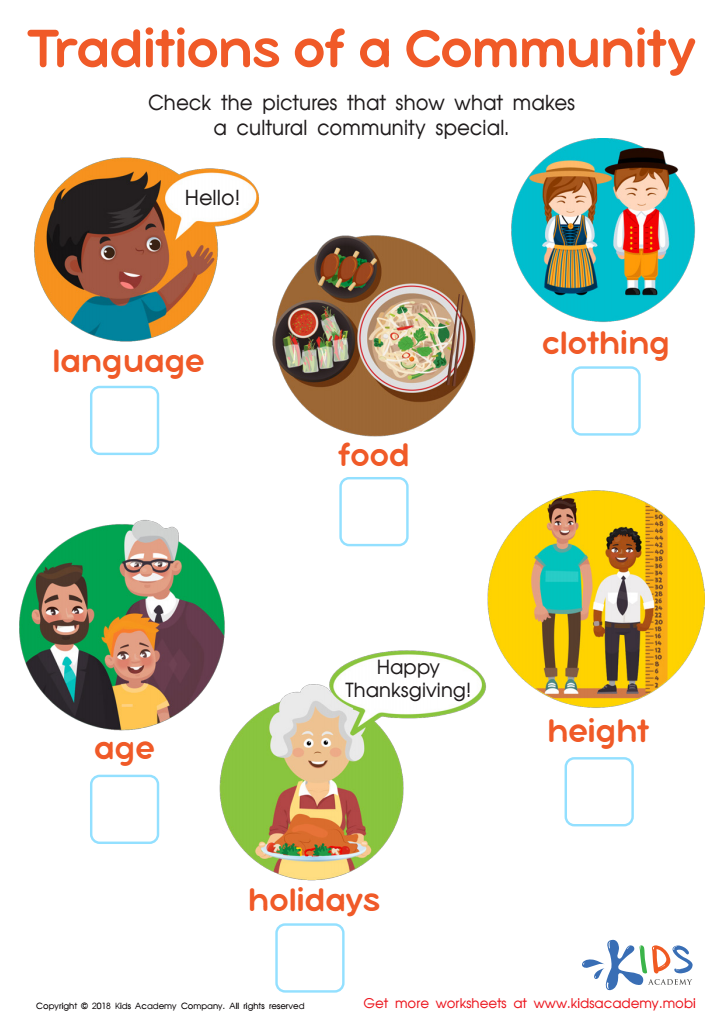
Traditions of a Community Worksheet
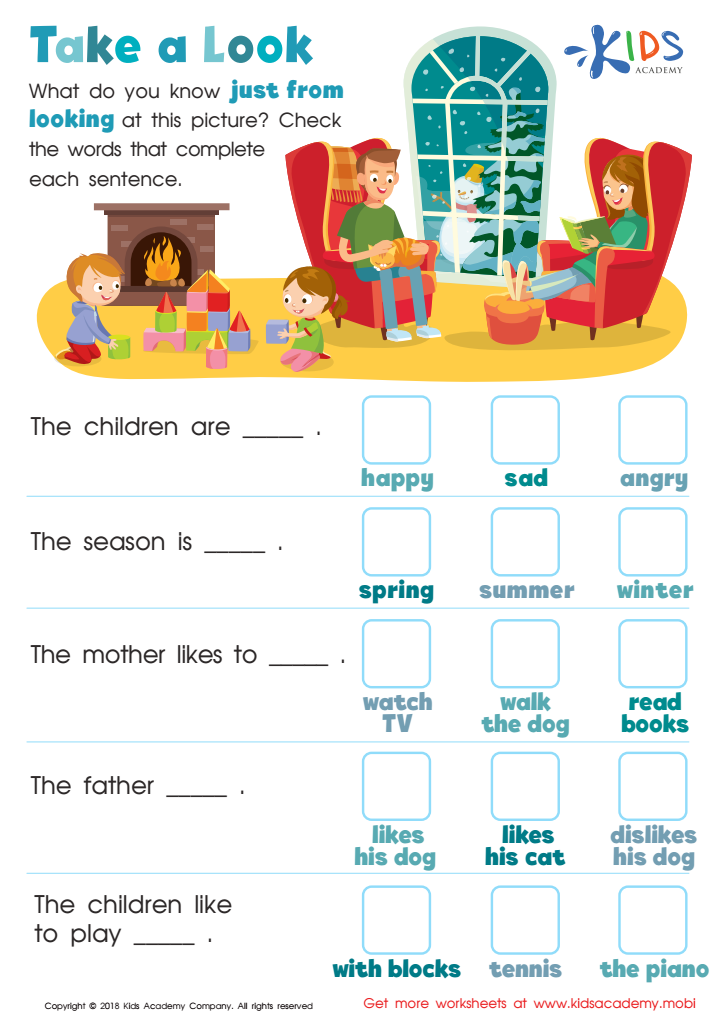
Take a Look - Part 1 Worksheet
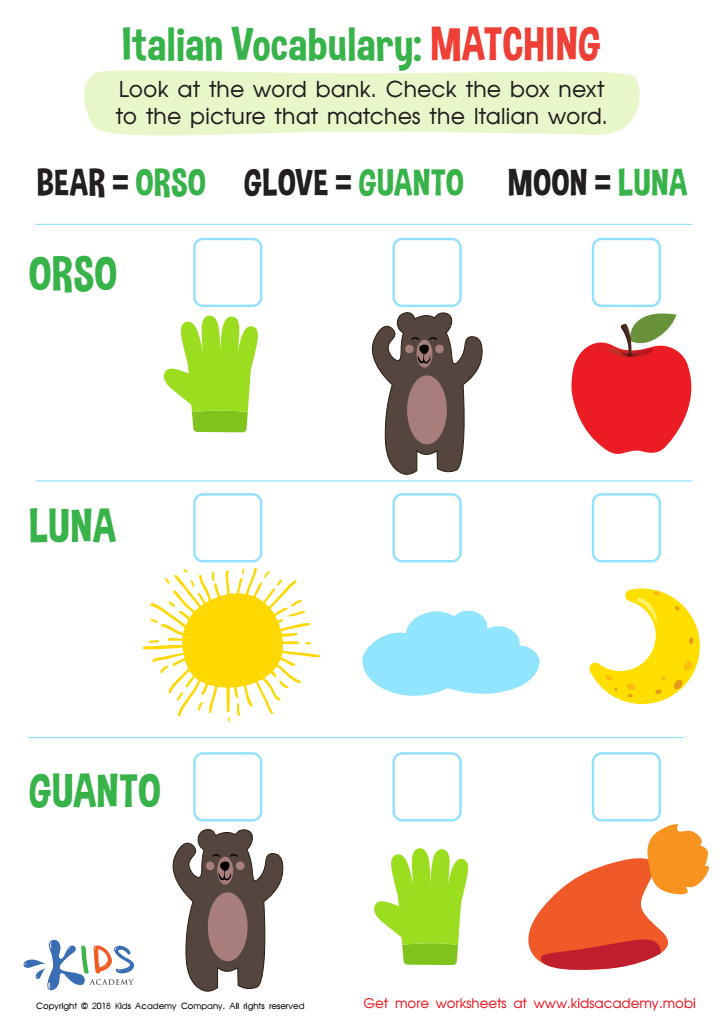
Italian Vocabulary Matching Worksheet
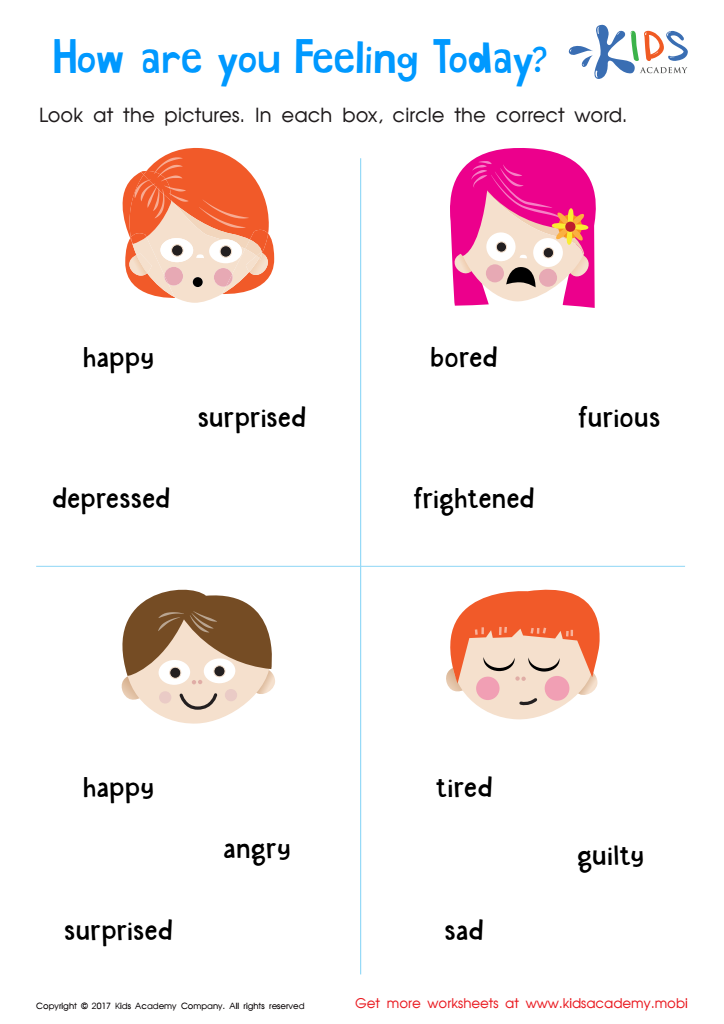
Understanding Feelings Worksheet
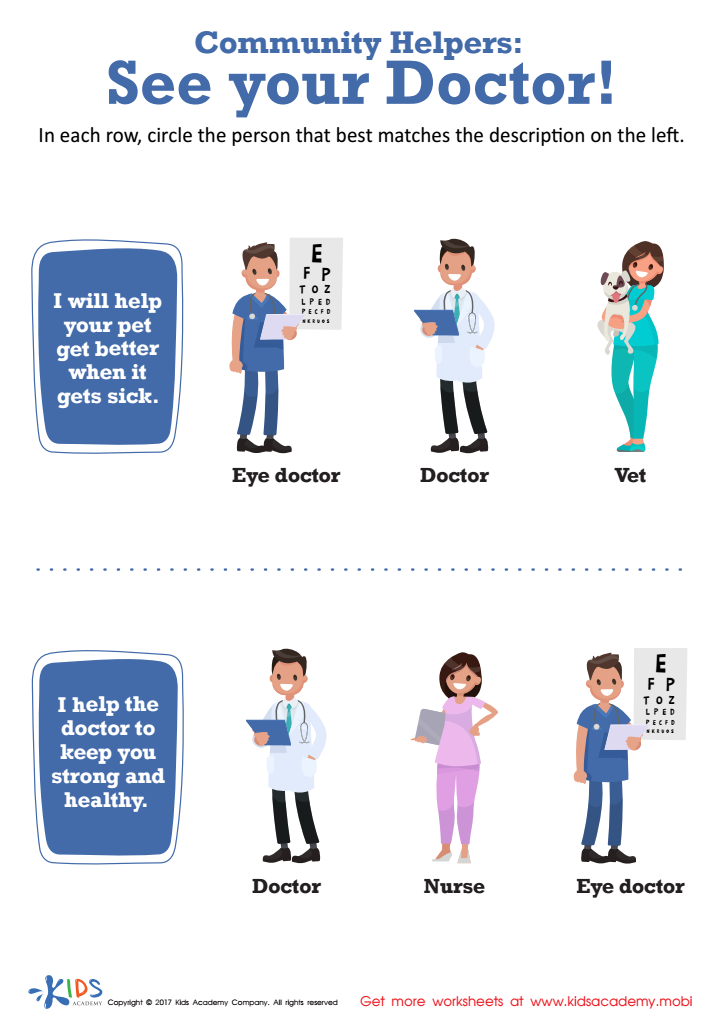
See Your Doctor (Part 2) Printable
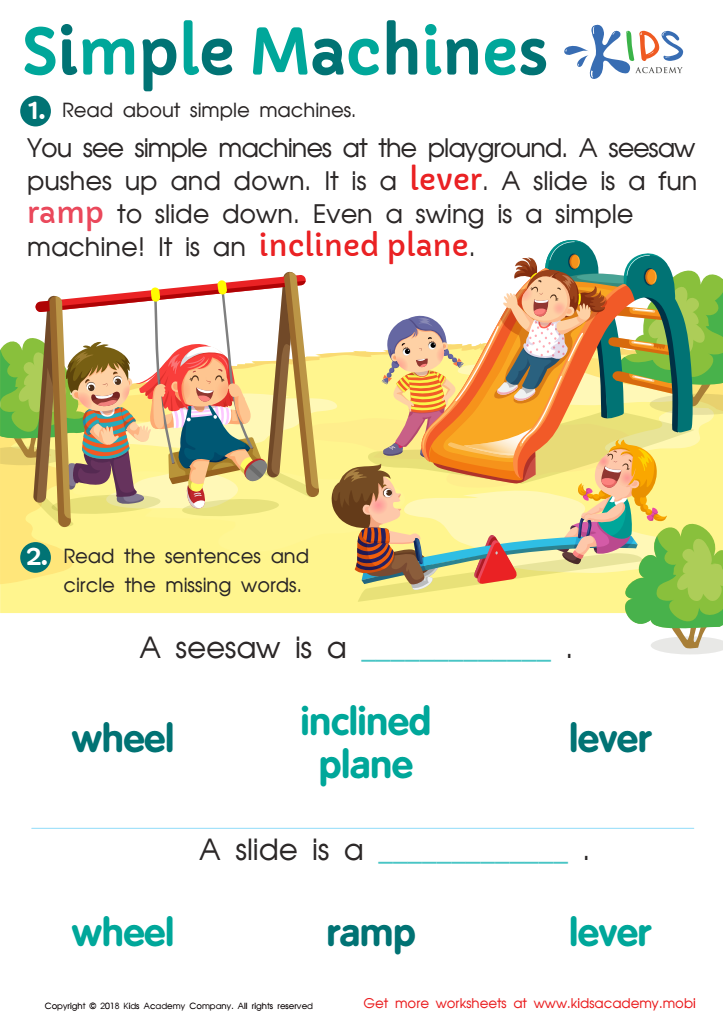
Simple Machines Worksheet
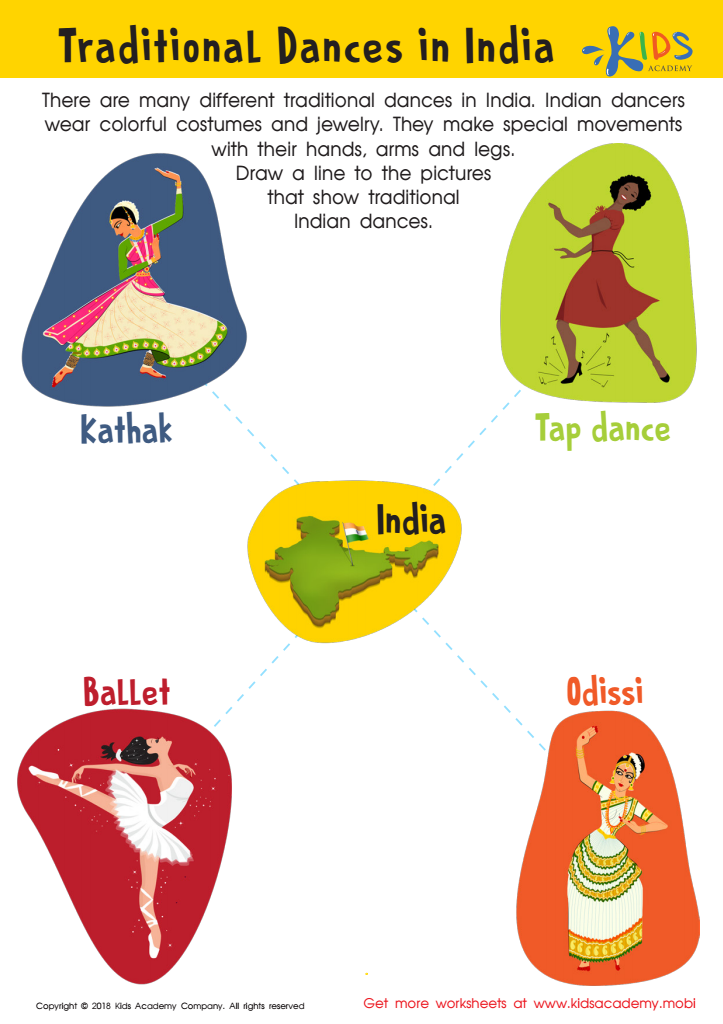
Traditional Dances in India Worksheet
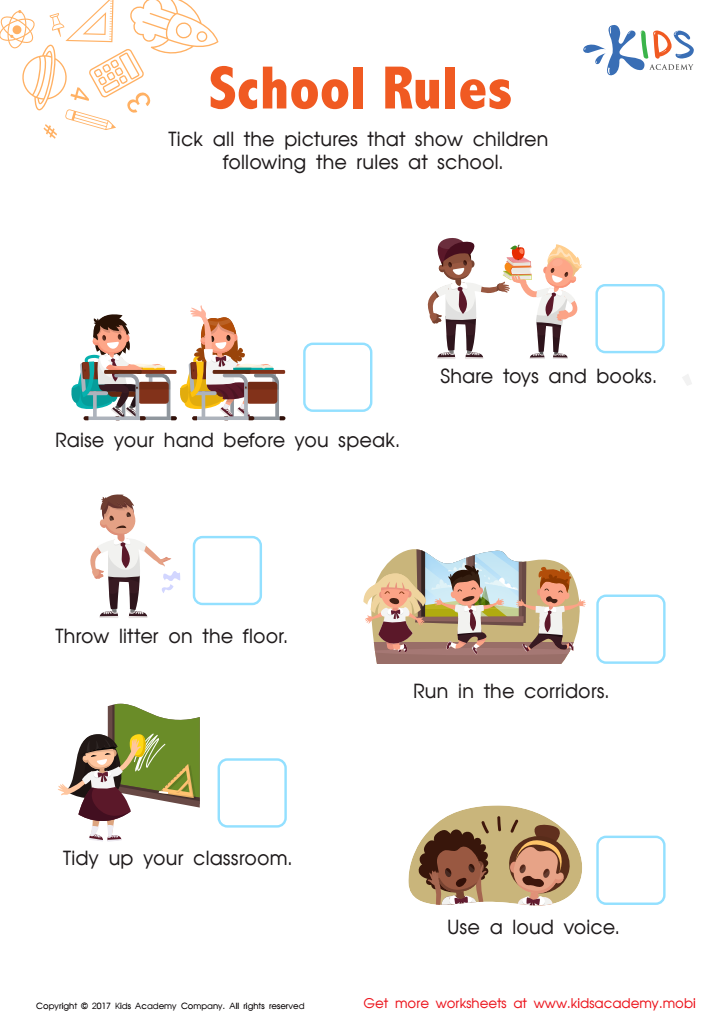
School Rules Worksheet
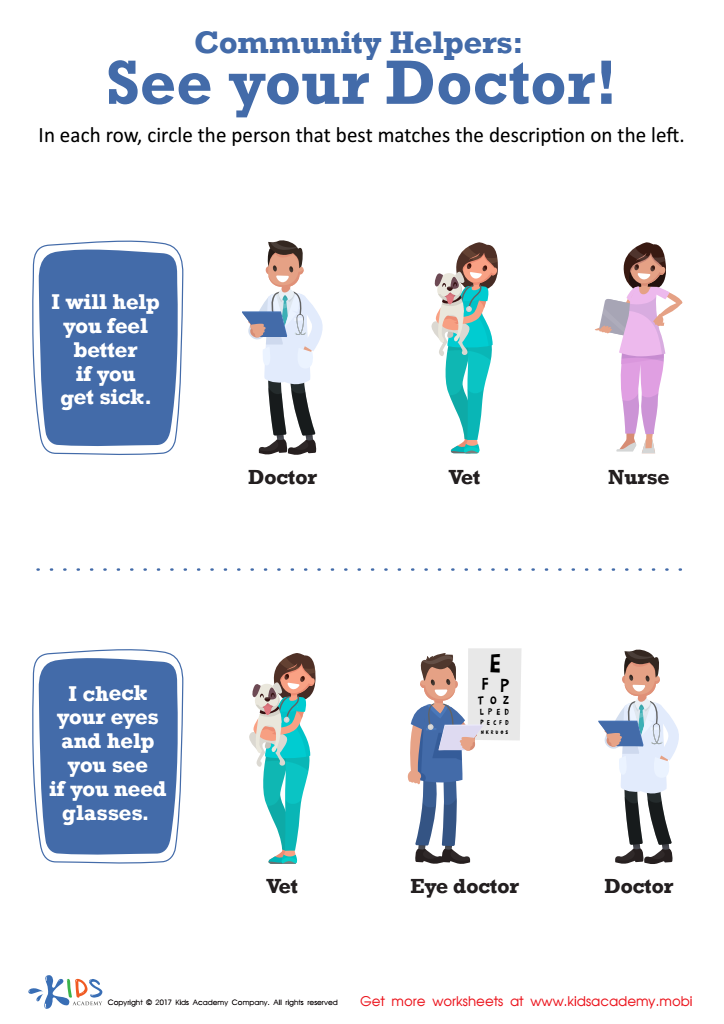
See Your Doctor (Part 1) Printable
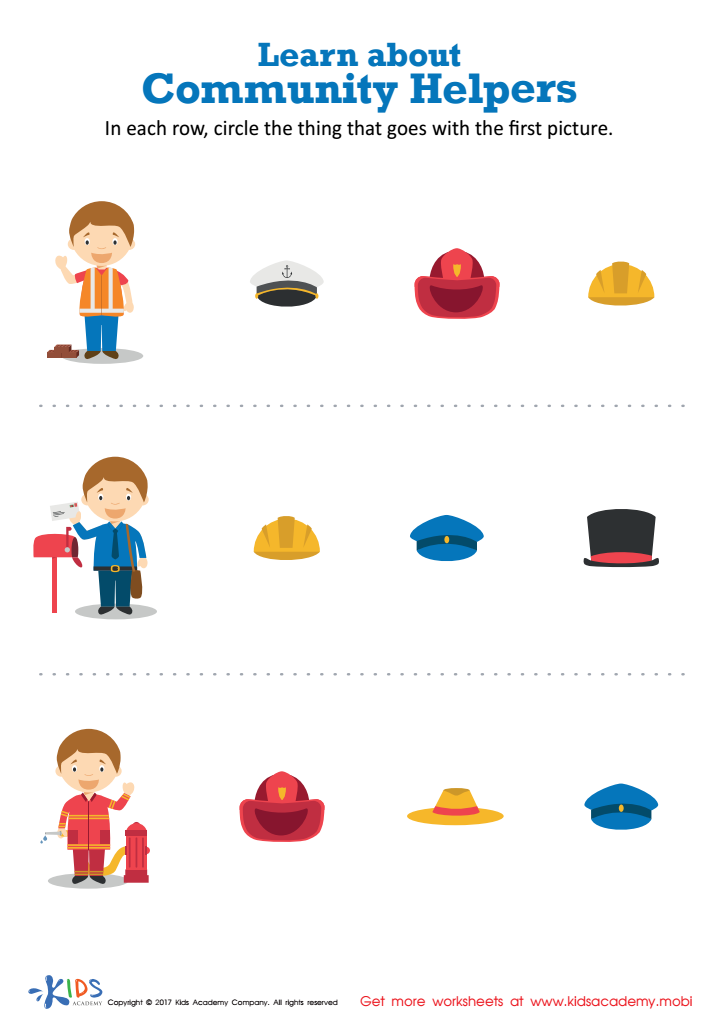
Learn about Community Helpers Printable
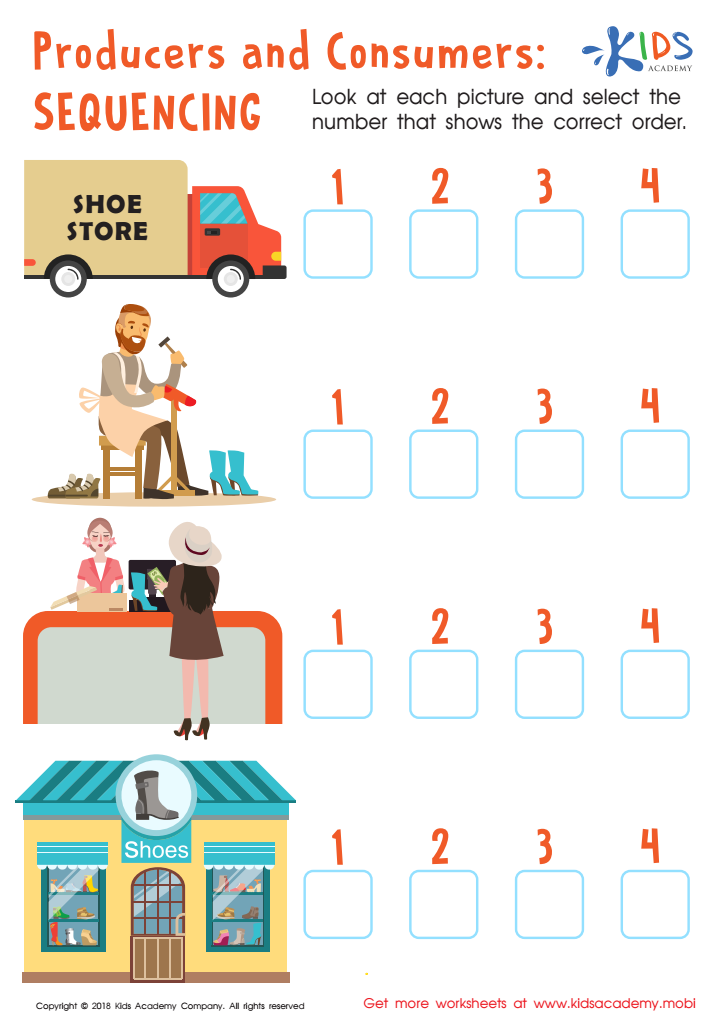
Producers and Consumers: Sequencing Worksheet
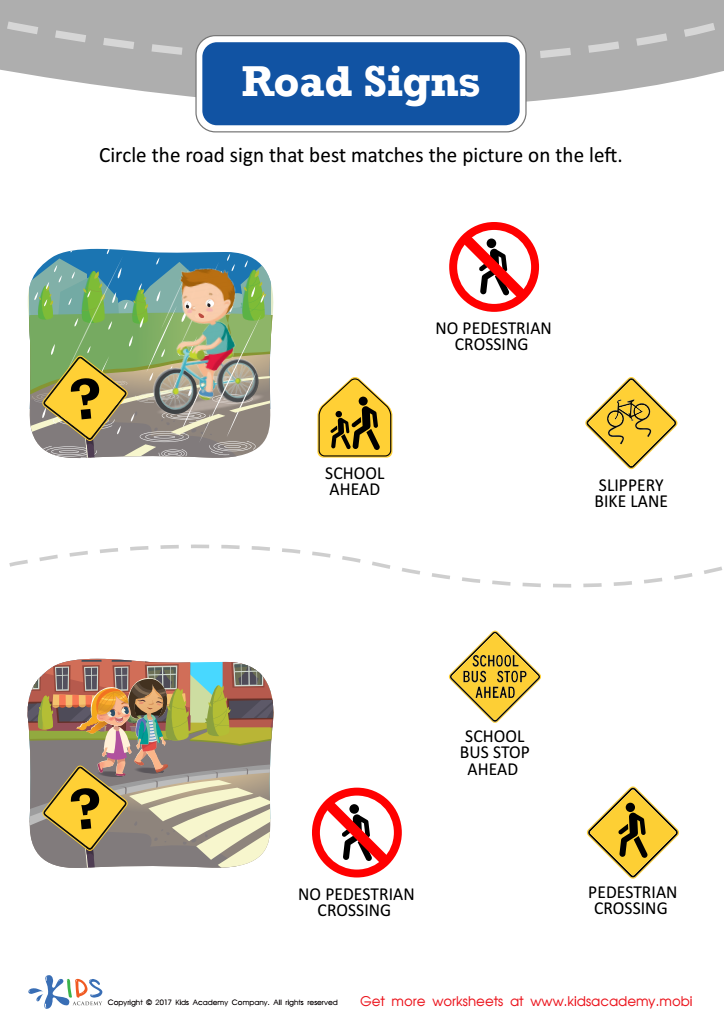
Road Signs (Part 2) Printable






Parents and teachers should care about community for children aged 7-9 because it's crucial for their social, emotional, and cognitive development. At this age, children are honing their ability to connect with others and form relationships. A strong sense of community provides them with a safe environment where they can explore these connections. When children feel part of a community, it fosters a sense of belonging, confidence, and care for others, which are vital for their overall emotional well-being.
Community involvement can enhance learning experiences. Through activities like service projects or group events, students can apply academic skills in real-world contexts, promoting critical thinking and teamwork. Exposure to diverse perspectives within the community helps cultivate empathy and respect for differences.
Moreover, collaborative experiences encourage children to practice important social skills such as communication, negotiation, and problem-solving, which are essential both in school and later in life. When parents and teachers actively engage in building a nurturing community, they support children in developing a holistic understanding of social responsibility and the importance of contributing positively to the world around them. Ultimately, fostering community helps shape well-rounded, compassionate individuals.








