History Worksheets for Ages 7-9 - Page 4
85 filtered results
-
From - To
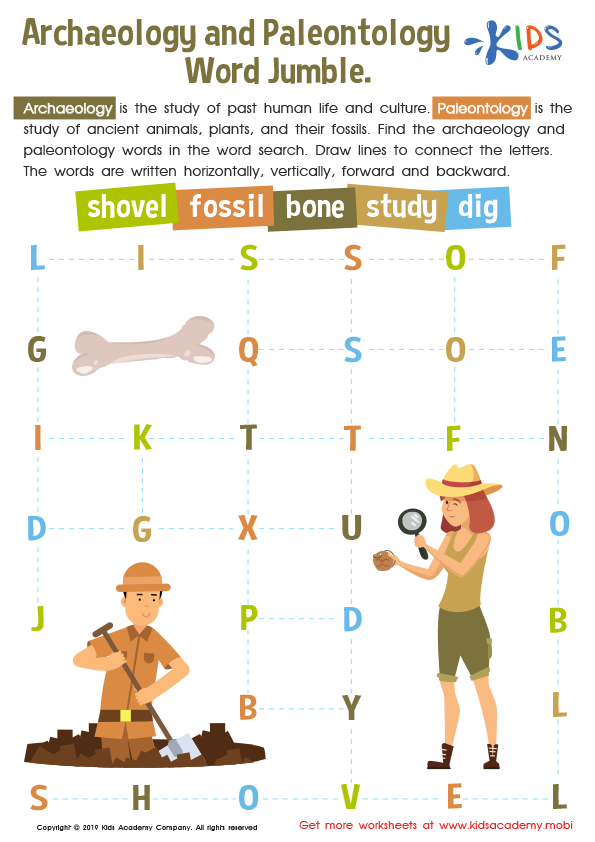
Archaeology and Paleontology Word Jumble Worksheet
 Assign to My Students
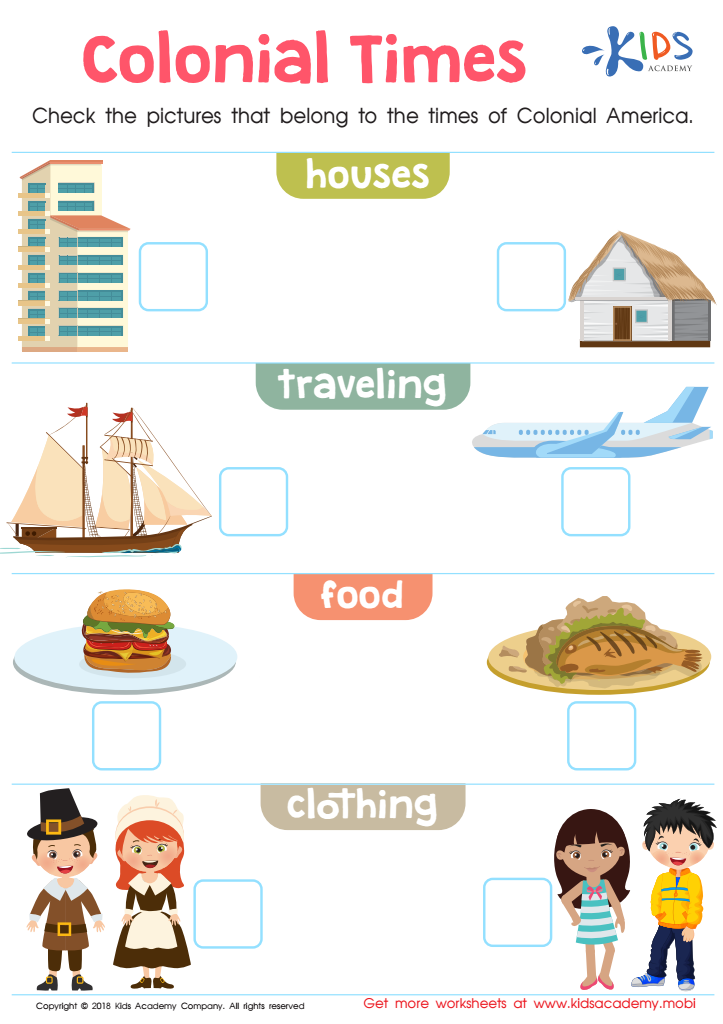
Colonial Times Worksheet
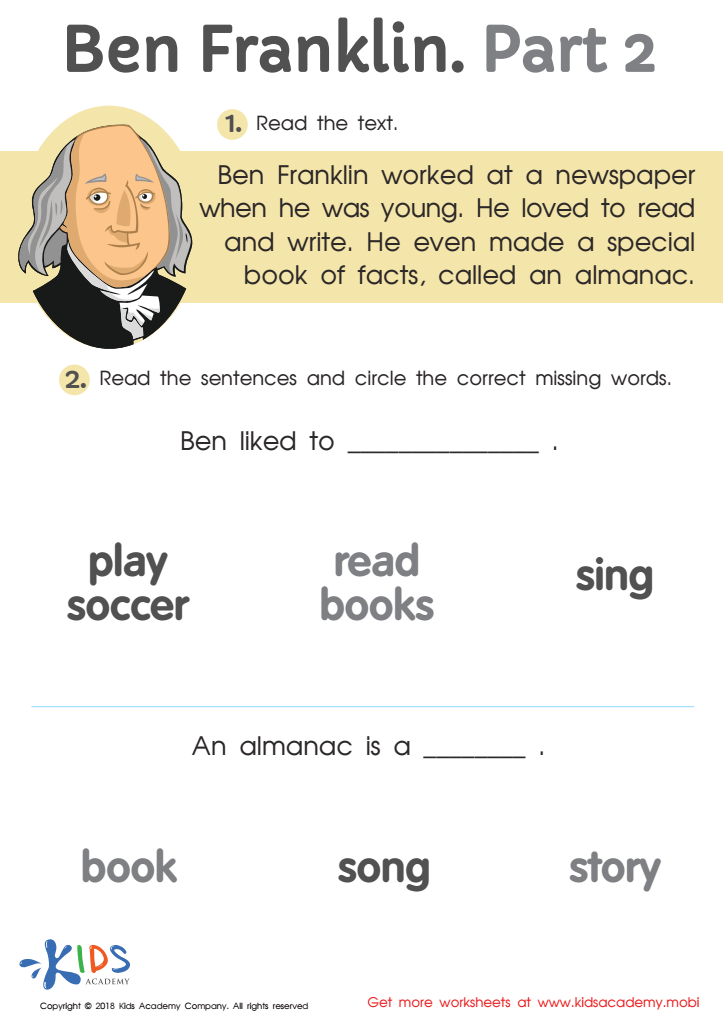
Ben Franklin Part 2 Worksheet
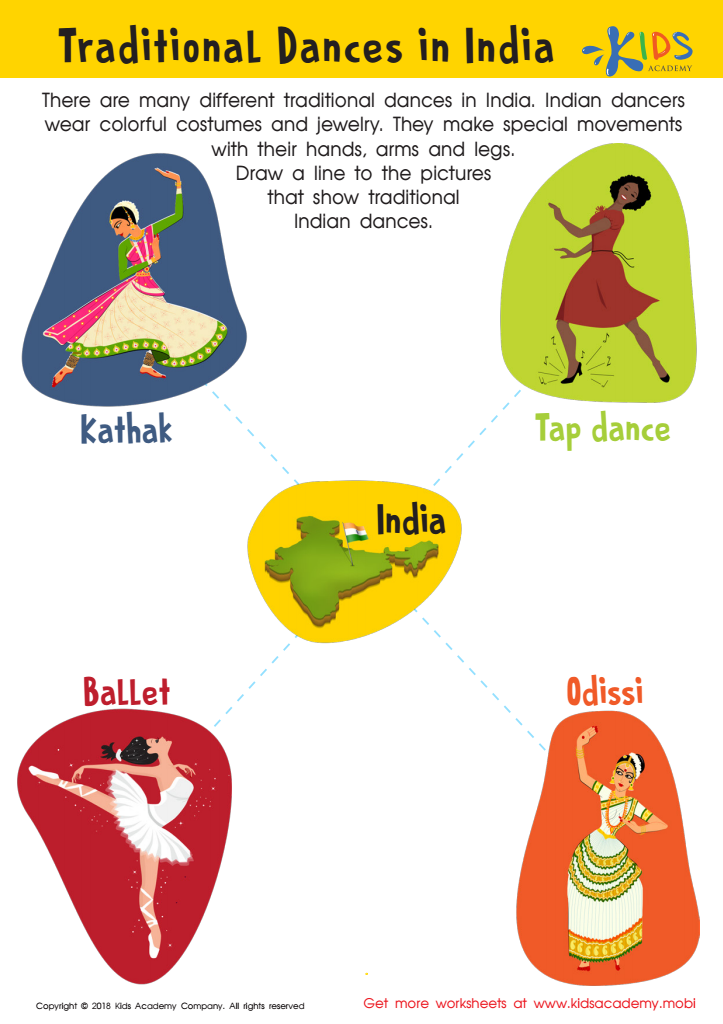
Traditional Dances in India Worksheet
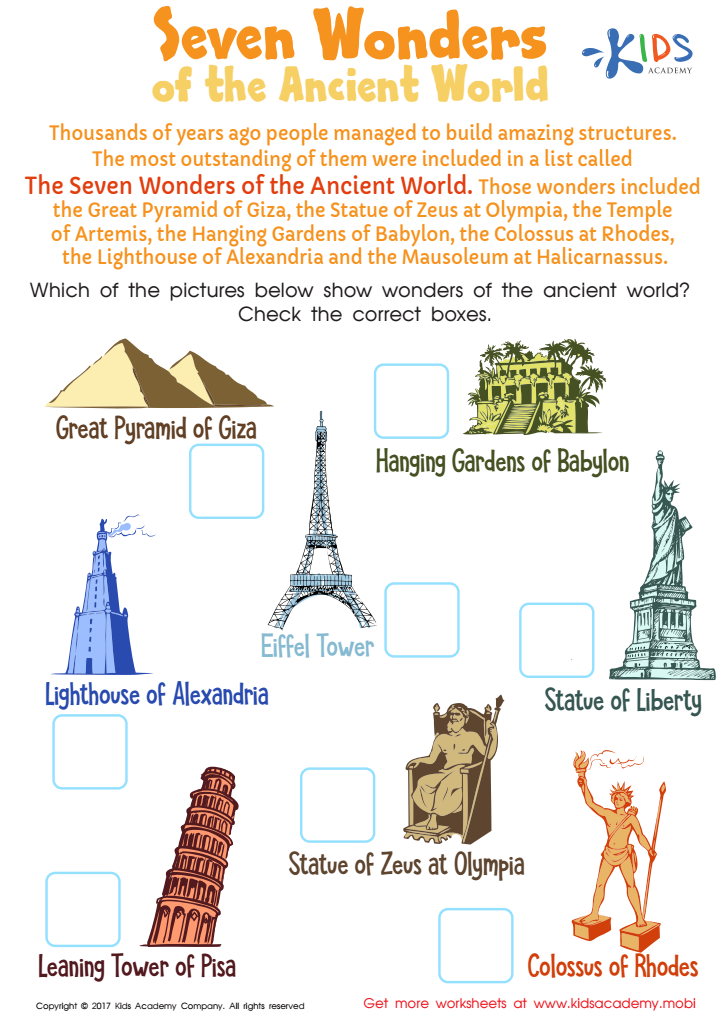
Seven Wonders of the Ancient World Worksheet
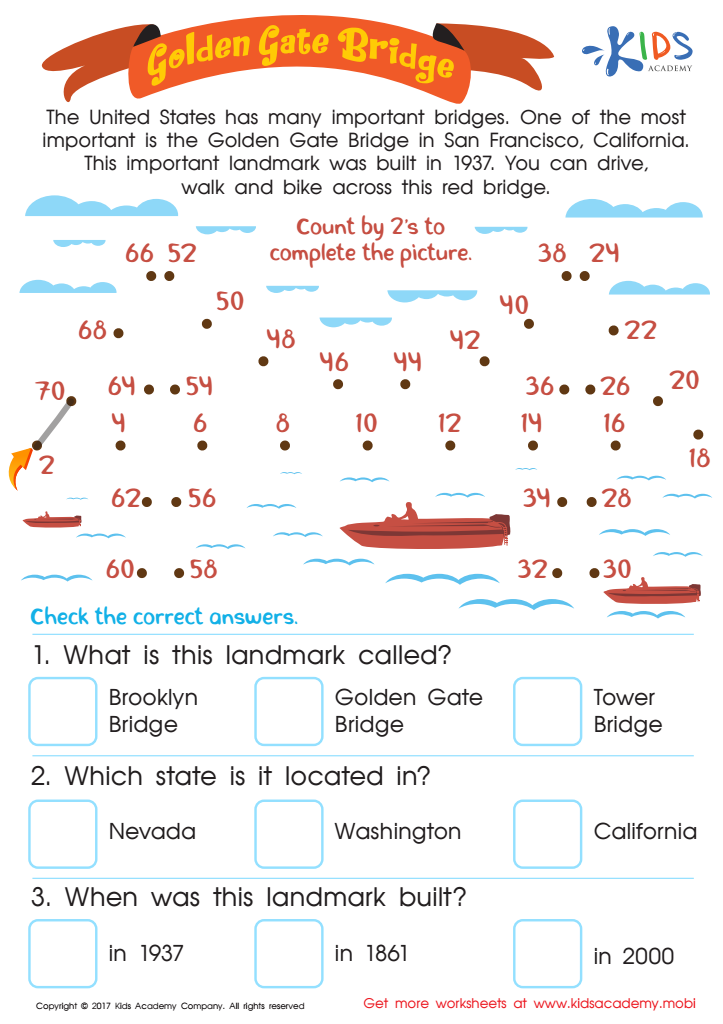
Golden Gate Bridge Worksheet
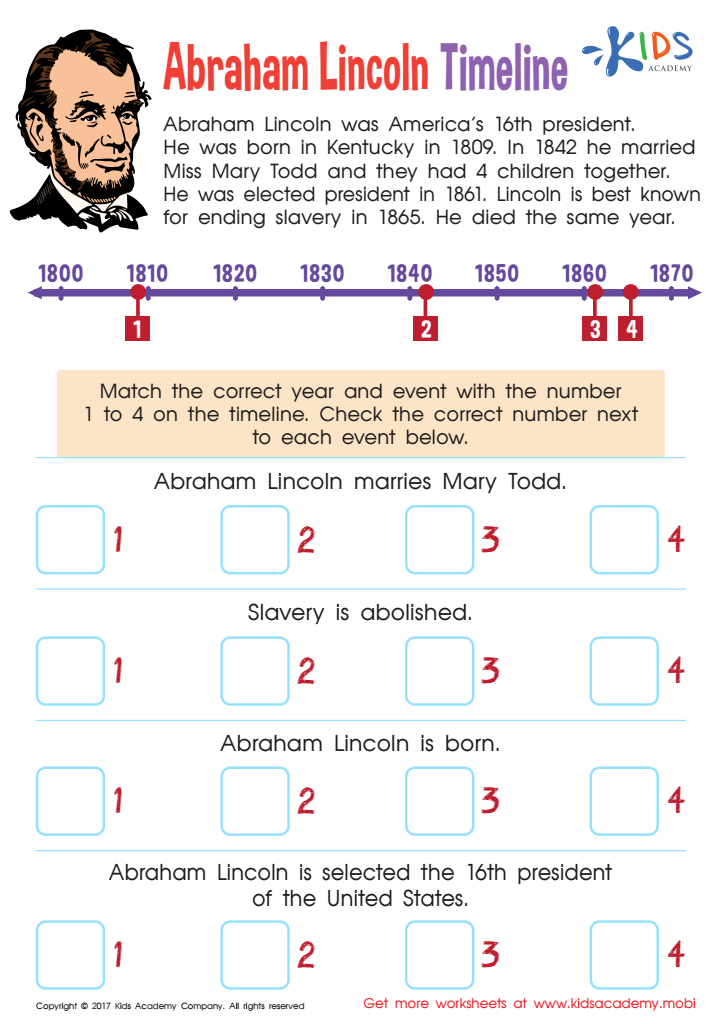
Abraham Lincoln Timeline Worksheet
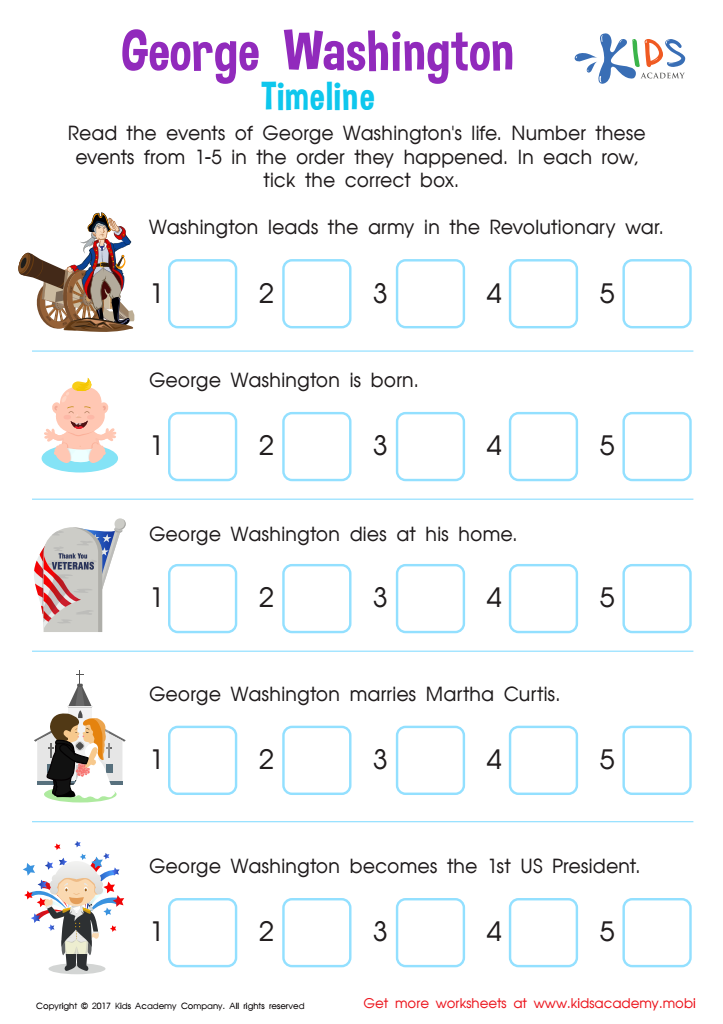
George Washington Timeline Worksheet
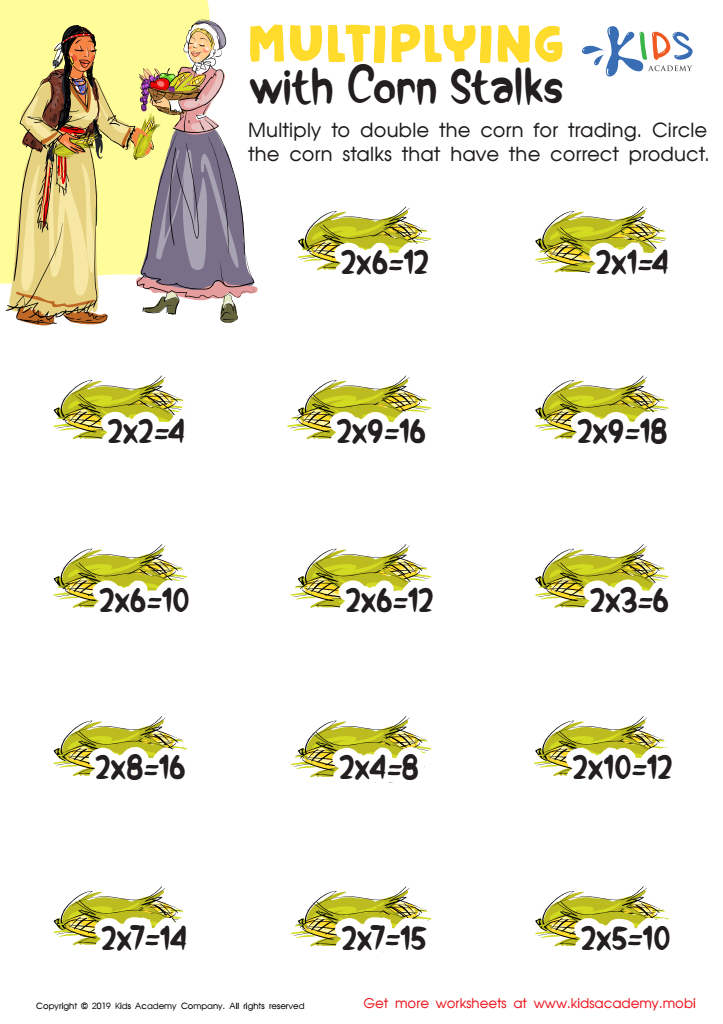
Multiplying With Corn Stalks Worksheet
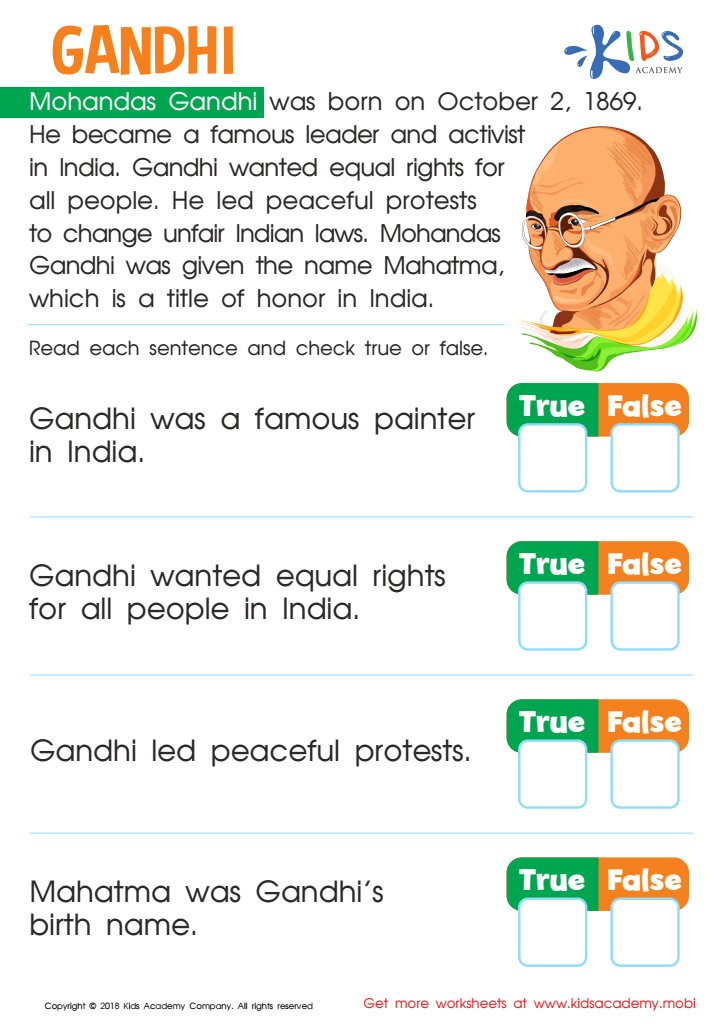
Gandhi Worksheet
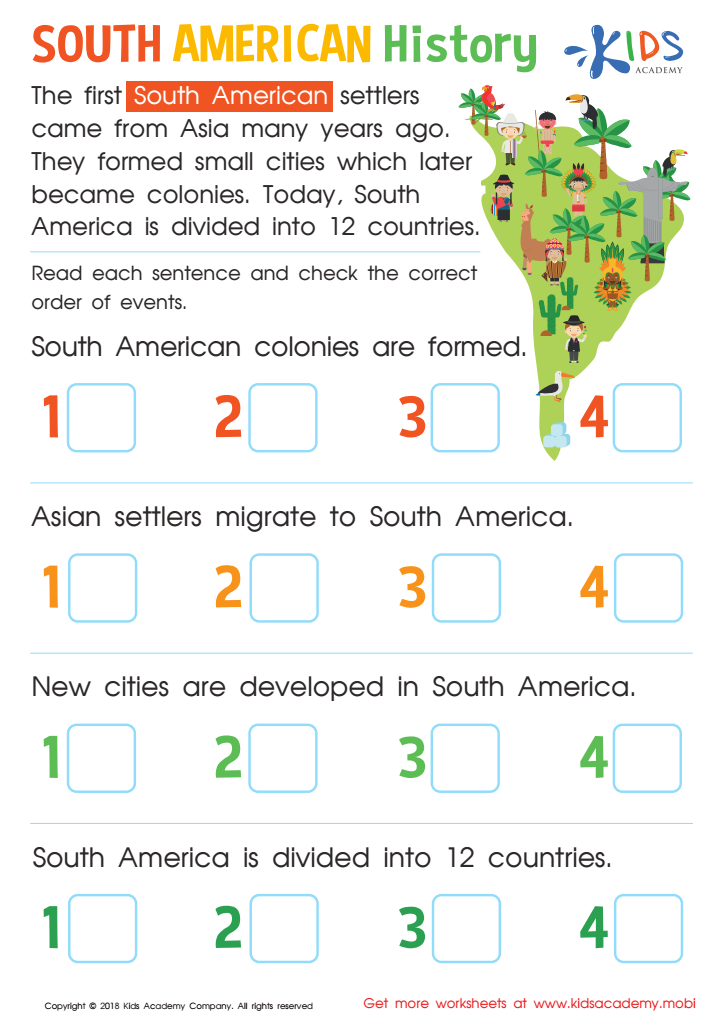
South American History Worksheet
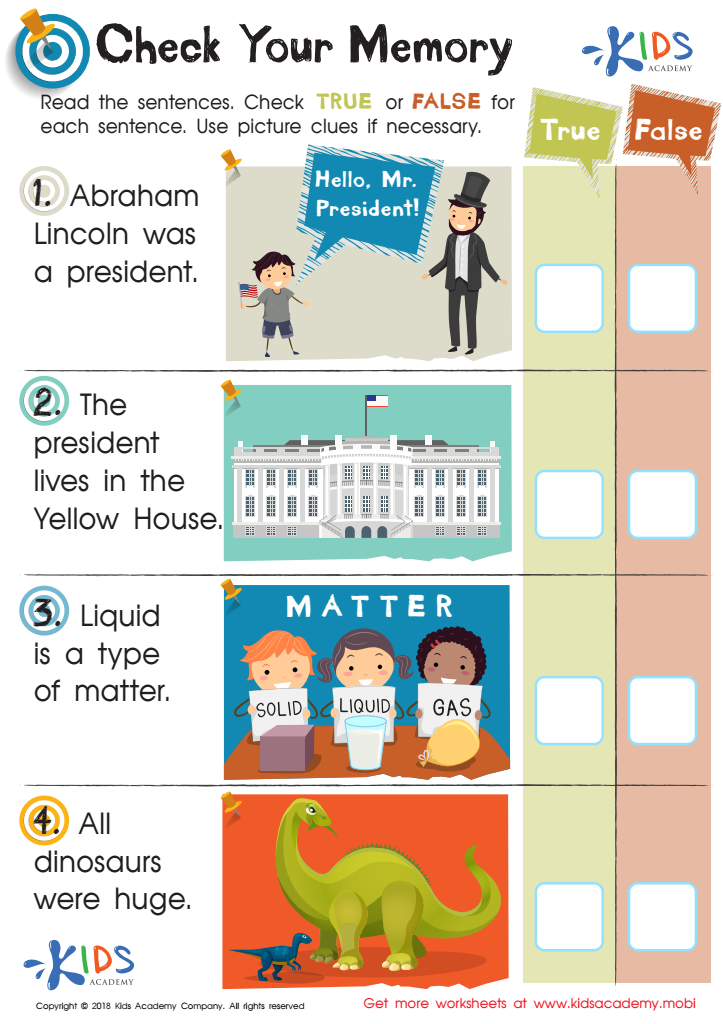
Check Memory Worksheet
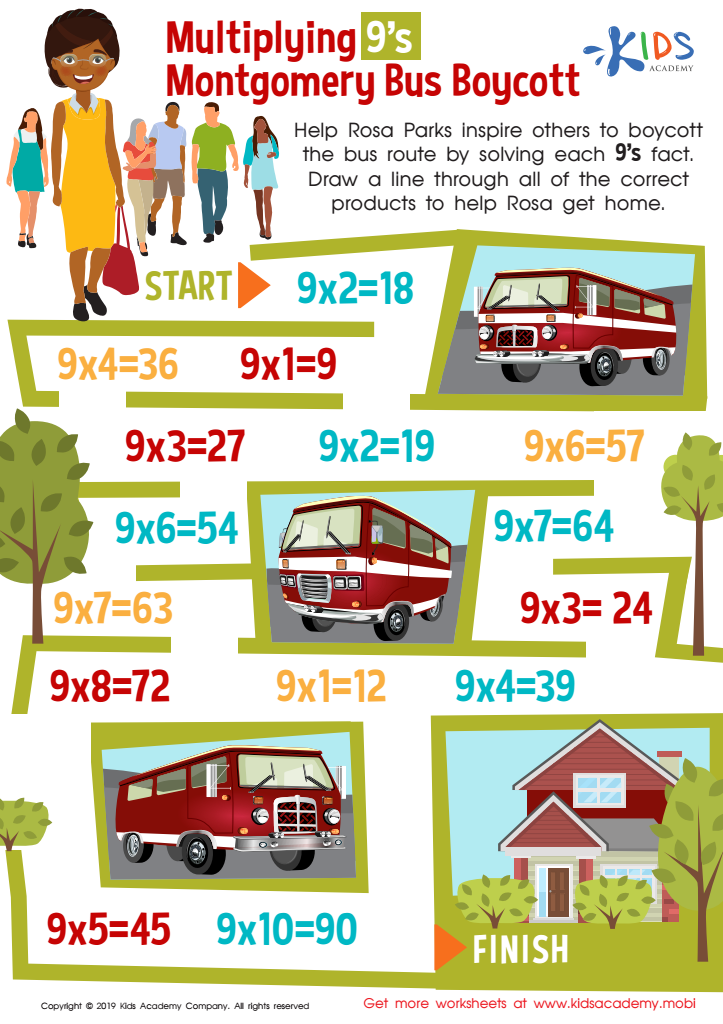
Multiplying 9’s Montgomery Bus Boycott Worksheet



.jpg)




Parents and teachers should care about teaching history to children aged 7-9 for several important reasons. At this age, children begin to form their understanding of the world around them, and history provides a foundation for this comprehension. Learning about historical events, figures, and cultures helps children develop critical thinking skills, allowing them to analyze situations, understand cause and effect, and draw connections between past and present.
History also fosters a sense of identity and belonging. It can instill pride in cultural heritage and highlight the diversity of experiences that shape our society. By learning about different perspectives, children develop empathy and respect for others, crucial qualities in our increasingly multicultural world.
Additionally, history promotes literacy and communication skills. Engaging with stories from the past enriches vocabulary and encourages discussions, debates, and written reflections. This enhances reading and writing abilities, vital components of a child’s educational journey.
Ultimately, understanding history equips children with lessons on resilience, collaboration, and problem-solving, essential for navigating the future. By investing in history education, parents and teachers empower young learners to be informed, responsible, and compassionate members of society.








