Learning and Homeschool Alphabet Worksheets With Answers for Kids - Page 9
356 filtered results
Difficulty Level
Grade
Age
-
From - To
Subject
Activity
Standards
Favorites
With answer key
Interactive
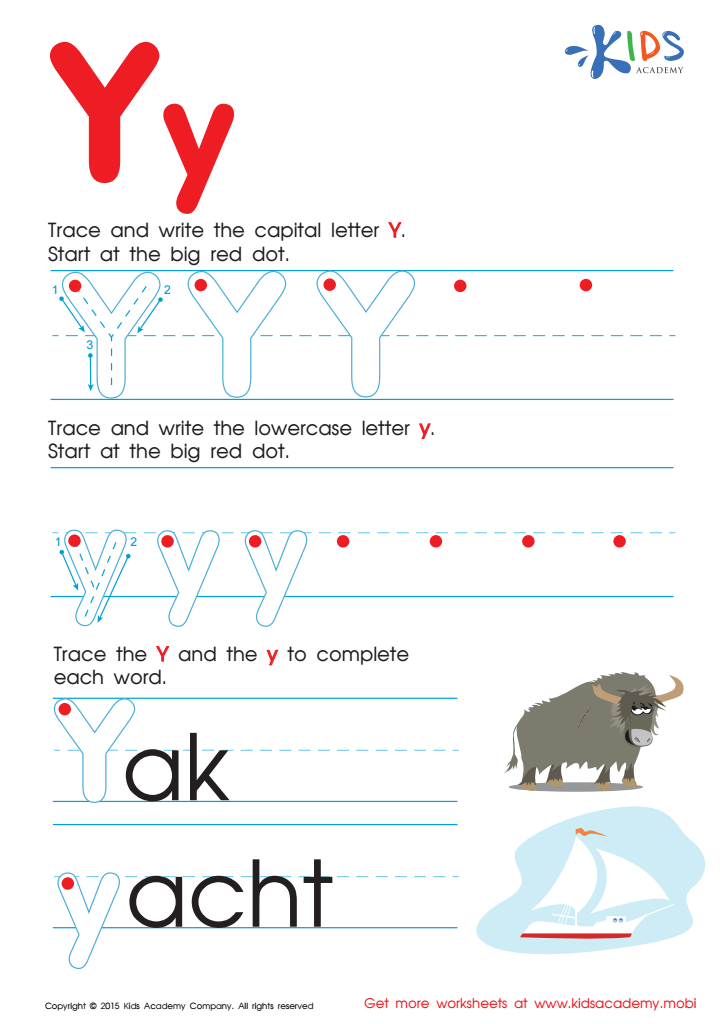
Letter Y Tracing Page
Trace the capital letter "Y" on the red dot, then trace and write the lowercase letter. Complete the words to help the Yak walk and the yacht swim. More worksheets at Kids Academy.
 Assign to My Students
Letter Y Tracing Page
Worksheet
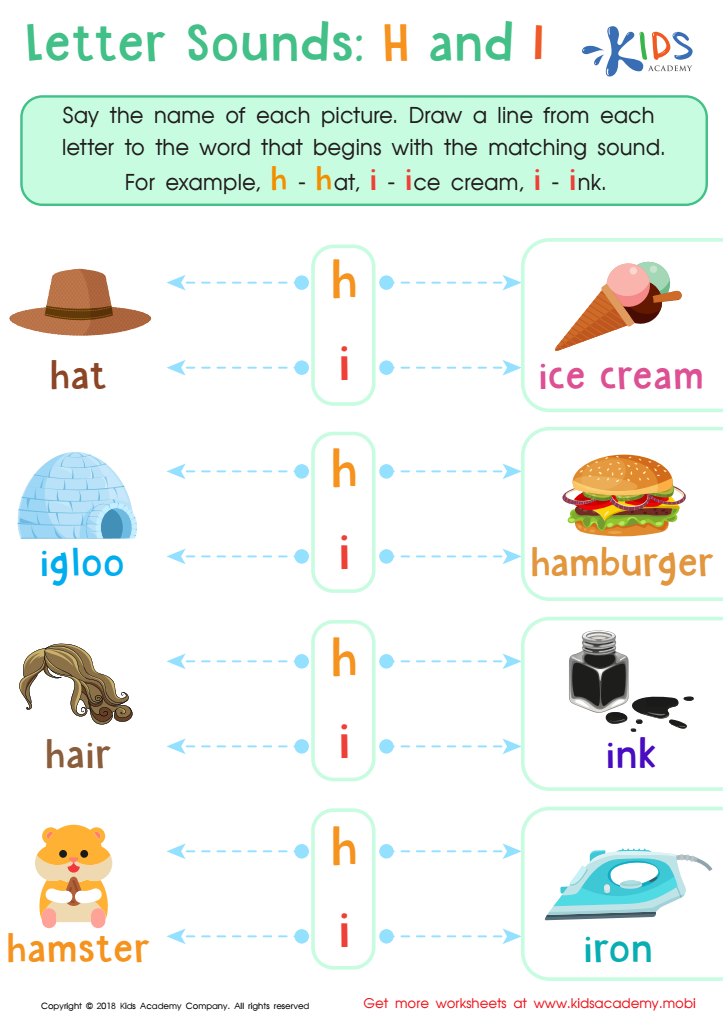
Letter H and I Sounds Worksheet
Preschoolers will have fun and develop reading and writing skills at the same time! They'll use pictures to recognize familiar words and differentiate between 'H' and 'I' sounds. Then they'll trace lines to connect each sound to the picture, improving their fine-motor skills. Bright and cheerful visuals make learning a breeze!
Letter H and I Sounds Worksheet
Worksheet
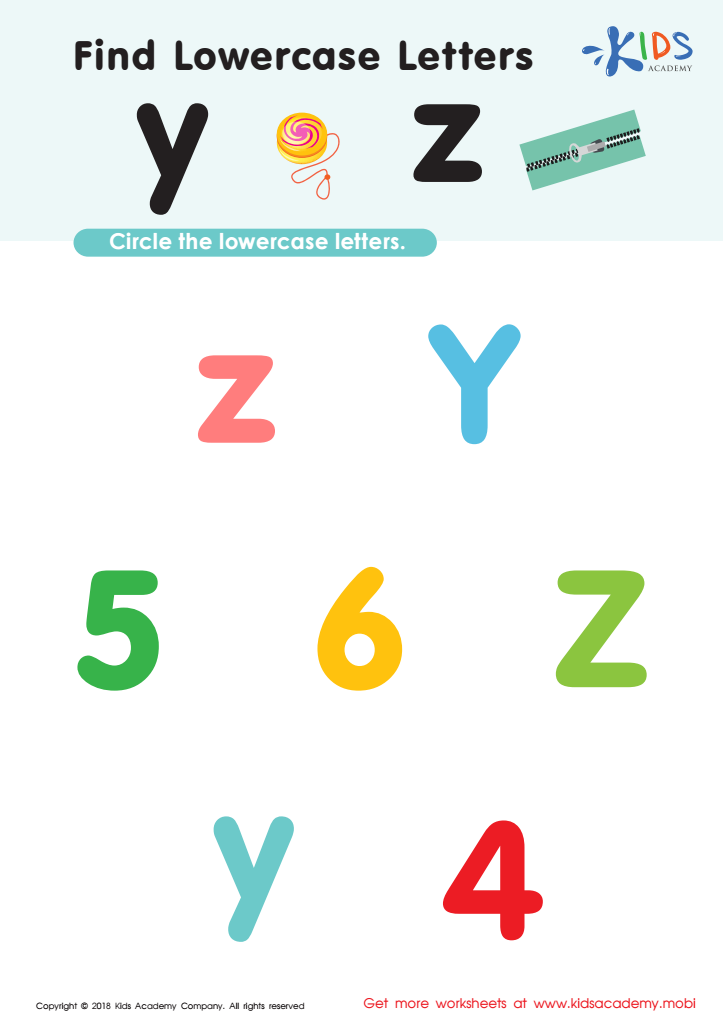
Find Lowercase Letters y z Worksheet
Help your kid learn the alphabet. Before they can move on to words and reading, they must first know the lower and uppercase letters. Show them how to find the letters y and z in this worksheet, which is filled with uppercase letters and numbers. Together, find and circle them.
Find Lowercase Letters y z Worksheet
Worksheet
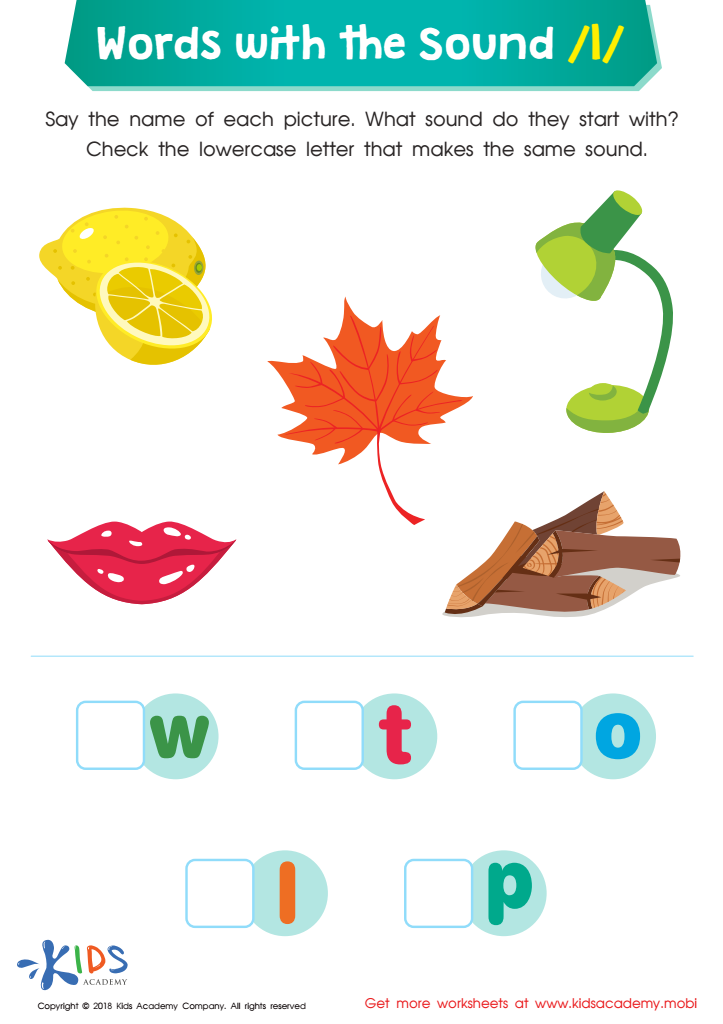
Words with Sound L Reading Worksheet
This PDF worksheet is great for helping emerging readers isolate initial sounds. Kids name familiar pictures, then identify the correct letter for the "l" sound. This worksheet strengthens fine motor skills, plus builds visual discernment. It's fun and colorful too!
Words with Sound L Reading Worksheet
Worksheet
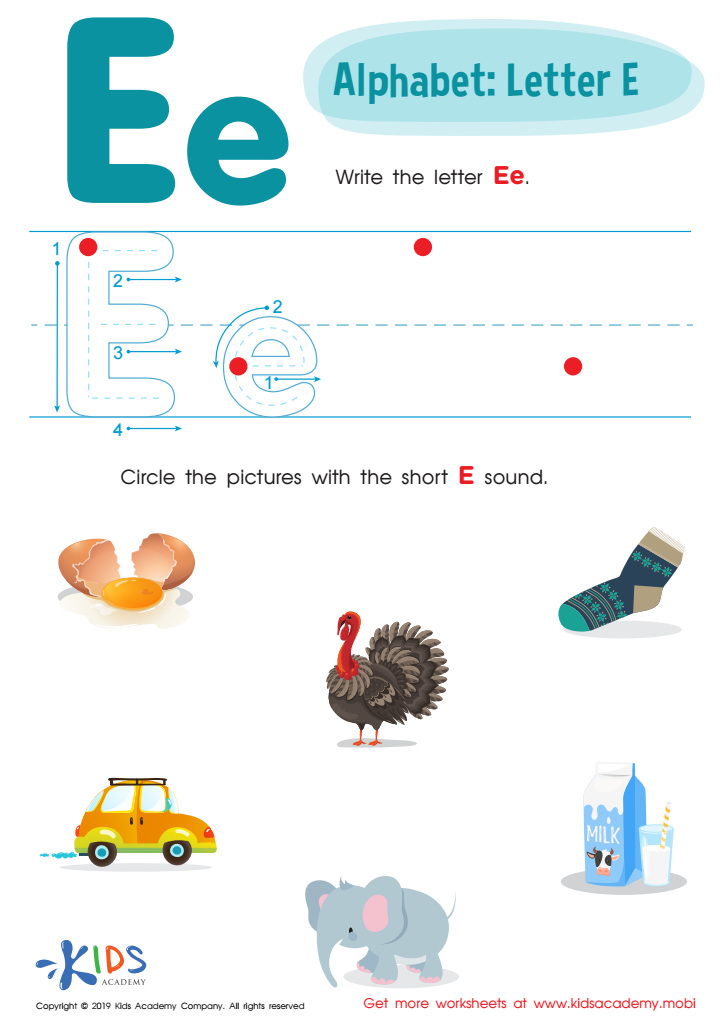
Letter E Tracing Worksheet
Students trace and write uppercase and lowercase letter E. They sound out "E" words, choosing those with short "E" sounds. Preschoolers identify the difference between the 'E' sounds in words like "egg" and "turkey." A tracing sheet helps them to understand.
Letter E Tracing Worksheet
Worksheet
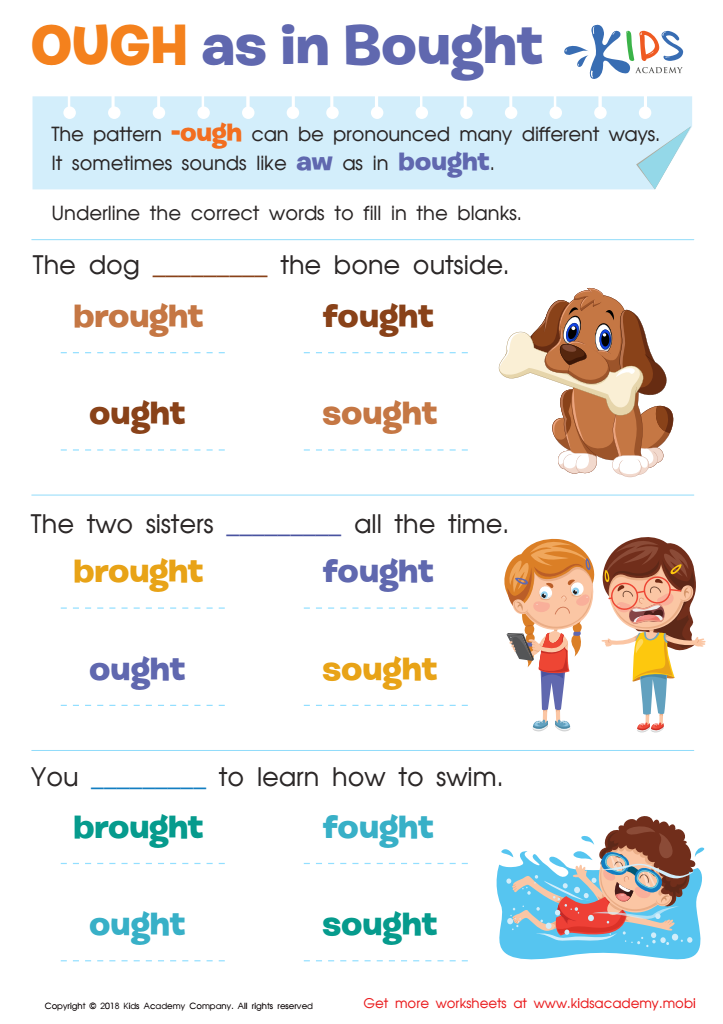
OUGH as in Bought Worksheet
Use this worksheet to teach your child the different pronunciations of -ough. For example, -ough can sound like ‘aw’ in ‘bought’. Ask your child to give more examples and help them underline the correct answers to fill in the blanks.
OUGH as in Bought Worksheet
Worksheet
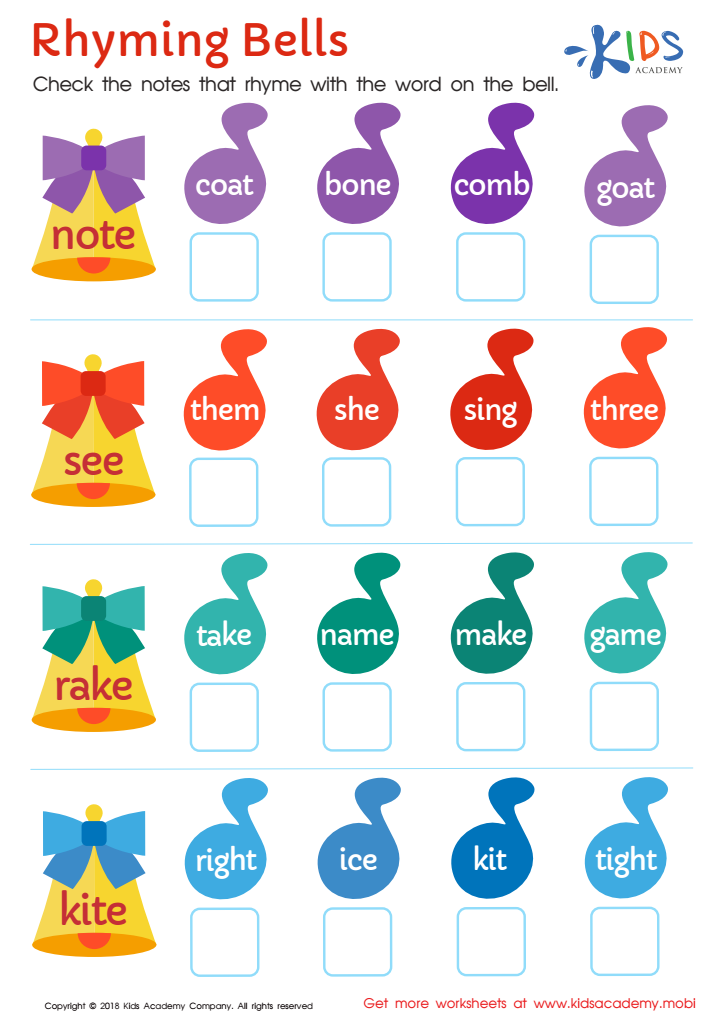
Rhyming Bells Worksheet
This printable worksheet helps students recognize rhyming words. Read a word, then pick the 4 words that rhyme. Look out for words with different spellings but same ending sound. It's a great exercise to improve understanding of rhyming words.
Rhyming Bells Worksheet
Worksheet
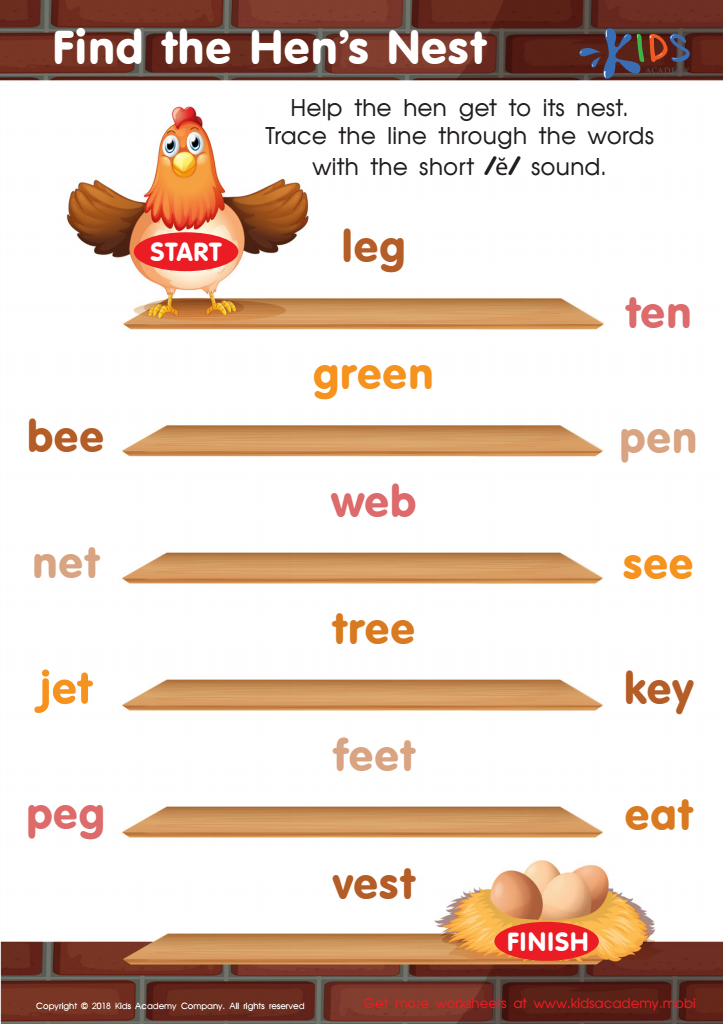
Find Hens Nest Reading Worksheet
Learning the short and long «e» sound can be tricky for kids just starting to learn the alphabet. Make it fun with this worksheet: it leads your kindergarten child to a hen's nest by following words with the short «e» sound. They'll be able to identify words with the sound by the end of the exercise.
Find Hens Nest Reading Worksheet
Worksheet
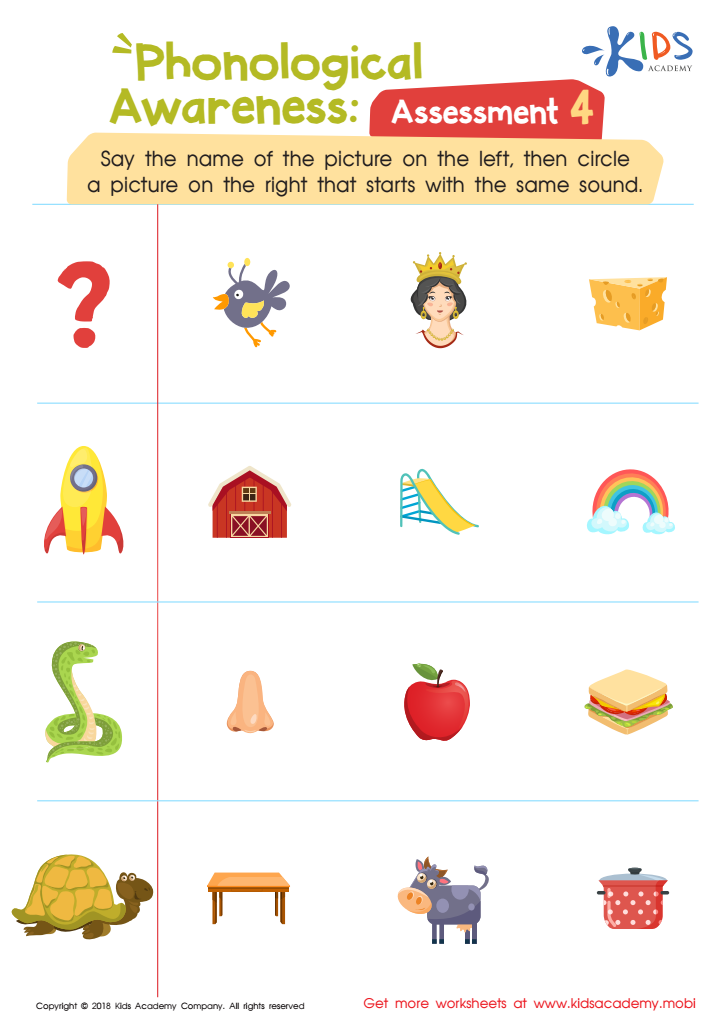
Phonological Awareness: Assessment 4 Worksheet
It can be tricky for young readers to differentiate between sounds in words. Make it fun with this downloadable worksheet! Ask your child to name each picture on the left and match the starting sound with an image on the right. This helps assess their phonics skills and make learning enjoyable.
Phonological Awareness: Assessment 4 Worksheet
Worksheet
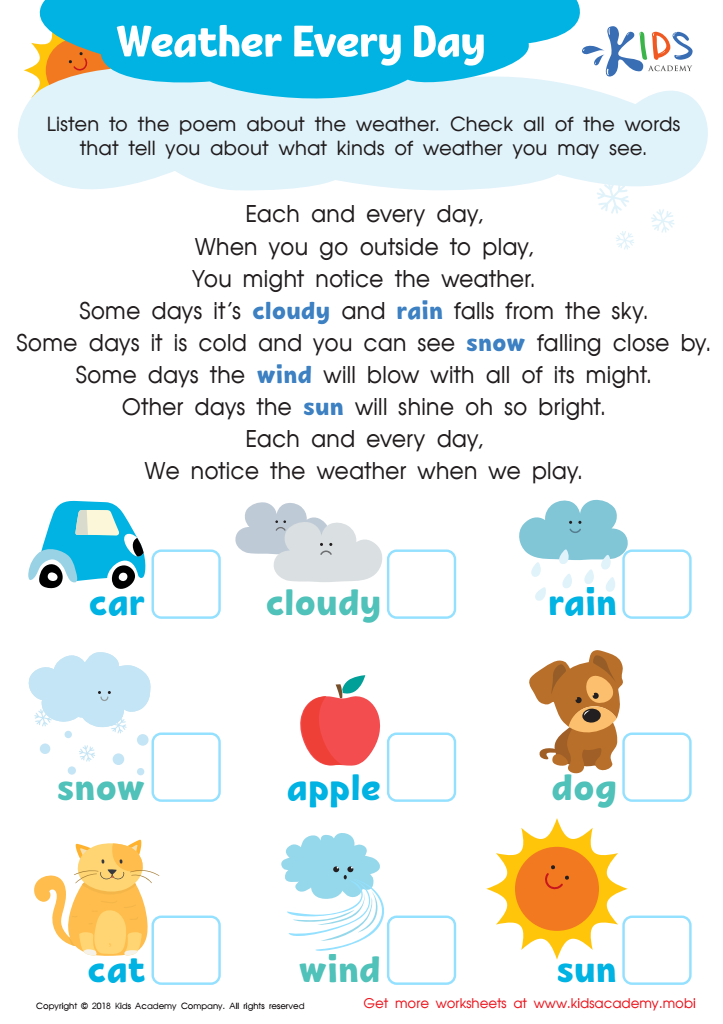
Weather Every Day Worksheet
Ask your child to look out the window and tell you what the weather's like. Is it raining, stormy, cloudy, snowing or sunny? Help them observe all the different types of weather and then check the words at the bottom of the worksheet. What's their favorite type of weather? Read them this poem about the weather and see what they think!
Weather Every Day Worksheet
Worksheet
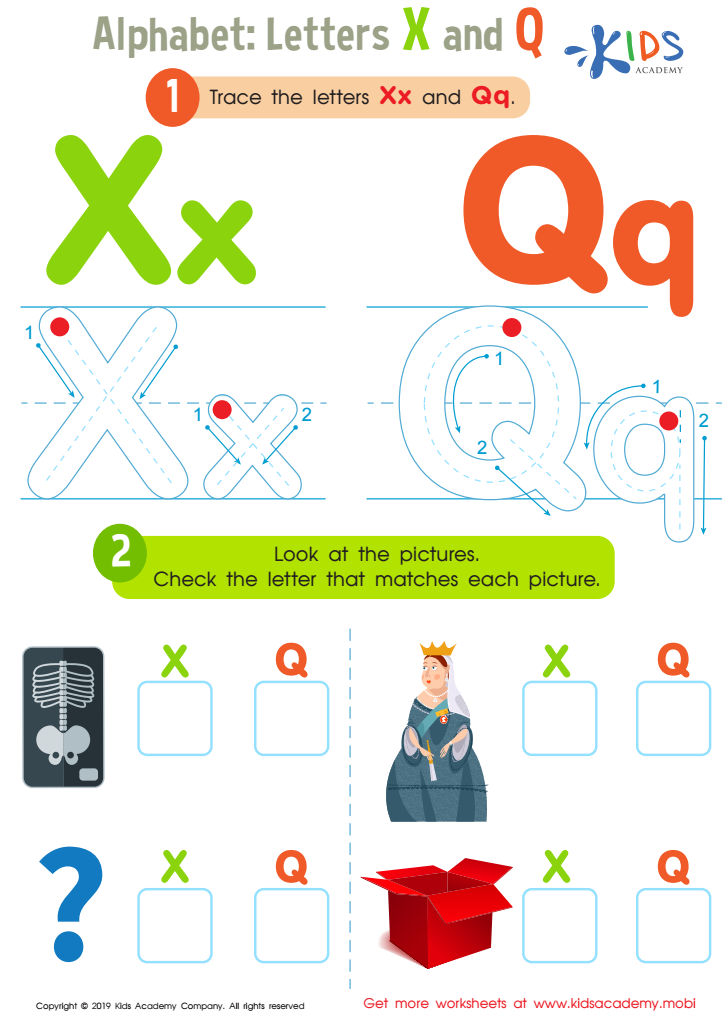
Letters X and Q Tracing Worksheet
Do you want your students to improve writing and letter recognition? This worksheet is a great place to start! Kids can trace the letters «X» and «Q» and identify pictures that match each letter. With a little encouragement, they'll do a great job!
Letters X and Q Tracing Worksheet
Worksheet
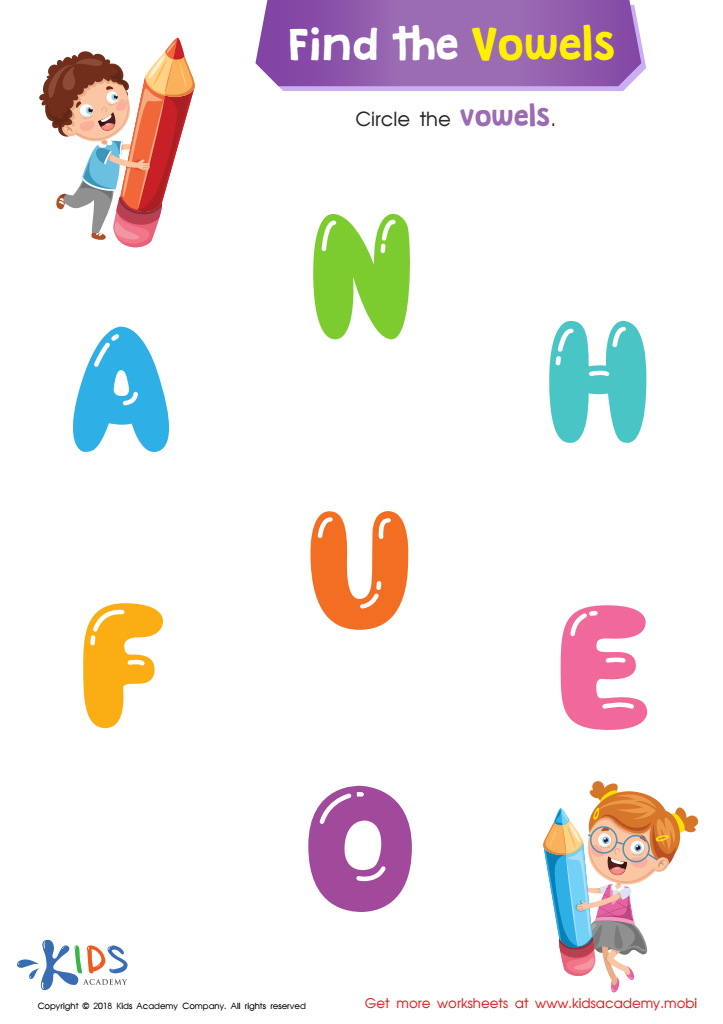
Find the Vowels Reading Worksheet
This worksheet helps kids identify vowels with bright colors and engaging activities to strengthen their visual discrimination and fine motor skills. Young learners will find it easy to succeed and be excited to keep reading!
Find the Vowels Reading Worksheet
Worksheet
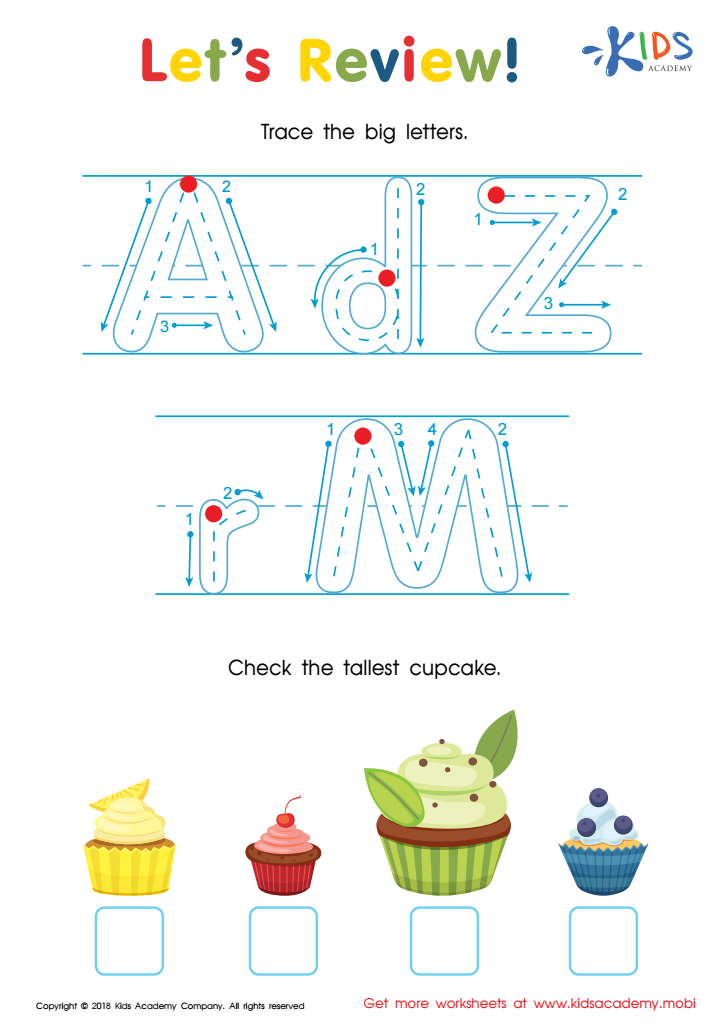
Let's Review! Big Letters Worksheet
Teach your child to read and write big and small letters with Kids Academy's tracing worksheet. Show them how to guide their pencil with each stroke. Reinforce their understanding with fun cupcake pictures and help them choose the tallest one. It's a great way to help them differentiate between uppercase and lowercase letters.
Let's Review! Big Letters Worksheet
Worksheet
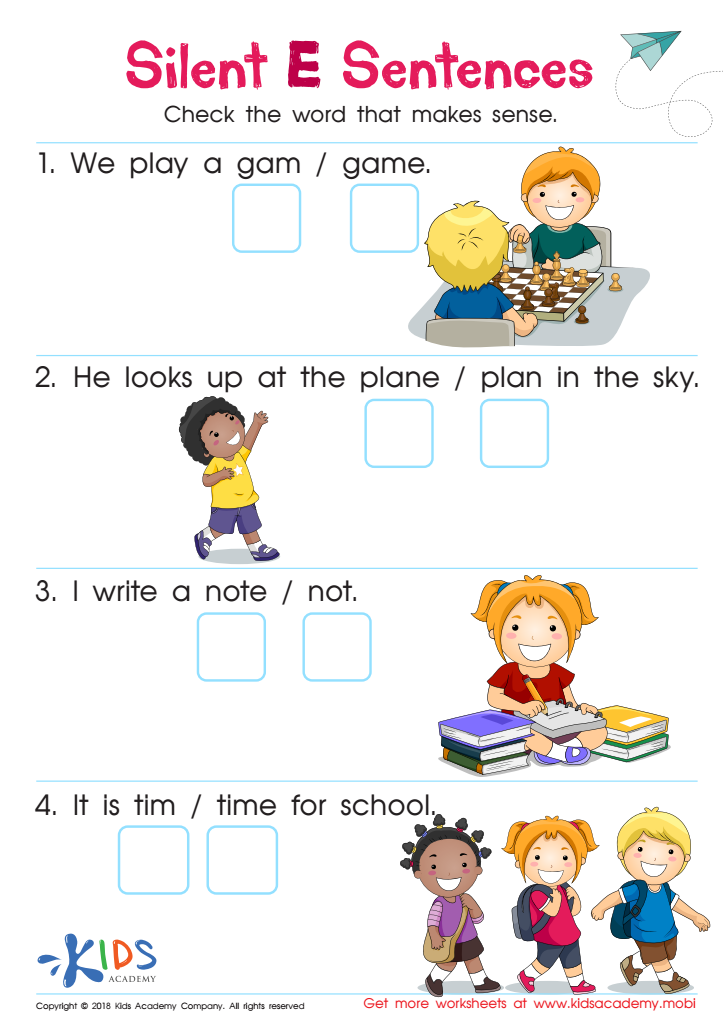
Silent E Sentences Worksheet
Young readers can find learning Silent E tricky, so this helpful worksheet can help! It teaches them to distinguish words that look the same but for the Silent E and choose the right word for sentence blanks. Kids can mark the correct answer and become familiar with closed syllables and words that require the E.
Silent E Sentences Worksheet
Worksheet
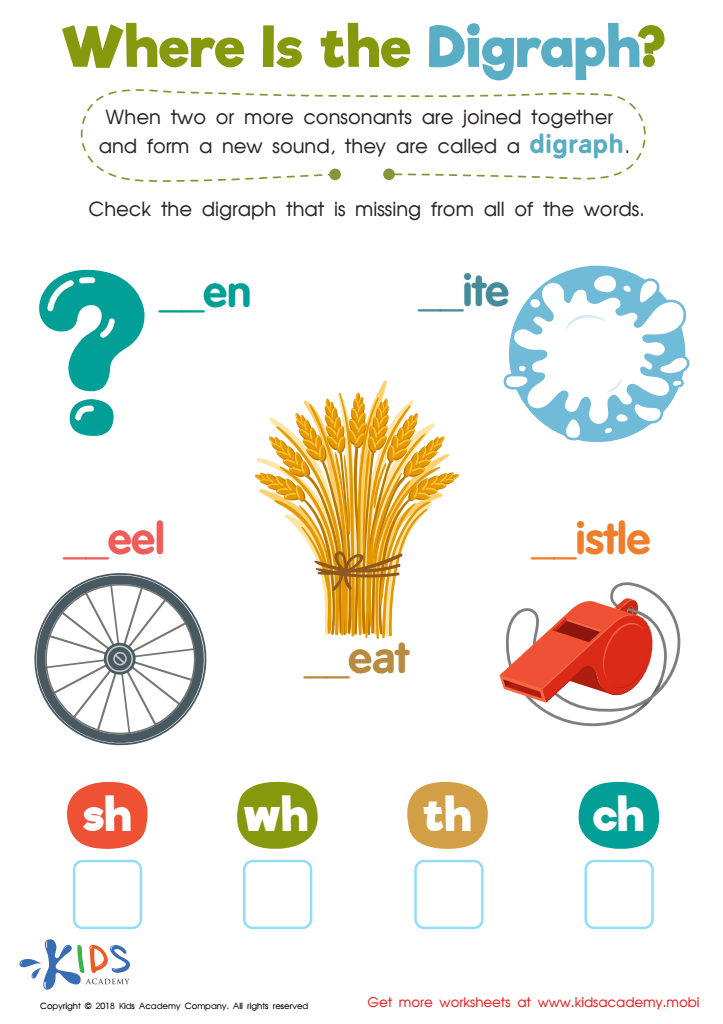
Where Is the Digraph? Worksheet
Teach your child about digraphs - two or more consonants that form one sound, like /wh/, /sh/, and /ch/. Show them words with these sounds and use this worksheet to help. Ask them which digraph is missing from the words and point out the pictures. 80 words.
Where Is the Digraph? Worksheet
Worksheet
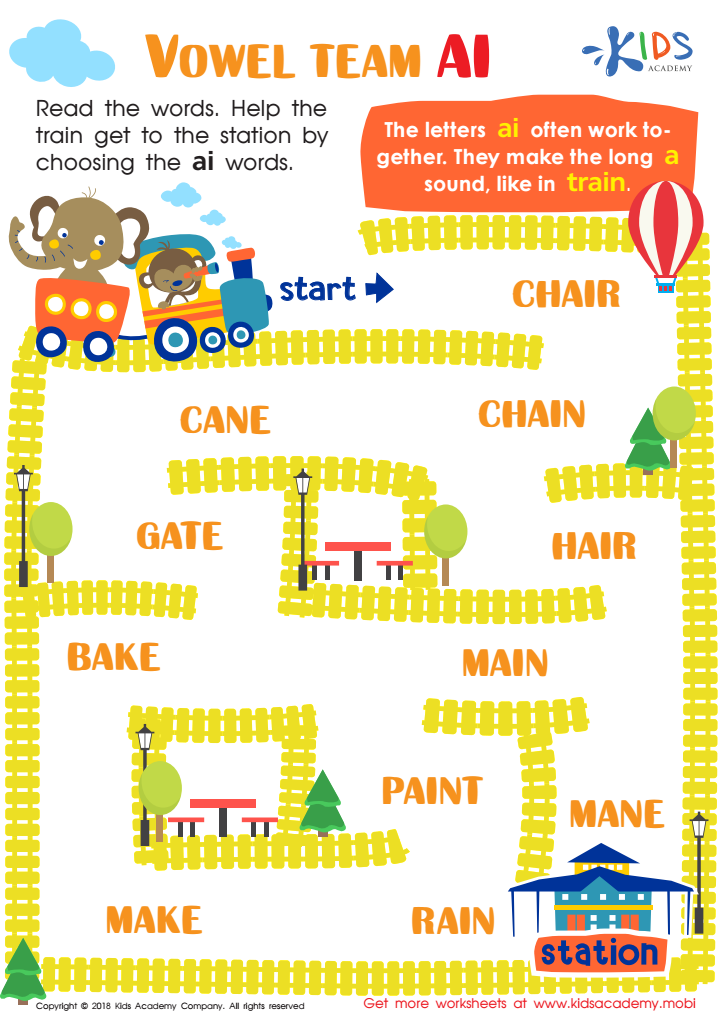
Vowel team ai Worksheet
Kids will have a blast learning about the -ai digraph with this fun worksheet. They'll read words with it and practice their motor skills as they help the animal duo get back to the train station. With success, they'll smile and enjoy the activity!
Vowel team ai Worksheet
Worksheet
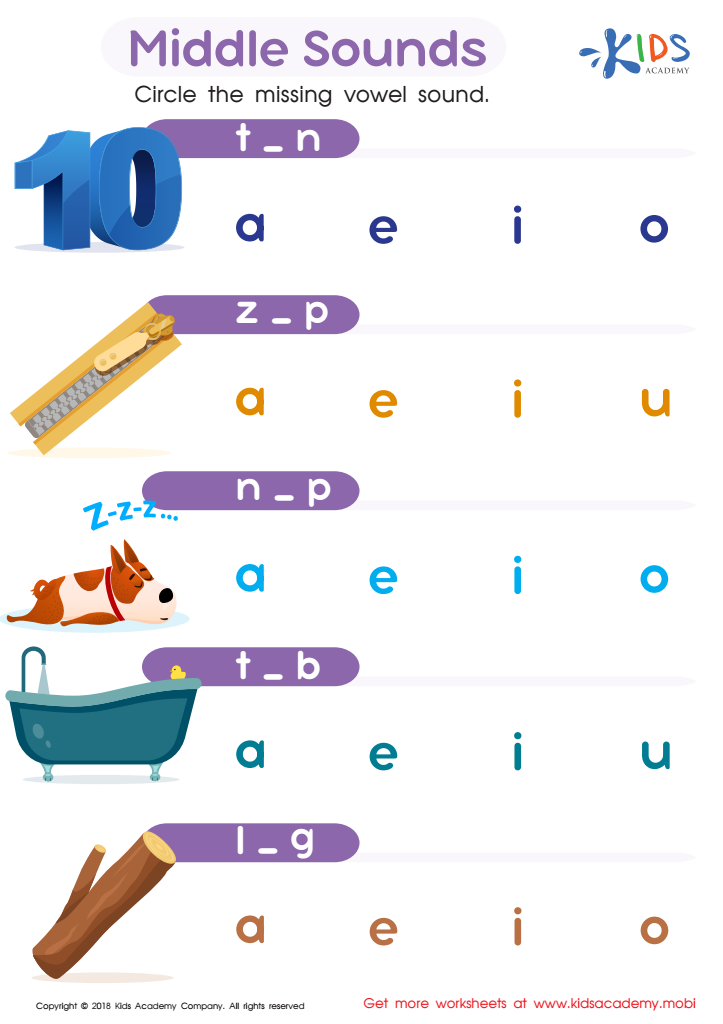
Middle Sounds Worksheet
Download this free worksheet and help your reader identify middle sounds in words. Pictures provide clues to the word, while tracing circles around the middle vowel sound strengthens fine motor and visual discrimination skills. It's a great way to teach sound discrimination between similar-sounding short vowels - a key component for proficient reading.
Middle Sounds Worksheet
Worksheet
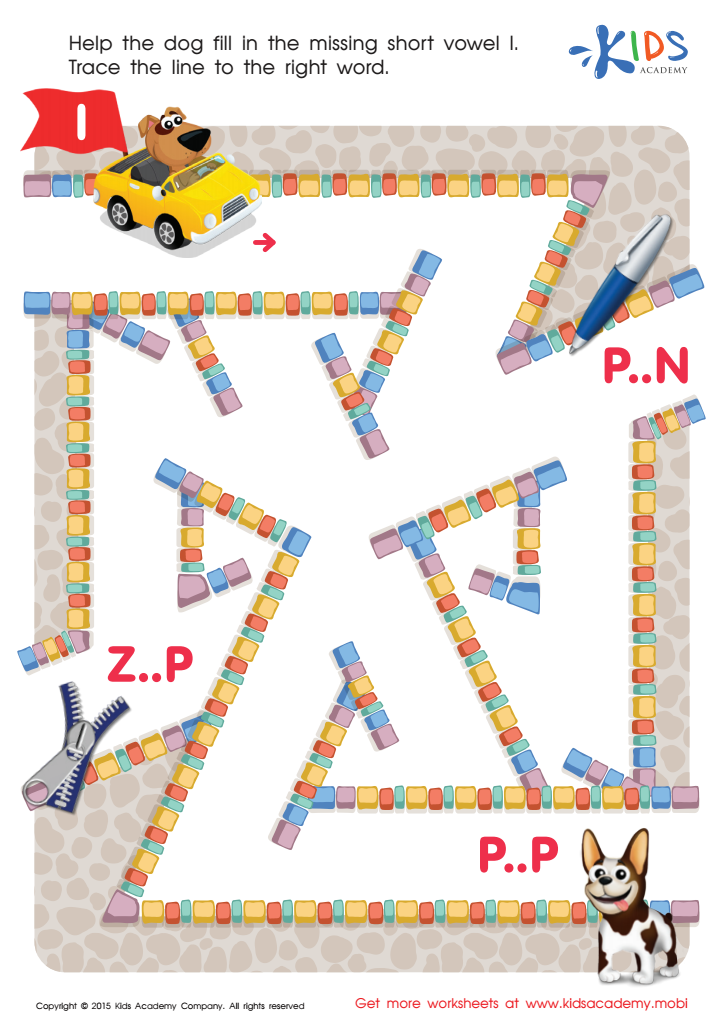
Short Vowel Sound I Worksheet
This free printable phonics worksheet will get your kid prepped for reading! It's a maze to help the dog complete the word “zip” with the missing letter I. Have your kid say the word aloud to learn the I sound. It's a great way to practice reading, writing and spelling skills. Check out here for more phonics worksheets!
Short Vowel Sound I Worksheet
Worksheet

First Words: Picture Rhymes Worksheet
Rhyming helps kids understand language, read and write better. This printable worksheet boosts problem-solving and cognitive skills with vibrant pictures. It teaches kids to identify words, recognize rhymes, complete mental tasks and write words. An extra activity: show them how rhyming words share some of the same letters.
First Words: Picture Rhymes Worksheet
Worksheet
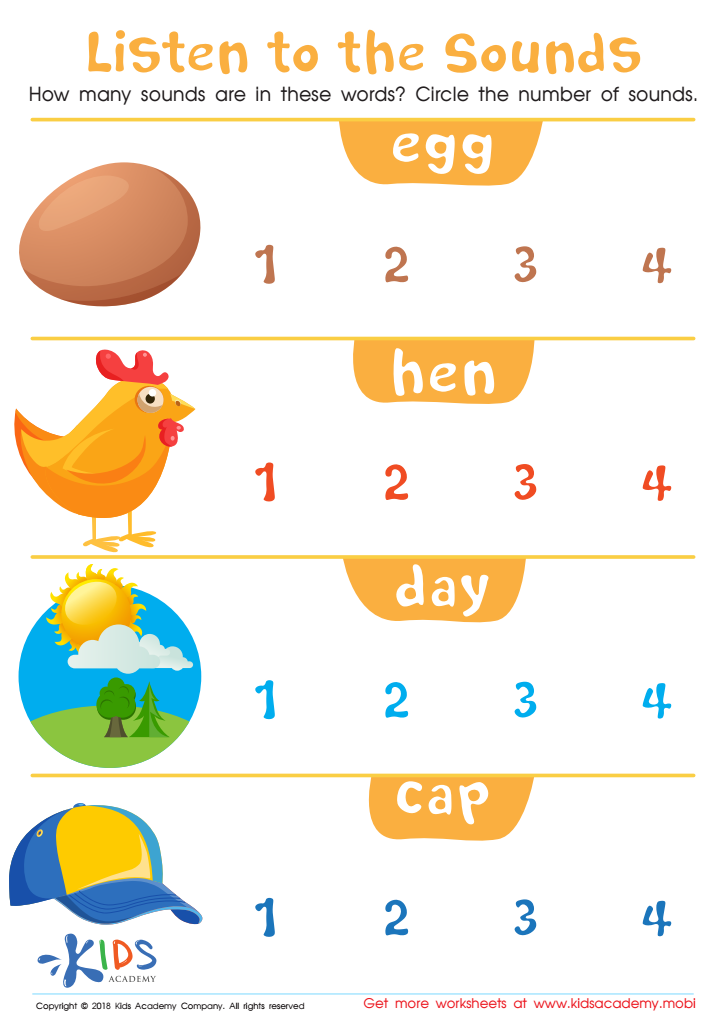
Listen to the Sounds Worksheet
This worksheet builds emerging readers' skills in using sounds for reading and spelling. It helps strengthen auditory processing by having them count the sounds in each word, then trace the corresponding number. Fun and cheerful!
Listen to the Sounds Worksheet
Worksheet
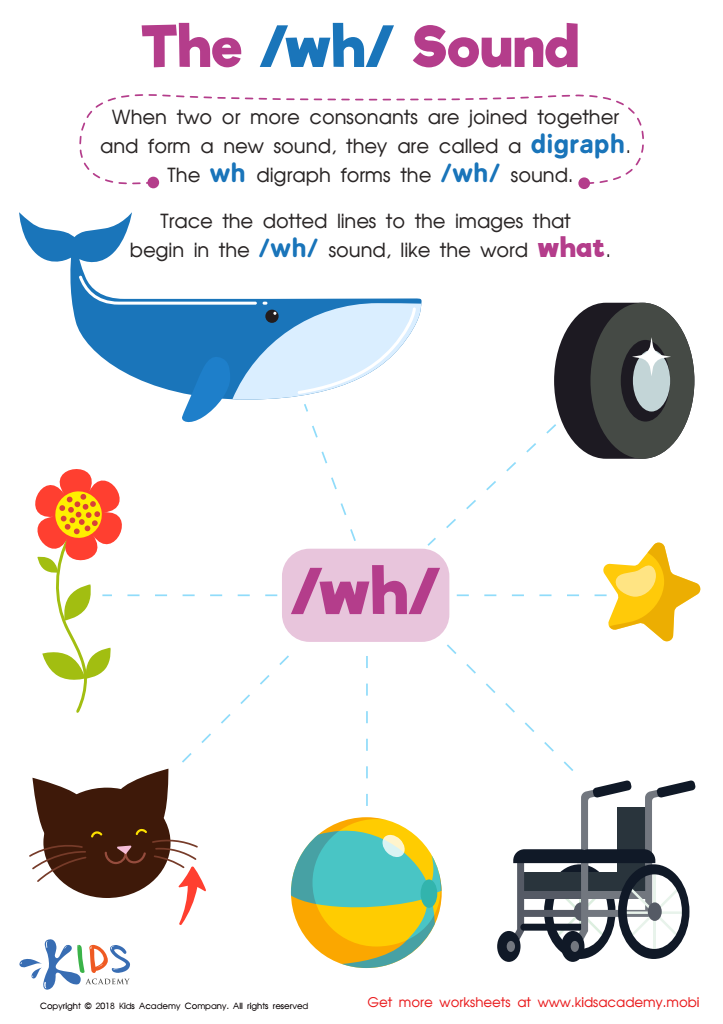
The /wh/ Sound Worksheet
Digraphs join two consonants to make a new sound, like /wh/. Give examples, like "whale", "when" and "why". Ask kids to name pictures in a worksheet and trace dotted lines to images beginning with the /wh/ sound; "what" is one example.
The /wh/ Sound Worksheet
Worksheet
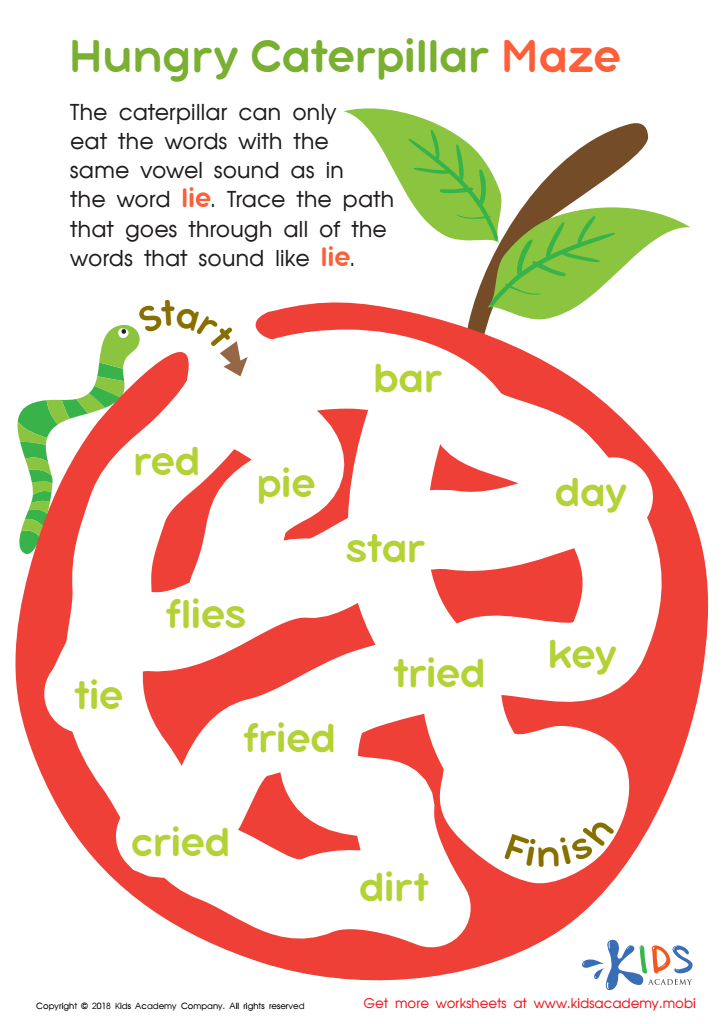
Hungry Caterpillar Maze Worksheet
Remind the kids that caterpillars turn into butterflies! This worksheet helps them practice their vowel sounds. They must trace the path of words that sound like ‘lie’ to help the caterpillar reach the finish line. It's a fun way to learn and explore!
Hungry Caterpillar Maze Worksheet
Worksheet
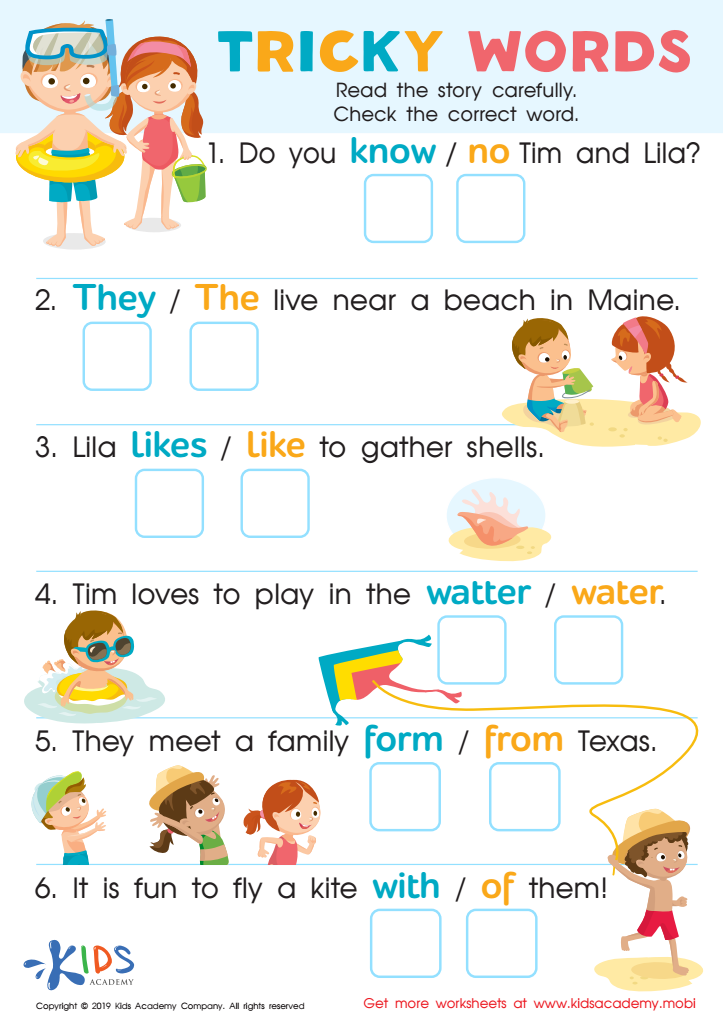
Tricky Words Worksheet
Reading can be tricky to start with, but this worksheet helps kids learn the basics of editing and strengthens their attention to detail. They'll select the right word from tricky choices, improving their reading and grammar skills.
Tricky Words Worksheet
Worksheet
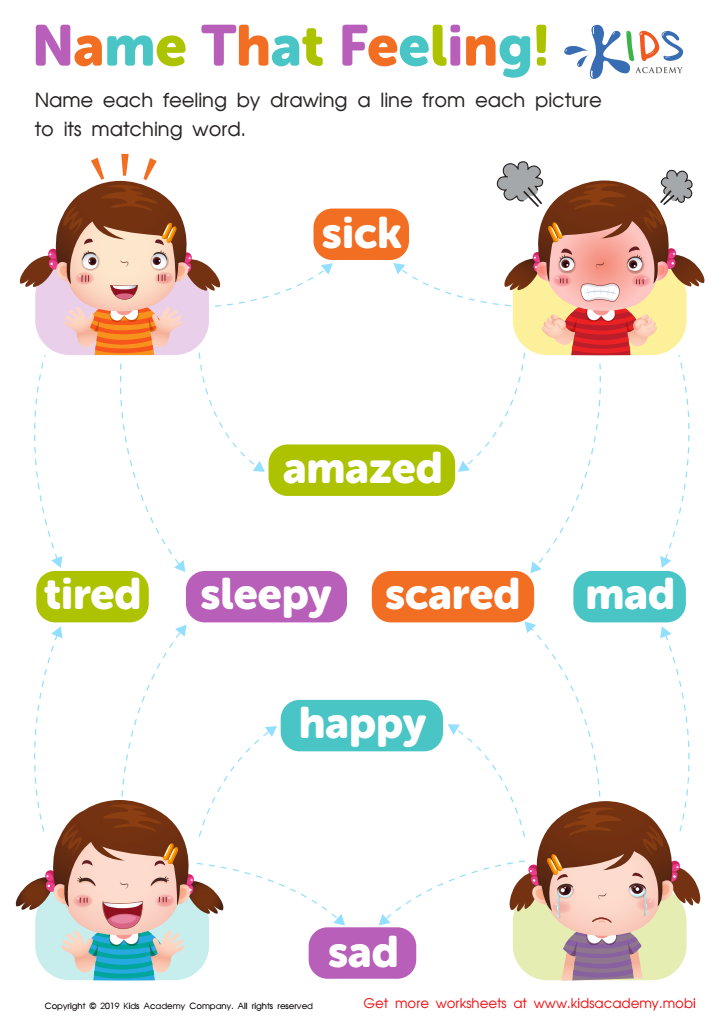
Name that Feeling Worksheet
Fostering your child's emotional intelligence is essential for their development. This worksheet helps them associate feelings with words, improving their social skills and fine motor coordination. They'll trace pictures and words to learn the feeling vocabulary.
Name that Feeling Worksheet
Worksheet
Join Kids Academy for Free
Who is primarily going to use this learning content?













