Extra Challenge Worksheets for Ages 3-9 - Page 22
507 filtered results
-
From - To
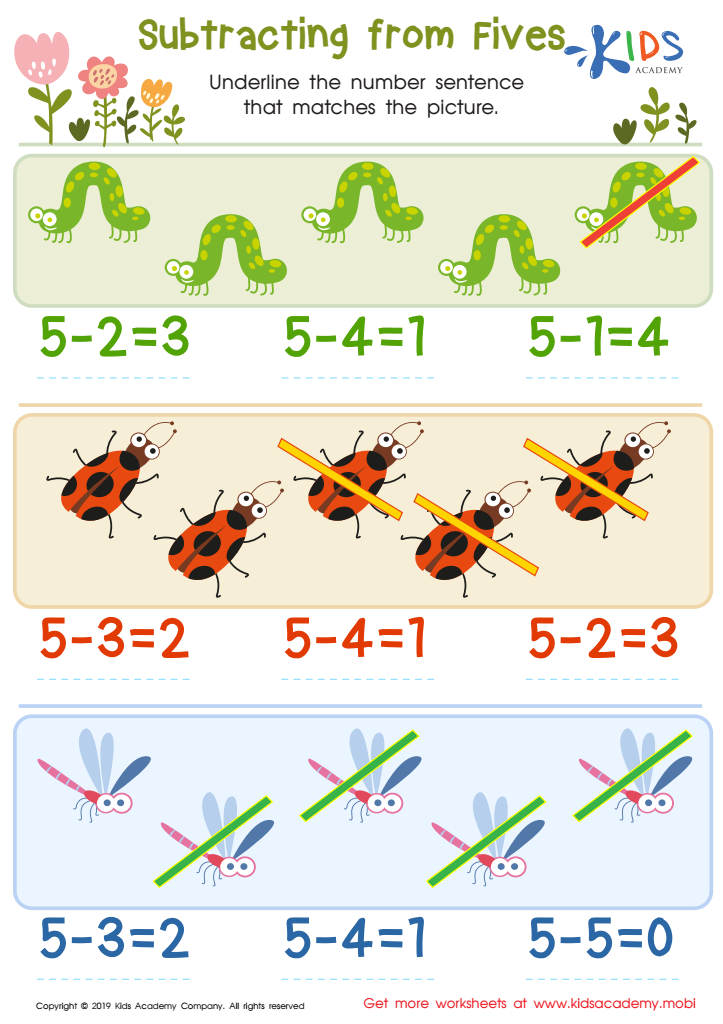
Subtracting From Fives Worksheet
 Assign to My Students
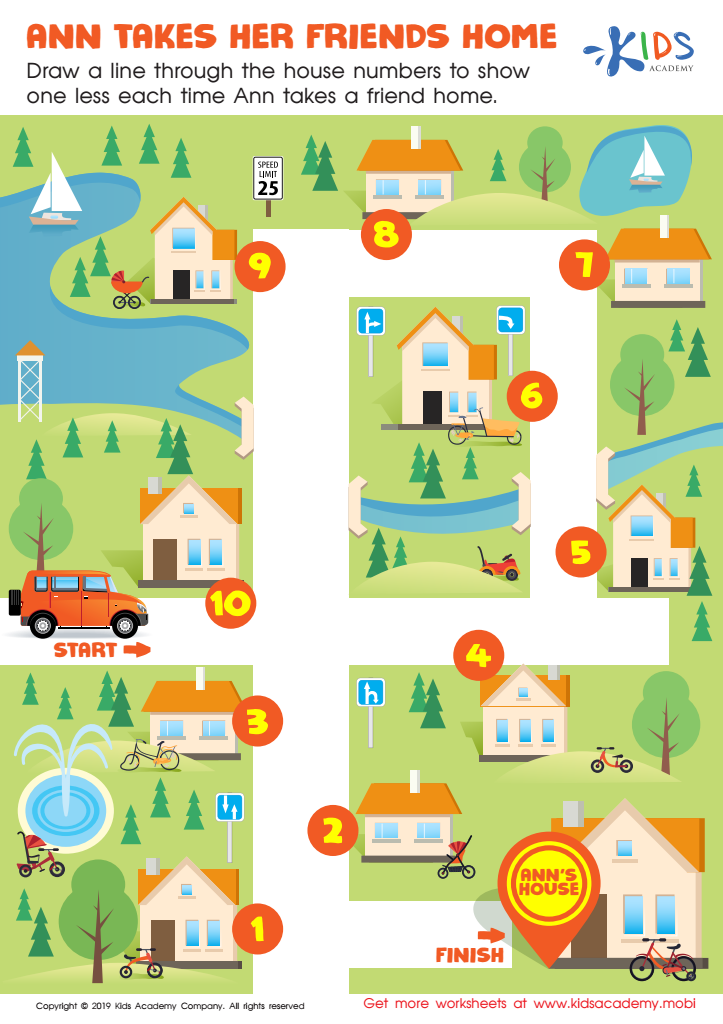
Ann Takes her Friends Home Worksheet
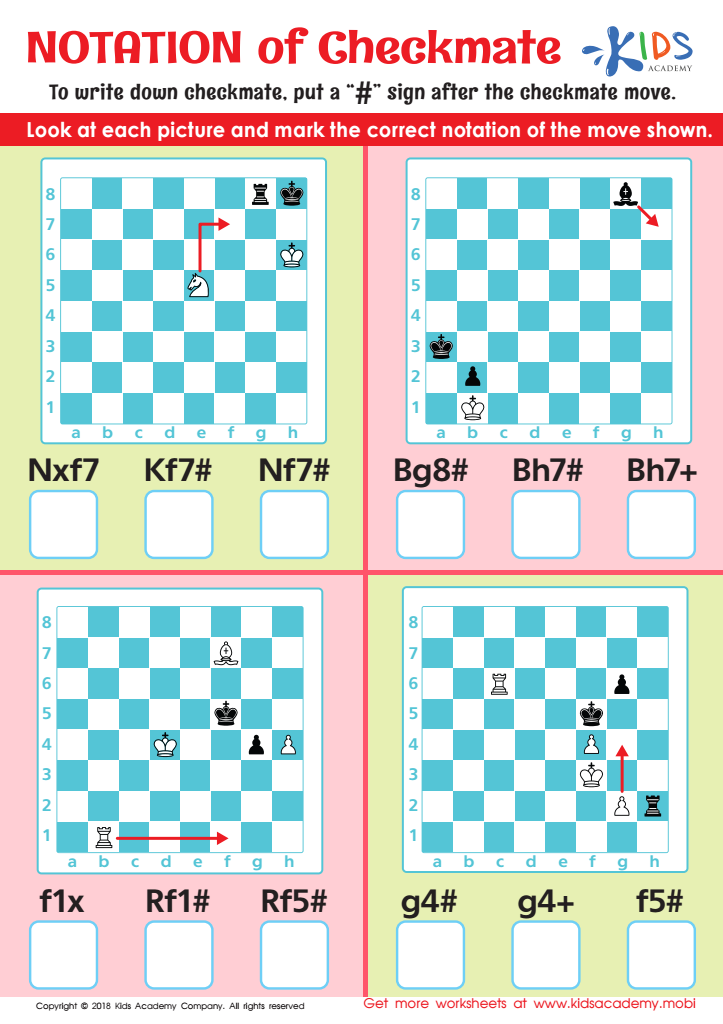
Notation of Checkmate Worksheet








Parents and teachers should care about Extra Challenge programs for ages 3-9 as they play a vital role in fostering a child’s cognitive, social, and emotional development. These programs are designed to engage children with advanced learning opportunities tailored to their unique needs and interests, promoting critical thinking and creativity.
At this young age, children are naturally curious and eager to explore. Extra Challenge programs harness this curiosity, providing stimulating activities that pique their interest and encourage intellectual growth. When students are presented with challenges that stretch their abilities, they develop resilience and problem-solving skills, laying a strong foundation for future academic success.
Moreover, Extra Challenge programs support differentiated learning, ensuring that children who excel in certain areas are appropriately engaged rather than bored or disengaged. This is crucial for maintaining motivation and a love of learning. Additionally, these programs foster social skills as kids work collaboratively to overcome challenges, promoting teamwork and communication.
In summary, embracing Extra Challenge initiatives benefits children by catering to their individual strengths, enhancing their learning experiences, and instilling essential life skills—all of which form the groundwork for lifelong learning and achievement.








