Extra Challenge Letter Recognition Worksheets for Ages 5-9
13 filtered results
-
From - To
Enhance your child's learning experience with our Extra Challenge Letter Recognition Worksheets, designed specifically for ages 5-9! These engaging worksheets go beyond basic letter recognition, offering fun, challenging activities that help improve your child's literacy skills. Featuring a variety of exercises, including letter tracing, matching, and identifying letters in different contexts, these worksheets encourage critical thinking and retention. Perfect for classroom use or at-home practice, the printable format makes it easy to incorporate into your child's daily routine. Foster a love for learning and build confidence in reading and writing with our captivating and educational letter recognition materials today!
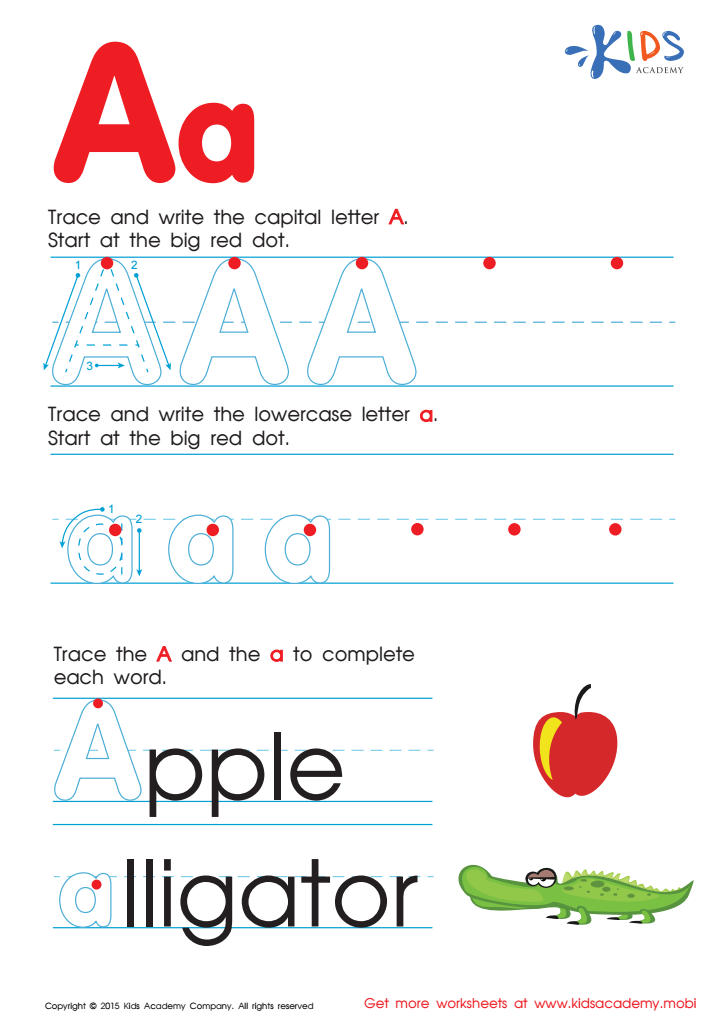
Letter A Tracing Page
 Assign to My Students
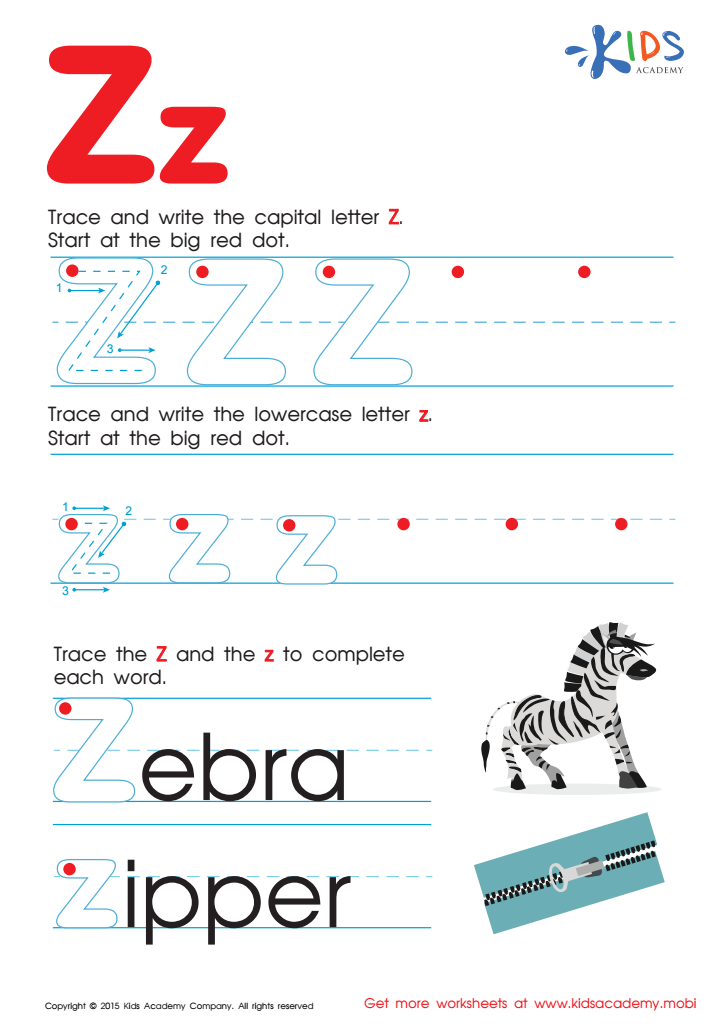
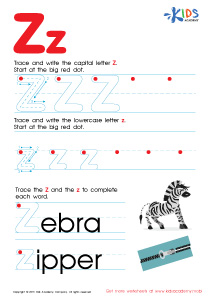
Letter Z Tracing Page
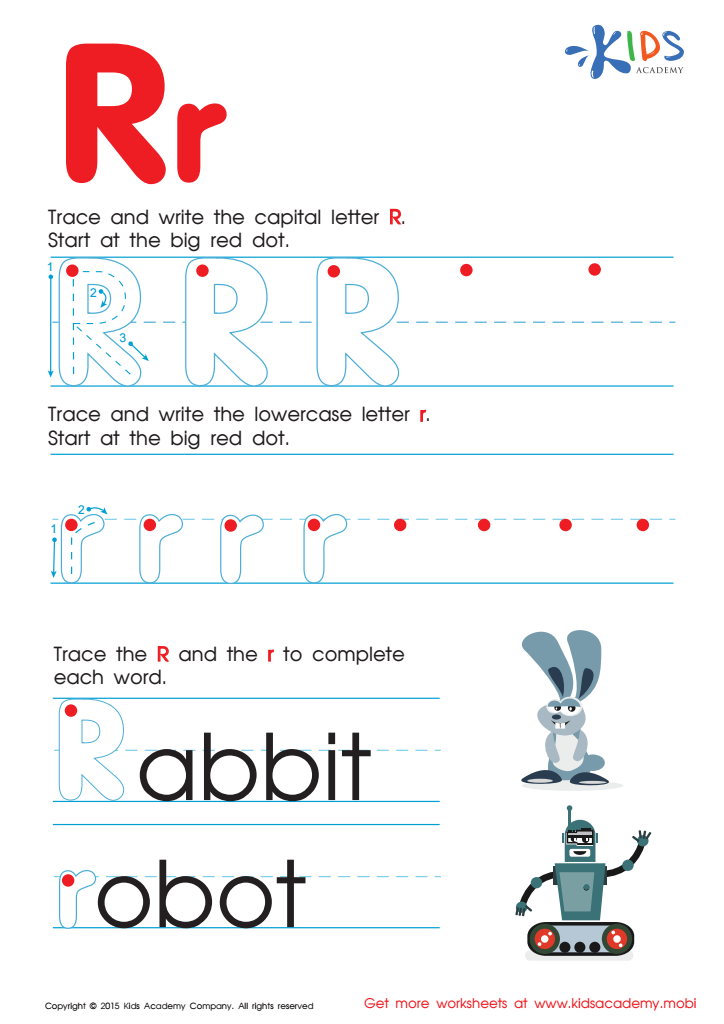
Letter R Tracing Page
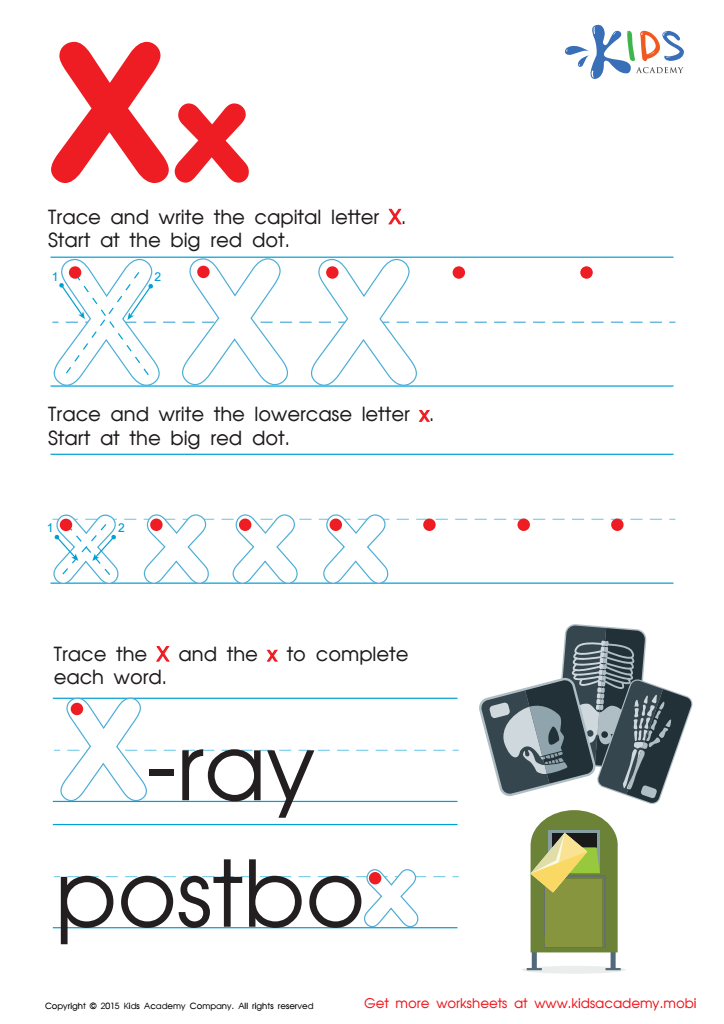
Letter X Tracing Page
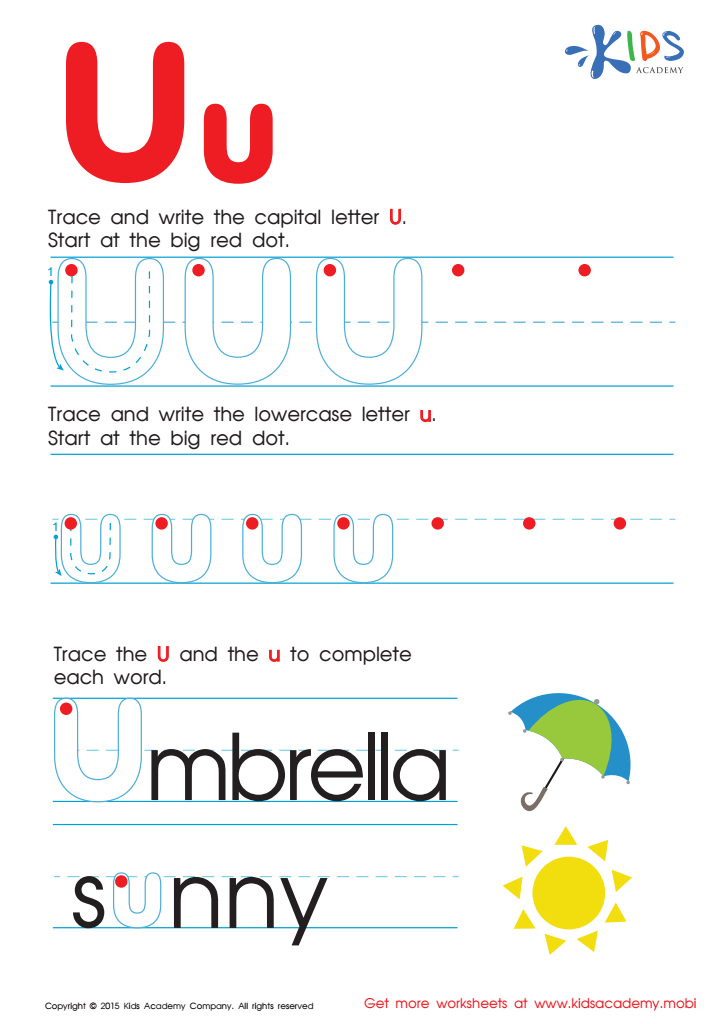
Letter U Tracing Page
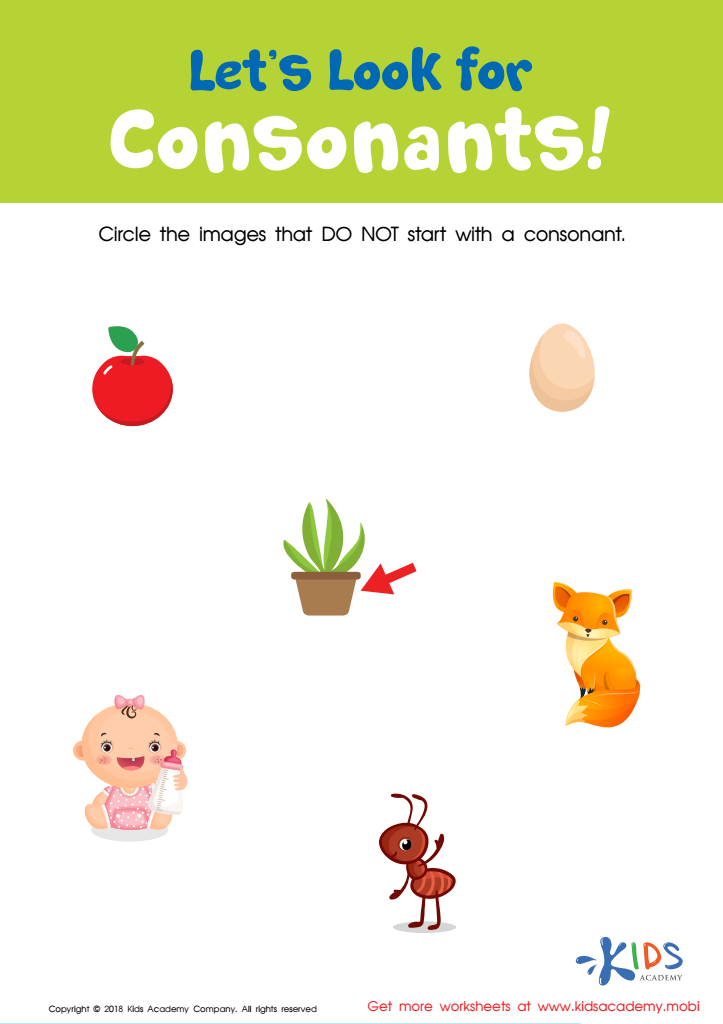
Let's Look for Consonants Worksheet
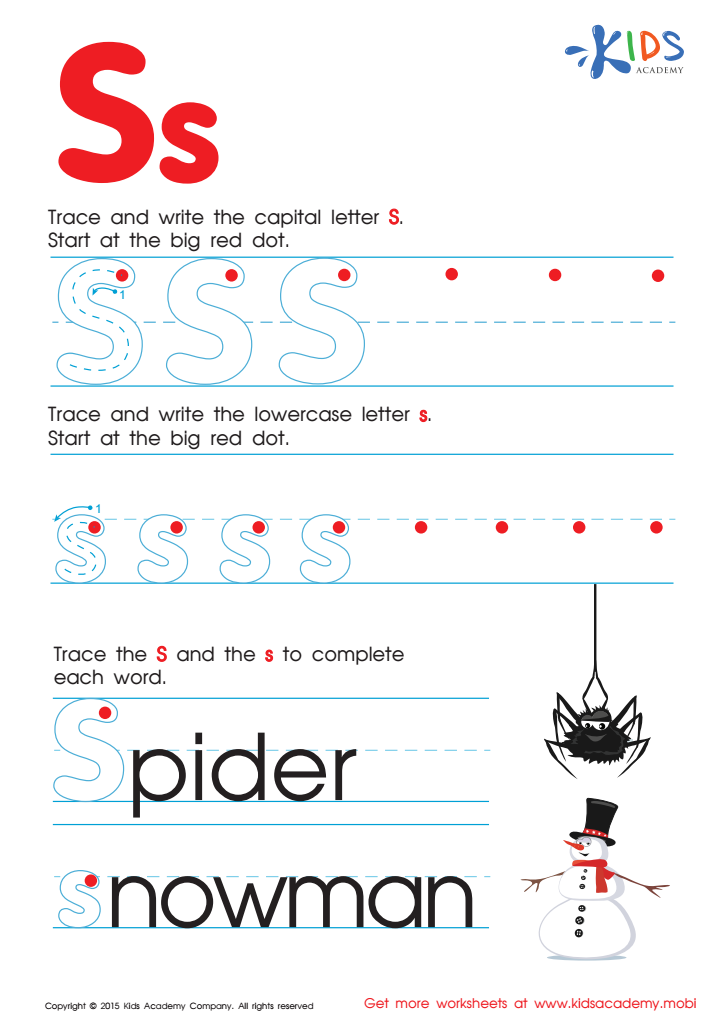
Letter S Tracing Page
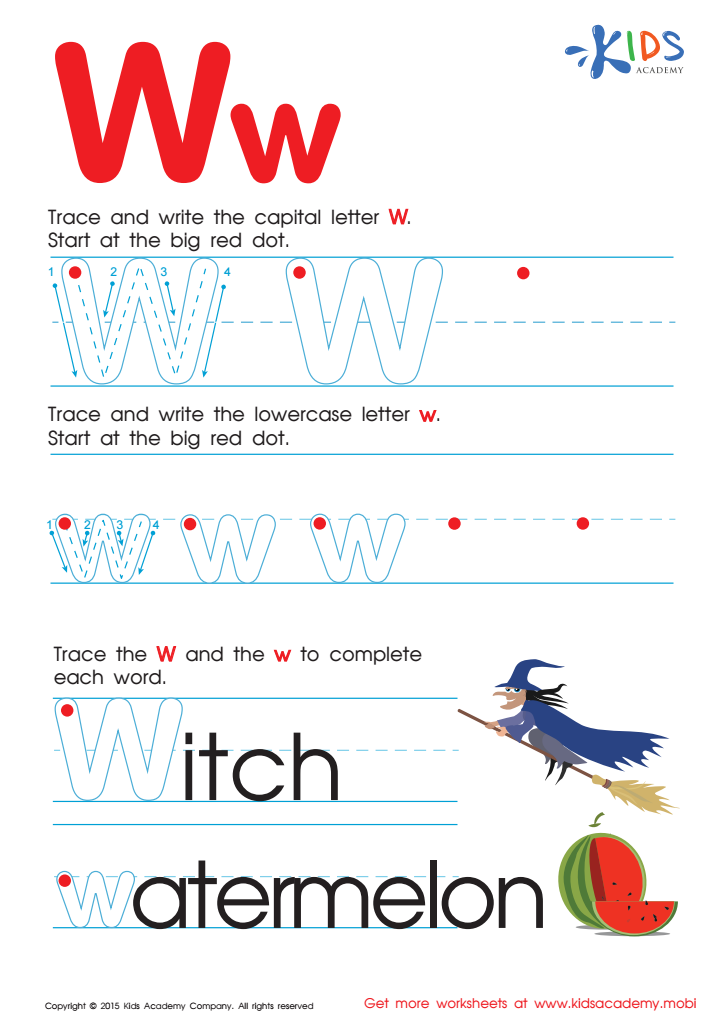
Letter W Tracing Page
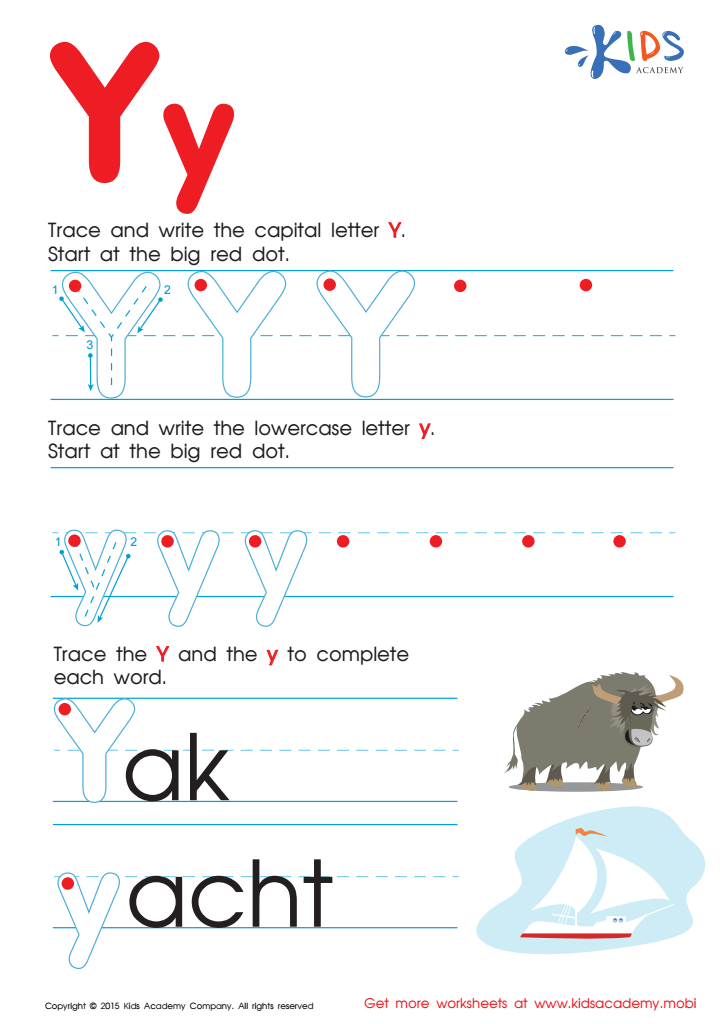
Letter Y Tracing Page
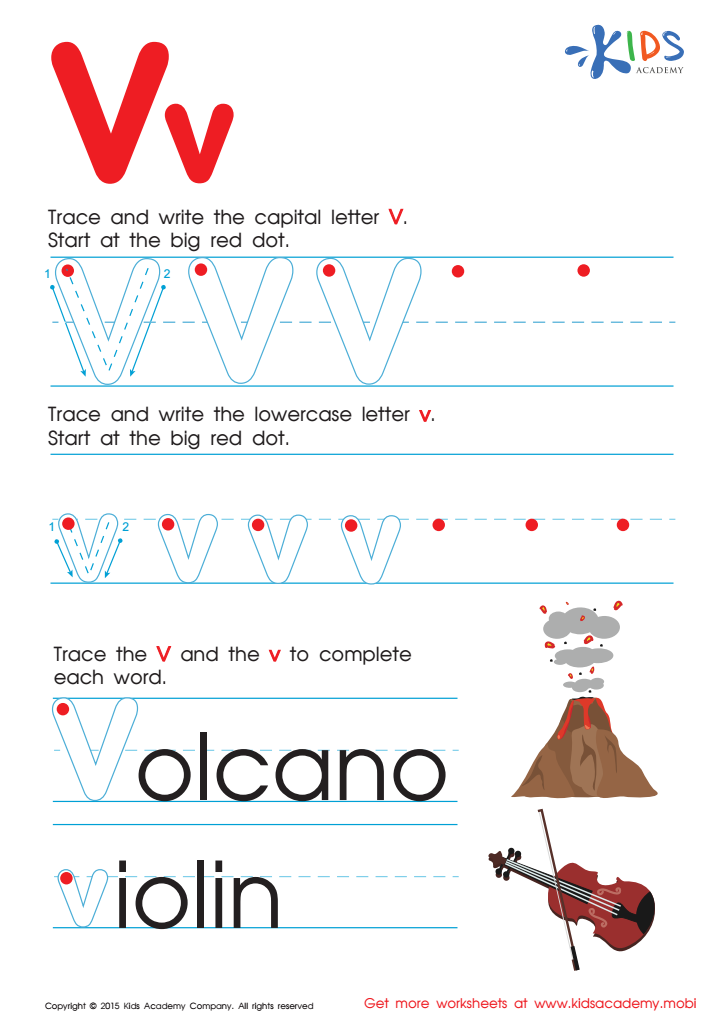
Letter V Tracing Page
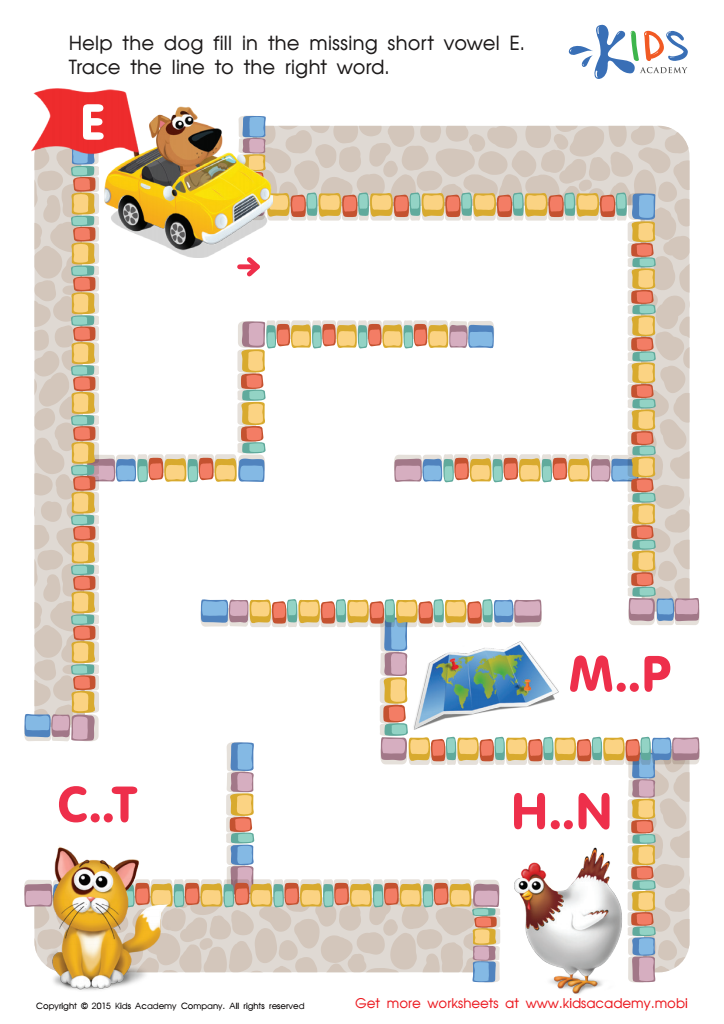
Short Vowel Sound E Worksheet
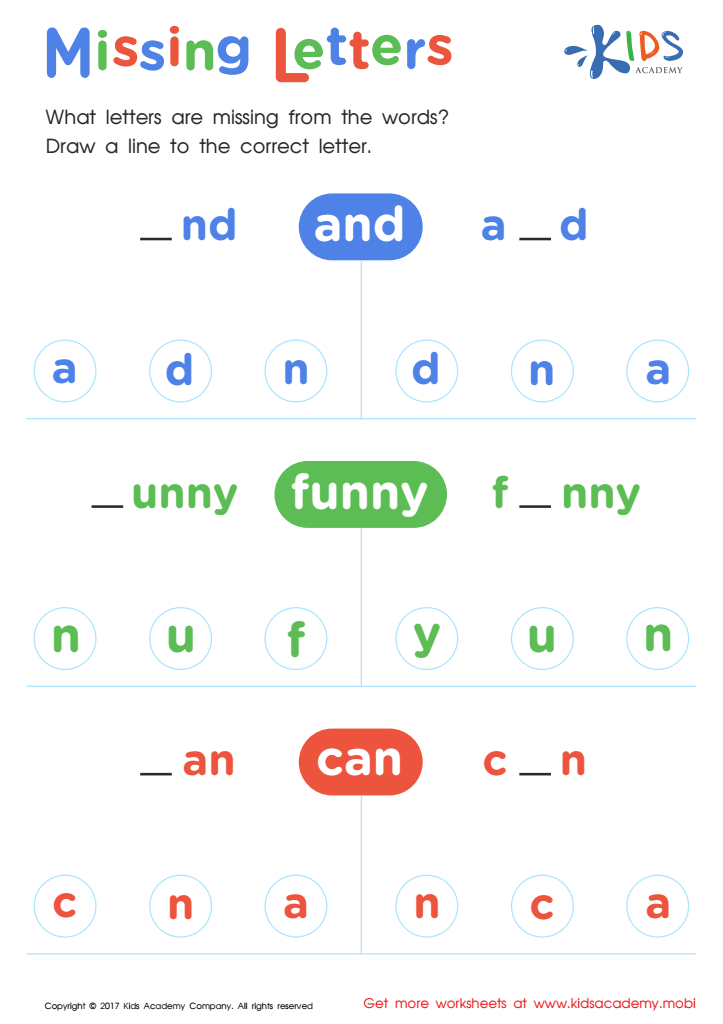
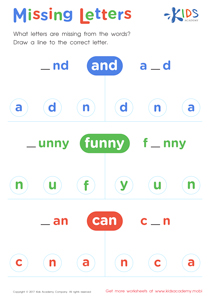
Missing Letters Worksheet
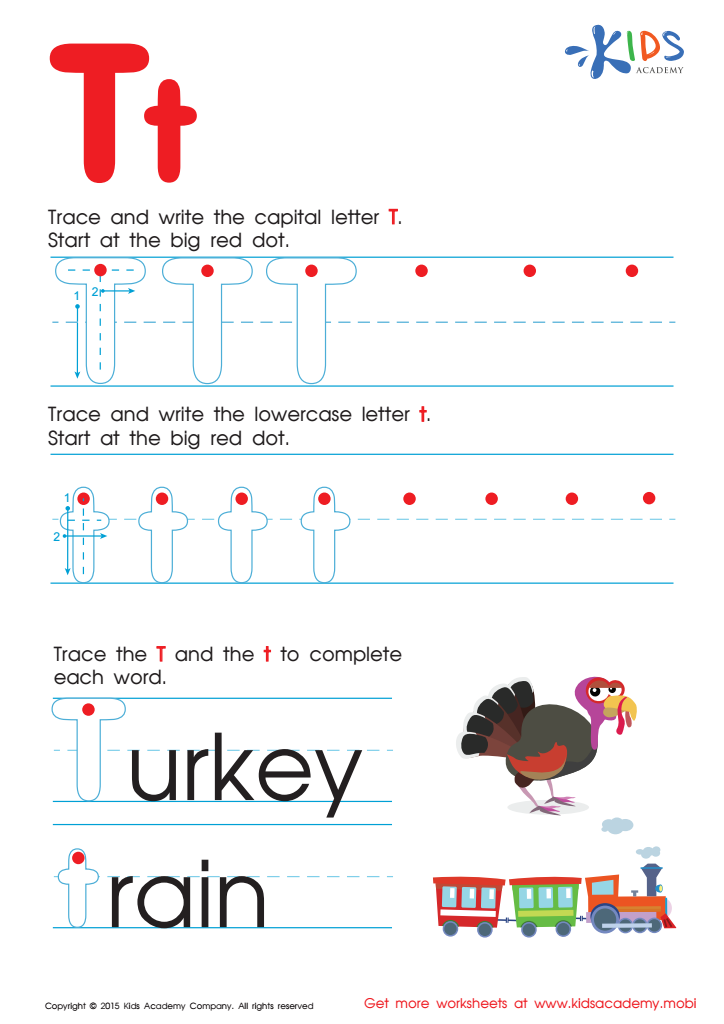
Letter T Tracing Page








Extra Challenge Letter Recognition for children aged 5 to 9 is crucial for several reasons. First, letter recognition serves as the foundational skill necessary for reading and writing. When children can identify letters, it enhances their ability to decode words, ultimately fostering strong literacy skills. Extra challenges in recognizing letters can engage children who may show signs of advanced learning potential, ensuring they remain stimulated and interested in learning.
Additionally, incorporating diverse activities around letter recognition nurtures cognitive development. It helps children develop critical thinking and problem-solving skills, as they may encounter various forms of letters, such as uppercase, lowercase, and different fonts. Engaging in these activities can also improve fine motor skills, as children often practice writing letters and manipulating letter tiles or blocks.
Moreover, extra challenges can promote a sense of accomplishment and confidence. When children successfully navigate more demanding tasks related to letter recognition, they build resilience and motivation for future learning endeavors. For parents and teachers, recognizing the importance of letter recognition challenges means fostering a more engaging, inclusive learning environment that meets diverse educational needs, paving the way for successful literacy development.