Extra Challenge Counting Worksheets for Ages 6-8
7 filtered results
-
From - To
Boost your child’s math skills with our Extra Challenge Counting Worksheets for Ages 6-8! These engaging and thoughtfully designed worksheets provide advanced counting exercises that help young learners enhance their numeracy skills with fun activities. Carefully tailored to challenge and inspire, they cover a range of counting strategies, including skip counting and pattern recognition. Perfect for both classroom and home learning, these worksheets encourage cognitive development through playful practice. Whether your child is ahead of the curve or seeking to strengthen their confidence, our Extra Challenge Counting Worksheets will foster a love for math while ensuring they master essential counting concepts!
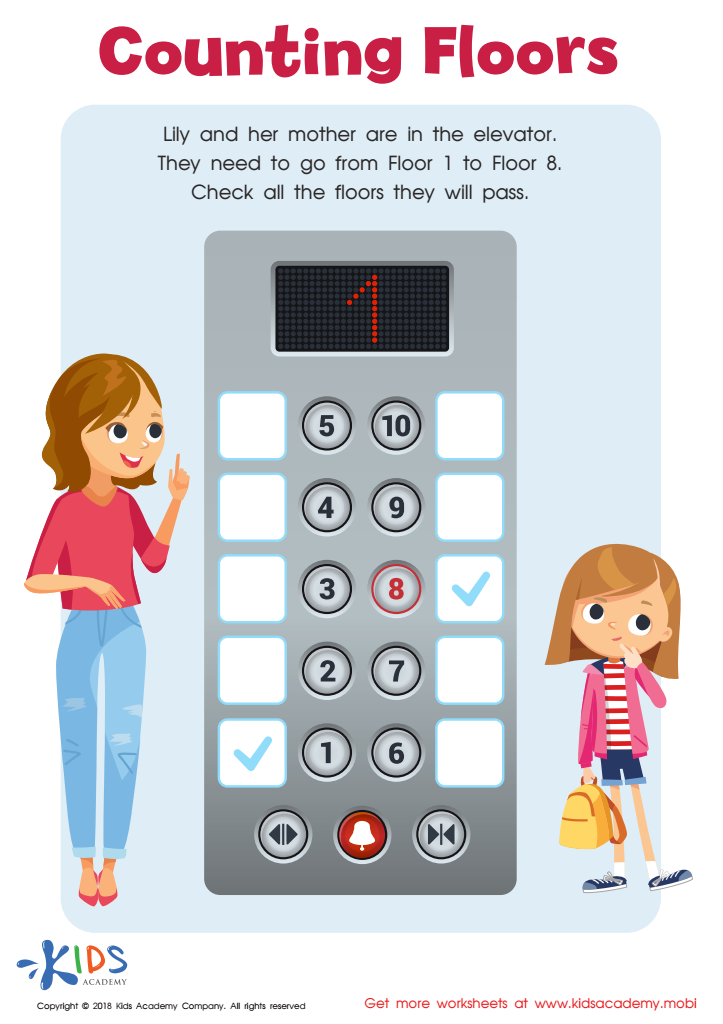
Counting Floors Worksheet
 Assign to My Students



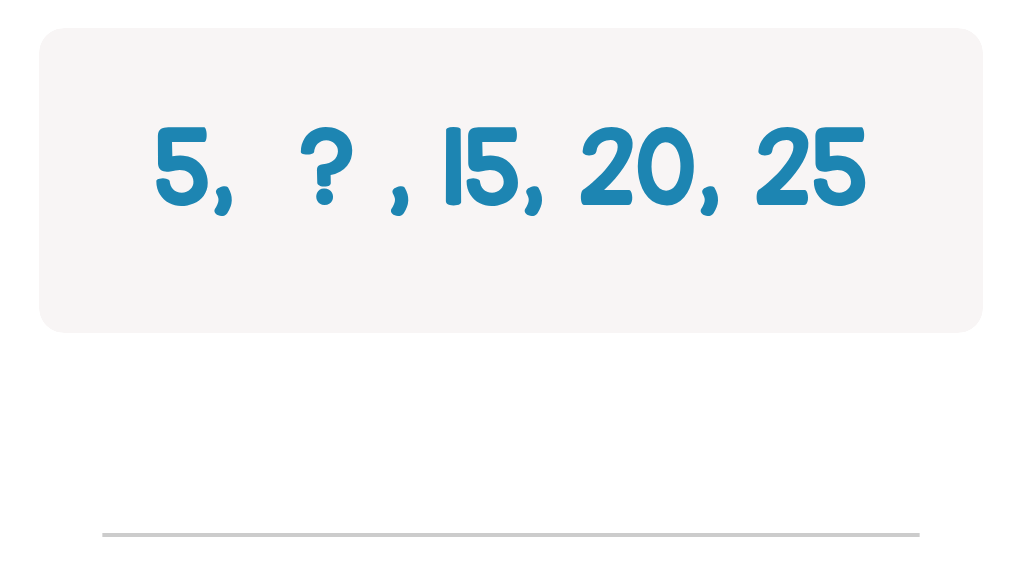
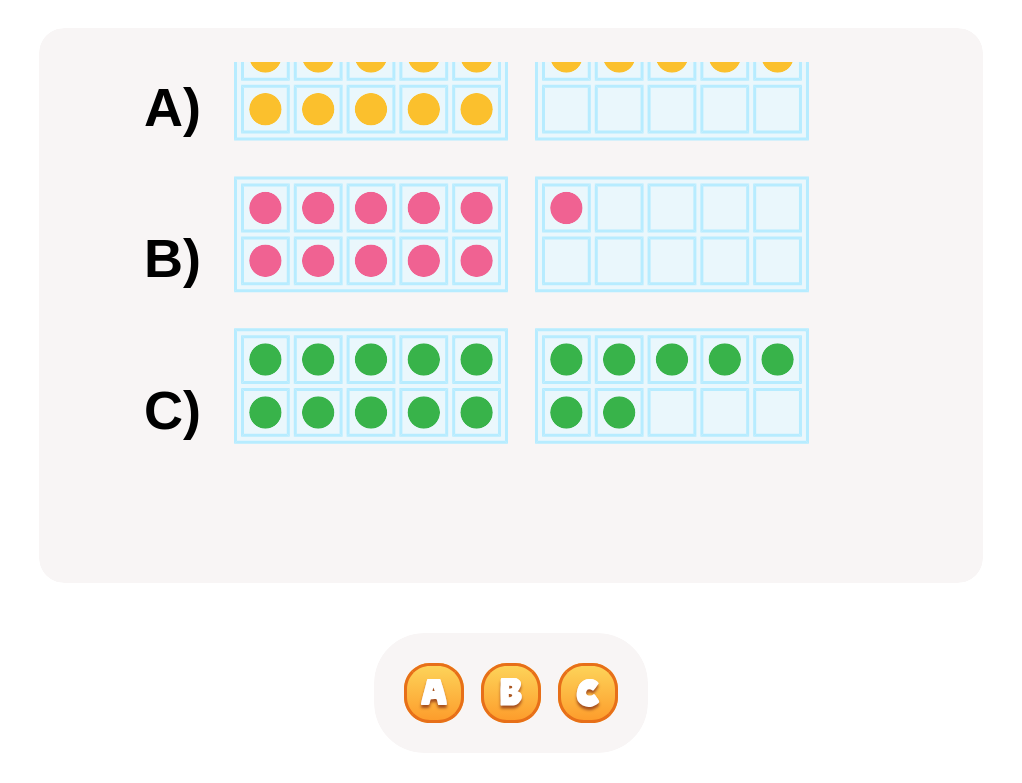
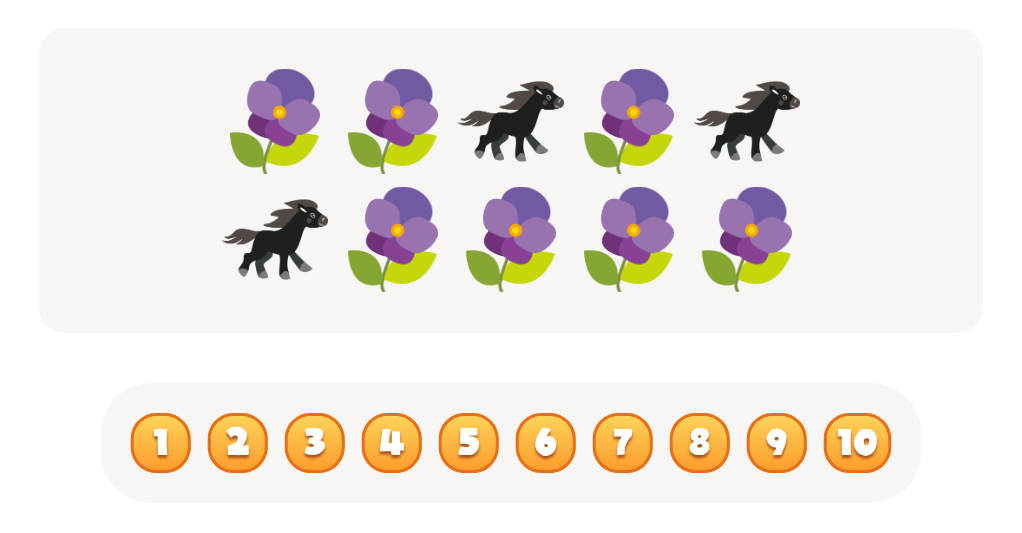
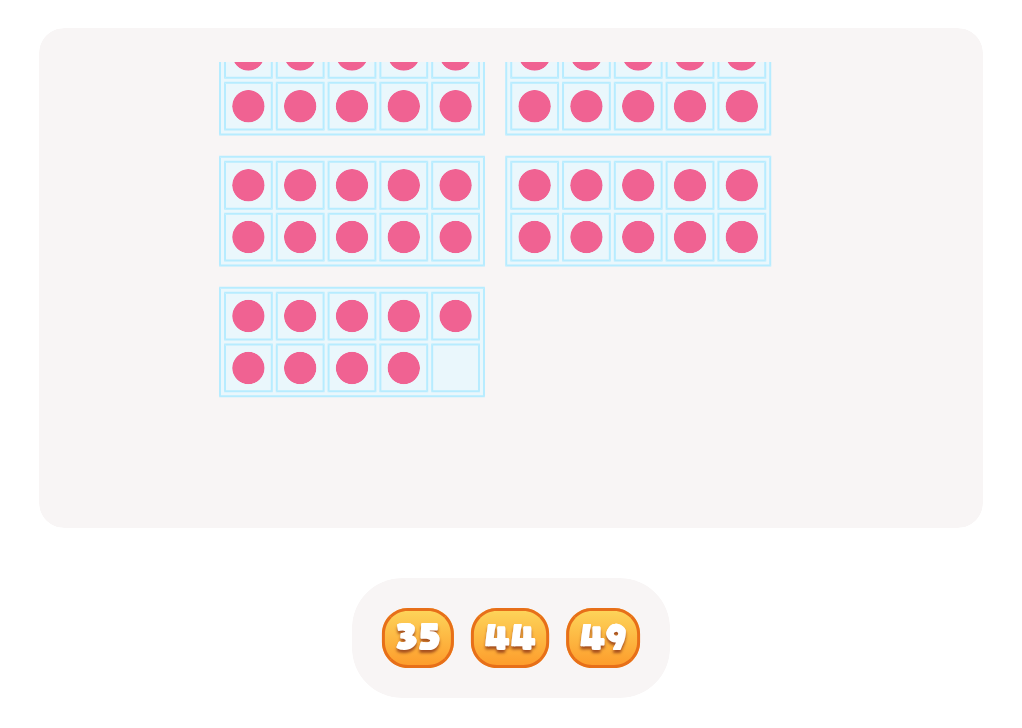
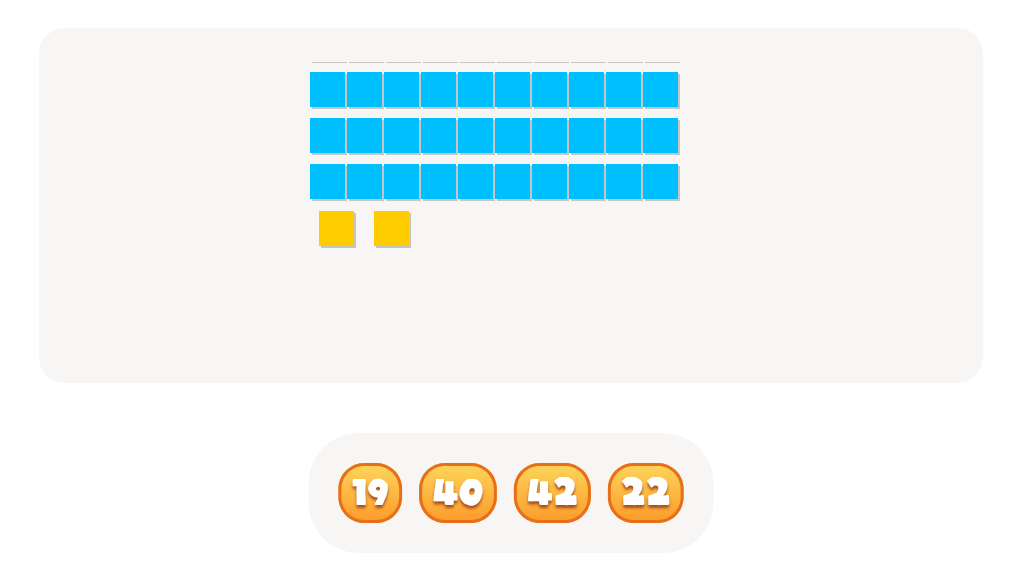

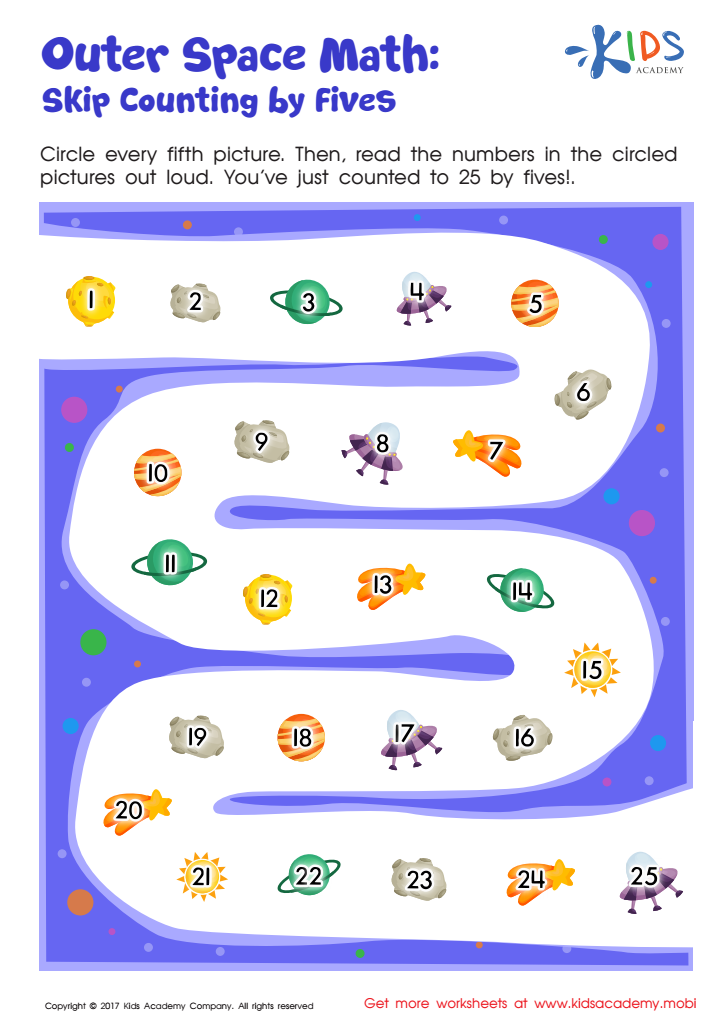
Skip Counting by 5s: Outer Space Math Printable
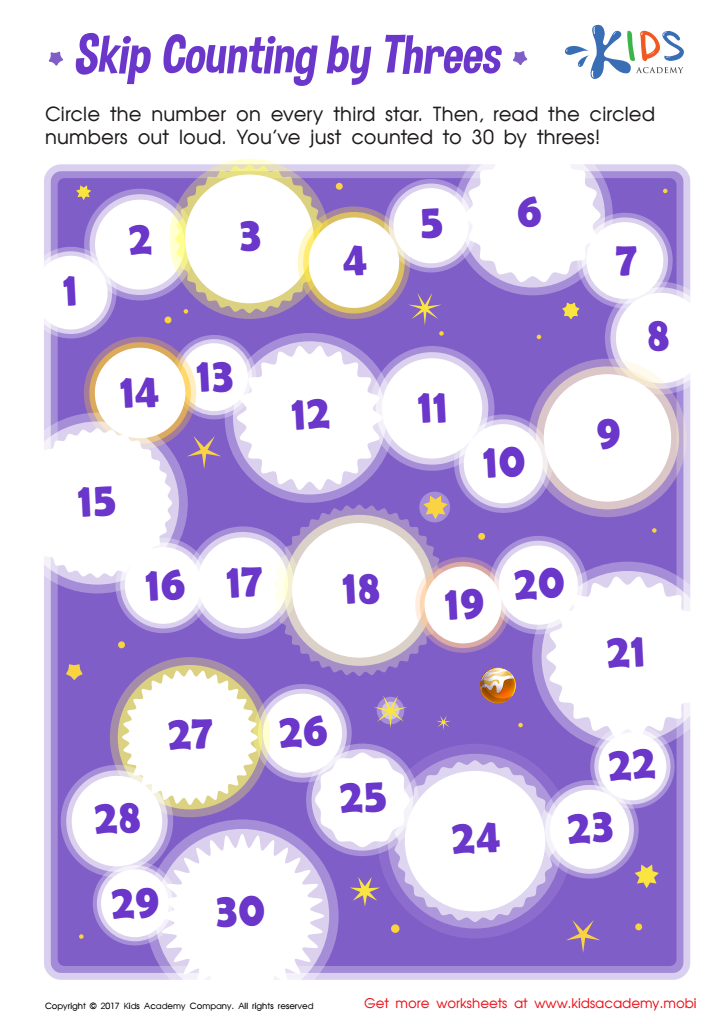
Skip Counting By Three Printable
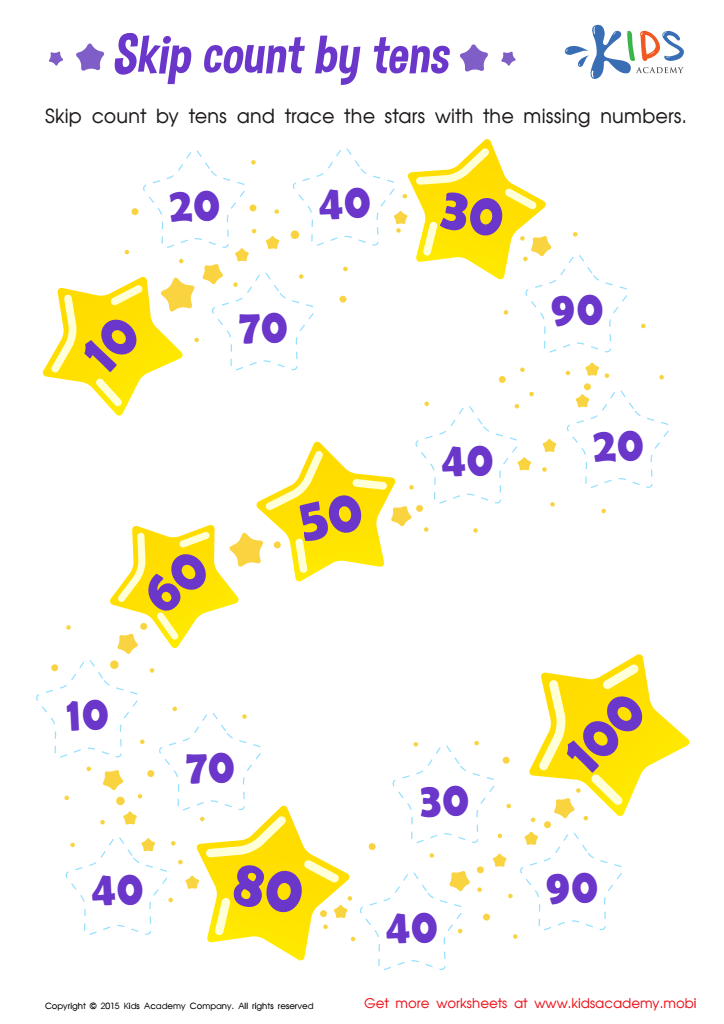
Learn dozens: Skip Count by Tens Printable
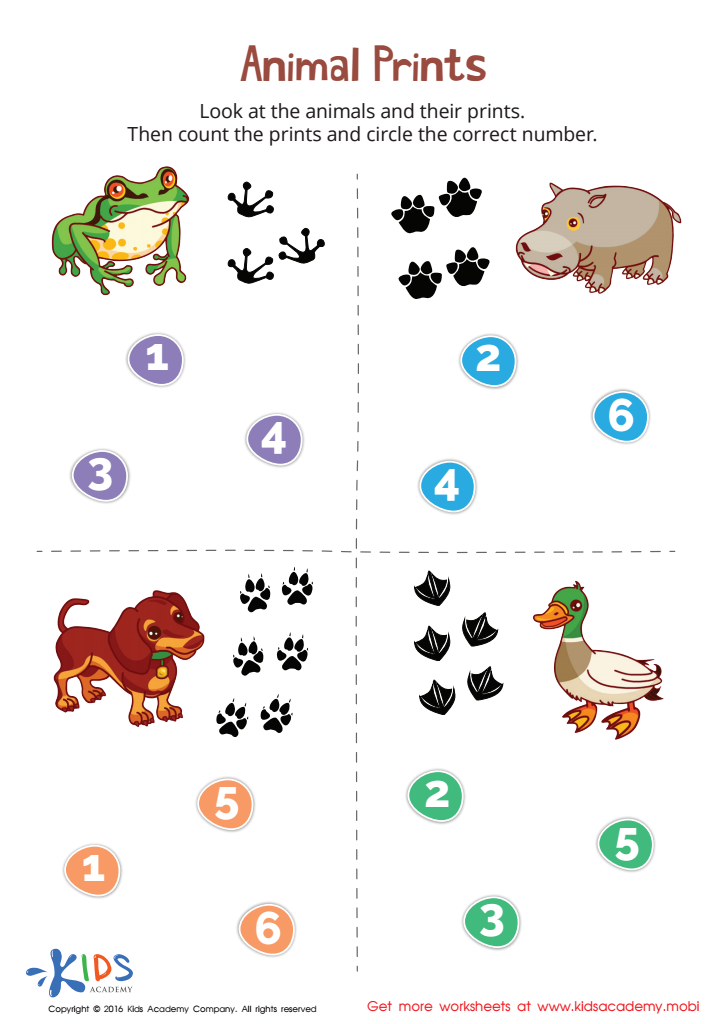
Animal Prints Match-Up Worksheet
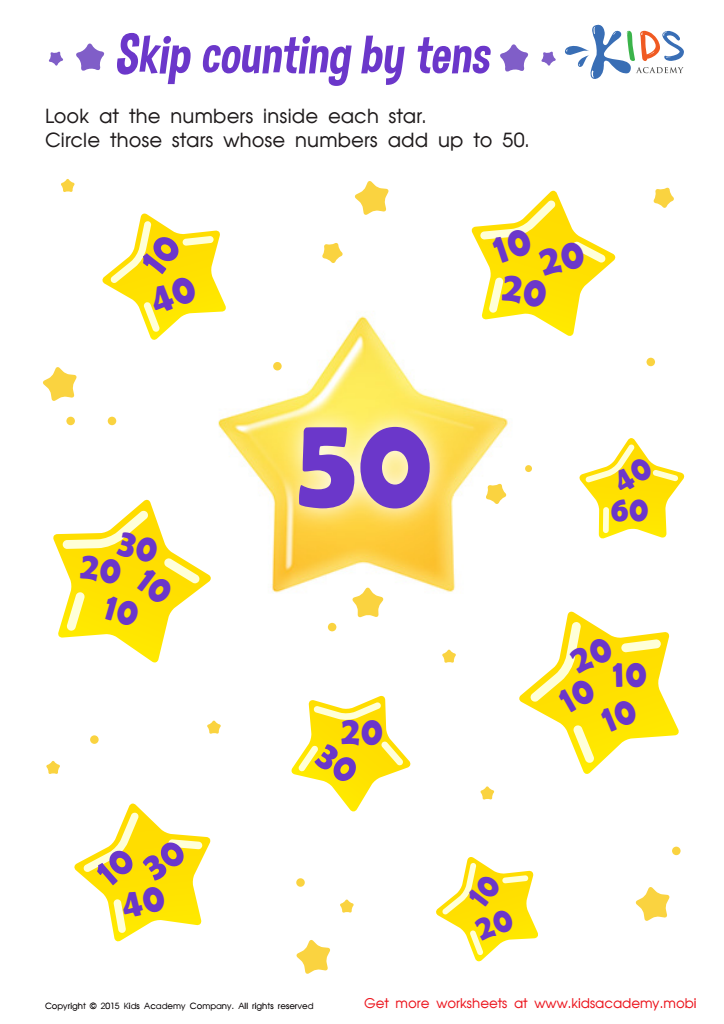
Learn Dozens: Skip Counting by Tens Printable
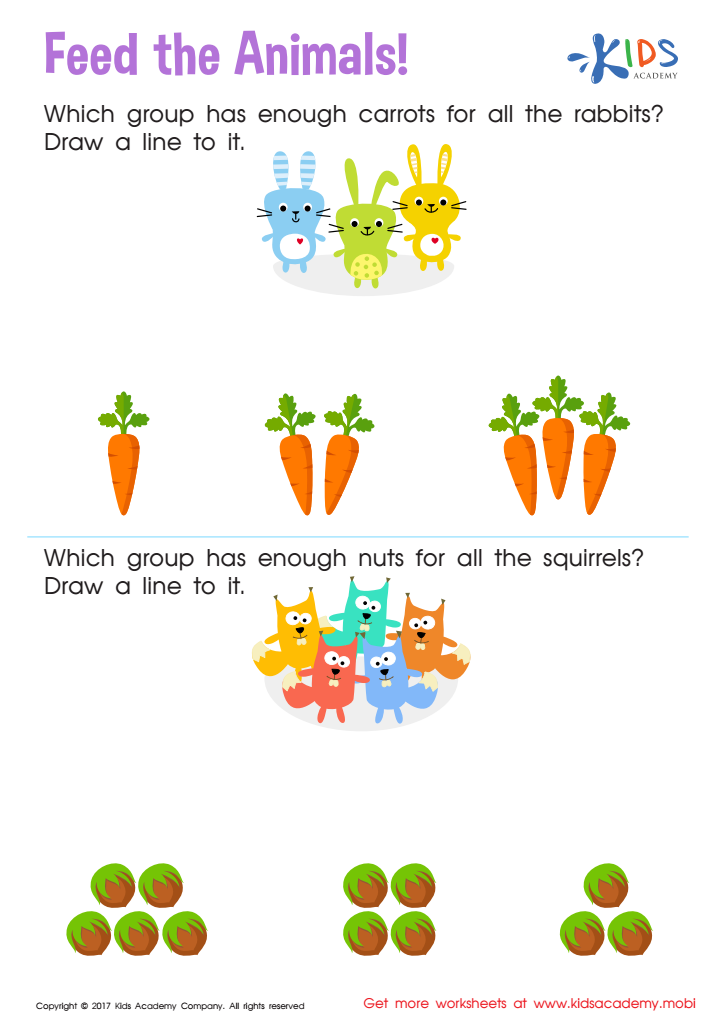
Count and Match: Feed the Animals Worksheet








Extra Challenge Counting for ages 6-8 is a crucial component in fostering mathematical proficiency and cognitive development in young learners. During these formative years, children are not only mastering basic counting skills but also developing foundational concepts that will support their future understanding of mathematics. Engaging in extra challenge counting exercises promotes critical thinking and problem-solving skills, encouraging children to explore numbers beyond the standard curriculum.
Parents and teachers should be invested in this approach as it helps children build confidence in their mathematical abilities. When learners encounter counting challenges, they learn to approach problems with creativity and persistence, laying the groundwork for resilience in facing academic obstacles. Moreover, these activities promote a growth mindset, as children see that effort can lead to mastery.
Additionally, extra challenge counting helps identify children who may need further support or enrichment, allowing for tailored learning experiences. By incorporating engaging and diverse counting challenges into learning routines, both parents and teachers can ensure that children remain enthusiastic about math, enhancing their overall academic journey. This early investment in counting skills is critical for long-term success in mathematics and can positively impact children’s attitudes toward learning throughout their educational careers.