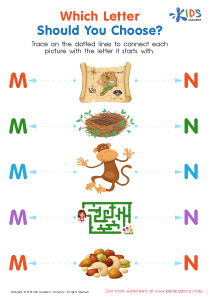
Normal Lowercase/Small Letters Worksheets for Ages 3-5
20 filtered results
-
From - To
Discover our engaging "Normal Lowercase/Small Letters Worksheets" designed specifically for children ages 3-5. These worksheets provide a fun and interactive way for young learners to familiarize themselves with lowercase letters. Each activity encourages letter recognition, fine motor skills, and early literacy development, making learning both enjoyable and effective. With colorful illustrations and various exercises, children will enjoy tracing, coloring, and identifying small letters. Perfect for home and classroom use, our worksheets support foundational skills that prepare kids for future reading and writing success. Start your child on the path to literacy with our thoughtfully crafted resources!
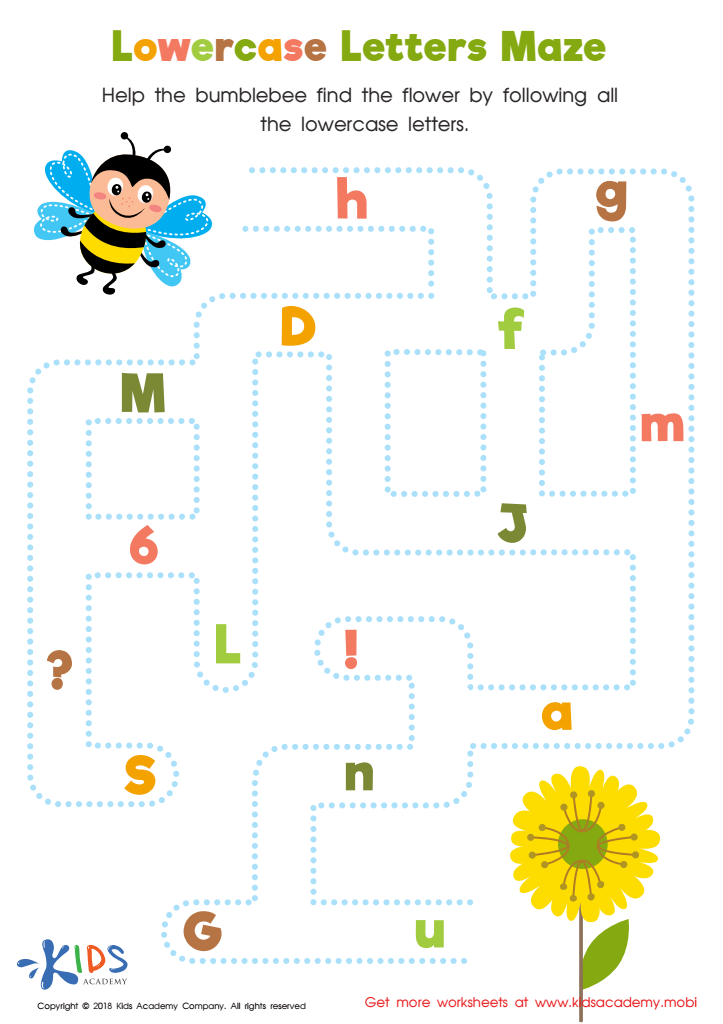
Lowercase Letters Maze Worksheet
 Assign to My Students
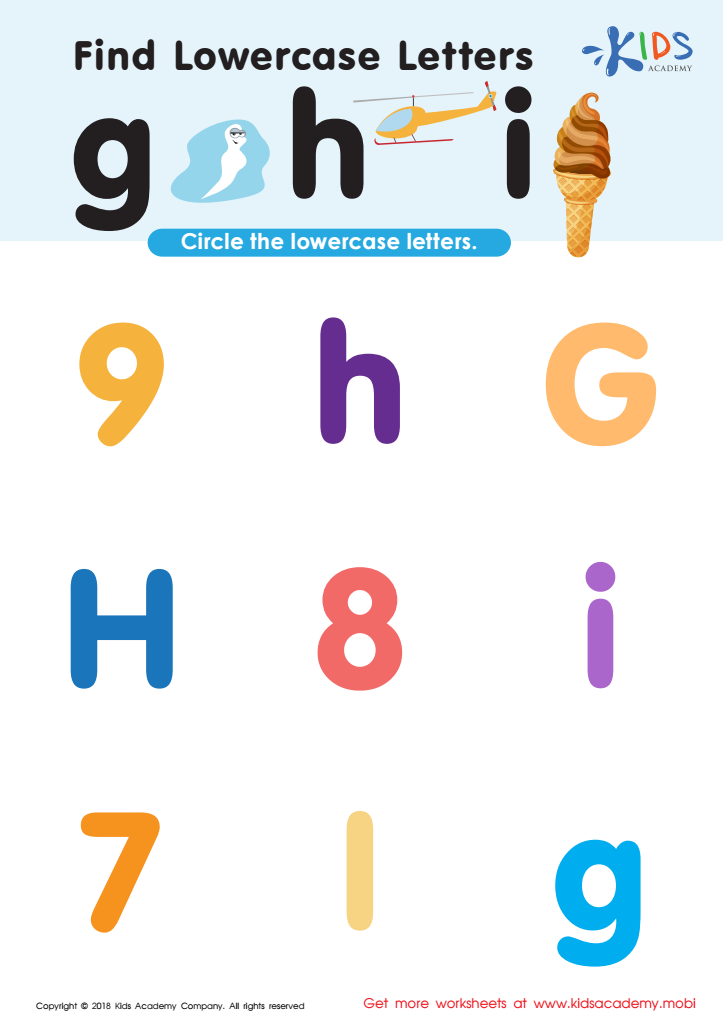
Find Lowercase Letters g h i Worksheet
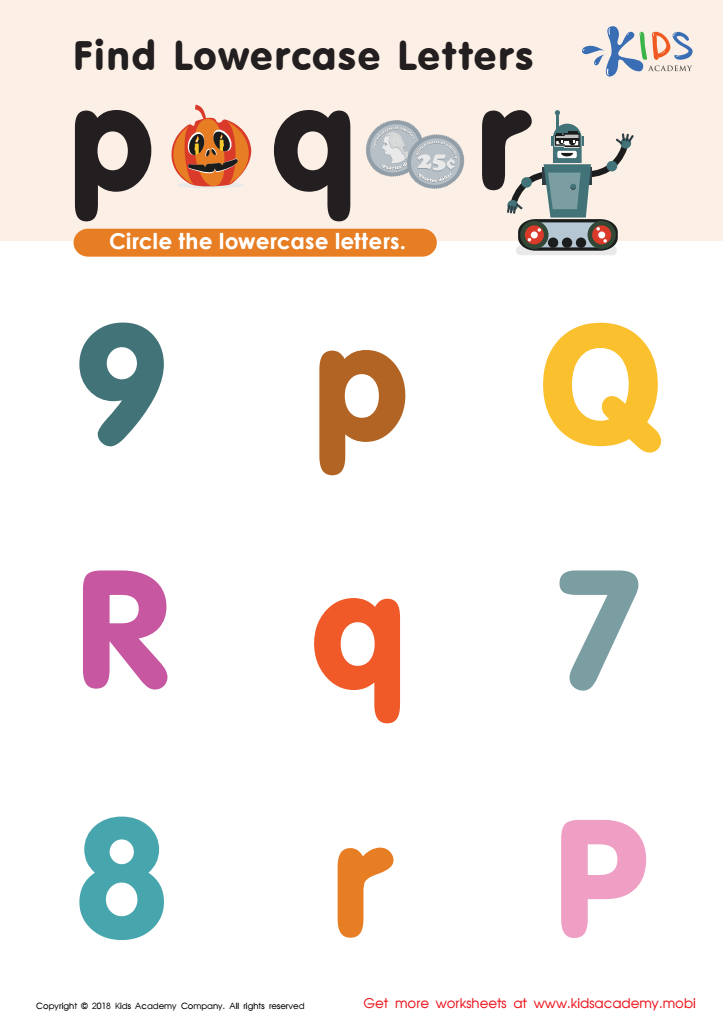
Find lowercase Letters p q r Worksheet
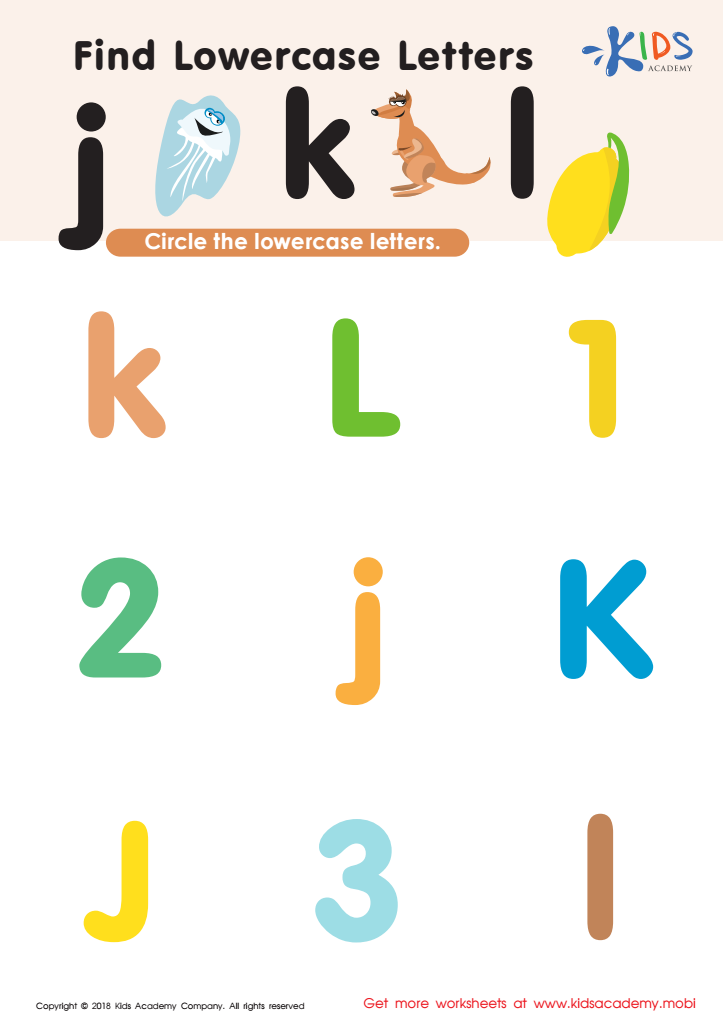
Find Lowercase Letters j k l Worksheet
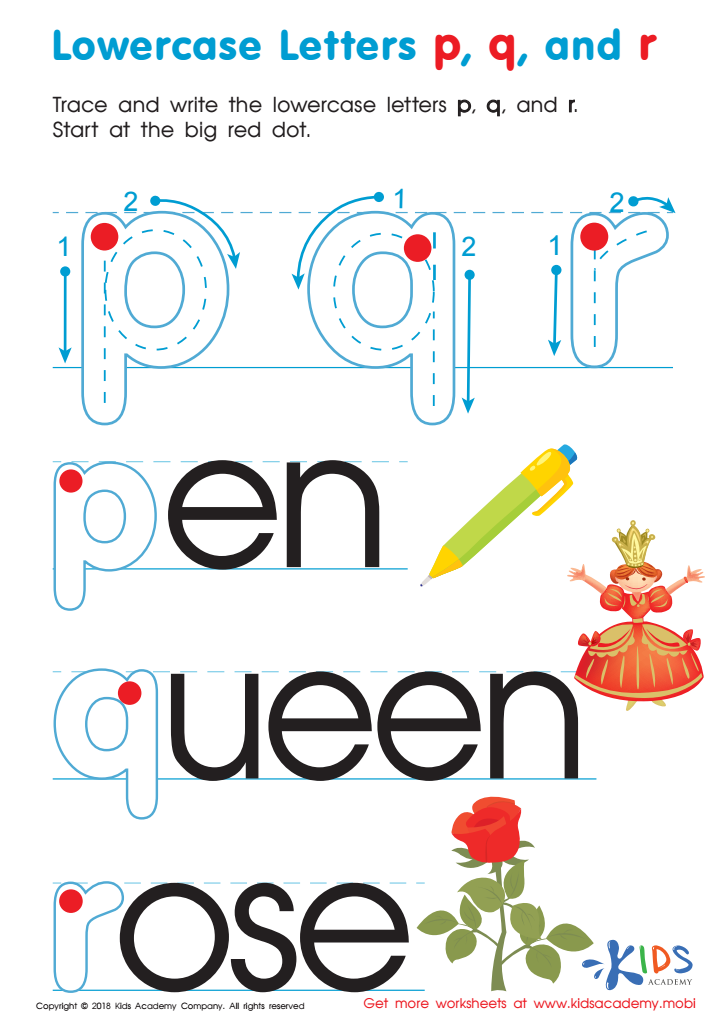
Lowercase Letters p q r Worksheet
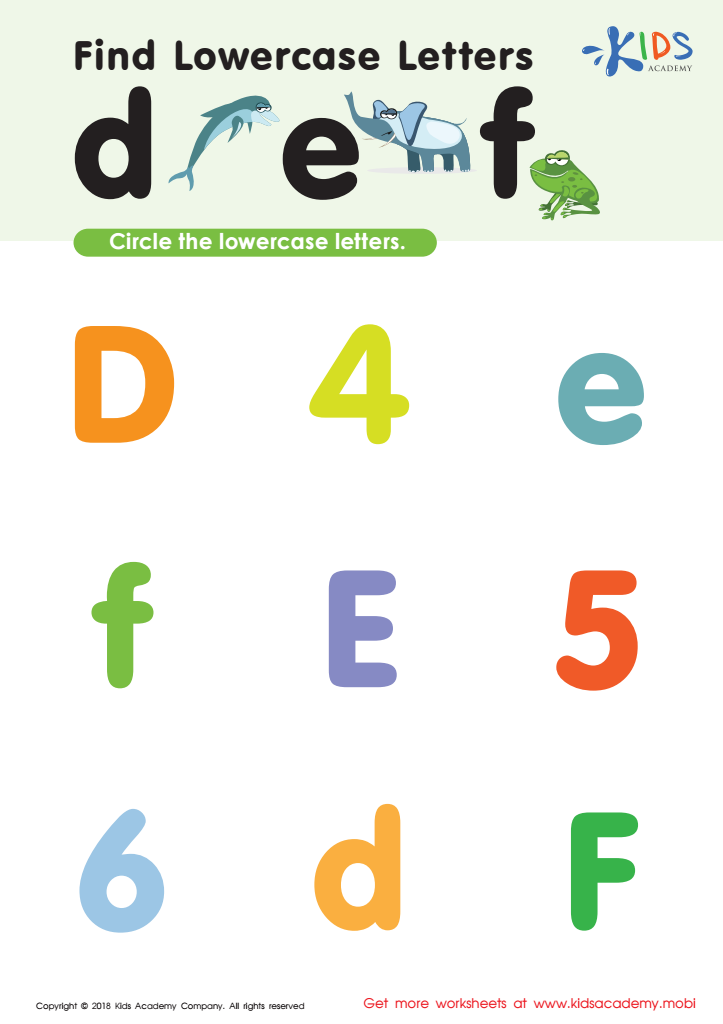
Find Lowercase Letters d e f Worksheet
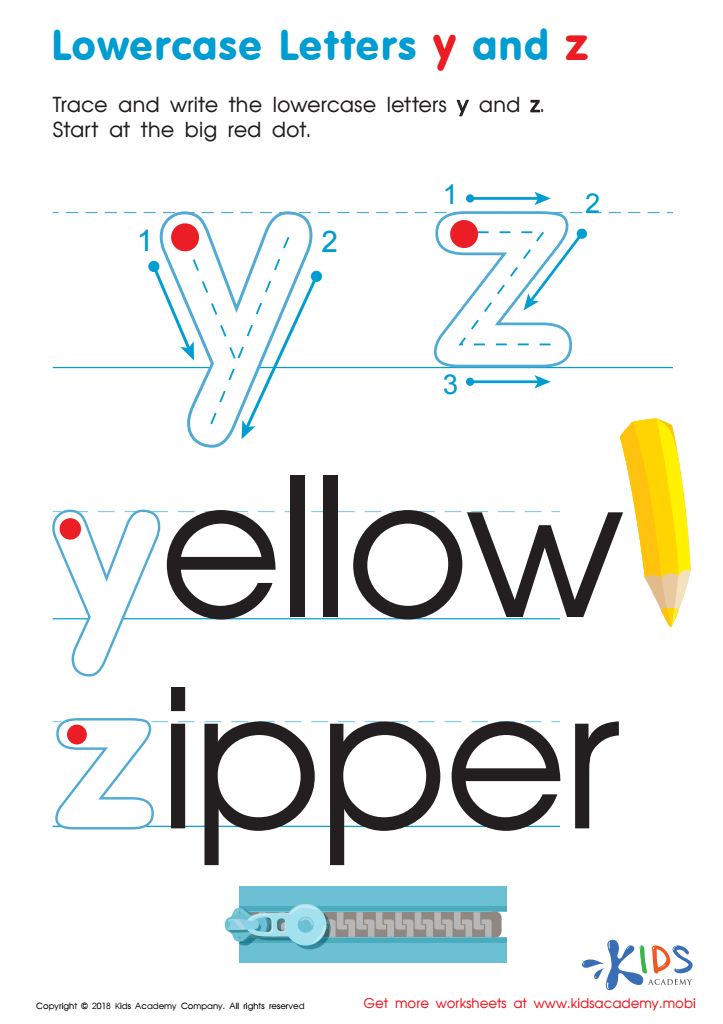
Lowercase Letters y z Worksheet
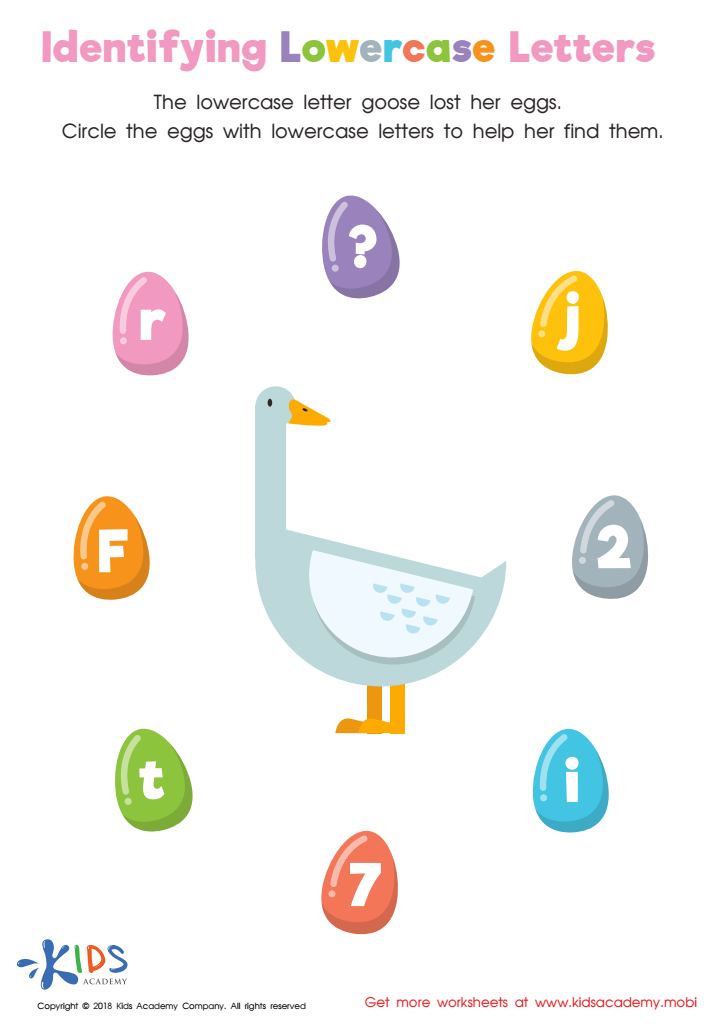
Identifying Lowercase Letters Worksheet
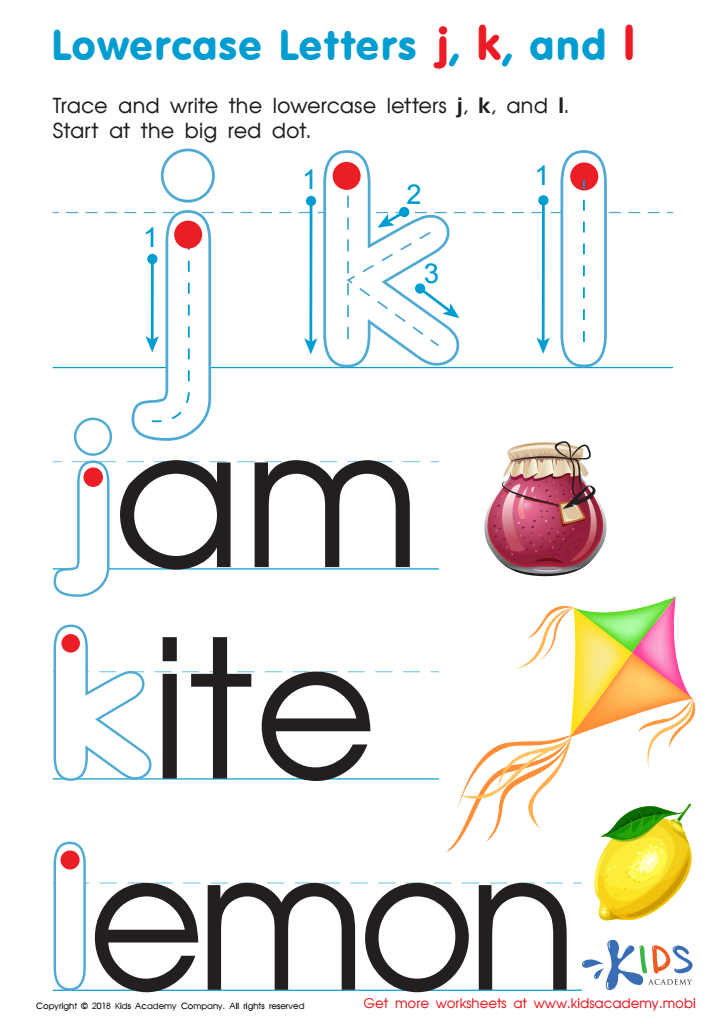
Lowercase Letters j k l Worksheet
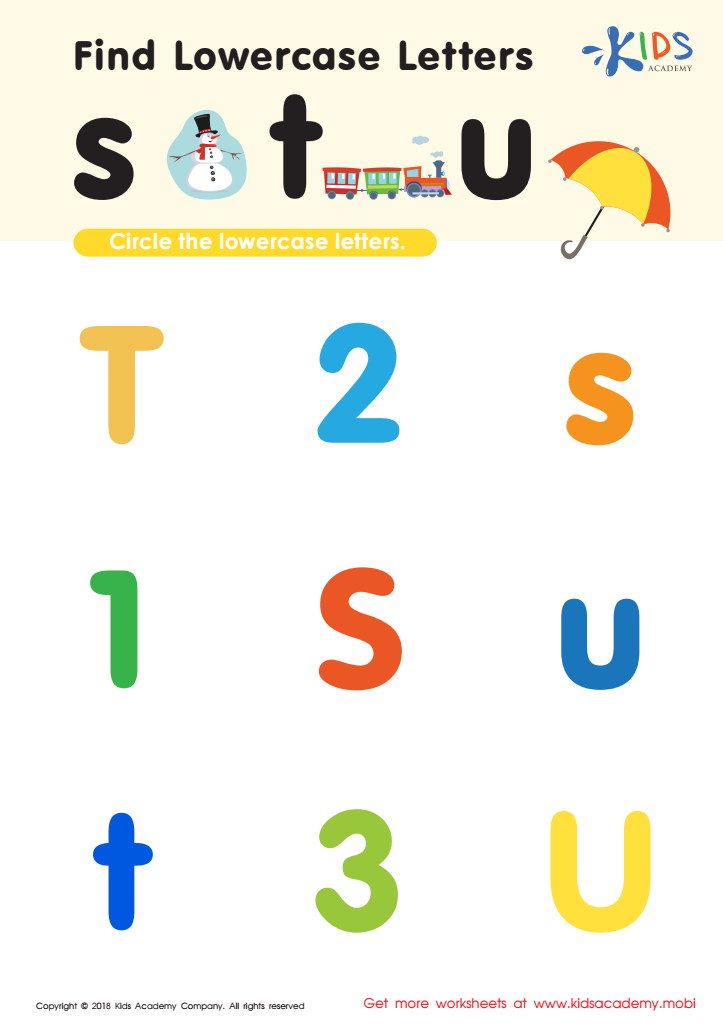
Find lowercase Letters s t u Worksheet
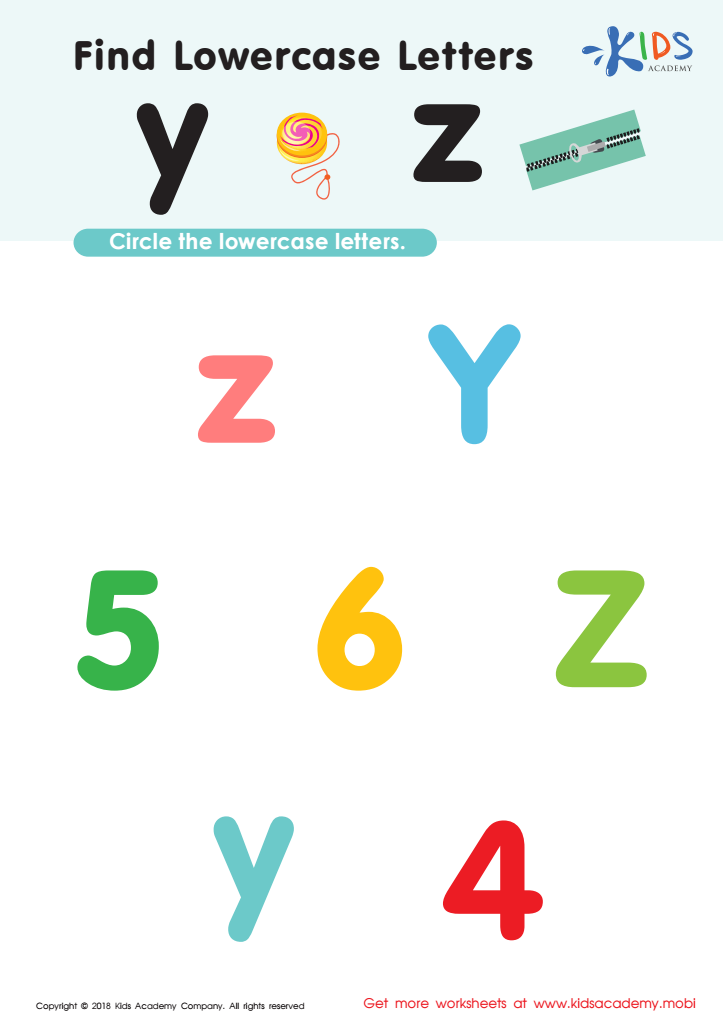
Find Lowercase Letters y z Worksheet

Lowercase Letters m n o Worksheet
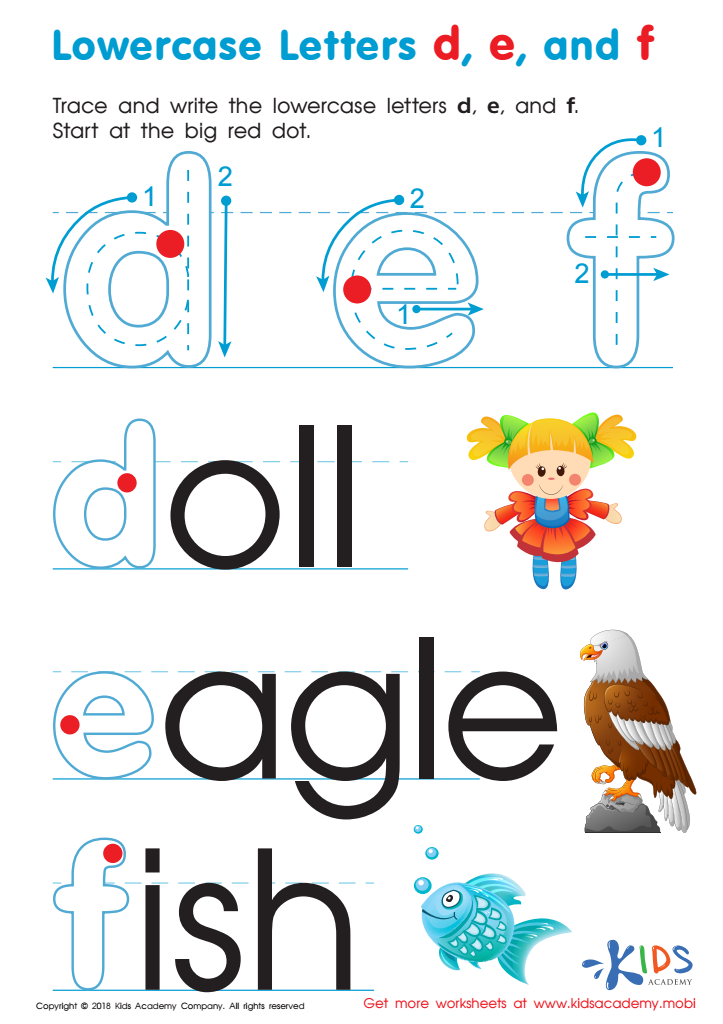
Lowercase Letters d e f Worksheet
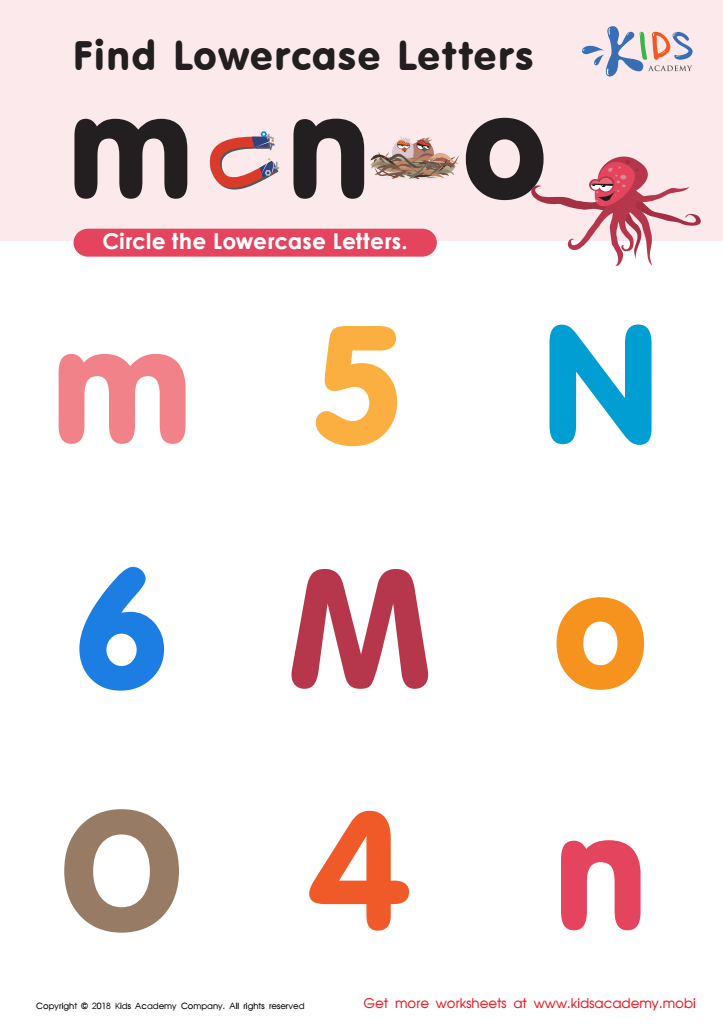
Find Lowercase Letters m n o Worksheet
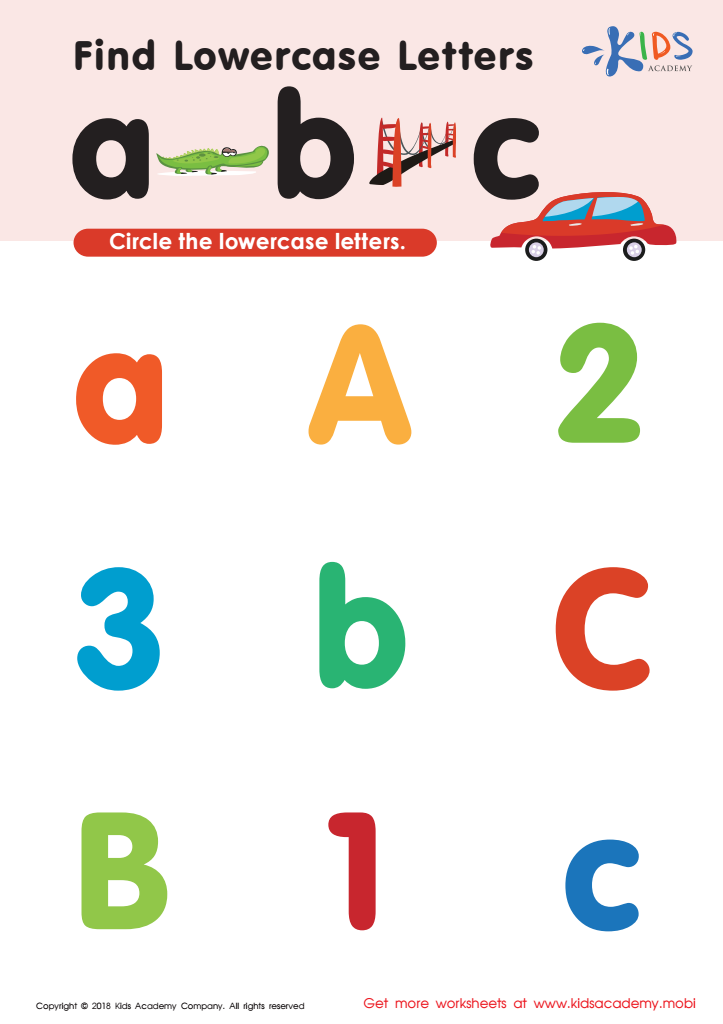
Find lowercase letters a b c Worksheet
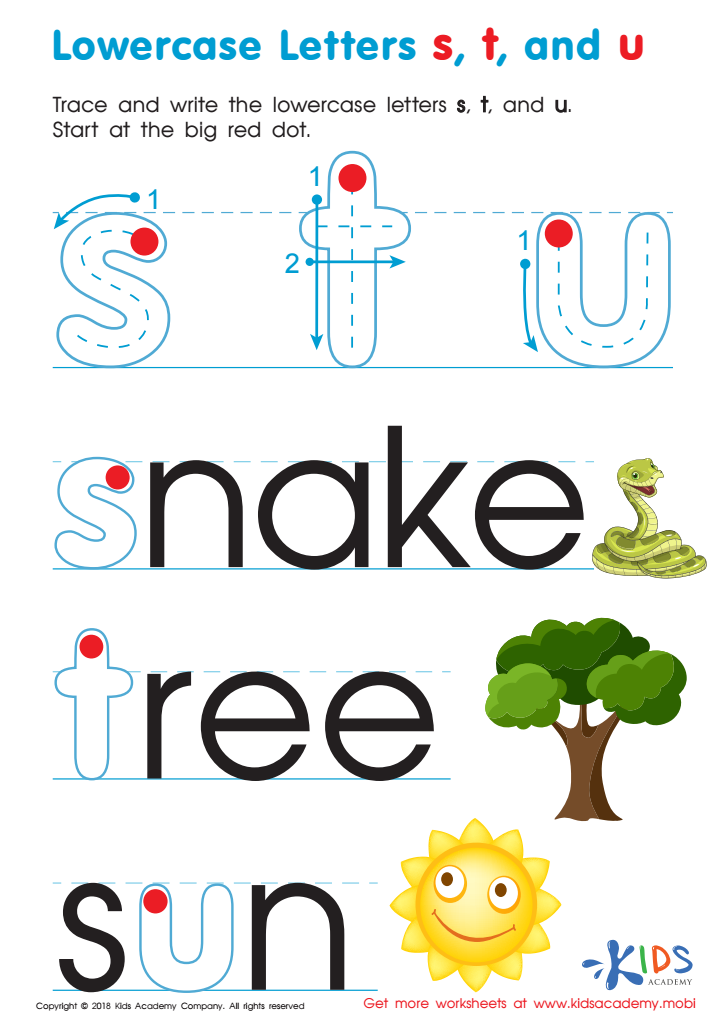
Lowercase Letters s t u Worksheet
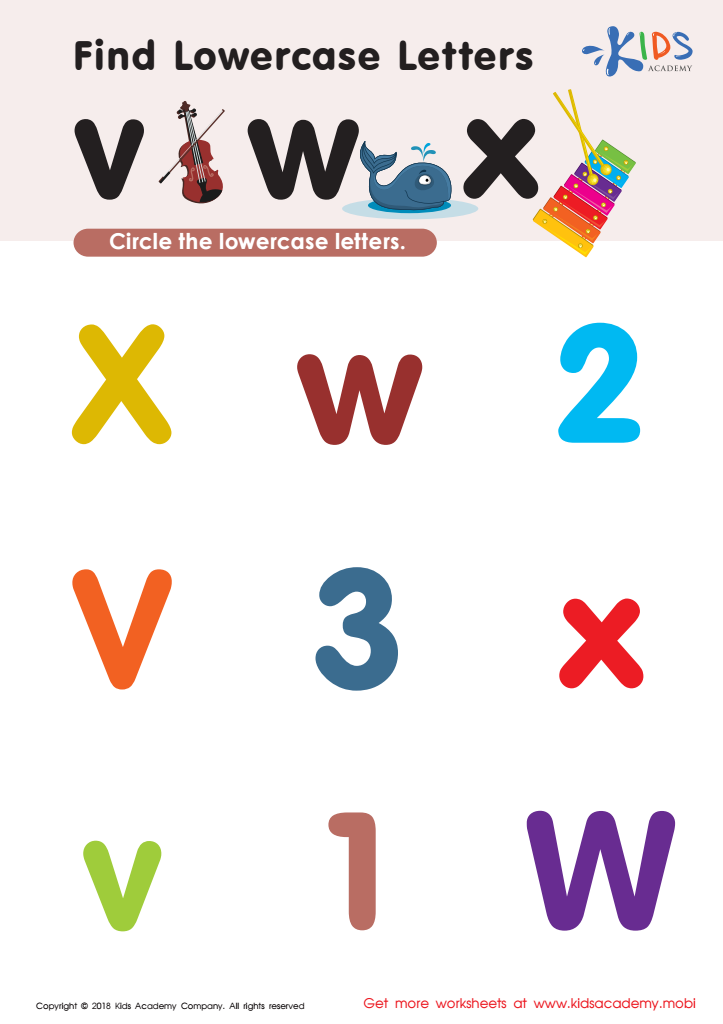
Find Lowercase Letters v w x Worksheet
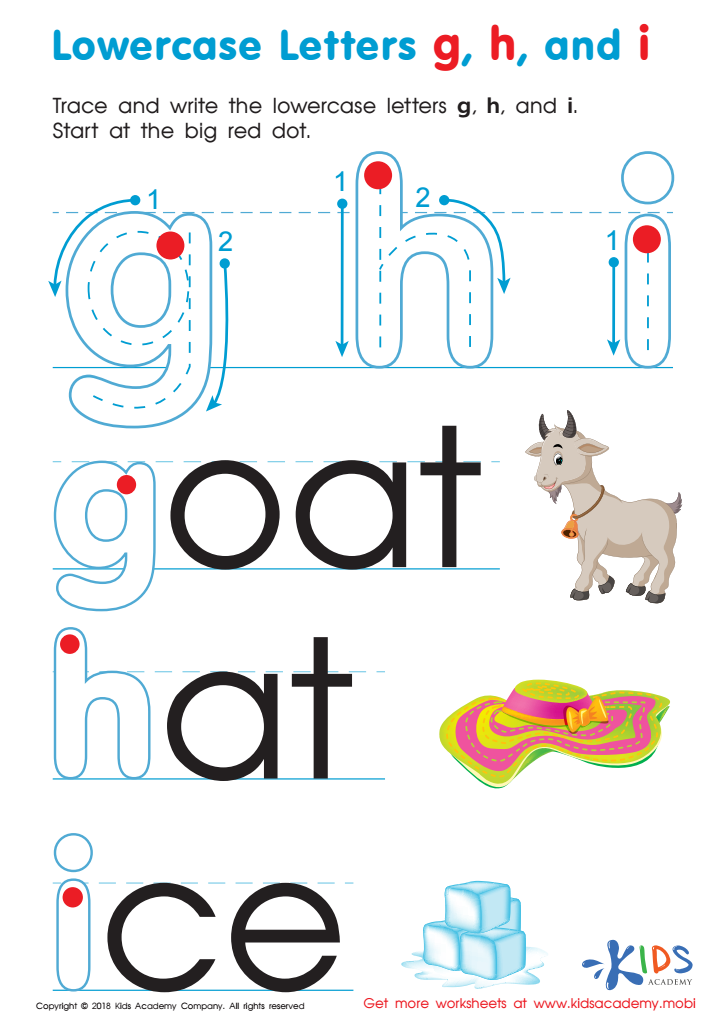
Lowercase Letters g h i Worksheet
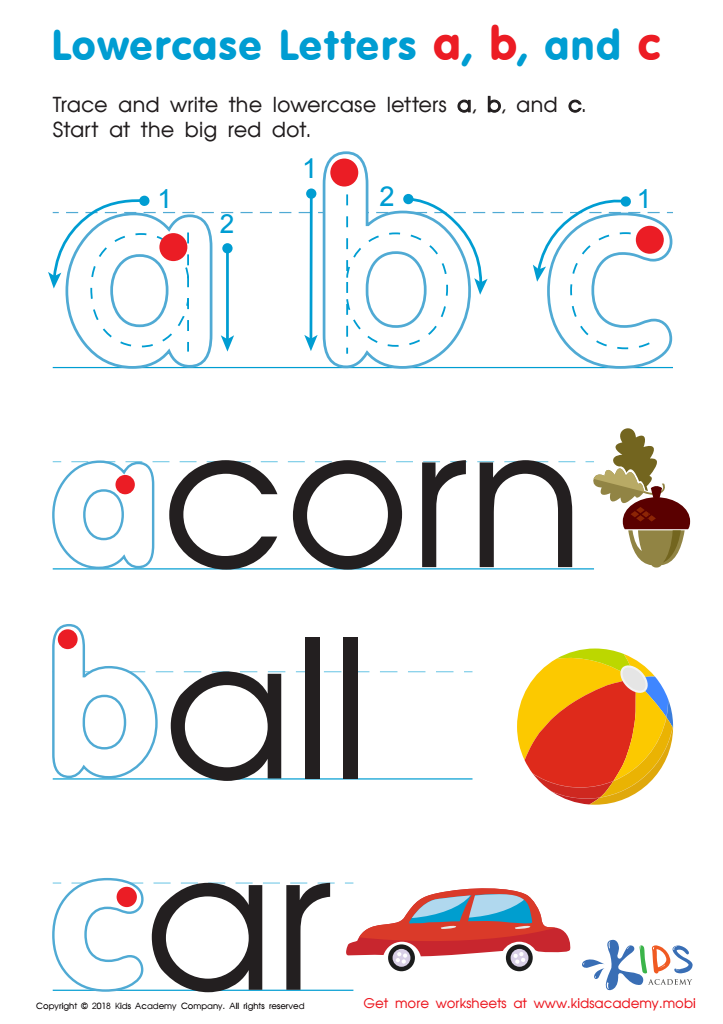
Lowercase Letters a b c Worksheet
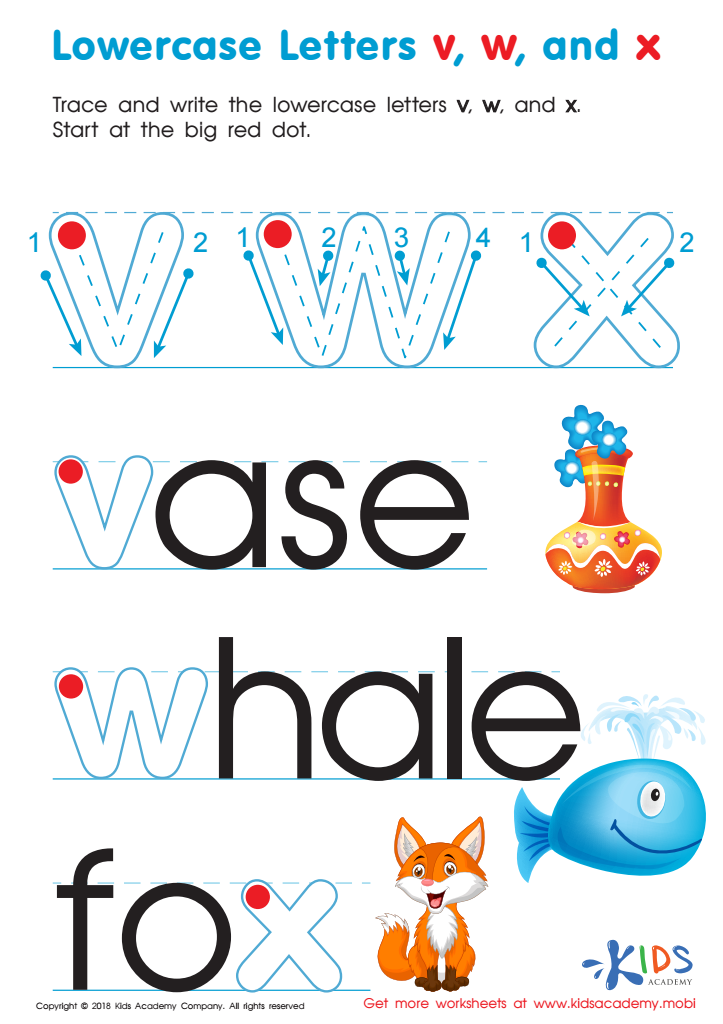
Lowercase Letters v w x Worksheet


Parents and teachers should prioritize the teaching of normal lowercase letters for children ages 3-5 for several vital reasons. Firstly, lowercase letters are the most commonly used in reading and writing, as they comprise the majority of text in books, labels, and everyday print. Familiarizing children with these letters earliest in their literacy journey fosters their ability to recognize and decode words, laying a strong foundation for reading skills.
Furthermore, distinguishing between uppercase and lowercase letters enhances cognitive development. Children learn to categorize and differentiate information, a skill that is essential in literacy and other academic areas. Engaging with lowercase letters also aids in fine motor skills as children practice writing these characters, contributing to their overall coordination and dexterity.
Additionally, using lowercase letters can boost children's confidence and help them express themselves in writing from an early age. Encouraging the use of small letters reinforces creativity while guiding children to articulate their thoughts.
In summary, focusing on normal lowercase letters supports foundational literacy development, enhances cognitive skills, fosters creativity, and builds confidence—all key elements in the early learning years. Adopting this focus ultimately empowers children for future learning success.