Normal Vowels Worksheets for Ages 3-6 - Page 2
39 filtered results
-
From - To
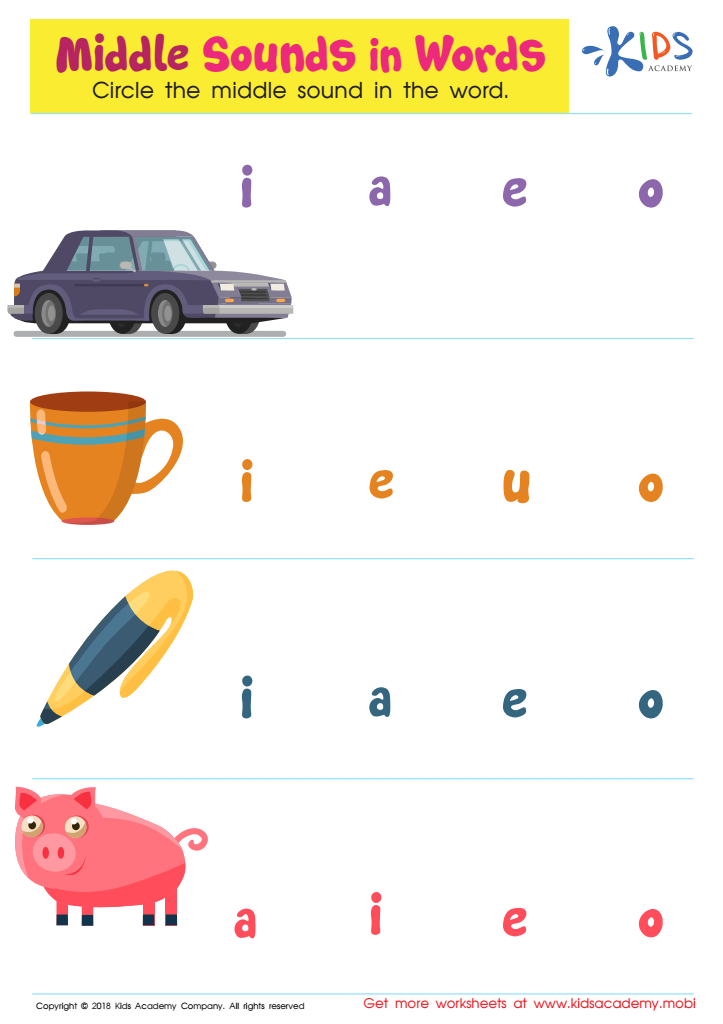
Middle Sounds in Words Worksheet
 Assign to My Students
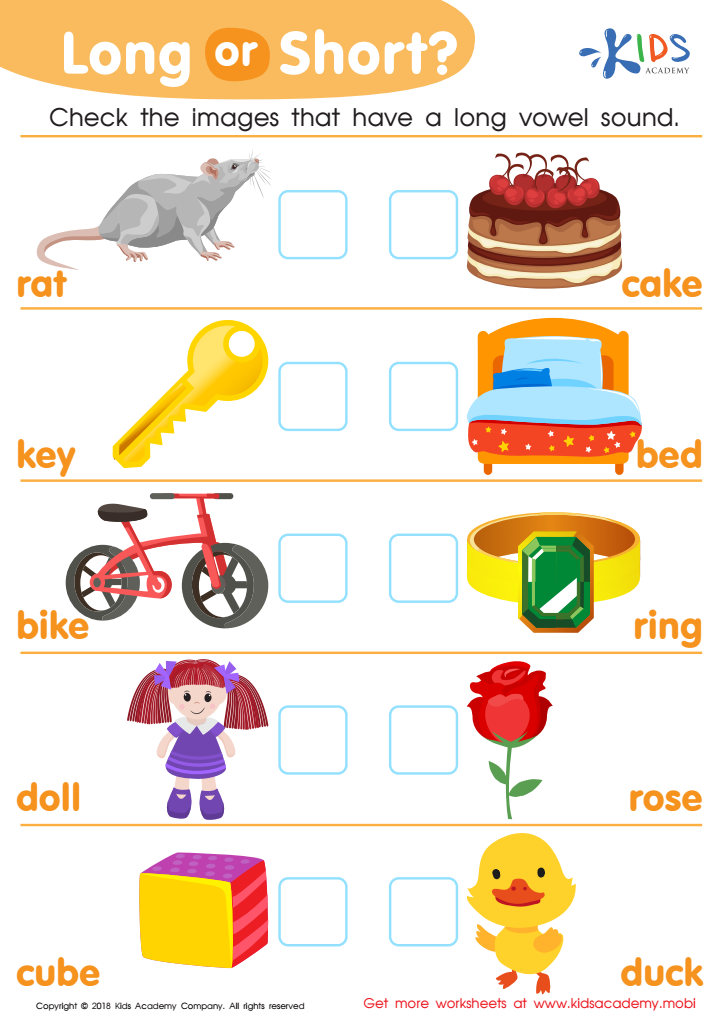
Long or Short Reading Worksheet
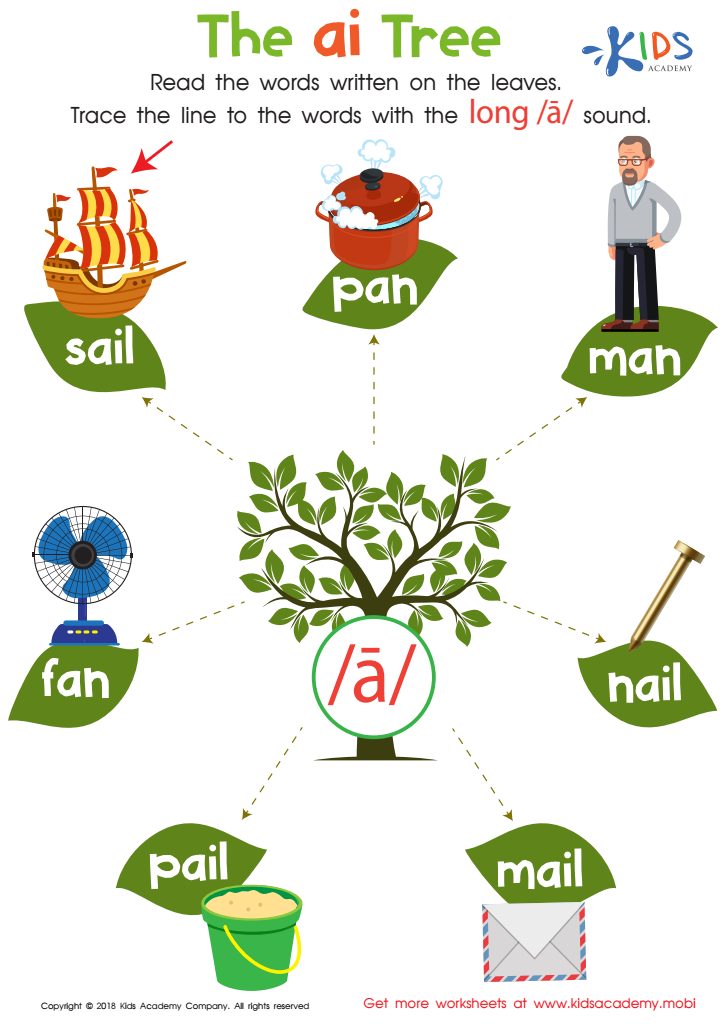
The AI Tree Worksheet
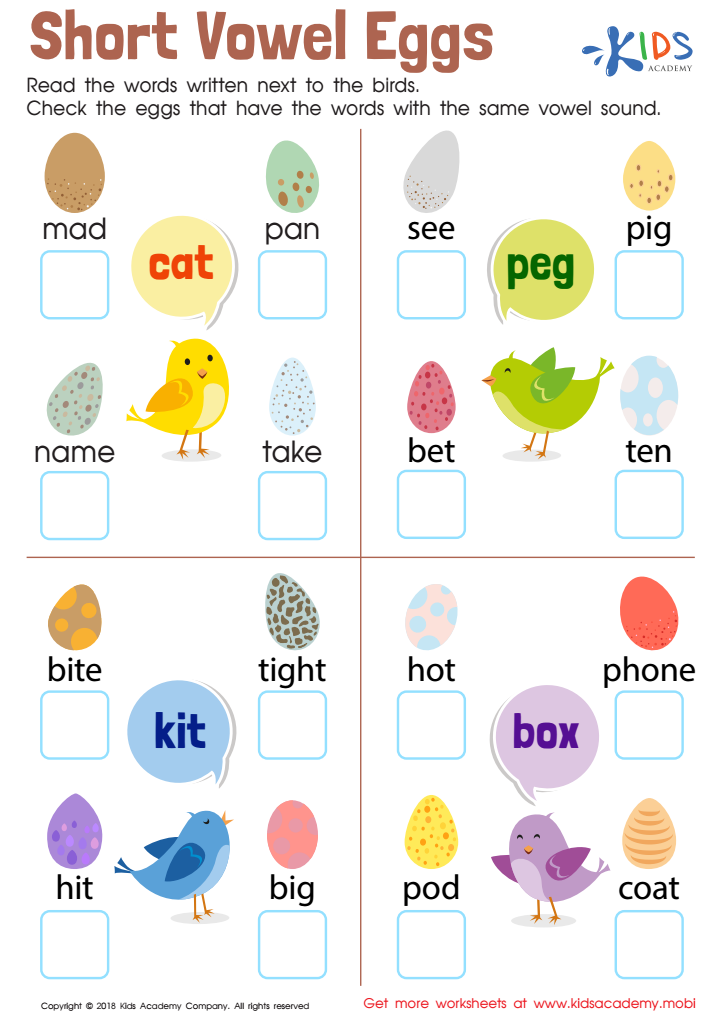
Short Vowel Eggs Worksheet
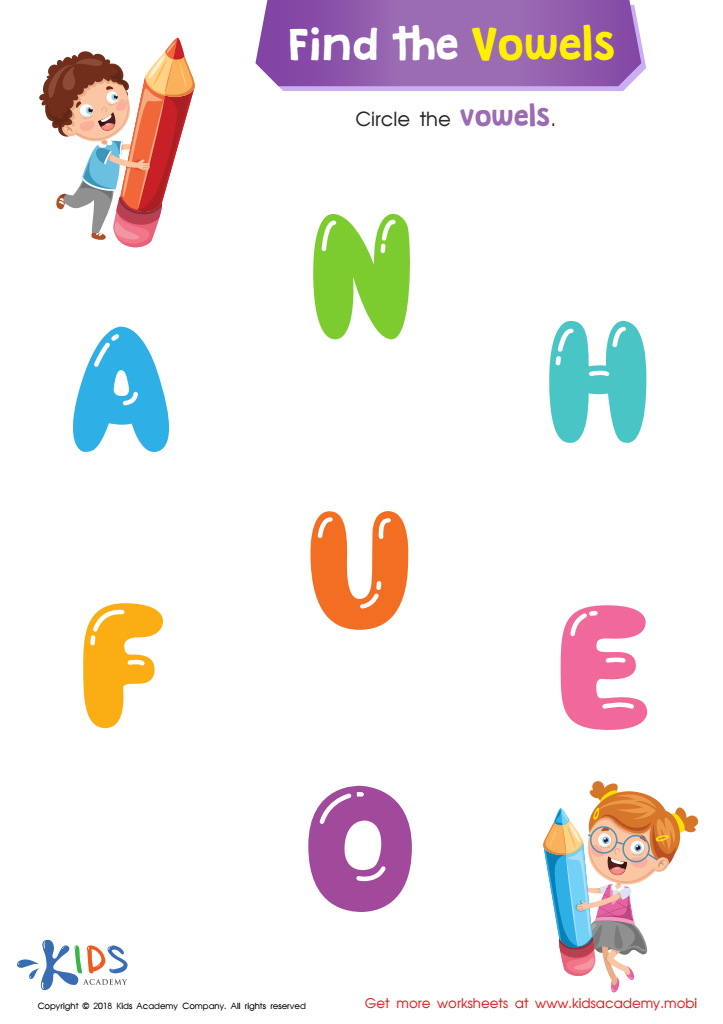
Find the Vowels Reading Worksheet
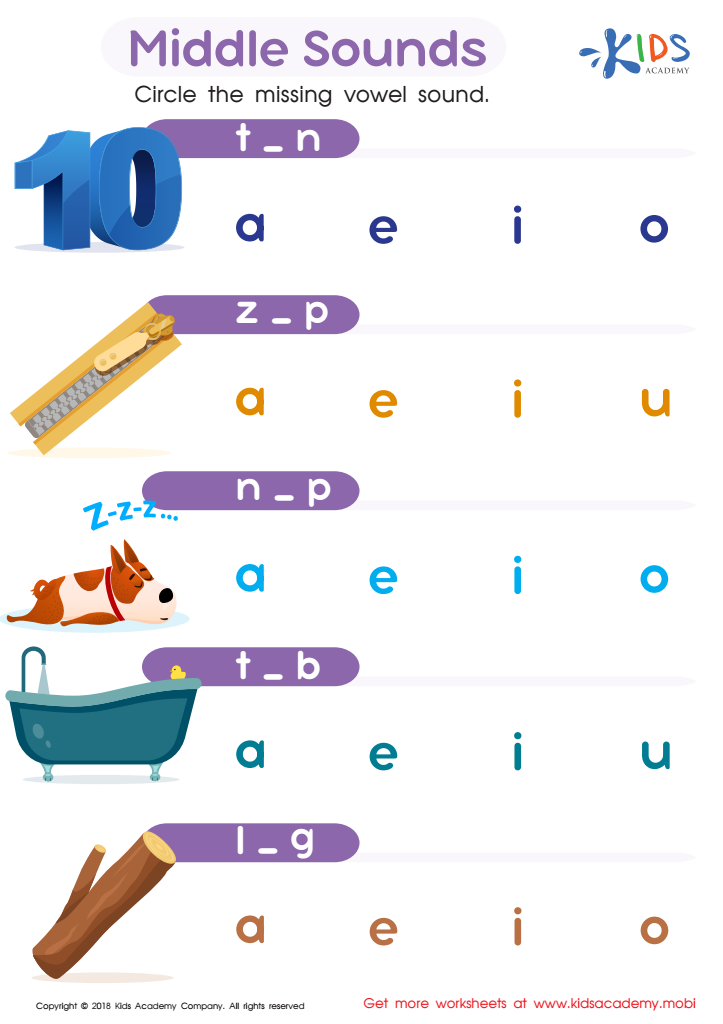
Middle Sounds Worksheet
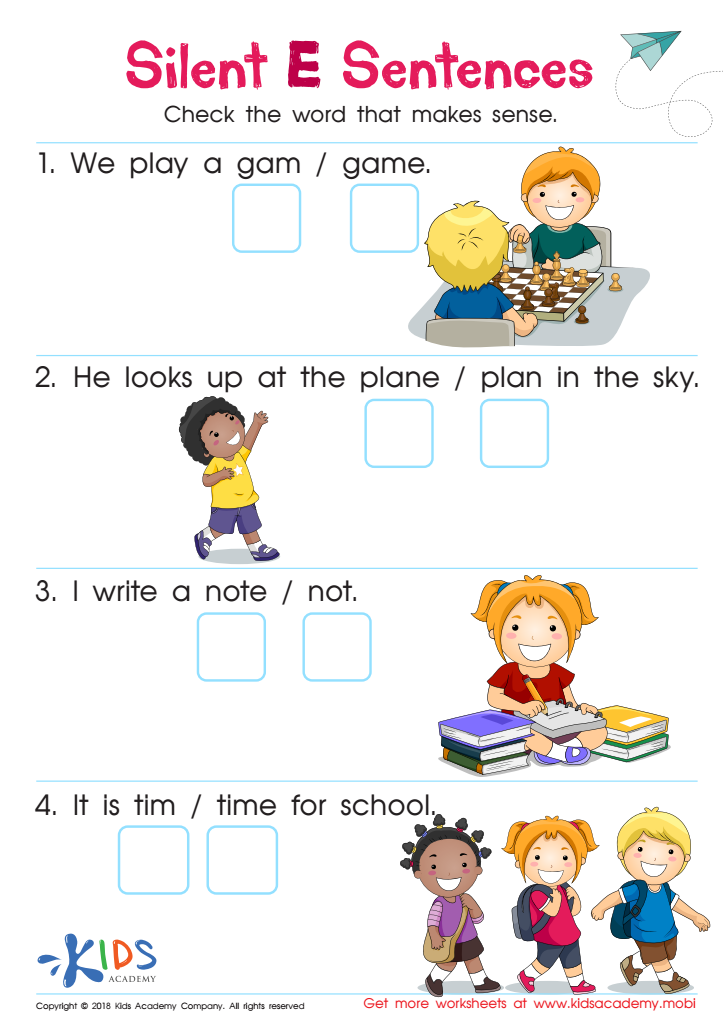
Silent E Sentences Worksheet
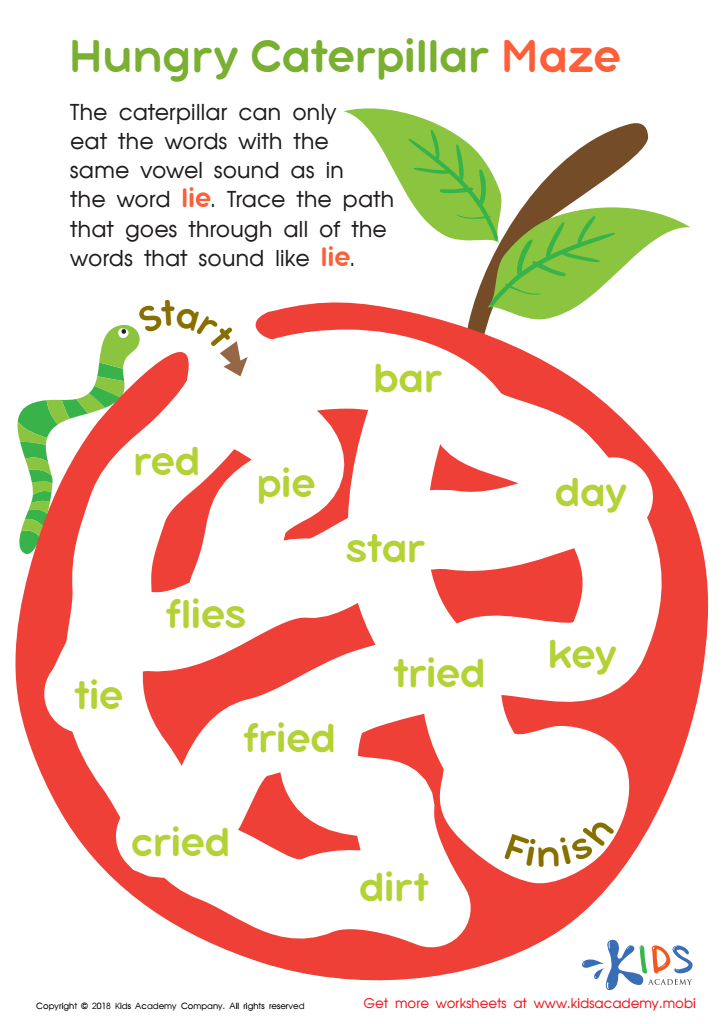
Hungry Caterpillar Maze Worksheet
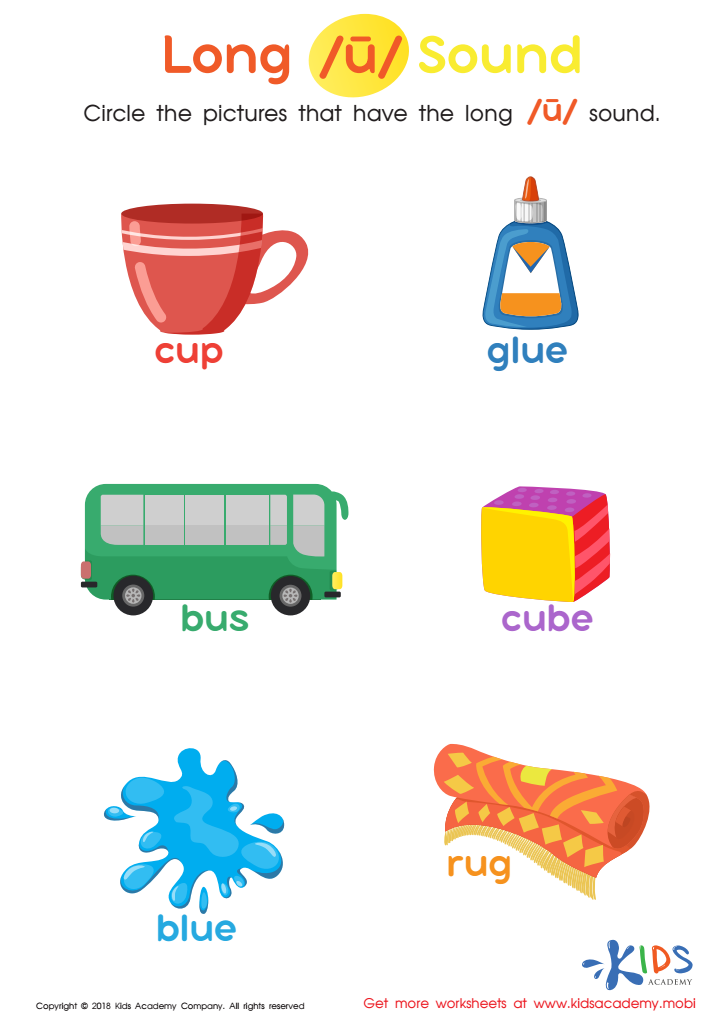
Long «u» Sound Worksheet
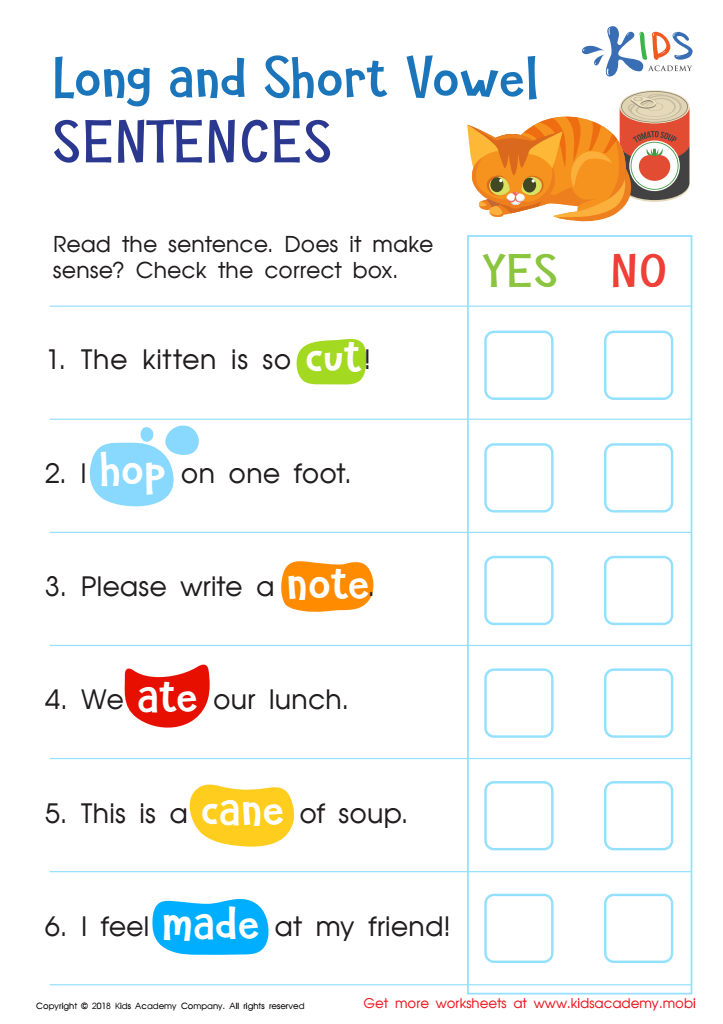
Long and Short Vowel Sentences: Assessment Worksheet
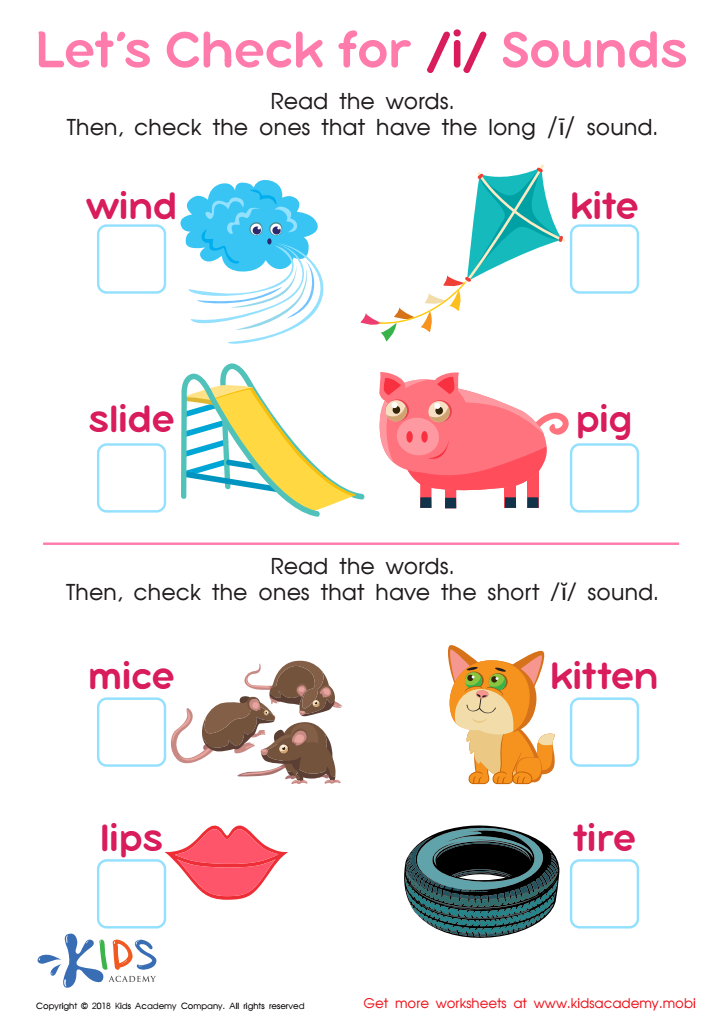
Let's Check for «i» Sounds Worksheet
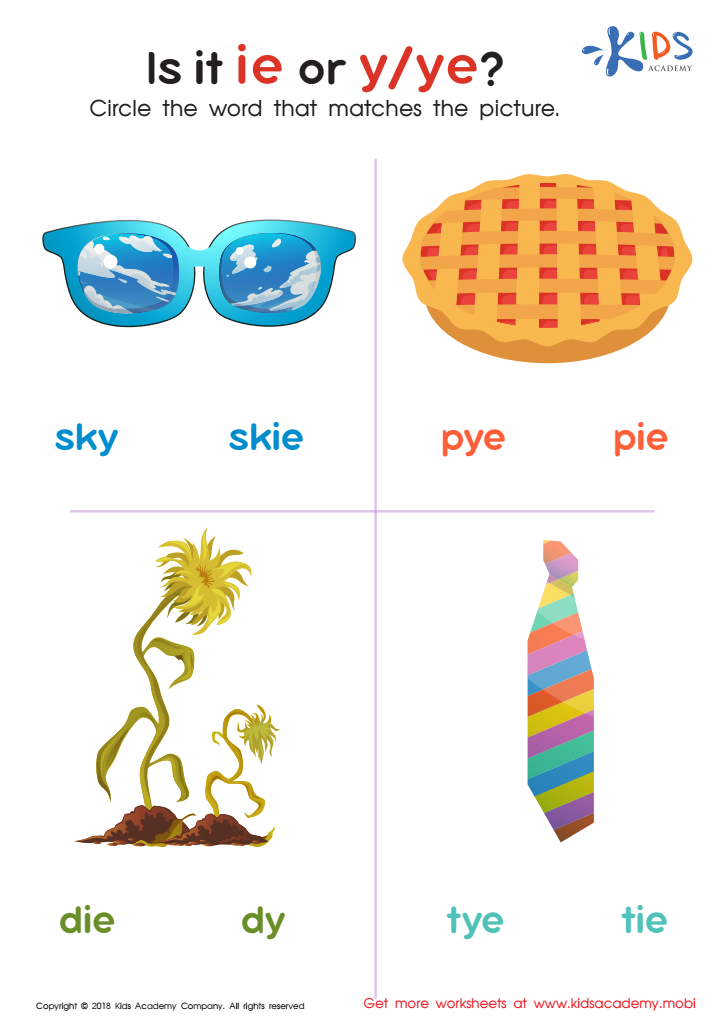
Is It IE or Y/Ye? Worksheet
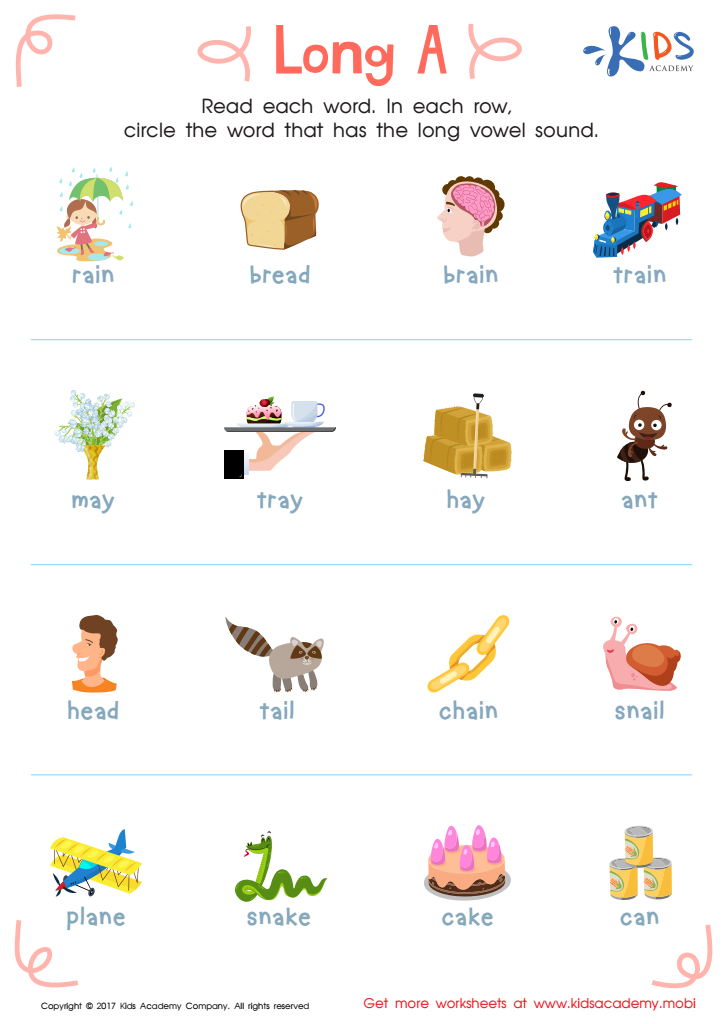
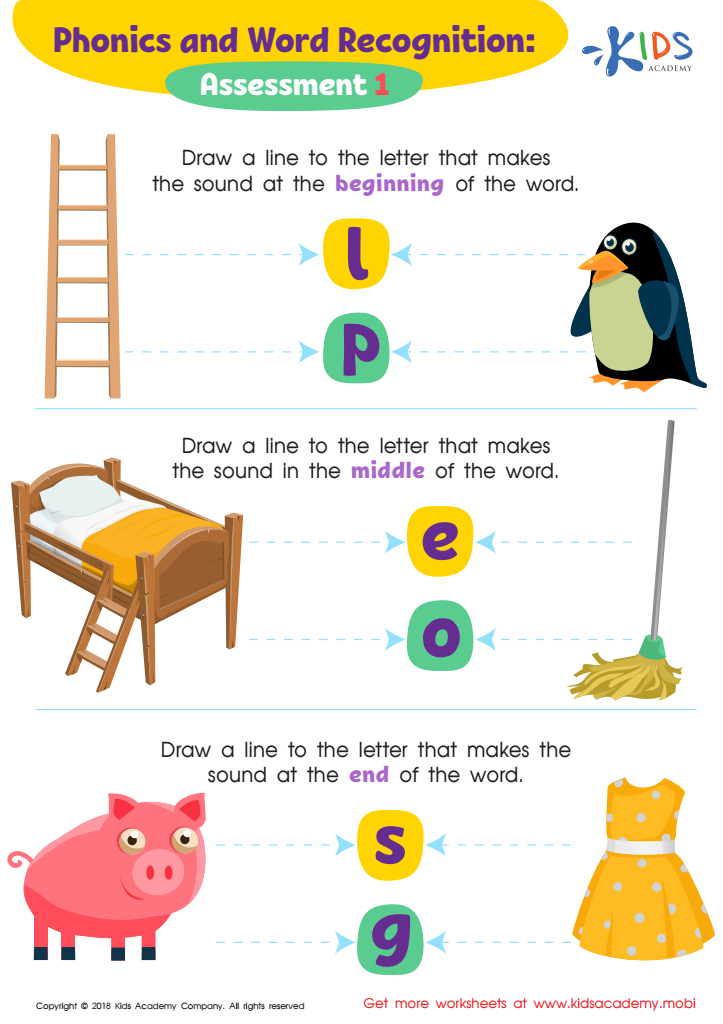
Phonics and Word Recognition: Assessment 1 ELA Worksheet
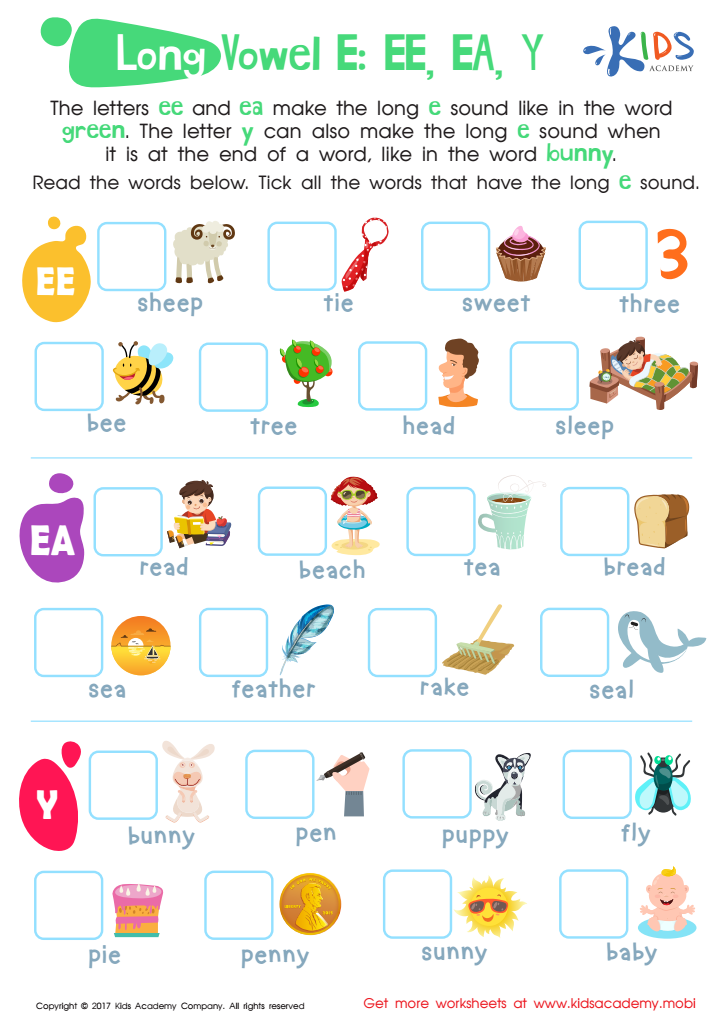
Long Vowel E Printable





For children ages 3-6, understanding normal vowels is crucial for early language development, forming a foundation for literacy skills. Vowels are the building blocks of words, and mastering their sounds can significantly impact a child's ability to read, write, and communicate effectively.
During these formative years, children's brains are exceptionally receptive to learning. Teaching normal vowels helps them distinguish between different sounds, aiding phonological awareness—a critical component of reading readiness. For instance, identifying vowels helps children decode simple words ("cat," "car," "run"), facilitating early reading success and bolstering their confidence.
Moreover, grasping vowel sounds enhances speech clarity. Proper pronunciation is key to being understood and engaging in social interactions. Early acquisition of vowel sounds can reduce the likelihood of speech difficulties, contributing to smoother communication with peers and adults.
Educators and parents play vital roles in this process by providing engaging and diverse activities—like singing vowel songs, reading aloud, and playing phonetic games—that make learning vowels fun and memorable. Prioritizing normal vowels not only supports academic achievement but also fosters a positive attitude towards learning and communication as children grow, setting the stage for their future educational journey.






