Normal Word Problems Worksheets for Ages 3-6 - Page 2
40 filtered results
-
From - To
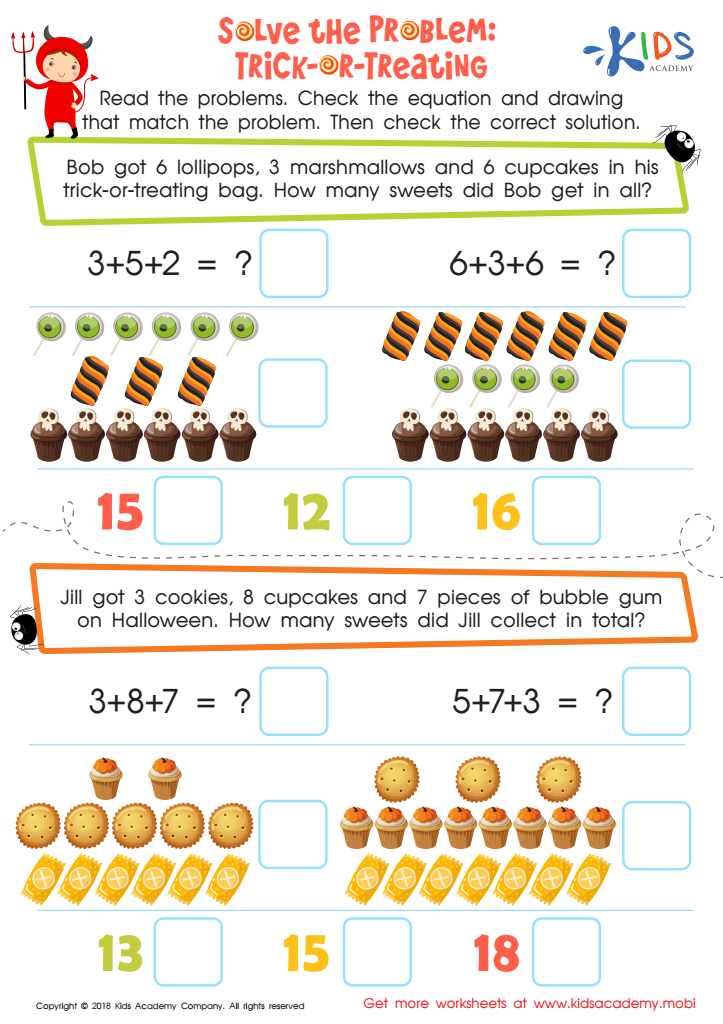
Solve the Problem: Trick–or–treating Worksheet
 Assign to My Students
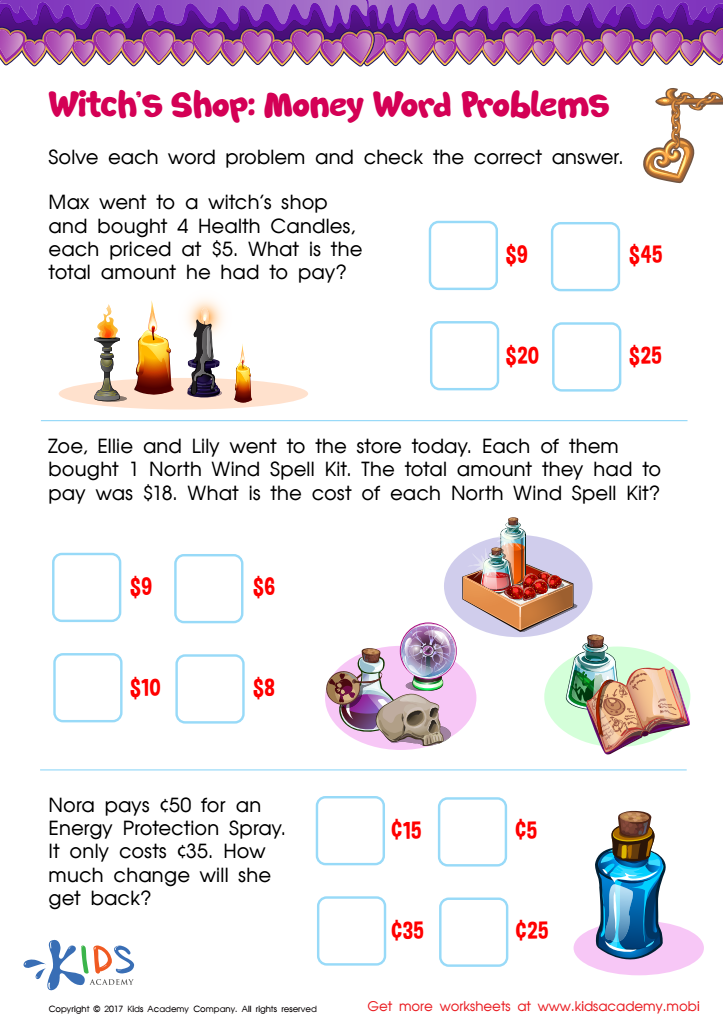
Money Word Problems Printable
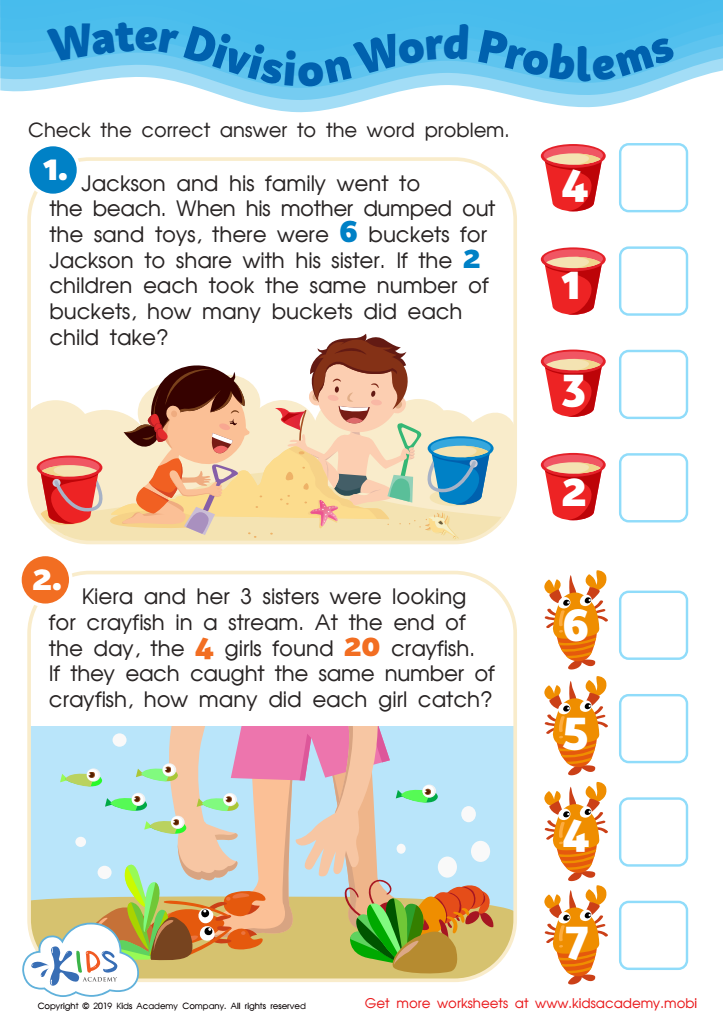
Water Division Word Problems Worksheet
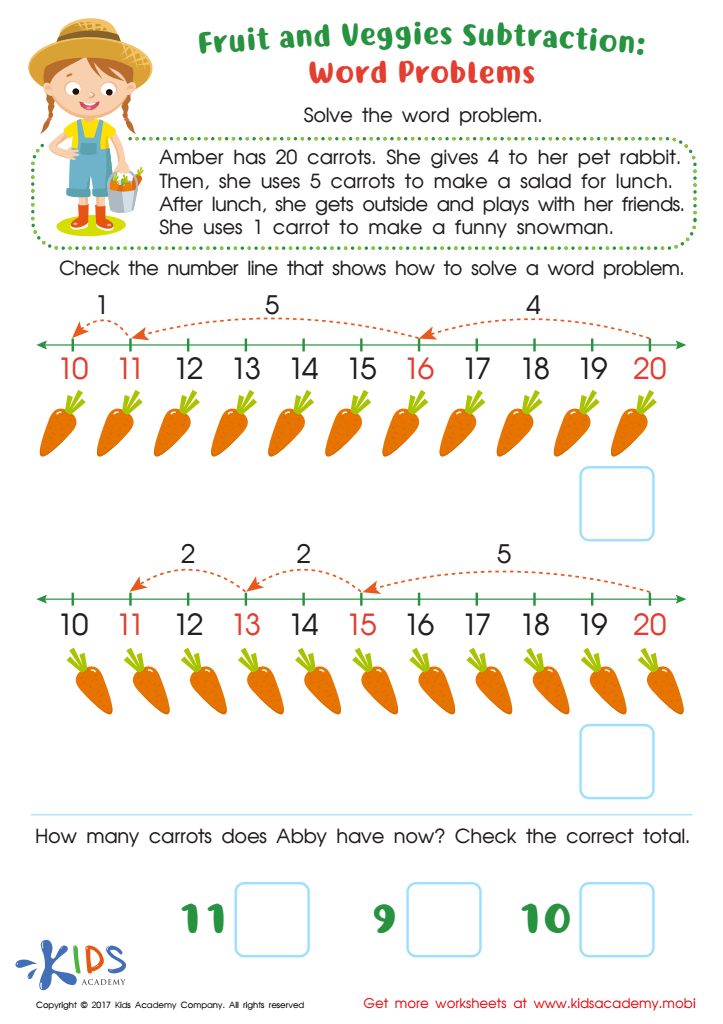
Subtraction Word Problems Printable
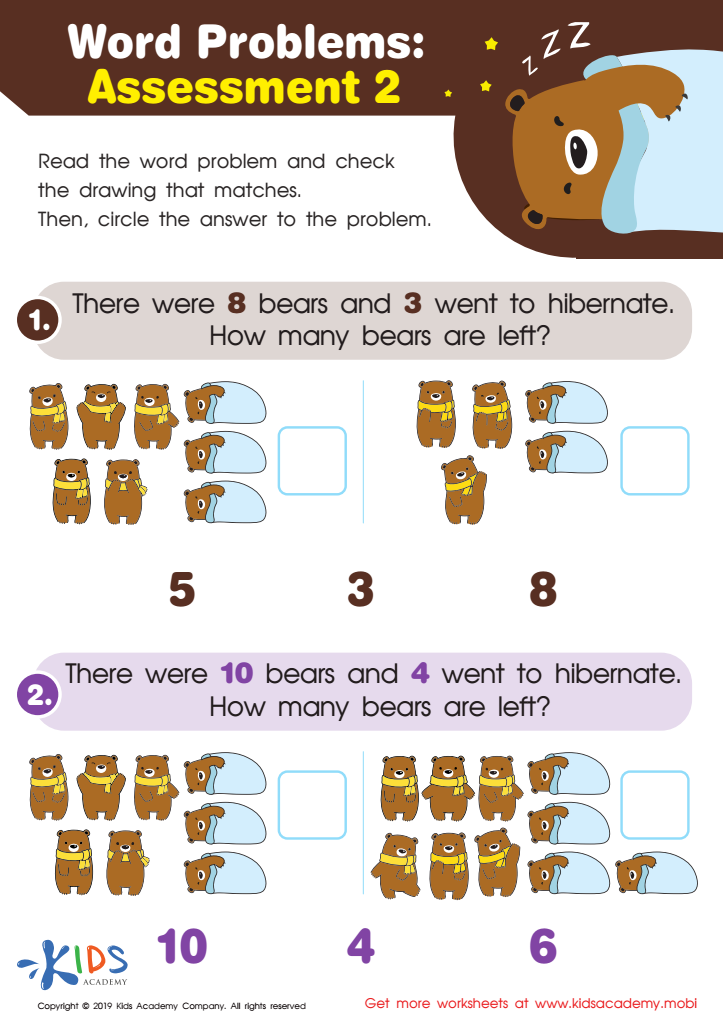
Word Problems: Assessment 2 Worksheet
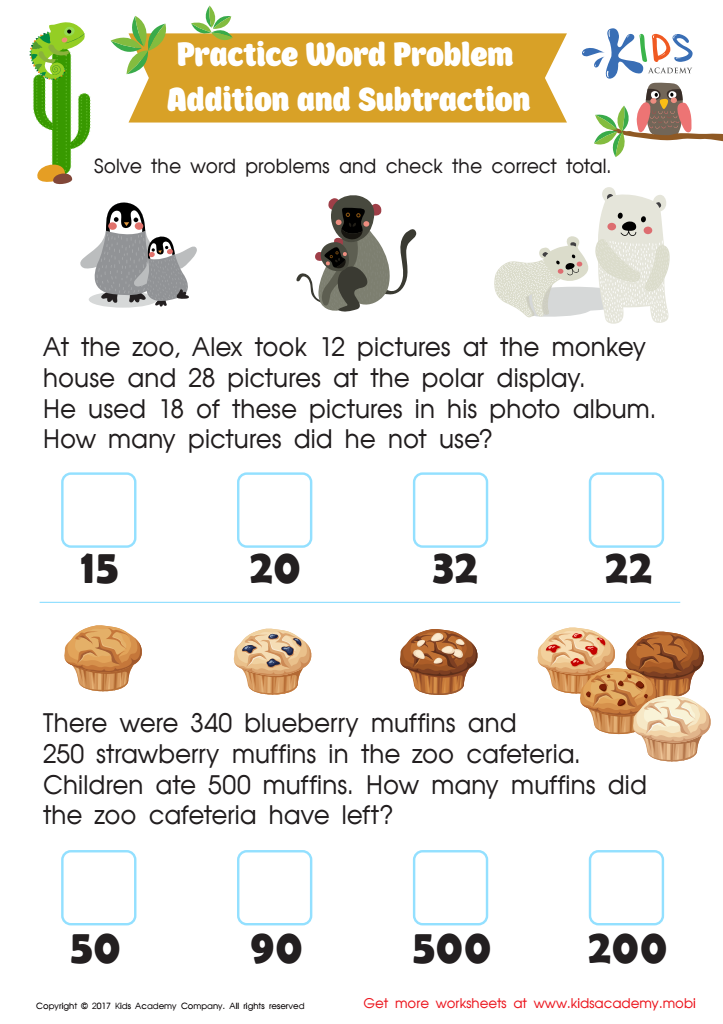
Addition and Subtraction: Word Problems Worksheet
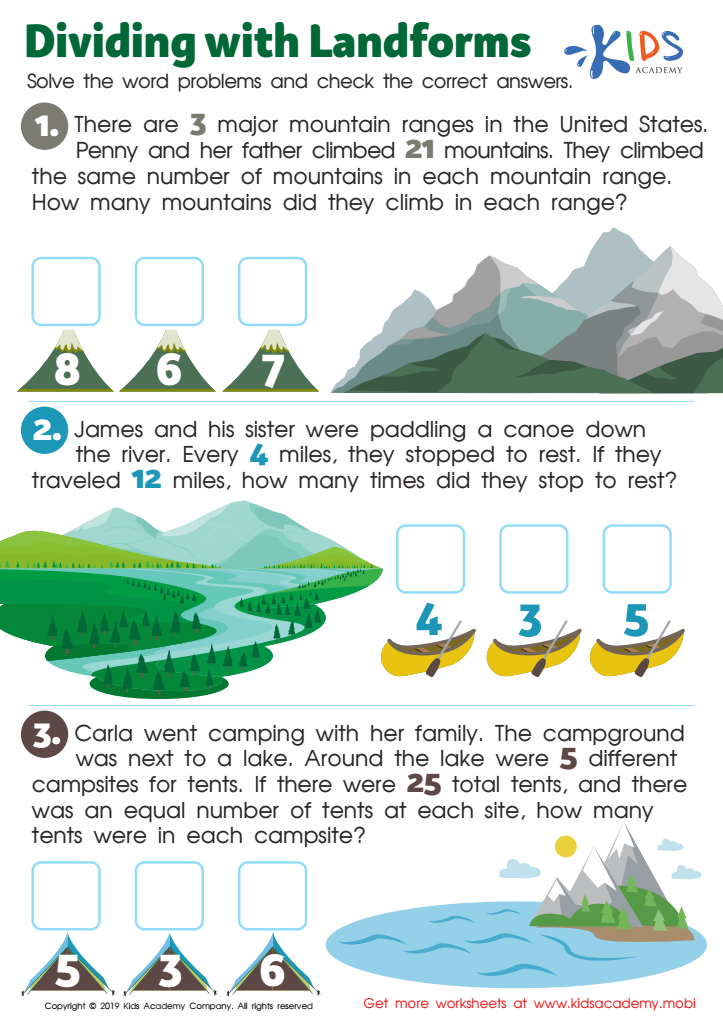
Dividing with Landforms
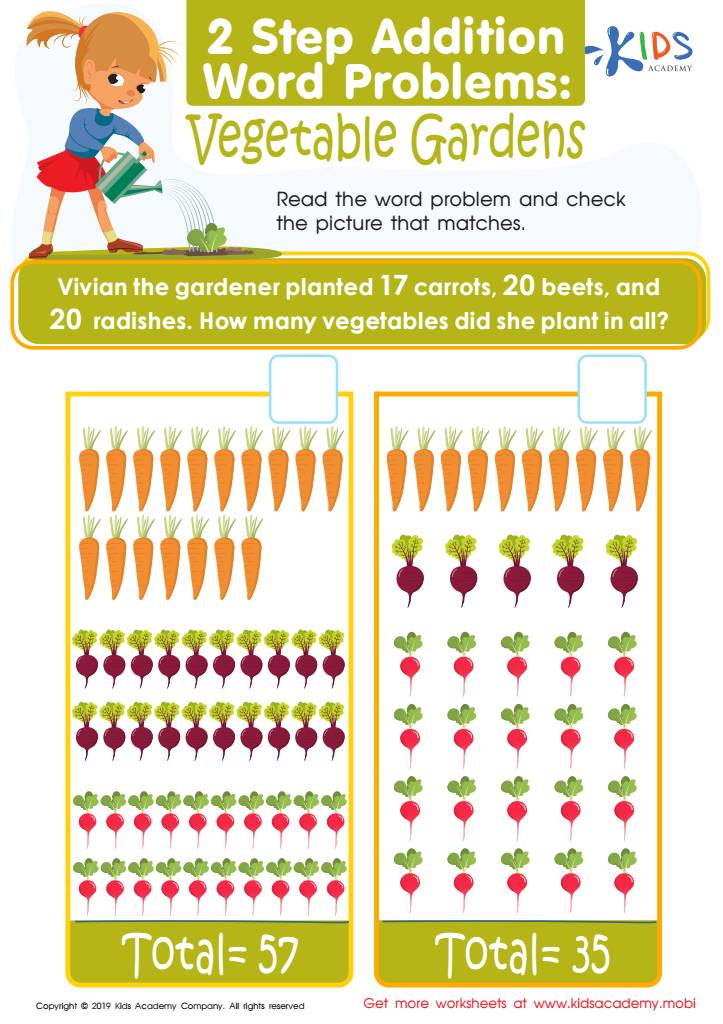
Vegetable Gardens Worksheet
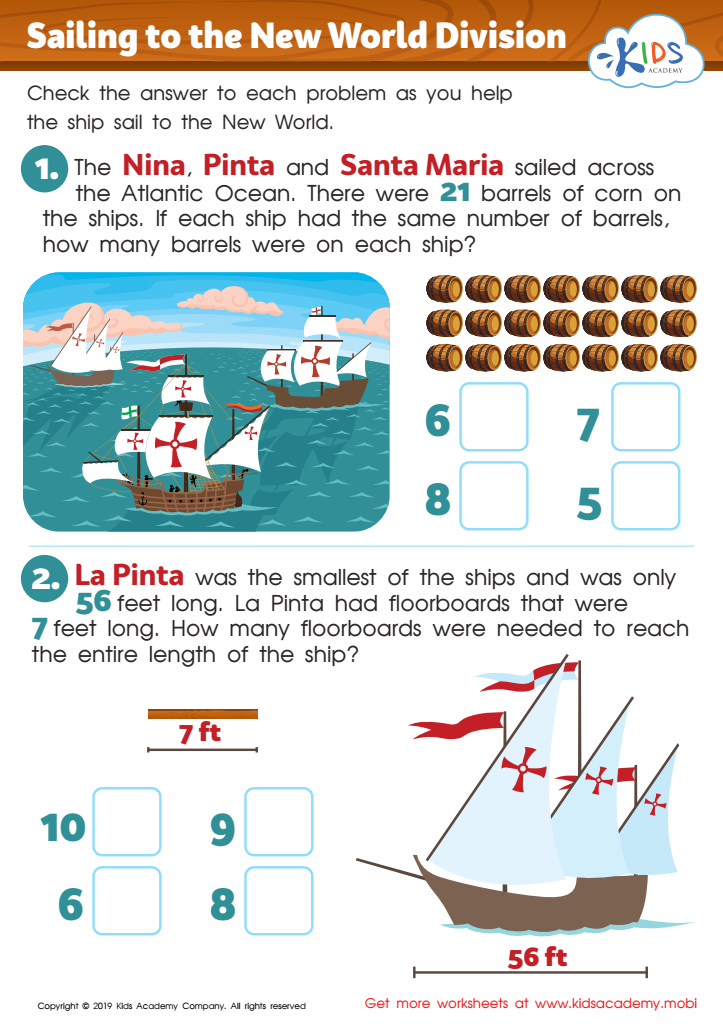
Sailing to the New World Division Worksheet
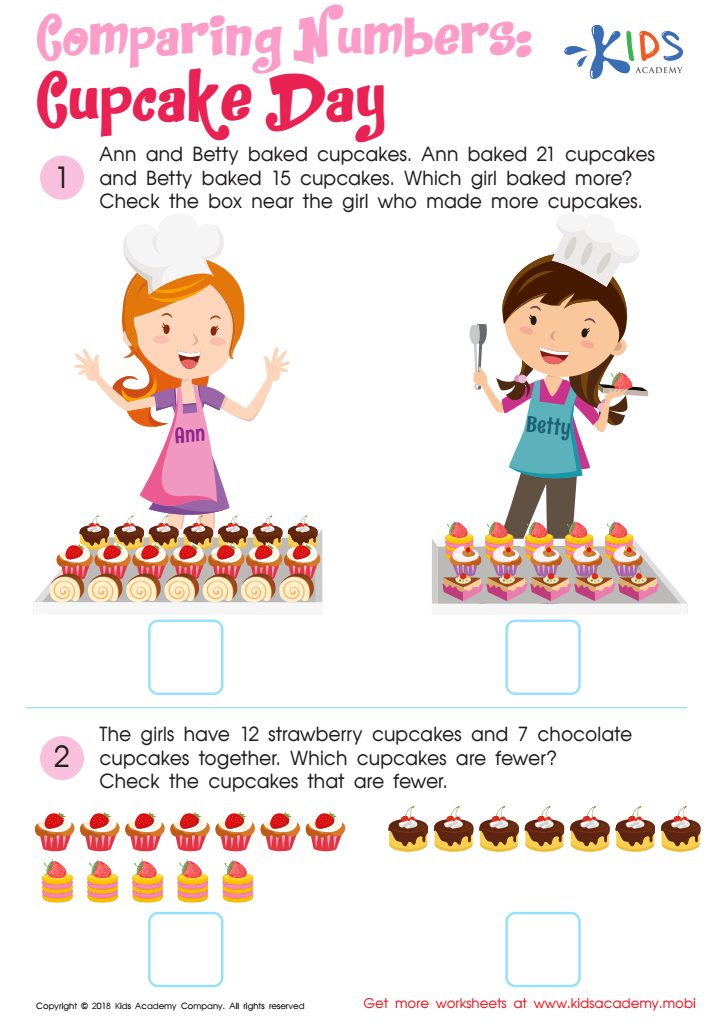
Cupcake Day Worksheet
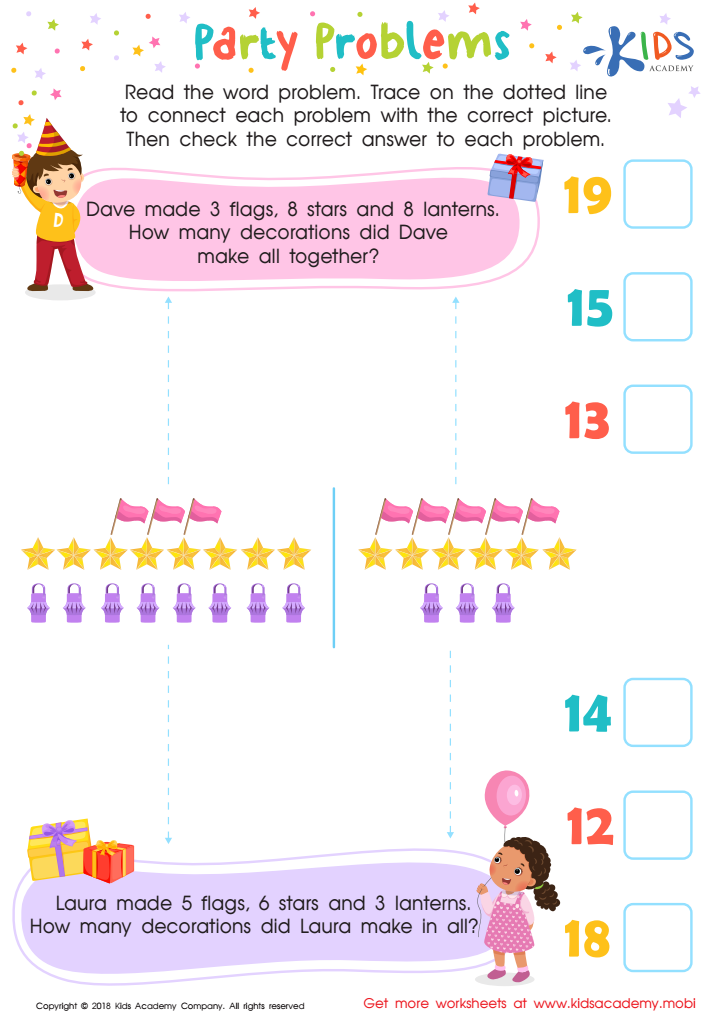
Party Problems Worksheet
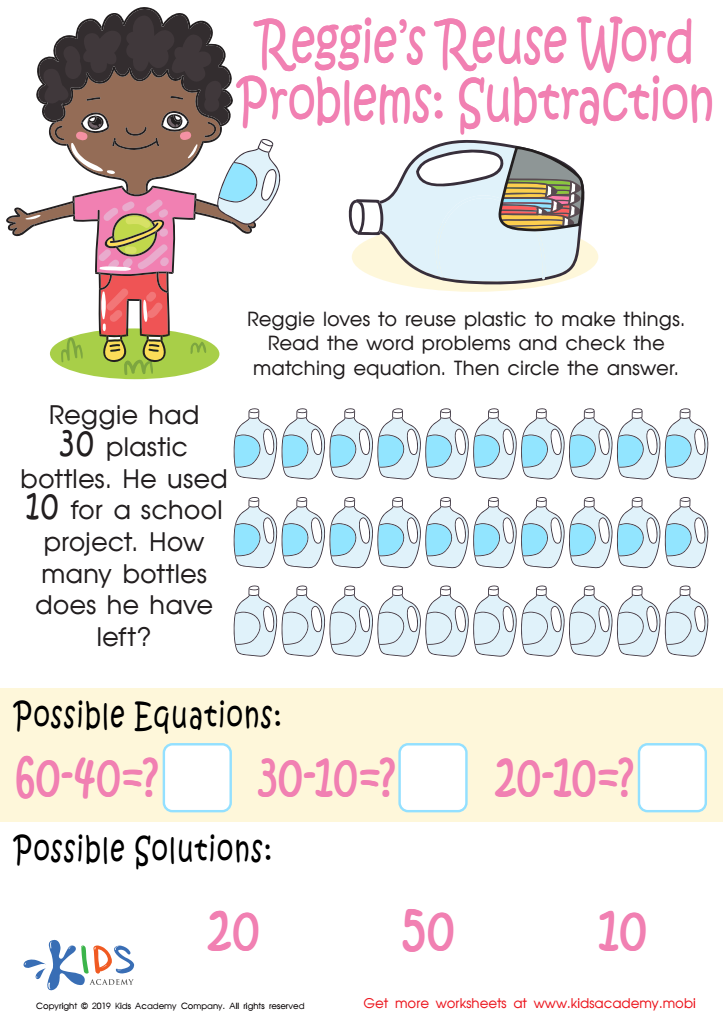
Reggie's Reuse Word Problems: Subtraction Worksheet
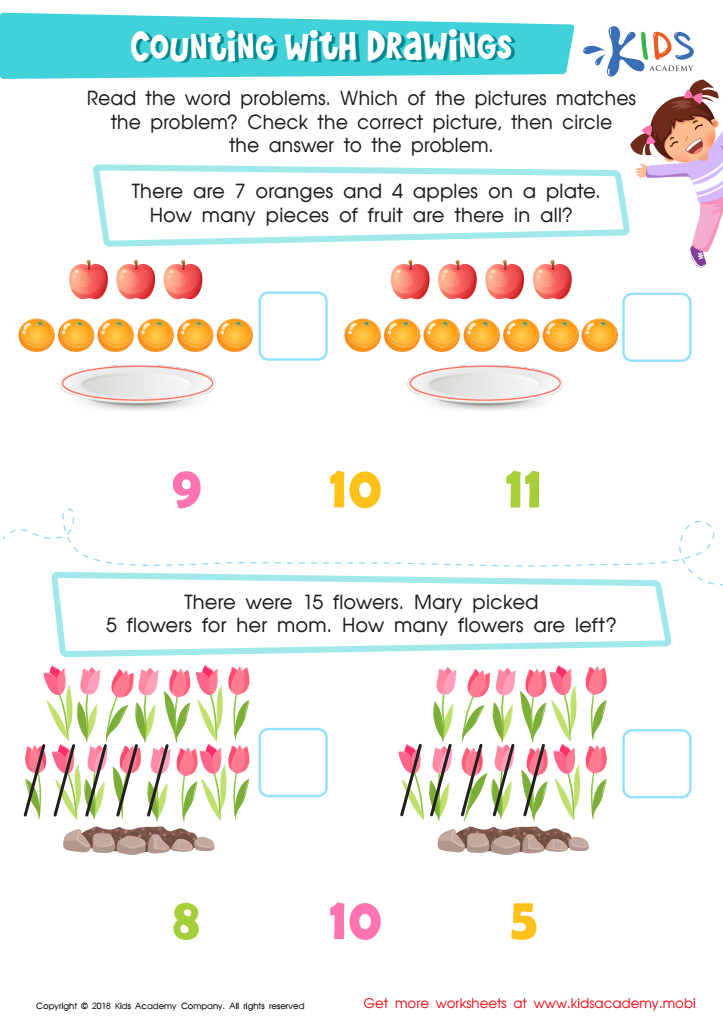
Counting with Drawings:Fruits & Flowers Worksheet
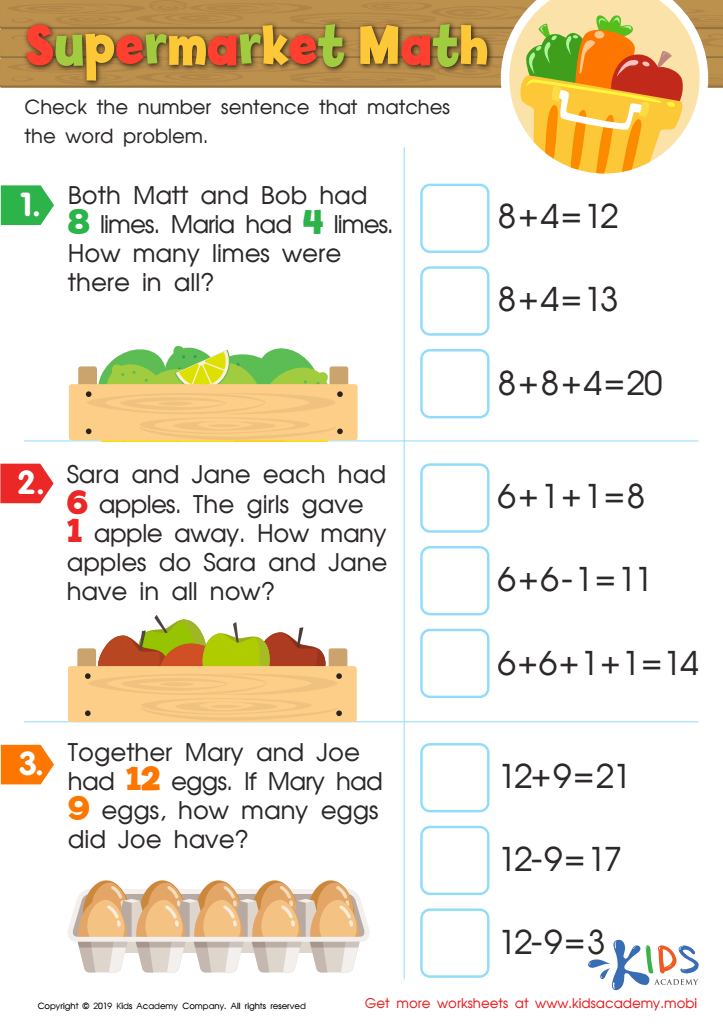
Supermarket Math Worksheet
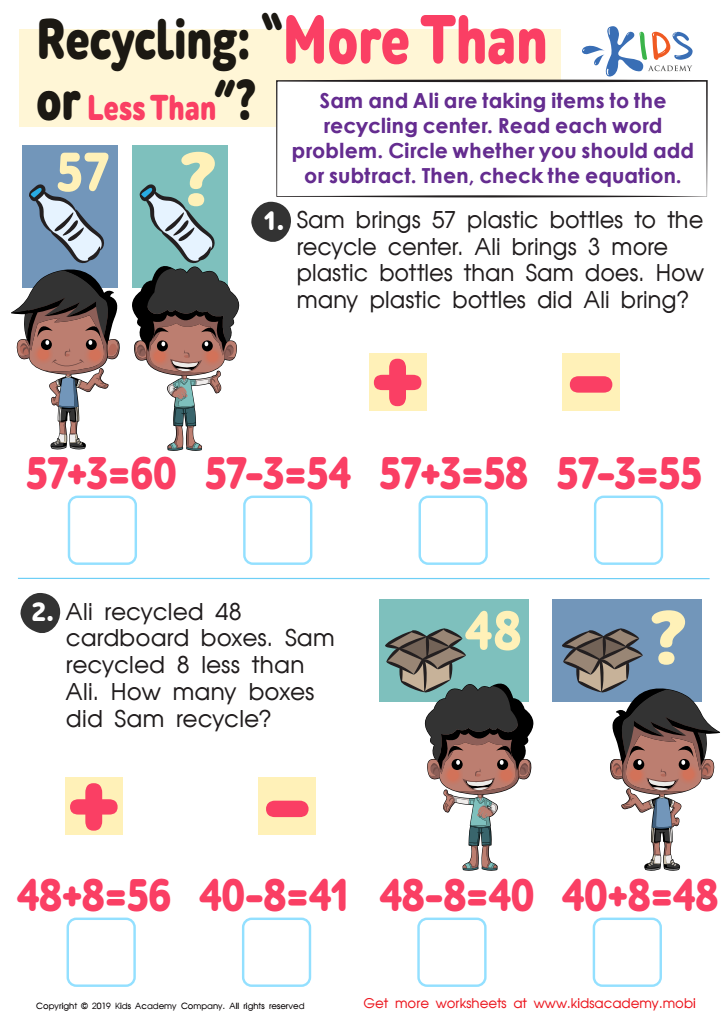
Recycling - More or Less Worksheet
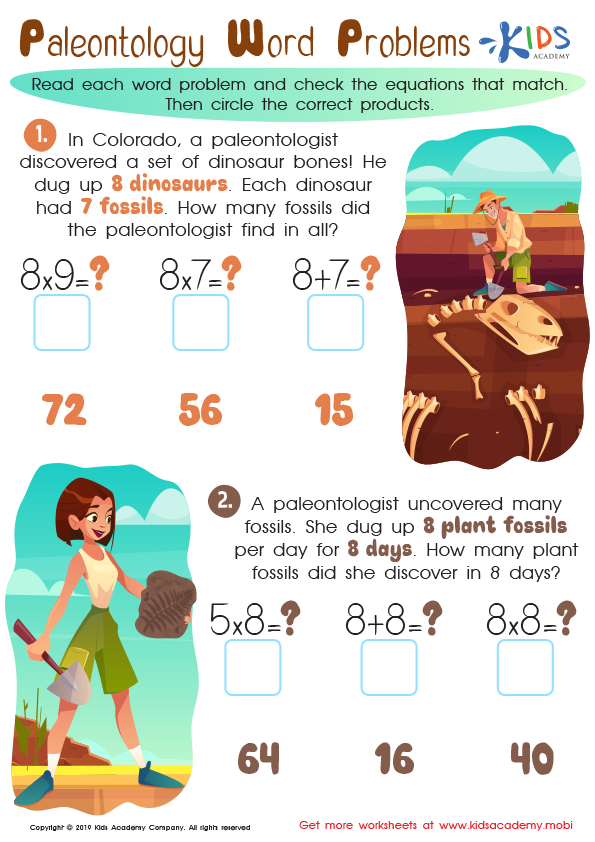
Archeology Word Problems Worksheet








Parents and teachers should care about exposing children to normal word problems from an early age (ages 3-6) because it lays a critical foundation for their future success in both mathematics and problem-solving skills. At this developmental stage, children are extremely receptive to new concepts, and introducing word problems can significantly boost their cognitive abilities.
Word problems encourage young children to apply mathematical concepts to real-life situations, which enhances their understanding and retention of these concepts. As they decode the language of the problem and decide which steps to follow, children develop crucial skills like logical reasoning, critical thinking, and decision-making.
Moreover, word problems also enhance language skills. They often require children to comprehend and articulate their thoughts clearly, thus improving literacy and vocabulary. Early exposure to word problems helps children get comfortable with the format, reducing math anxiety and building confidence.
Incorporating such problems also encourages a growth mindset, teaching children that it's okay to make mistakes and learn from them. This positive attitude towards challenges can have overarching benefits across all areas of learning and development.
Overall, caring about and addressing normal word problems in early education plays a vital role in shaping children into effective thinkers, communicators, and problem-solvers.








