Filters

1336 filtered results

Clear all filters
Favorites
With answer key
Interactive

1336 filtered results

Difficulty Level

Grade


Check out this FREE Trial Lesson for age 3-7!

What Do Animals Need?

Favorites
With answer key
Interactive
  • 3-7
  • With answer key
  • Normal
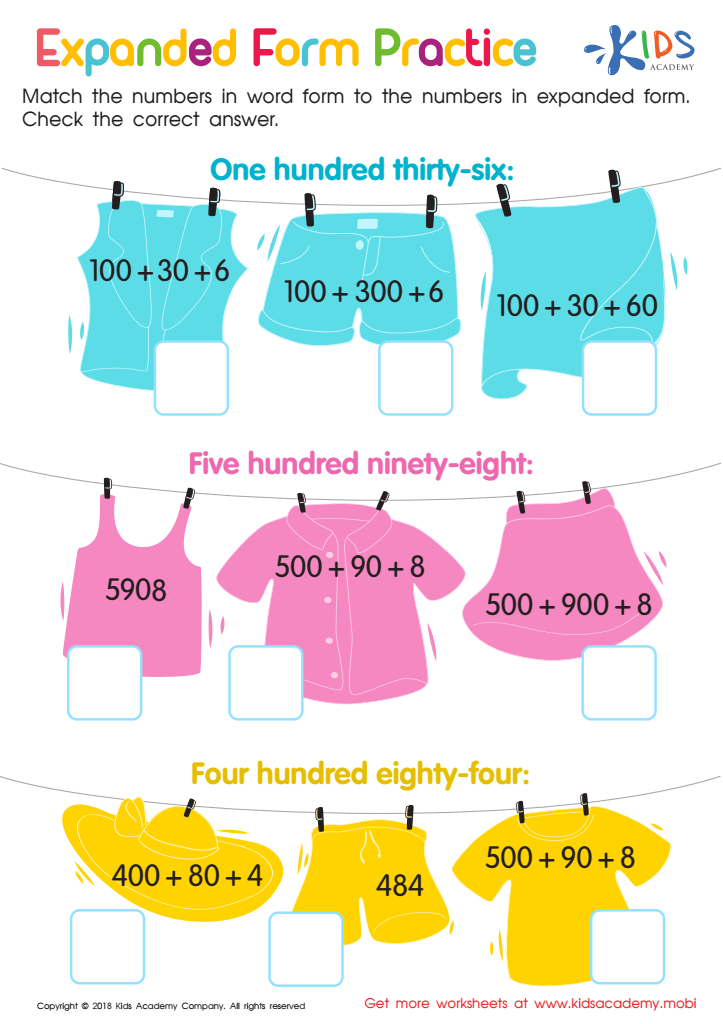
Expanded Form Practice Worksheet

Expanded Form Practice Worksheet

Match the word form numbers to the expanded form. Read the numbers aloud with your child and check the answers together. Clotheslines feature expanded form numbers, with word form numbers above each. Use this worksheet to help.
Expanded Form Practice Worksheet
Worksheet
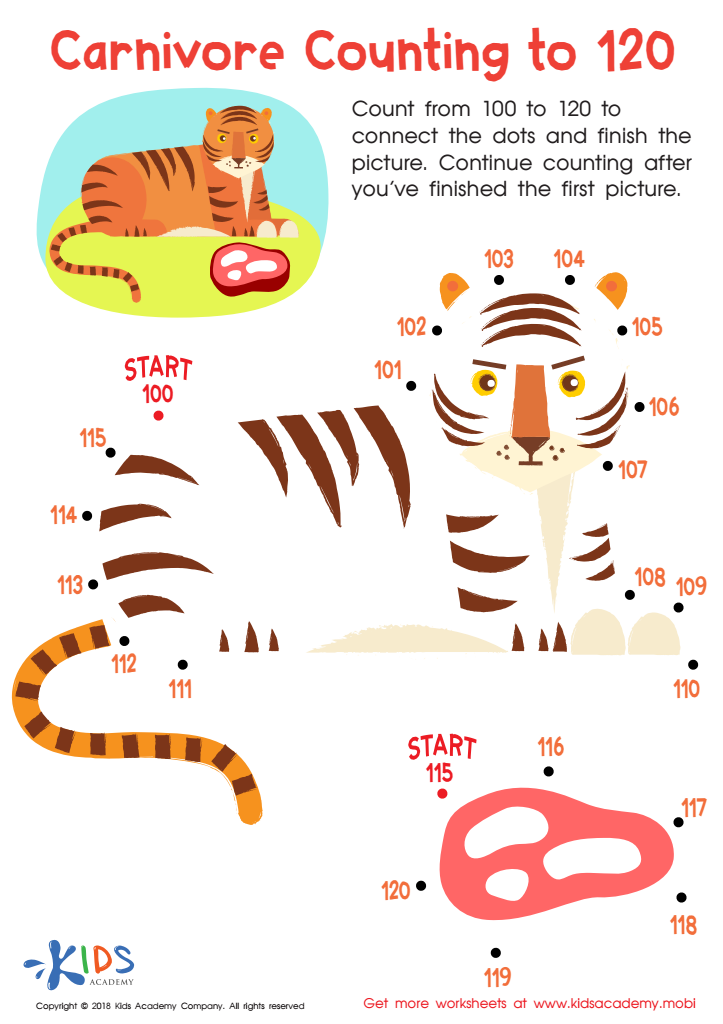
Carnivore Counting to 120 Worksheet

Carnivore Counting to 120 Worksheet

Ask your child to name some popular carnivores. Can they tell you what the animal in the worksheet is? A Tiger? Get them to count from 100 to 120 to connect the dots. After they finish the first picture, keep counting to help them practice!
Carnivore Counting to 120 Worksheet
Worksheet
Animal Homes Worksheet

Animal Homes Worksheet

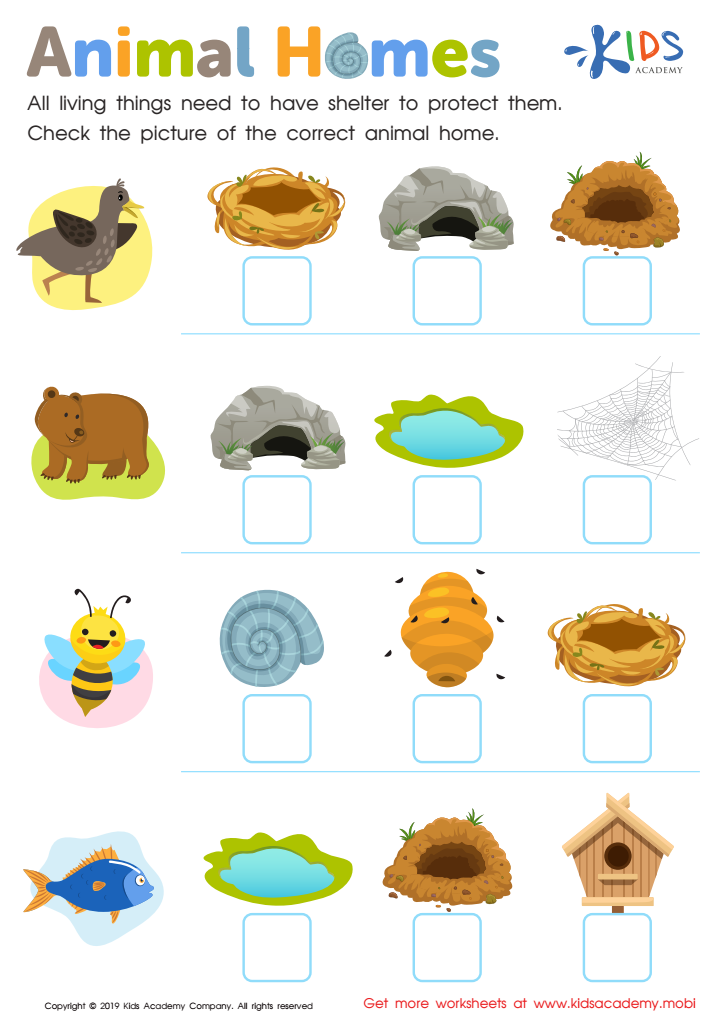
Students have homes where they can do things they love, sleep and stay safe from bad weather. Check the worksheet for animals and their shelters. Ask your kids to identify each and match the animal home to the picture. (80 words)
Animal Homes Worksheet
Worksheet
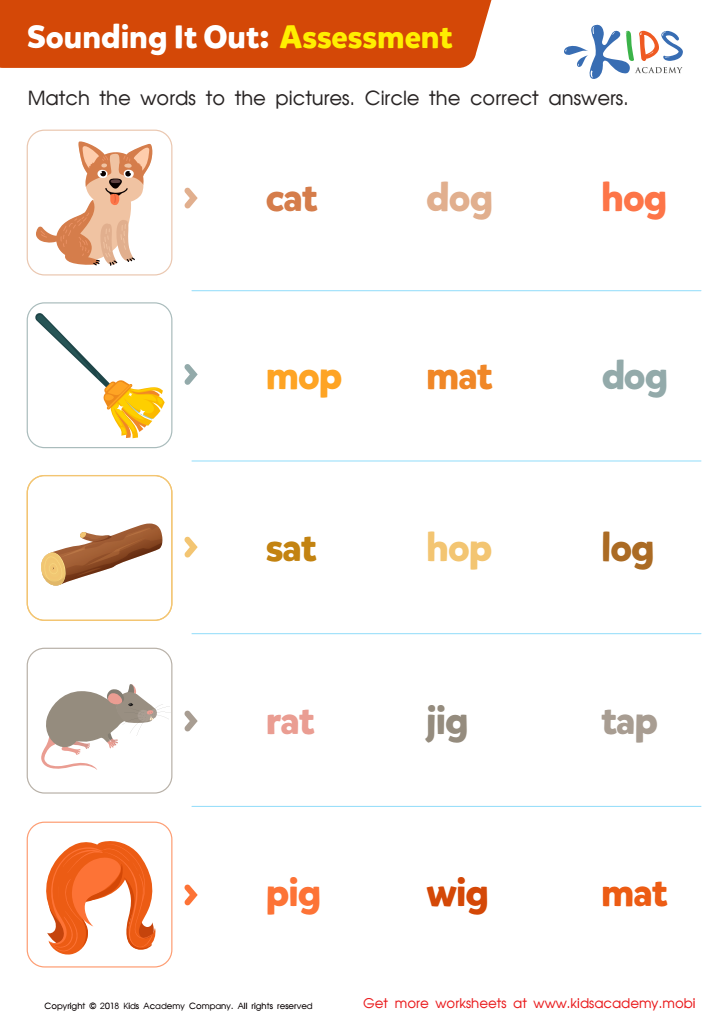
Sounding it Out: Assessment Worksheet

Sounding it Out: Assessment Worksheet

Give your little learner a fun challenge with this downloadable worksheet! With pictures to guide them, have them name the images and then sound out the words in the same row. Be careful though, as they all contain the same amount of similarly sounding letters. Once the correct word has been found, have them circle it!
Sounding it Out: Assessment Worksheet
Worksheet
The Ant and The Grasshopper Version 2 Worksheet

The Ant and The Grasshopper Version 2 Worksheet

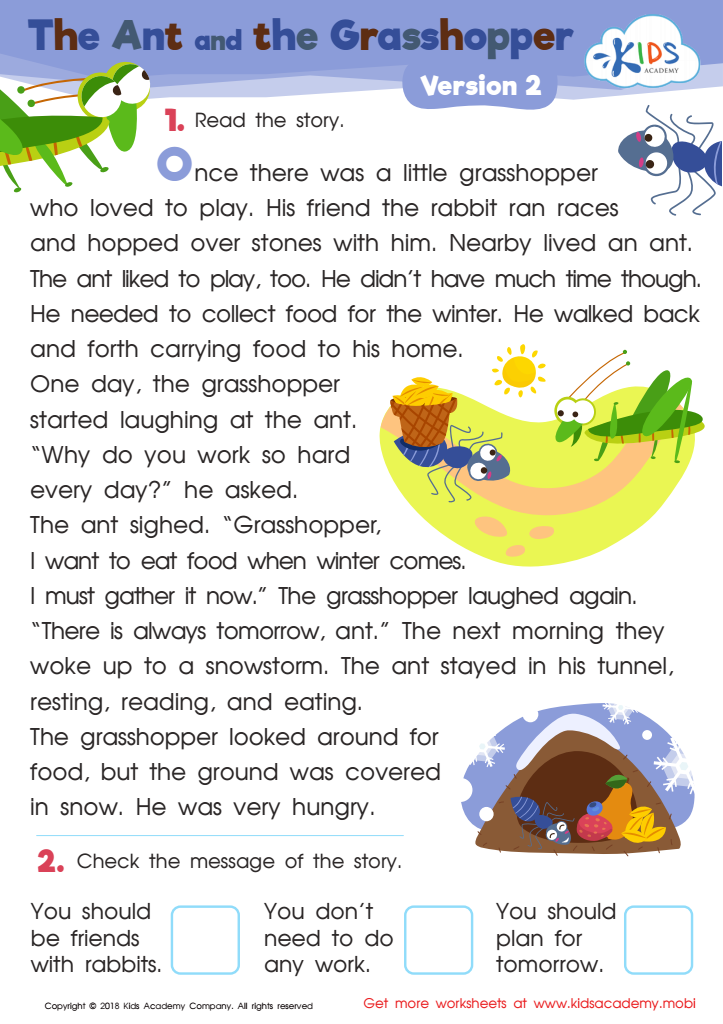
Story time is a great way to bond with kids and share a fun story. The Ant and the Grasshopper is a classic with a lesson for everyone. Listen together and then ask your students what the message of the story was. Prompt them with choices from the worksheet and see which one they select. It's a great way to increase their vocabulary and help them learn important lessons.
The Ant and The Grasshopper Version 2 Worksheet
Worksheet
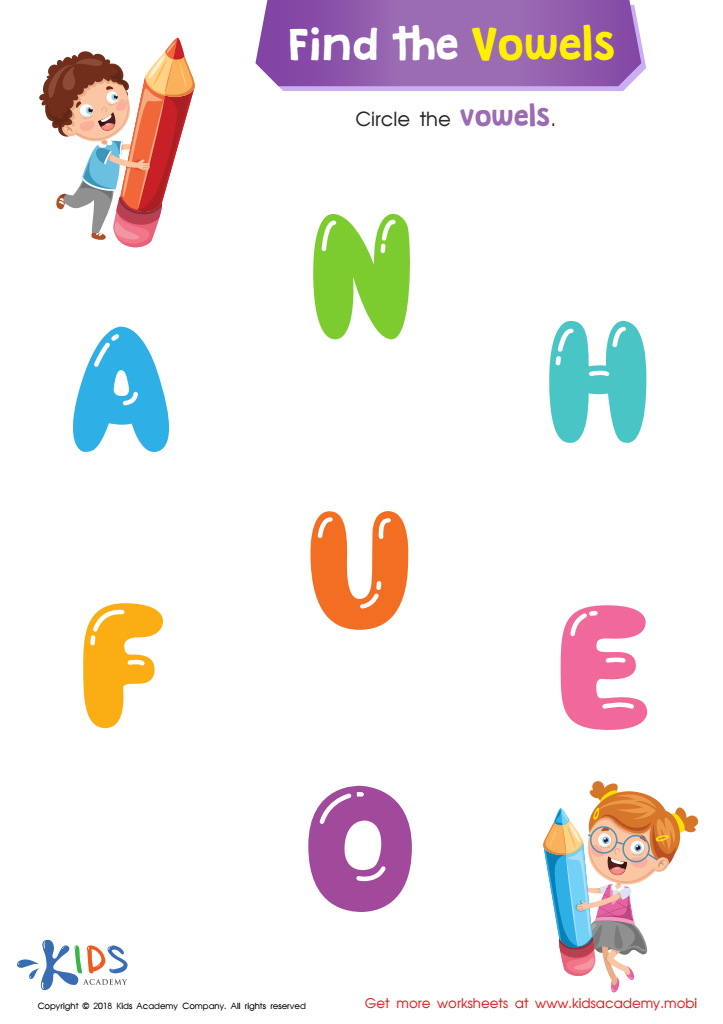
Find the Vowels Reading Worksheet

Find the Vowels Reading Worksheet

This worksheet helps kids identify vowels with bright colors and engaging activities to strengthen their visual discrimination and fine motor skills. Young learners will find it easy to succeed and be excited to keep reading!
Find the Vowels Reading Worksheet
Worksheet
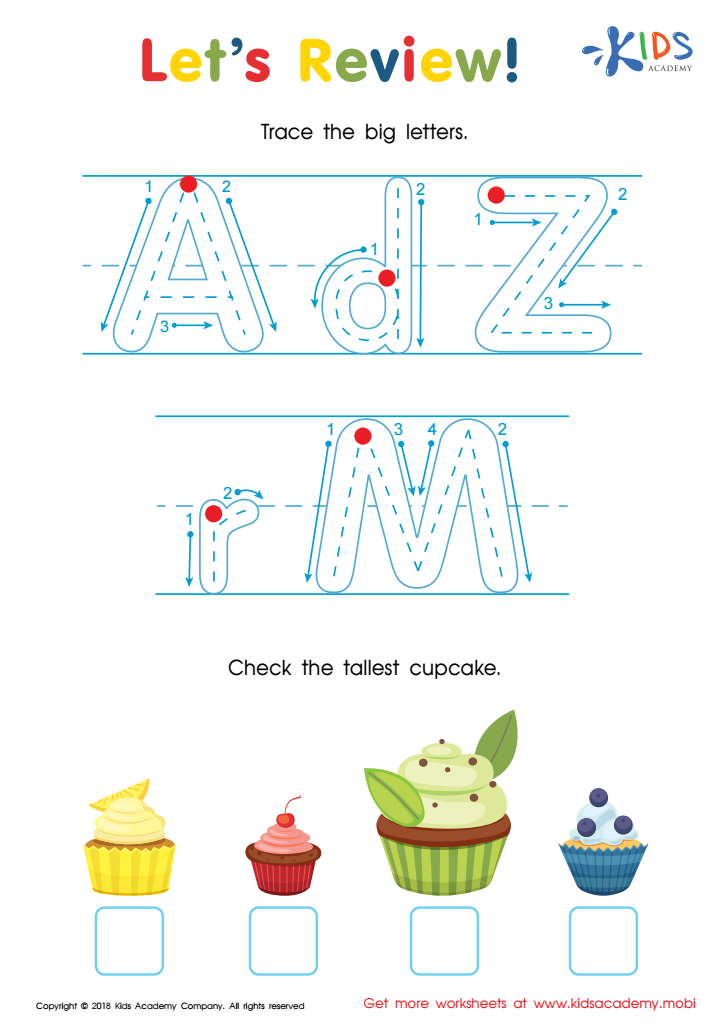
Let's Review! Big Letters Worksheet

Let's Review! Big Letters Worksheet

Teach your child to read and write big and small letters with Kids Academy's tracing worksheet. Show them how to guide their pencil with each stroke. Reinforce their understanding with fun cupcake pictures and help them choose the tallest one. It's a great way to help them differentiate between uppercase and lowercase letters.
Let's Review! Big Letters Worksheet
Worksheet
Fur or Feathers? Worksheet

Fur or Feathers? Worksheet

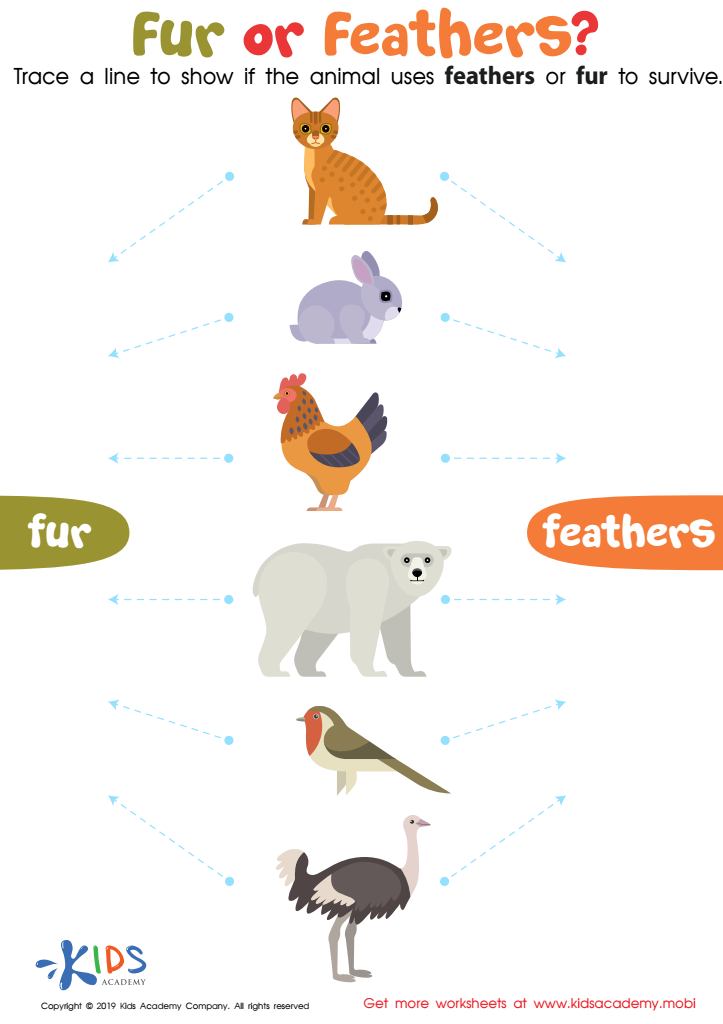
Examine animals you see daily. How do they differ from humans? With a pet in your home, ask your child to touch it and identify what covers the animal's body - fur or feathers? Birds have feathers, while mammals have fur. Guide your kids to identify animals in this worksheet and determine if fur or feathers keep them alive.
Fur or Feathers? Worksheet
Worksheet
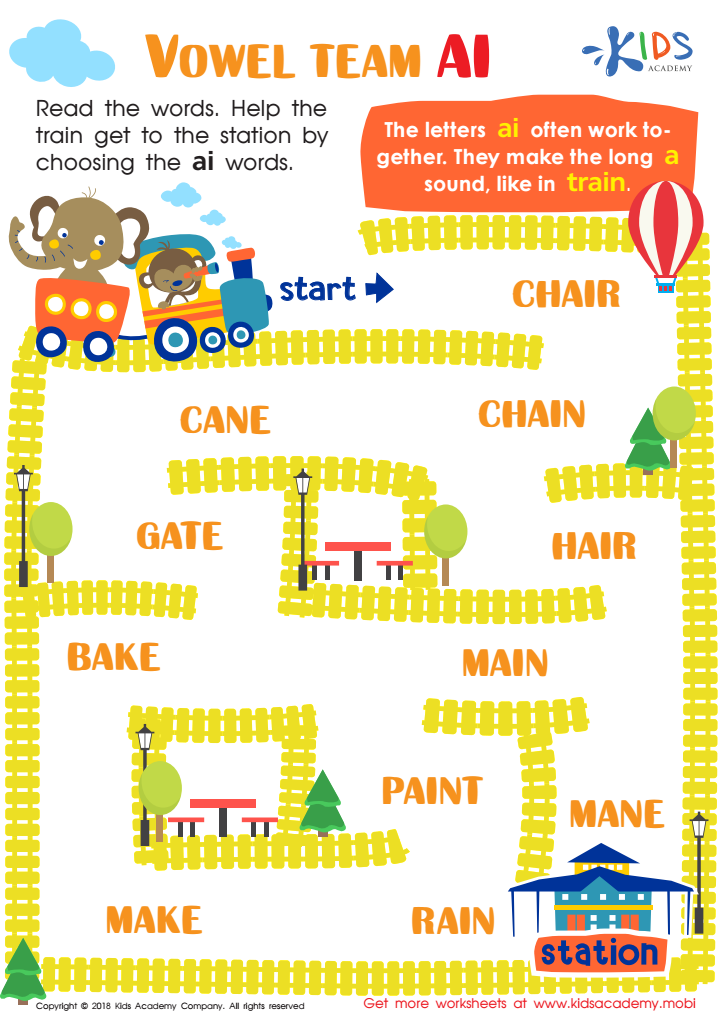
Vowel team ai Worksheet

Vowel team ai Worksheet

Kids will have a blast learning about the -ai digraph with this fun worksheet. They'll read words with it and practice their motor skills as they help the animal duo get back to the train station. With success, they'll smile and enjoy the activity!
Vowel team ai Worksheet
Worksheet
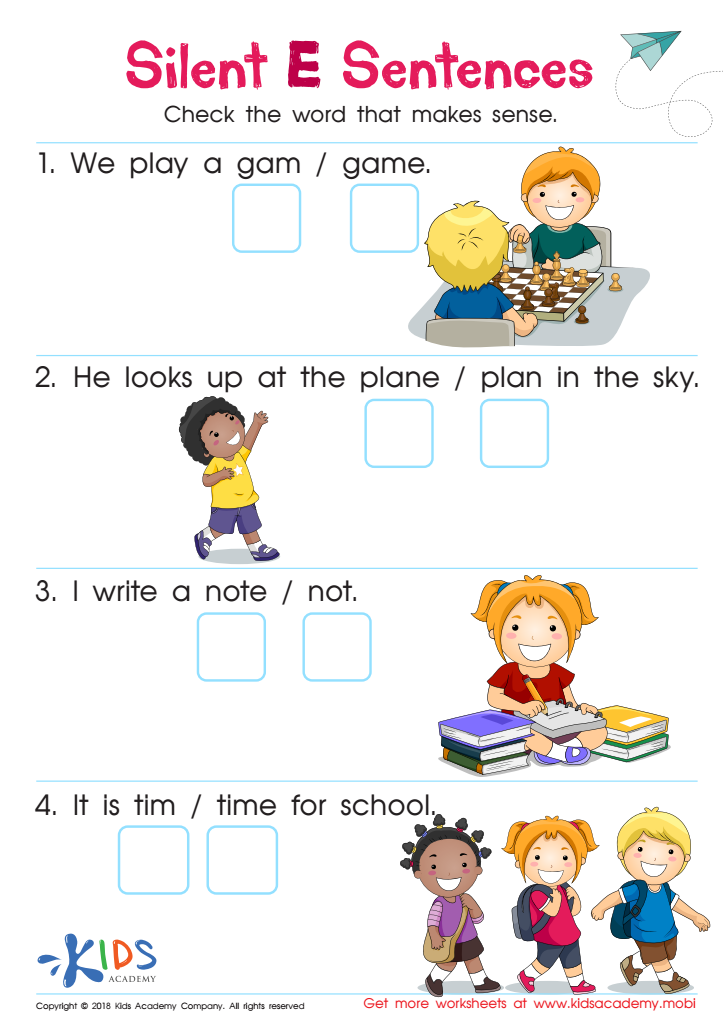
Silent E Sentences Worksheet

Silent E Sentences Worksheet

Young readers can find learning Silent E tricky, so this helpful worksheet can help! It teaches them to distinguish words that look the same but for the Silent E and choose the right word for sentence blanks. Kids can mark the correct answer and become familiar with closed syllables and words that require the E.
Silent E Sentences Worksheet
Worksheet
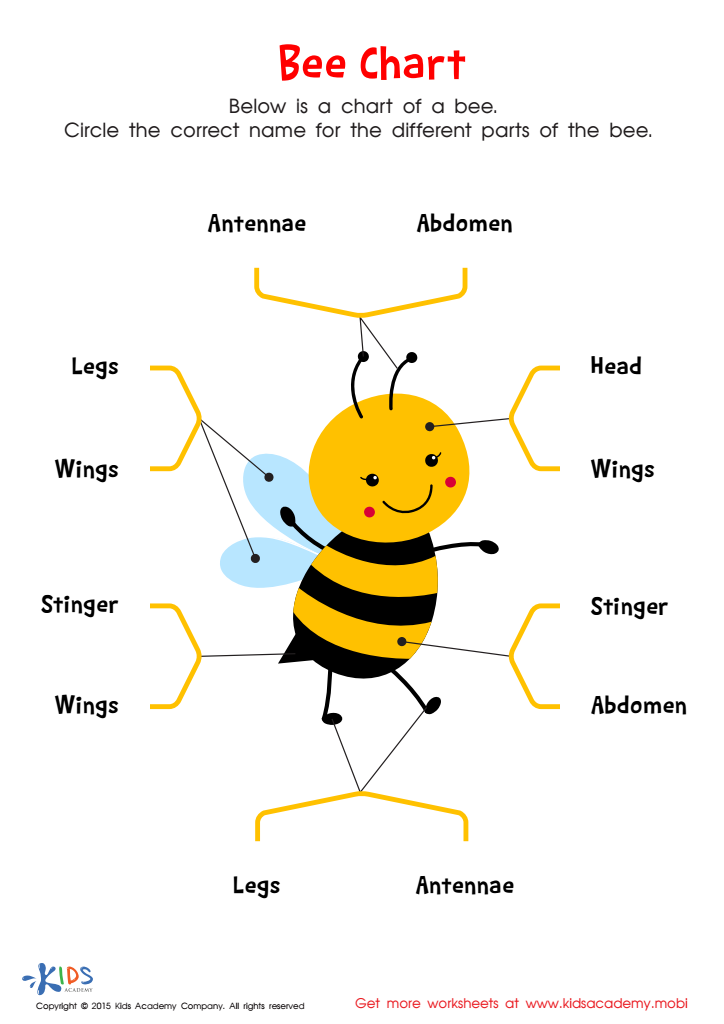
Delightful Bee Anatomy Worksheet

Bee Chart Worksheet

Bee Chart Worksheet
Worksheet
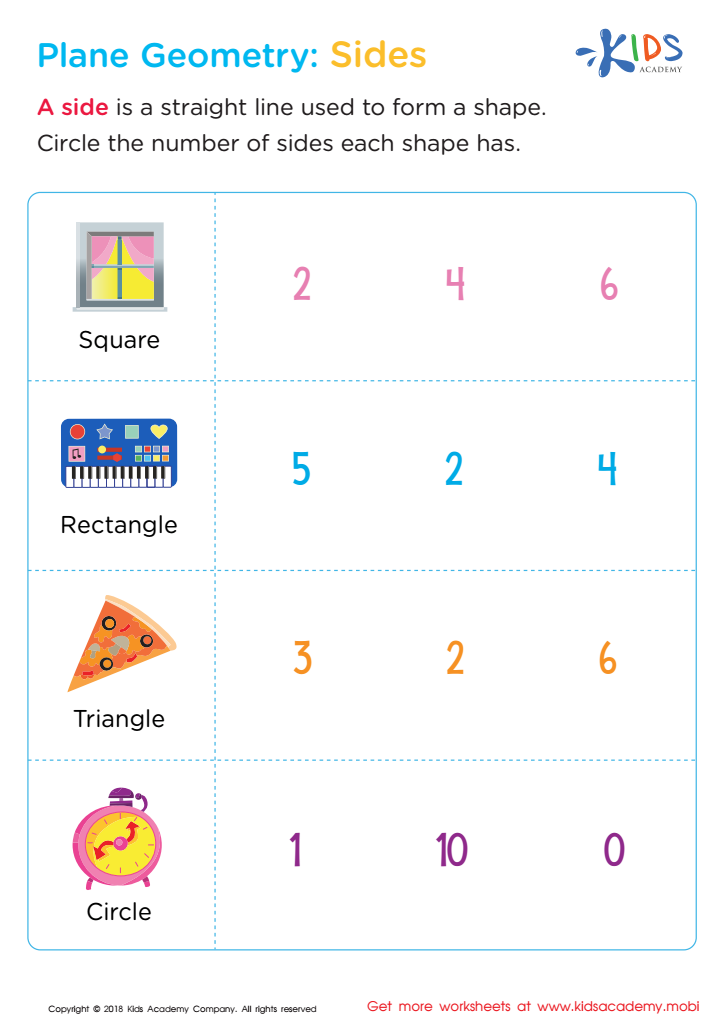
Plane Geometry: Sides Worksheet

Plane Geometry: Sides Worksheet

Knowing the properties of basic geometric shapes is a great skill to have. Download this free worksheet and let your kids learn about sides and shapes using colorful pictures. They'll see each shape has its own number of sides, laying the groundwork for identifying and recognizing shapes in the future.
Plane Geometry: Sides Worksheet
Worksheet
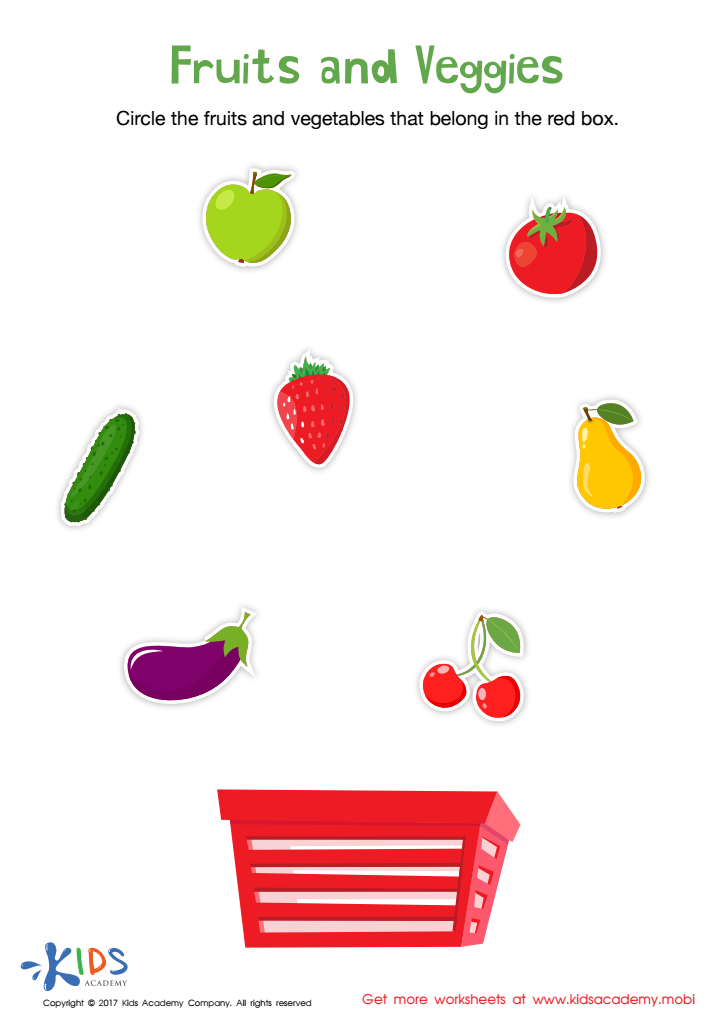
Sorting Games for Kindergarten
Classifying Fruits and Veggies by Color Sorting Worksheet
Worksheet
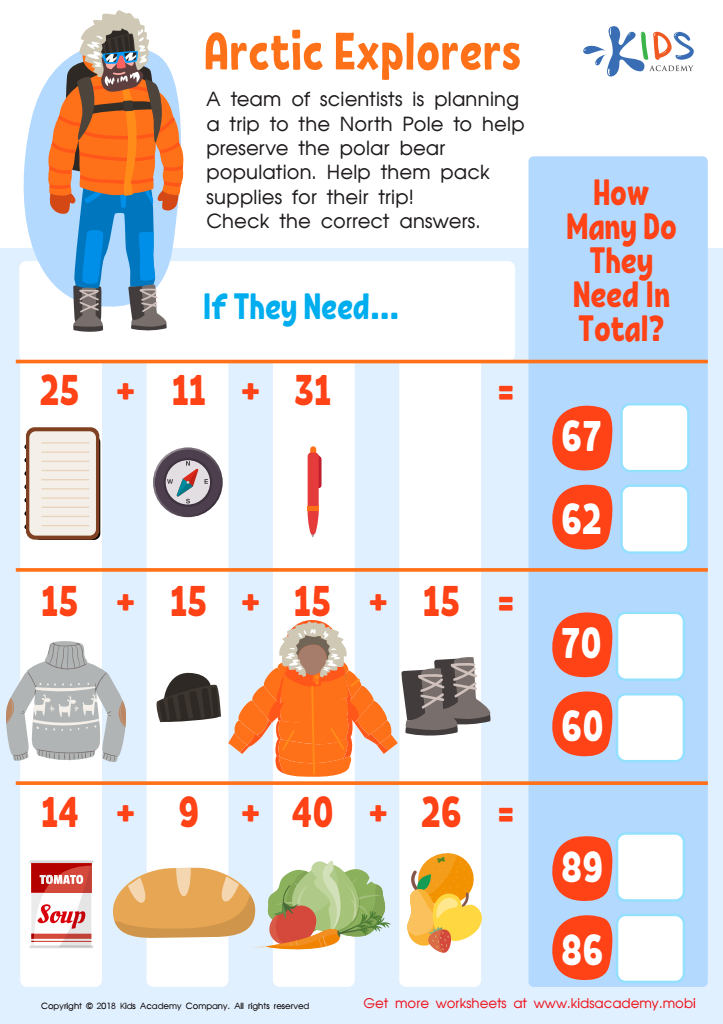
Arctic Explorers Worksheet

Arctic Explorers Worksheet

Help your child pack supplies for a team of scientists' trip to the North Pole! Before beginning, explain how efforts are needed to protect endangered animals like polar bears. Encourage them to check the correct clothing needed for the extremely cold region. For example, warm and protective clothing is essential.
Arctic Explorers Worksheet
Worksheet
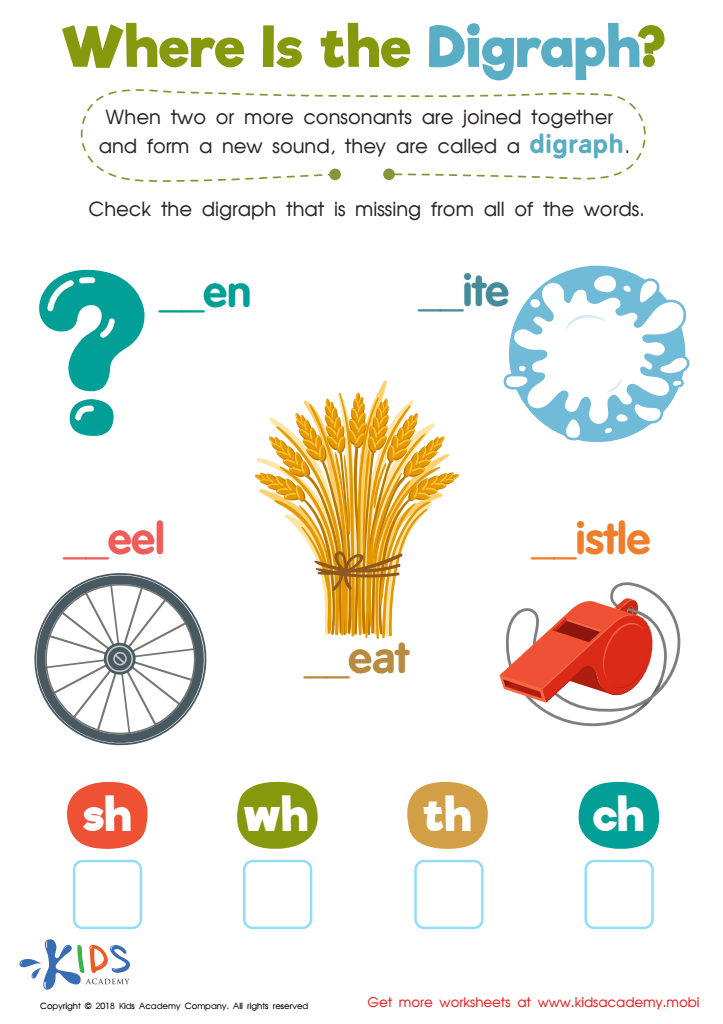
Where Is the Digraph? Worksheet
Where Is the Digraph? Worksheet

Teach your child about digraphs - two or more consonants that form one sound, like /wh/, /sh/, and /ch/. Show them words with these sounds and use this worksheet to help. Ask them which digraph is missing from the words and point out the pictures. 80 words.
Where Is the Digraph? Worksheet
Worksheet
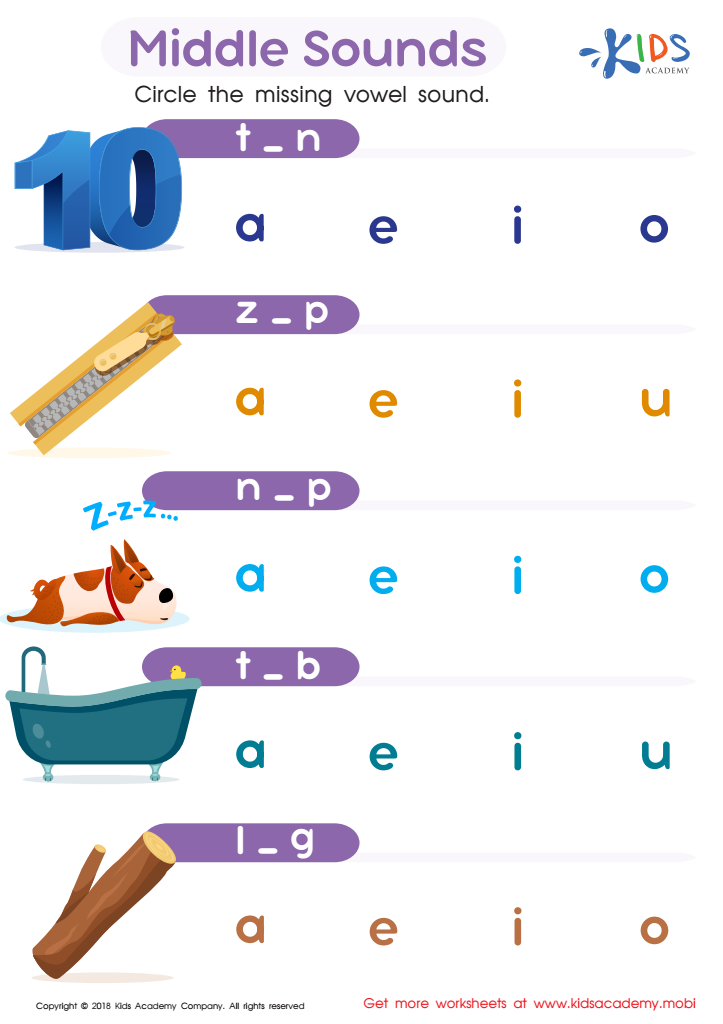
Middle Sounds Worksheet

Middle Sounds Worksheet

Download this free worksheet and help your reader identify middle sounds in words. Pictures provide clues to the word, while tracing circles around the middle vowel sound strengthens fine motor and visual discrimination skills. It's a great way to teach sound discrimination between similar-sounding short vowels - a key component for proficient reading.
Middle Sounds Worksheet
Worksheet
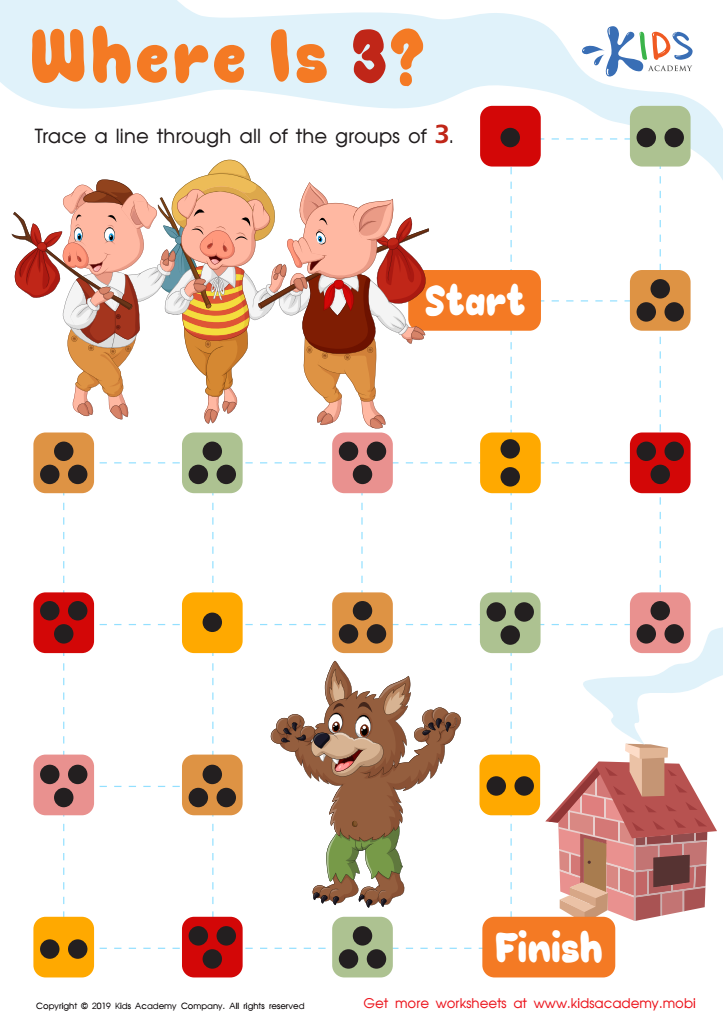
Where Is 3? Worksheet

Where Is 3? Worksheet

Let your little mathematician join the Three Little Pigs on an adventure! With this free worksheet, they'll guide the pigs through a maze of numbered bricks, using one-to-one representation to get to the sturdy house. Have fun helping the piggy friends past the wolf!
Where Is 3? Worksheet
Worksheet
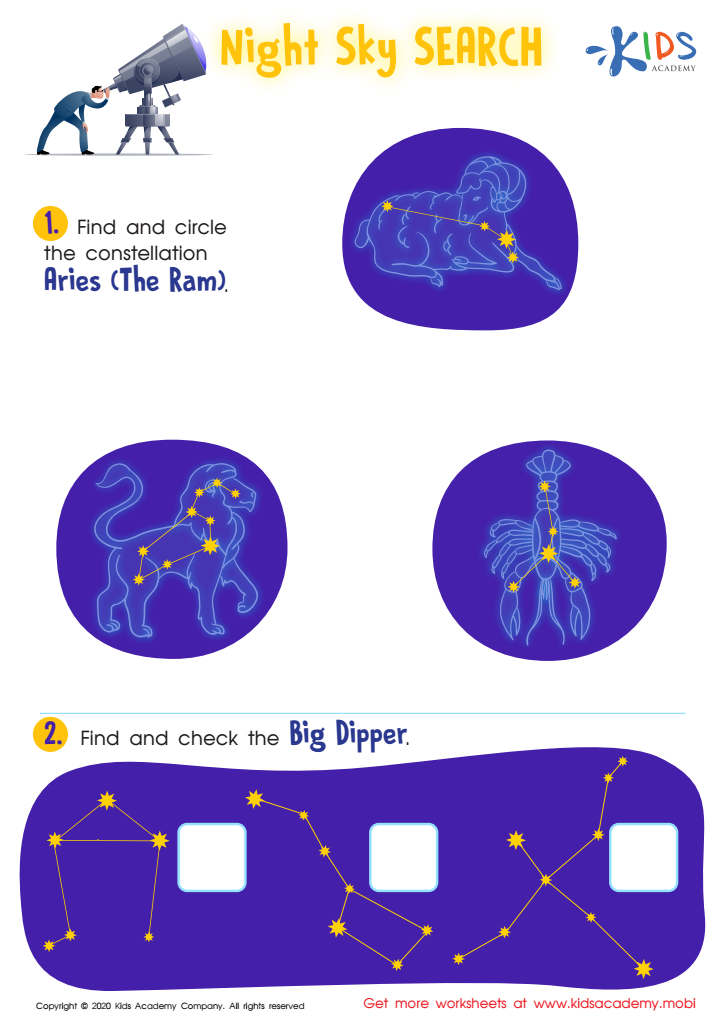
Night Sky Search Worksheet

Night Sky Search Worksheet

Gaze up into the night sky and spot the stars! Your little astronomer can learn about Aries and Big Dipper constellations with this science worksheet. Simply find the ram for Aries and check the box for Big Dipper. Then, when the weather is right, go outside and look for them in the night sky!
Night Sky Search Worksheet
Worksheet
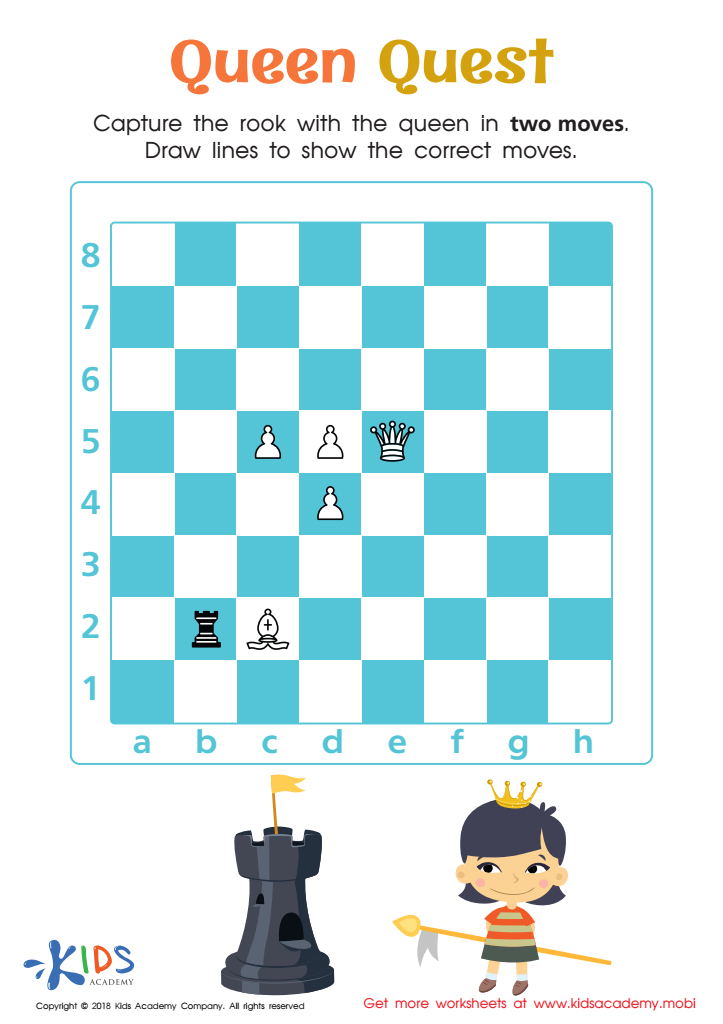
Queen Quest Worksheet

Queen Quest Worksheet

Want to test your child's chess skills? See if they know how the queen, king, knights, rooks, and pawns move. This worksheet challenges your young one to capture a rook with the queen in two moves. Draw lines to show the queen's moves to complete the task.
Queen Quest Worksheet
Worksheet
Picture Rhymes Printable

First Words: Picture Rhymes Worksheet

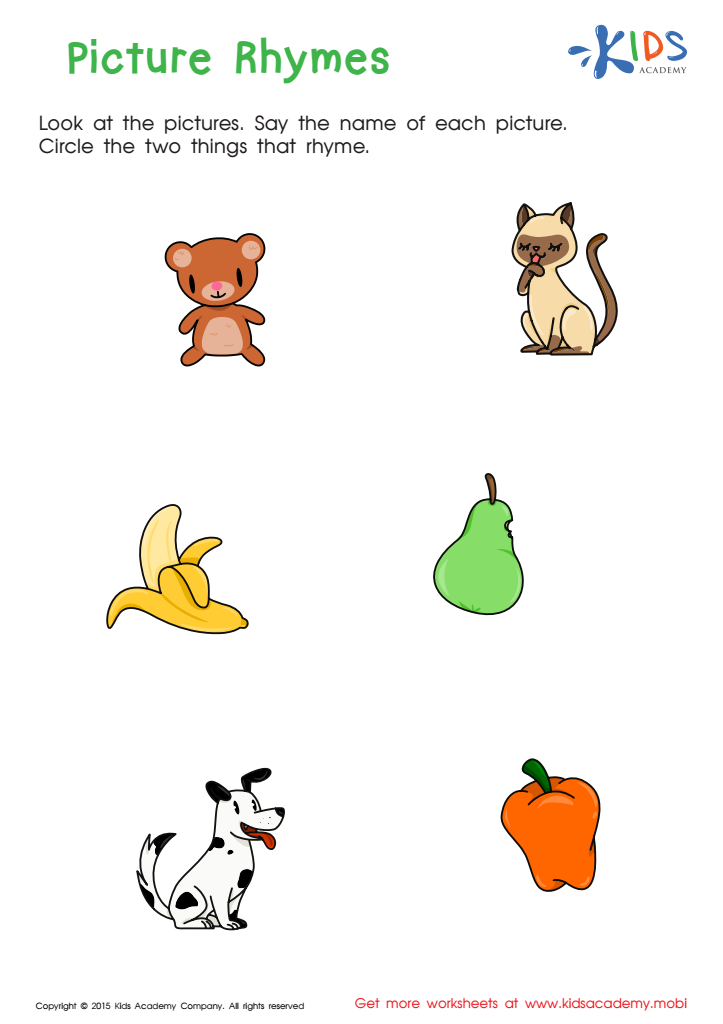
Rhyming helps kids understand language, read and write better. This printable worksheet boosts problem-solving and cognitive skills with vibrant pictures. It teaches kids to identify words, recognize rhymes, complete mental tasks and write words. An extra activity: show them how rhyming words share some of the same letters.
First Words: Picture Rhymes Worksheet
Worksheet
Shapes maze geometry worksheet

Shapes Maze Geometry Worksheet
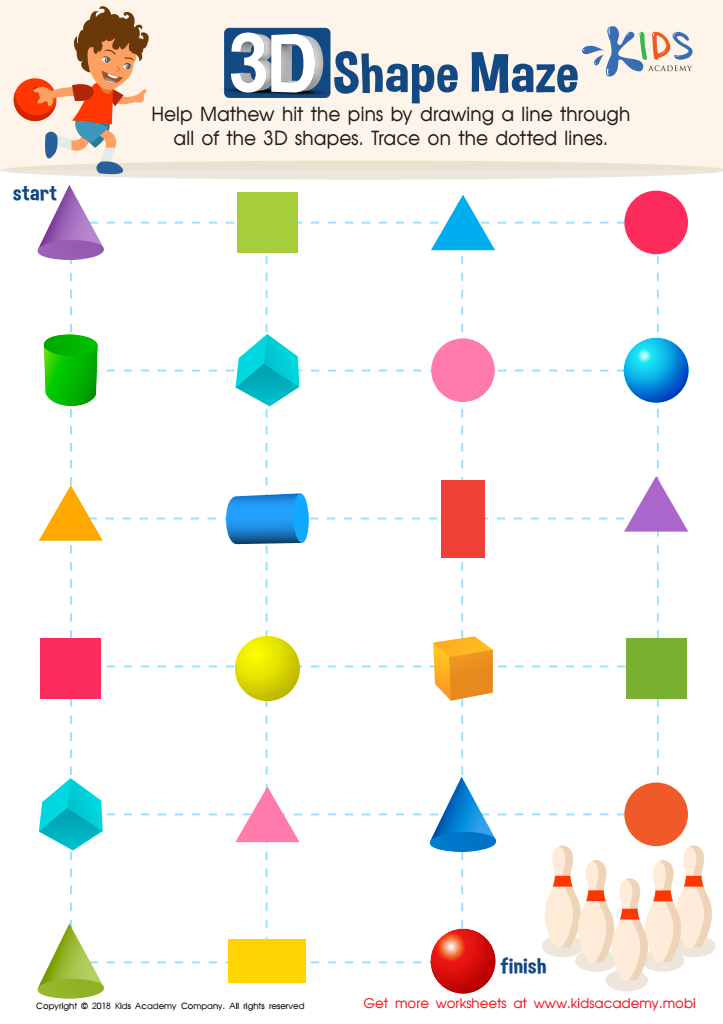
Boost your child's geometry skills with this shapes maze worksheet! Help Matthew bowl a strike by guiding him through the maze to draw a line through every 3D shape. It's a fun and challenging way to practice foundational math skills!
Shapes Maze Geometry Worksheet
Worksheet
Prefix Un- Worksheet

Prefix Un- Worksheet

Help your child understand the concept of adding "un-" to the front of words by giving examples such as "unhappy" (not happy) and "unserious" (not serious). Guide them in tracing the "un-" in each word and read it aloud together.
Prefix Un- Worksheet
Worksheet
Listen to the Sounds Worksheet

Listen to the Sounds Worksheet

This worksheet builds emerging readers' skills in using sounds for reading and spelling. It helps strengthen auditory processing by having them count the sounds in each word, then trace the corresponding number. Fun and cheerful!
Listen to the Sounds Worksheet
Worksheet
The /wh/ Sound Worksheet

The /wh/ Sound Worksheet

Digraphs join two consonants to make a new sound, like /wh/. Give examples, like "whale", "when" and "why". Ask kids to name pictures in a worksheet and trace dotted lines to images beginning with the /wh/ sound; "what" is one example.
The /wh/ Sound Worksheet
Worksheet


Parents and teachers caring for children aged 3-7 need to understand normative developmental milestones because they serve as crucial benchmarks for assessing a child's growth across cognitive, social, emotional, and physical domains. During these formative years, children rapidly acquire skills that lay the foundation for future learning and development.

For example, by age 3, most children start developing language skills, can follow simple instructions, and show a growing interest in playing with peers. By age 5, many can count to ten, understand basic time concepts, and exhibit increased independence and creativity. These milestones help adults gauge whether children are on track or if any areas might require additional support or intervention.

Furthermore, understanding normative behavior allows parents and teachers to create appropriate learning environments and activities that can stimulate development effectively. If children struggle to meet expected milestones, awareness allows for early intervention which is crucial as early difficulties in areas like language or motor skills, if unaddressed, can impact a child's future educational experience.

Lastly, recognizing normal behavior can also help in identifying giftedness or other exceptional traits early, ensuring these children receive the enrichment they need. Overall, knowing normative behavior is essential to supporting well-rounded development, therefore maximizing a child's potential during these critical early years.