Normal Upper & Lowercase Letters Worksheets for Ages 3-8 - Page 2
44 filtered results
-
From - To
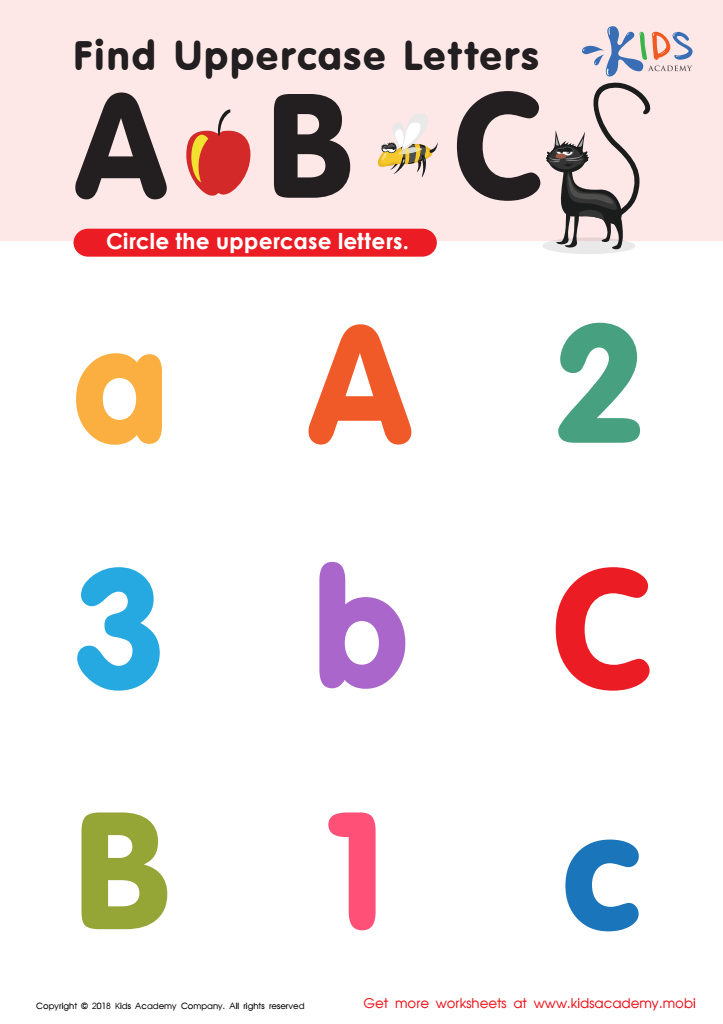
Find Uppercase Letters A, B, and C Worksheet
 Assign to My Students



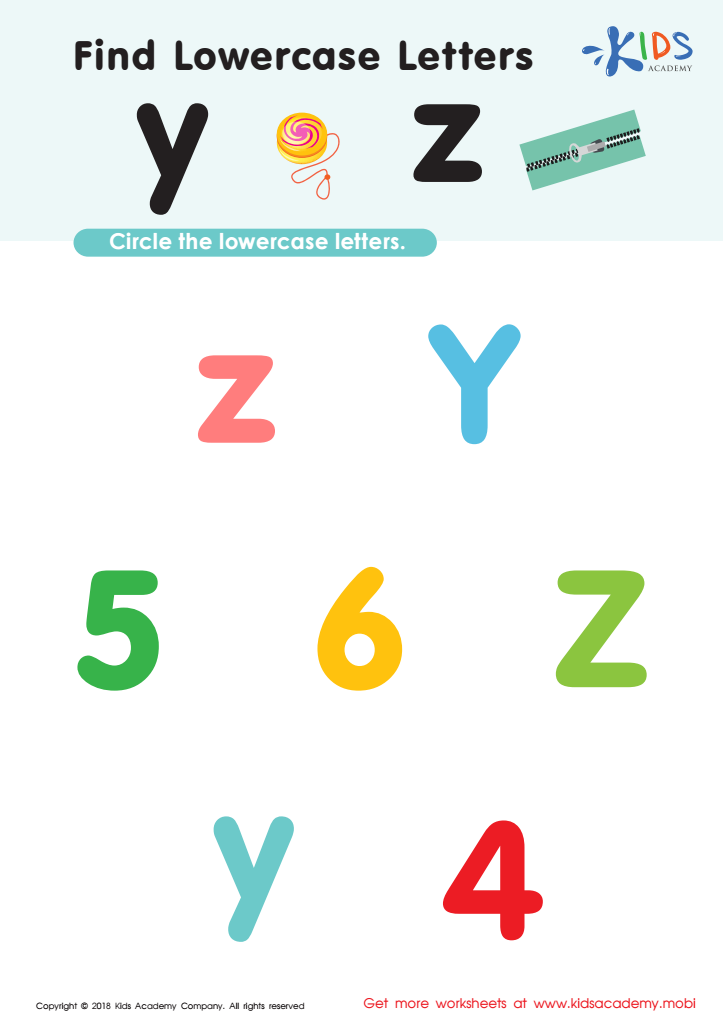
Find Lowercase Letters y z Worksheet
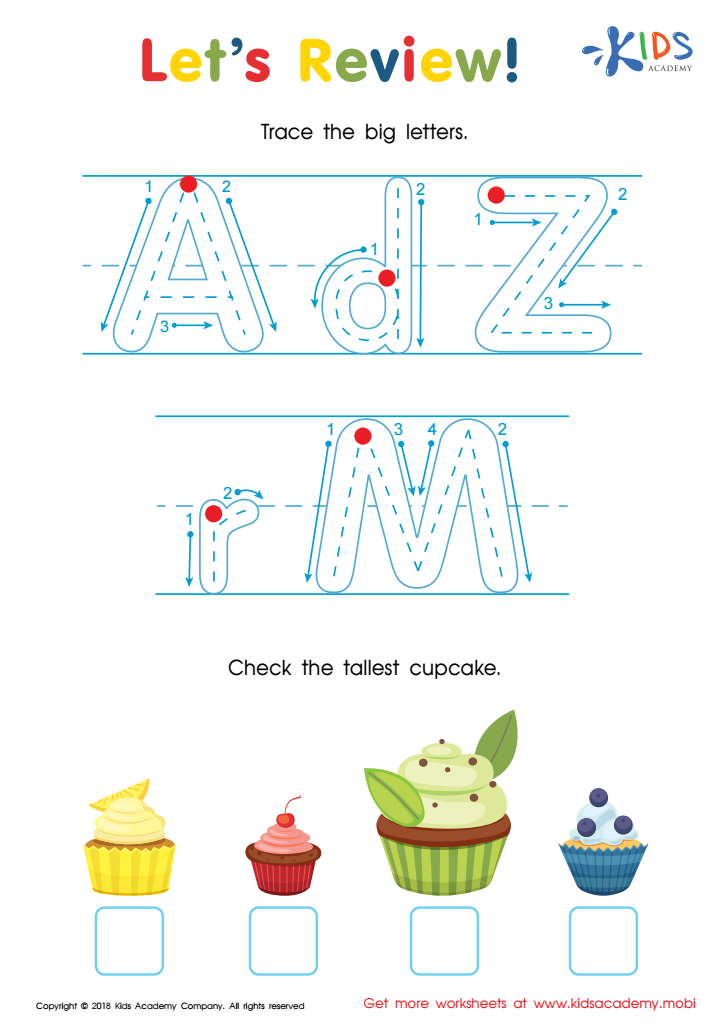
Let's Review! Big Letters Worksheet
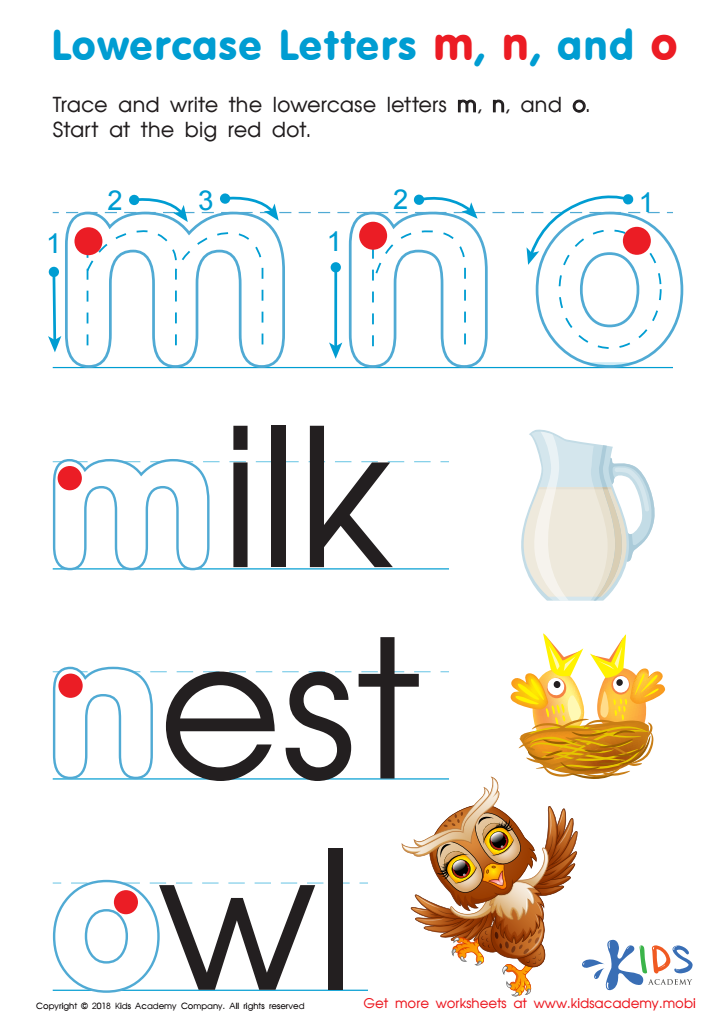
Lowercase Letters m n o Worksheet
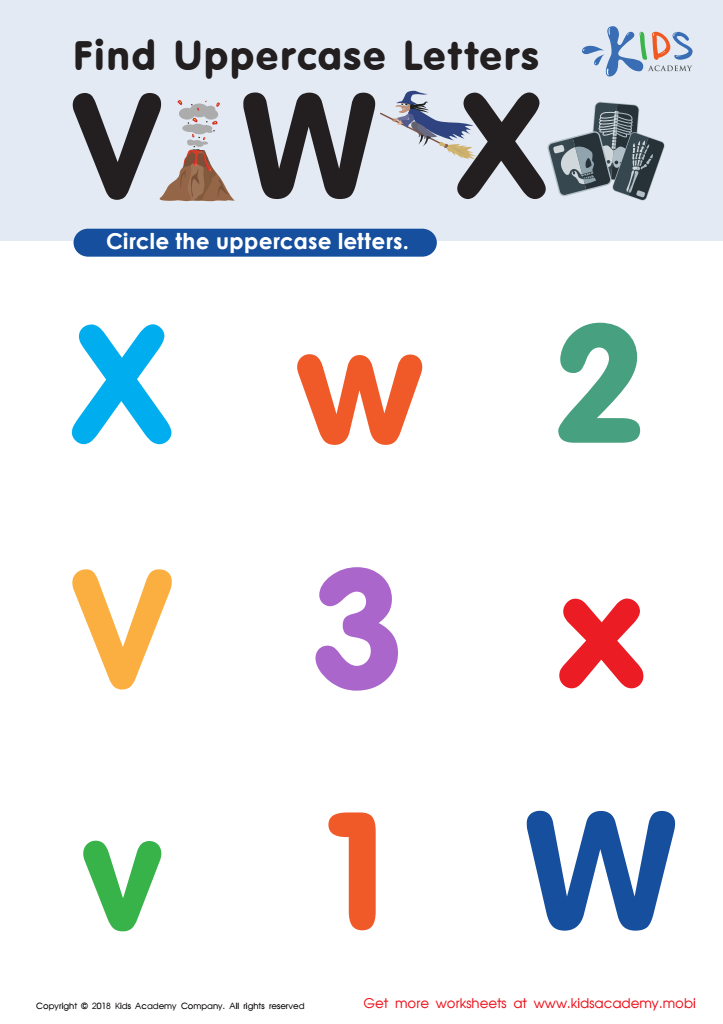
Find Uppercase Letters V, W, X Worksheet
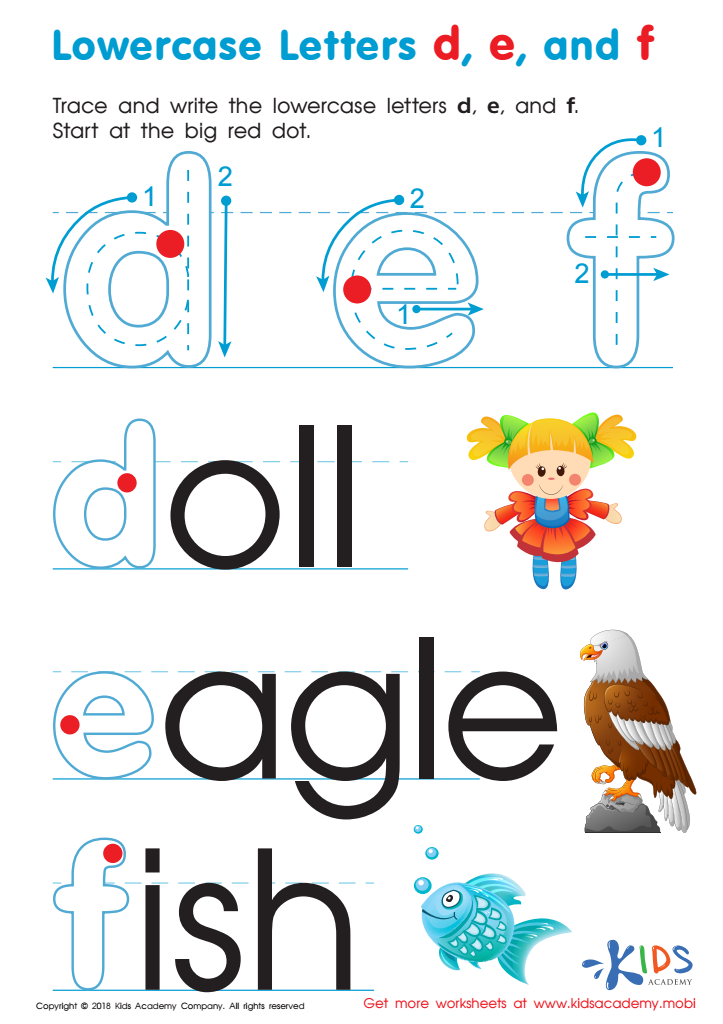
Lowercase Letters d e f Worksheet
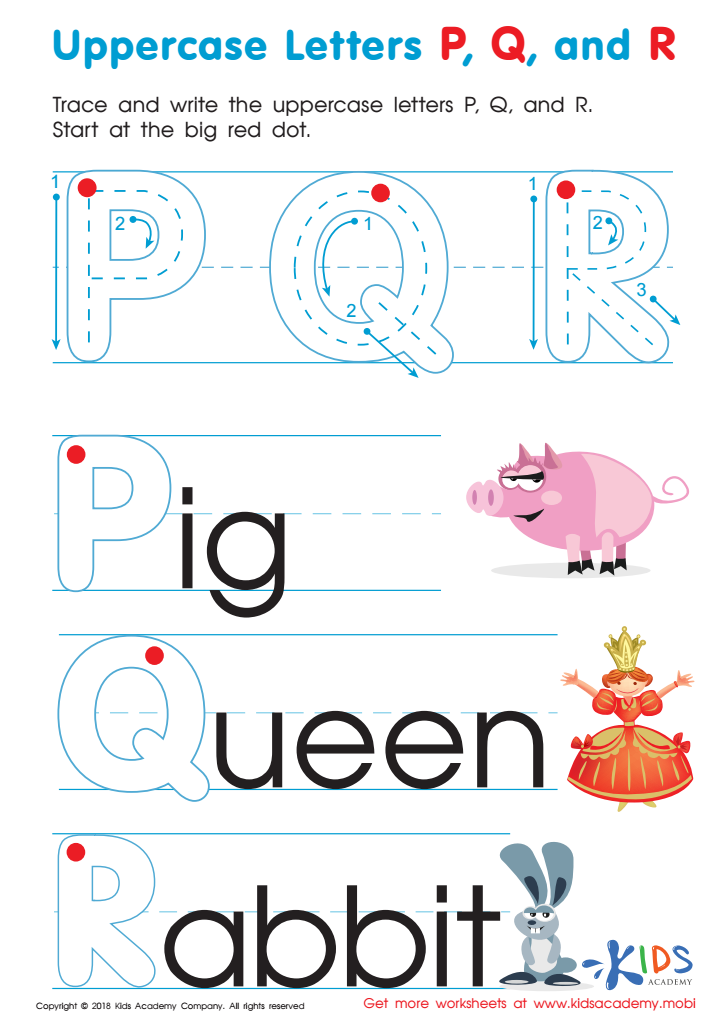
Uppercase Letters P, Q, and R Worksheet
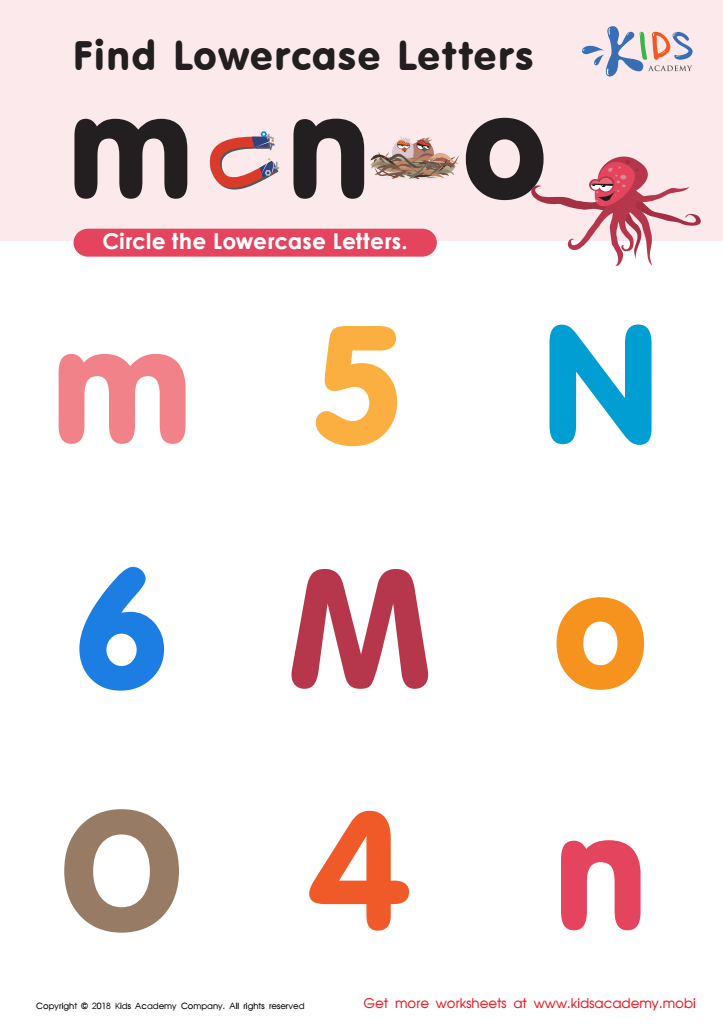
Find Lowercase Letters m n o Worksheet
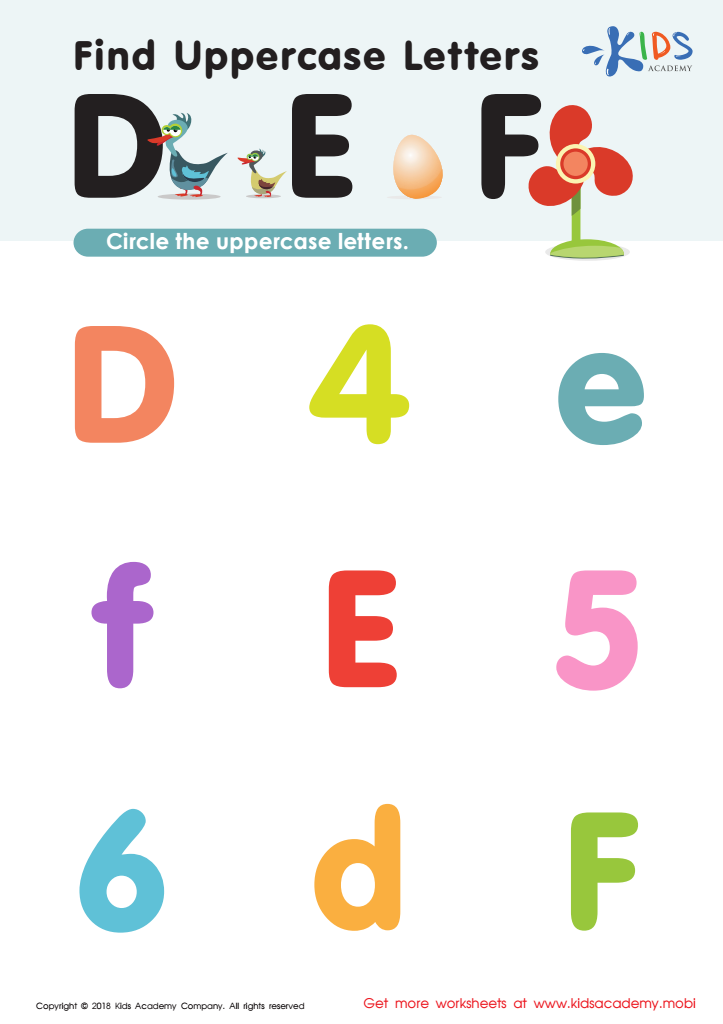
Find Uppercase Letters D, E, and F Worksheet
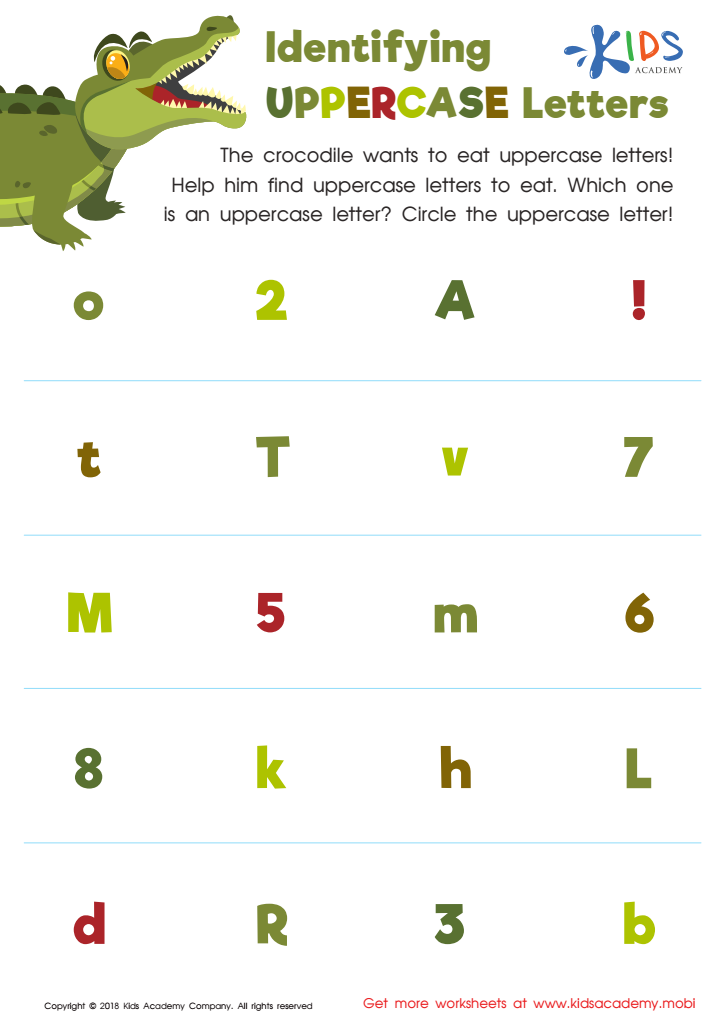
Identifying Uppercase Letters Worksheet
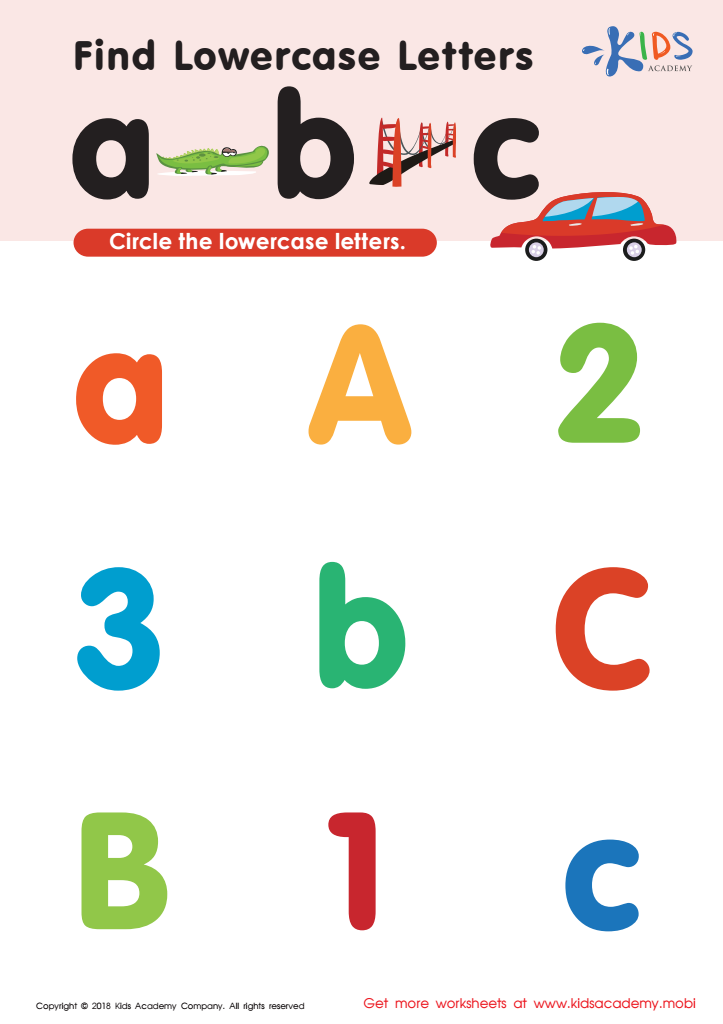
Find lowercase letters a b c Worksheet
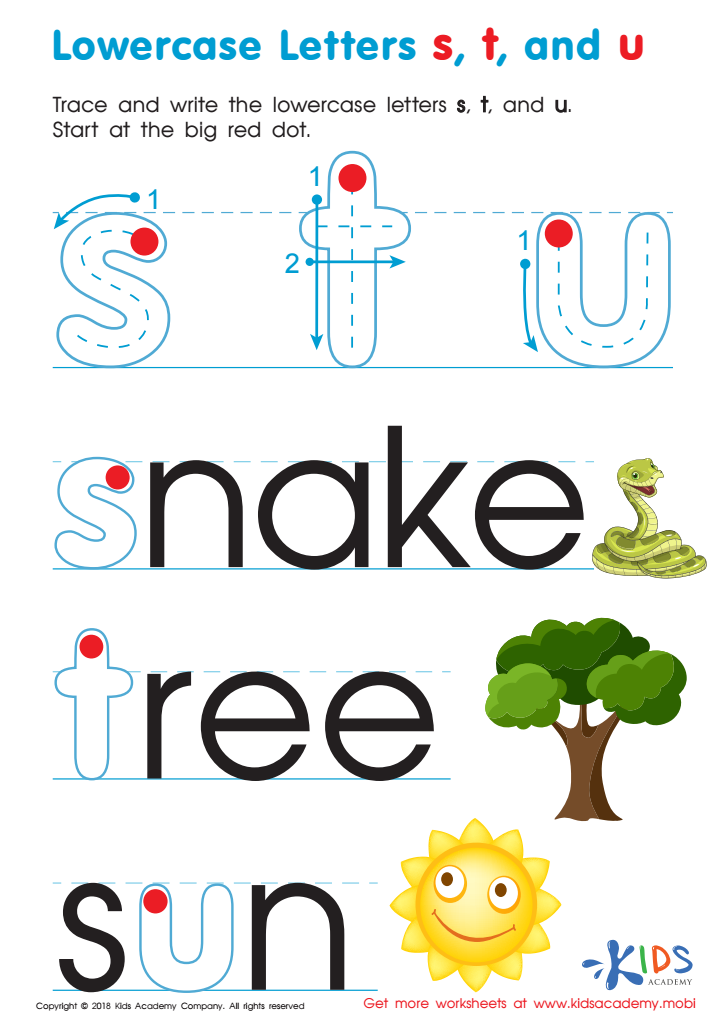
Lowercase Letters s t u Worksheet
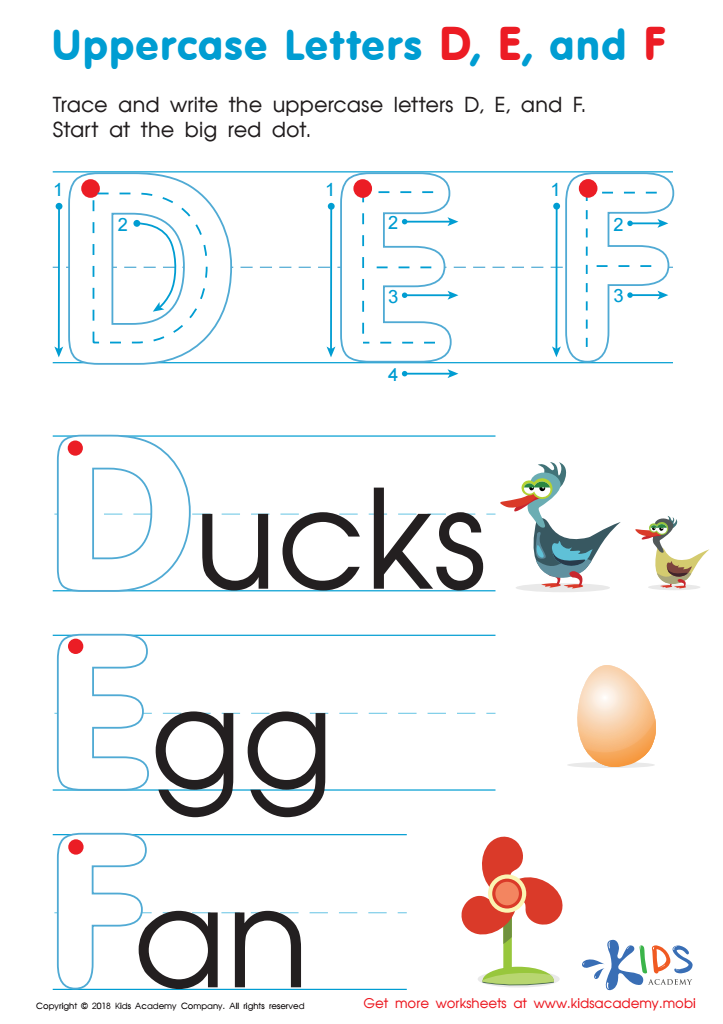
Uppercase Letters D, E, and F Worksheet
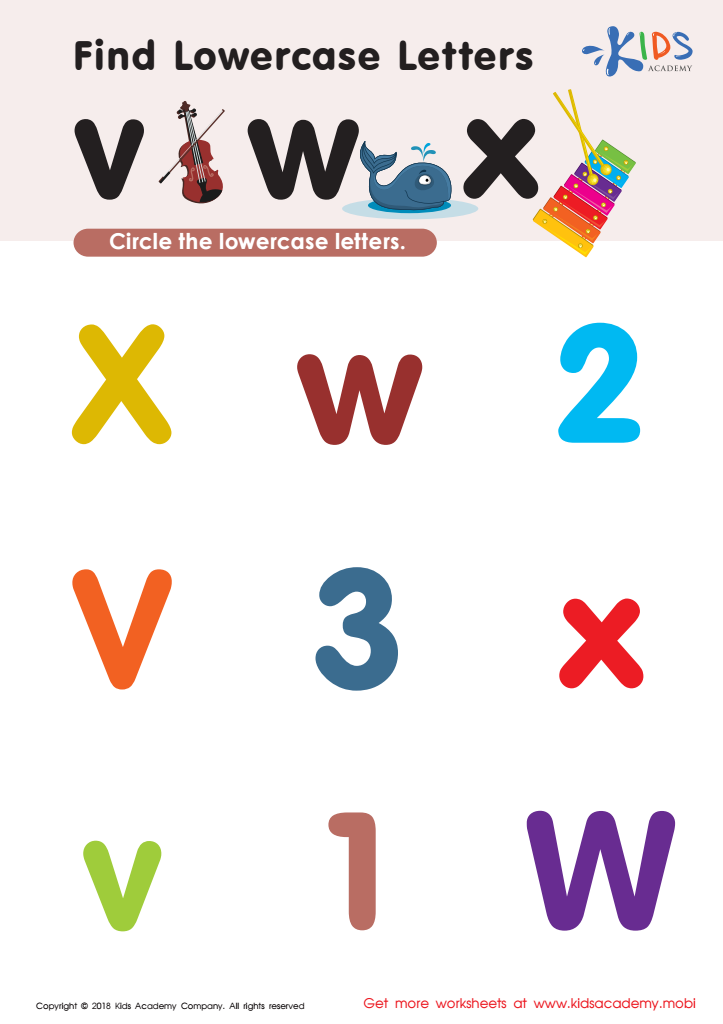
Find Lowercase Letters v w x Worksheet
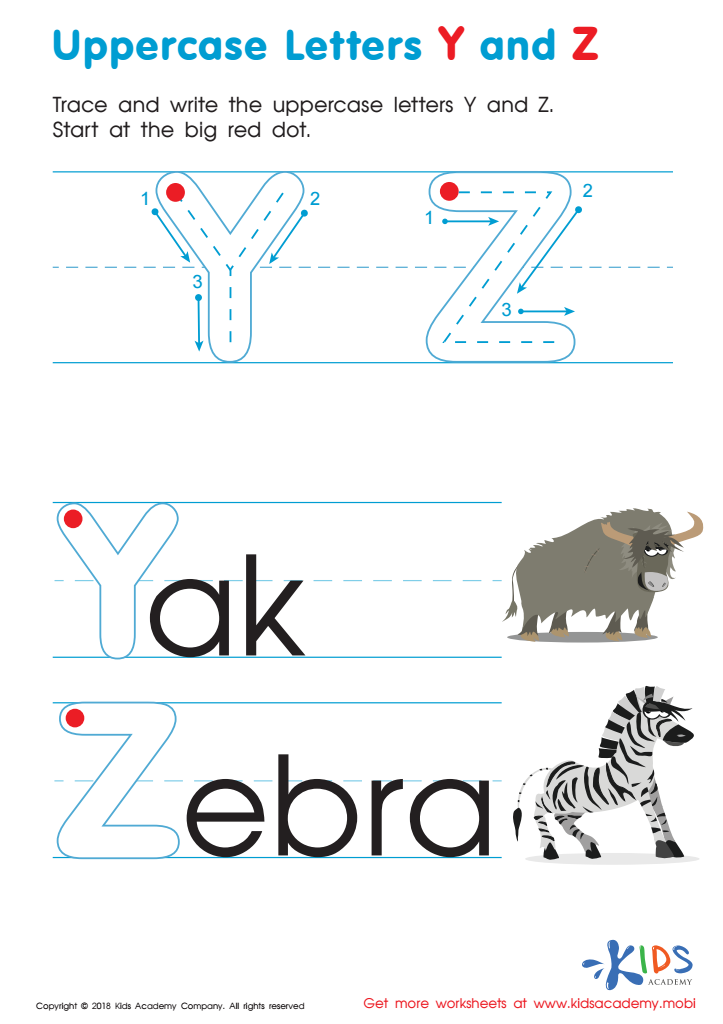
Uppercase Letters Y Z Worksheet
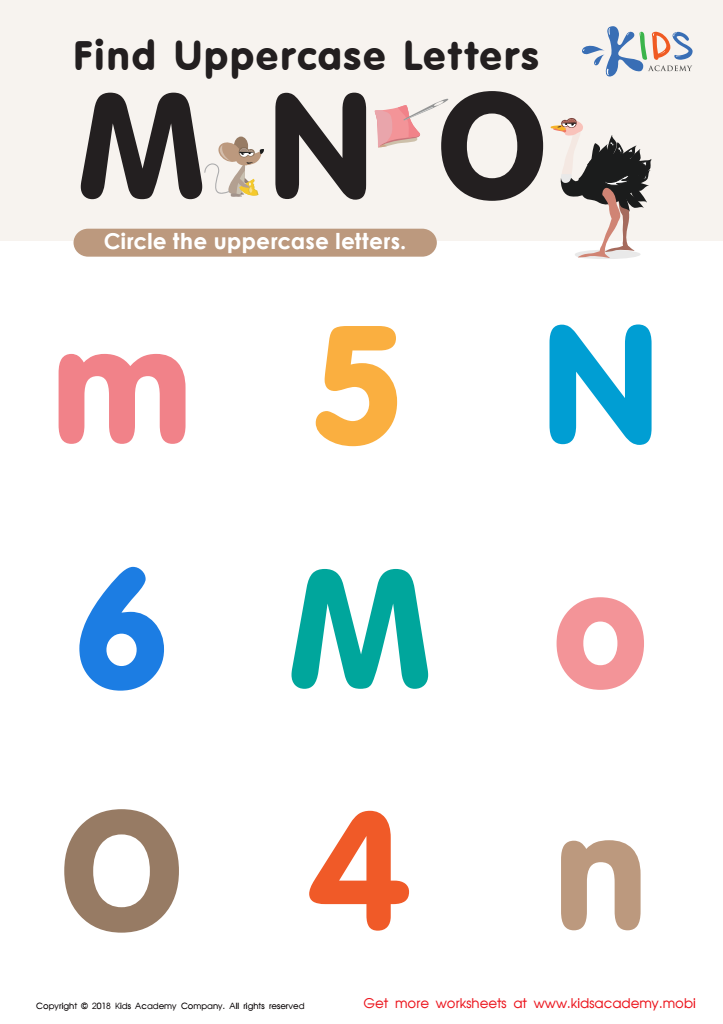
Find Uppercase Letters M, N, and O Worksheet
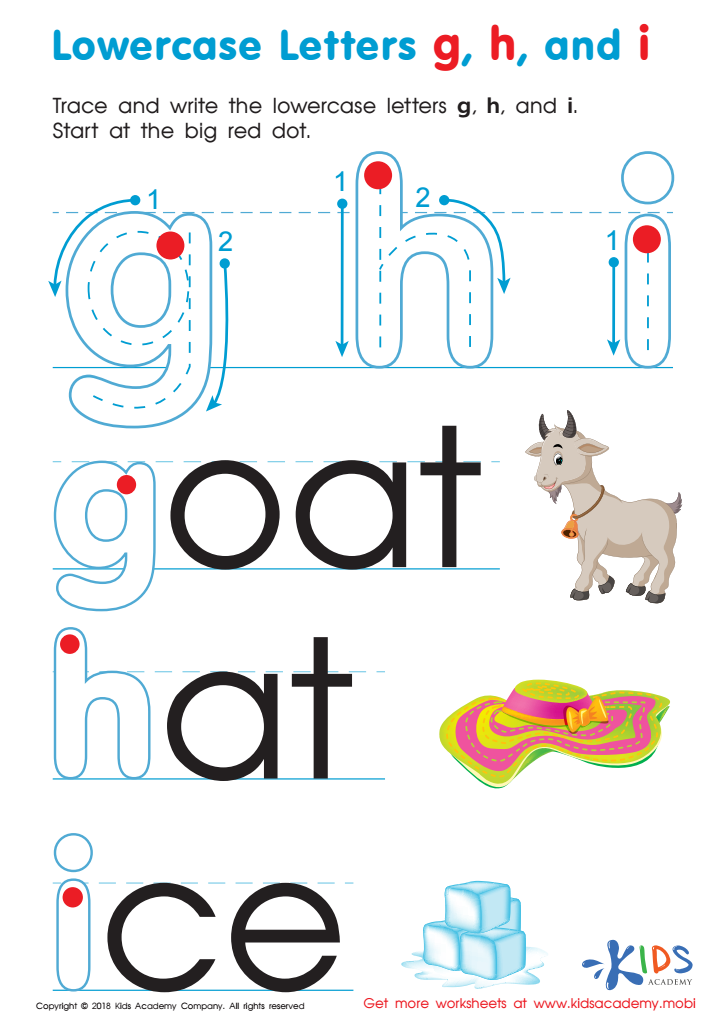
Lowercase Letters g h i Worksheet
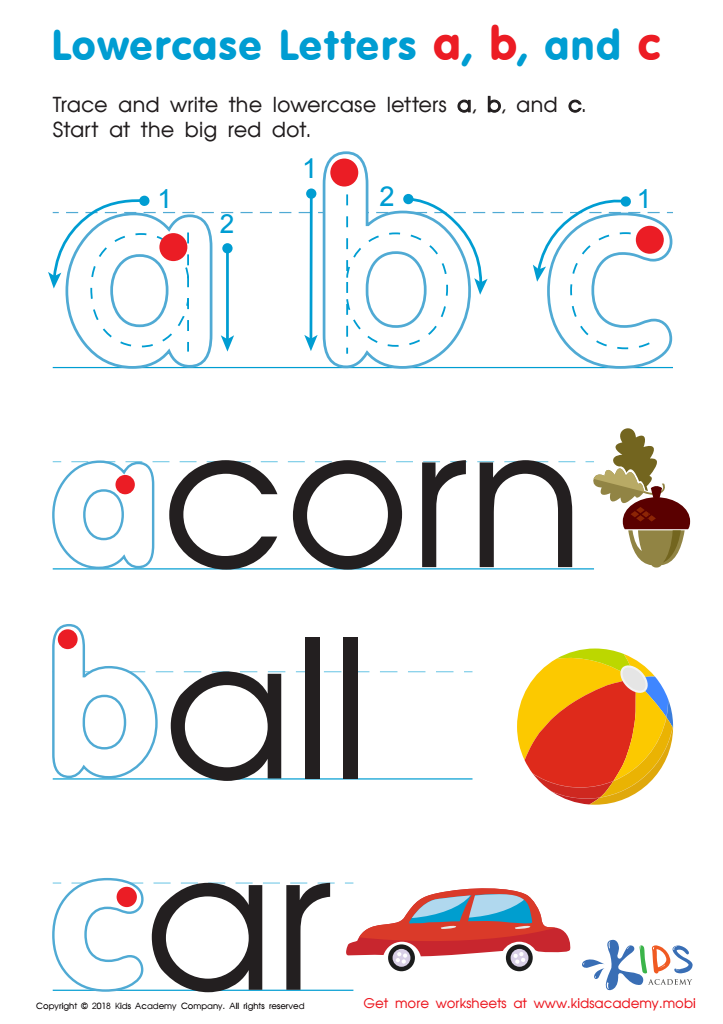
Lowercase Letters a b c Worksheet
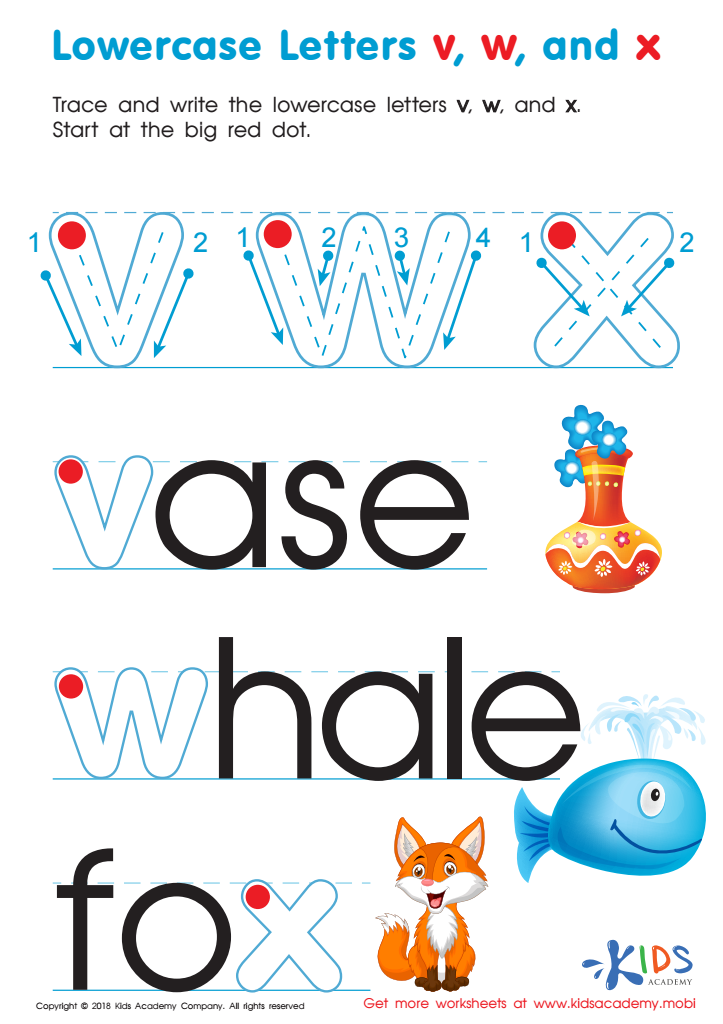
Lowercase Letters v w x Worksheet
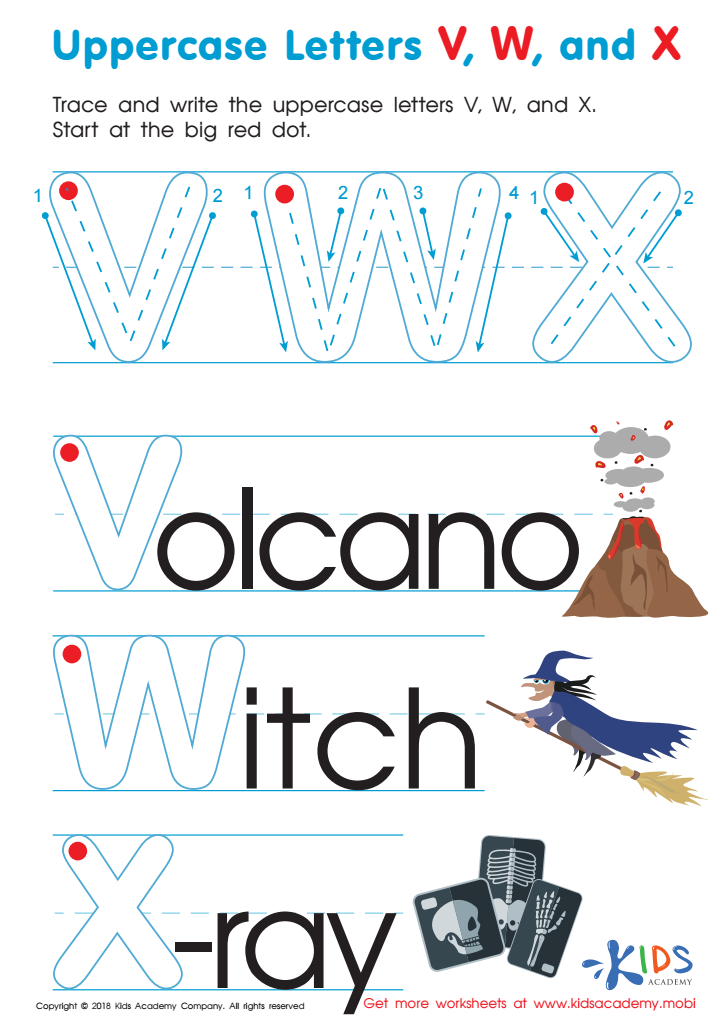
Uppercase Letters V, W, and X Worksheet






Teaching children the difference between upper and lowercase letters is fundamental for their reading and writing development. Parents and teachers should prioritize this because it forms the basis of literacy skills needed in everyday life. Mastery of letters gives young learners the tools to recognize familiar words in their environment, thus bolstering their confidence and comprehension.
At ages 3-8, children typically engage with language through storytelling, songs, and early writing exercises. Introducing uppercase letters first is beneficial, as they represent beginnings of sentences and proper nouns, while lowercase letters make up the majority of written text. Understanding this distinction enhances phonemic awareness, aids spelling, and helps children decode words effectively.
Furthermore, fostering this skill prepares children for a smoother transition into formal education. As they progress to more complex reading and writing tasks, recognizing the context and function of both upper and lowercase letters becomes increasingly important.
Encouraging practice through games, storytime, and writing activities allows children to gain familiarity and comfort with letters. Parents and teachers play a pivotal role in nurturing this essential component of literacy, ultimately helping children become more proficient and confident communicators. In turn, this sets a strong foundation for lifelong learning and academic success.







