Normal Comparing Numbers Worksheets for Ages 3-8 - Page 2
32 filtered results
-
From - To
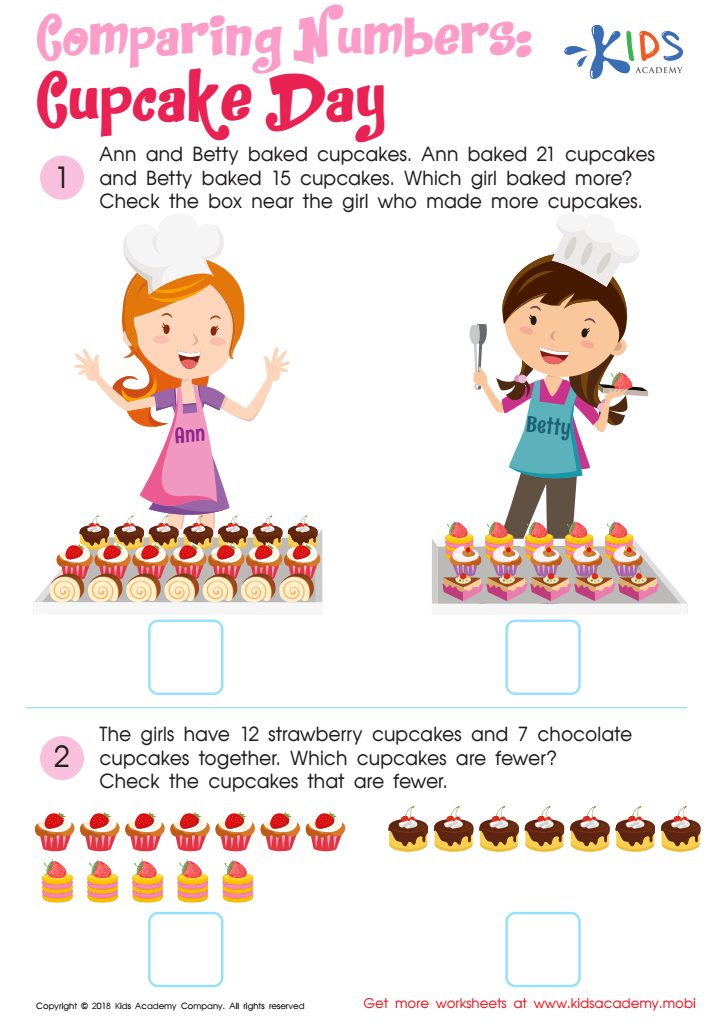
Cupcake Day Worksheet
 Assign to My Students
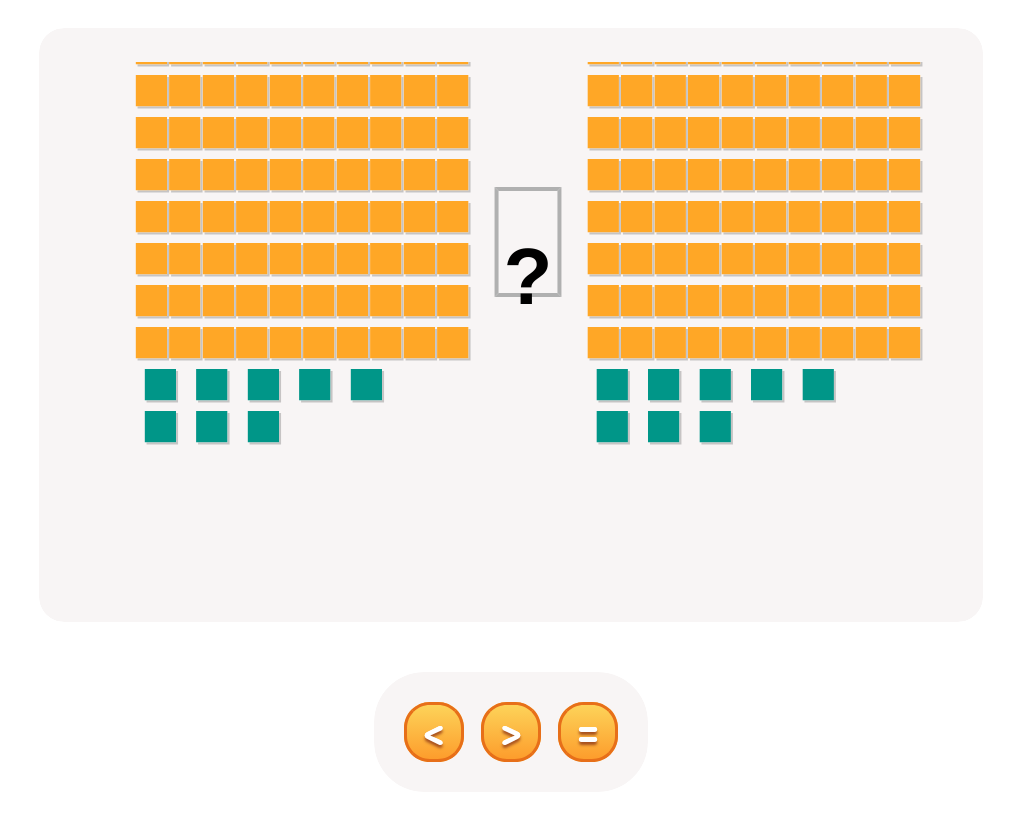

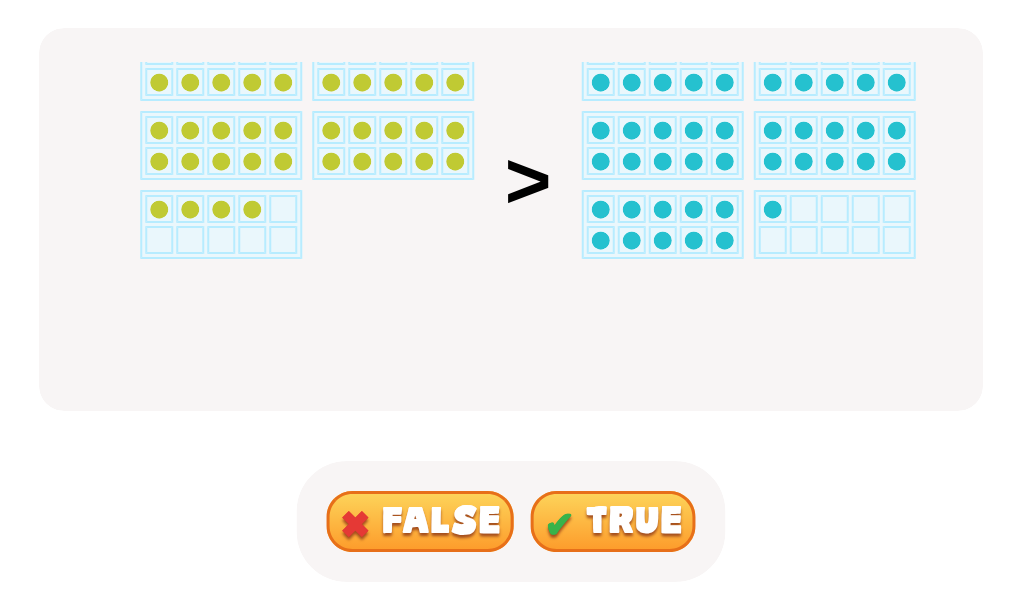
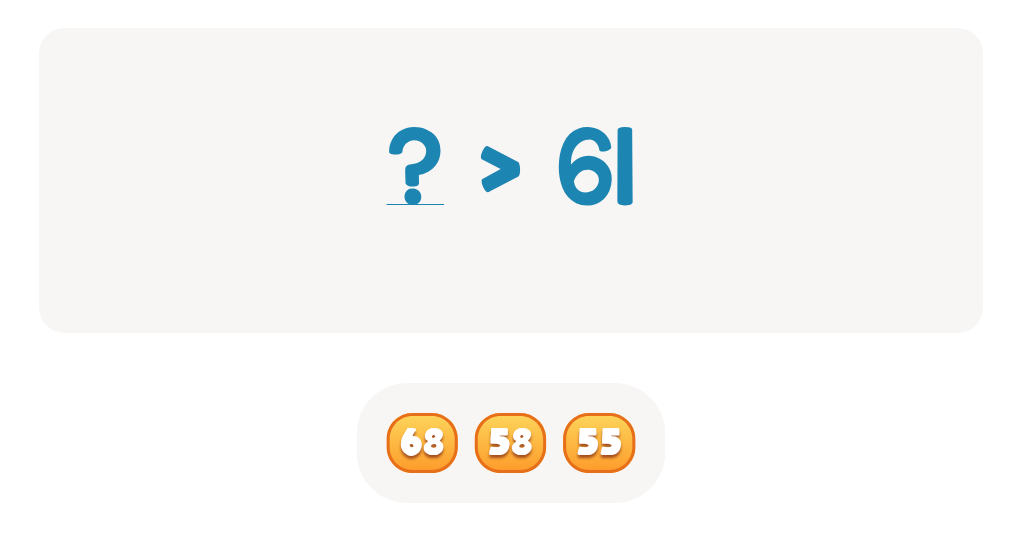
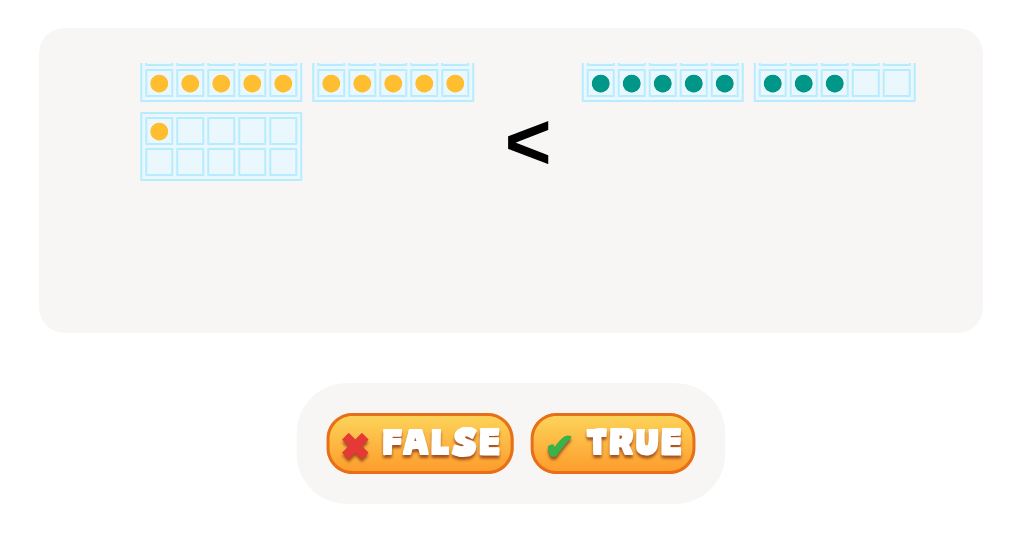
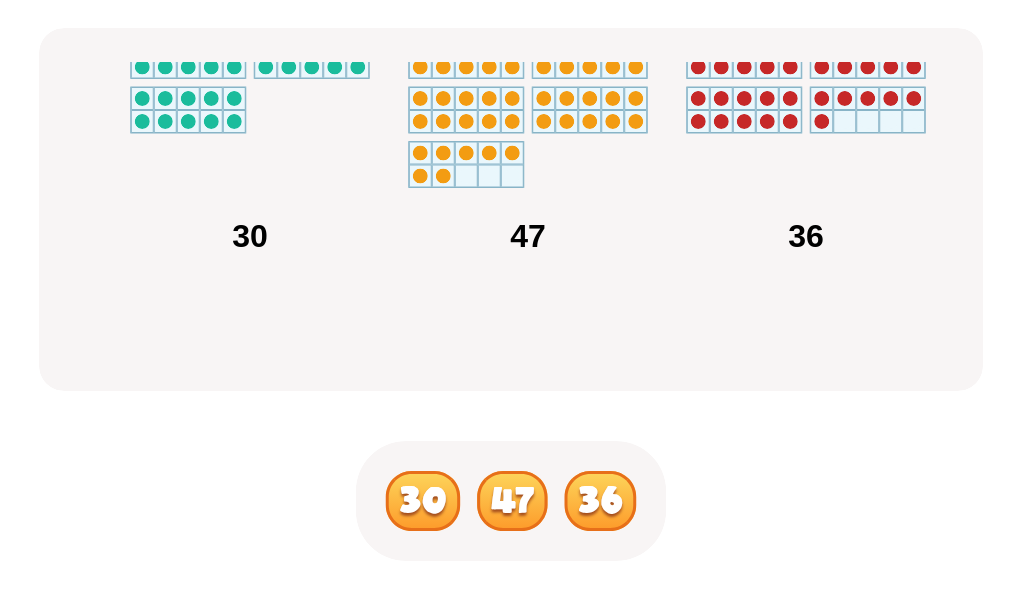
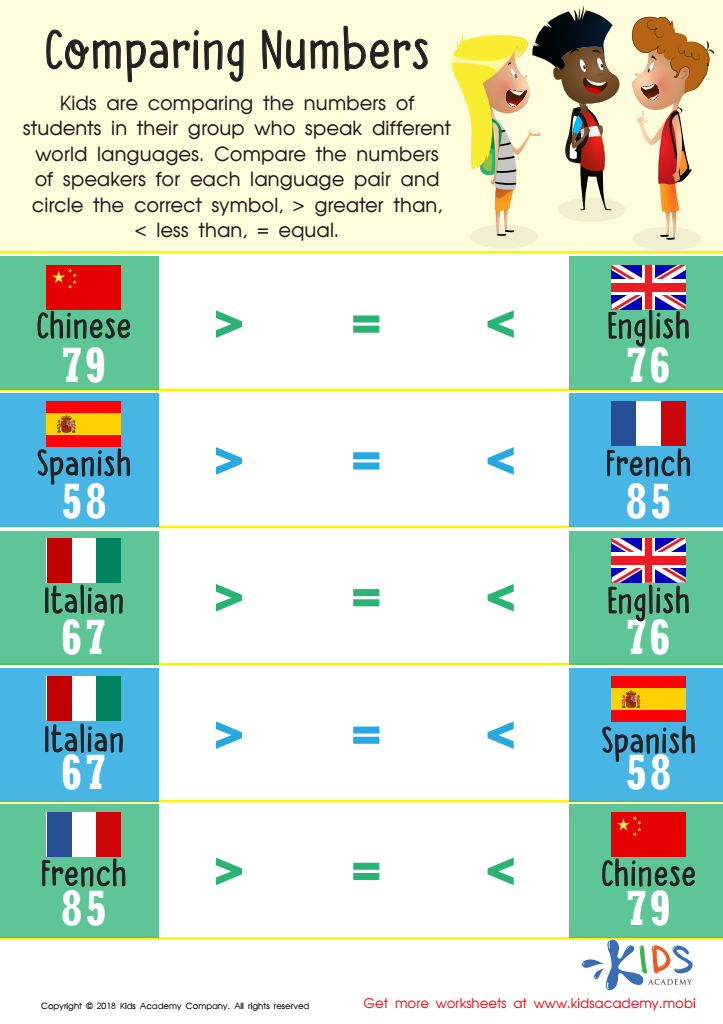
Comparing Numbers Worksheet for 1st Grade
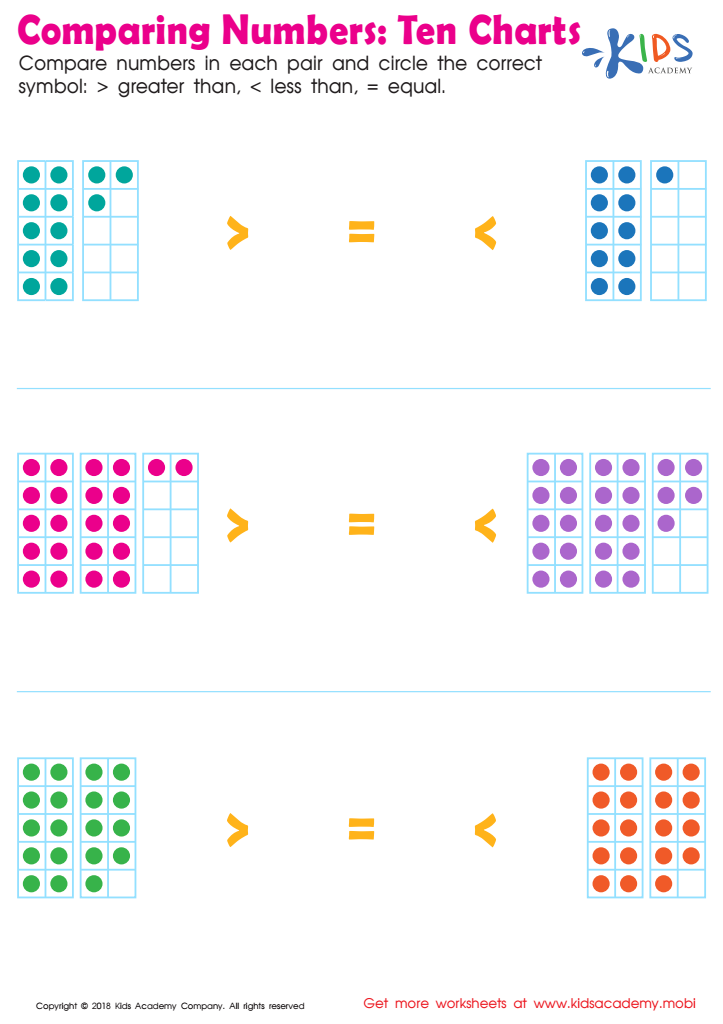
Ten Charts Worksheet
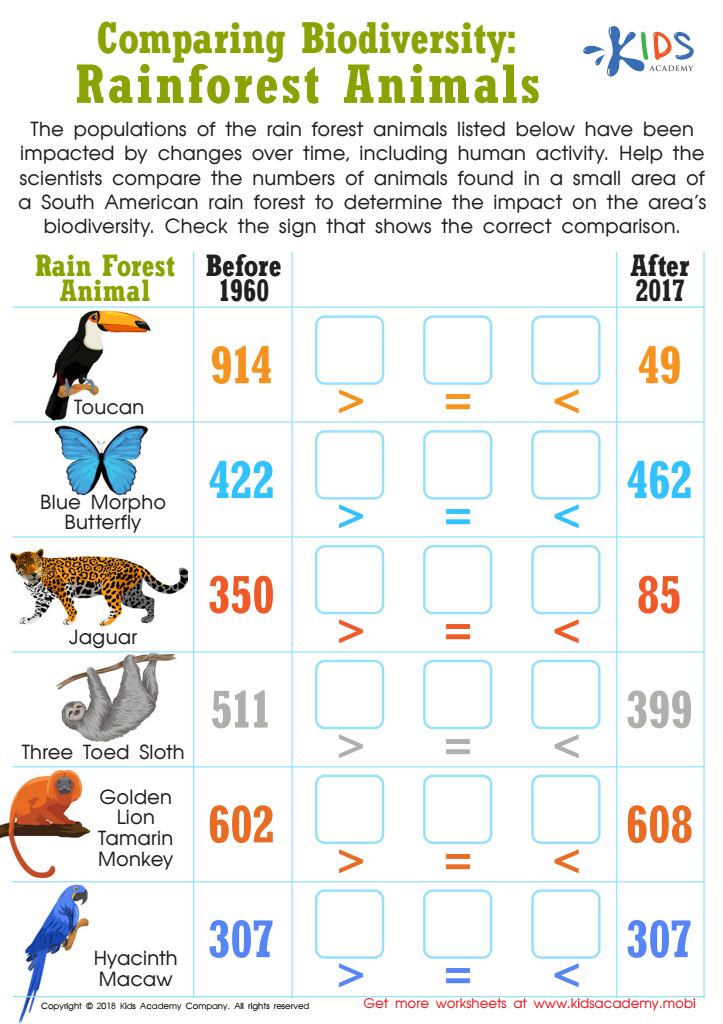
Comparing Biodiversity: Rainforest Animals Worksheet
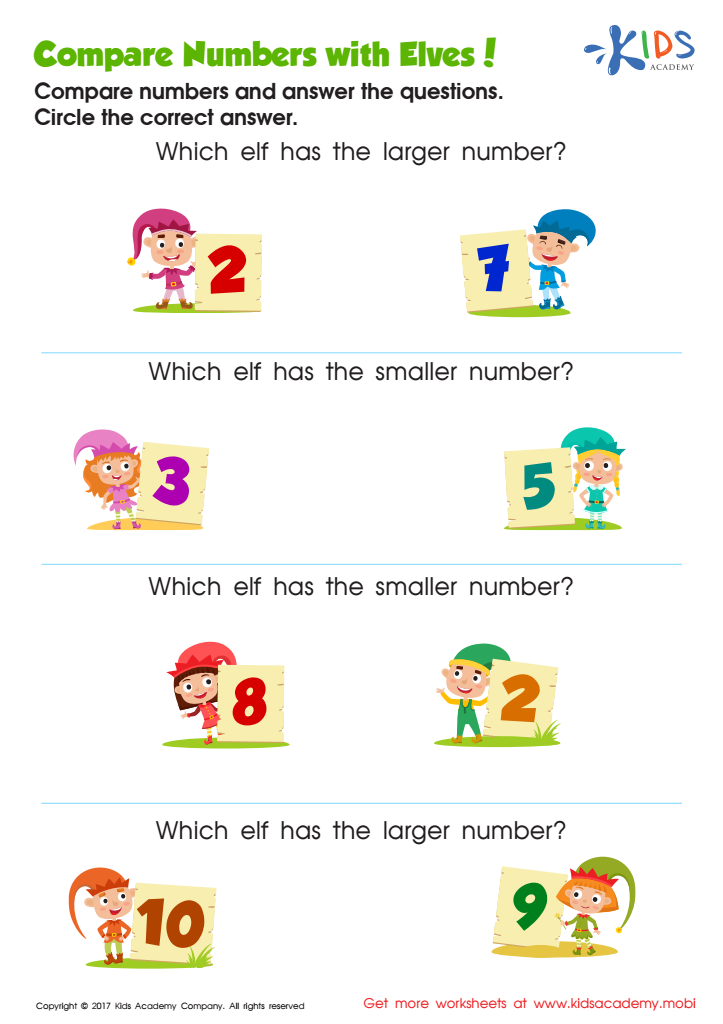
Comparing Numbers Worksheet for Kindergarten
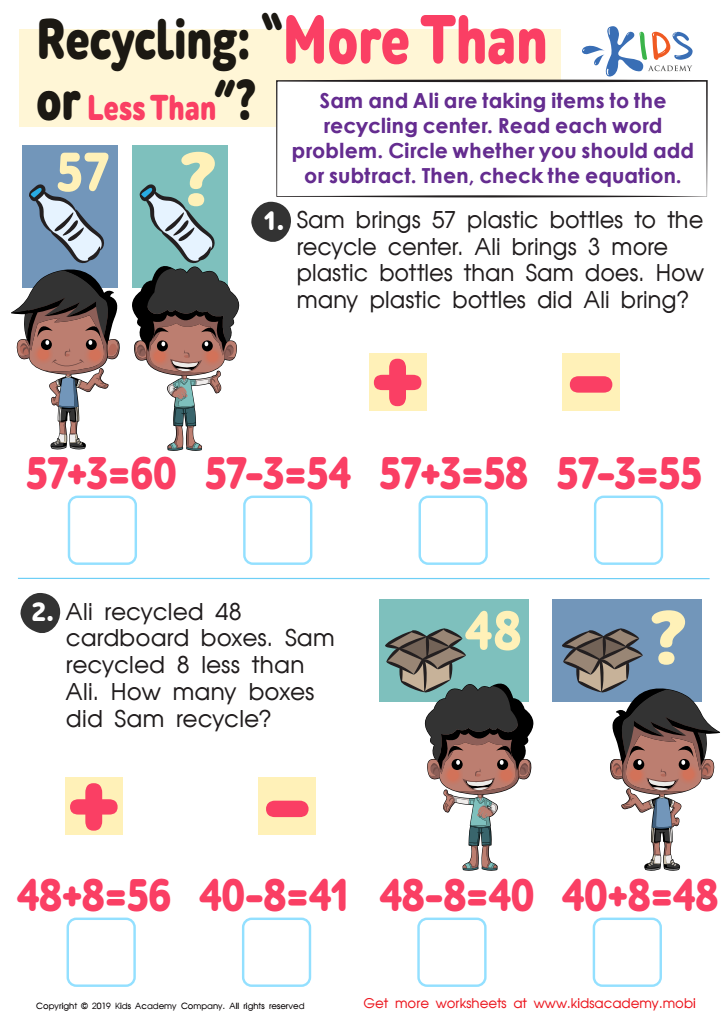
Recycling - More or Less Worksheet
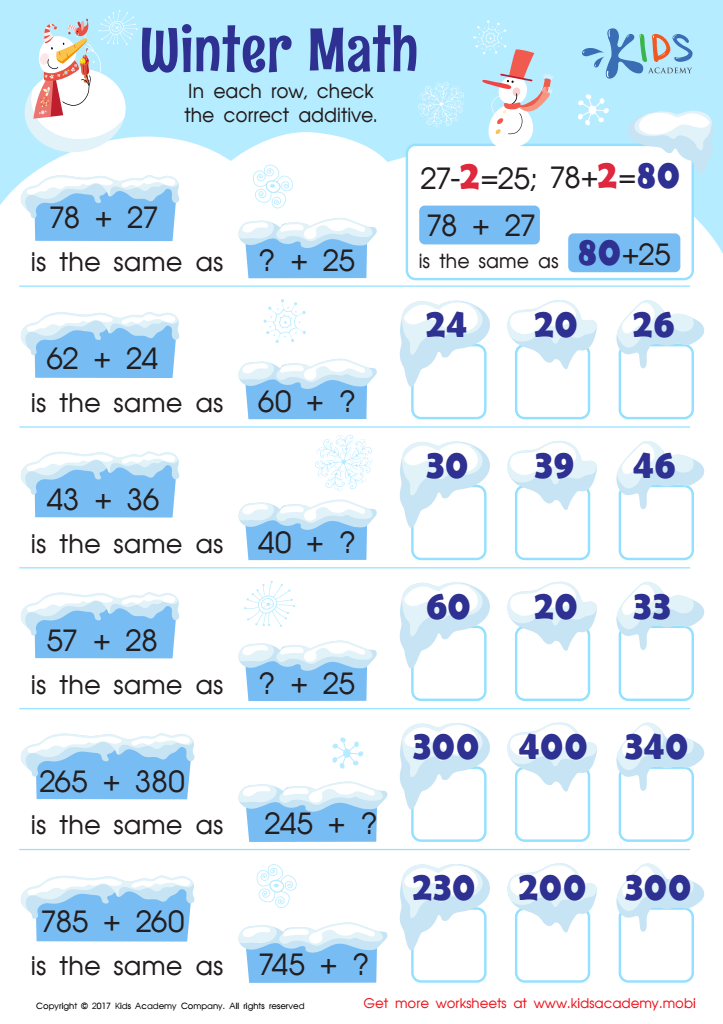
Free Addition Worksheet
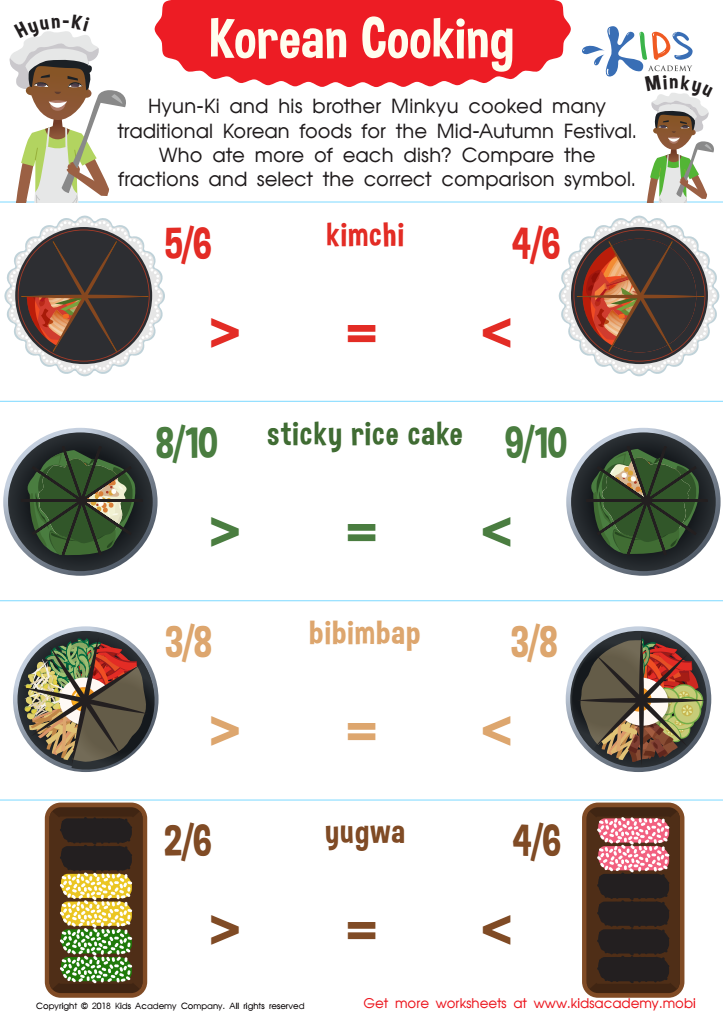
Korean Cooking Worksheet






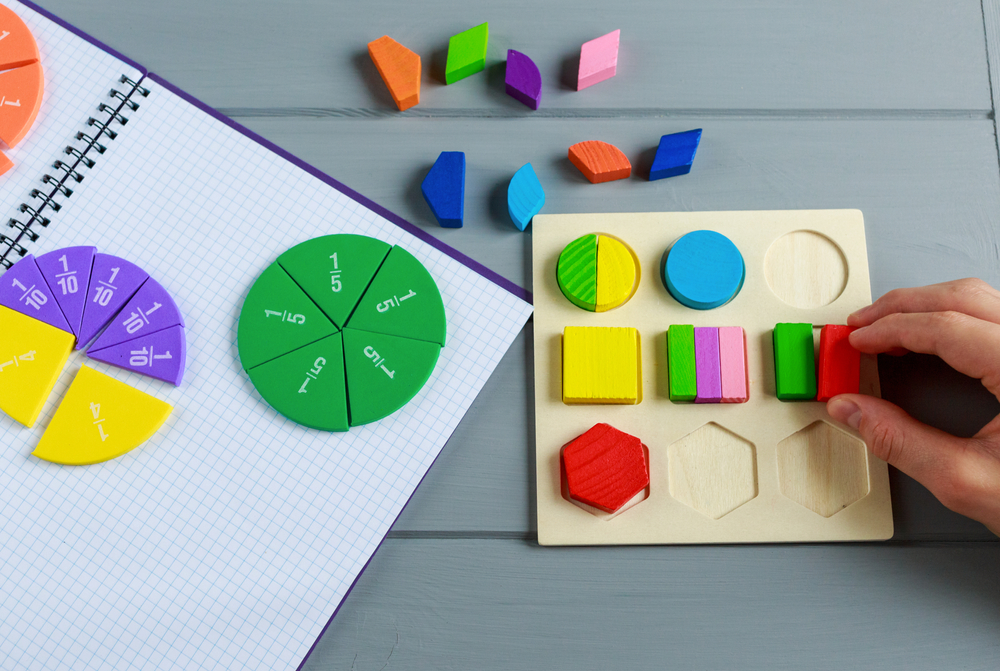

Understanding and comparing numbers is a fundamental building block in early childhood education and plays a crucial role in children’s cognitive development from ages 3 to 8. Firstly, it enhances numeracy skills, which are essential for later academic success. As children learn to compare numbers, they develop a sense of value, quantity, and order, forming the basis for addition, subtraction, and other mathematical concepts.
Moreover, normalizing the practice of comparing numbers fosters critical thinking and problem-solving skills. Children who engage in activities that involve size, quantity, or amount become more adept at analyzing information and making informed decisions. For parents and teachers, this means incorporating playful, hands-on activities that encourage children to explore numbers naturally.
Additionally, comparing numbers helps build confidence in handling mathematical concepts. When children can articulate differences and similarities between quantities, they feel empowered and motivated to tackle more complex mathematical challenges later in school.
Ultimately, parents and teachers should care about this early learning process because it lays the groundwork for a child’s lifelong relationship with math, transforming what could be seen as a daunting subject into an accessible and enjoyable one. Engaging in these crucial comparisons creates a positive, enriching experience that supports overall development.