Normal Reading Fiction Worksheets for Ages 3-8 - Page 5
110 filtered results
-
From - To
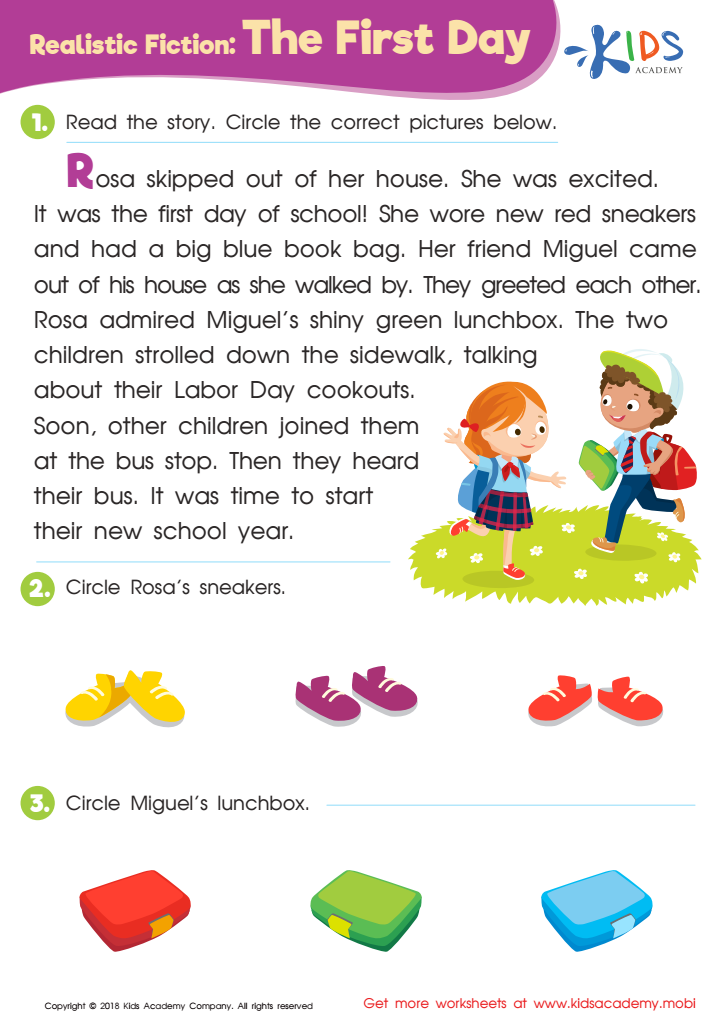
Realistic Fiction: The First Day Worksheet
 Assign to My Students
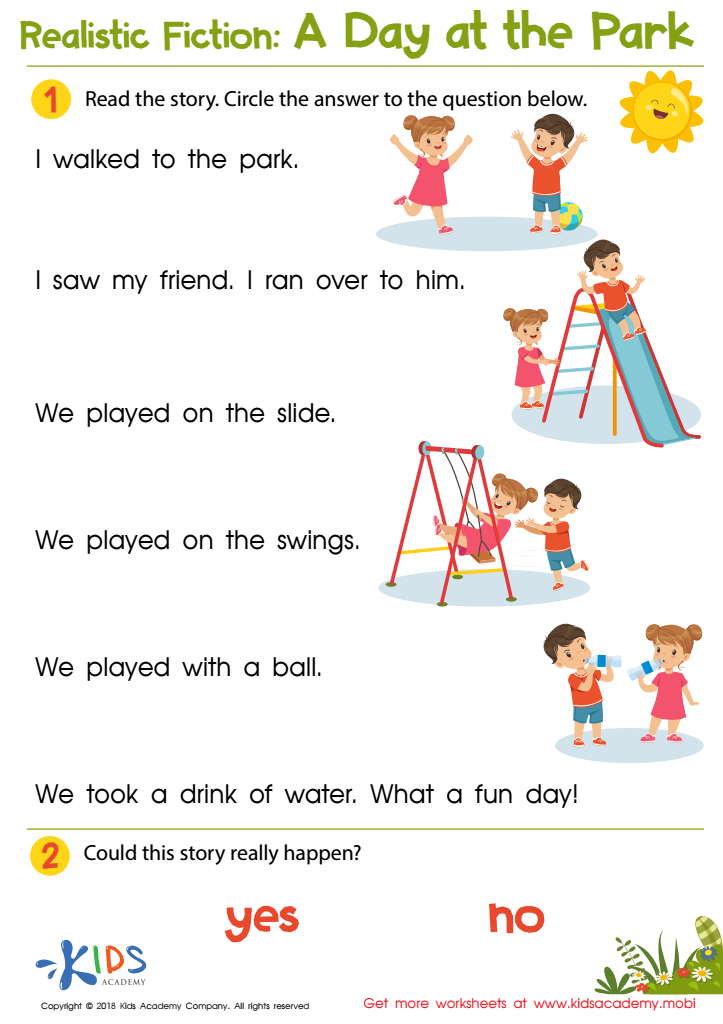
A Day at the Park Worksheet
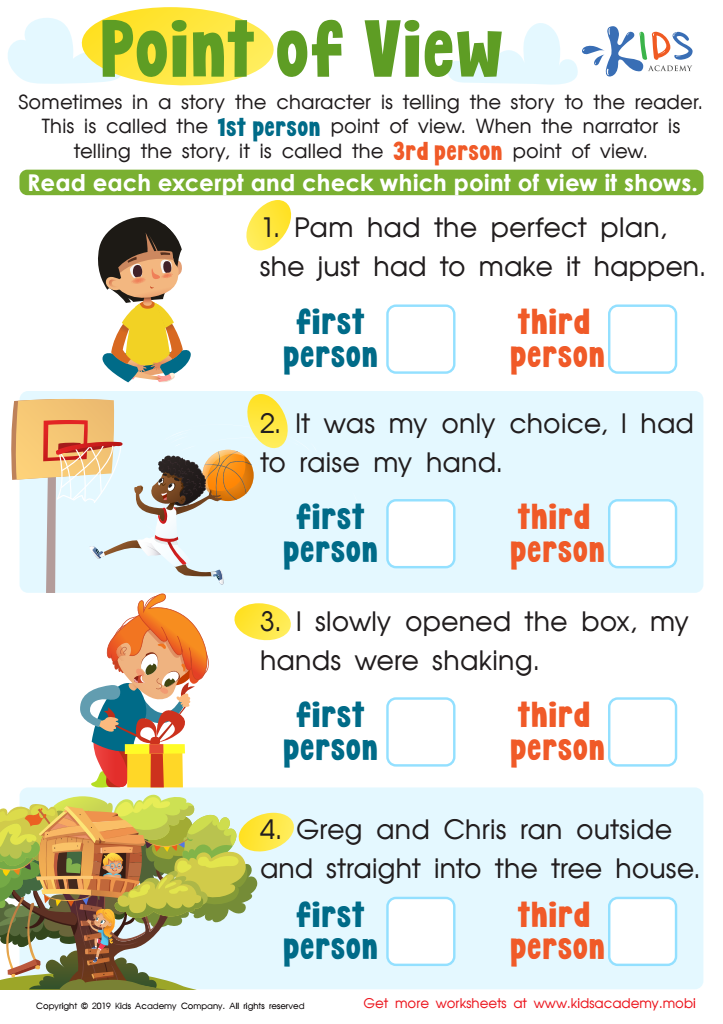
Point of View Printable
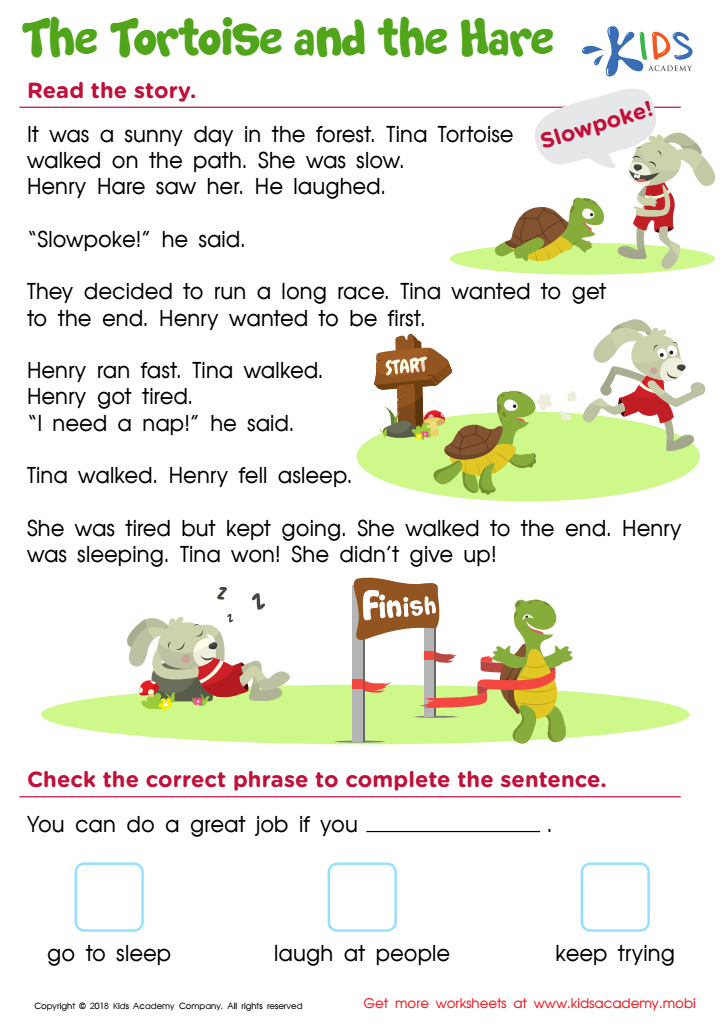
The Tortoise and the Hare Worksheet
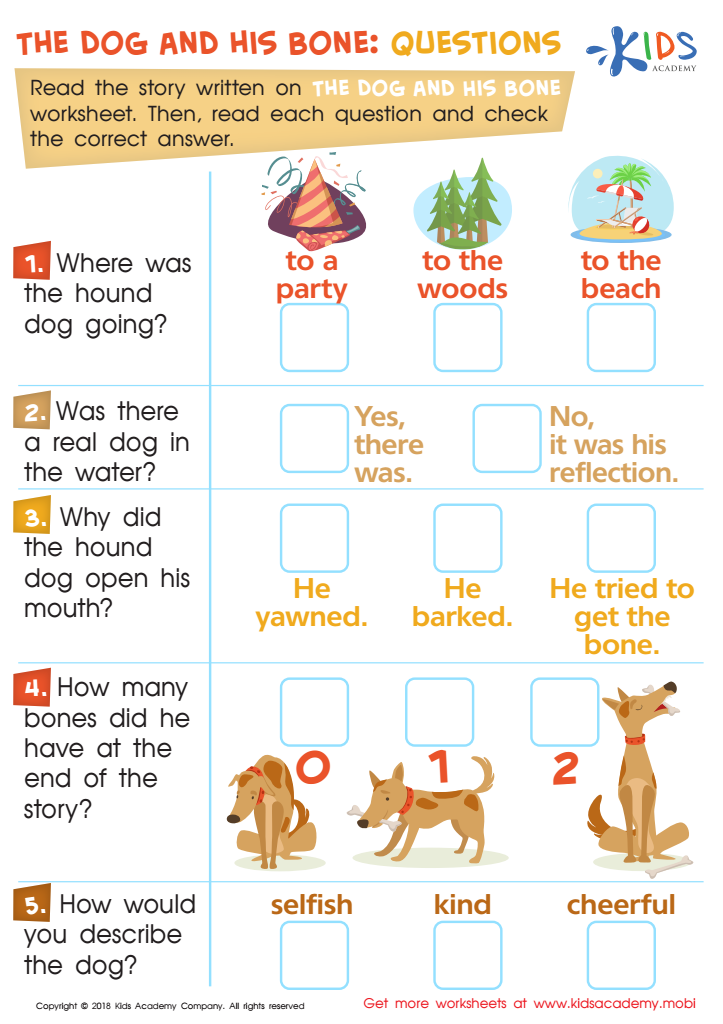
The Dog and His Bone: Questions Worksheet
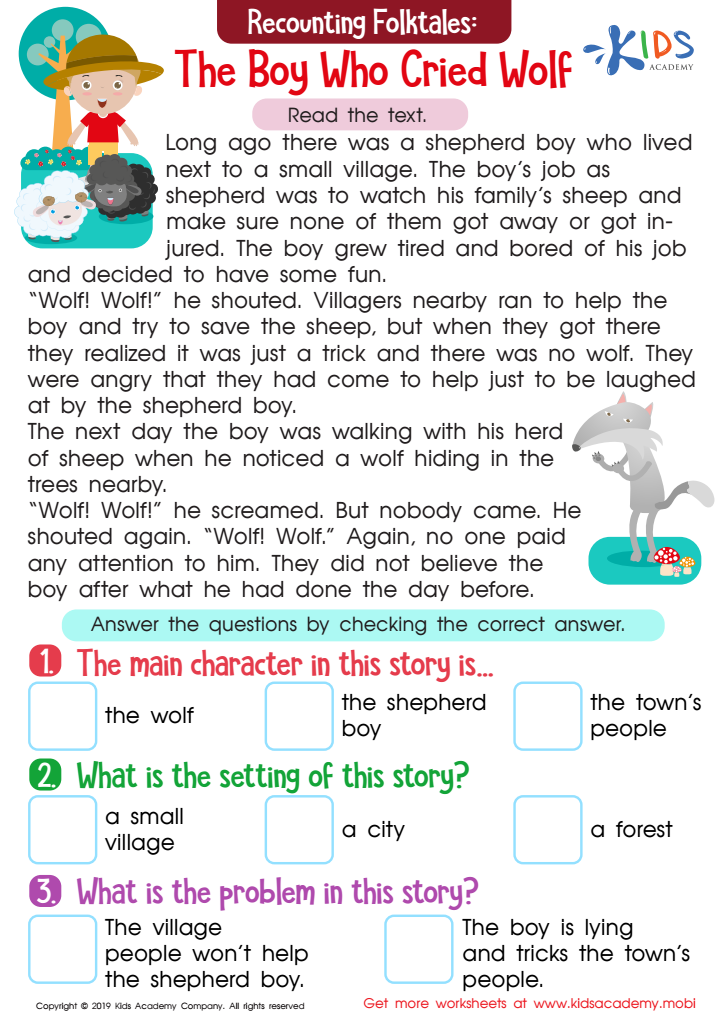
The Boy Who Cried Wolf Part 1 Worksheet
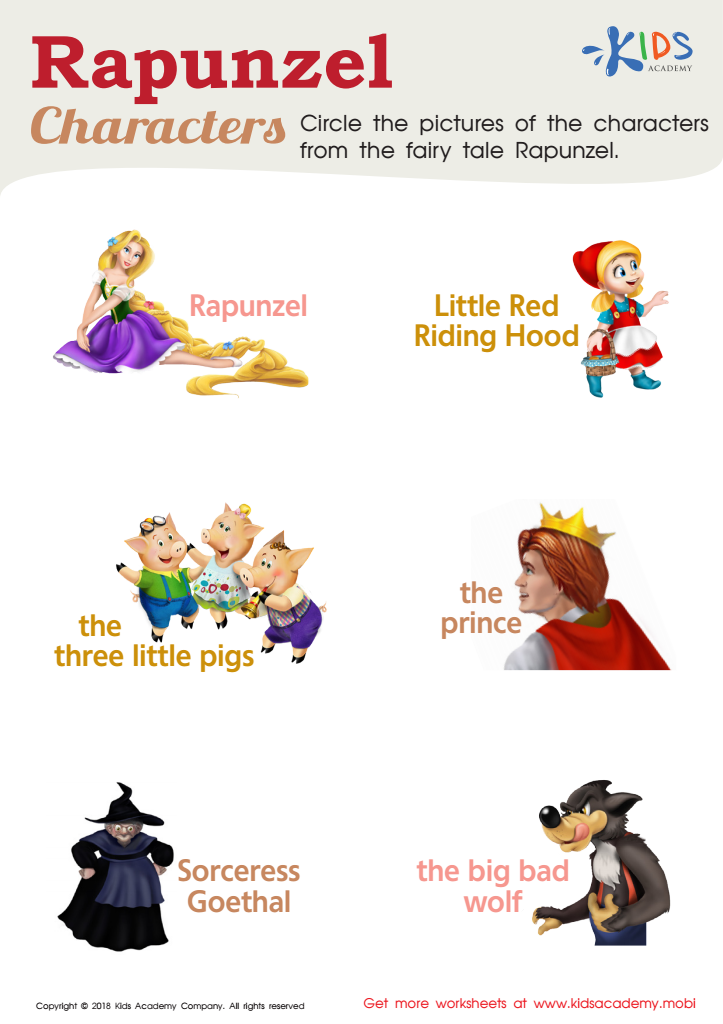
Rapunzel Characters Worksheet
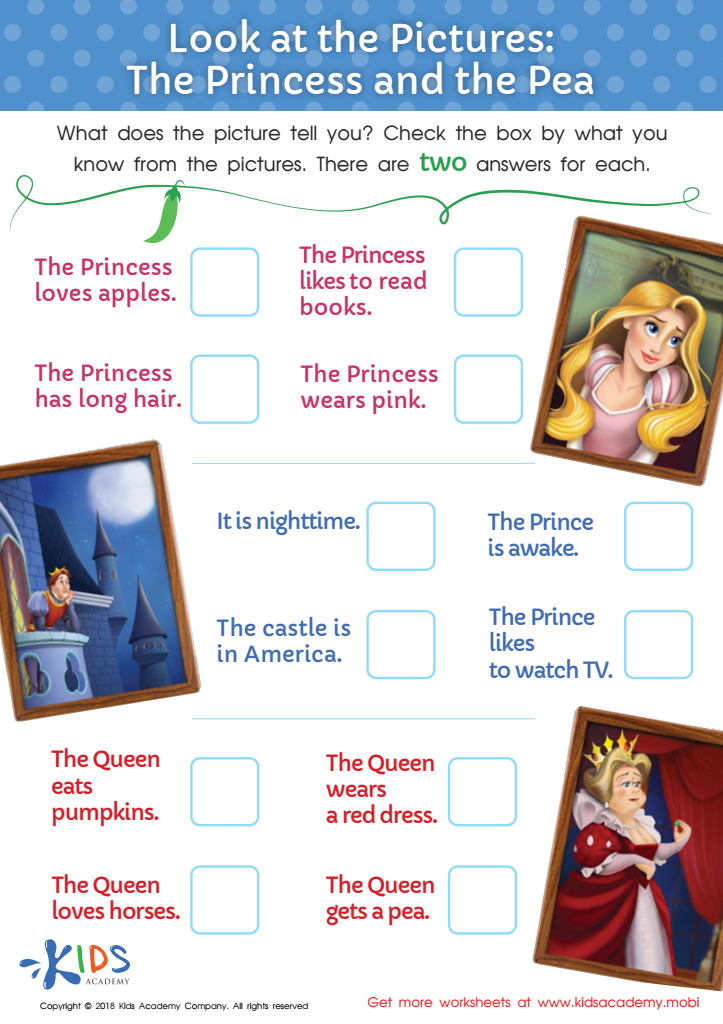
Look at the Pictures: The Princess and the Pea Worksheet
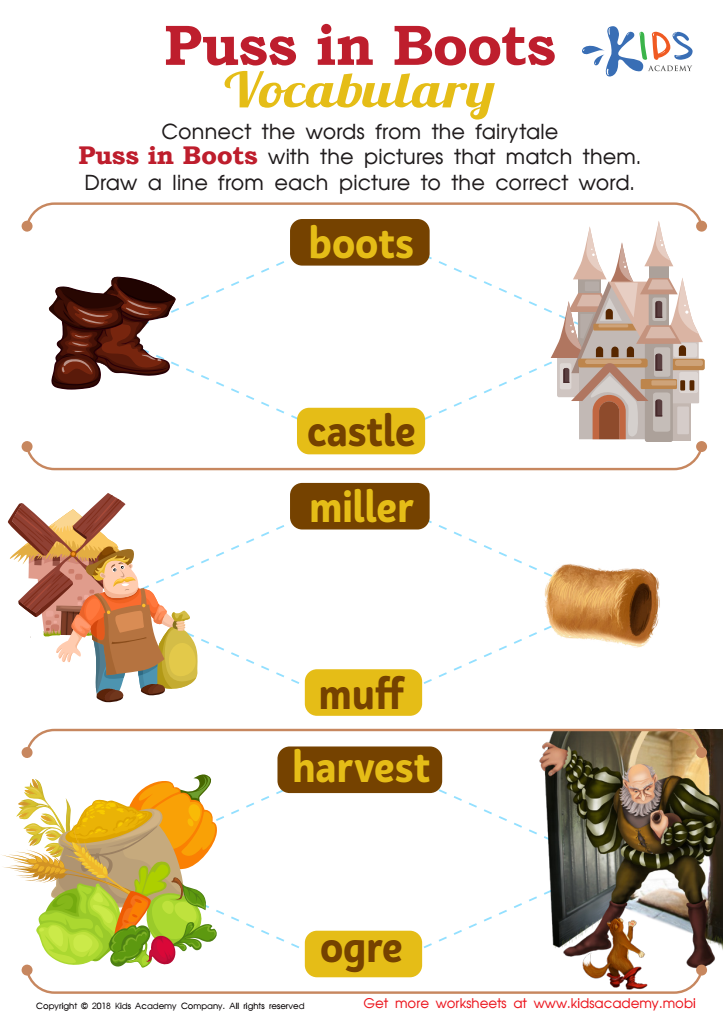
Puss in Boots Vocabulary Worksheet
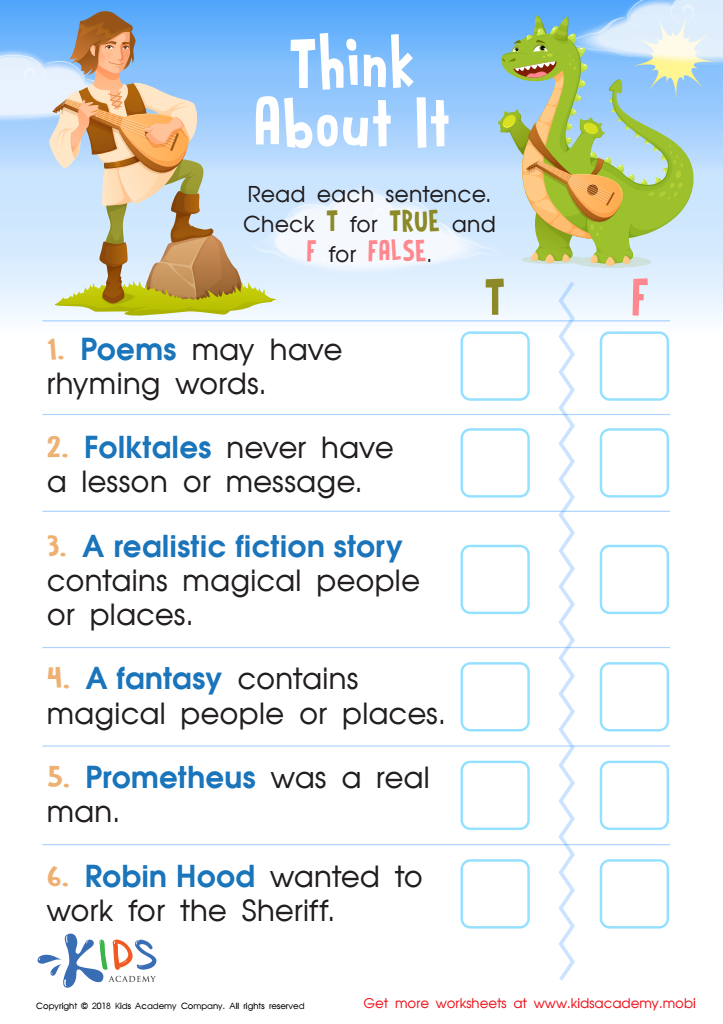
Think About It: Assessment Worksheet
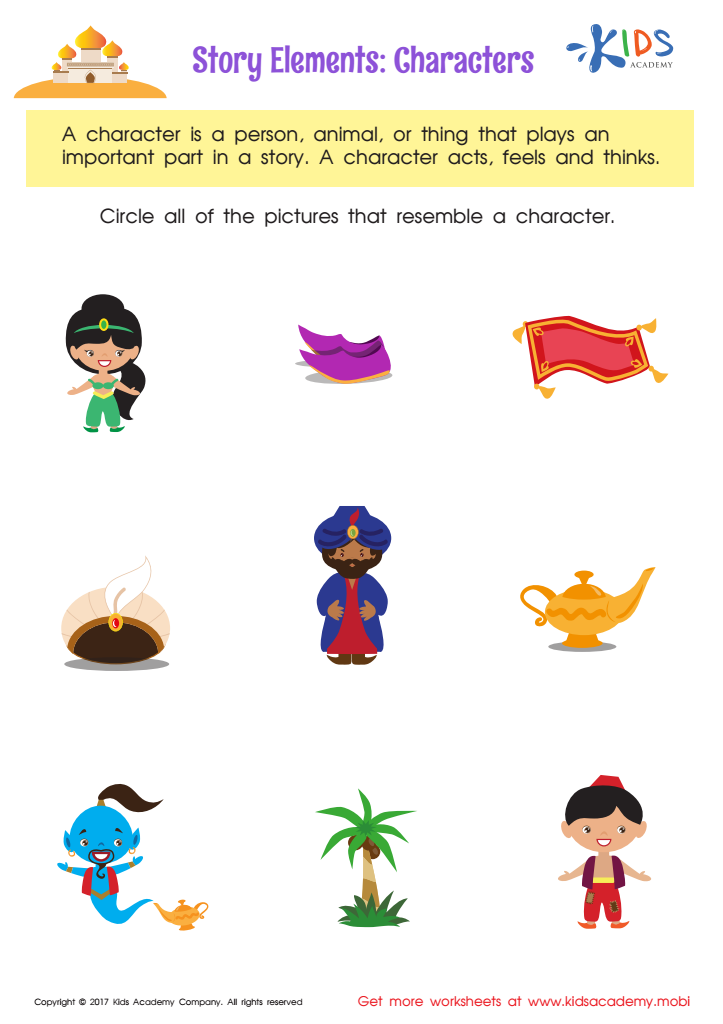
Story Elements Printable
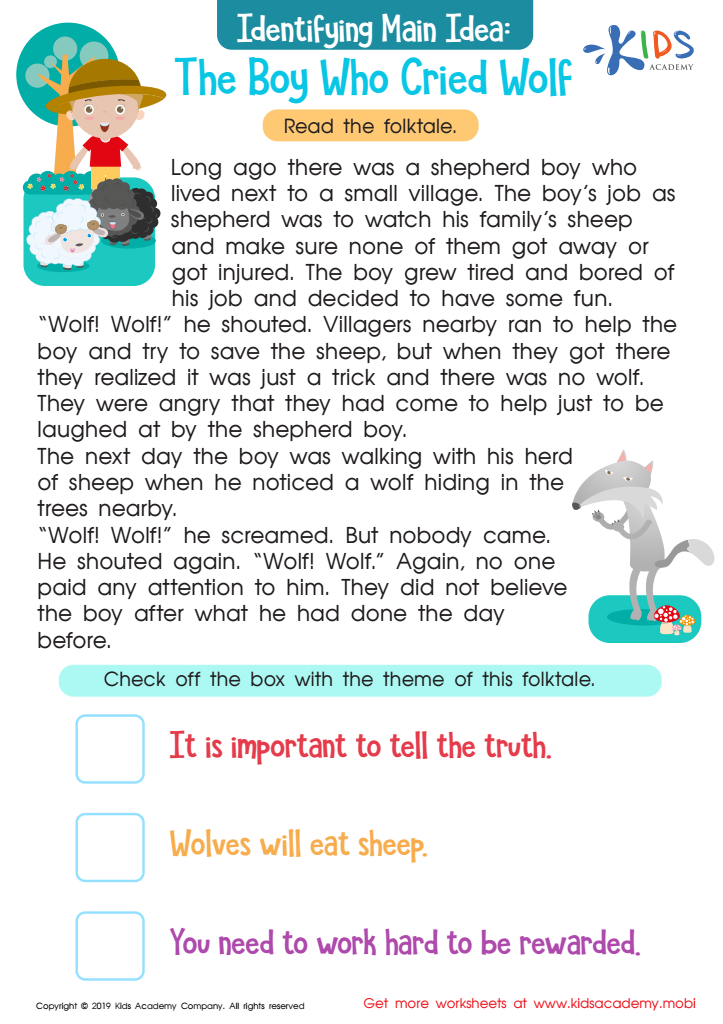
The Boy Who Cried Wolf Part 2 Worksheet
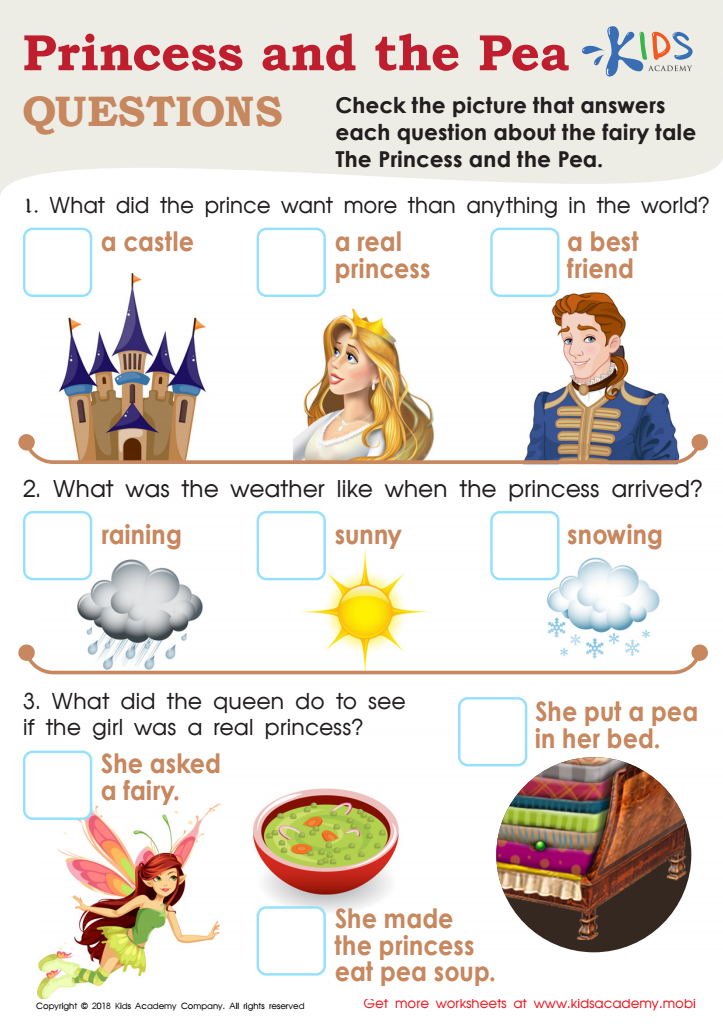
Princess and the Pea Questions Worksheet
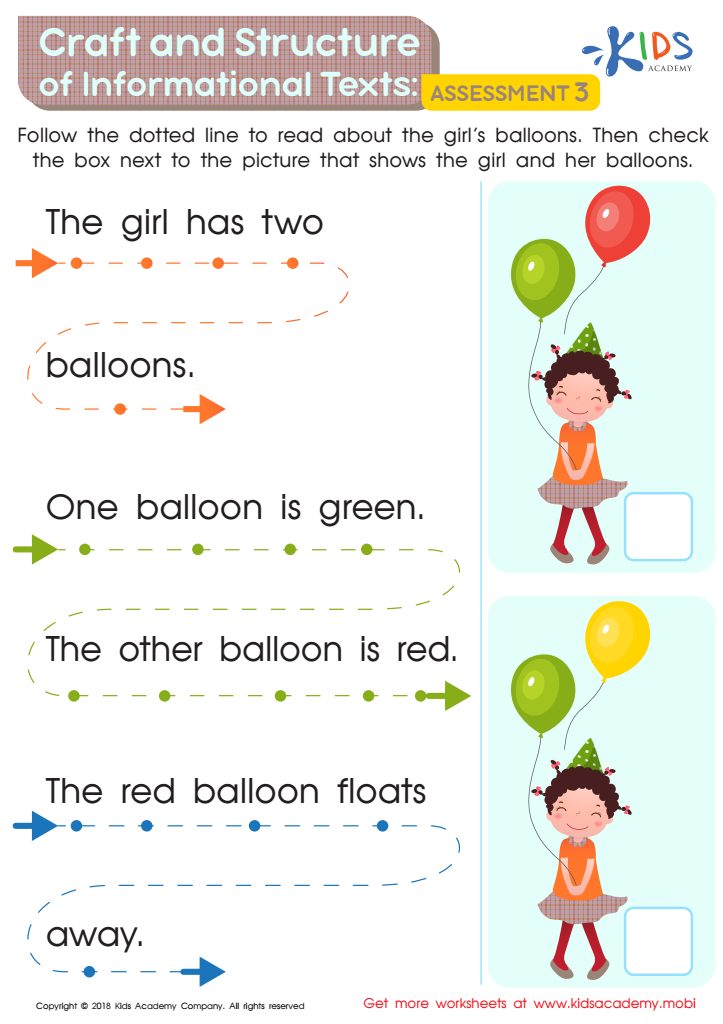
Craft and Structure of Informational Texts: Assessment 3 Worksheet








Parents and teachers should care about normal reading fiction for ages 3-8 because it significantly supports early literacy development, critical thinking, and emotional awareness. At this age, children are still developing essential cognitive skills, and engaging with fiction helps enhance their vocabulary, comprehension, and narrative skills, laying the foundation for proficient reading later on.
Normal reading fiction also fosters creativity and imagination, allowing children to explore diverse worlds and experiences beyond their own. This exposure broadens their understanding of different cultures, values, and perspectives, preparing them for a compassionate understanding of the world. Furthermore, stories often introduce moral dilemmas, encouraging children to think critically about their behaviors and choices.
Additionally, reading fiction can strengthen the bond between parents, caregivers, and children. Shared reading experiences create opportunities for discussion and connection, helping develop social and emotional skills. When children examine characters and their emotions, they learn empathy and how to recognize feelings in themselves and others.
By prioritizing normal reading fiction, adults can help nurture a lifelong love for reading, while also cultivating essential skills that facilitate success in school and beyond. Supporting literacy through fiction aids in holistic development, ensuring children are well-equipped for future challenges.







