Normal Community Worksheets for Ages 3-8 - Page 4
85 filtered results
-
From - To
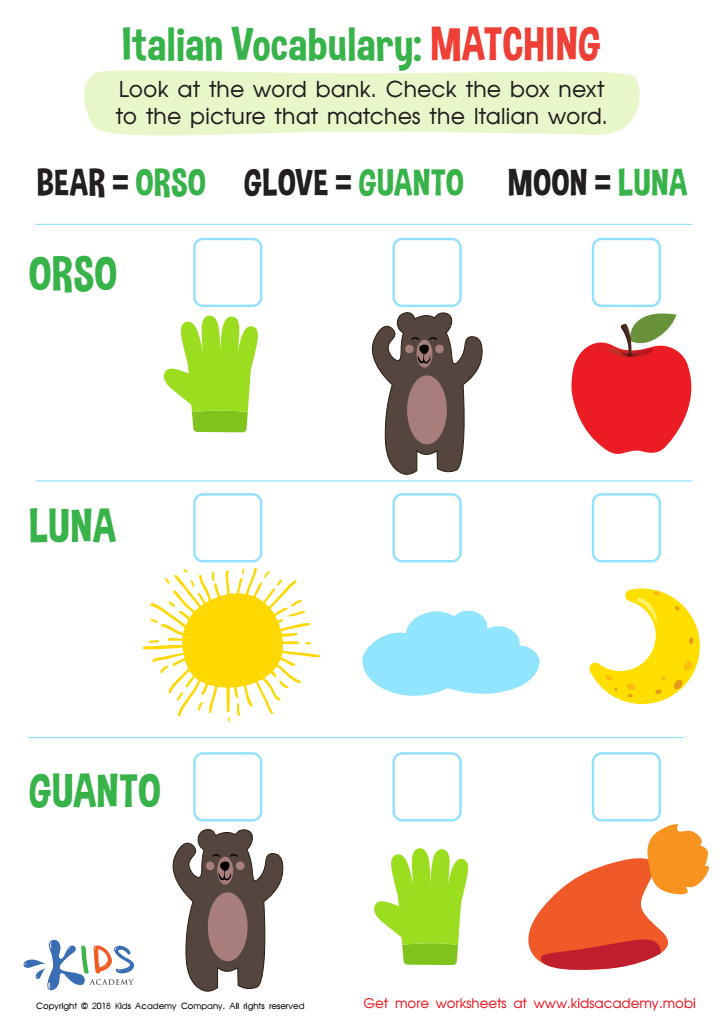
Italian Vocabulary Matching Worksheet
 Assign to My Students
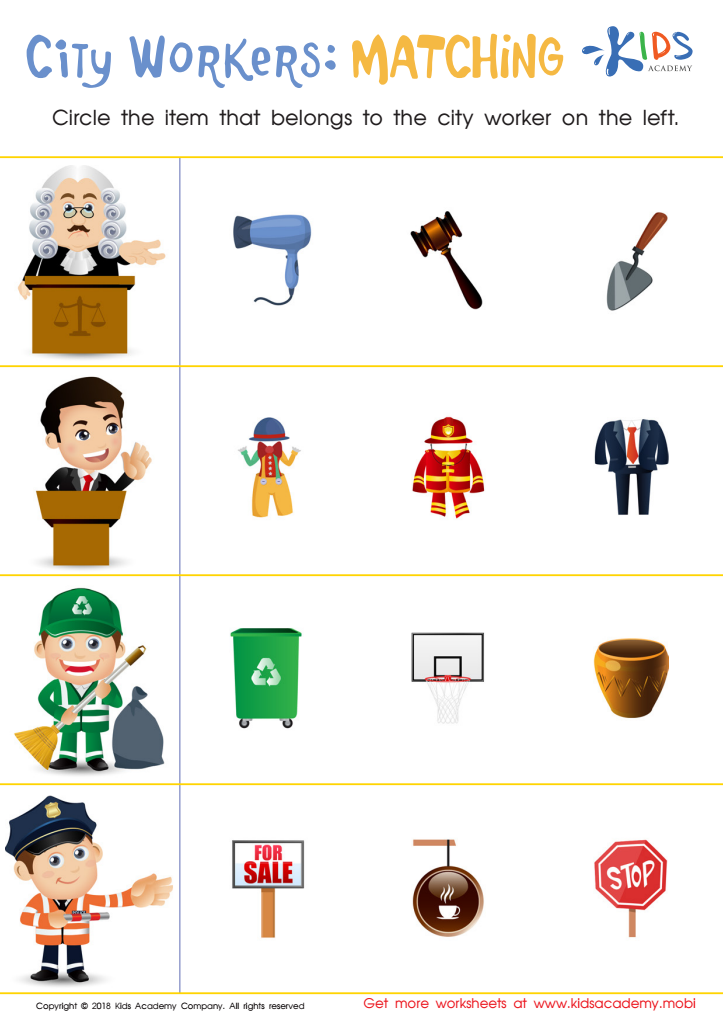
City Workers: Matching Worksheet
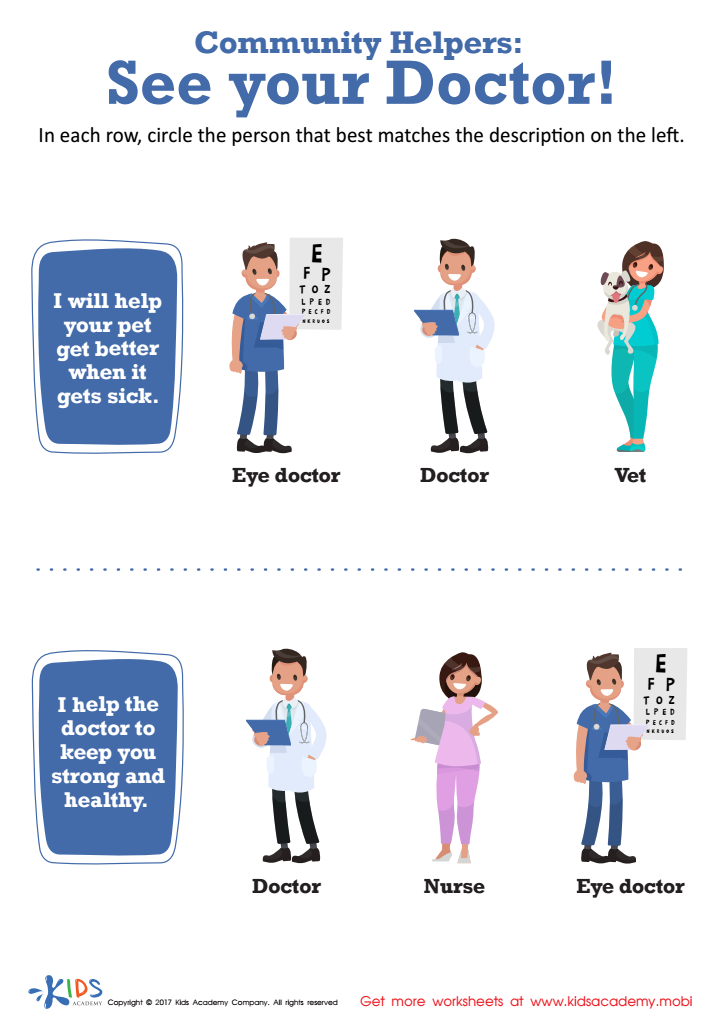
See Your Doctor (Part 2) Printable
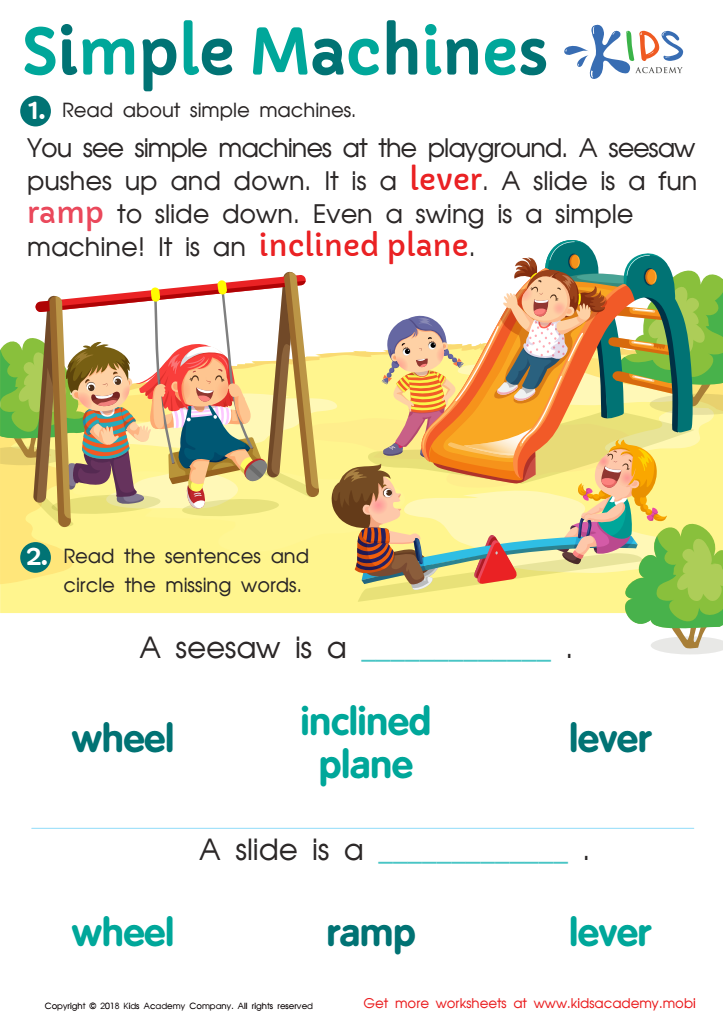
Simple Machines Worksheet
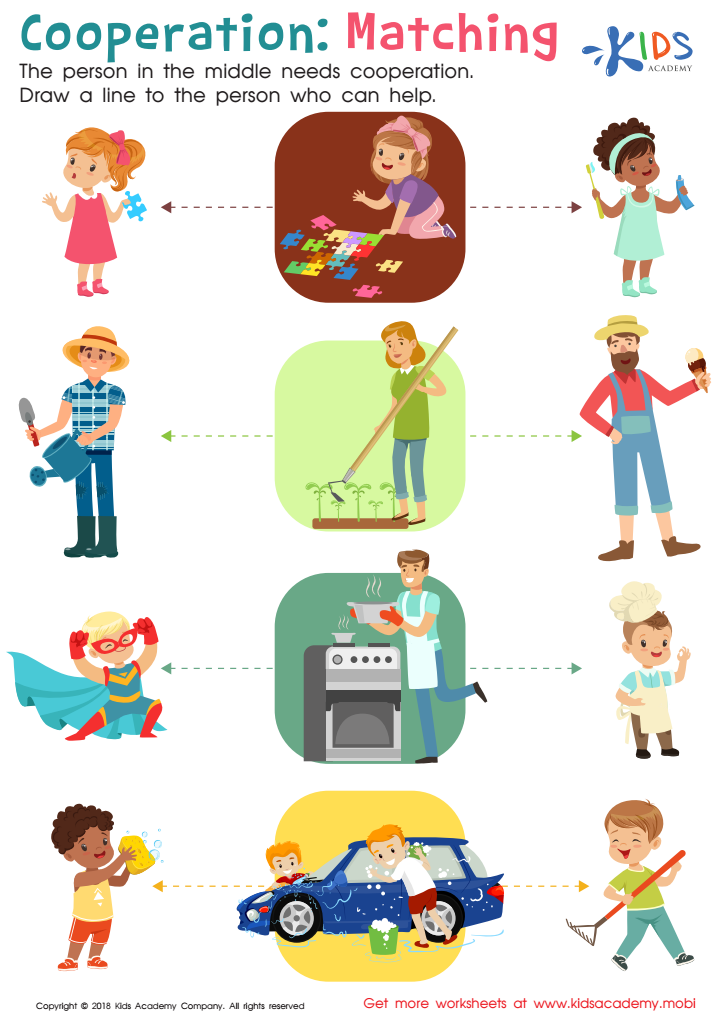
Cooperation: Matching Worksheet
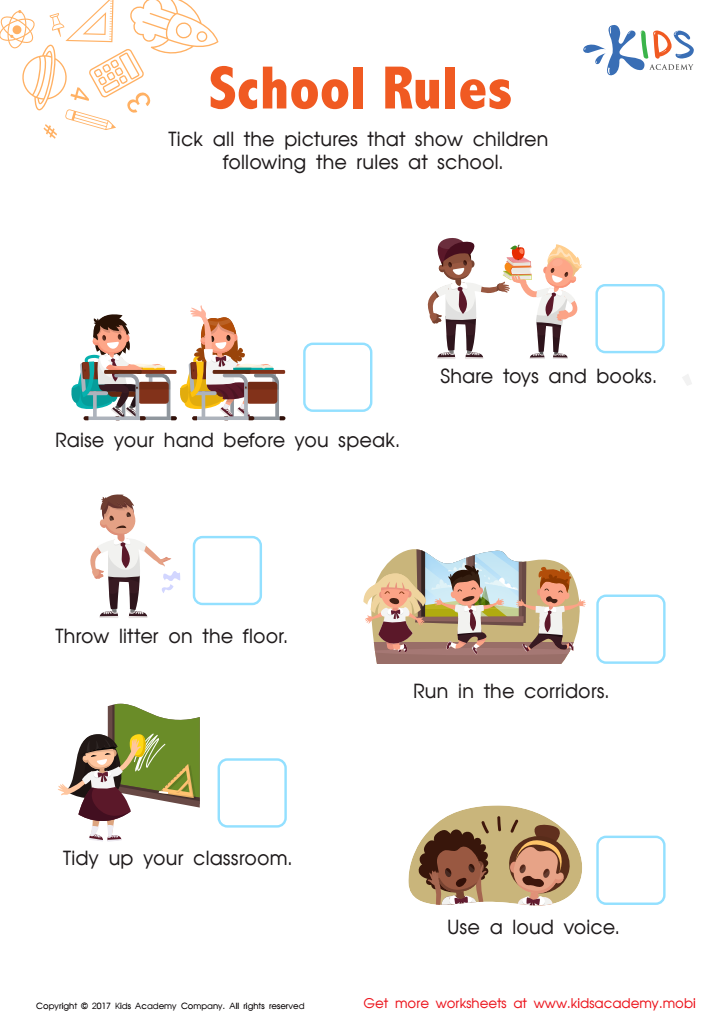
School Rules Worksheet
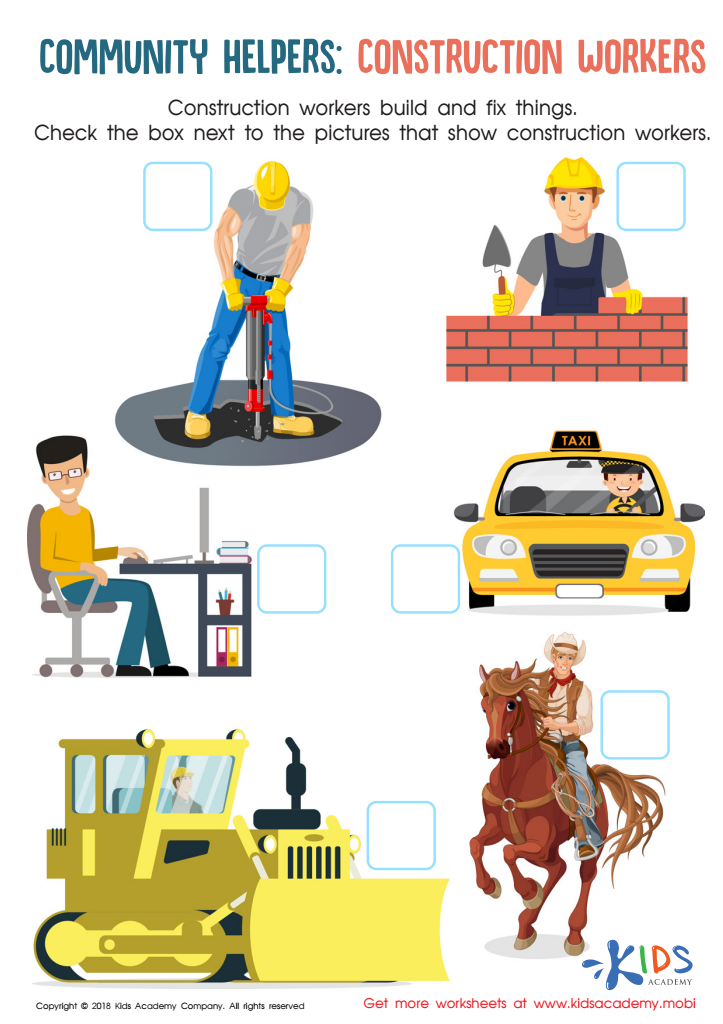
Construction Workers Community Helpers Worksheet
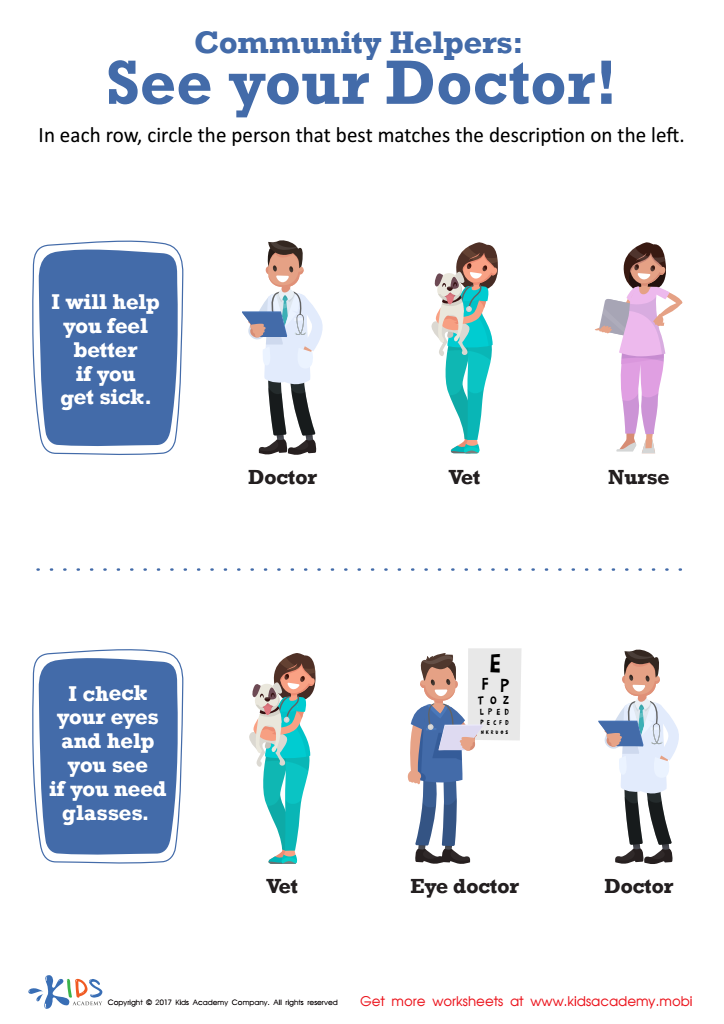
See Your Doctor (Part 1) Printable
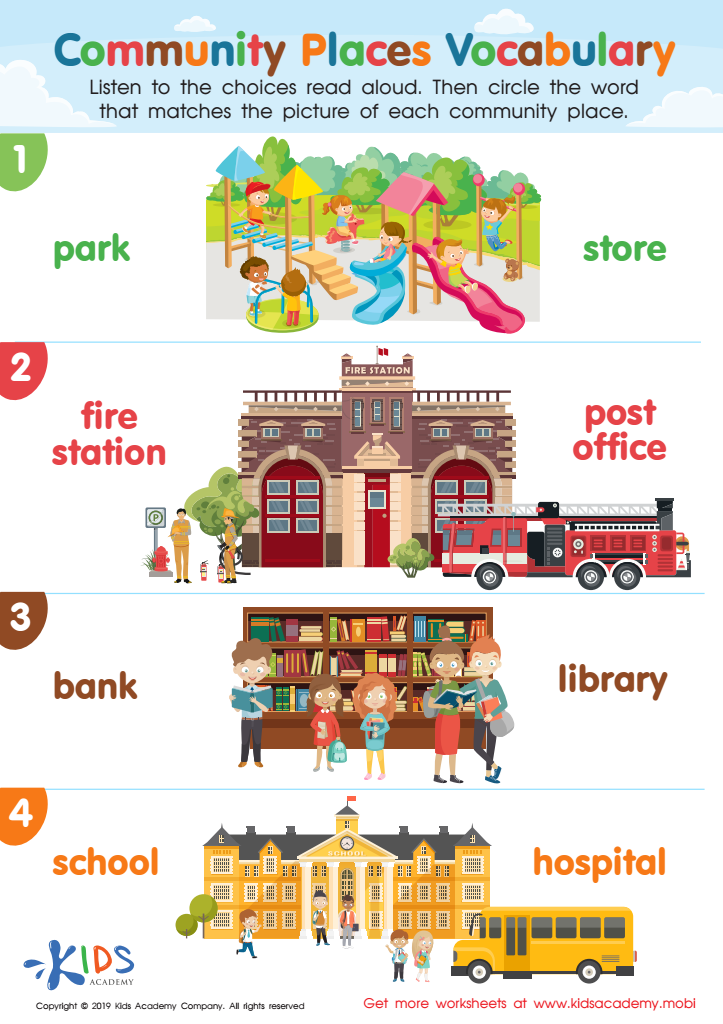
Community Places Vocabulary Worksheet
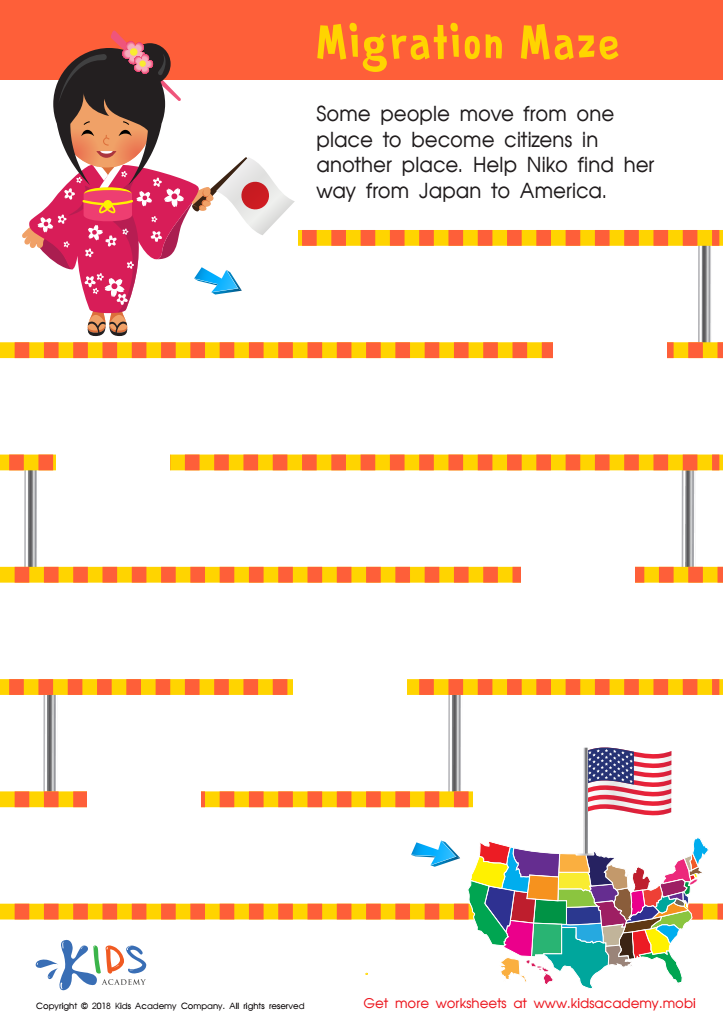
Migration Maze Worksheet
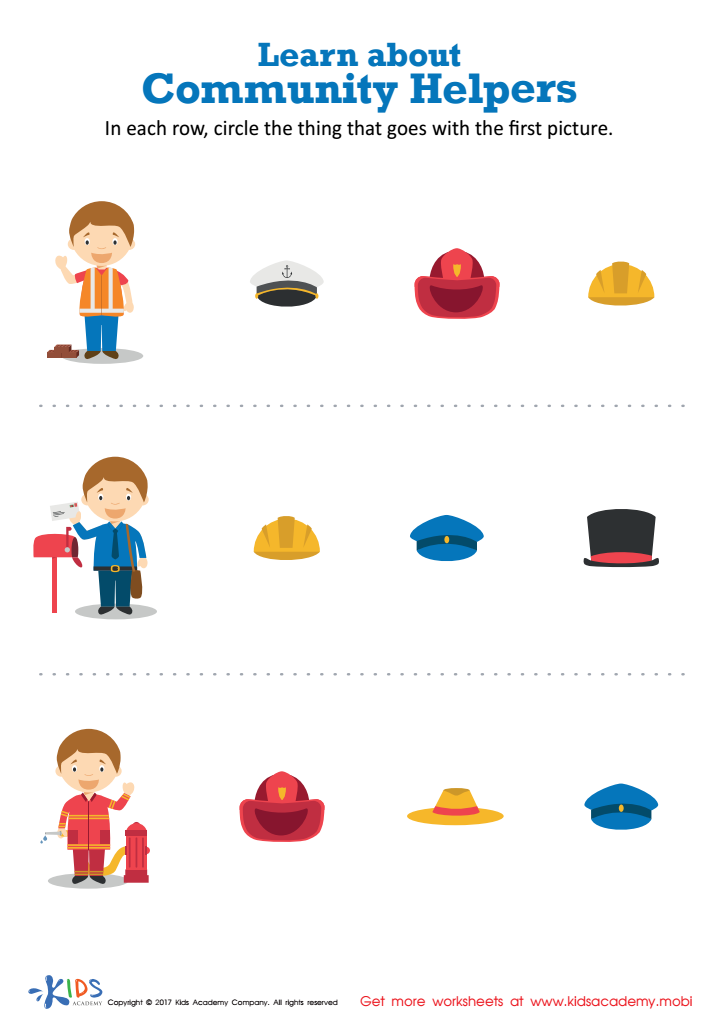
Learn about Community Helpers Printable
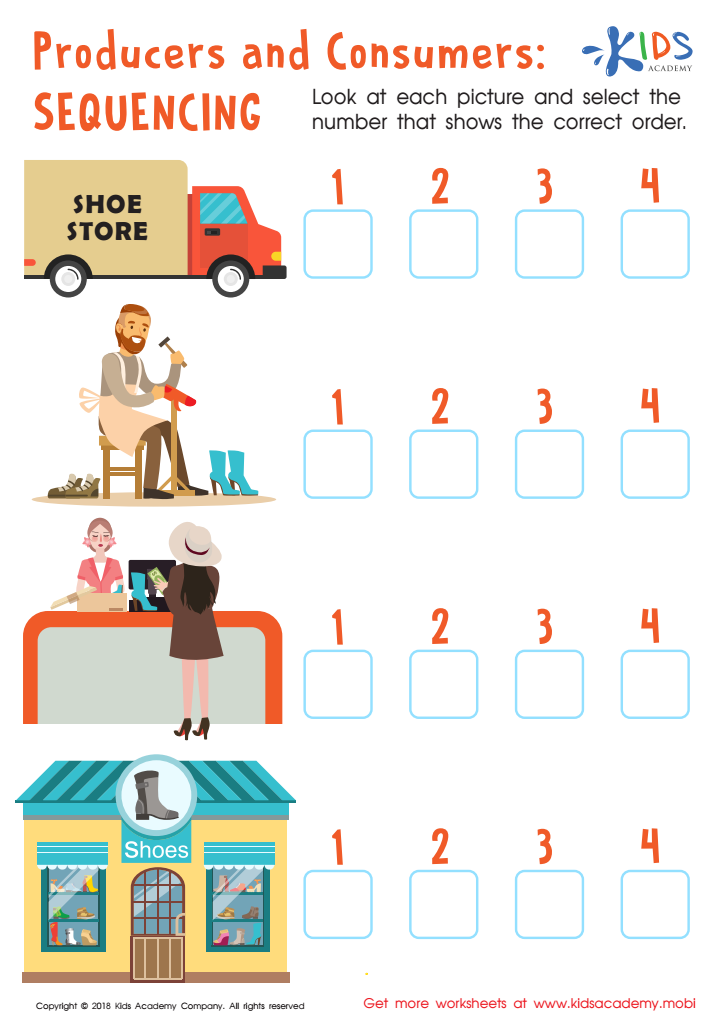
Producers and Consumers: Sequencing Worksheet
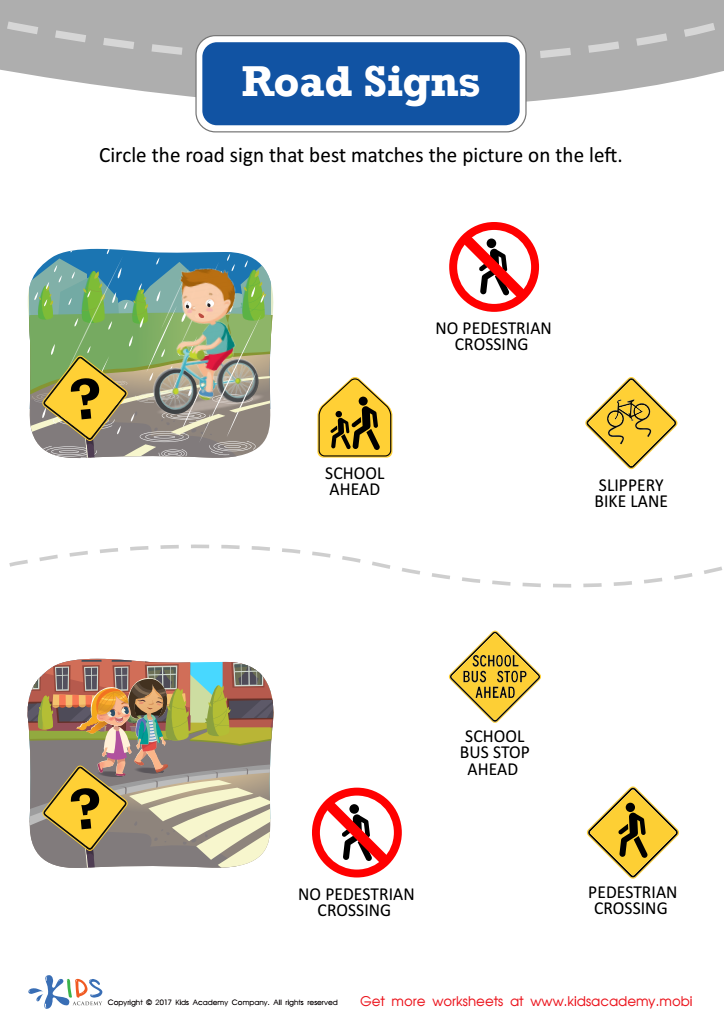
Road Signs (Part 2) Printable








Parents and teachers should care deeply about fostering a healthy sense of community for children aged 3-8, as it plays a crucial role in their overall development and well-being. In these formative years, children begin to establish critical social skills, emotional resilience, and a sense of belonging, all of which are foundational for their future success. A supportive community environment promotes positive interactions, instills a sense of security, and nurtures empathy and cooperation among young learners.
When children feel connected to a community—be it a classroom, a neighborhood, or an extracurricular setting—they are more likely to develop a positive self-image and trust in others. These early experiences shape how they view relationships and their role in a group, ultimately impacting their ability to function in diverse social settings later in life. For teachers, creating a classroom community encourages collaborative learning and helps manage behavior through shared norms. For parents, engaging in community activities allows children to see social cohesion in action, teaching them the value of mutual support and cooperation.
In essence, a strong community foundation equips young children with the necessary tools to thrive emotionally, socially, and academically, ensuring a well-rounded and positive start in life.