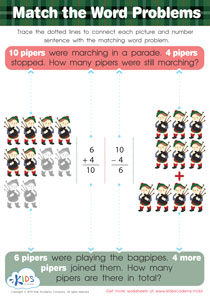
Normal Addition Worksheets for Ages 3-9 - Page 3
68 filtered results
-
From - To
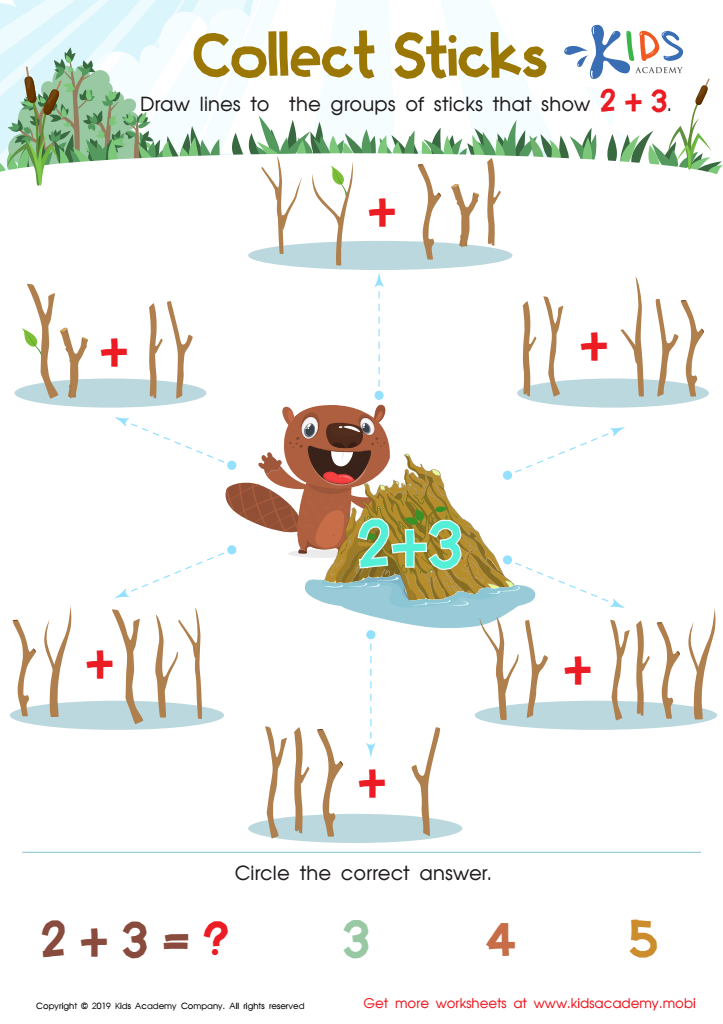
Collect Sticks Worksheet
 Assign to My Students
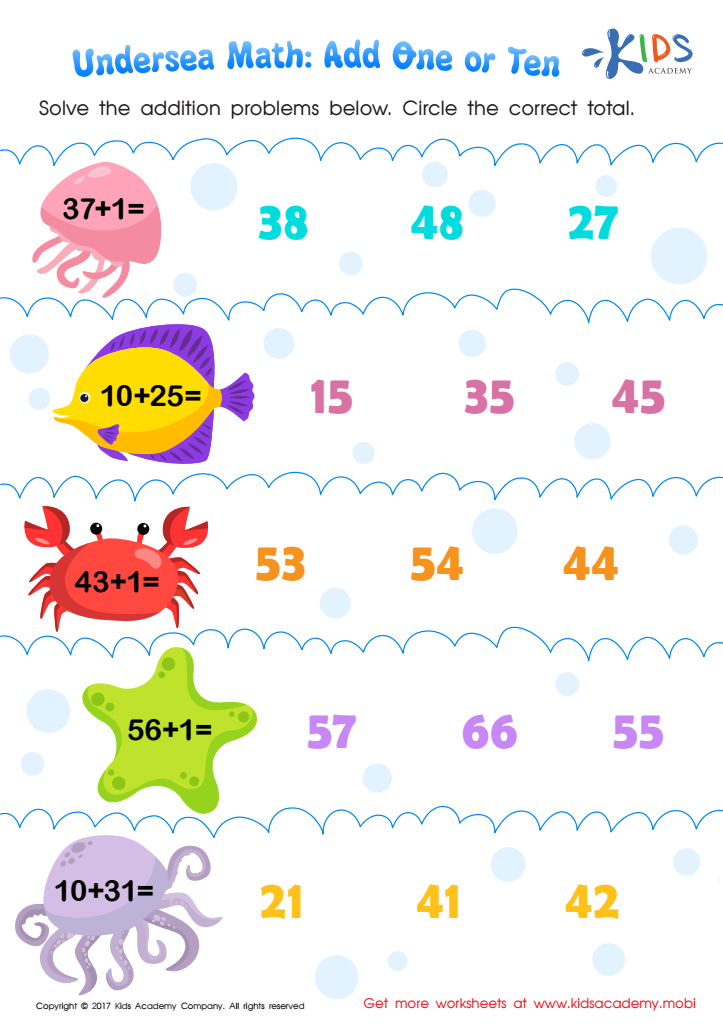
Undersea Math Worksheet
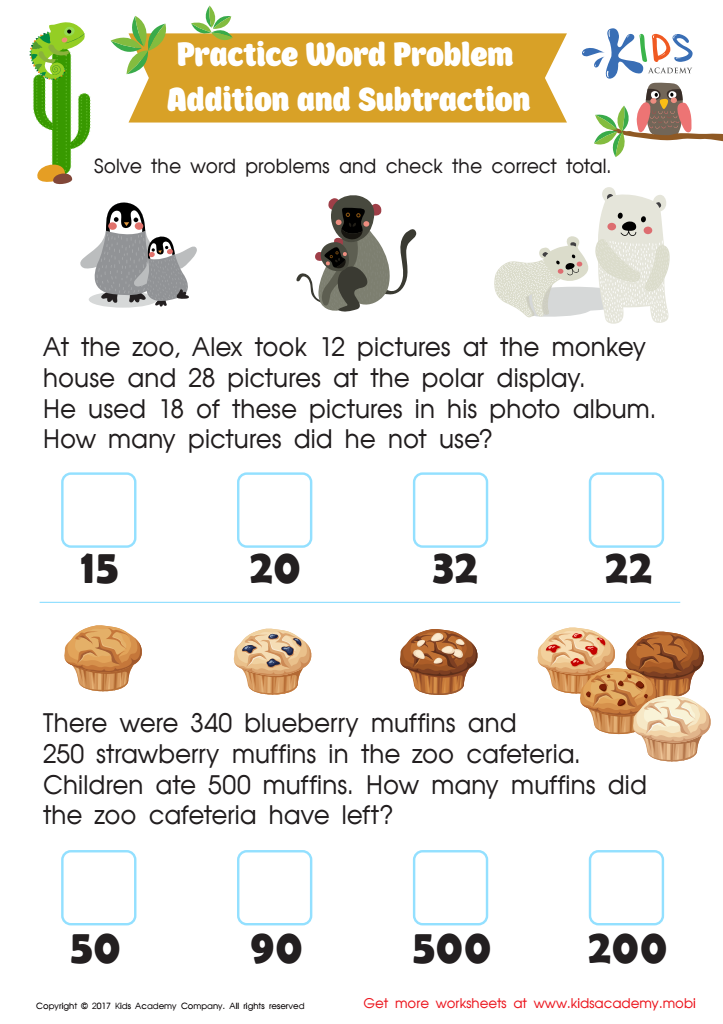
Addition and Subtraction: Word Problems Worksheet
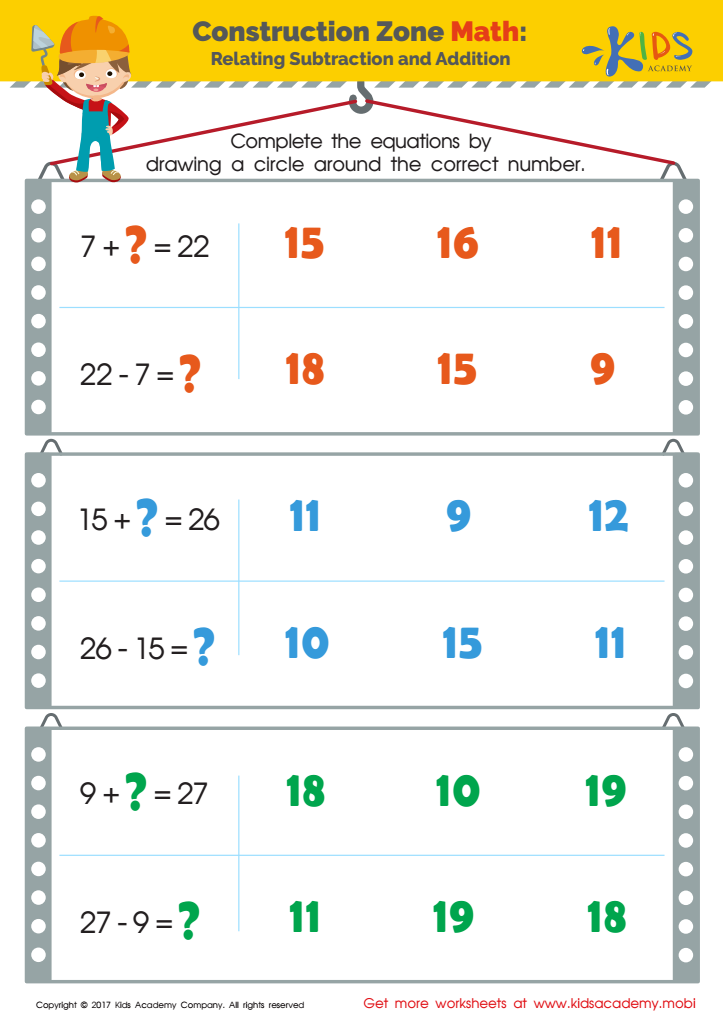
Related Addition and Subtraction Facts Worksheet
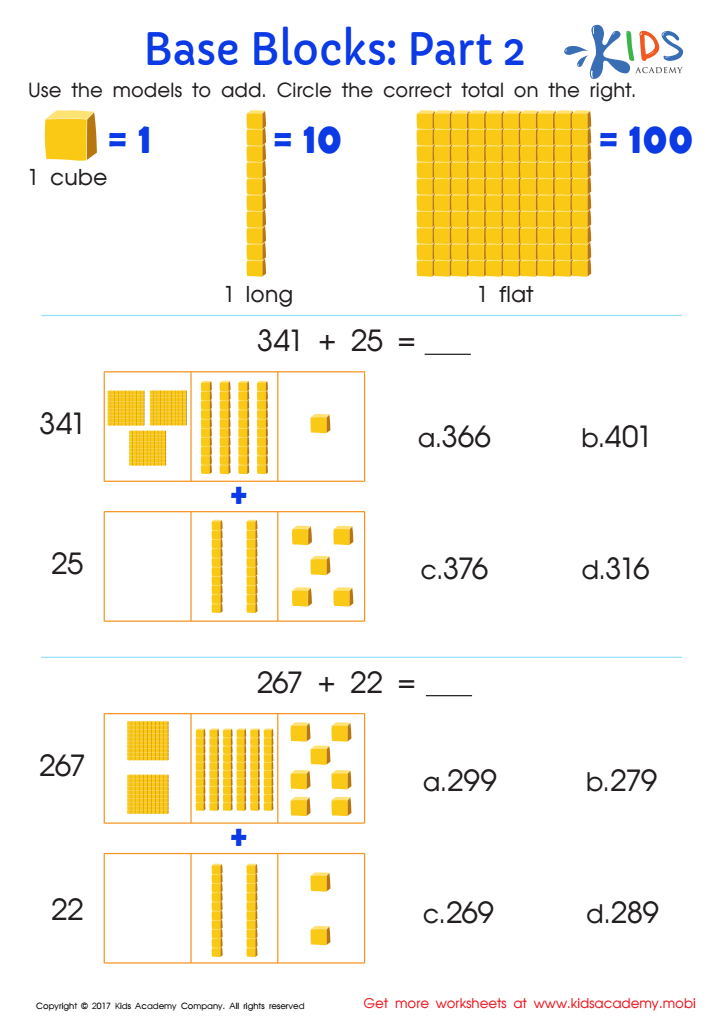
Base Ten Blocks Worksheet: Part 2
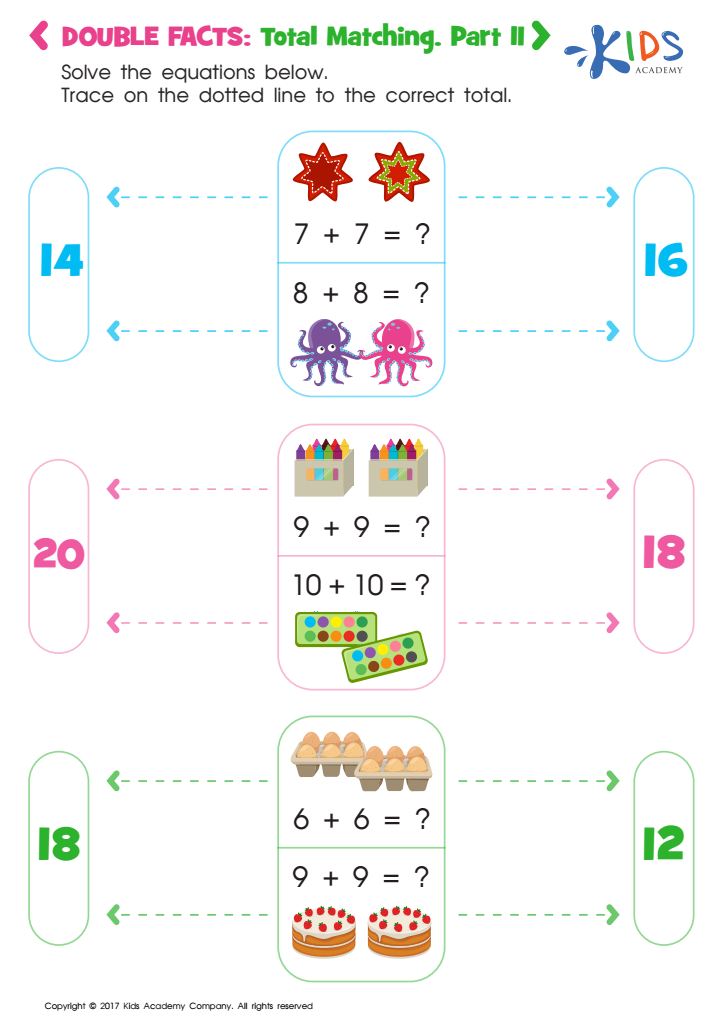
Double Facts: Total Matching 2 Worksheet
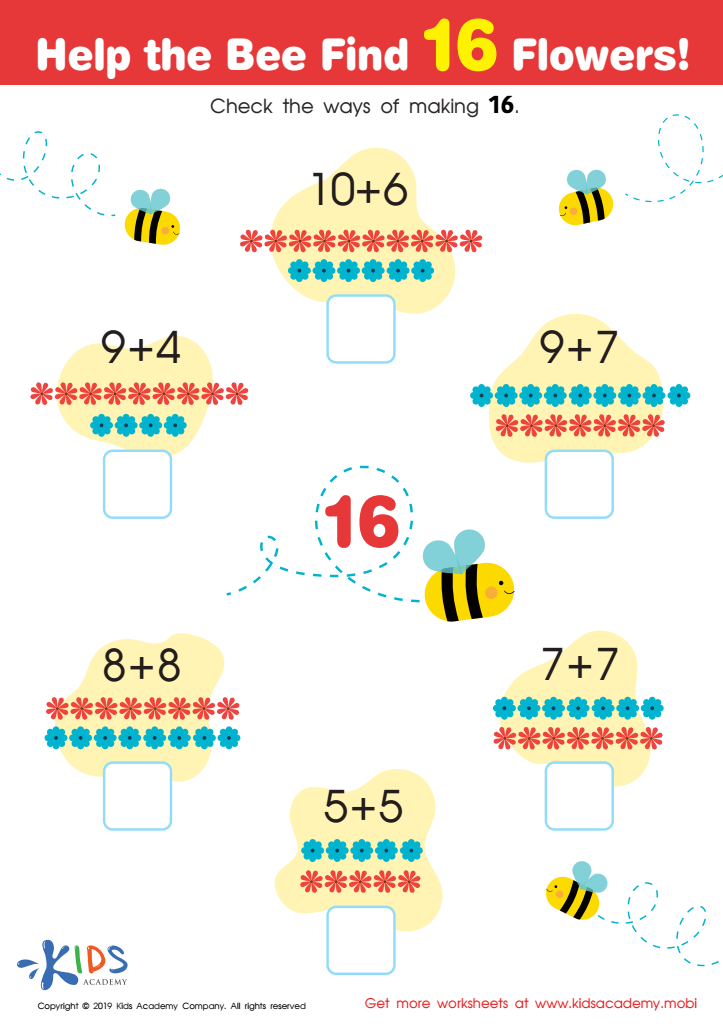
Help the Bee Find 16 Flowers Worksheet
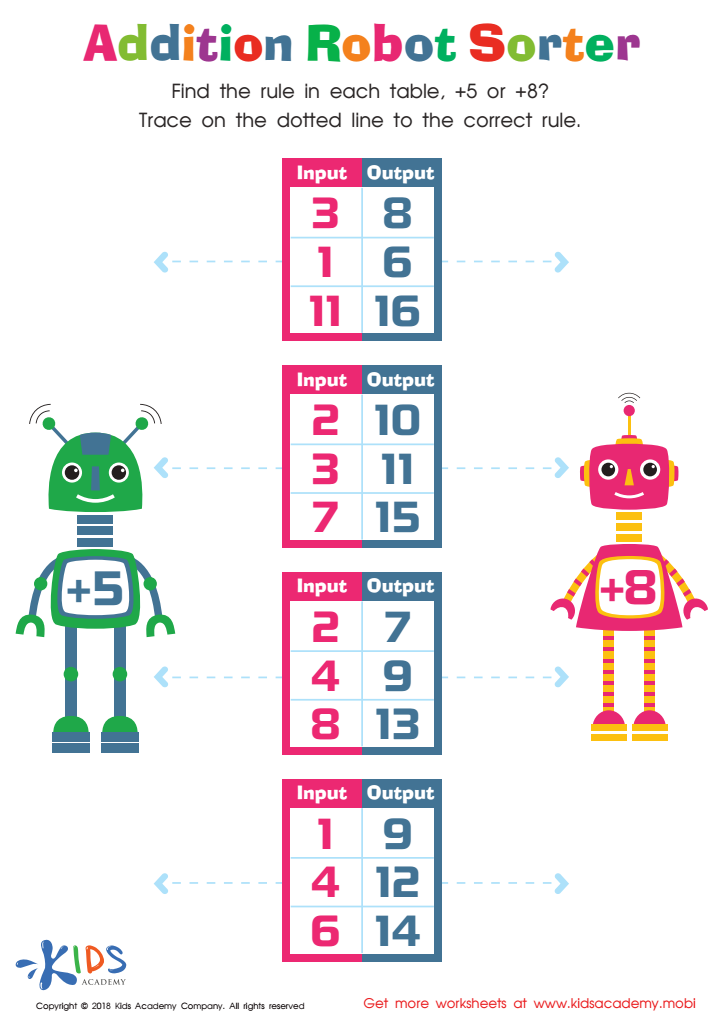
Addition Robot Sorter Worksheet
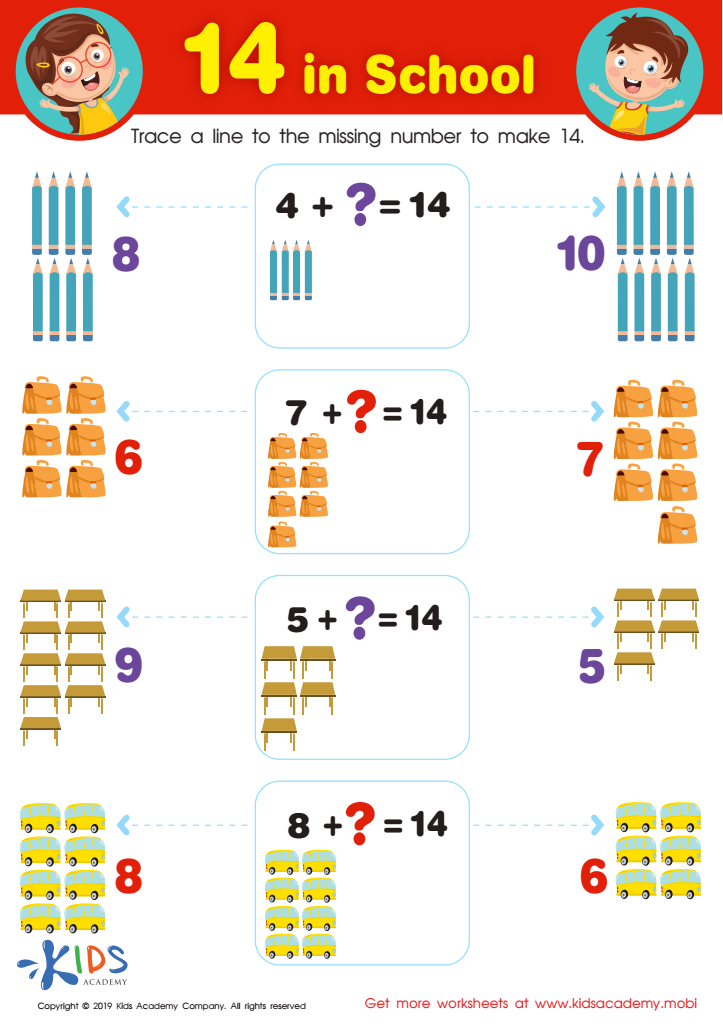
14 in School Worksheet
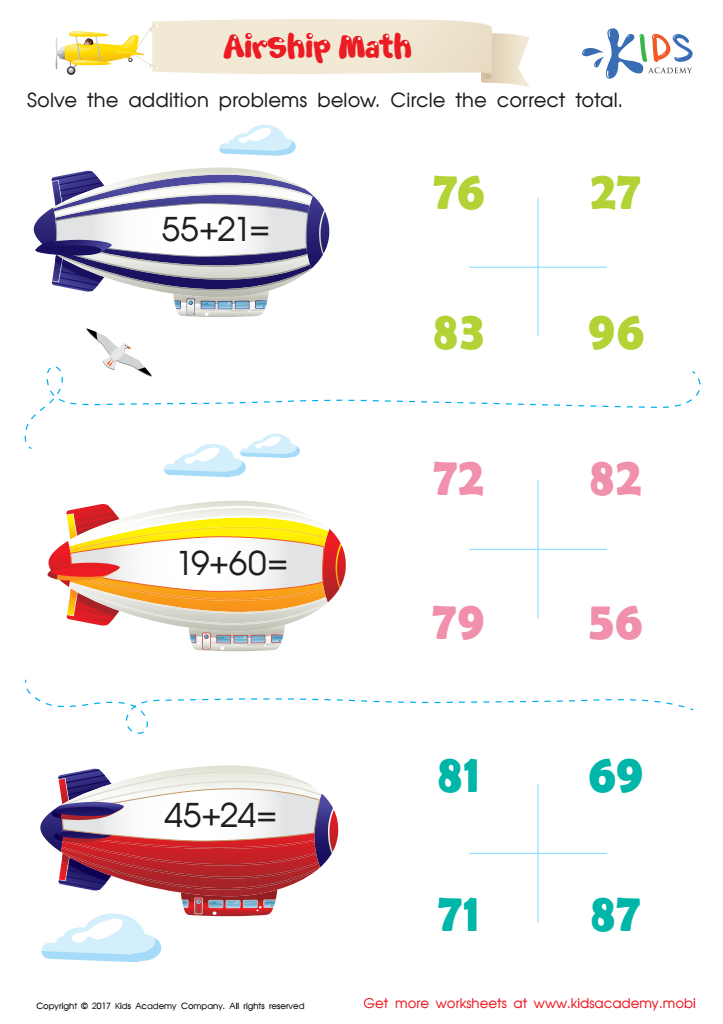
Airship Math Addition Printable
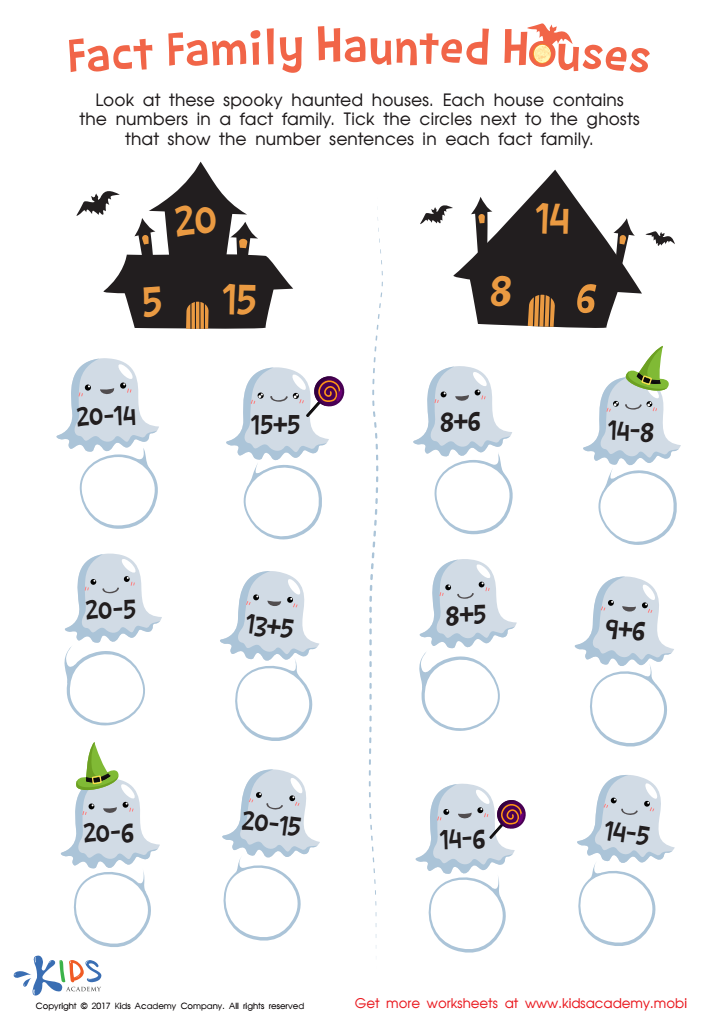
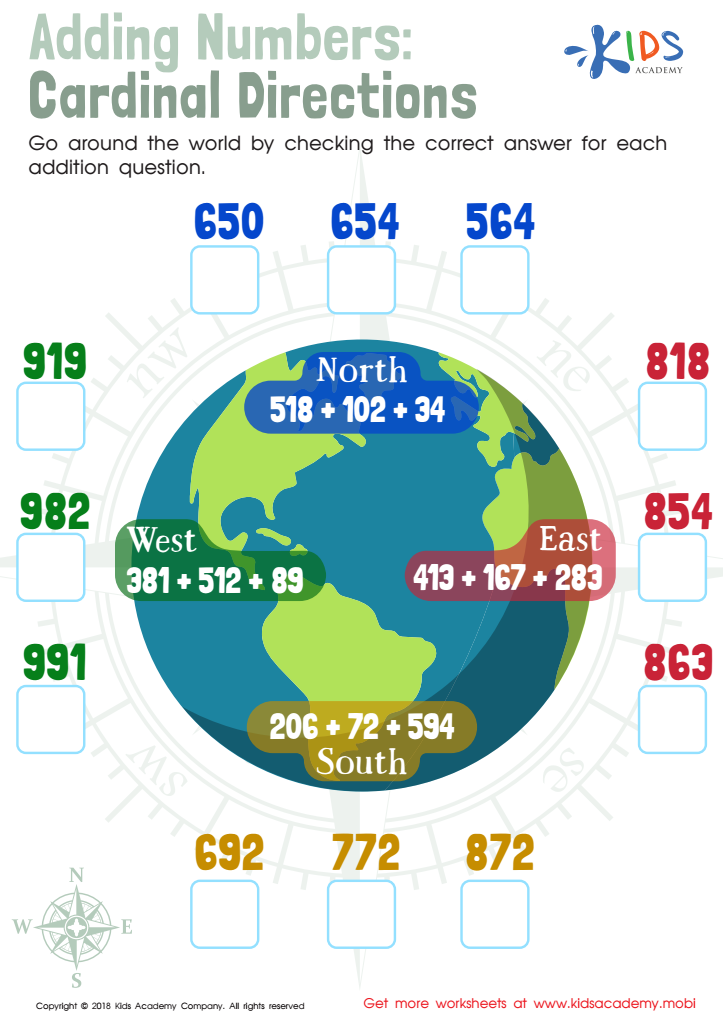
Adding Numbers: Cardinal Directions Worksheet
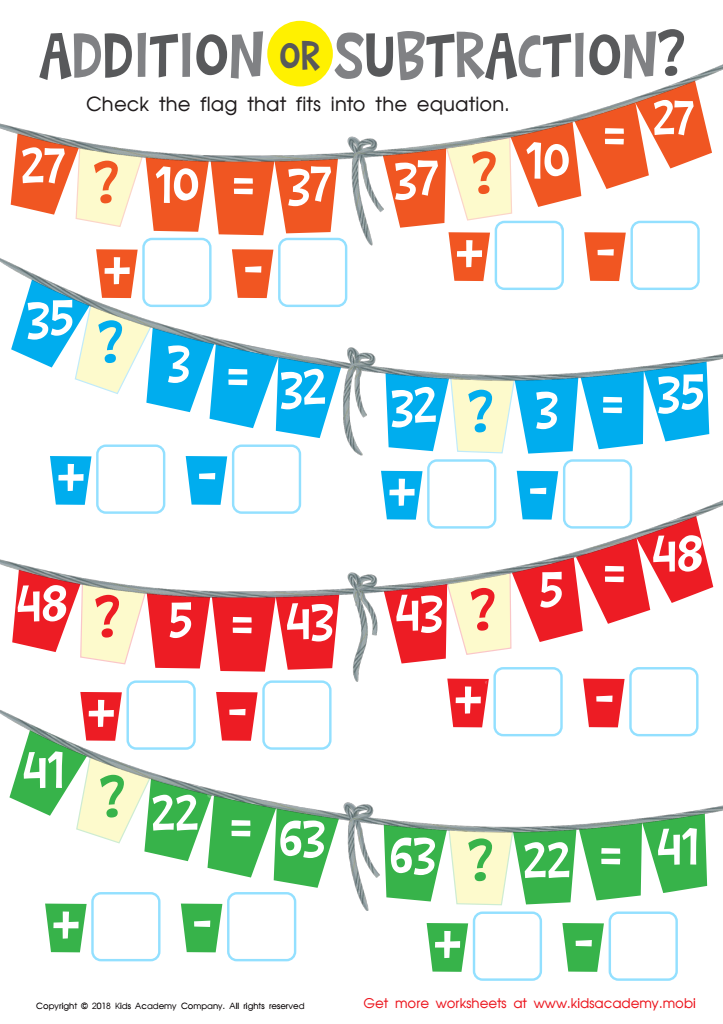
Addition or Subtraction? Worksheet
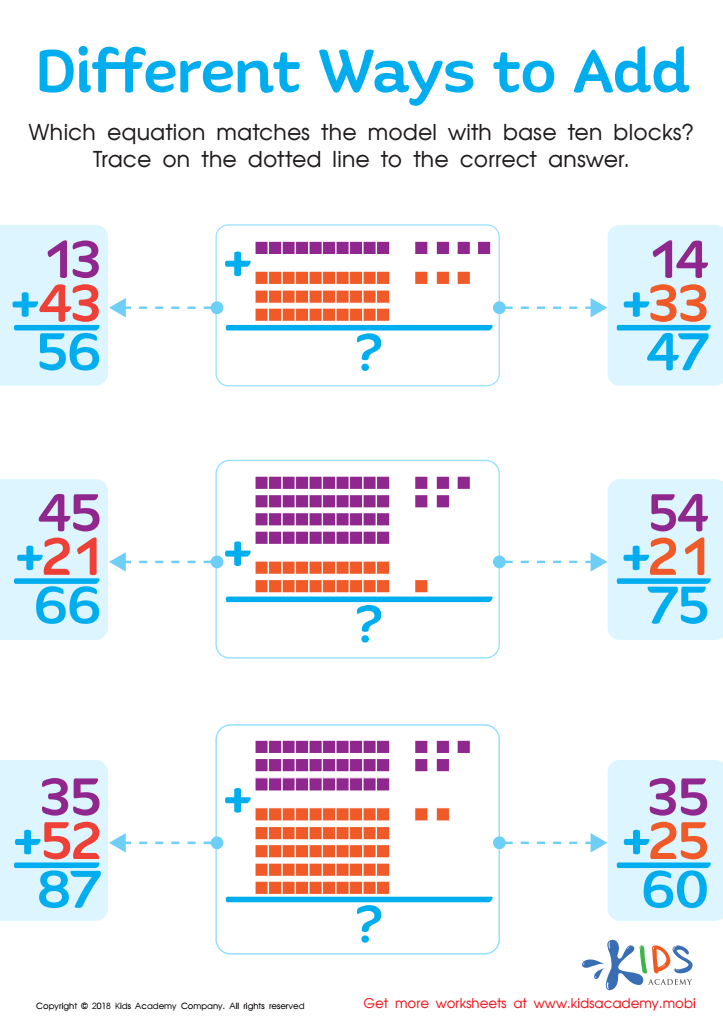
Different Ways to Add Worksheet
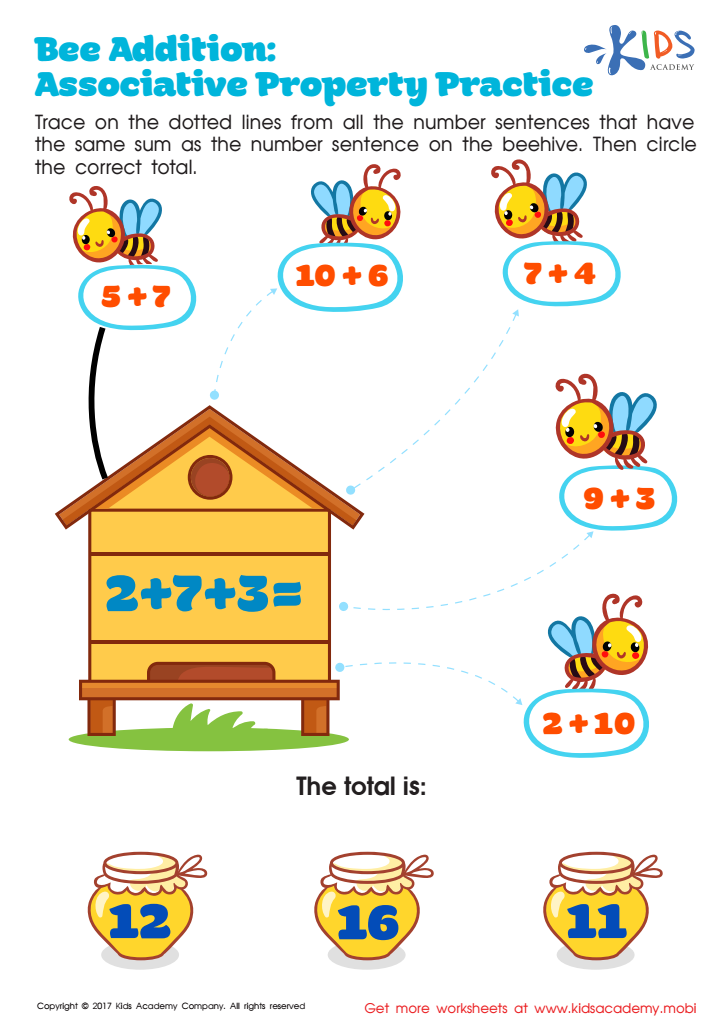
Bee Addition: Associative Property Practice Worksheet
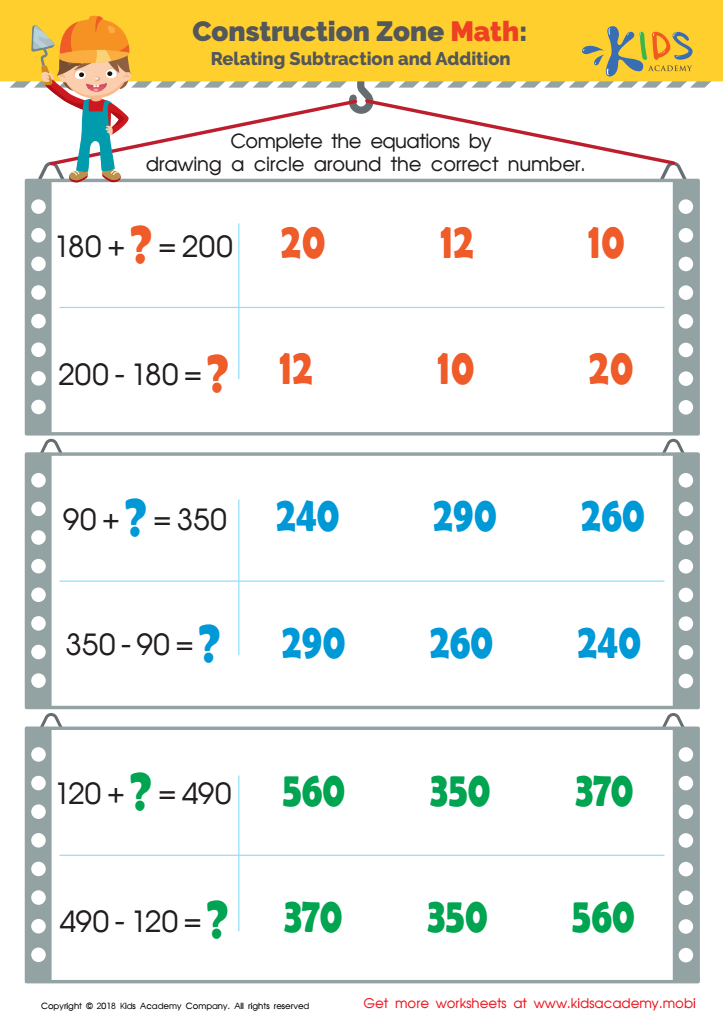
Construction Zone Math: Relating Subtraction and Addition Worksheet
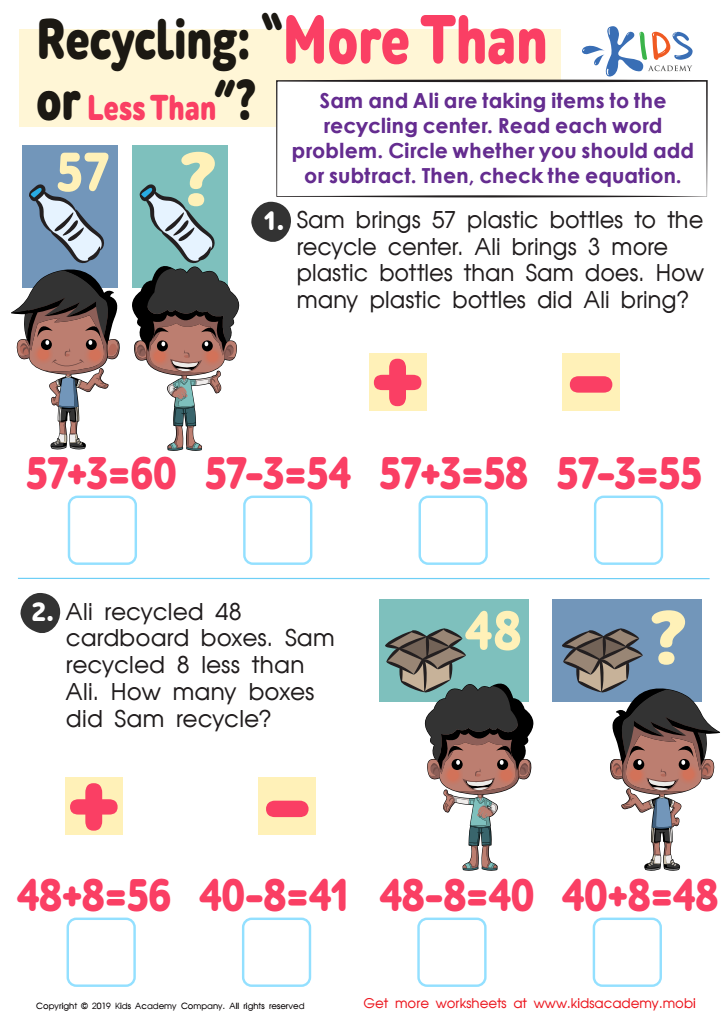
Recycling - More or Less Worksheet
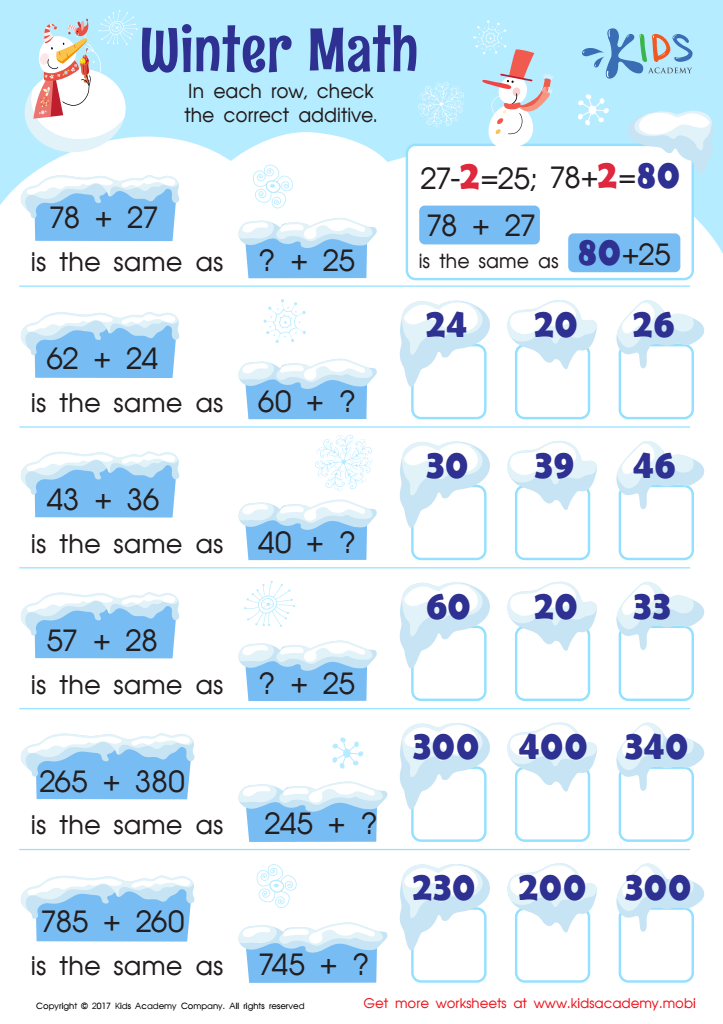
Free Addition Worksheet
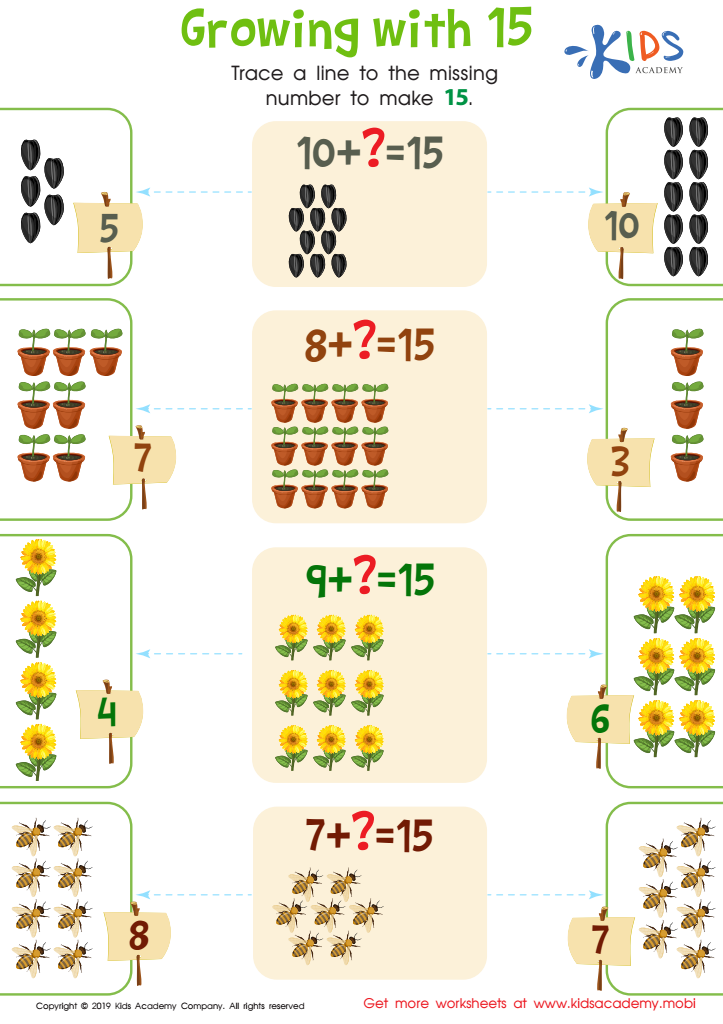
Growing with 15 Worksheet
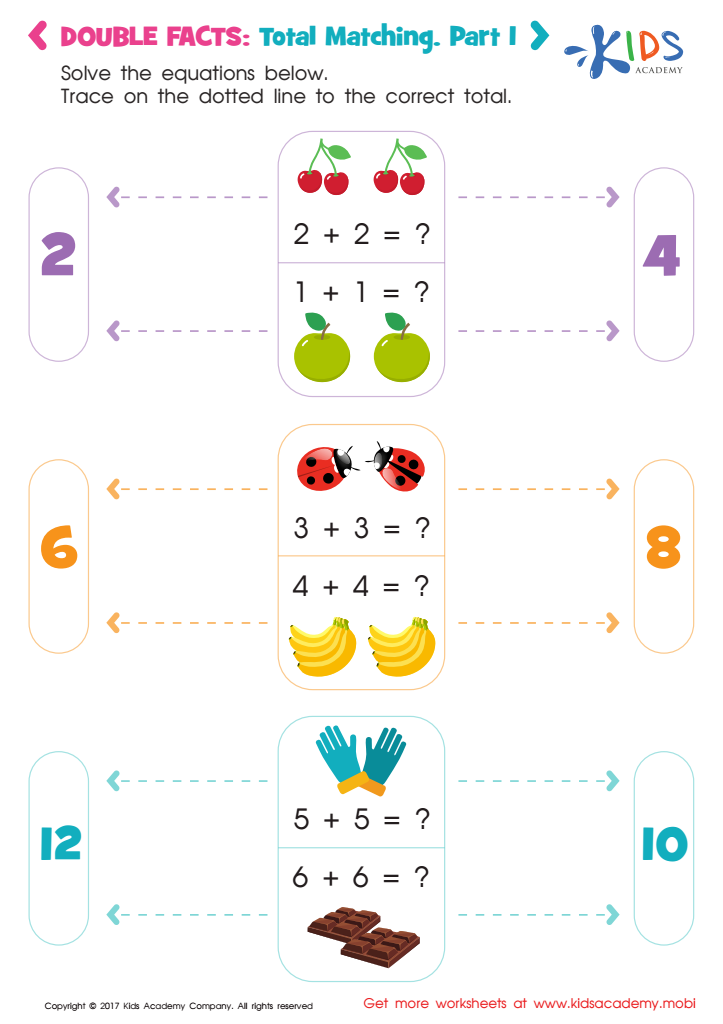
Double Facts: Total Matching Worksheet: Part 1








Normal Addition is a foundational concept in early math education, crucial for children ages 3-9. Understanding this method not only enhances a child's ability to perform basic arithmetic but also lays the groundwork for more complex mathematical thinking later on.
For parents and teachers, engaging children in Normal Addition cultivates essential skills such as number sense, problem-solving, and critical thinking. Mastery of addition boosts confidence and encourages a positive attitude toward math, reducing the likelihood of math anxiety as they grow older. Learning this method allows children to approach addition systematically, fostering their ability to think through problems logically.
Furthermore, Normal Addition supports developmental milestones in young children. It helps them grasp the relationship between numbers and quantity, facilitating early literacy in math. This skill aligns with educational standards that emphasize the importance of numeracy in the early years of schooling.
Ultimately, prioritizing Normal Addition not only prepares children for academic success but also equips them with tools they will use throughout their lives. Parents and teachers working collaboratively can create a rich learning environment that fosters curiosity and instills a lifelong love for mathematics, making it a valuable focus for early educational efforts.