Normal Comparison Worksheets for Ages 3-9
8 filtered results
-
From - To
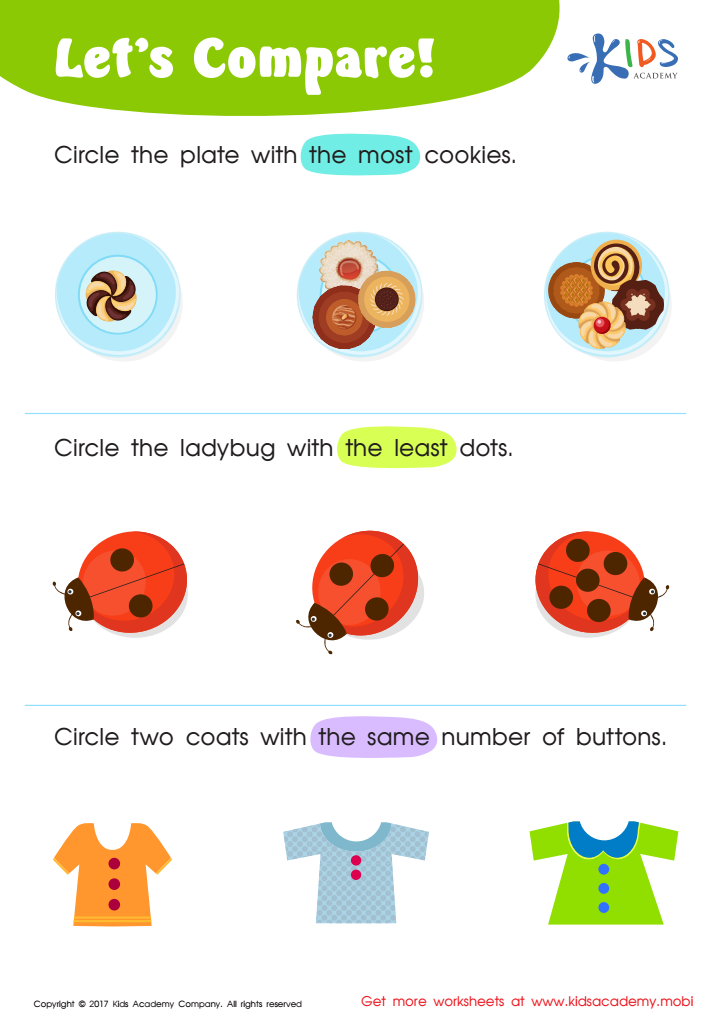
Unlock the fun of learning with our Normal Comparison Worksheets tailored for children ages 3-9! Designed to enhance early math skills, these engaging worksheets introduce young learners to the concept of comparison through vibrant visuals and interactive activities. Kids will enjoy comparing sizes, amounts, and numbers, fostering their critical thinking and analytical abilities. Perfect for home or classroom use, our worksheets ensure that learning is both effective and enjoyable. With easy-to-understand instructions and varying levels of difficulty, these resources are perfect for all kids, whether beginners or those looking to sharpen their skills. Start your comparison journey today!
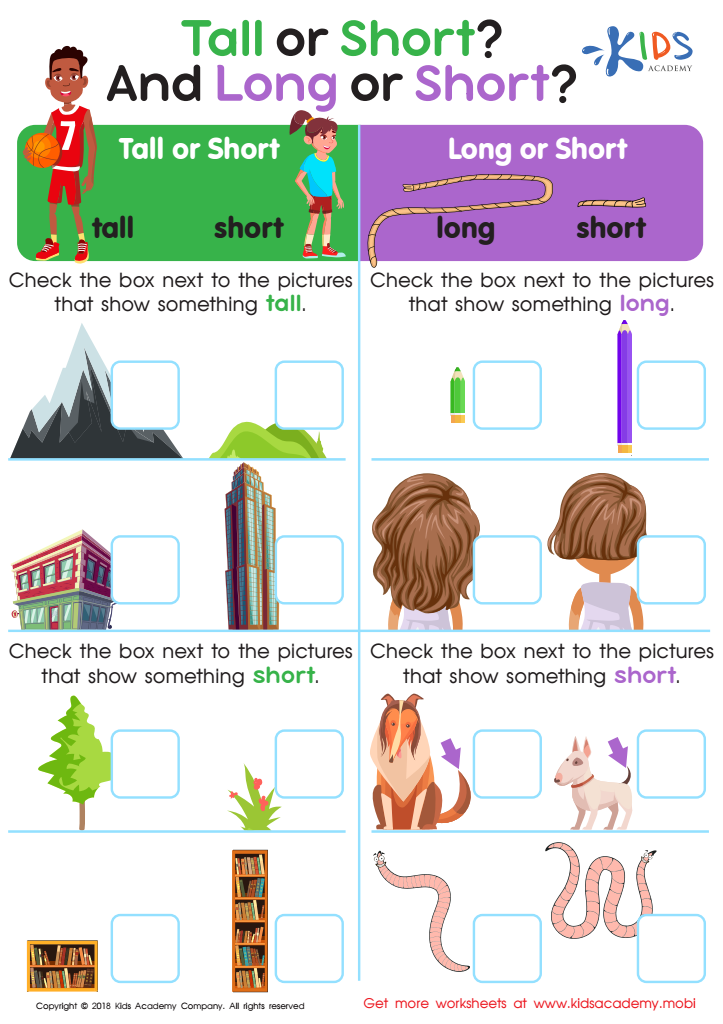
Tall or Short and Long or Short? Worksheet
 Assign to My Students
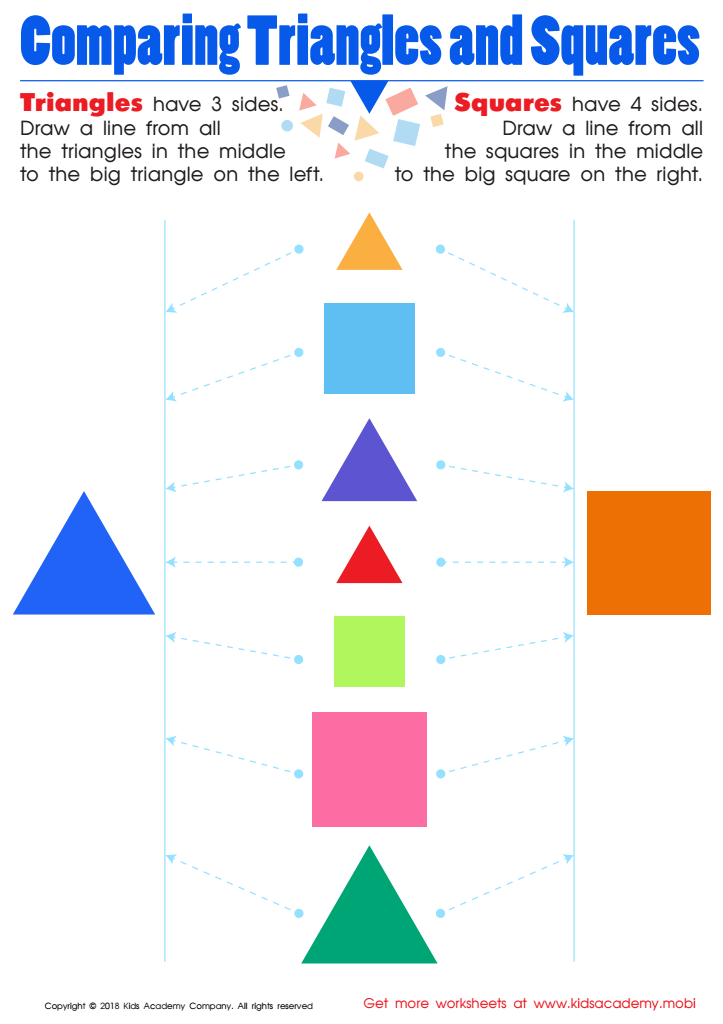
Comparing Triangles Squares Worksheet
Matching: Classifying Toys by Size Worksheet
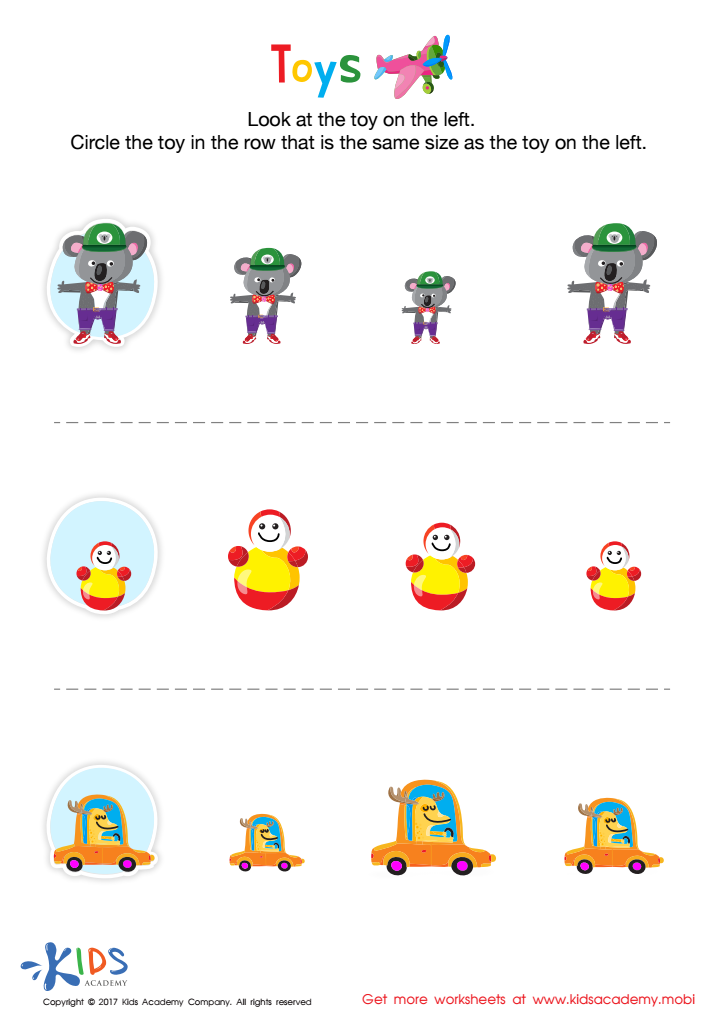
Matching: Classifying Toys by Size Worksheet
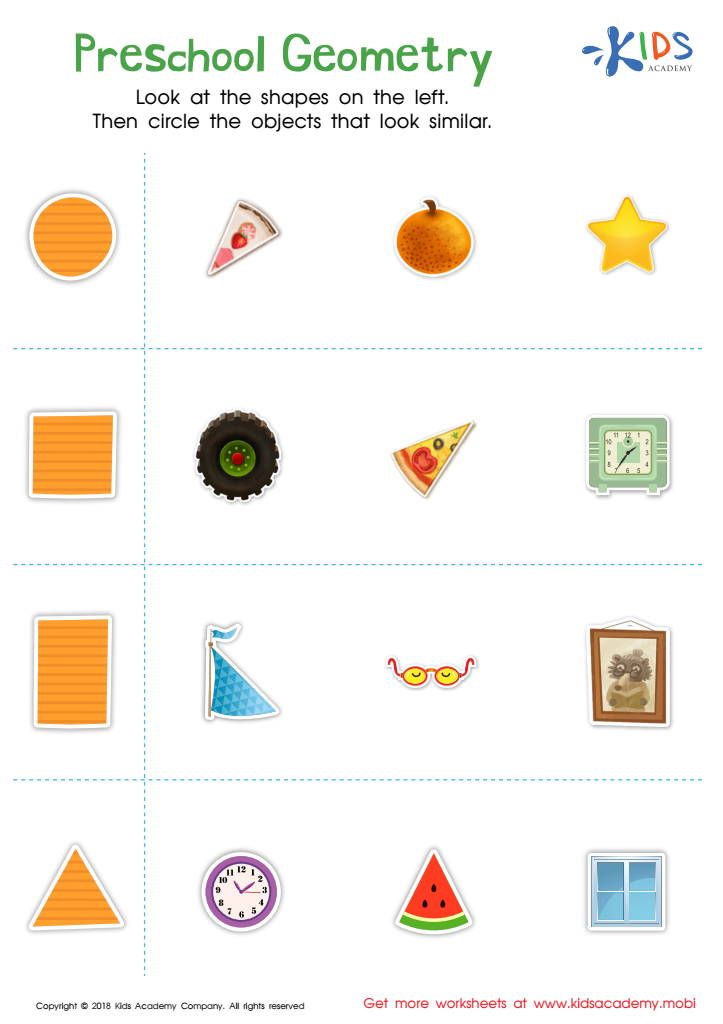
Preschool Geometry Worksheet
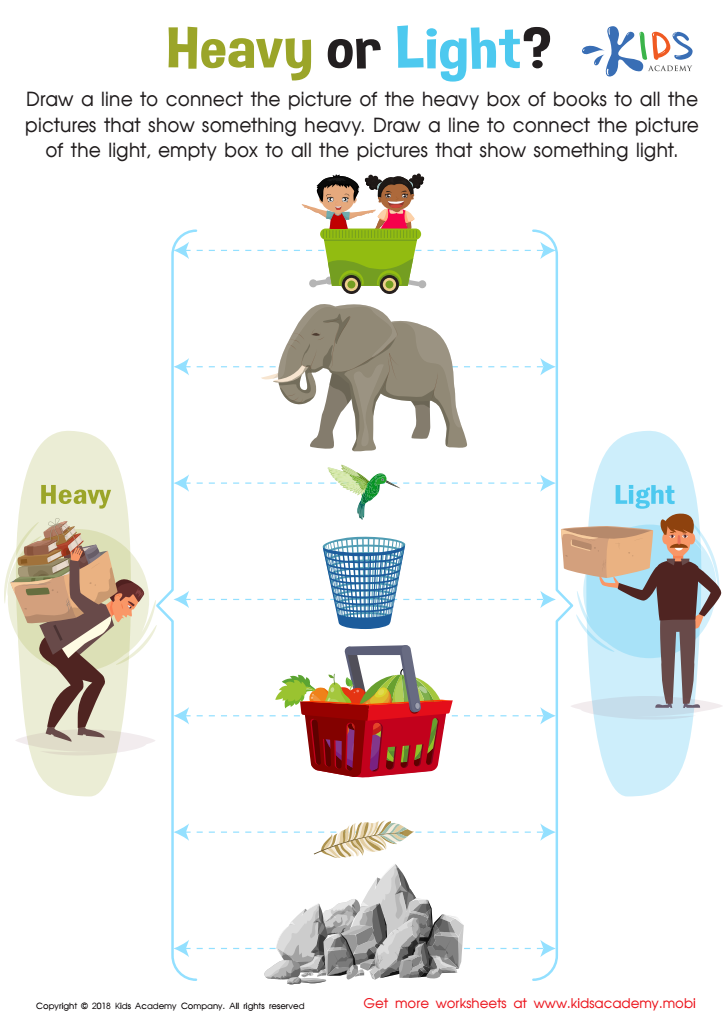
Heavy or Light? Worksheet
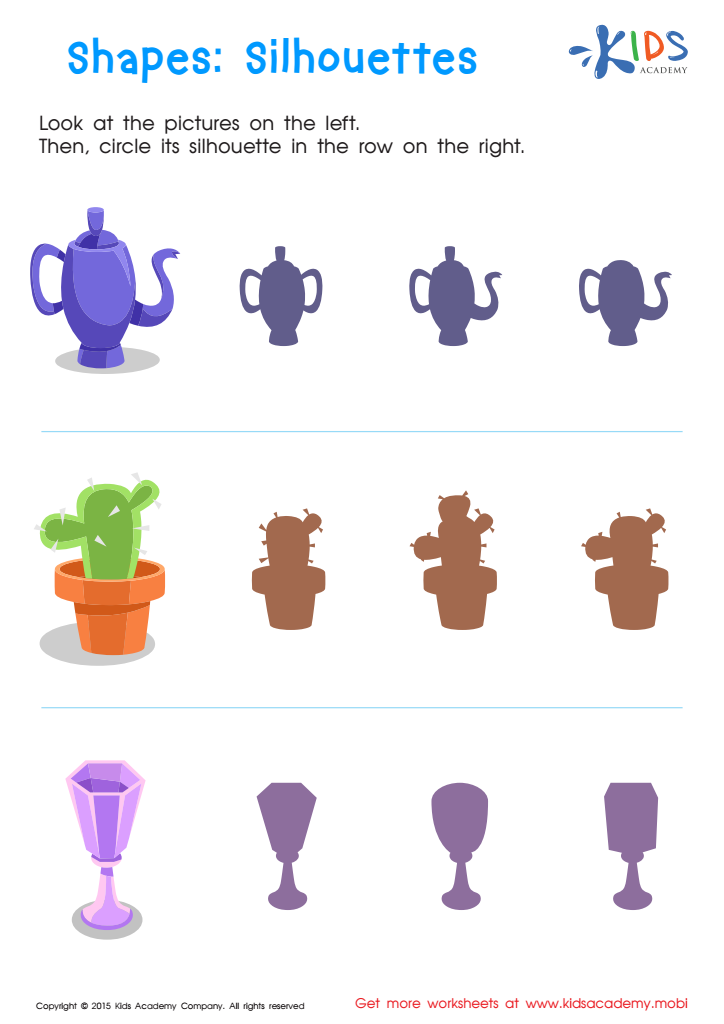
Silhouettes – Shapes Worksheet
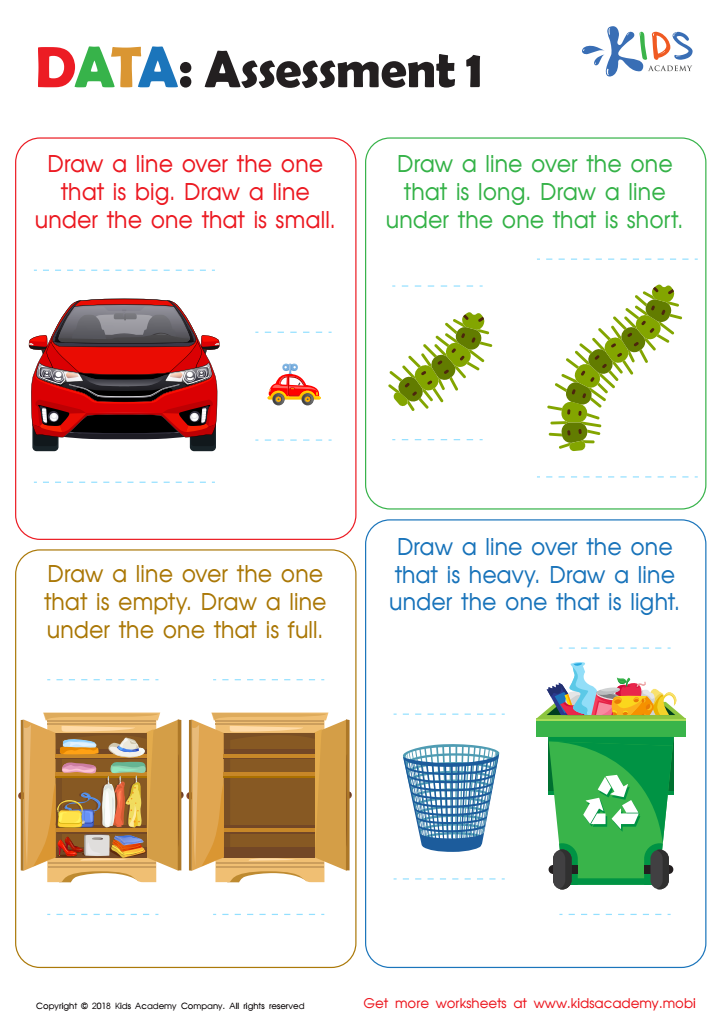
Data: Assessment 1 Worksheet


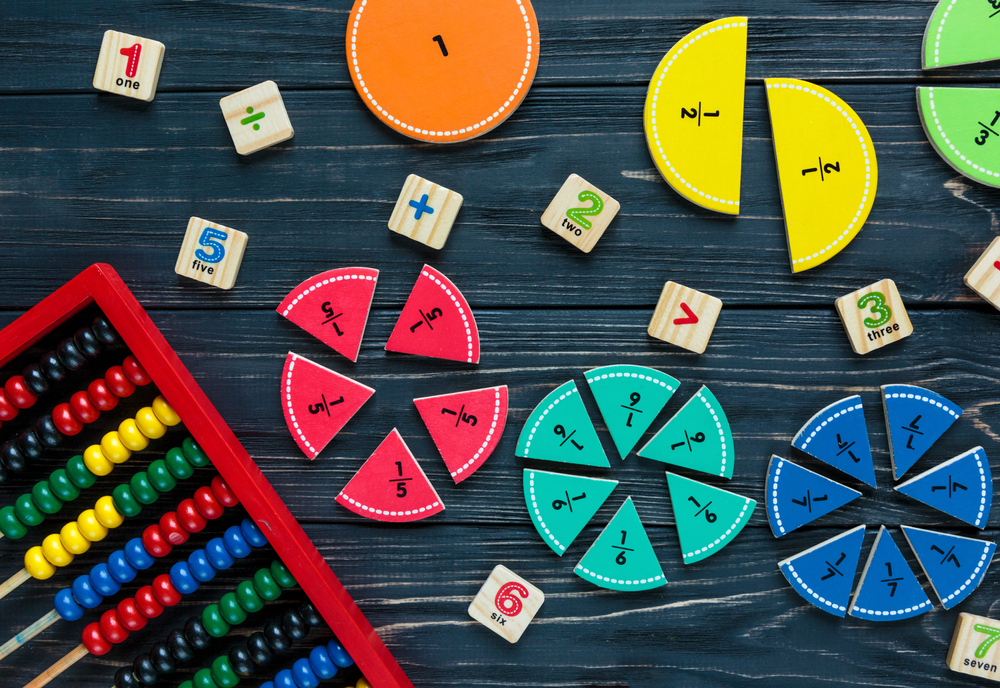




Normal Comparison for Ages 3-9 is essential for both parents and teachers as it provides a benchmark for child development. During these formative years, children undergo rapid cognitive, emotional, social, and physical development. Understanding typical developmental milestones allows adults to identify whether a child is progressing within expected ranges.
For parents, awareness of these norms helps them support their child's growth effectively. It fosters meaningful interactions, enabling them to tailor learning opportunities suited to the child's needs. Additionally, early identification of any developmental delays or atypical behaviors allows for timely interventions, which can significantly enhance a child’s learning trajectory.
For teachers, normal comparisons are critical in shaping educational approaches and curricula. Knowledge of developmental norms enables educators to create age-appropriate learning environments and activities that resonate with children's interests and abilities. It also aids in differentiating instruction, ensuring that each child receives the necessary support to thrive.
Ultimately, attention to Normal Comparison fosters a strong collaborative relationship between parents and teachers. It empowers adults to cultivate environments that nurture well-rounded, capable, and confident learners, preparing them for future educational success and lifelong learning.








