Normal English for Beginners Worksheets for Ages 4-7 - Page 3
56 filtered results
-
From - To
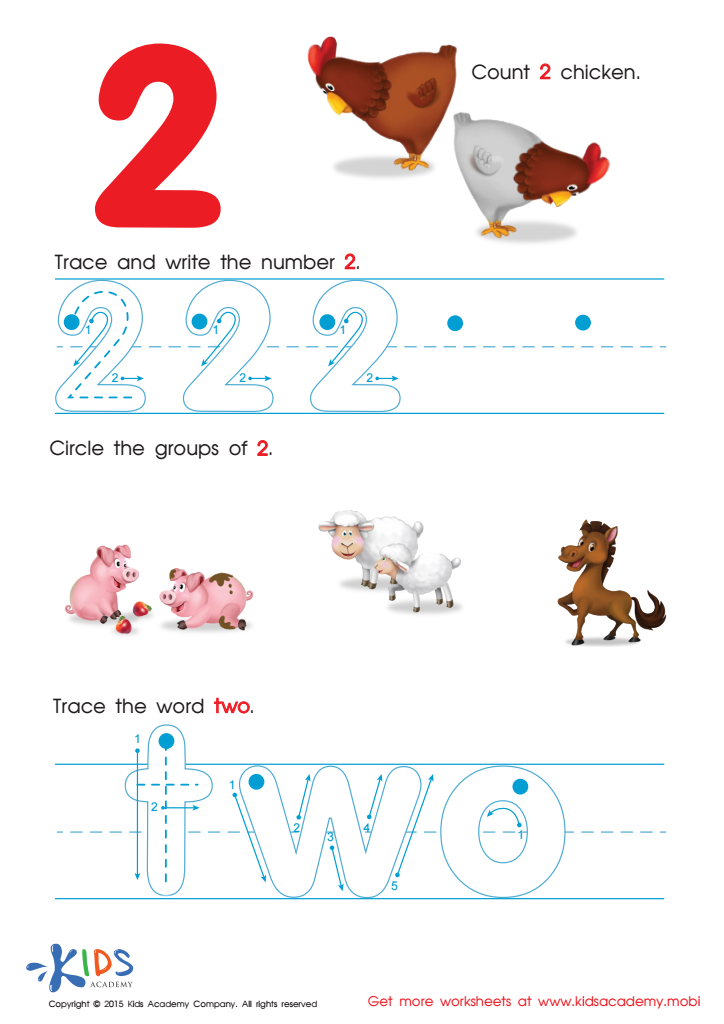
Learn to Write the Number 2 Worksheet
 Assign to My Students
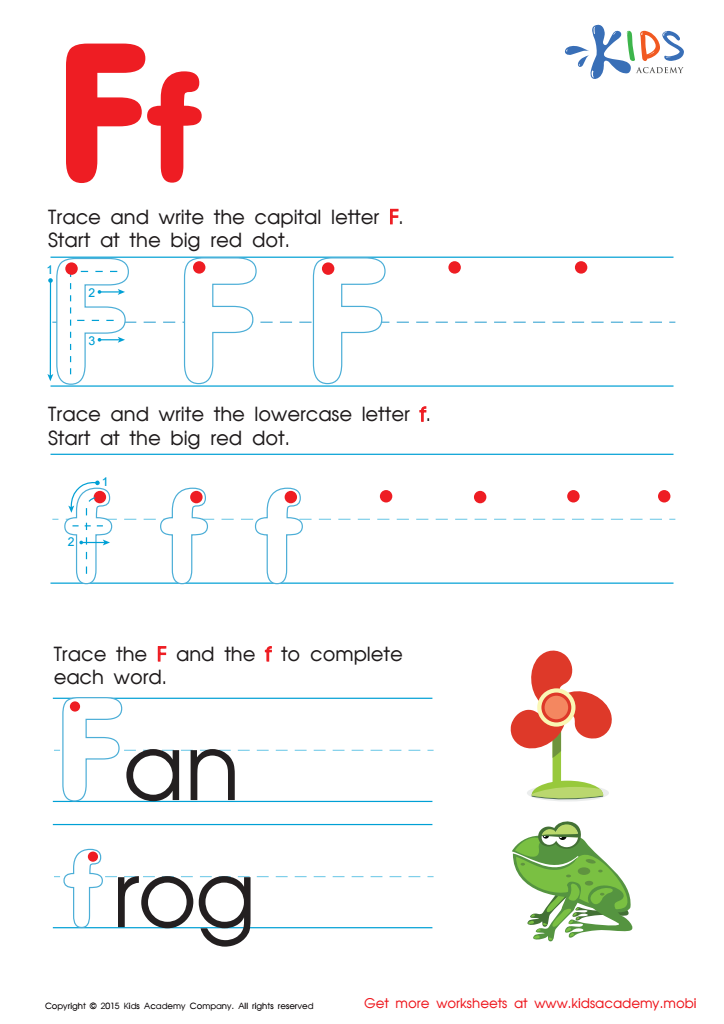
Letter F Tracing Page
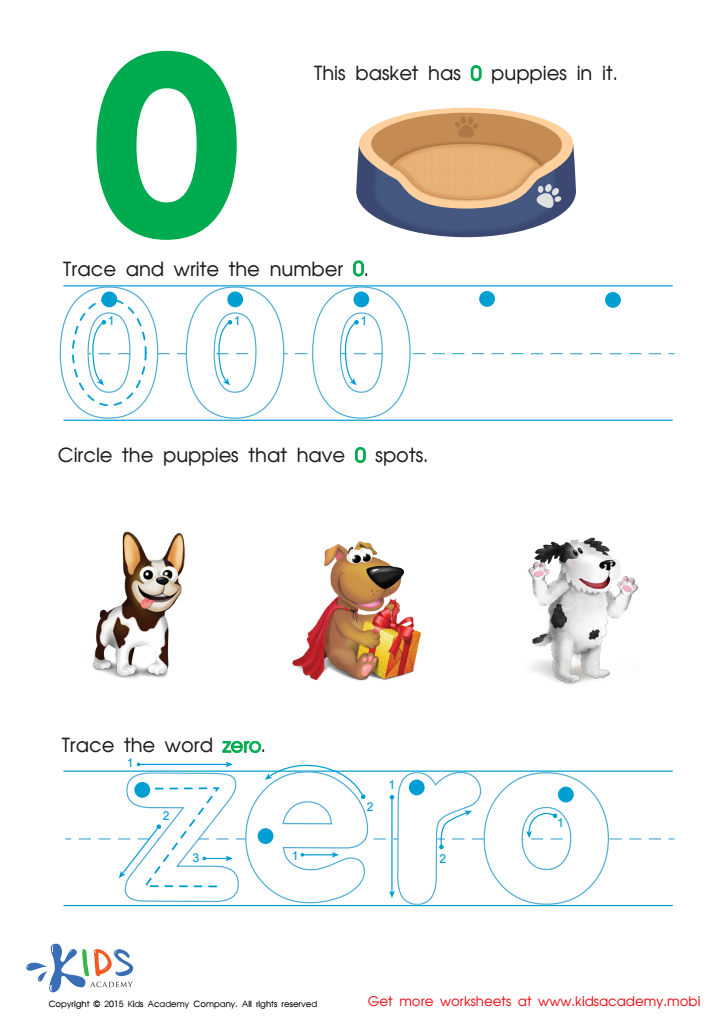
Trace And Write Number 0 Worksheet

Letter D Tracing Page
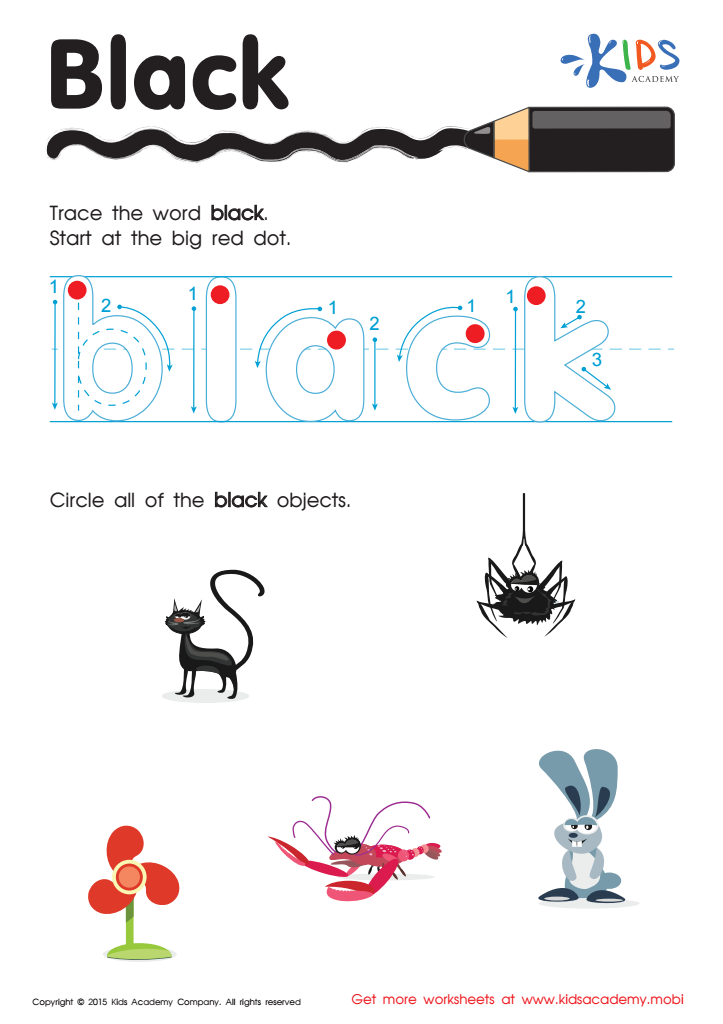
Black Tracing Color Words Printable
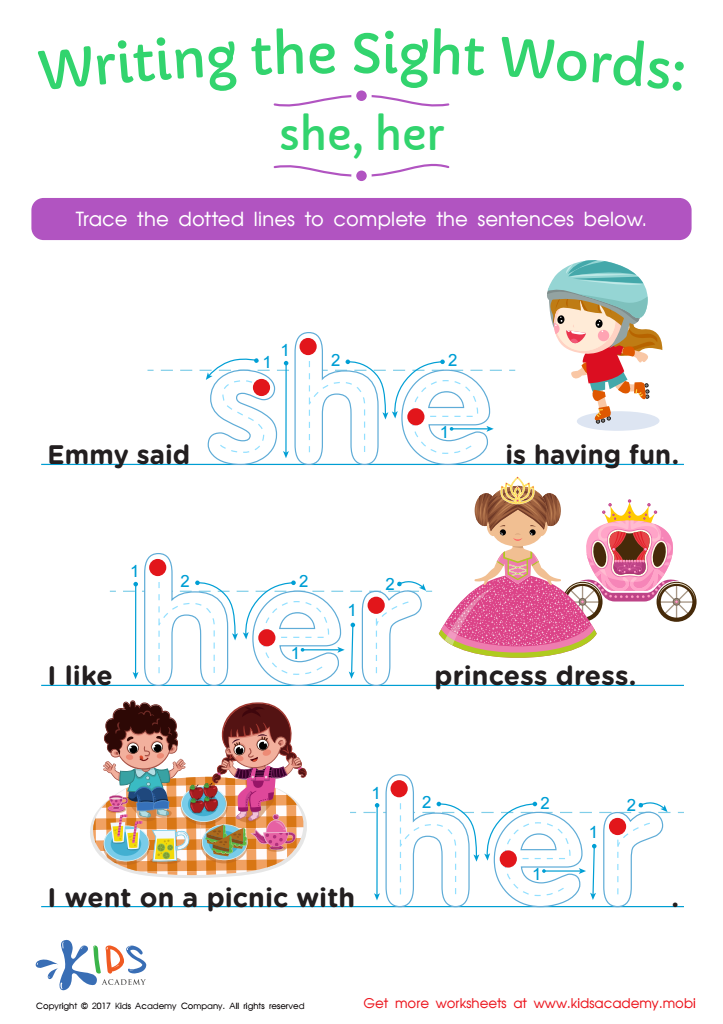
She, Her Printable Sight Words Worksheet
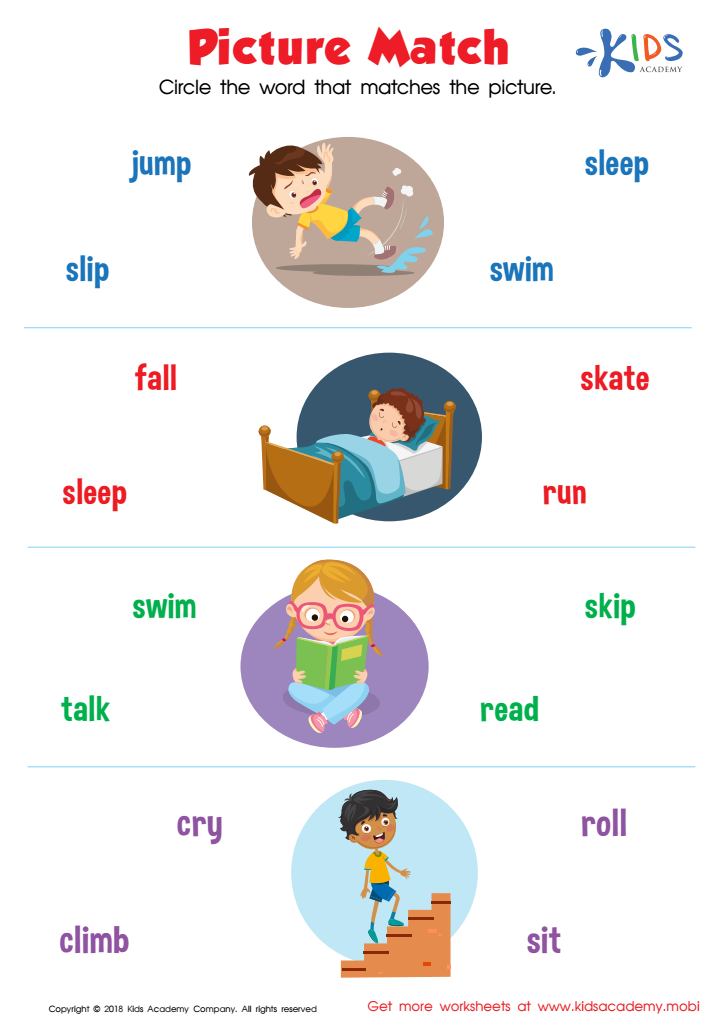
Picture Match Worksheet
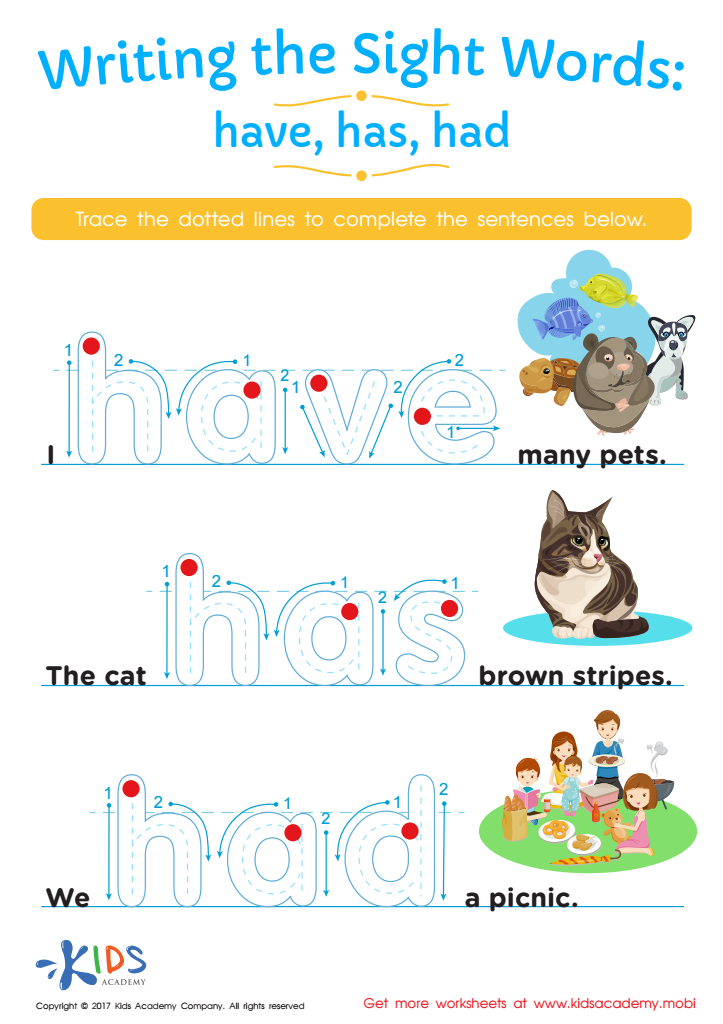
Have, Has, Had Worksheet Sight Words Worksheet





Parents and teachers should prioritize "Normal English for Beginners" for children aged 4-7 as it lays a critical foundation for their language development and future academic success. During these formative years, children's brains are highly adaptable and capable of absorbing new information quickly. By introducing them to English at an early age, we can enhance their vocabulary, comprehension, and communication skills.
Proficiency in English is increasingly vital in our globalized world, often serving as a common language for education, business, and social interactions. Early exposure through "Normal English for Beginners" helps children become more comfortable and confident with the language, reducing potential language barriers they might face later in life.
Moreover, learning English enhances cognitive development by improving memory, problem-solving abilities, and creative thinking. It also positively impacts children's understanding of other cultures, fostering open-mindedness and empathy.
Teachers can integrate fun and engaging activities, such as storytelling, songs, and games, making the learning process enjoyable and effective. Parents can support this learning at home, reinforcing new skills and providing a consistent environment for practice.
In summation, focusing on "Normal English for Beginners" for young children ensures they acquire critical language skills early on, positioning them well for future educational and social opportunities.