Normal 2D Shapes Worksheets for Ages 4-7 - Page 2
32 filtered results
-
From - To
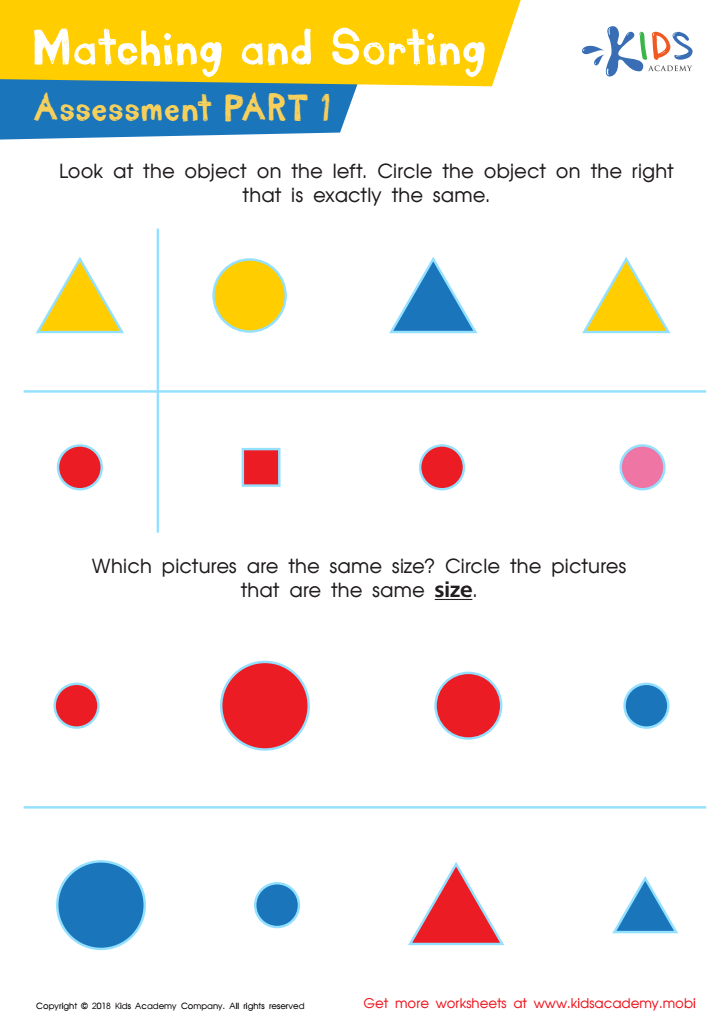
Matching and Sorting for Kindergarten: Assessment 1 Worksheet
 Assign to My Students


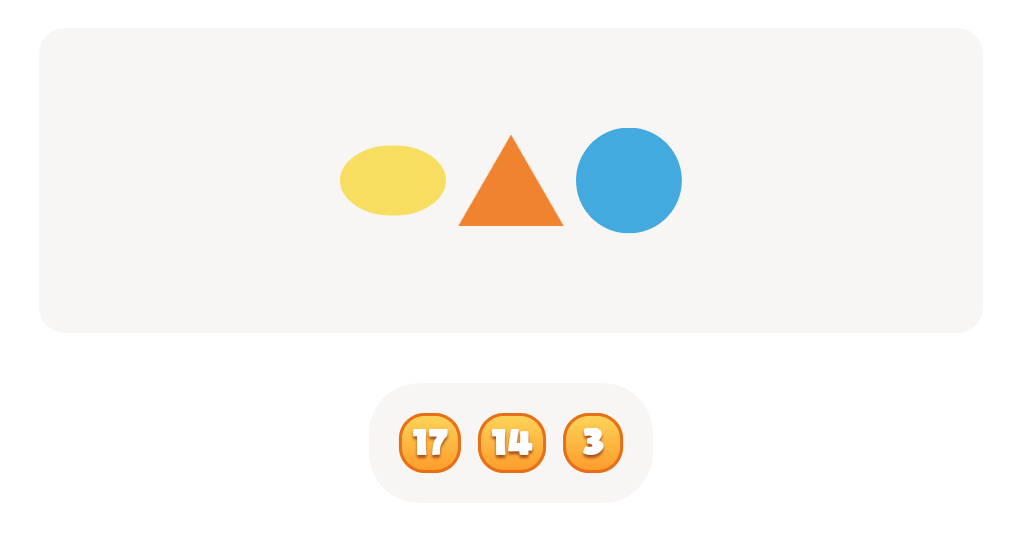
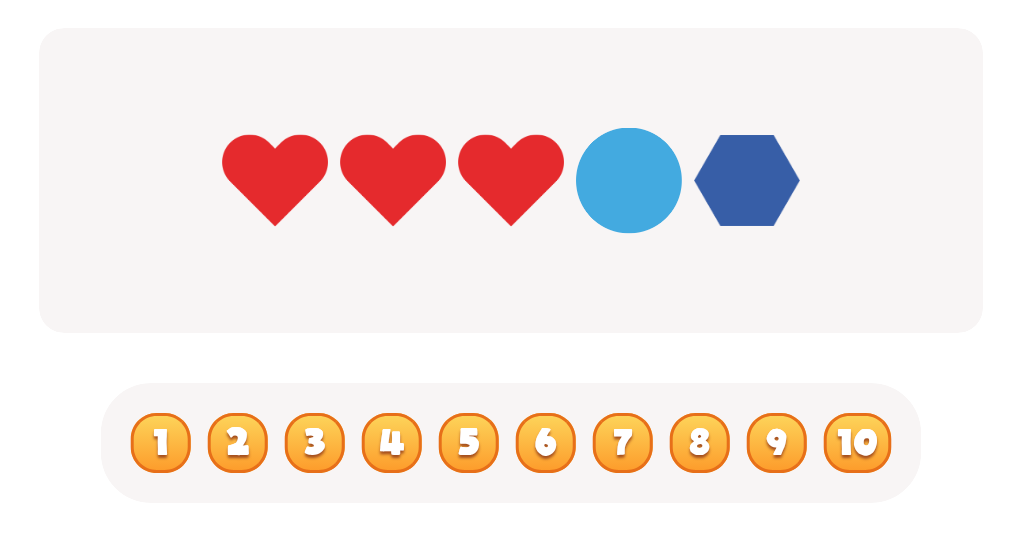
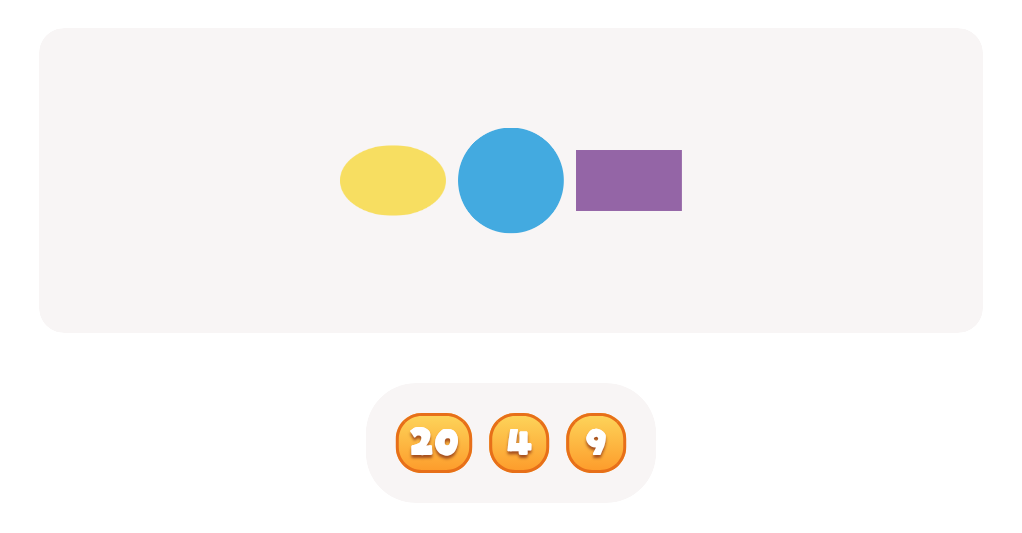
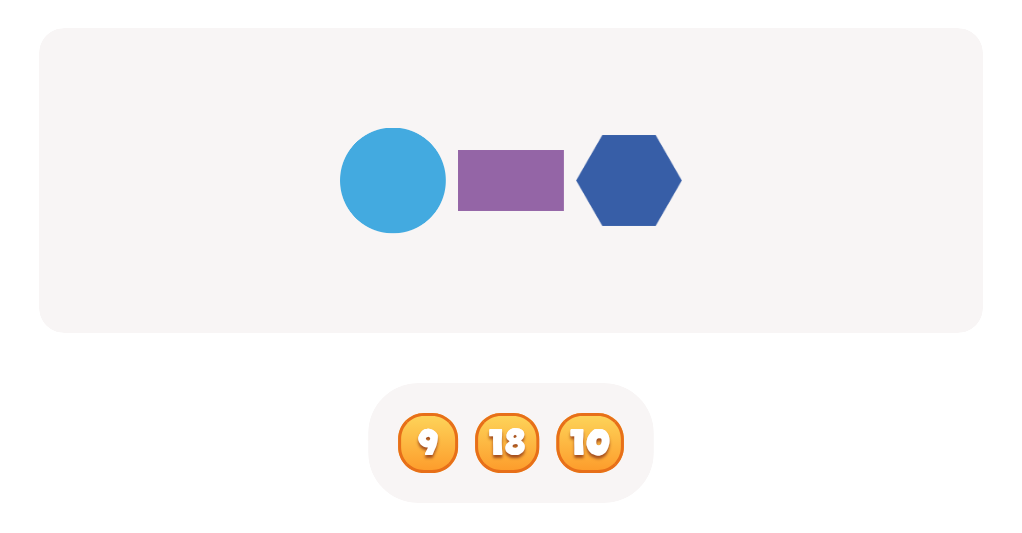
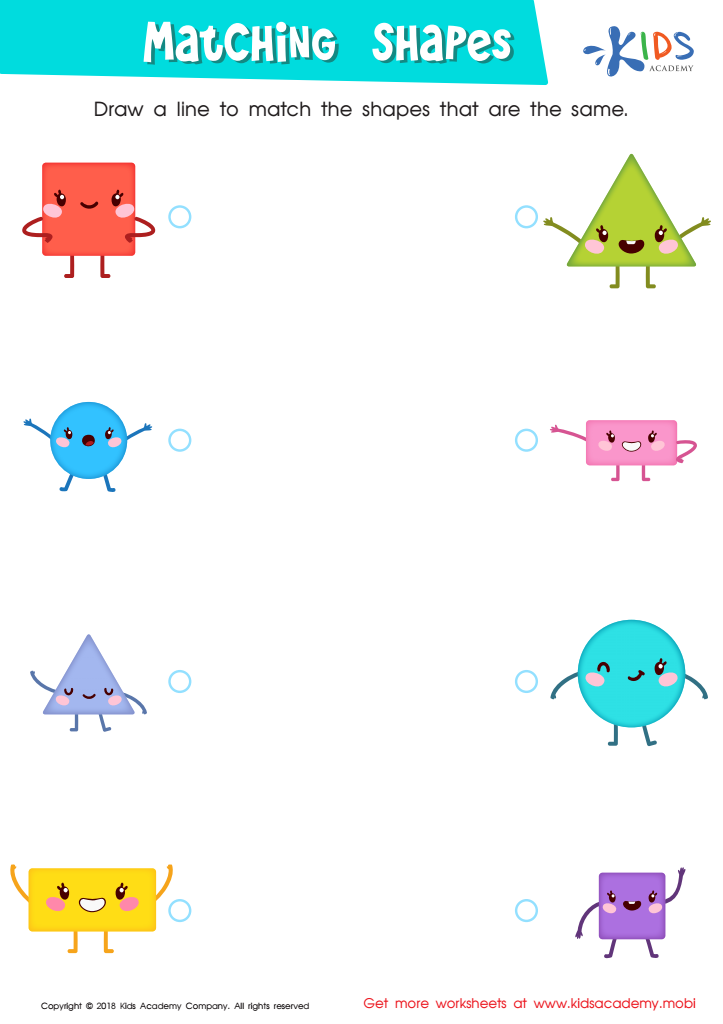
Matching Shapes Worksheet
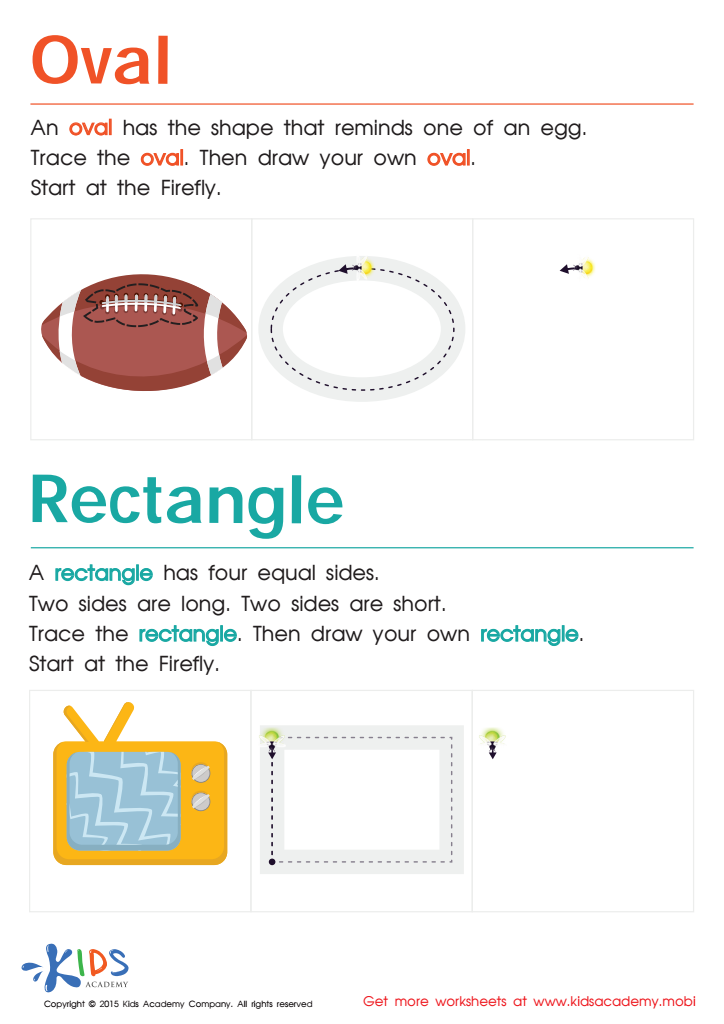
Easy Drawing of Ovals And Rectangles Worksheet
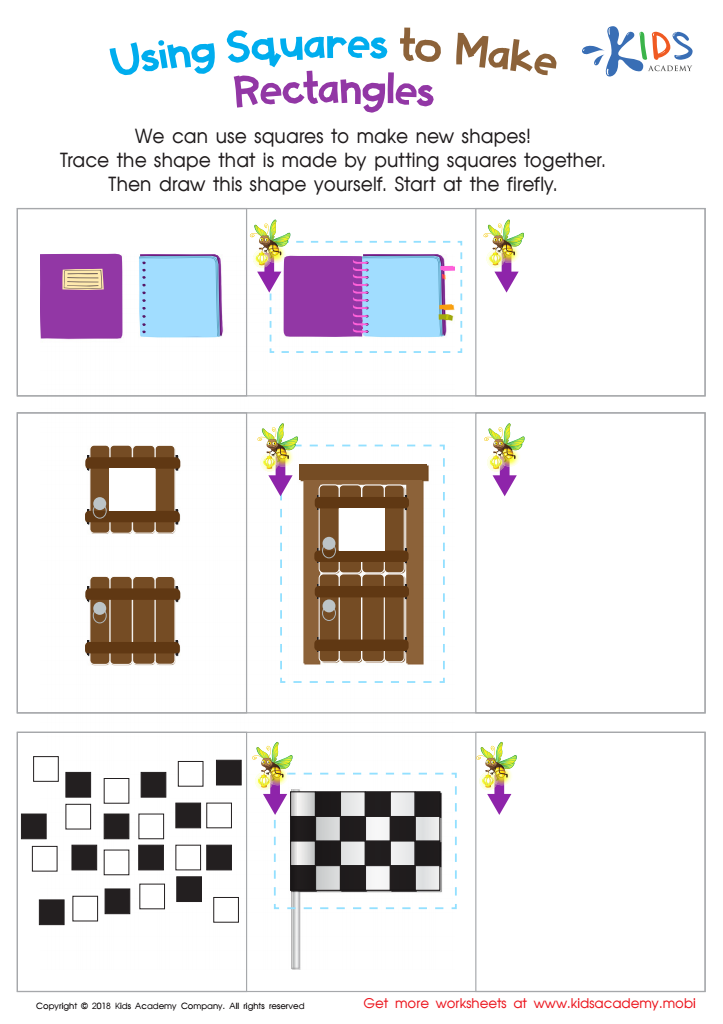
Using Squares to Make Rectangles Worksheet
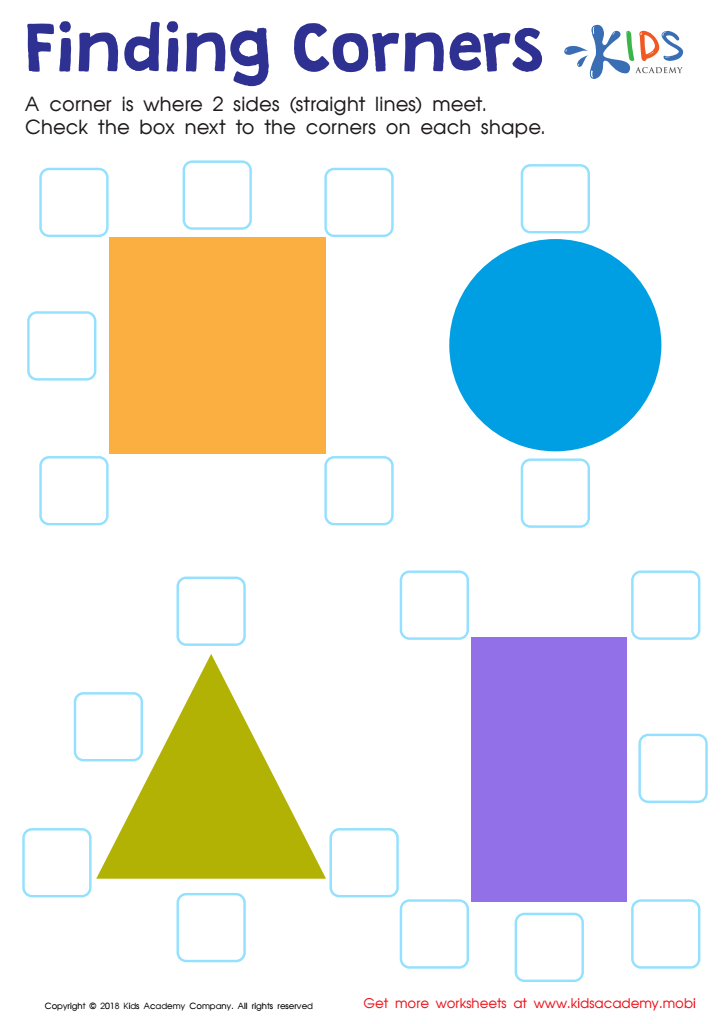
Finding Corners Worksheet
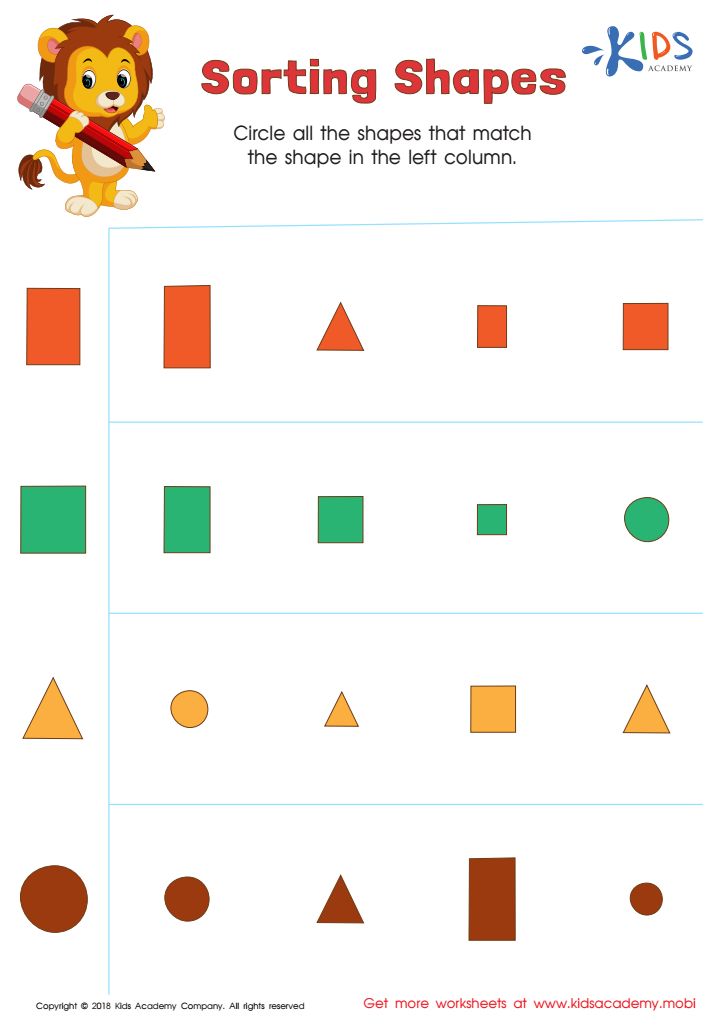
Sorting Shapes - Part 2 Worksheet
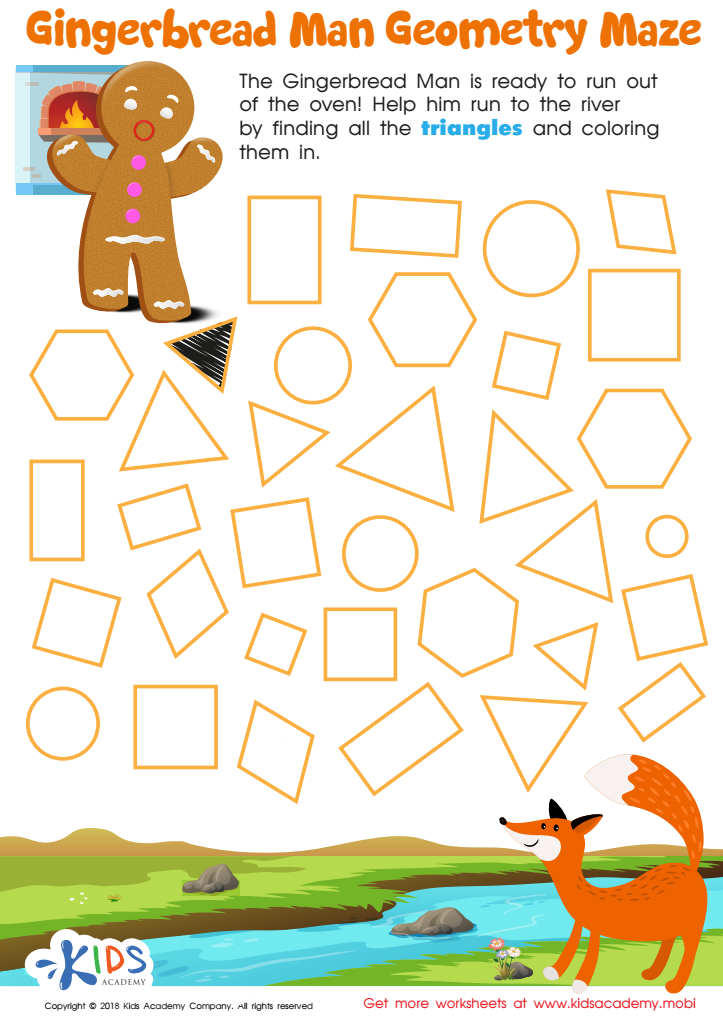
Gingerbread Man Geometry Maze Worksheet
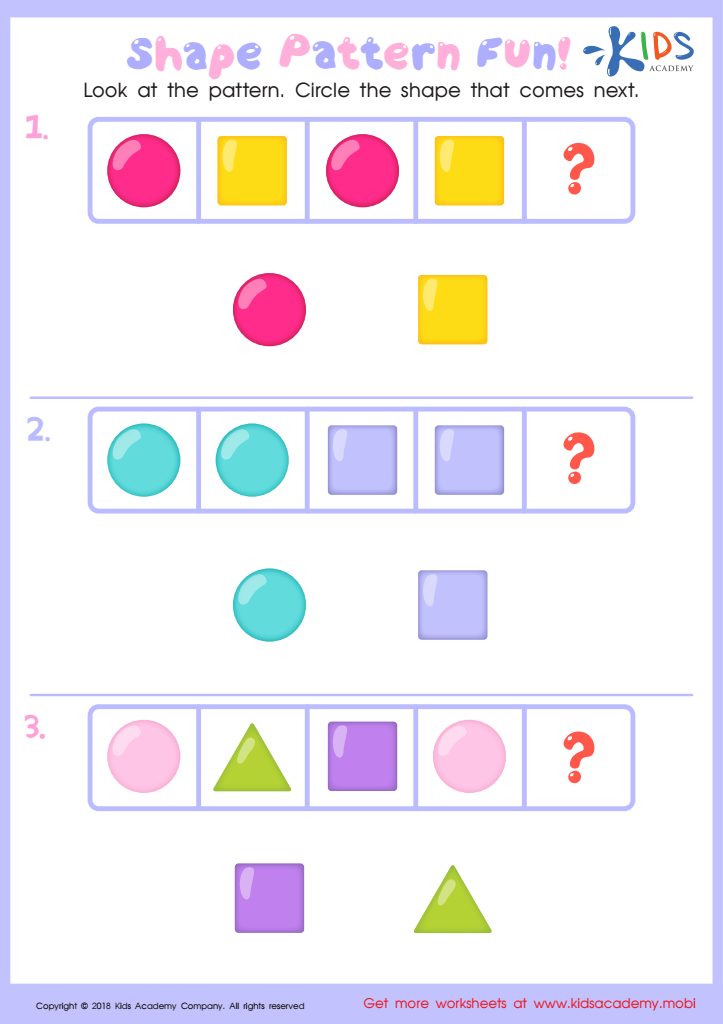
Shape Pattern Fun Worksheet








Learning about normal 2D shapes is essential for children ages 4-7 as it lays the foundational skills for critical cognitive development and mathematical understanding. At this stage, children are naturally curious and visually oriented, making it an ideal time to introduce shapes like circles, squares, triangles, and rectangles. Understanding these shapes enhances spatial awareness, which is vital for problem-solving and daily activities.
Shapes introduce children to basic geometry and help them recognize patterns, understand symmetry, and develop classification skills. This knowledge extends beyond math; it also fosters creativity that emerges during art activities where they construct and manipulate shapes. Furthermore, the language used to describe shapes, such as “sides” and “corners,” builds vocabulary and communication skills.
For parents and teachers, focusing on 2D shapes is an opportunity to engage in interactive learning experiences, making learning fun and social. Activities like drawing, building with blocks, and shape scavenger hunts make lessons enjoyable and reinforce learning through play. By nurturing an early love for shapes, we prepare children for future academic challenges while enhancing their confidence in their abilities to recognize and understand the world around them. In summary, practicing 2D shapes is both educational and essential for a child’s holistic development.