Normal Counting Worksheets for Ages 4-8
20 filtered results
-
From - To
Discover our engaging Normal Counting Worksheets designed specifically for children aged 4-8! These fun, interactive worksheets help young learners develop essential counting skills, ensuring a strong foundation in math. With a variety of activities, including counting objects, completing patterns, and guided practice, children will gain confidence in their numerical abilities. Our worksheets feature vibrant illustrations that captivate young minds while fostering a love for learning. Suitable for both classroom use and at-home practice, these resources cater to different learning styles and paces. Start your child’s counting journey today and watch their math skills blossom!
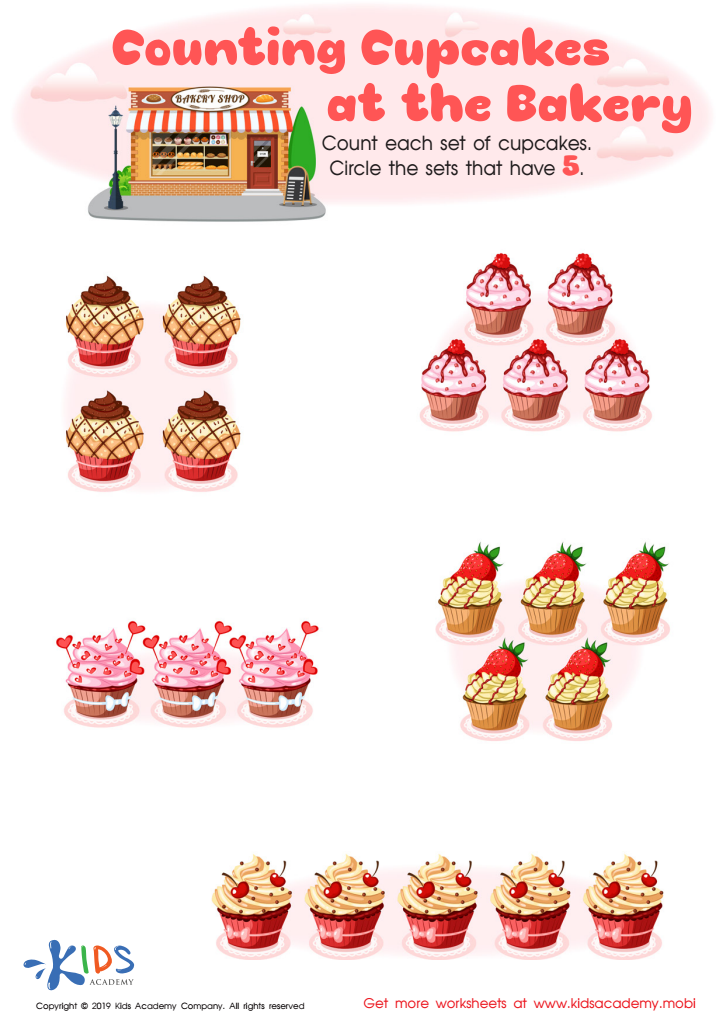
Counting Cupcakes Worksheet
 Assign to My Students


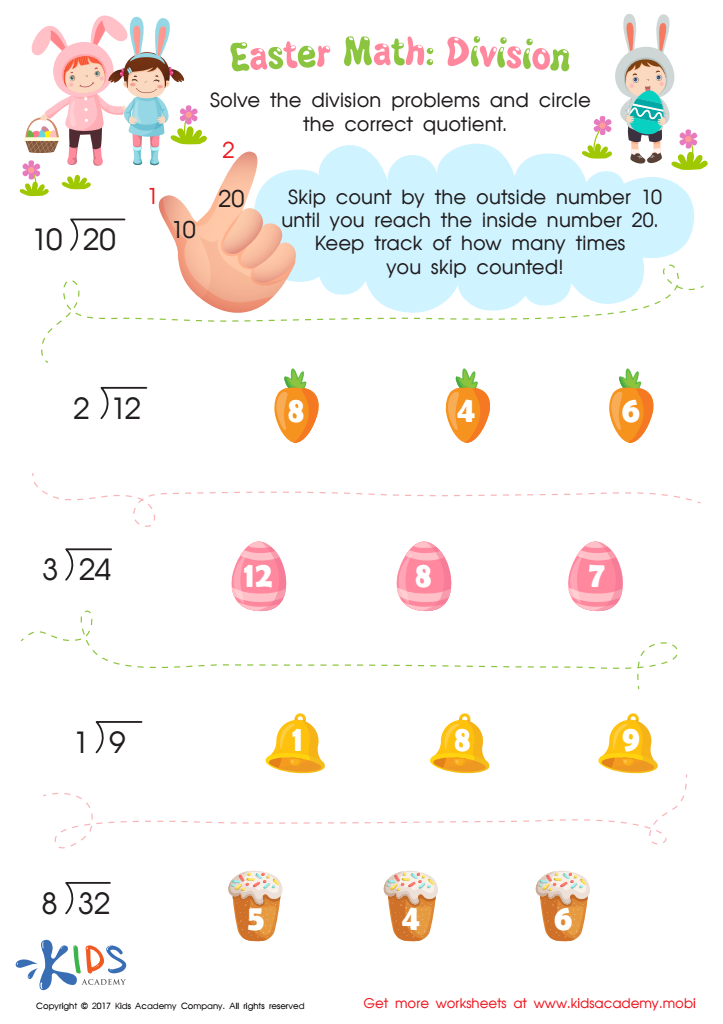
Division Worksheet
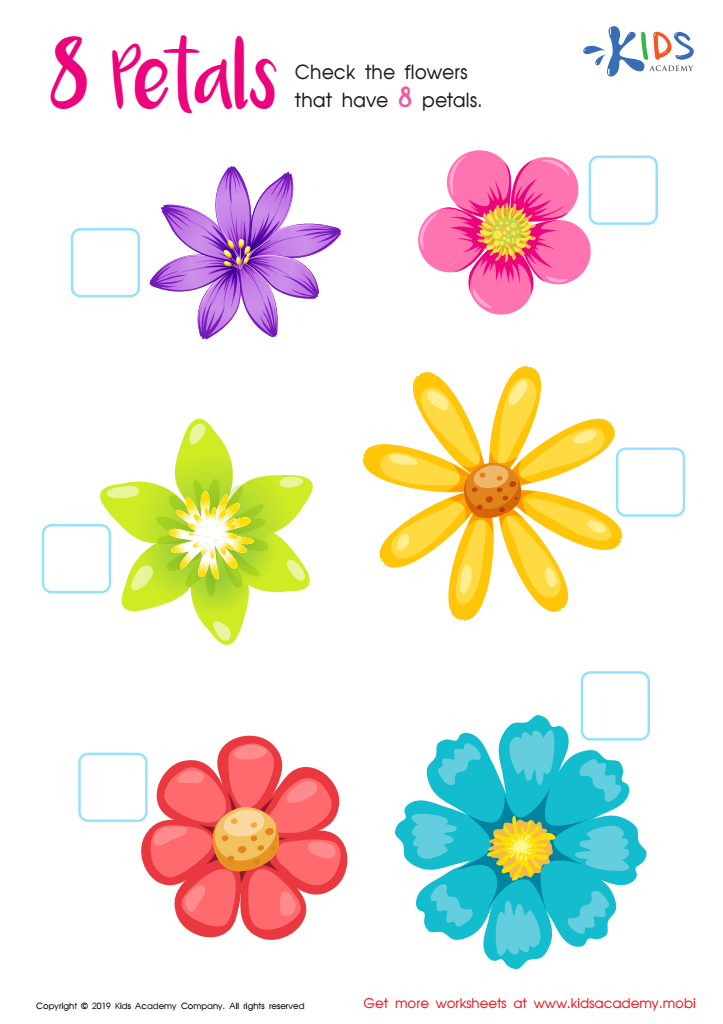
8 Petals Worksheet
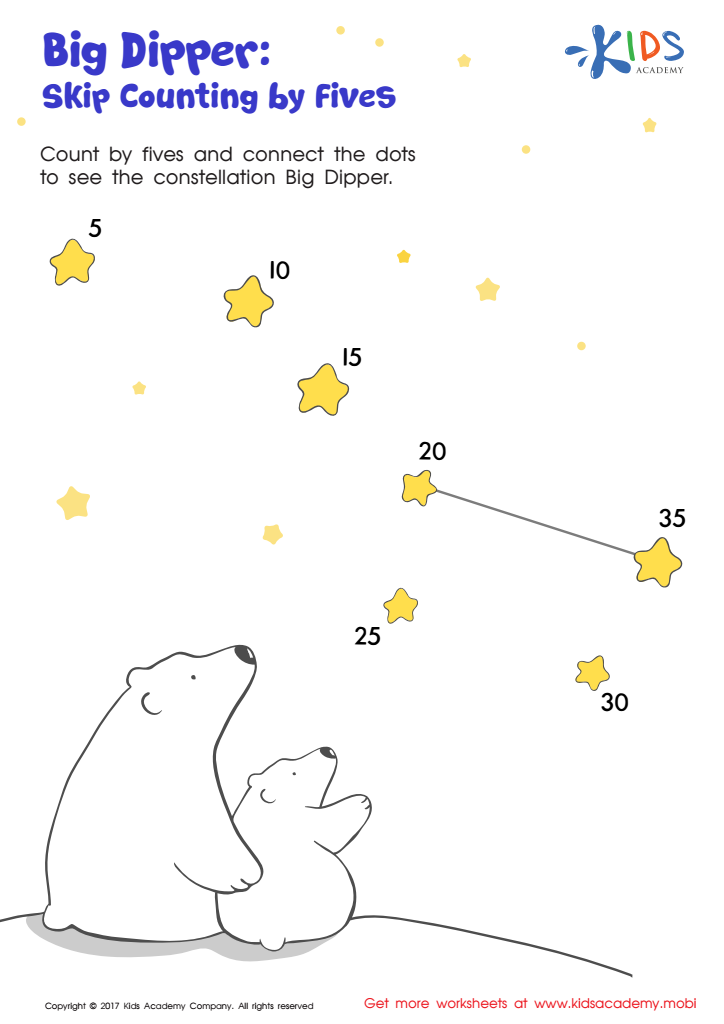
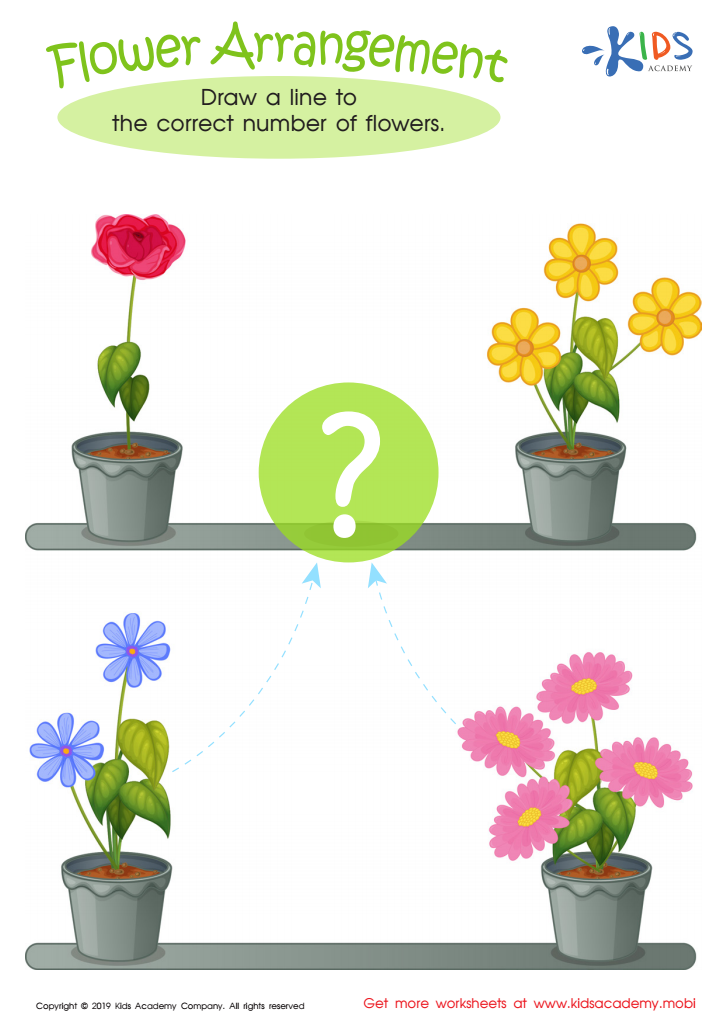
Flower Arrangement Worksheet
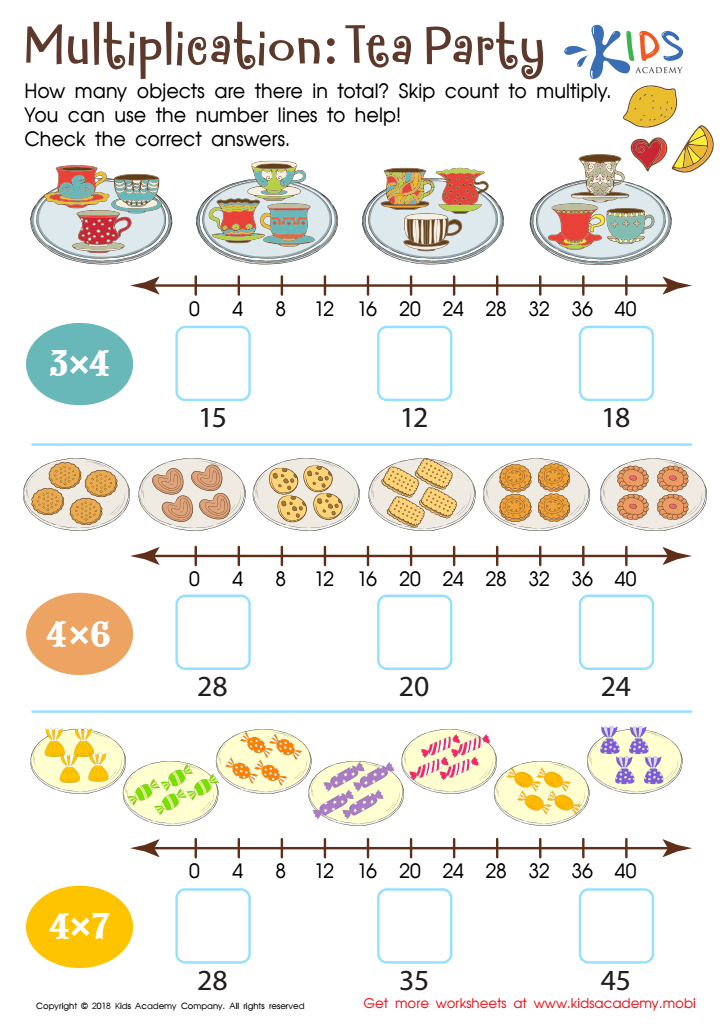
3rd Grade Math Worksheet Multiplication
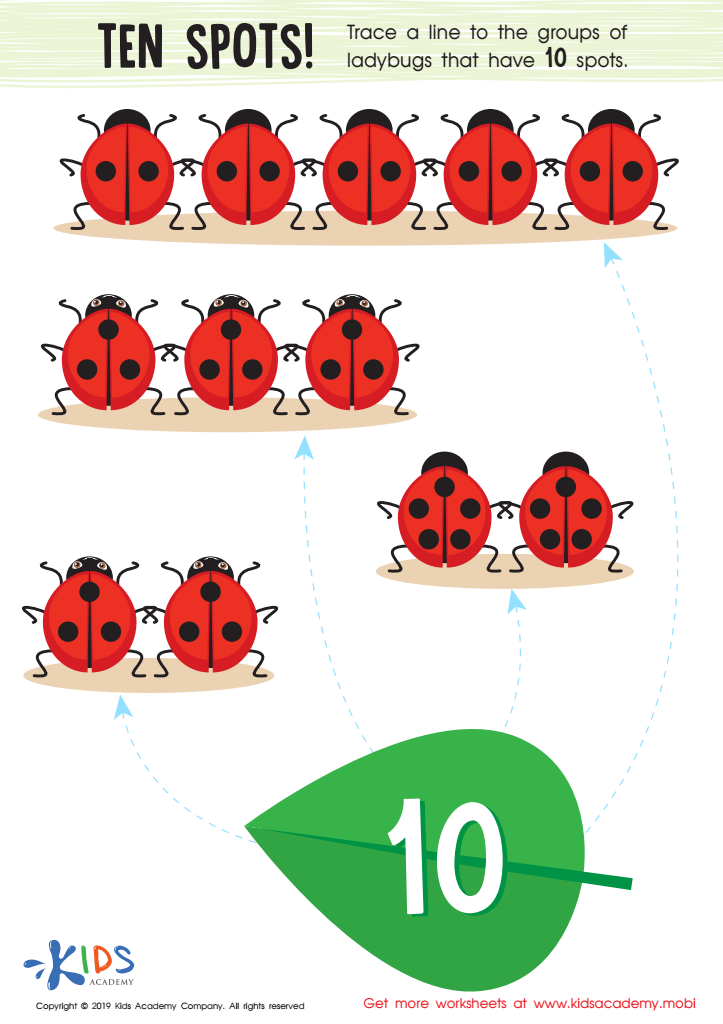
Ten Spots Worksheet
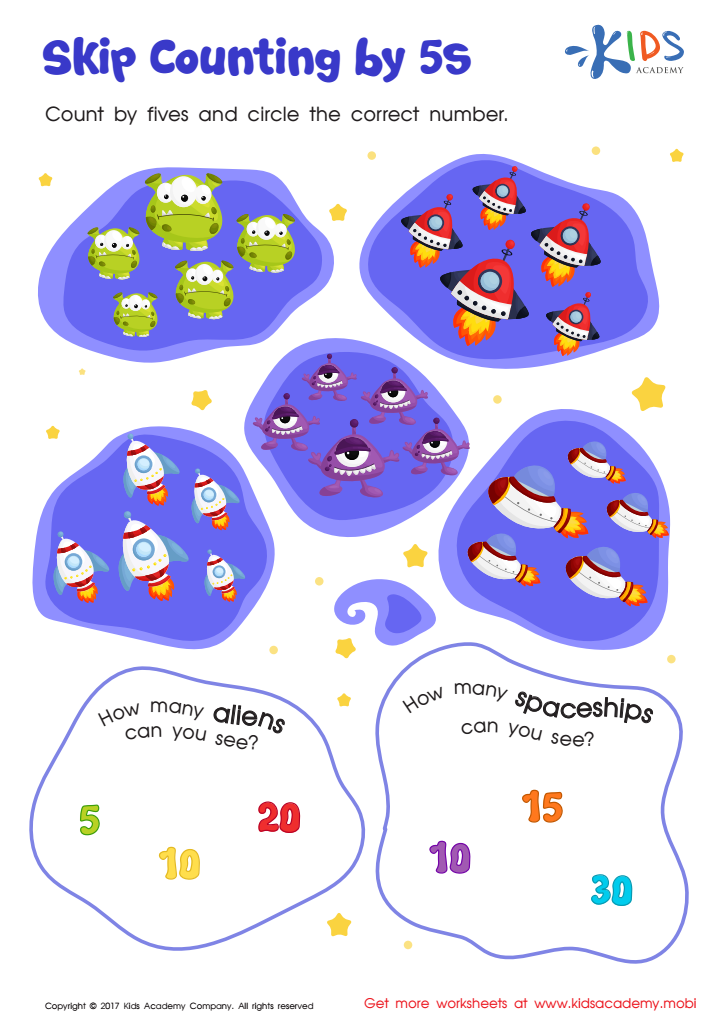
Skip Counting by 5s: Aliens and Spaceships Printable
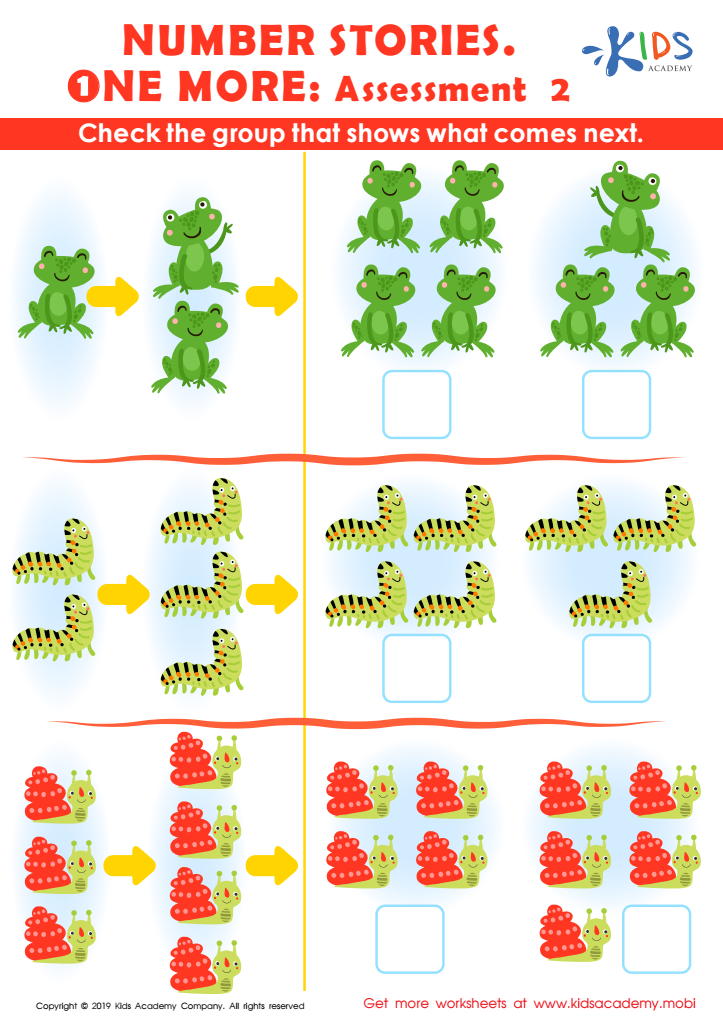
Number Stories One More – Assessment 2 Worksheet
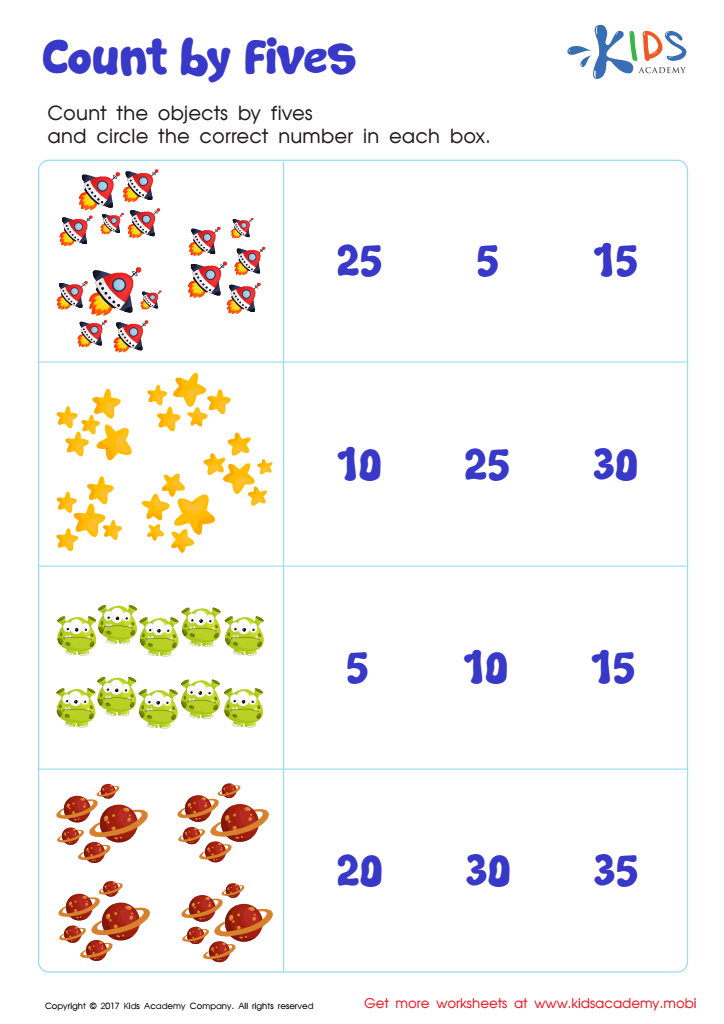
Skip Counting by 5s: Space Math Printable
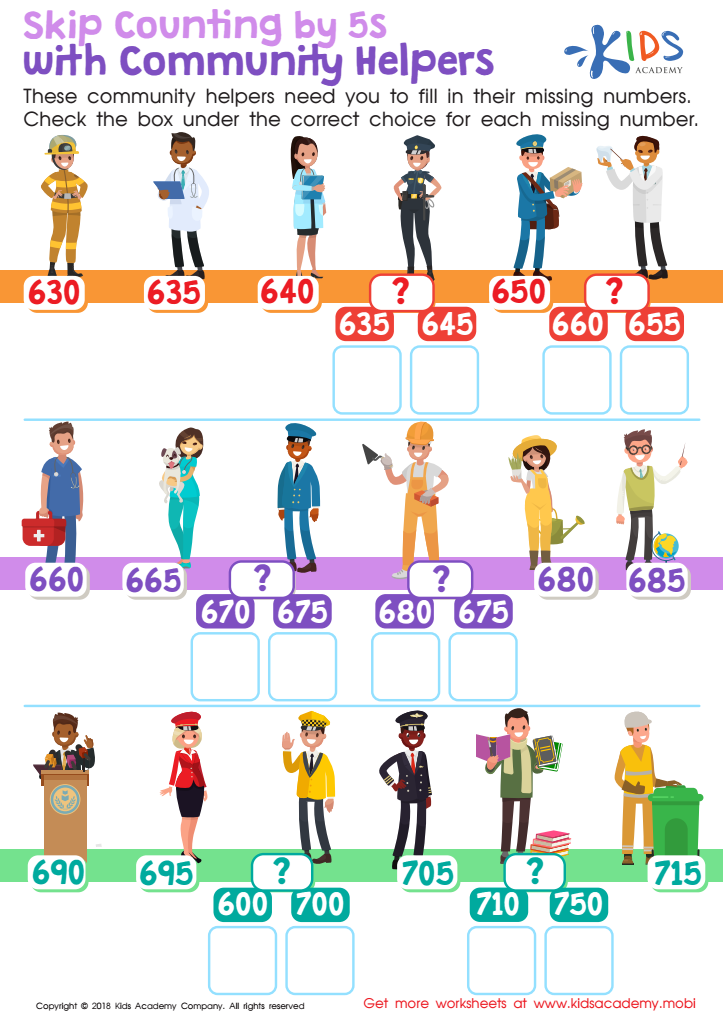
Skip Counting by 5s With Community Helpers Worksheet
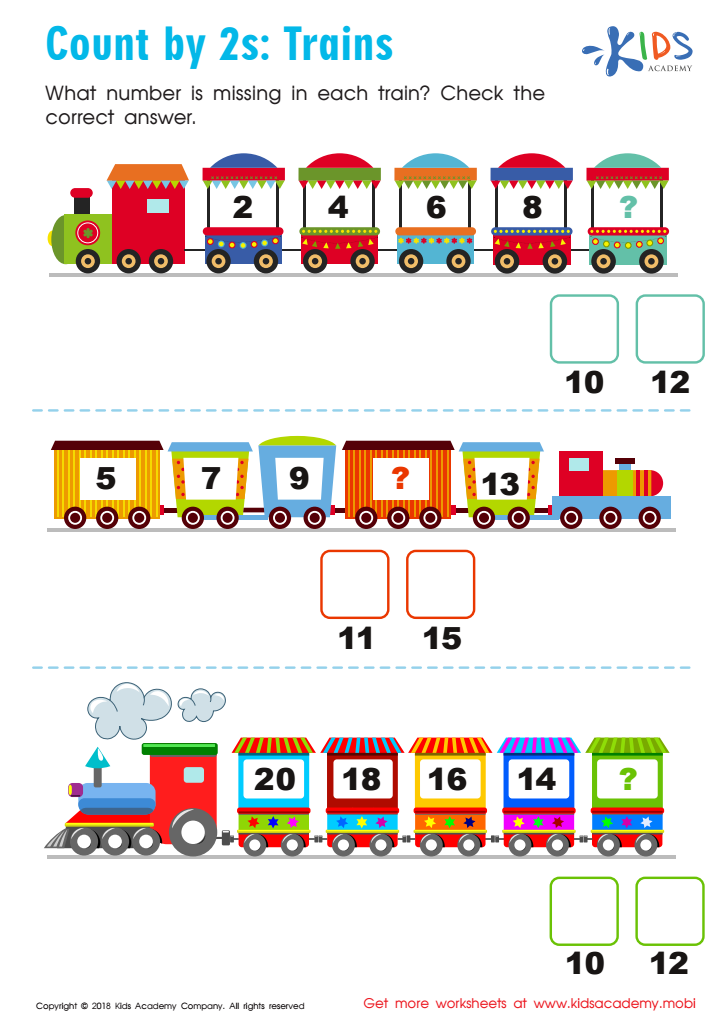
Count by 2's: Trains Worksheet
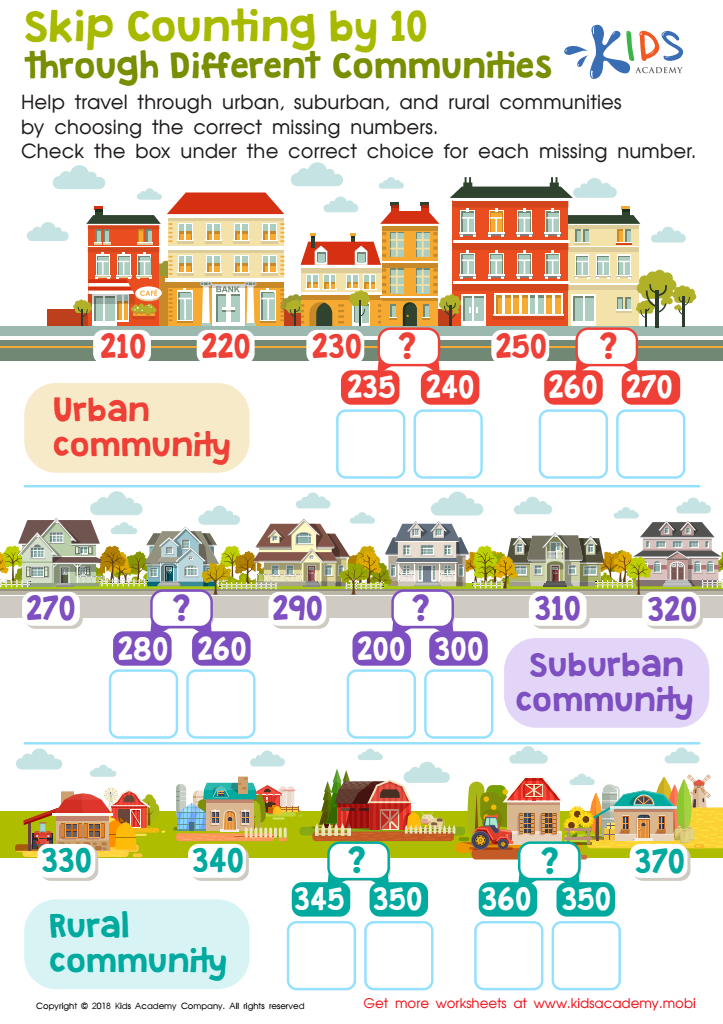
Skip Counting by 10 through Different Communities Worksheet
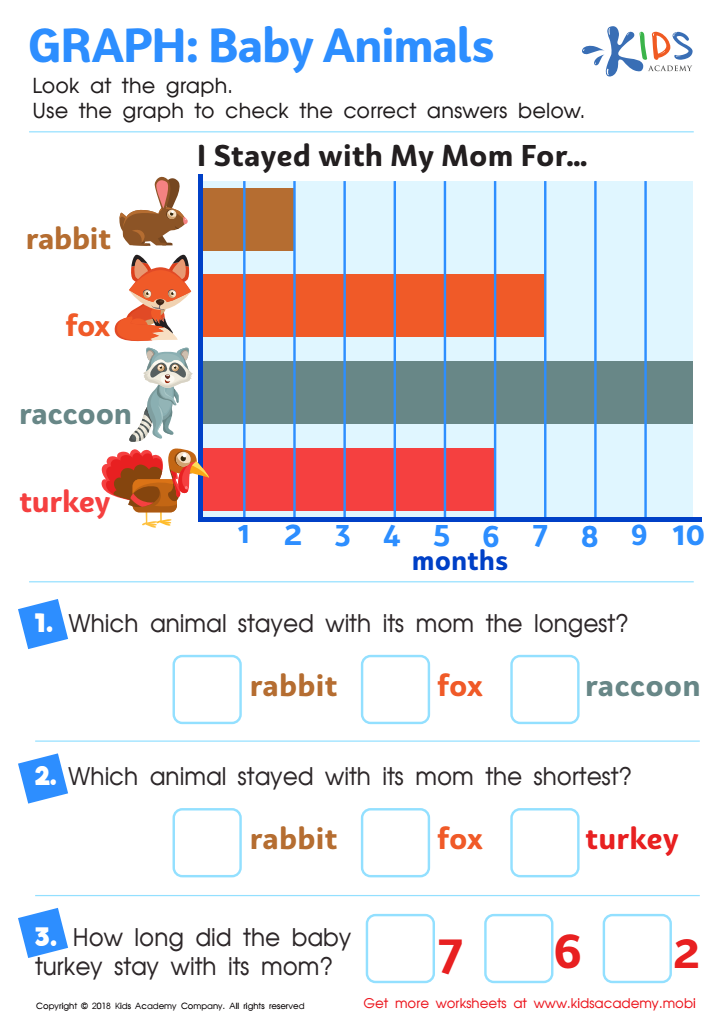
Graph: Baby Animals Worksheet
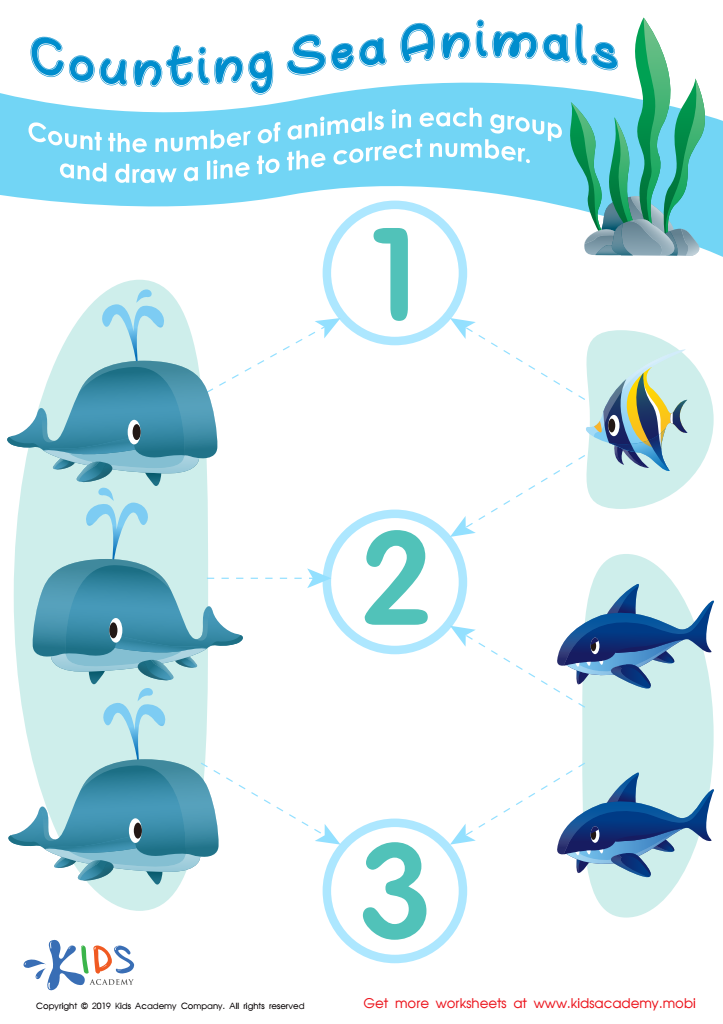
Counting Sea Animals Worksheet
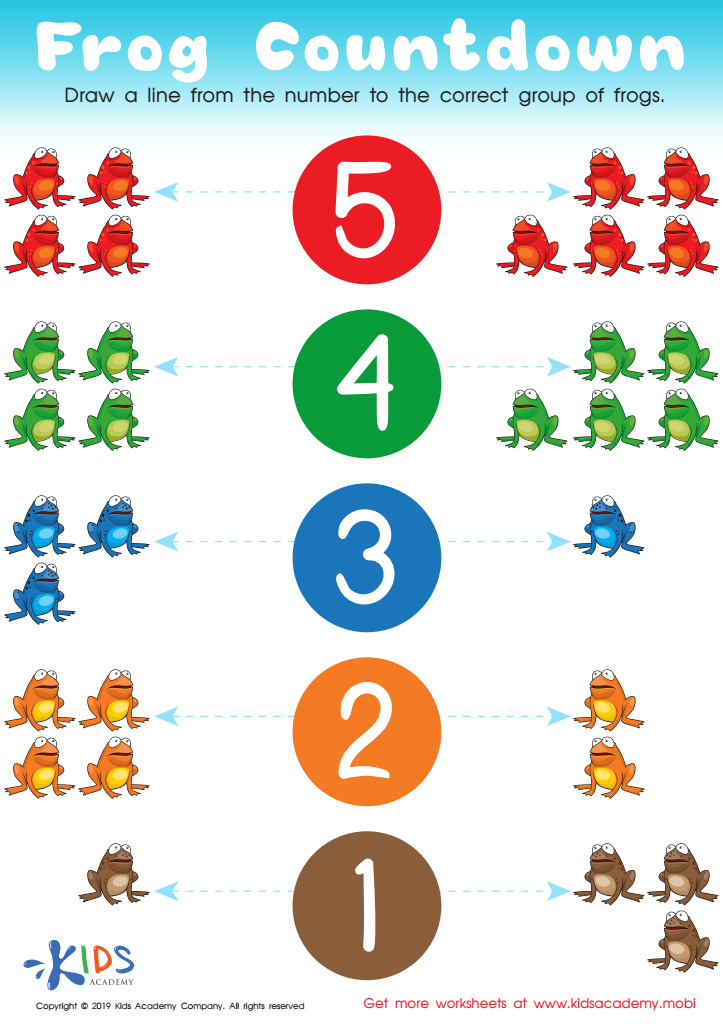
Frog Countdown Worksheet
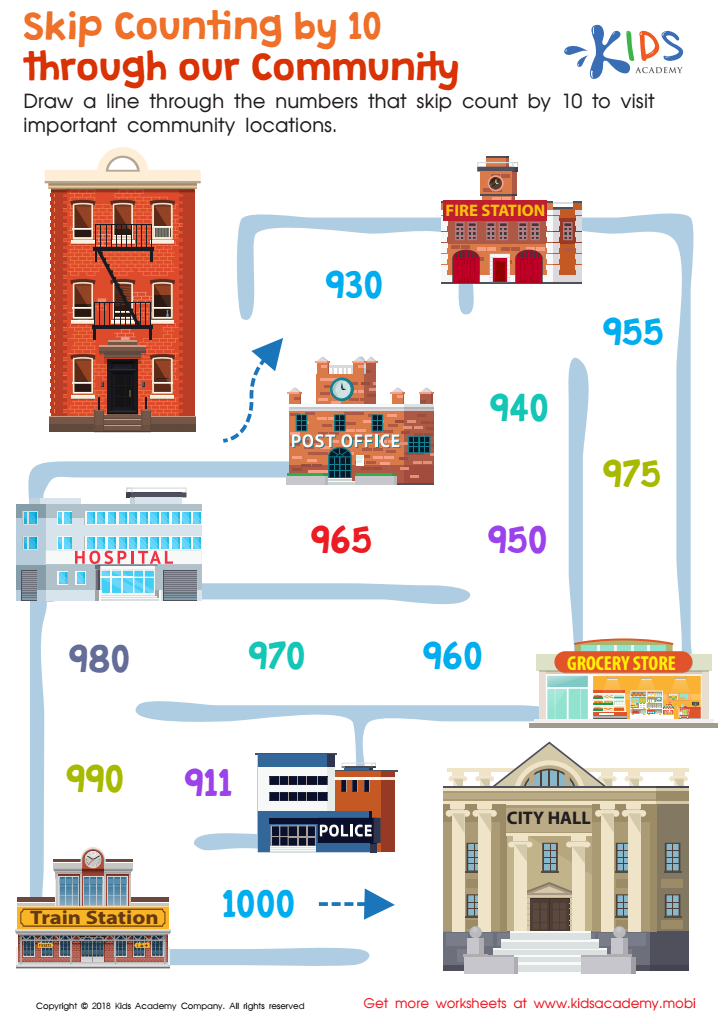
Skip Counting by 10 Through Our Community Worksheet
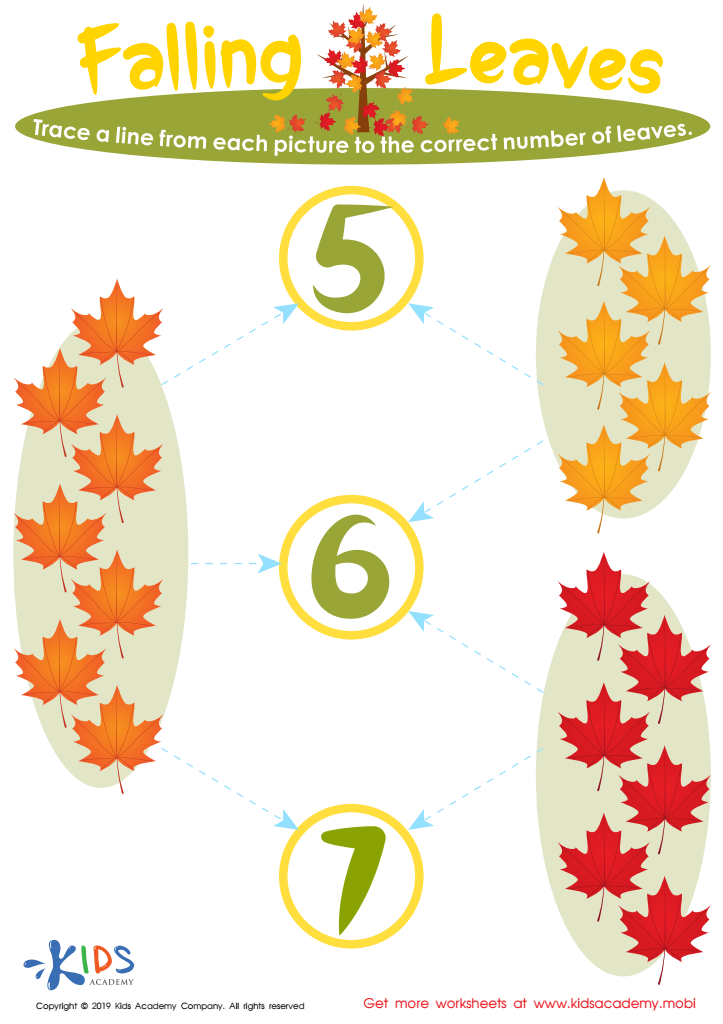
Falling Leaves Worksheet
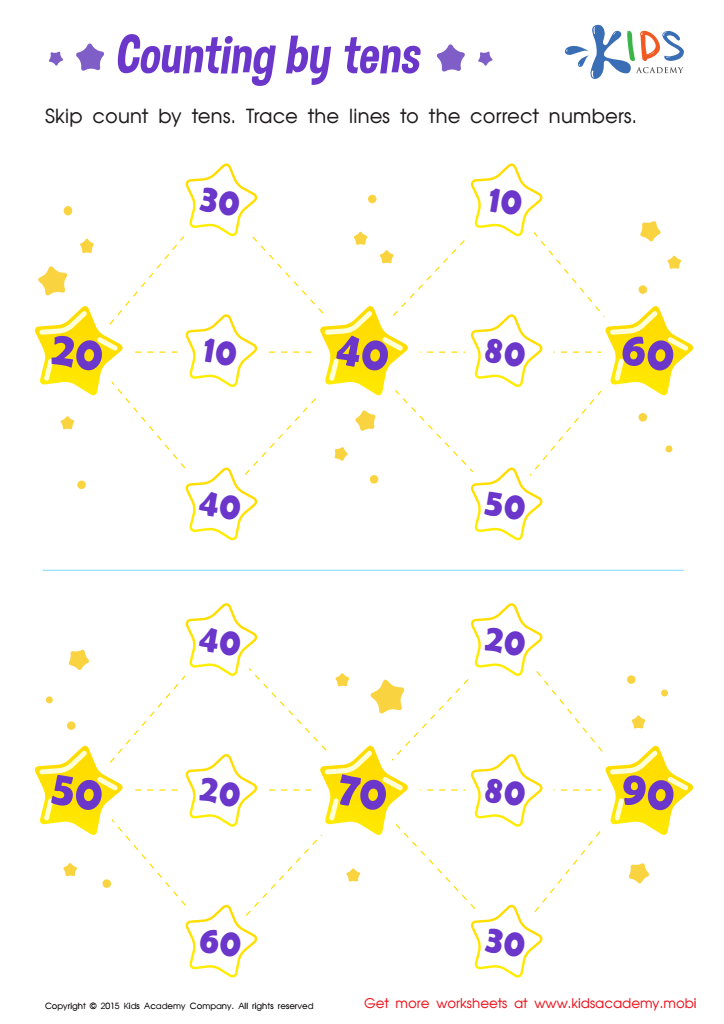
Learn Dozens: Counting by Tens Printable
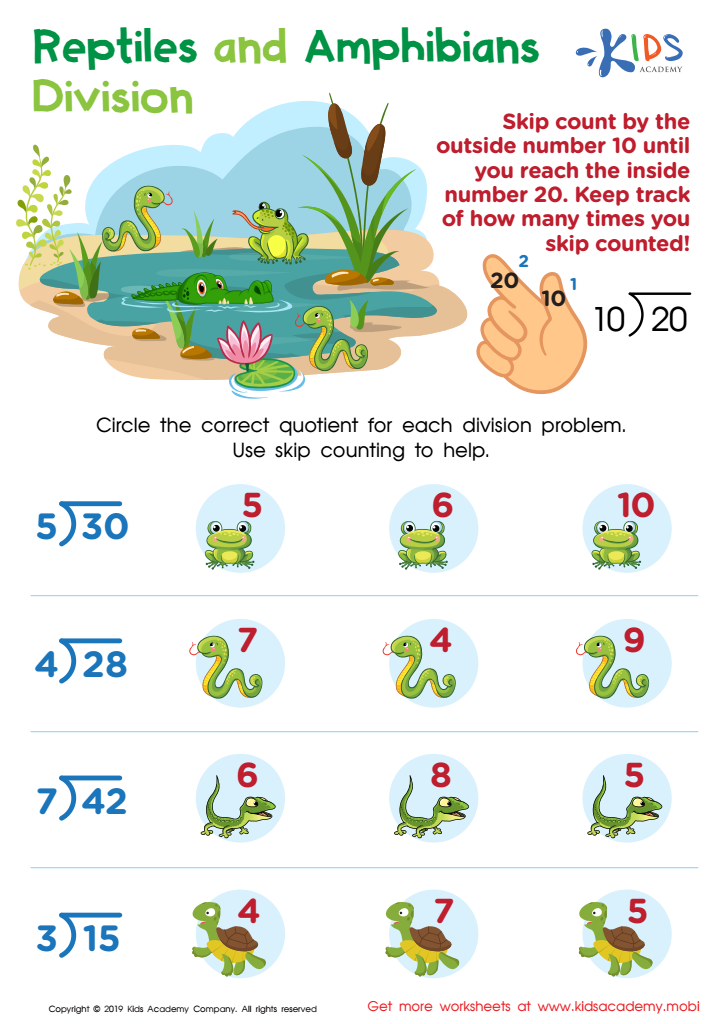
Reptile and Amphibians Division Worksheet








Normal counting, or the ability to count sequentially and understand numerical order, is a foundational skill for children aged 4-8. This stage of development significantly influences a child's mathematical understanding and cognitive growth. Parents and teachers should prioritize normal counting because it not only supports early math skills but also nurtures critical thinking and problem-solving abilities.
Counting forms the basis for more complex mathematical concepts, including addition, subtraction, and number recognition. By mastering normal counting, children develop number sense, which is essential for everyday activities, such as telling time, managing money, and understanding quantities. Furthermore, counting helps build children's confidence; as they practice, they gain a sense of accomplishment and curiosity about numbers and their relationships.
Additionally, teaching children counting through interactive and engaging methods enhances their social skills. Group counting activities can promote collaboration and communication among peers. Parents and teachers can integrate counting into daily routines, making learning fun and relevant. By placing emphasis on normal counting during these formative years, caregivers equip children with the tools they need for academic success and lifelong learning. Ignoring its importance can hinder a child's overall preparedness for future math challenges.