Normal Matching Worksheets for Ages 4-8 - Page 2
43 filtered results
-
From - To
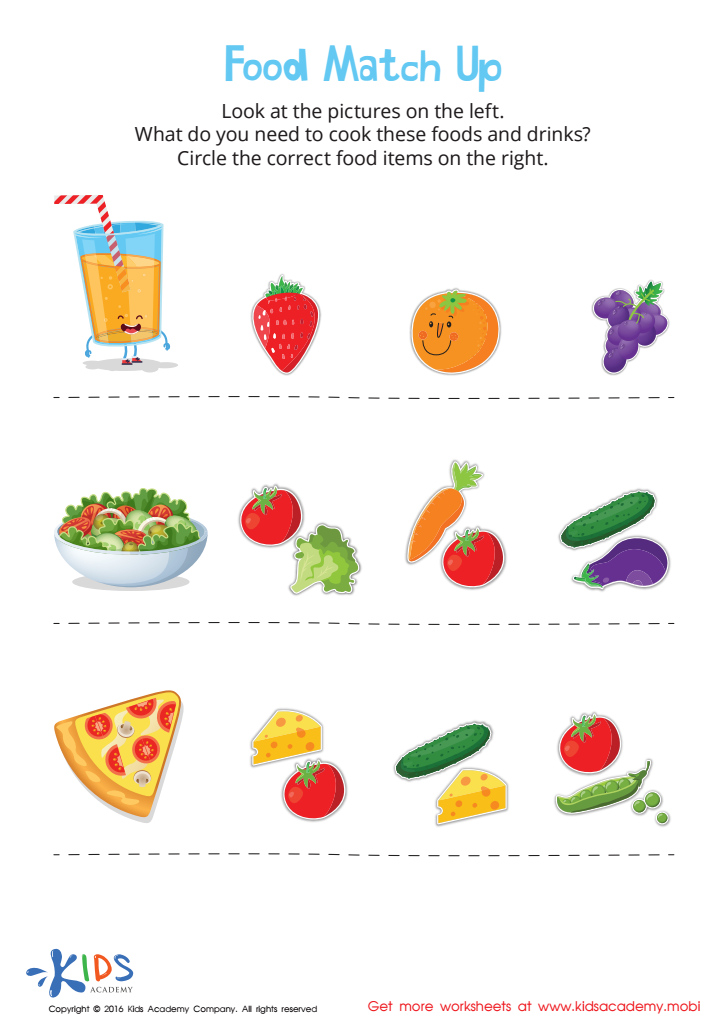
Food Match Up Worksheet
 Assign to My Students
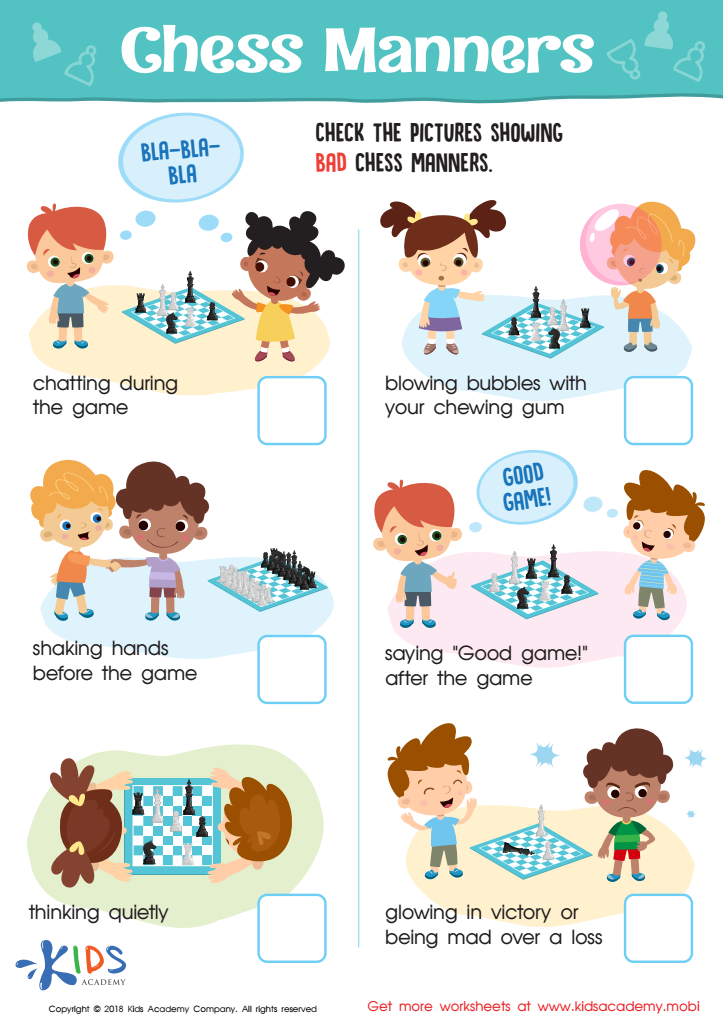
Chess Manners Worksheet
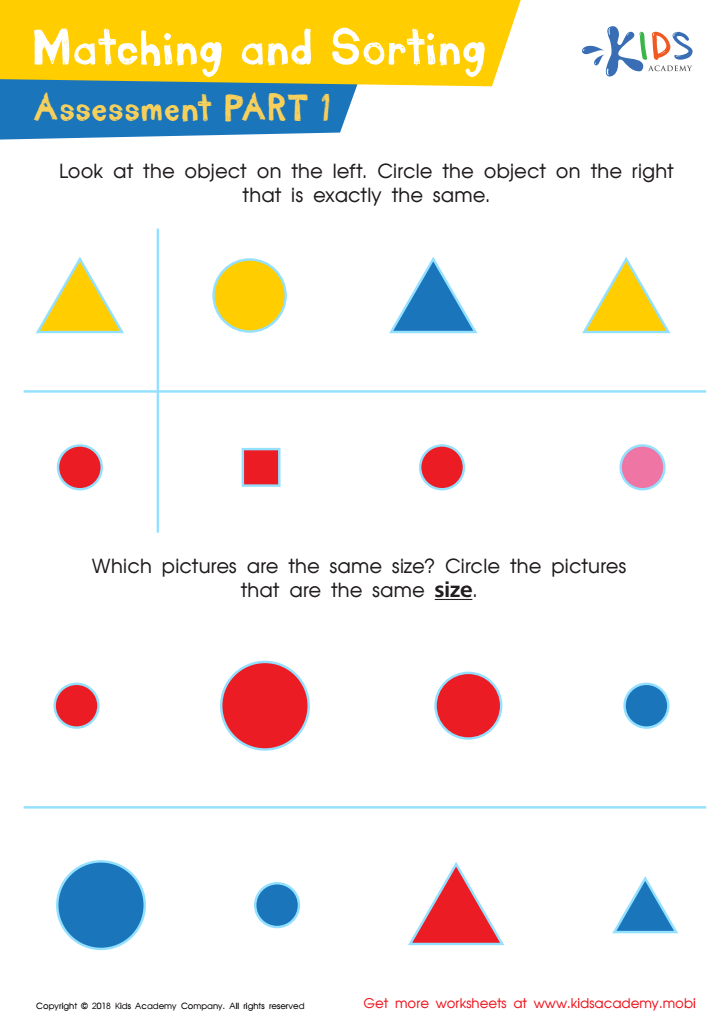
Matching and Sorting for Kindergarten: Assessment 1 Worksheet
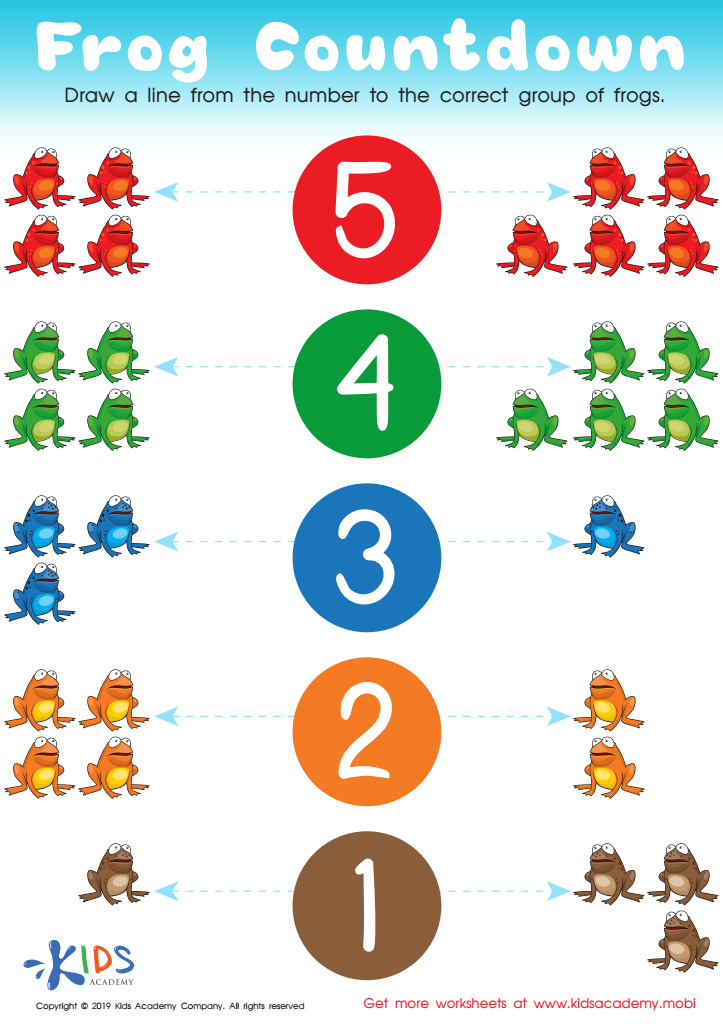
Frog Countdown Worksheet
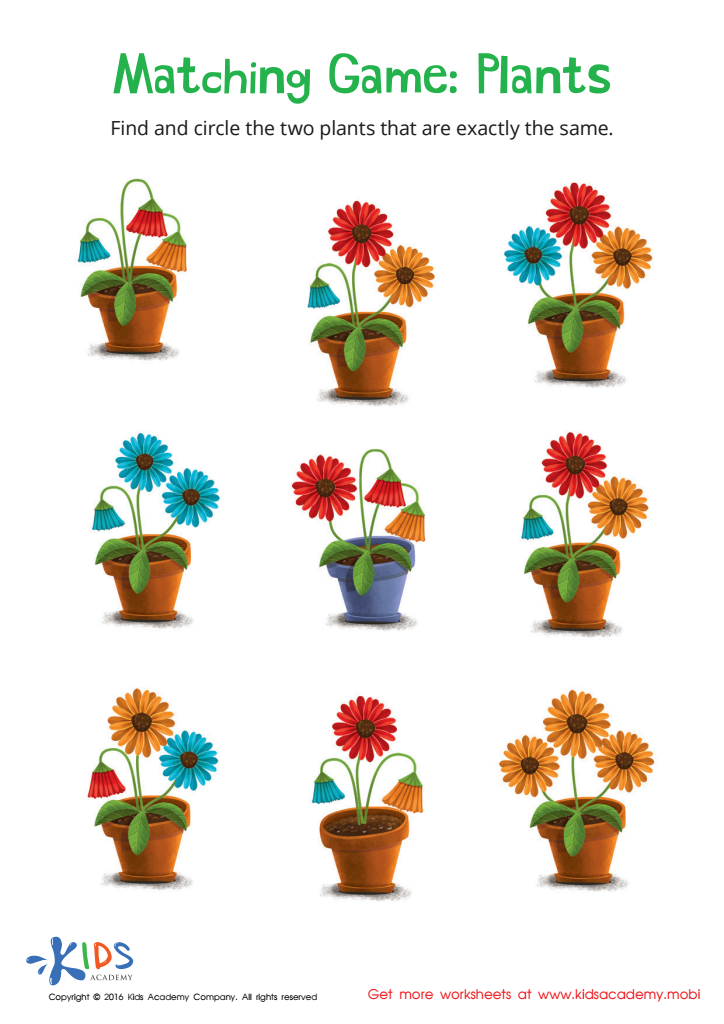
Matching: Plants Worksheet
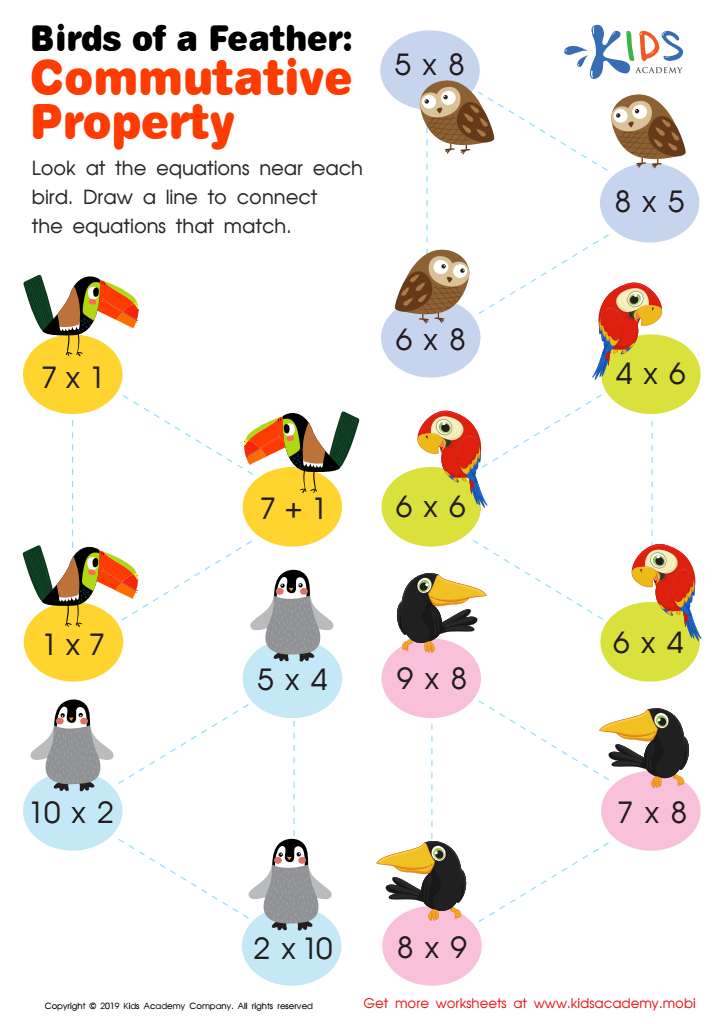
Birds of a Feather: Commutative Property Worksheet
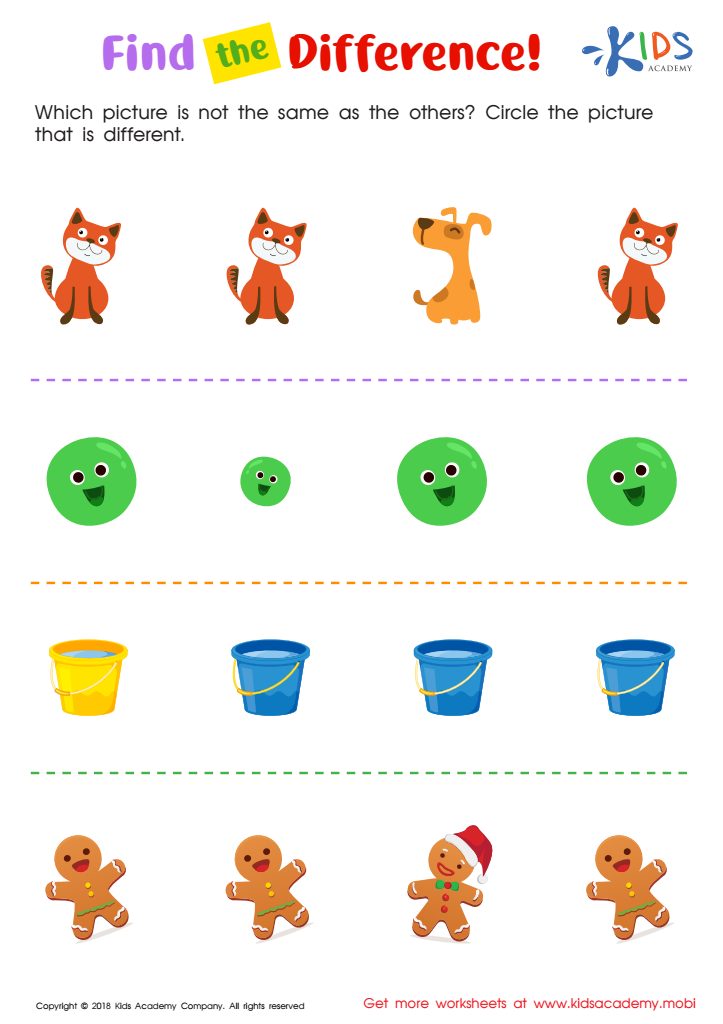
Find the Difference Worksheet
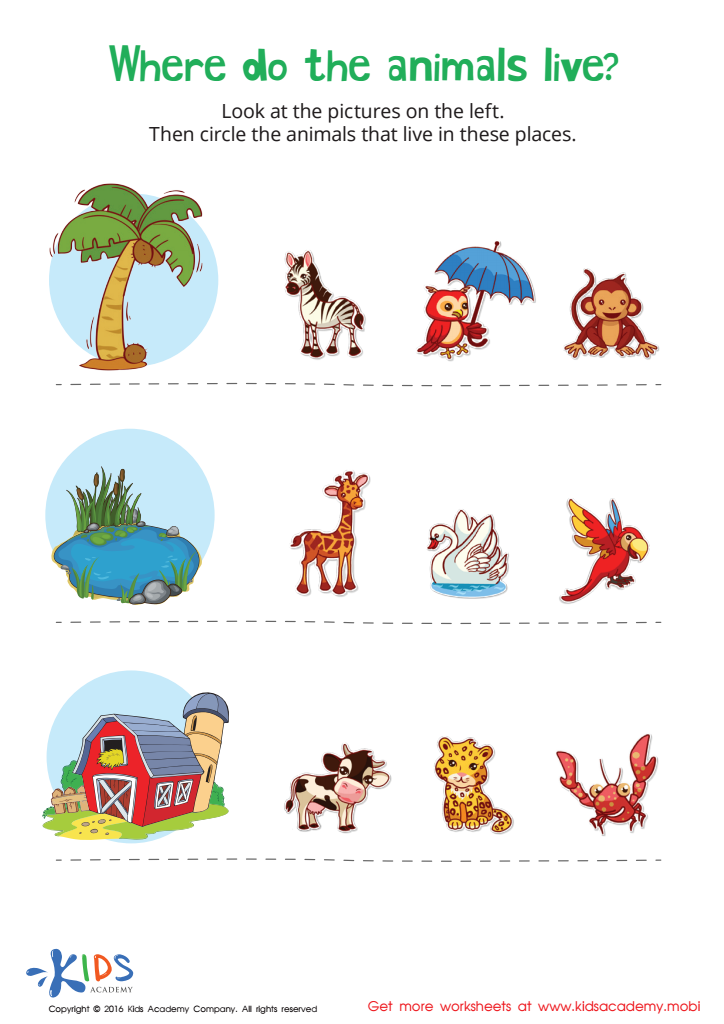
Where Animals Live Worksheet
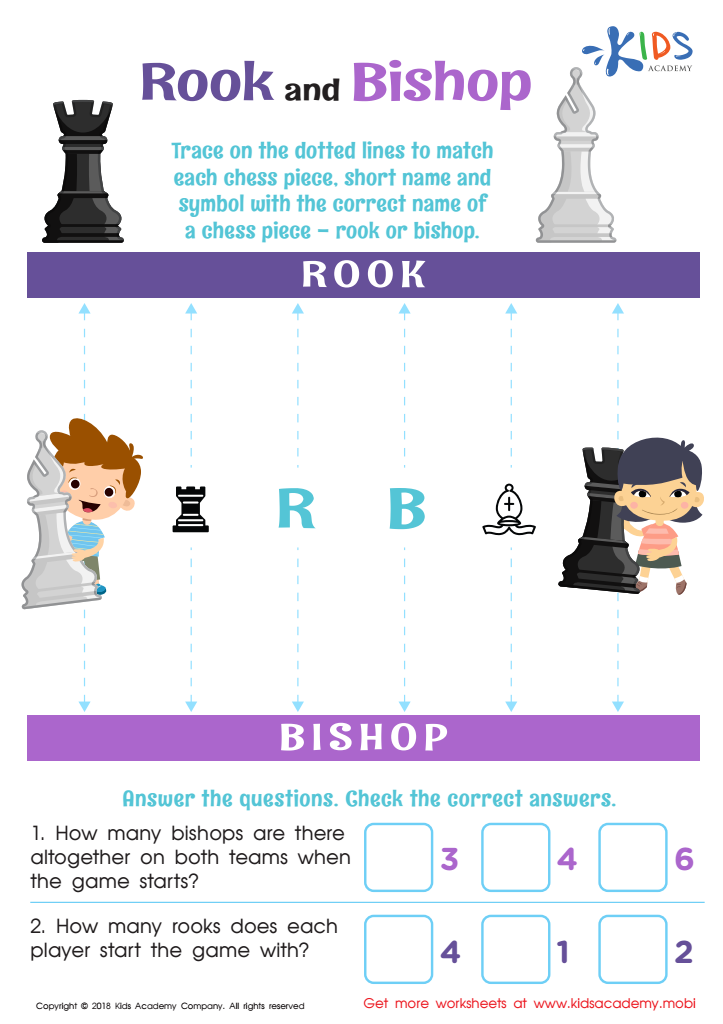
Rook and Bishop Worksheet
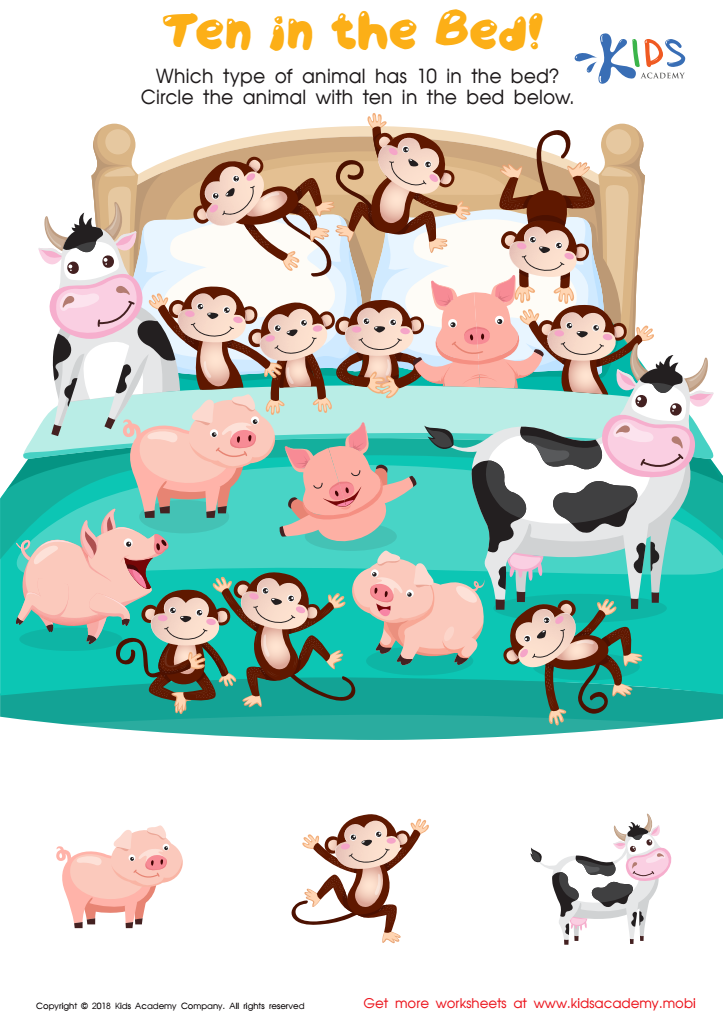
Ten in the Bed Worksheet
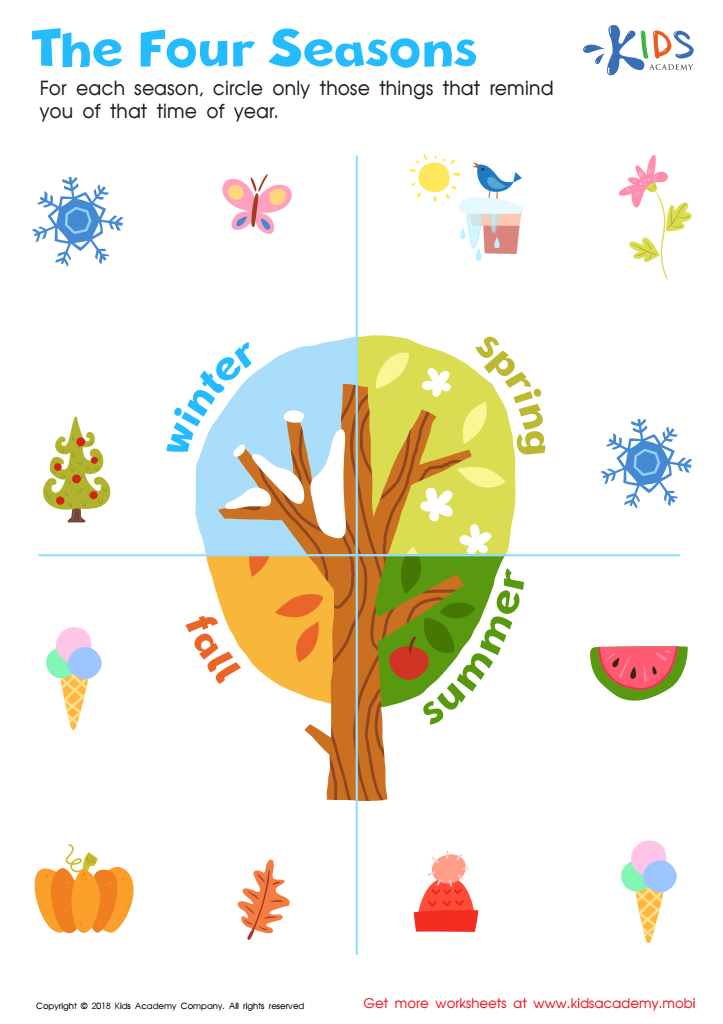
The Four Seasons Worksheet
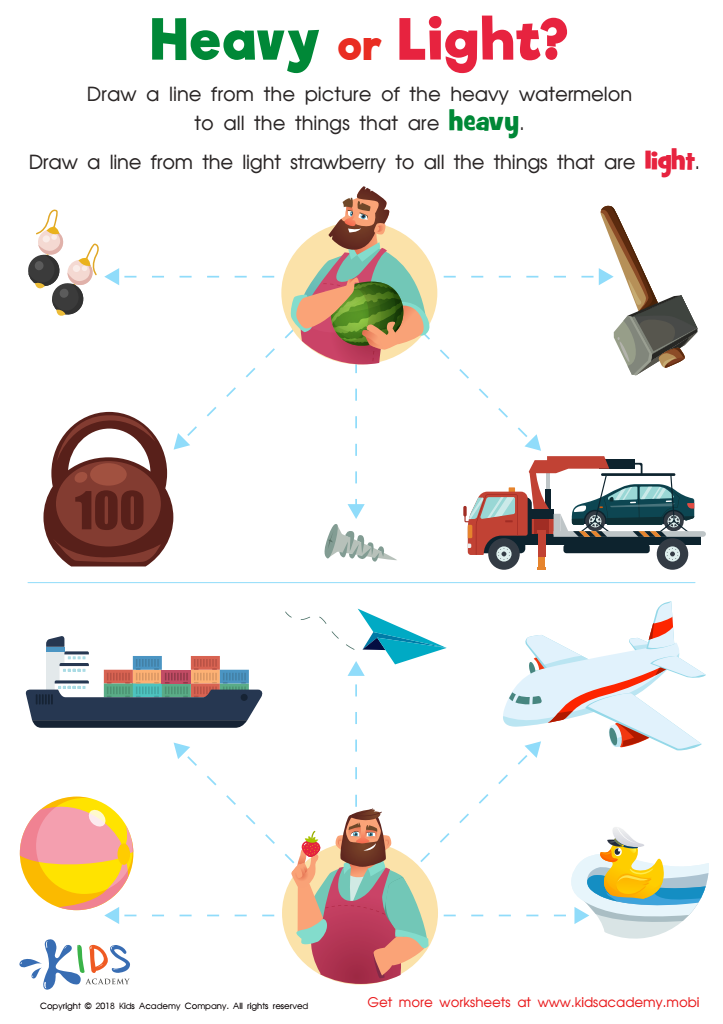
Heavy or Light? Worksheet
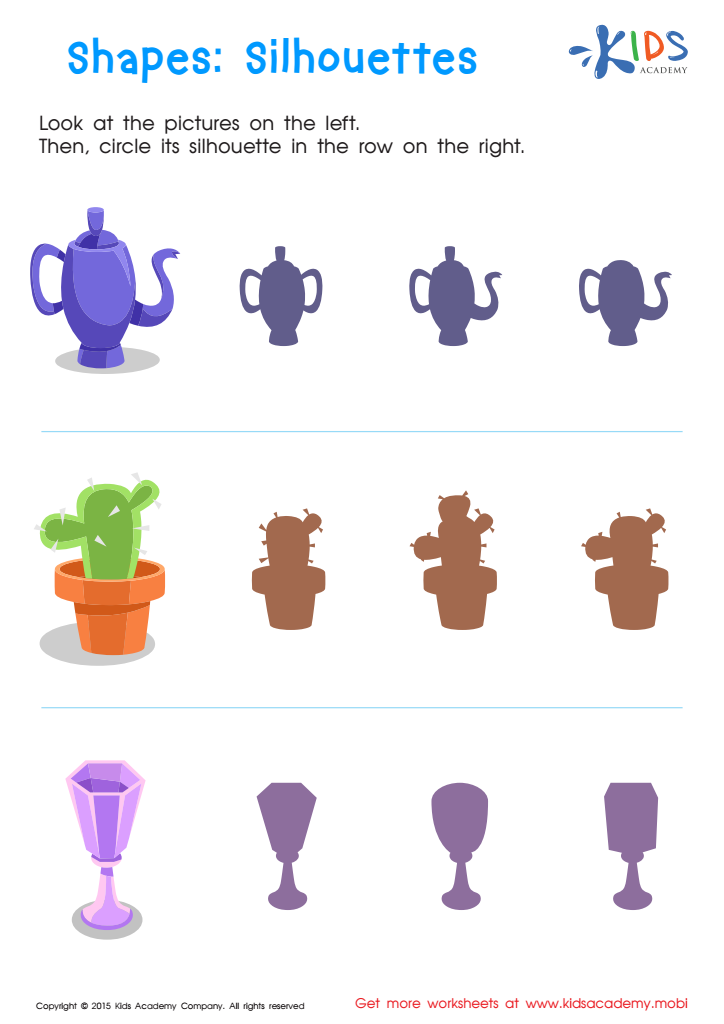
Silhouettes – Shapes Worksheet
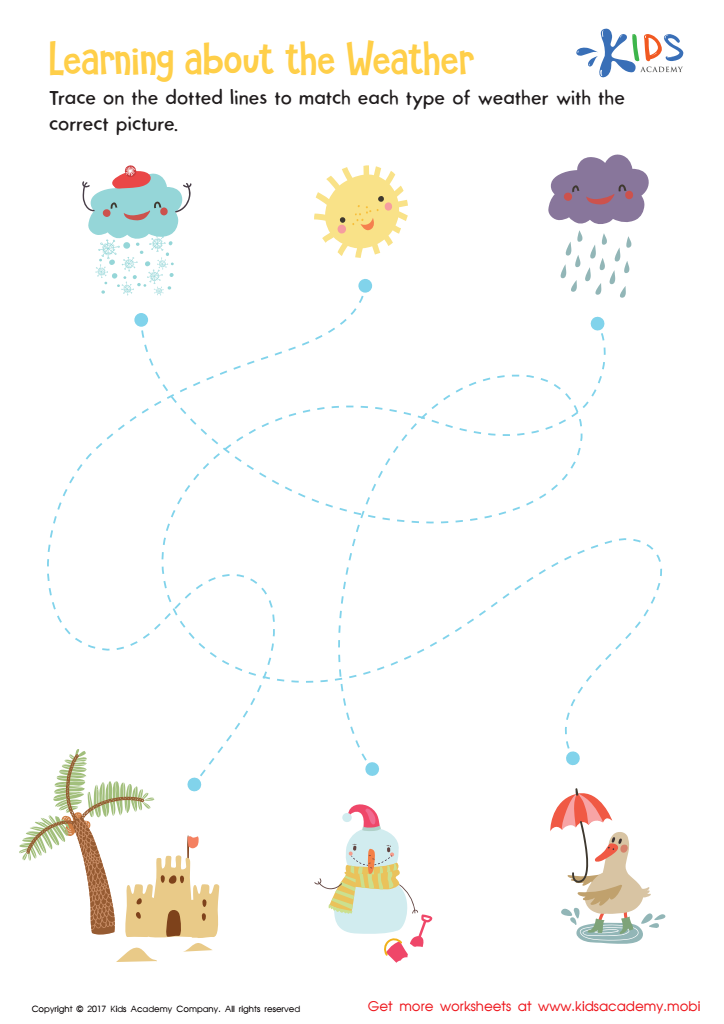
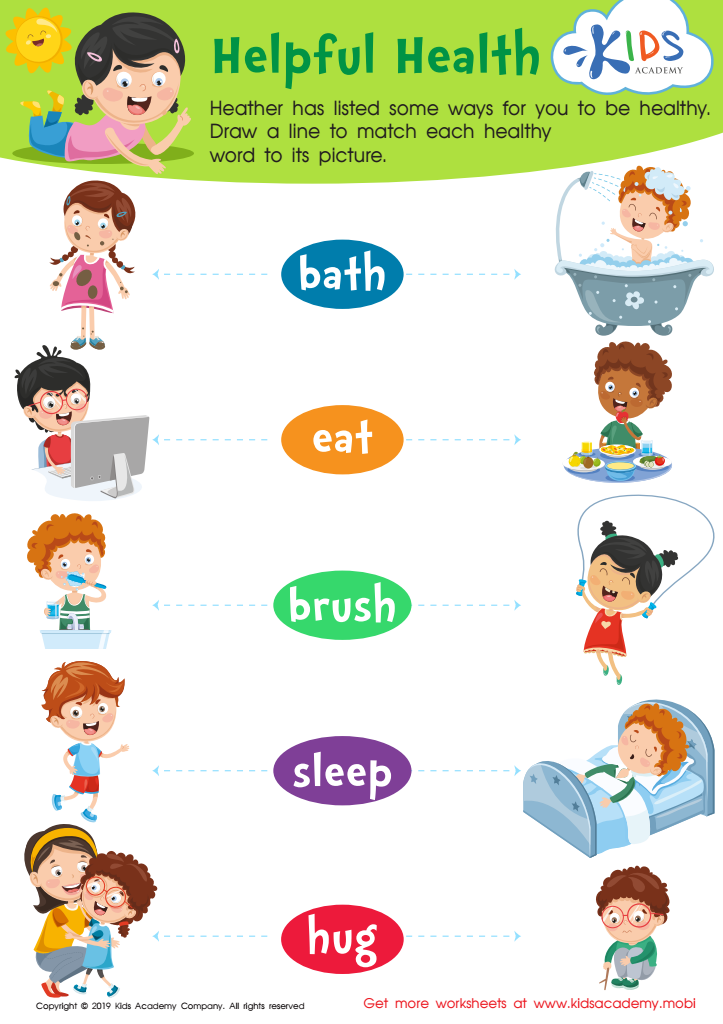
Helpful Health Worksheet
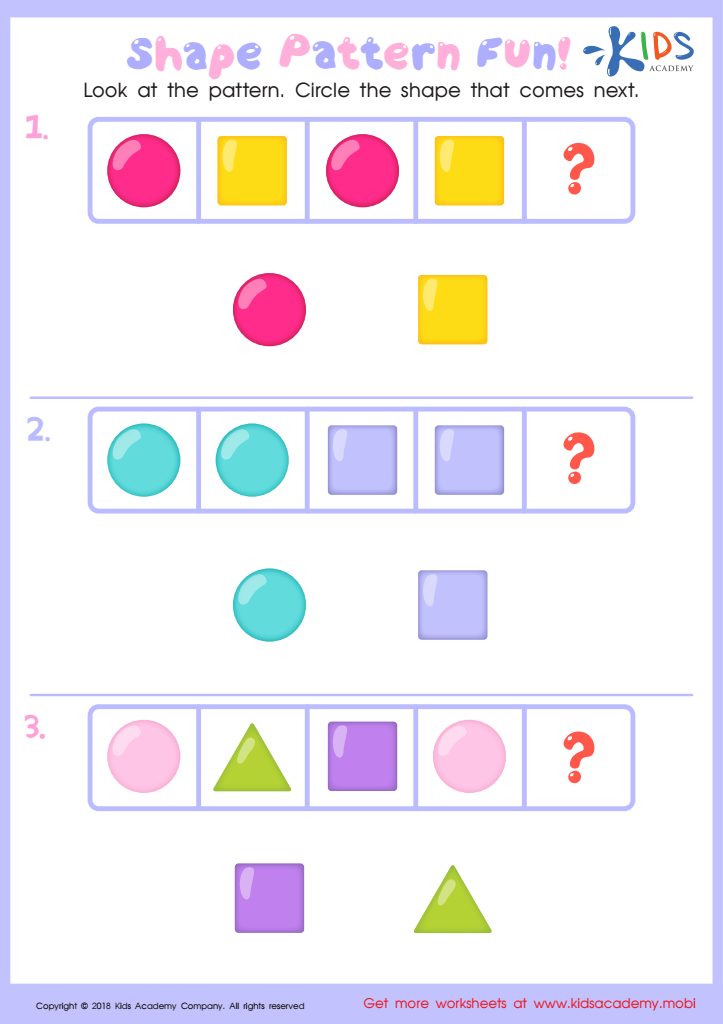
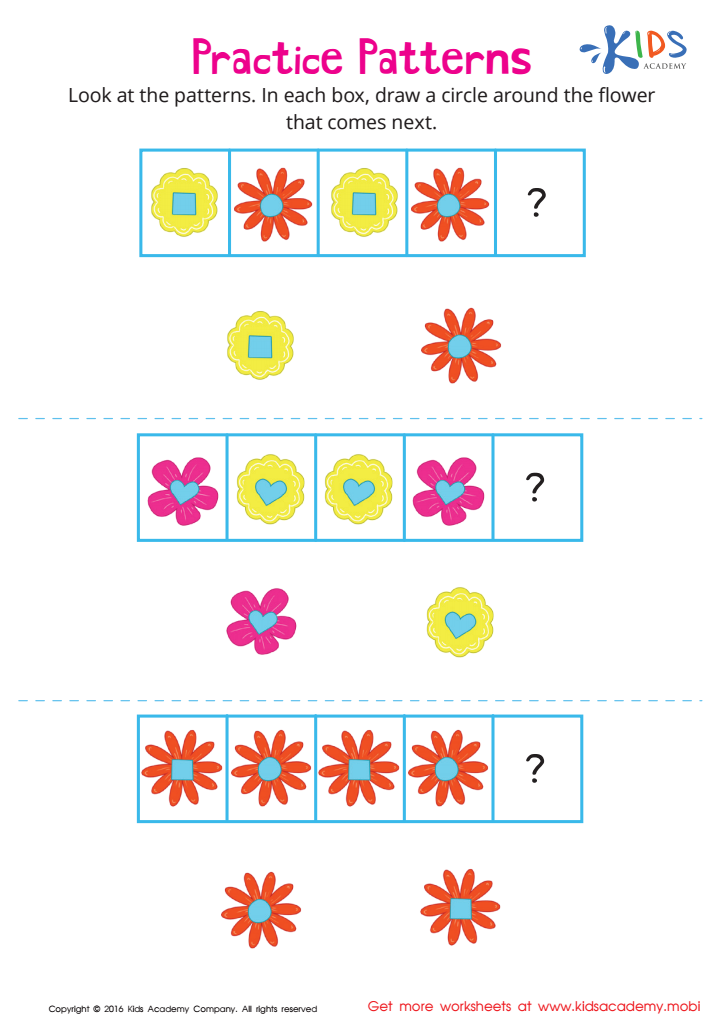
Shape Pattern Fun Worksheet
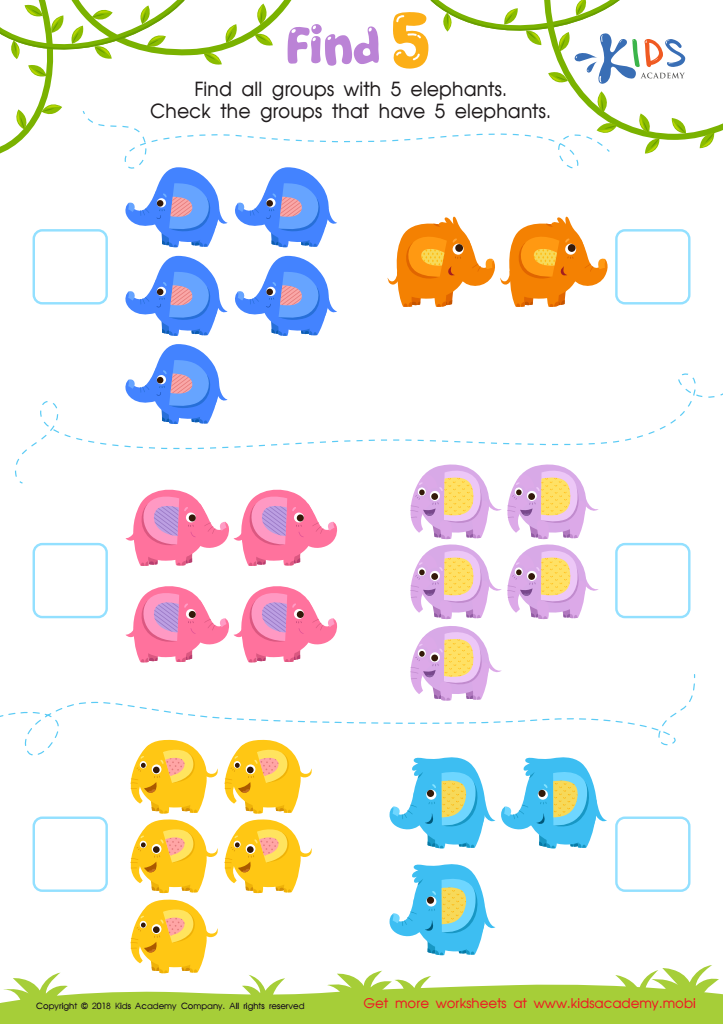
Find 5 Worksheet
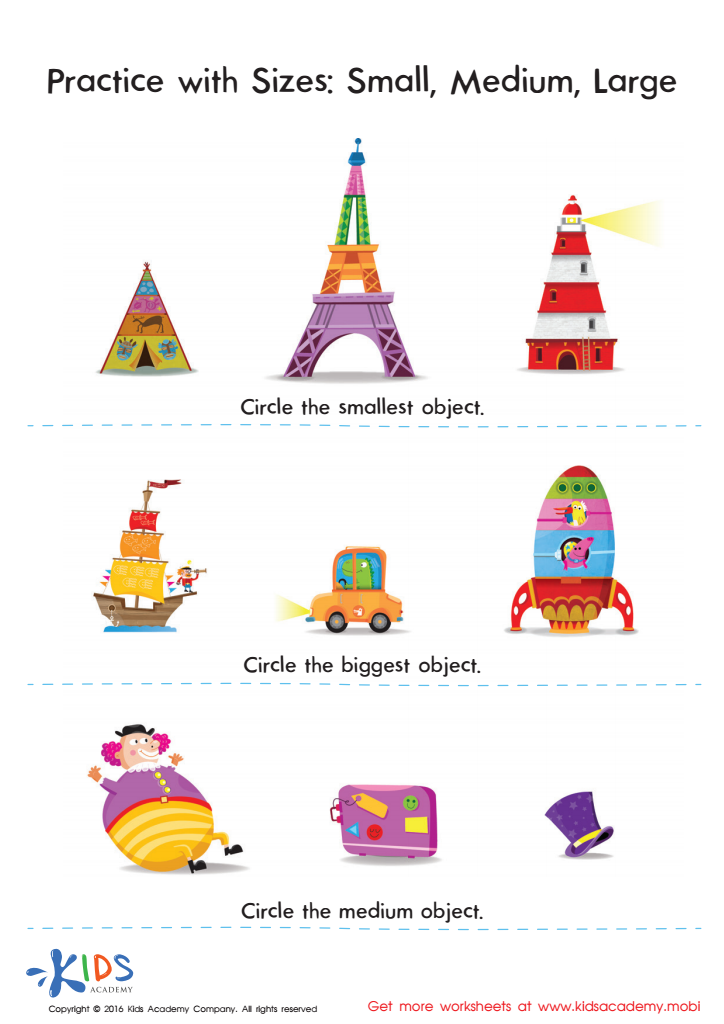




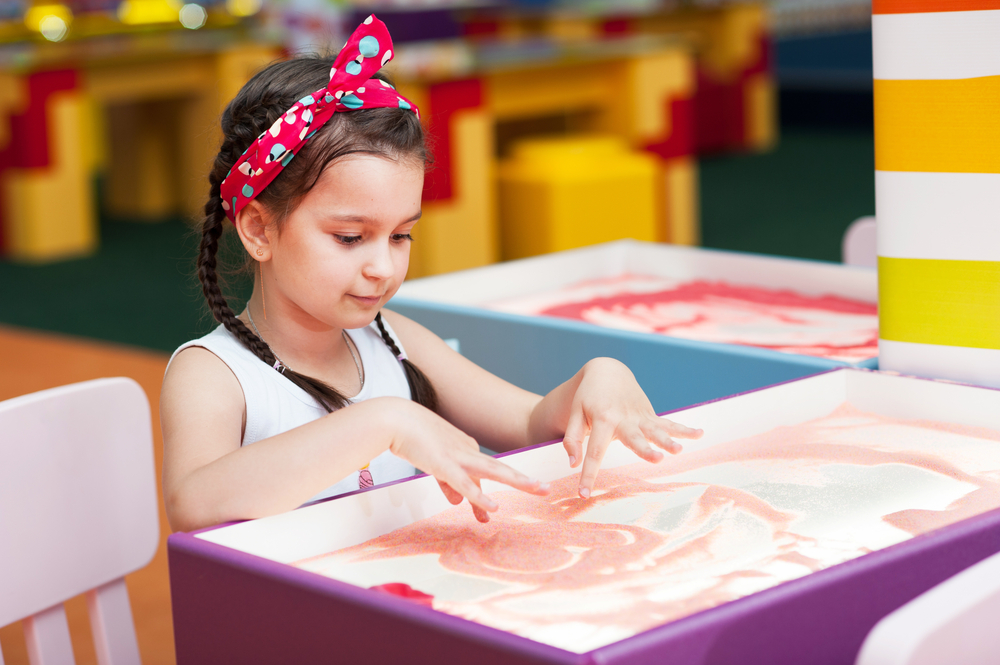



Normal Matching is an essential developmental component for children aged 4-8, as it plays a crucial role in enhancing their cognitive and social skills. This process involves recognizing similarities and differences between objects, which ultimately helps children to categorize and make sense of their environment. Engaging in Normal Matching activities fosters critical thinking and problem-solving abilities, preparing young learners for more complex tasks in later academic years.
For parents and teachers, supporting Normal Matching is vital because it lays the foundation for various learning outcomes. As children practice matching objects, they develop their observational skills, improve focus, and enhance memory retention. Additionally, normal matching encourages cooperation and communication when done in group settings, promoting social interaction and teamwork.
Furthermore, incorporating normal matching activities into everyday learning can create a playful yet intentional approach to education. These activities can be seamlessly integrated into both home and classroom settings, making learning enjoyable and meaningful. Understanding the importance of Normal Matching enables parents and teachers to provide enriching experiences that facilitate holistic development, ultimately contributing to a child's overall success and well-being in school and beyond.