Normal Letter Recognition Worksheets for Ages 4-9 - Page 3
67 filtered results
-
From - To
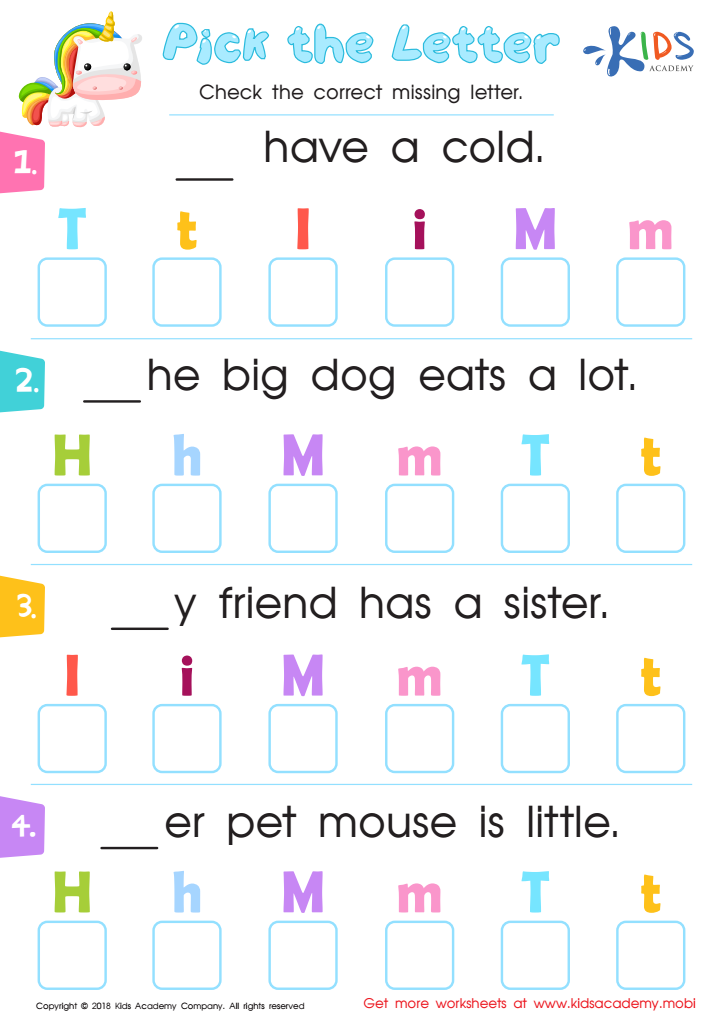
Pick the Letter Worksheet
 Assign to My Students
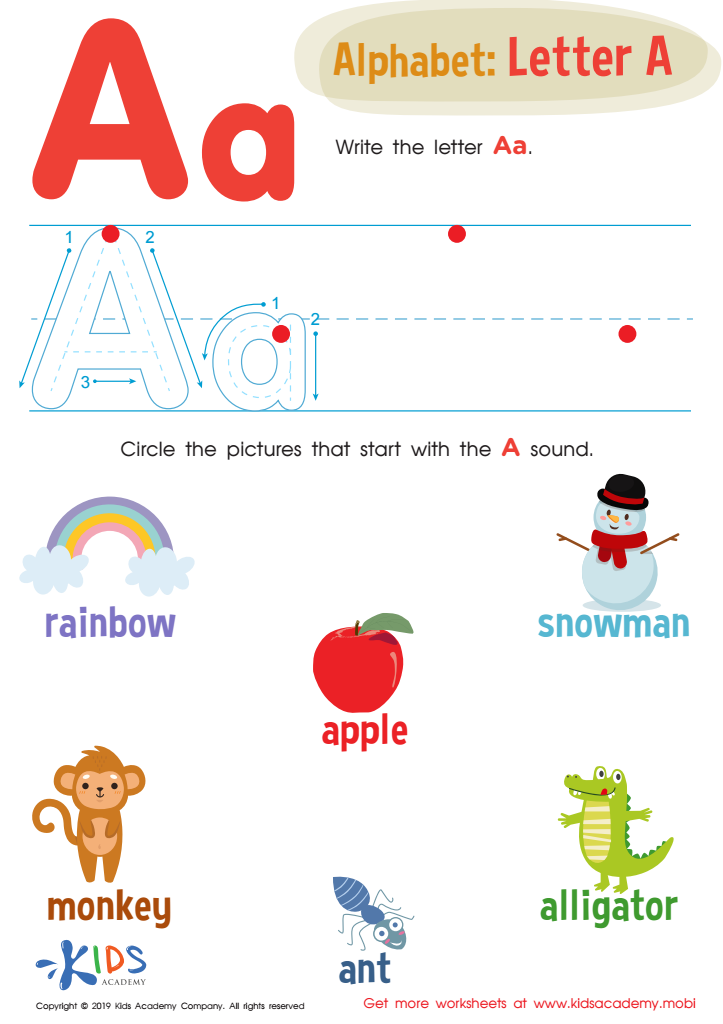
Letter A Tracing Worksheet
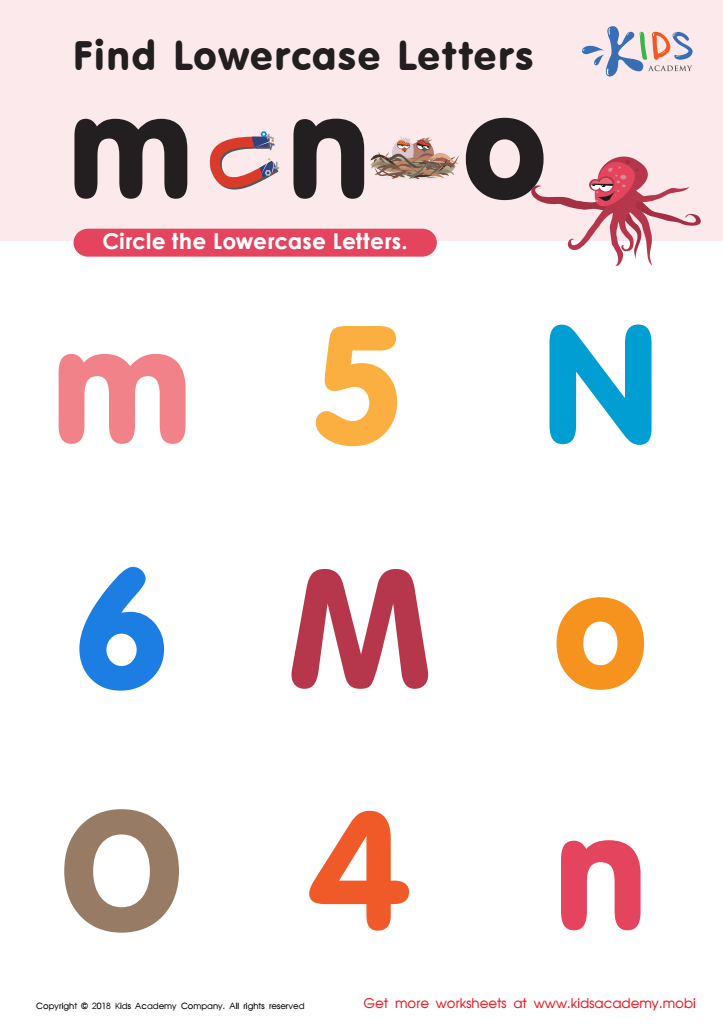
Find Lowercase Letters m n o Worksheet
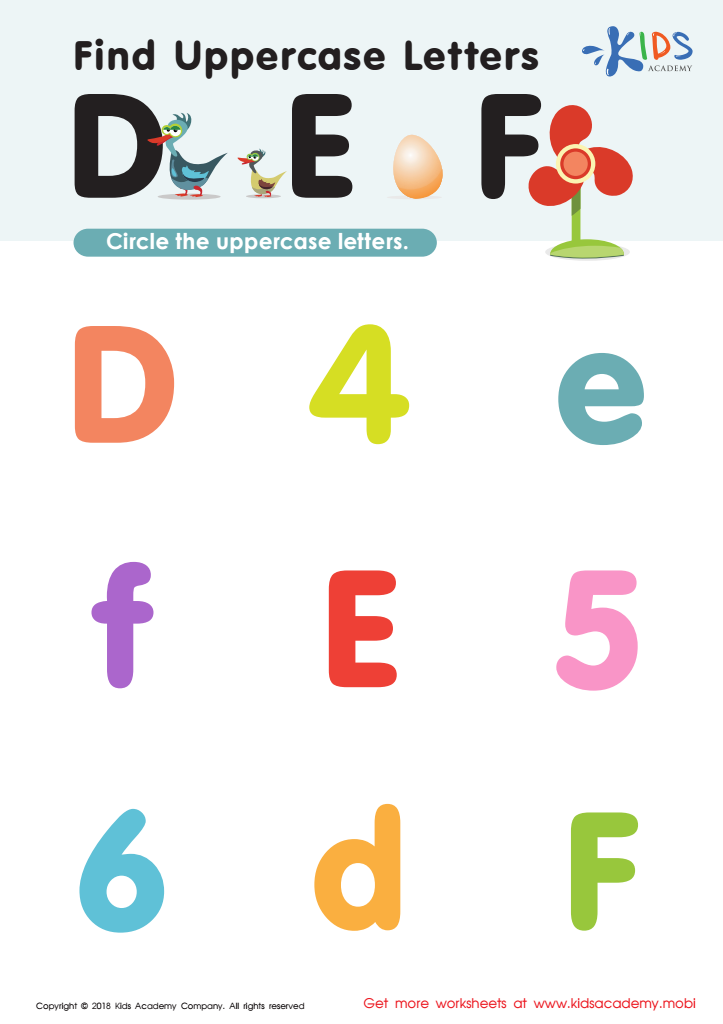
Find Uppercase Letters D, E, and F Worksheet
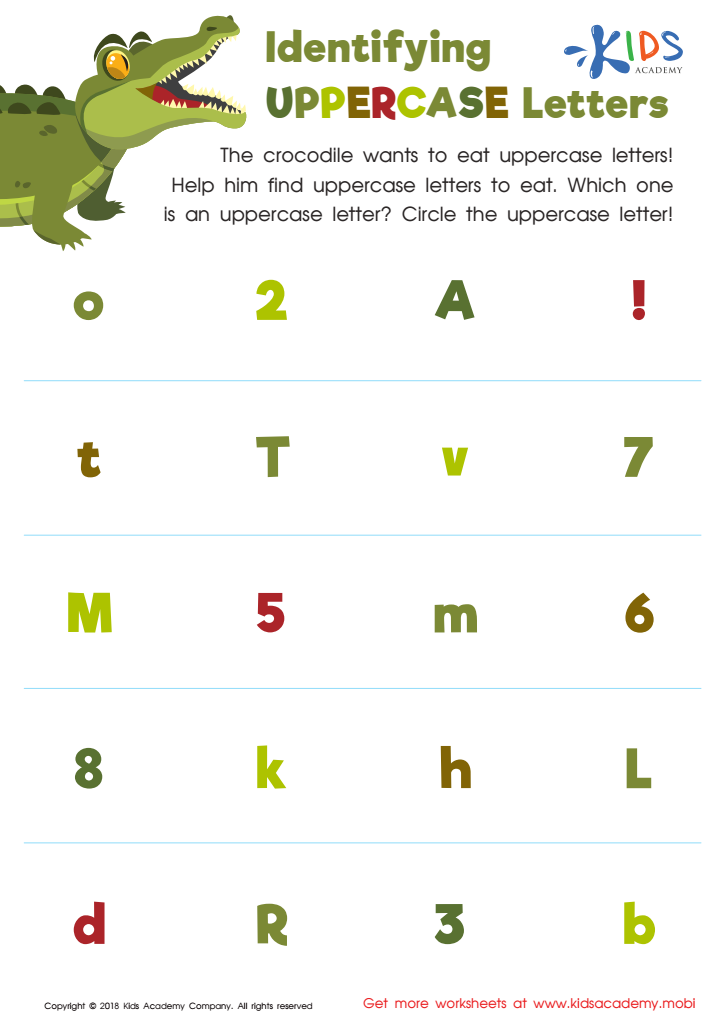
Identifying Uppercase Letters Worksheet
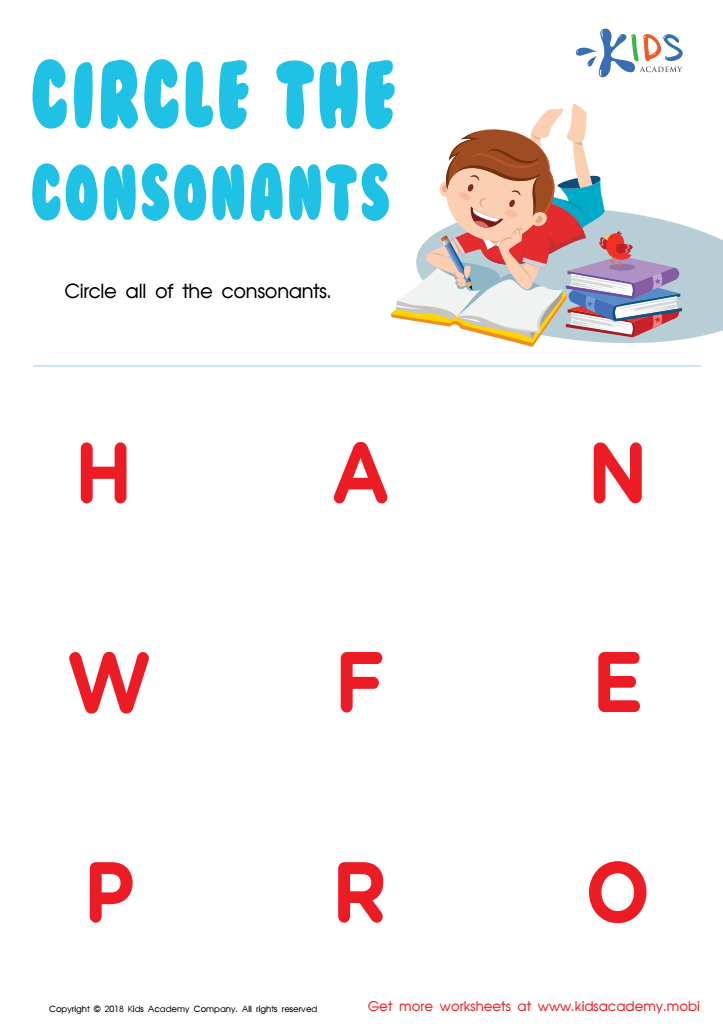
Circle the Consonants Worksheet
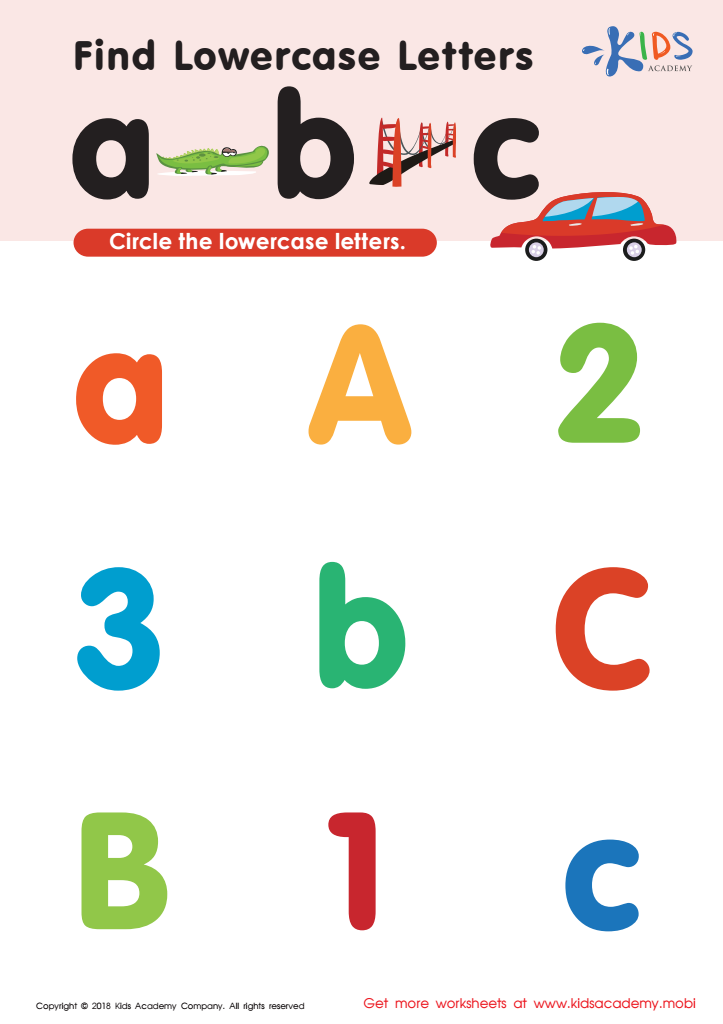
Find lowercase letters a b c Worksheet
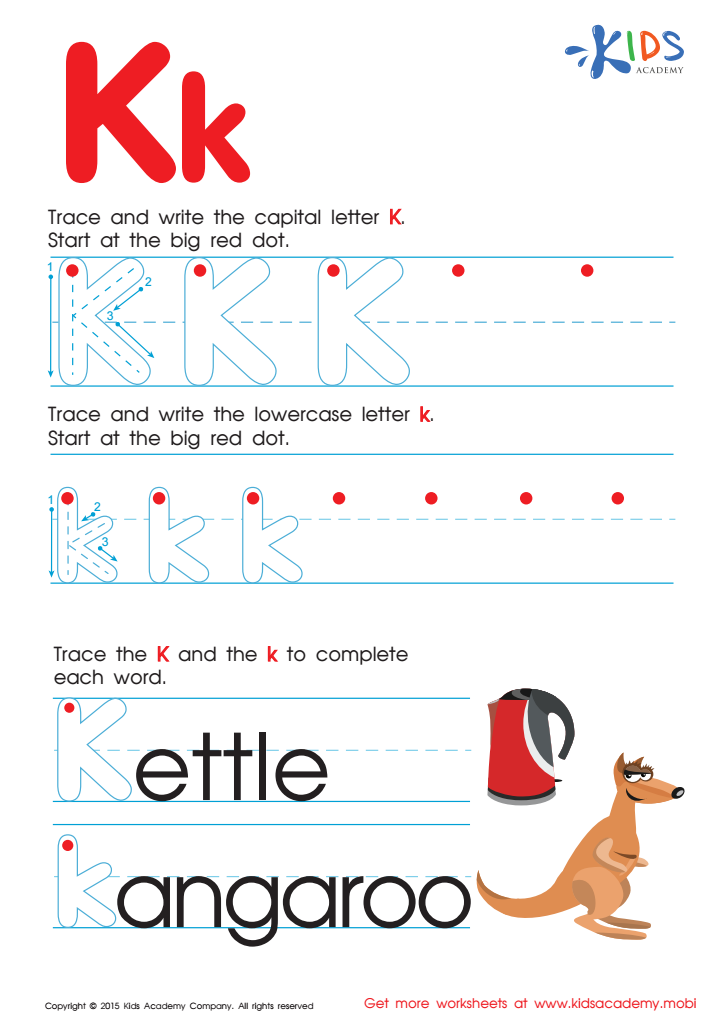
Letter K Tracing Page
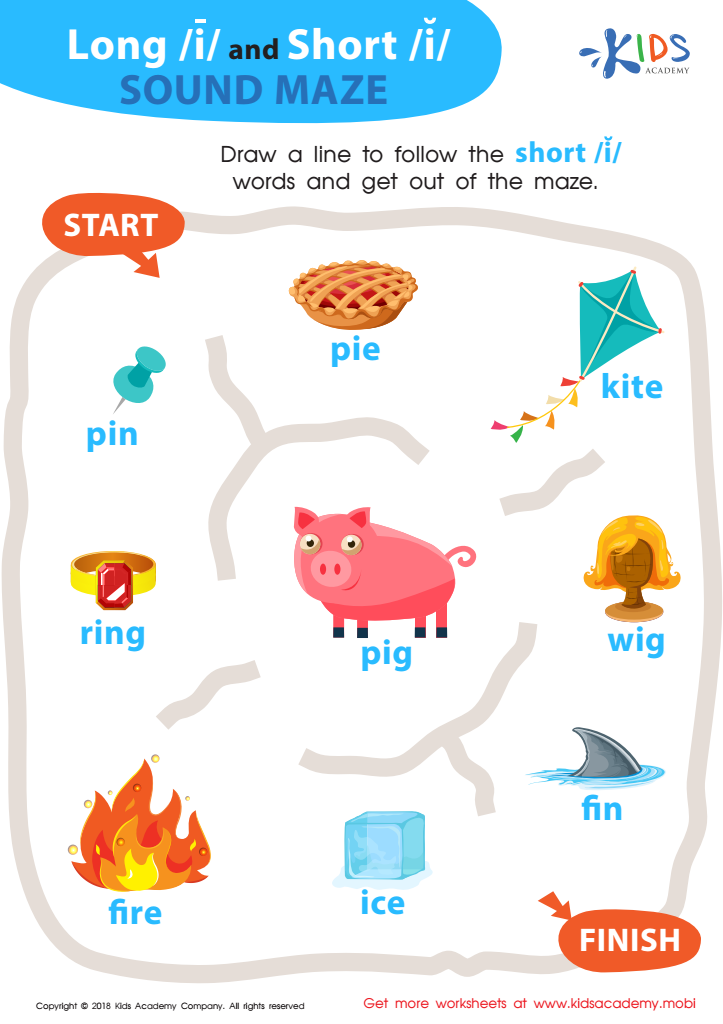
Reading: Long I and Short I Sound Maze Worksheet
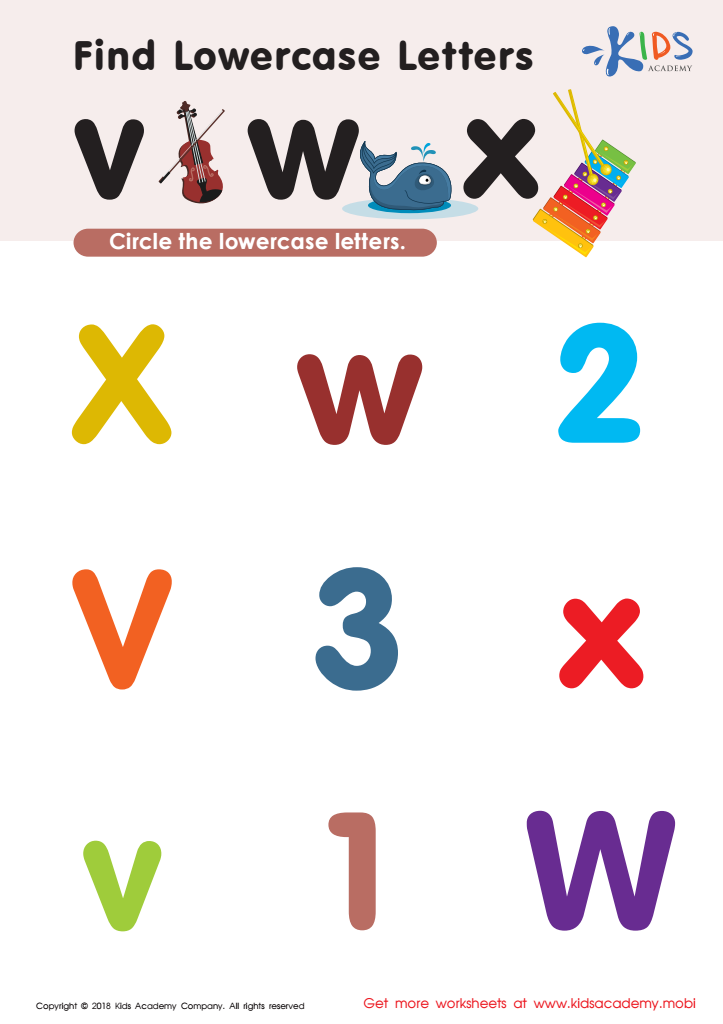
Find Lowercase Letters v w x Worksheet
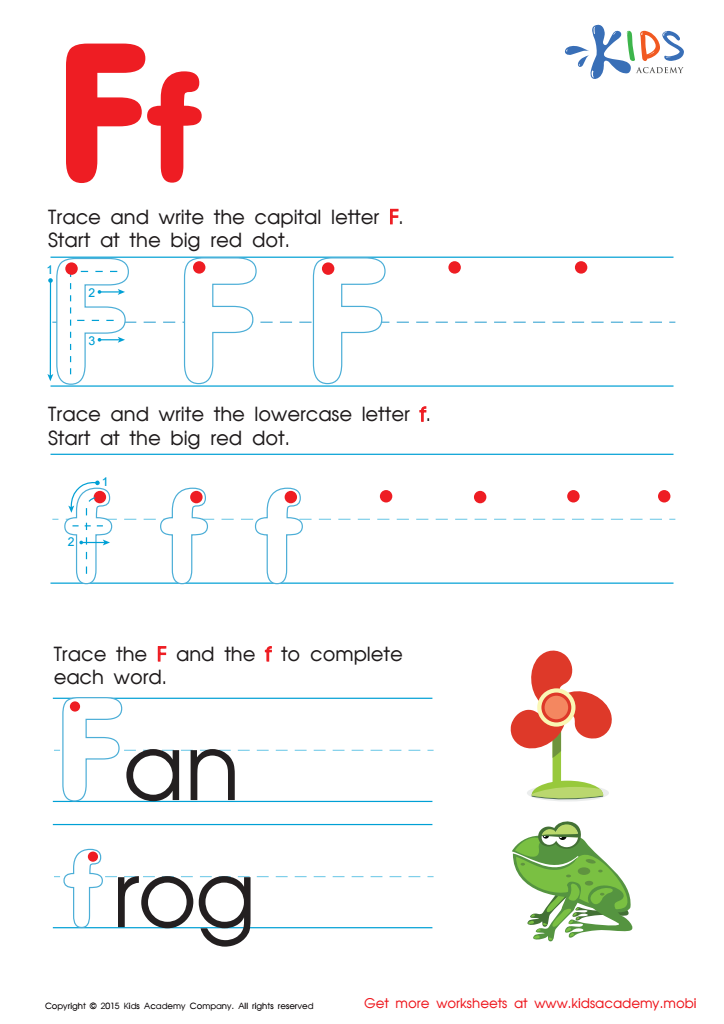
Letter F Tracing Page
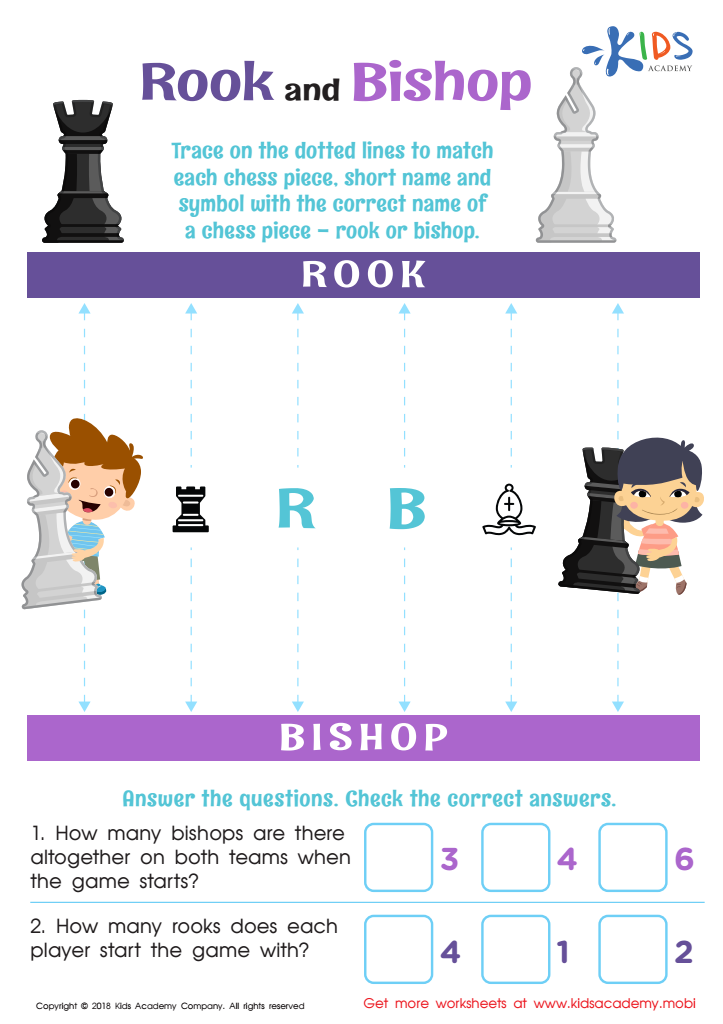
Rook and Bishop Worksheet
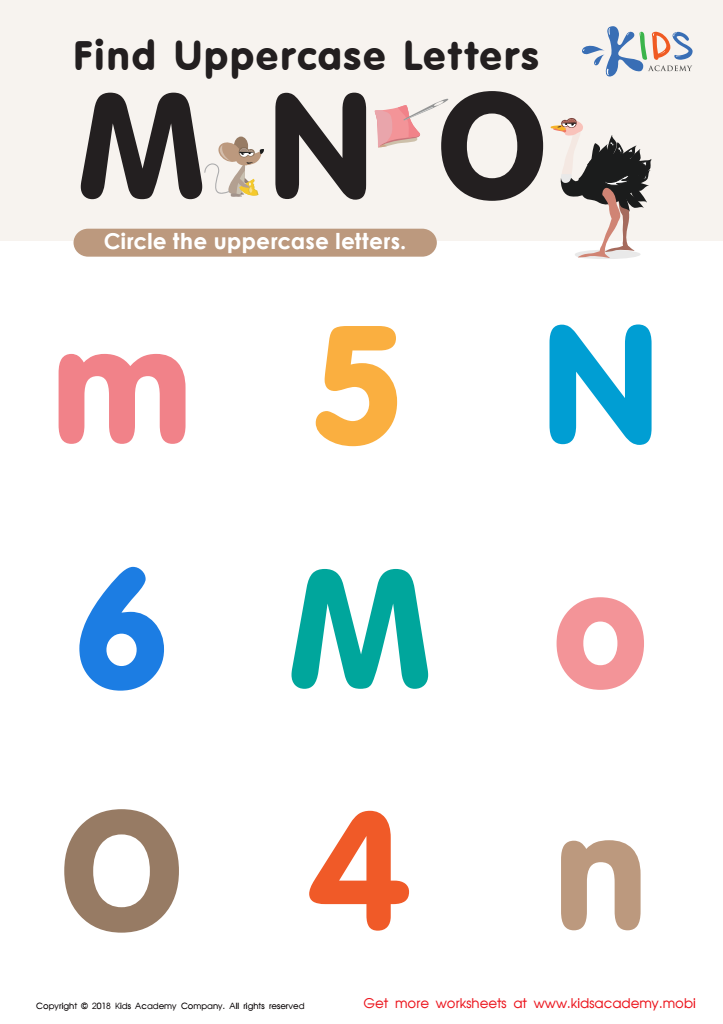
Find Uppercase Letters M, N, and O Worksheet
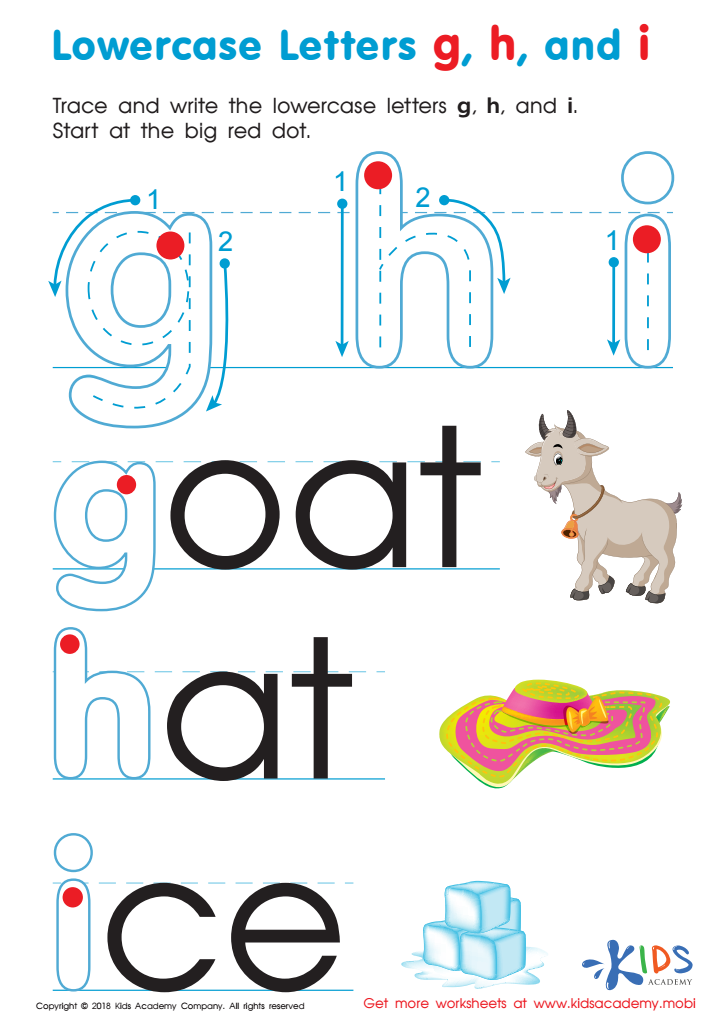
Lowercase Letters g h i Worksheet
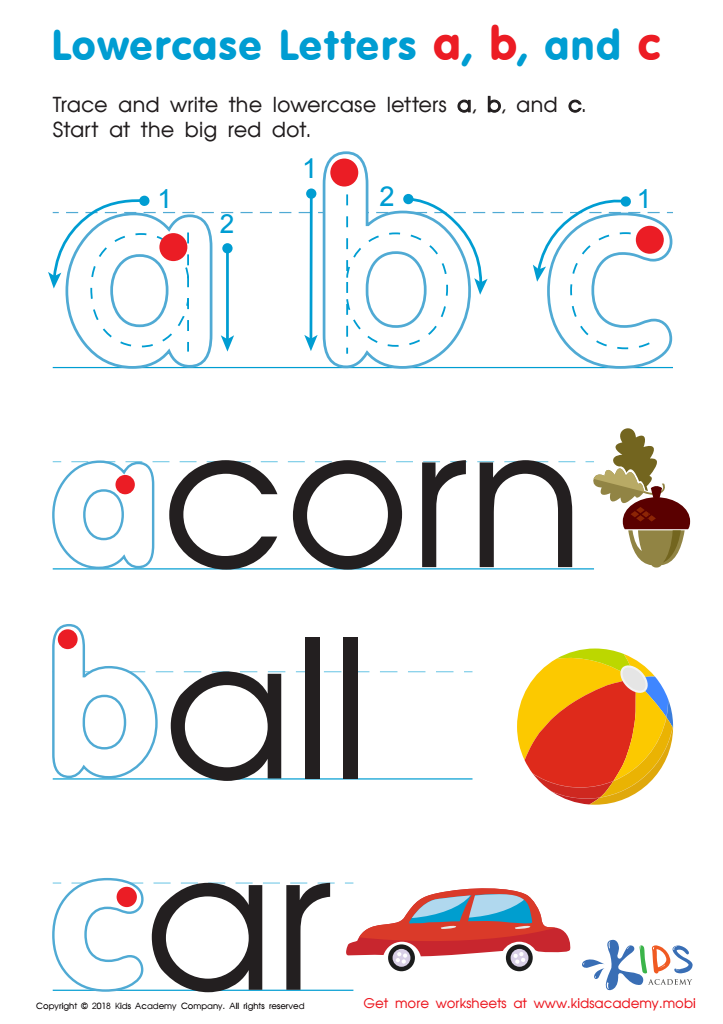
Lowercase Letters a b c Worksheet
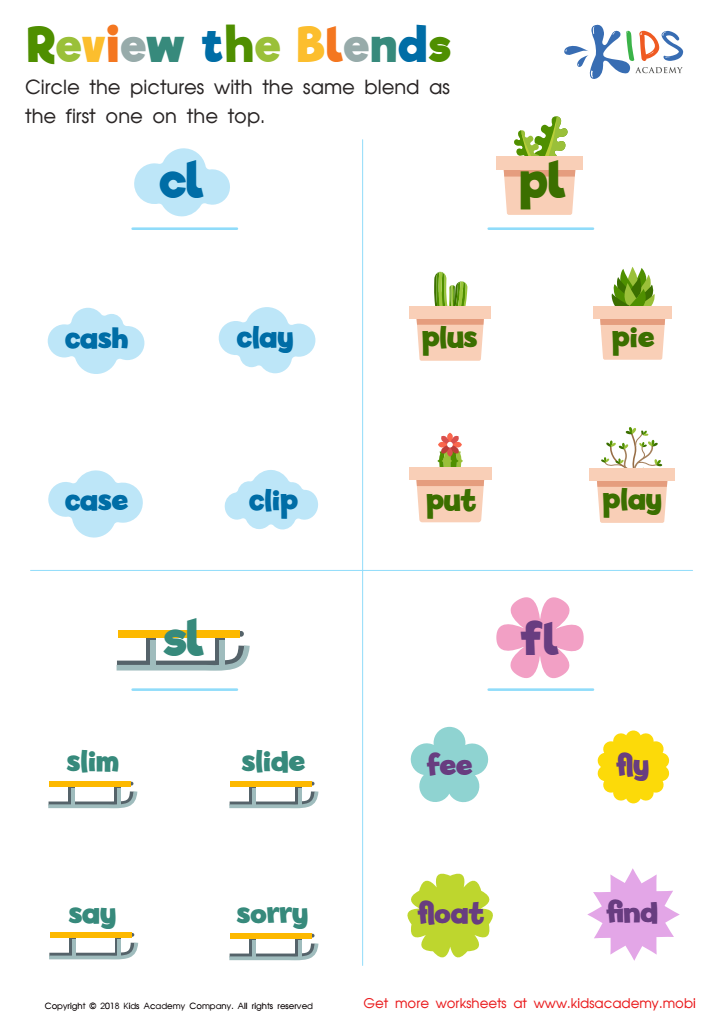
Review the Blends Worksheet

Letter D Tracing Page
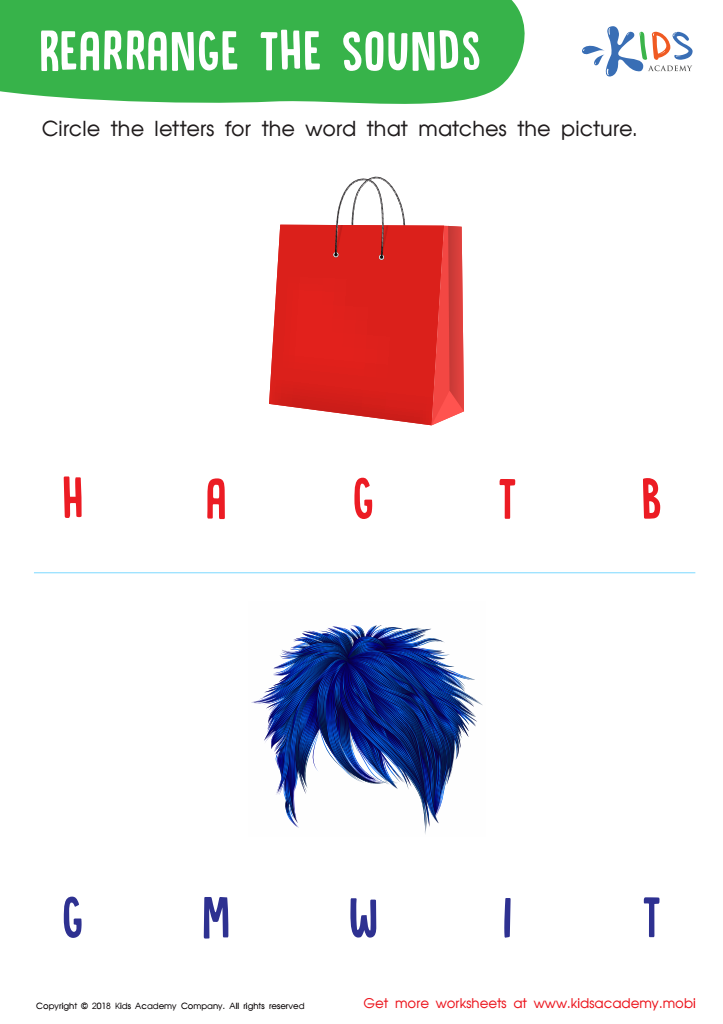
Rearrange the Sounds Worksheet
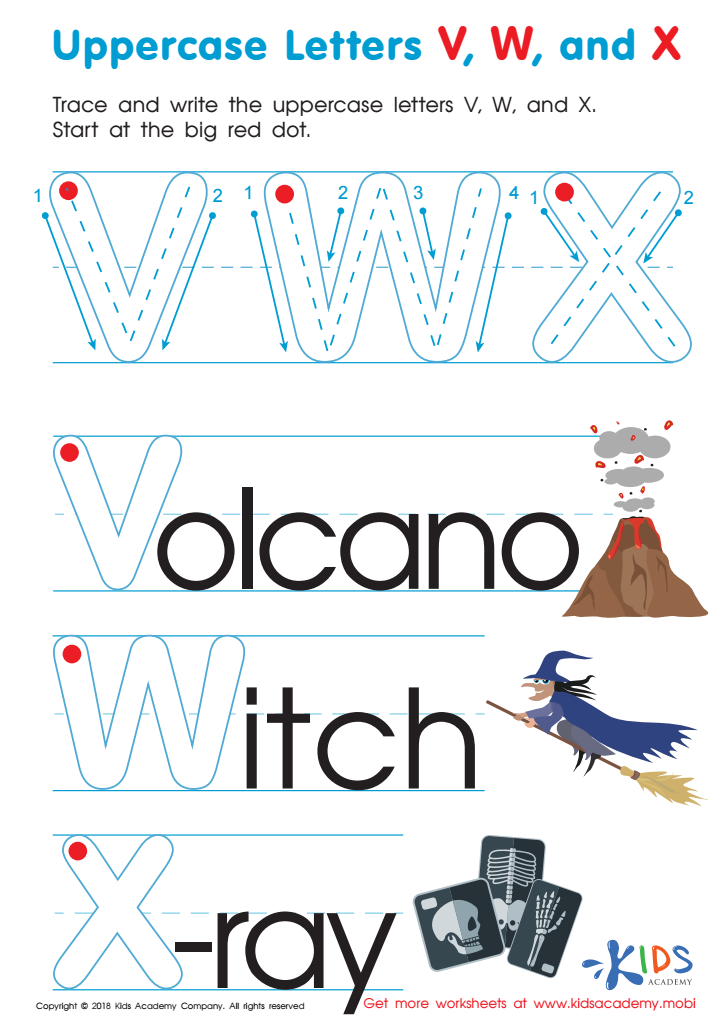
Uppercase Letters V, W, and X Worksheet








Normal letter recognition is a fundamental skill for children aged 4-9, serving as the cornerstone for literacy development. For parents and teachers, understanding the significance of this milestone is crucial to fostering a child's reading and writing abilities. Letter recognition enables children to decipher and understand written language, an essential skill for effective communication.
When children can recognize letters, they gain confidence in their ability to read words and sentences, which promotes a love for literacy. Early recognition positively impacts vocabulary expansion, phonetic awareness, and ultimately comprehension skills. Engaging in activities that enhance letter recognition—like reading together, playing alphabet games, or using visual aids—creates a fun and interactive learning environment.
Moreover, early letter recognition supports brain development, as it promotes cognitive skills like memory, visual discrimination, and critical thinking. When parents and teachers actively prioritize this skill, they are setting a strong foundation for future academic success and preventing gaps in learning that could hinder progress later on.
By nurturing normal letter recognition in young children, caregivers contribute not only to their educational journey but also aid in developing essential communication skills that will benefit them throughout life.








