Normal Long And Short Vowel Worksheets for Ages 4-9
18 filtered results
-
From - To
Discover engaging Normal Long and Short Vowel Worksheets designed specifically for children ages 4-9. These printable activities are perfect for building foundational phonics skills, helping kids differentiate between long and short vowel sounds. Each worksheet offers fun, interactive exercises that include matching, coloring, and complete-the-word challenges. Created by experienced educators, these worksheets support early readers in mastering vowel sounds and improving their reading fluency. Whether used at home or in a classroom, our worksheets provide a valuable tool to ensure young learners succeed on their journey to reading proficiency. Explore and download now to enhance your child’s learning experience!
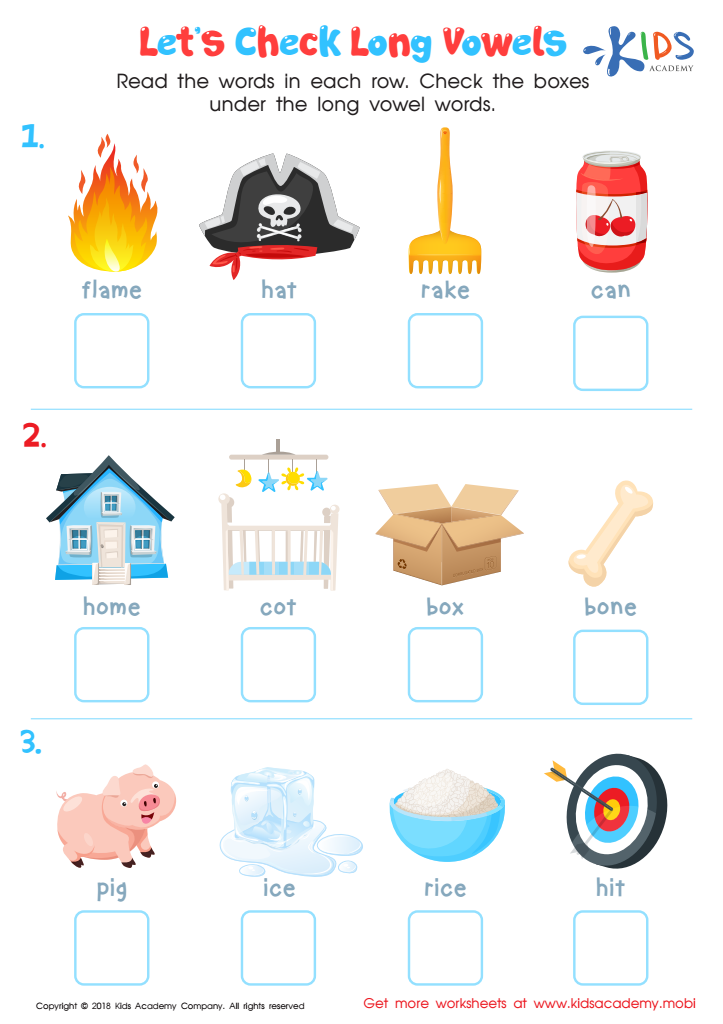
Let's Check Long Vowels: Assessment Worksheet
 Assign to My Students
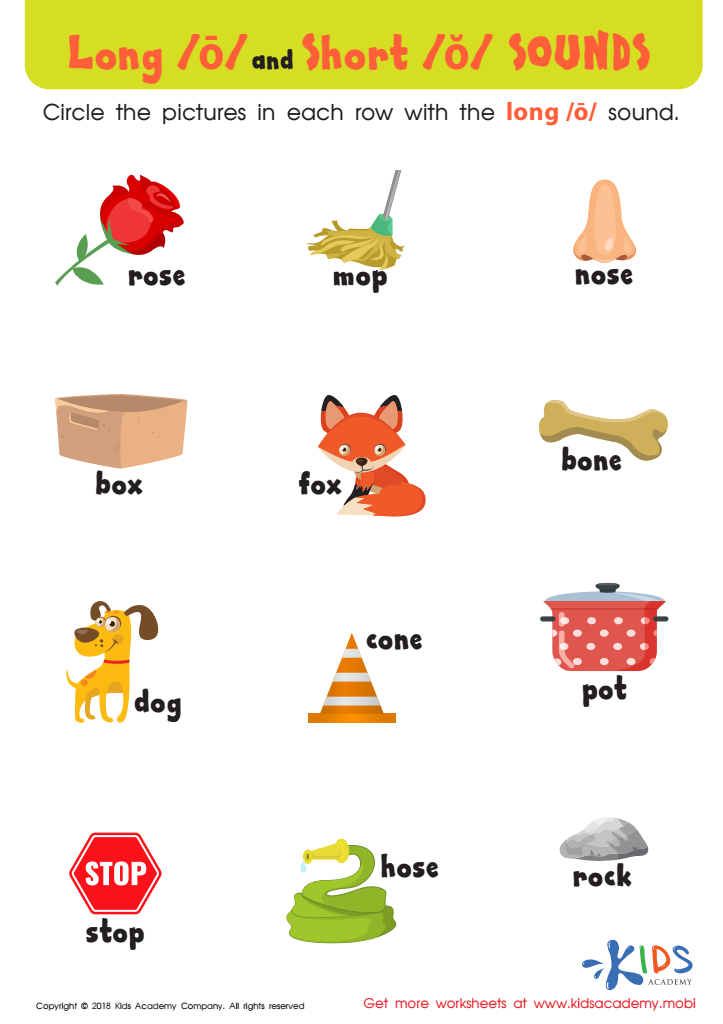
Reading: Long O and Short O Sounds Worksheet
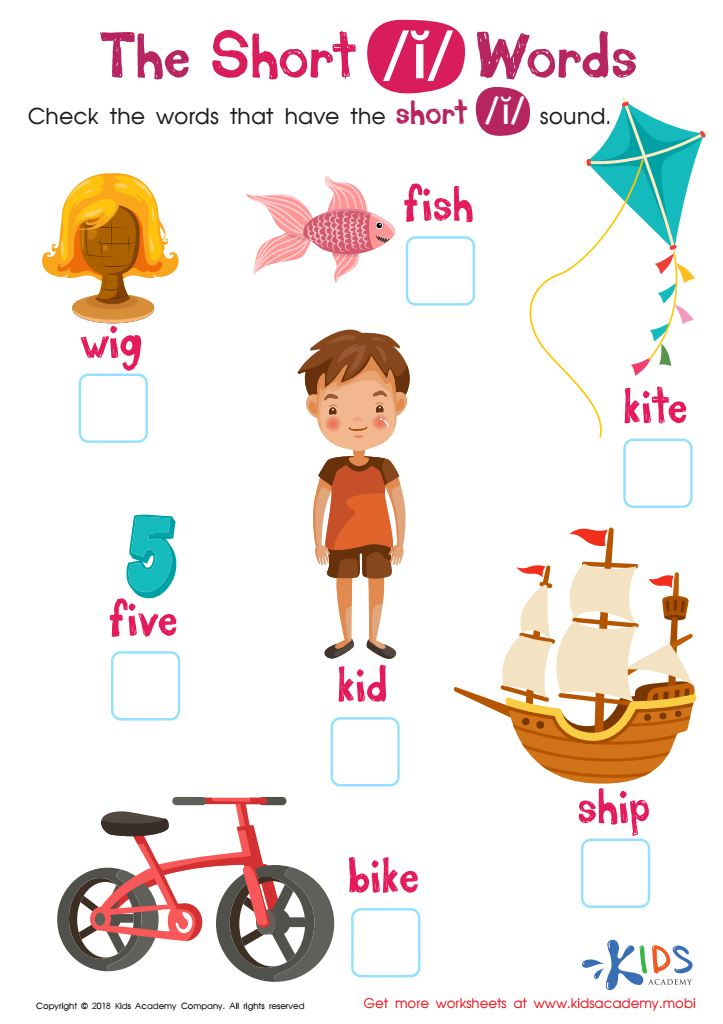
The Short I Words Reading Worksheet
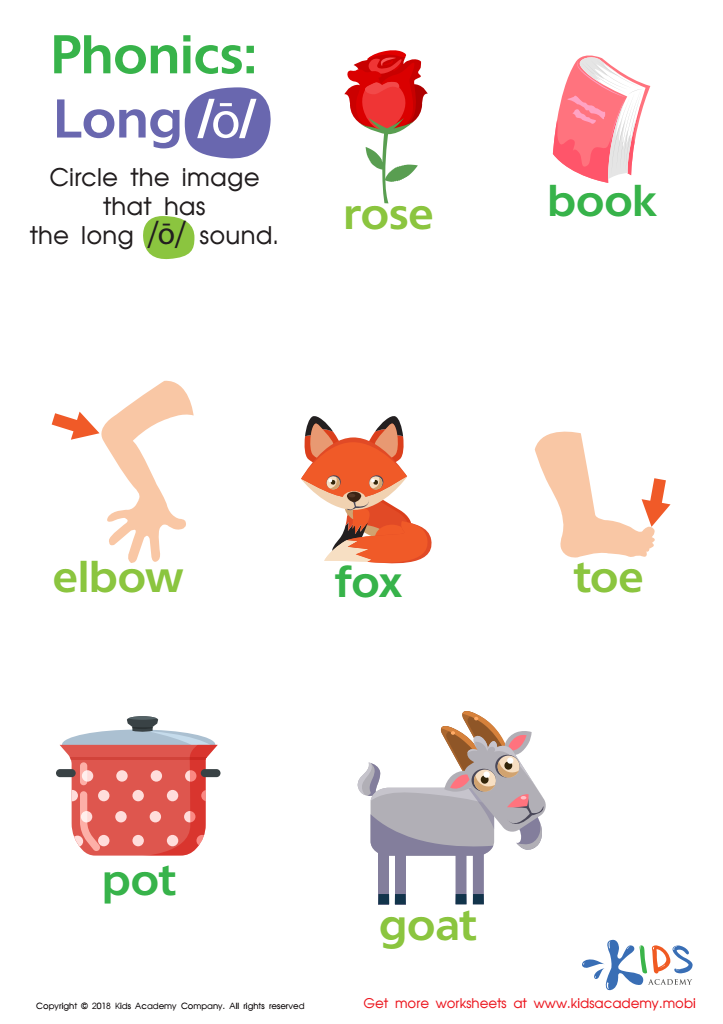
Phonics Long O Reading Worksheet
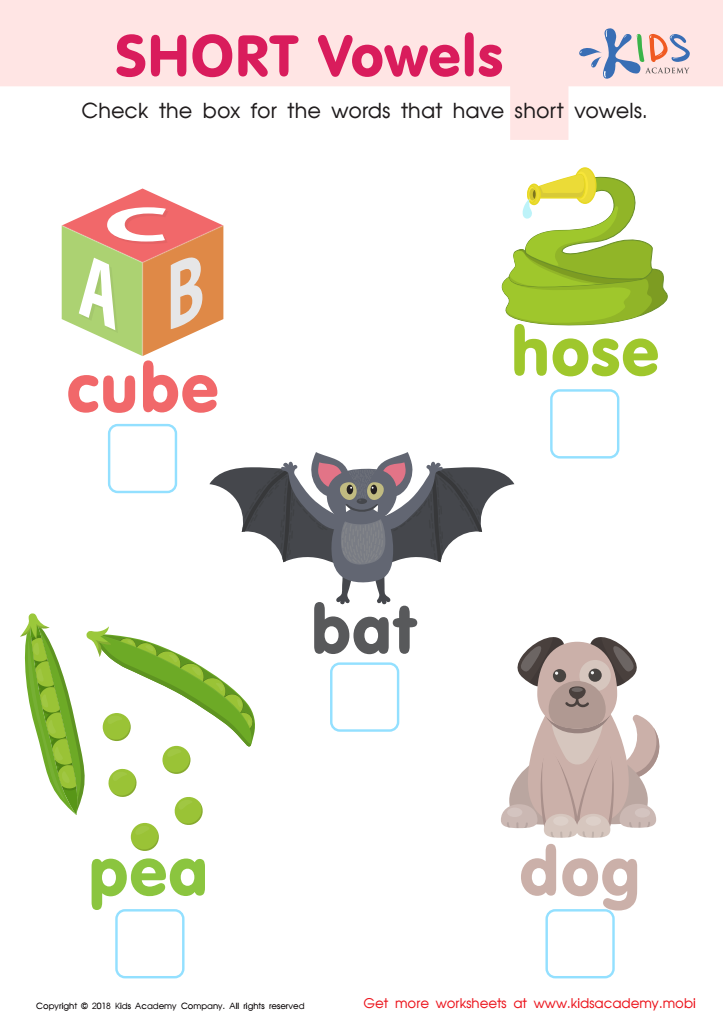
short vowels Worksheet
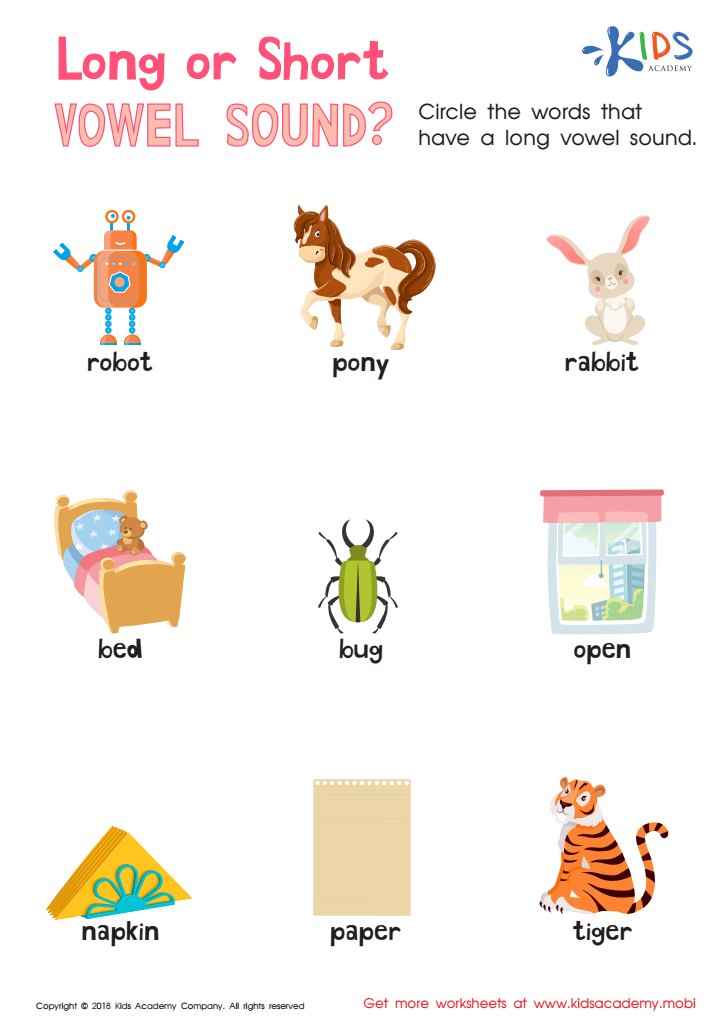
Long or Short Vowel Sound? Worksheet
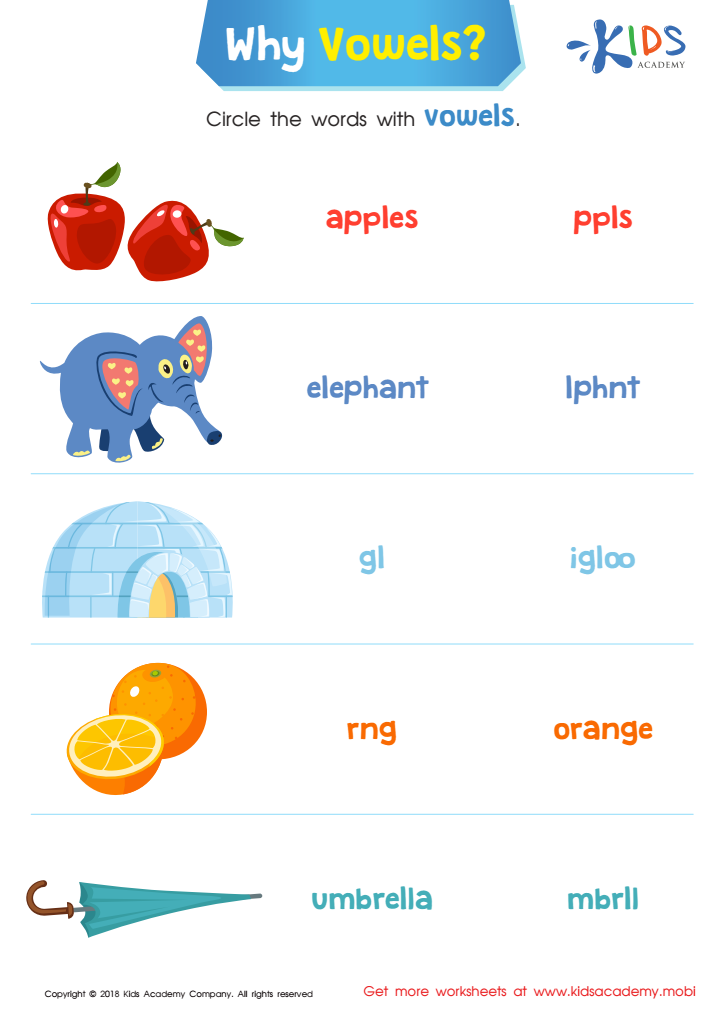
Why Vowels? Reading Worksheet
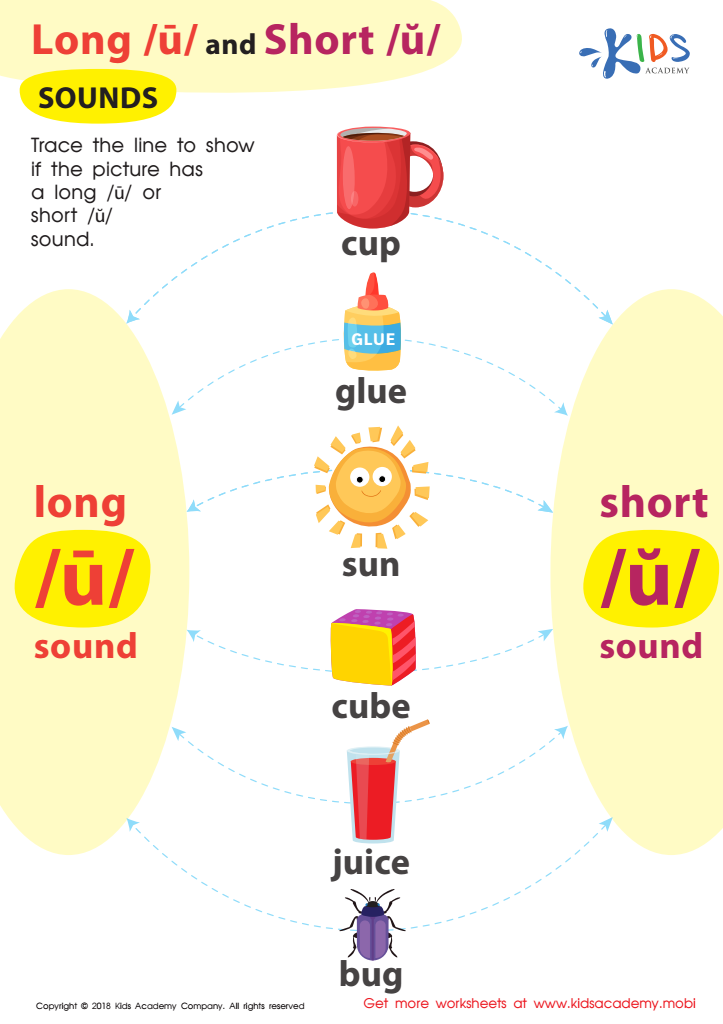
Reading: Long U and Short U Sounds Worksheet
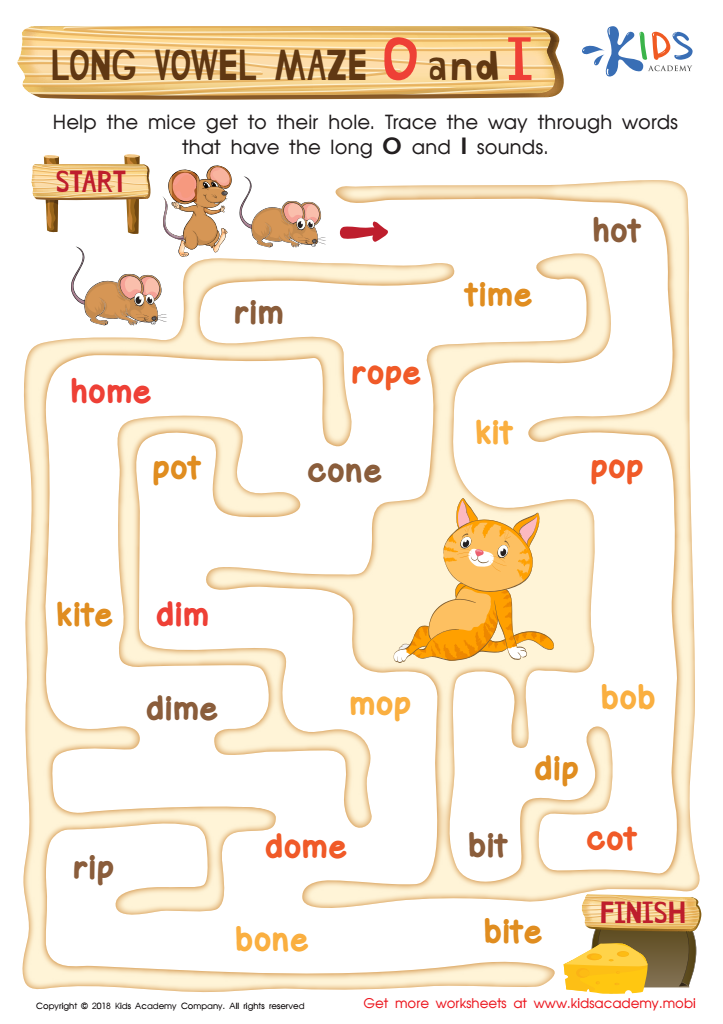
Long Vowel Maze /o/ and /i/ Worksheet
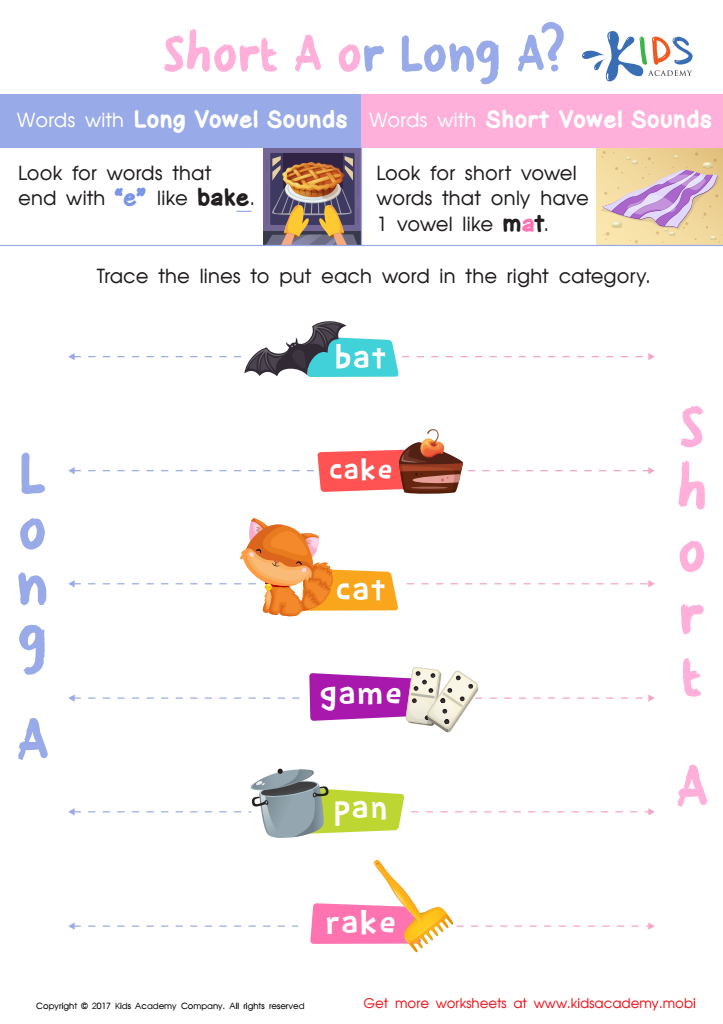
Short /a/ or Long /a/? Worksheet
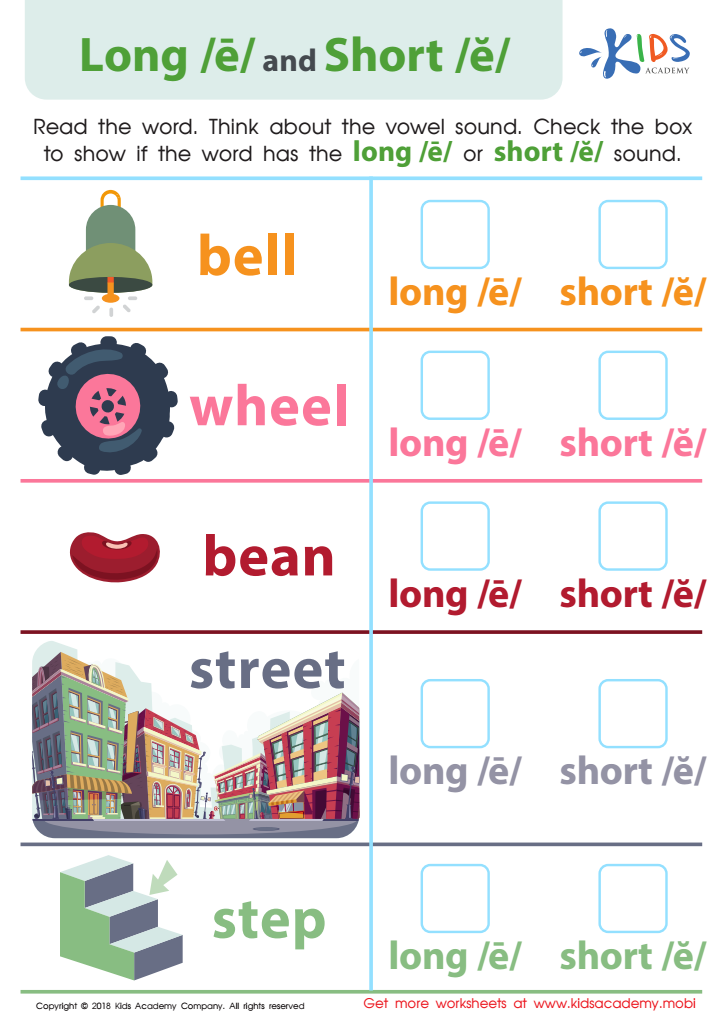
Reading: Long E and Short E Worksheet
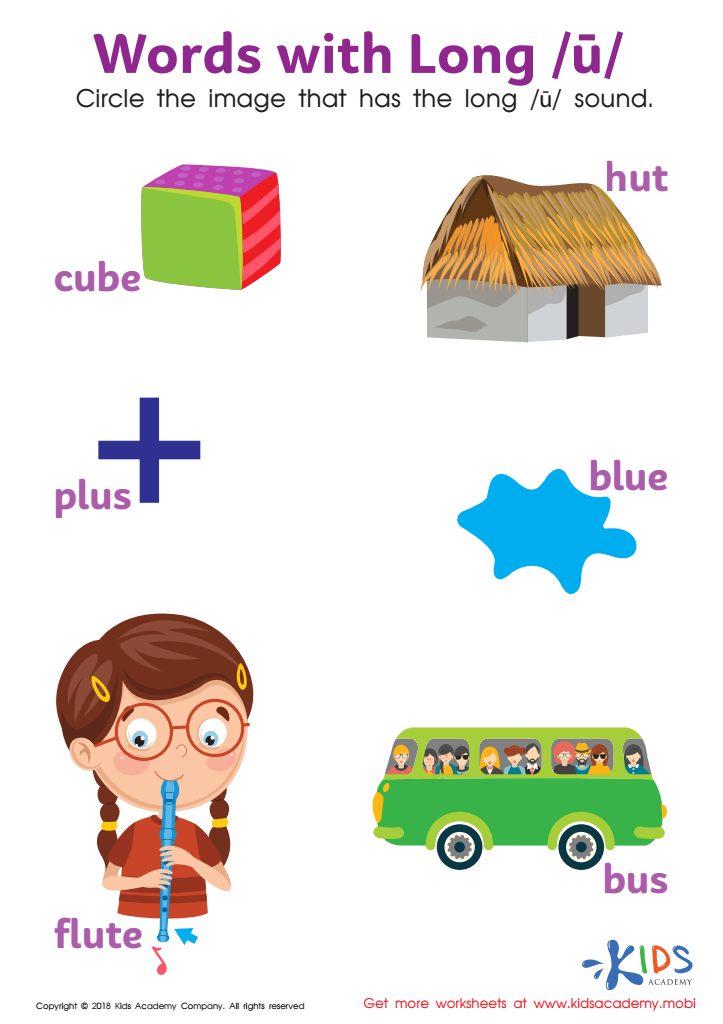
Words with Long U Reading Worksheet
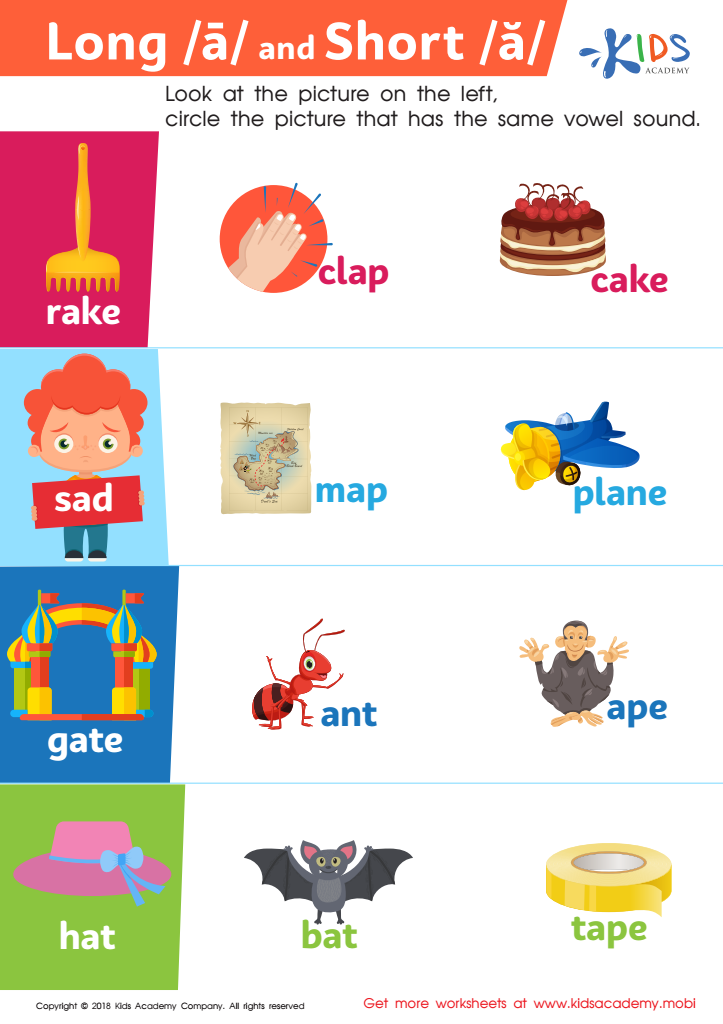
Reading: Long a and Short a Worksheet
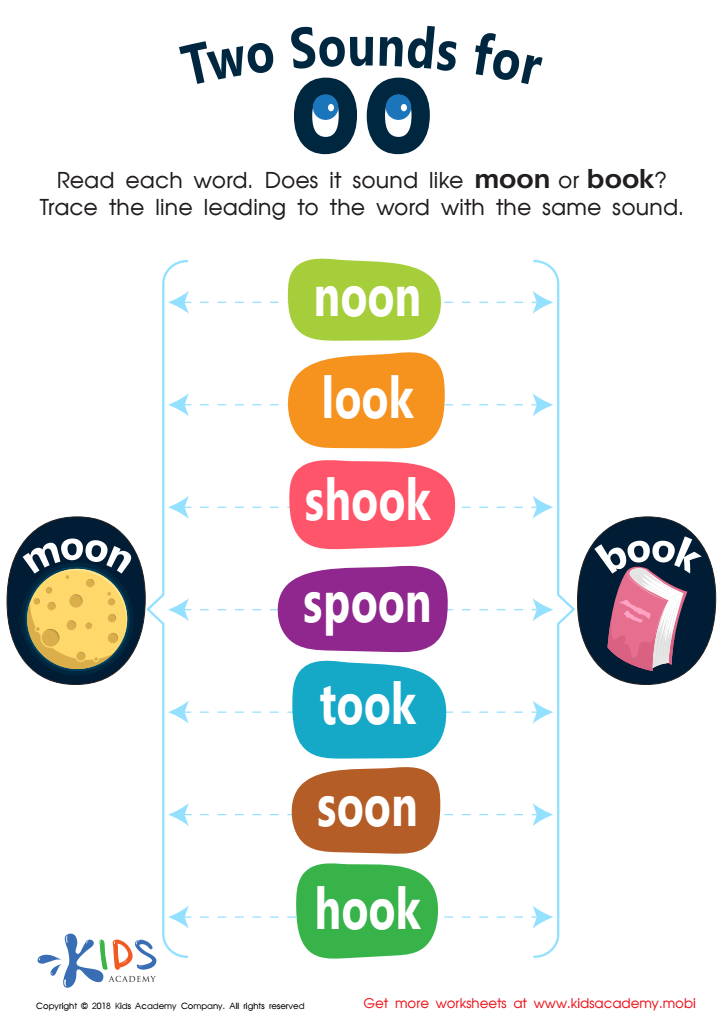
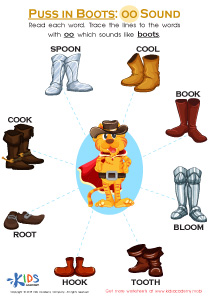
Two Sounds for OO Worksheet
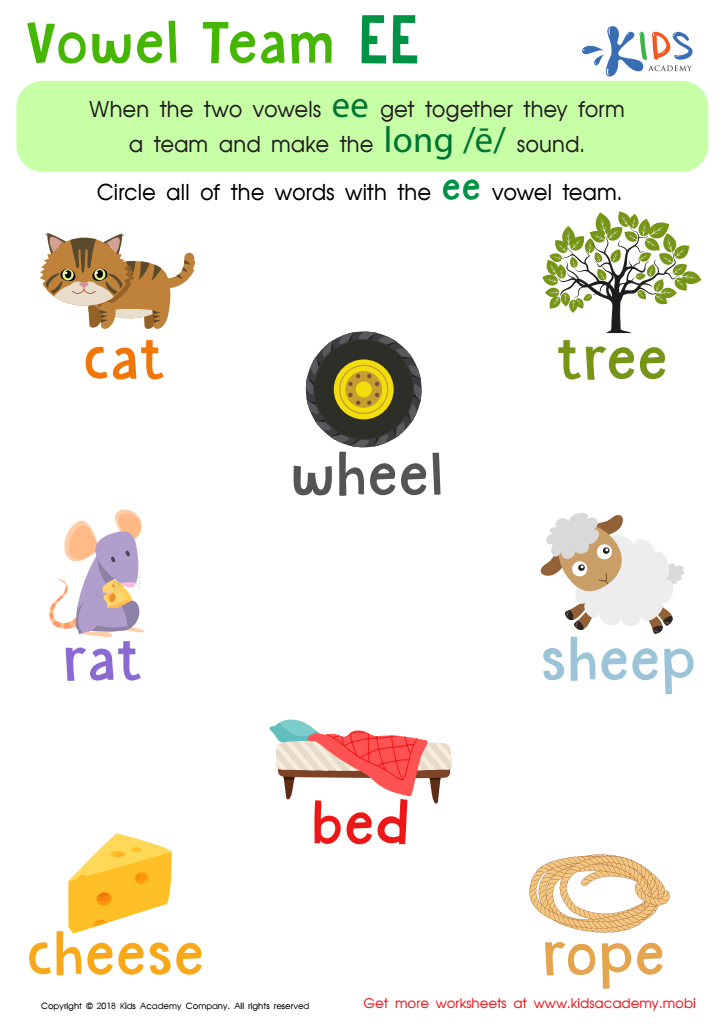
Reading: Vowel Team EE Worksheet
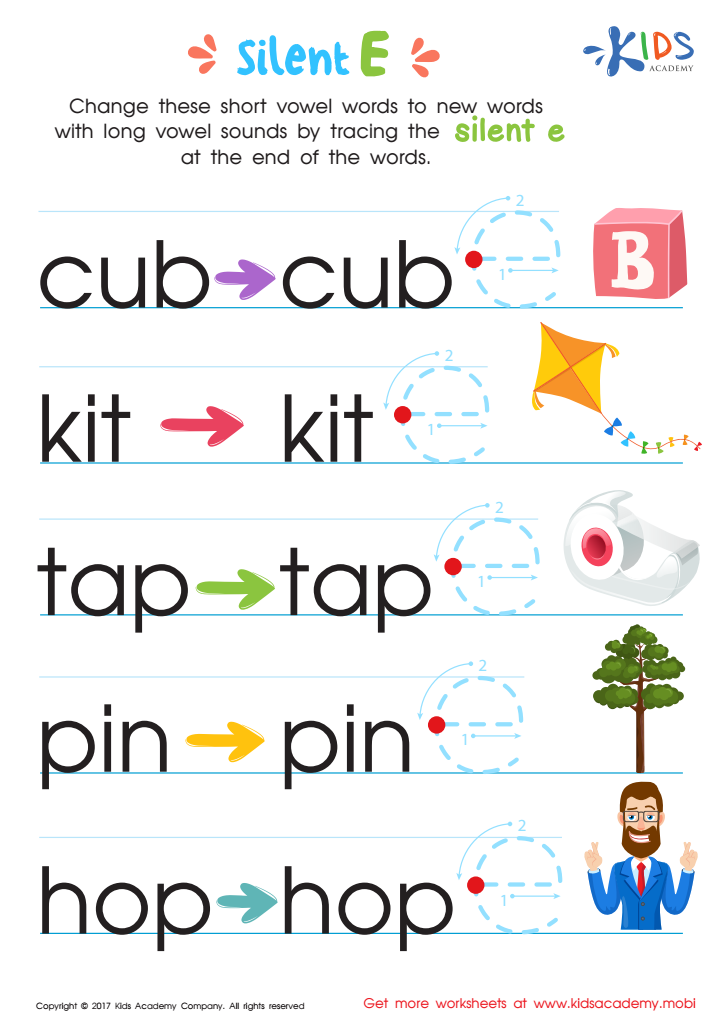
Silent E Words Worksheet
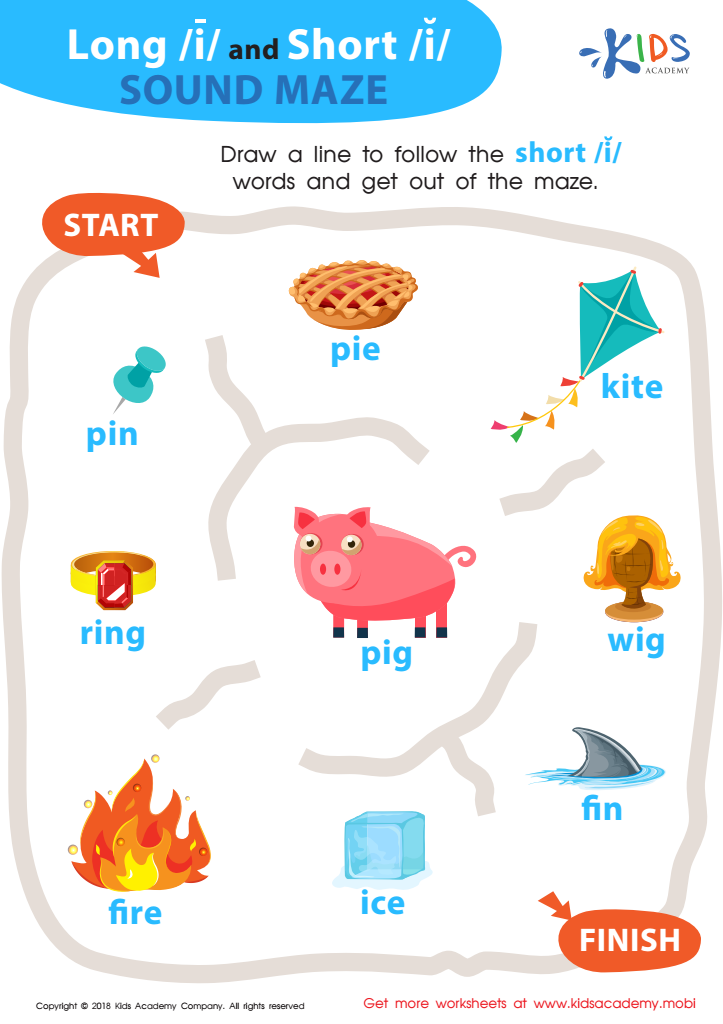
Reading: Long I and Short I Sound Maze Worksheet
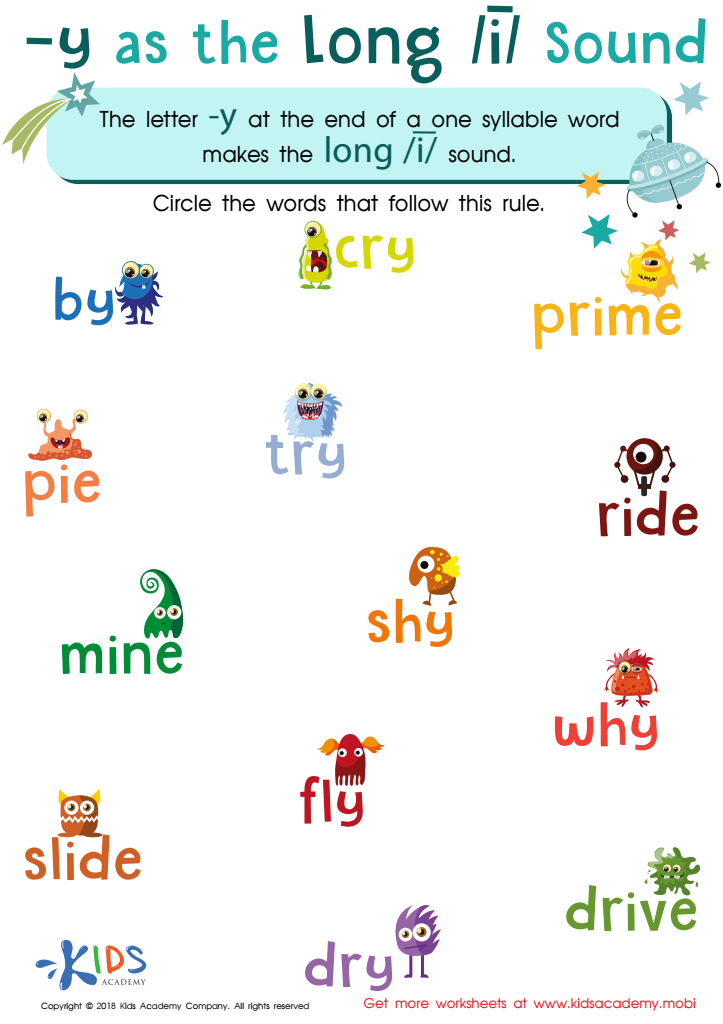
Reading: Y as Long I Worksheet




Understanding normal long and short vowel sounds is crucial for children aged 4-9 as it forms the foundation of literacy and effective communication. At this developmental stage, kids are starting to read and write, and grasping vowel sounds is essential for decoding words, enhancing reading fluency, and improving spelling accuracy.
Short vowels, which include sounds like the "a" in "cat" or the "e" in "bed," are often the first vowel sounds children encounter. On the other hand, long vowels, which sound like their letter names, as in the "a" in "cake" or "i" in "bike," come next. Recognizing the difference helps children decode multi-syllable words, apply correct pronunciation, and understand word meanings in context, fostering more effective communication and comprehension.
Parents and teachers play a vital role by engaging children in phonics activities, reading aloud, and offering practice with both word families and individual sounds. Failure to grasp these basics can lead to reading difficulties later on, potentially affecting overall academic performance and self-confidence. Thus, investing time in teaching these vowel sounds paves the way for successful language acquisition, empowering children with the essential skills they need for lifelong learning.