Normal Upper & Lowercase Letters Worksheets for Ages 5-7 - Page 2
44 filtered results
-
From - To
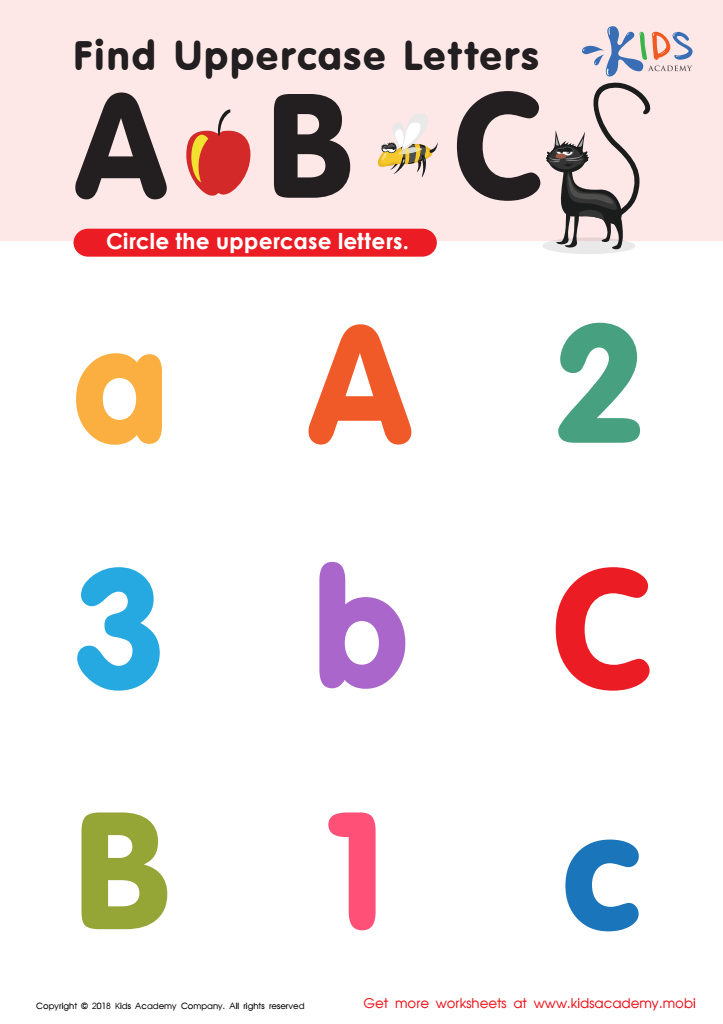
Find Uppercase Letters A, B, and C Worksheet
 Assign to My Students


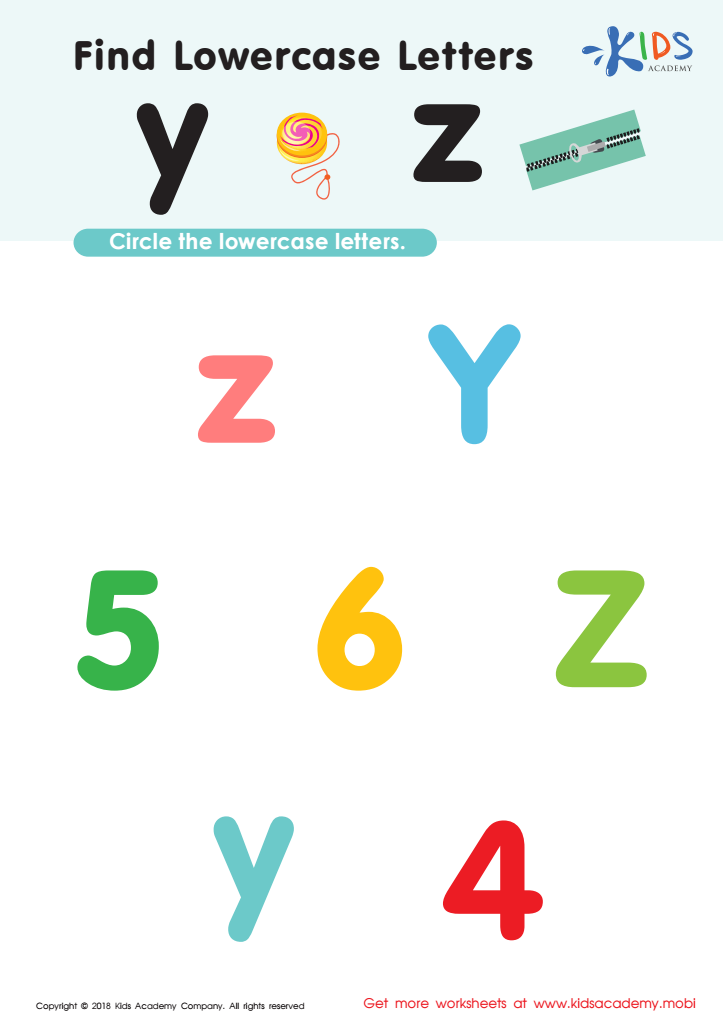
Find Lowercase Letters y z Worksheet
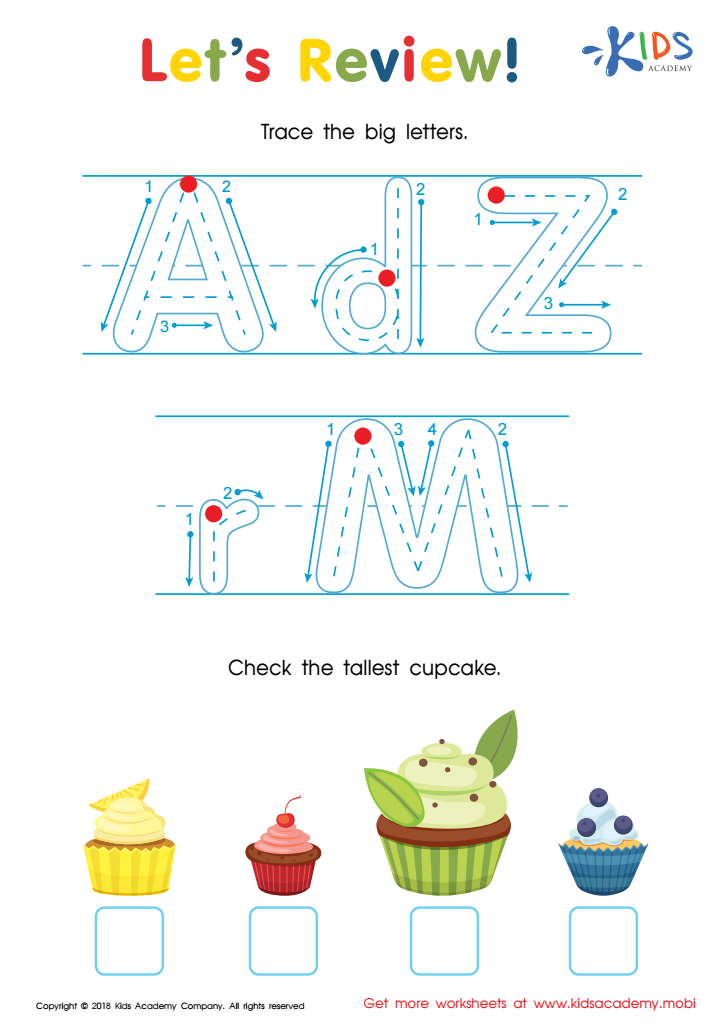
Let's Review! Big Letters Worksheet
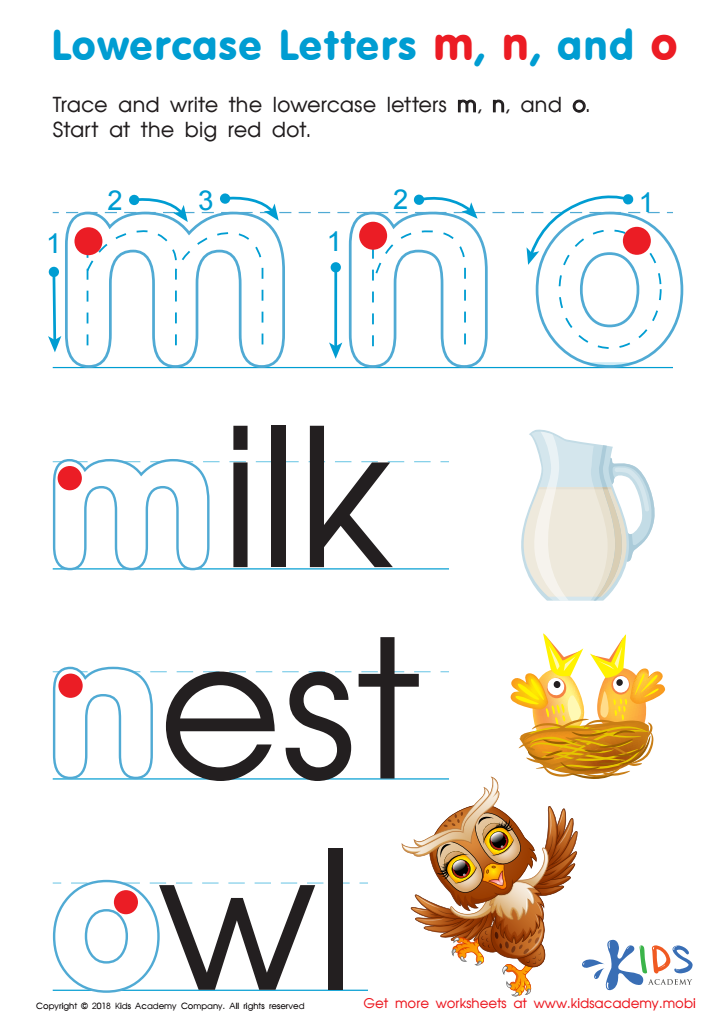
Lowercase Letters m n o Worksheet
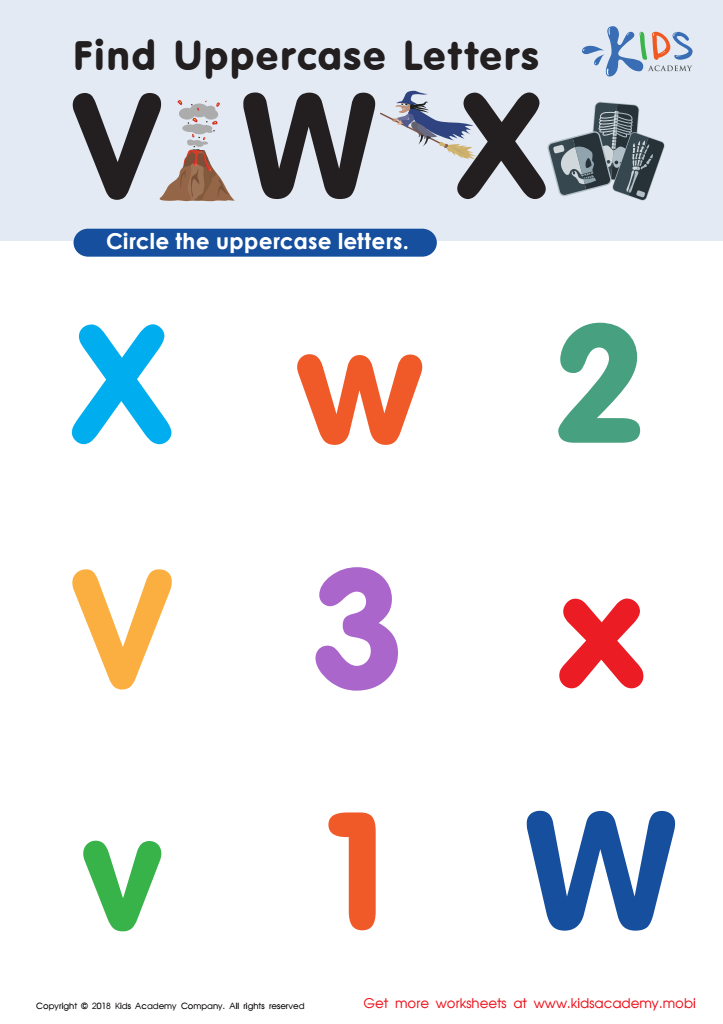
Find Uppercase Letters V, W, X Worksheet
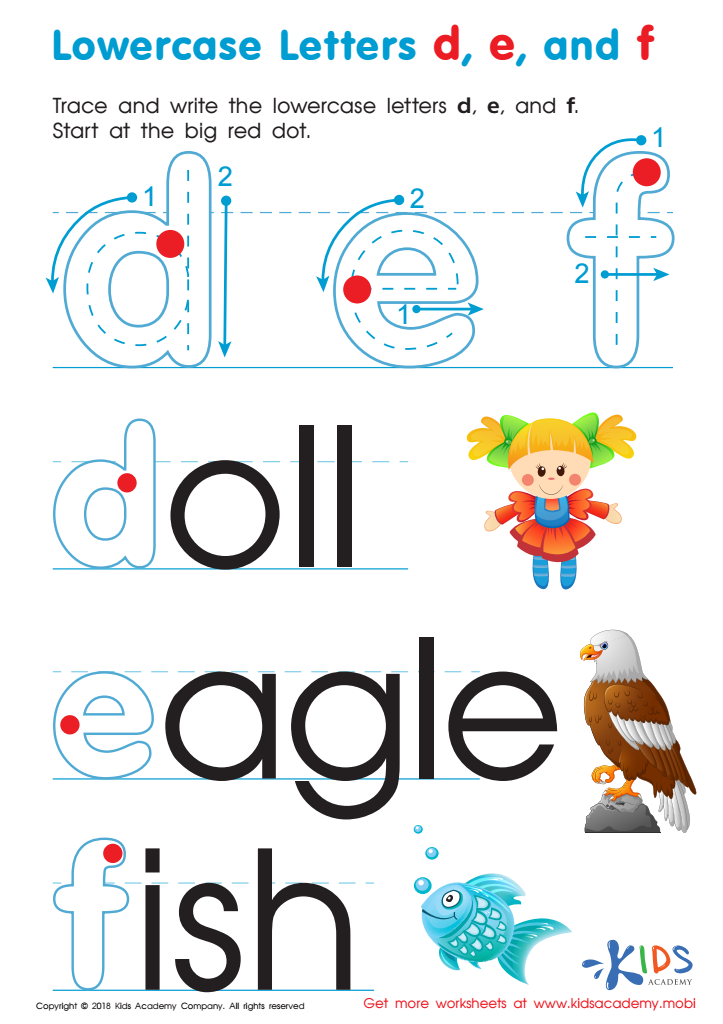
Lowercase Letters d e f Worksheet
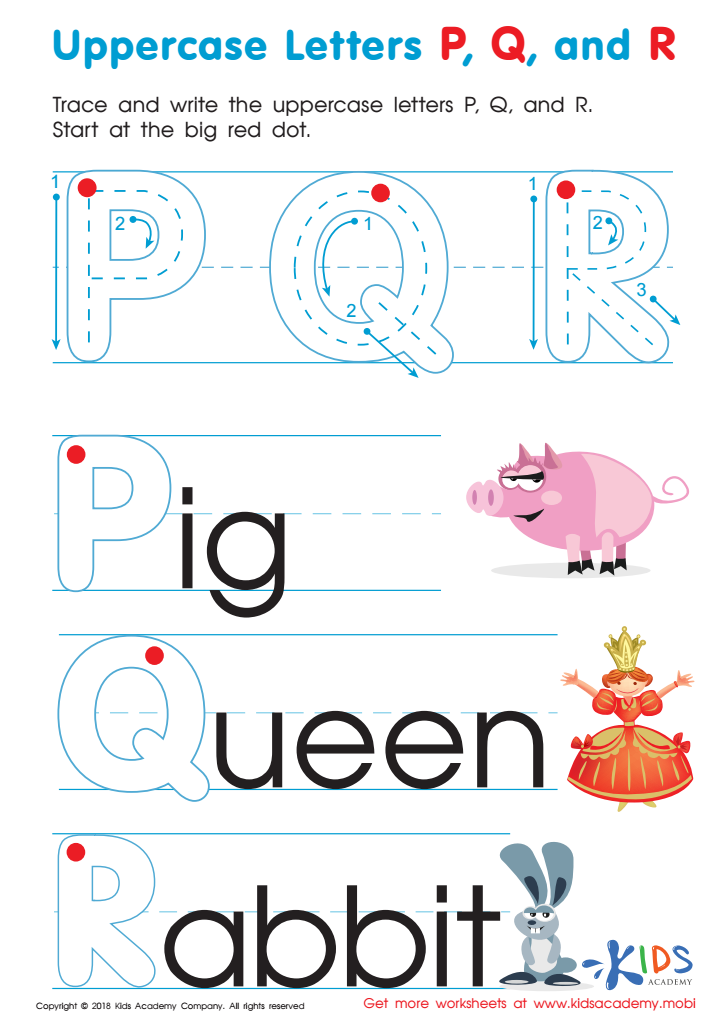
Uppercase Letters P, Q, and R Worksheet
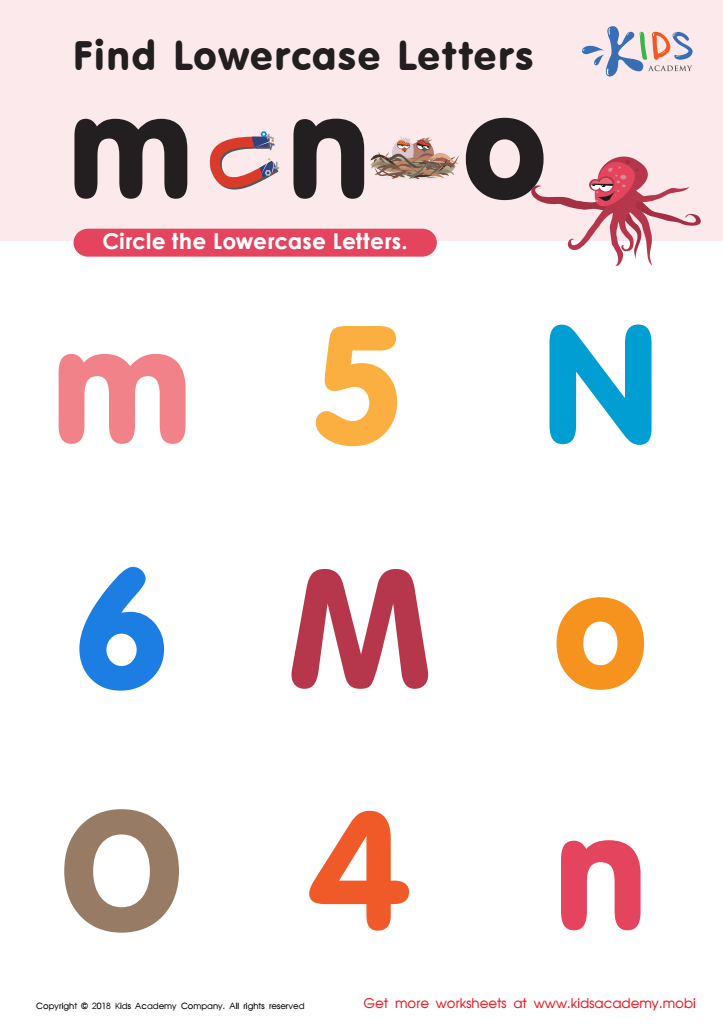
Find Lowercase Letters m n o Worksheet
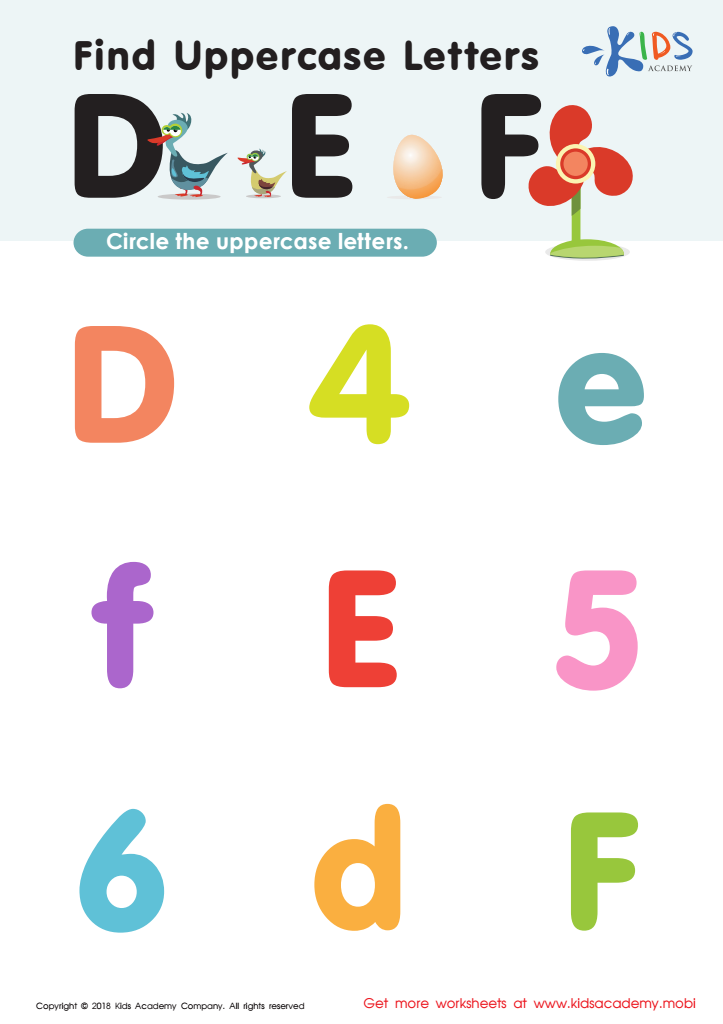
Find Uppercase Letters D, E, and F Worksheet
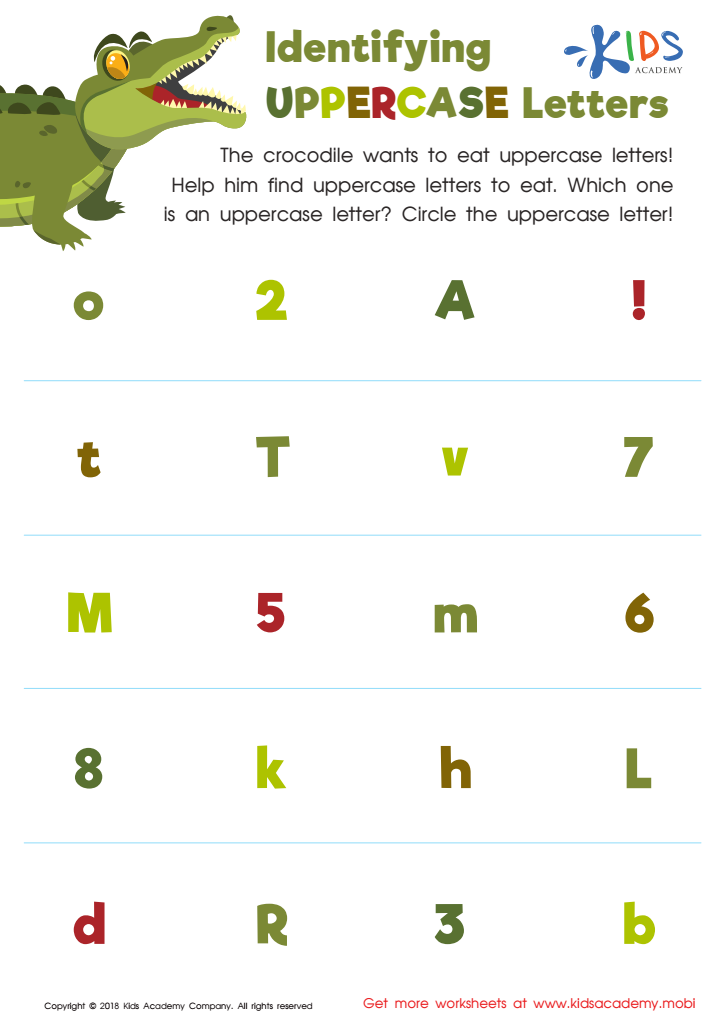
Identifying Uppercase Letters Worksheet
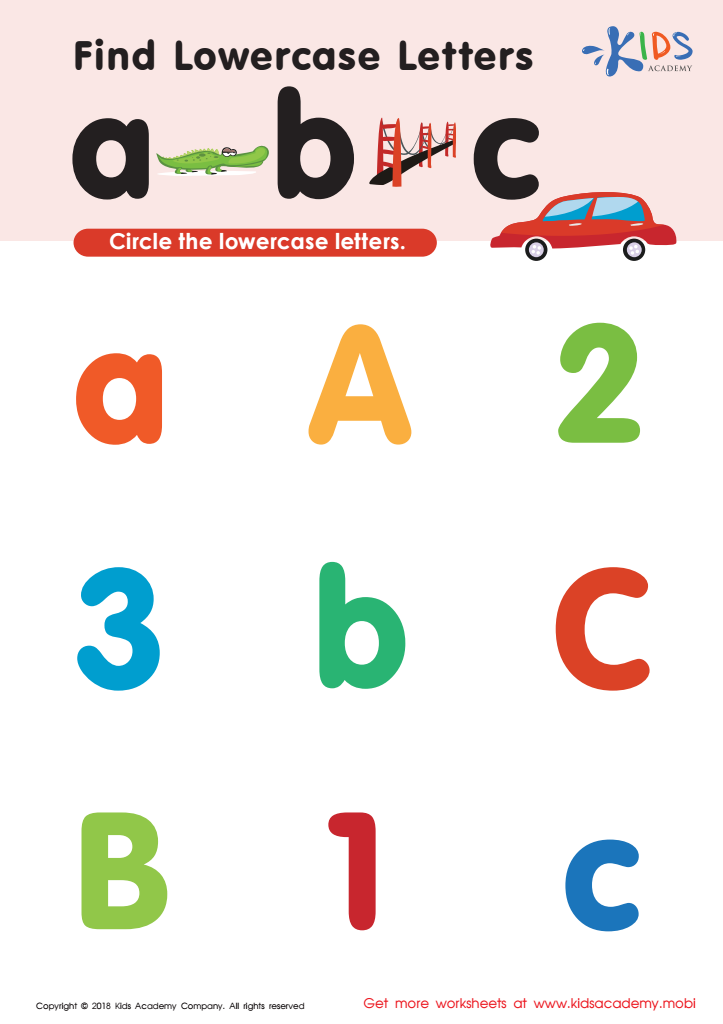
Find lowercase letters a b c Worksheet
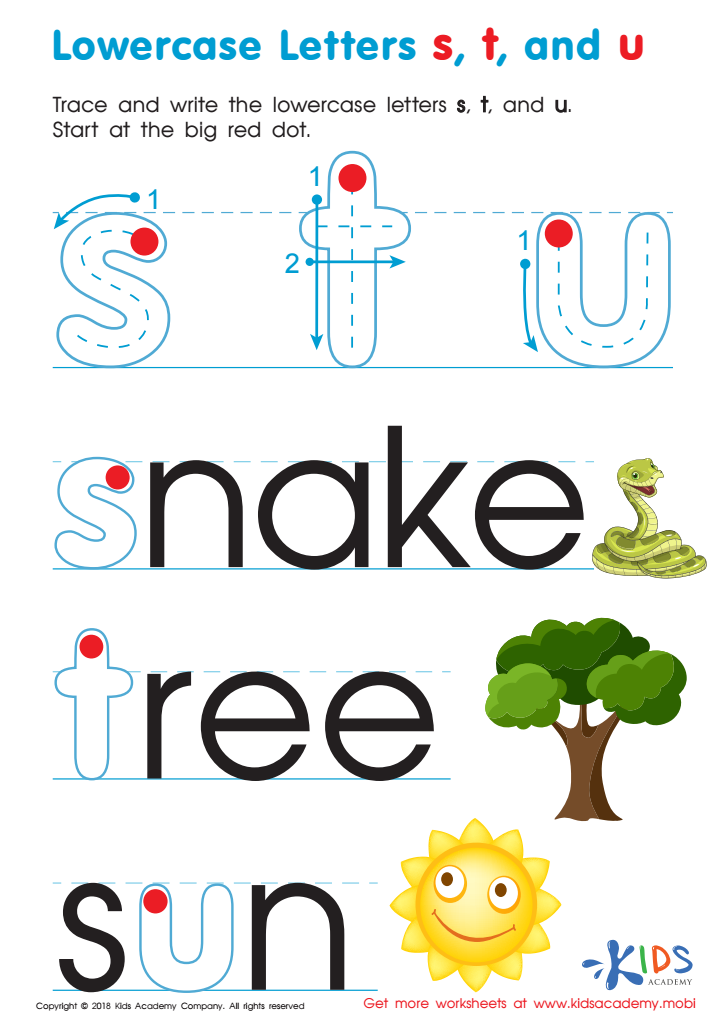
Lowercase Letters s t u Worksheet
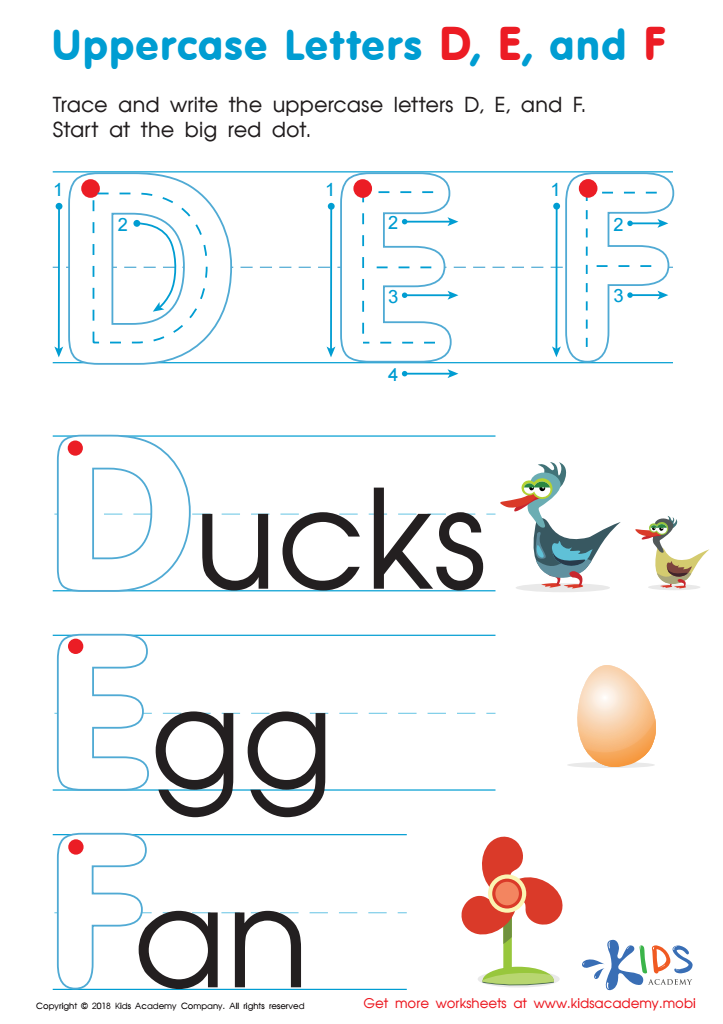
Uppercase Letters D, E, and F Worksheet
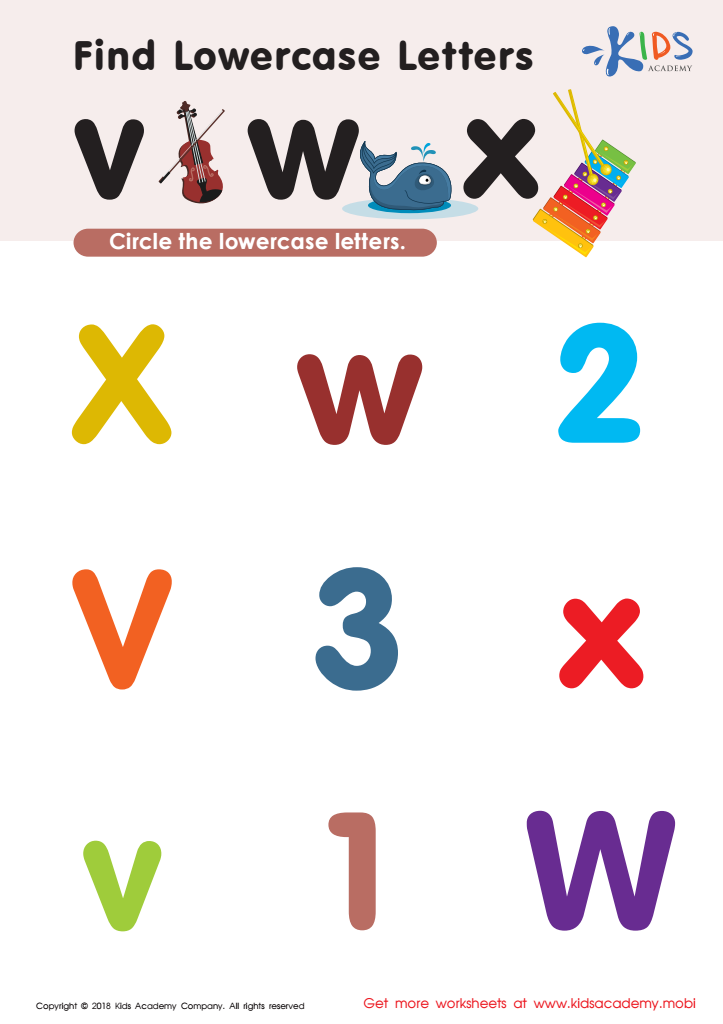
Find Lowercase Letters v w x Worksheet
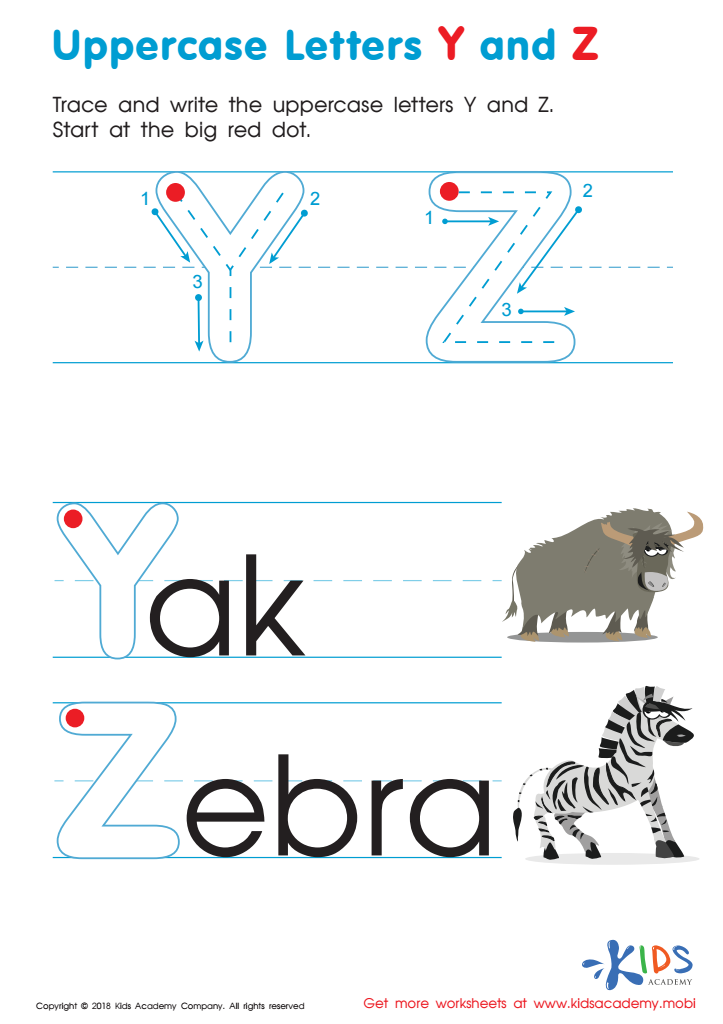
Uppercase Letters Y Z Worksheet
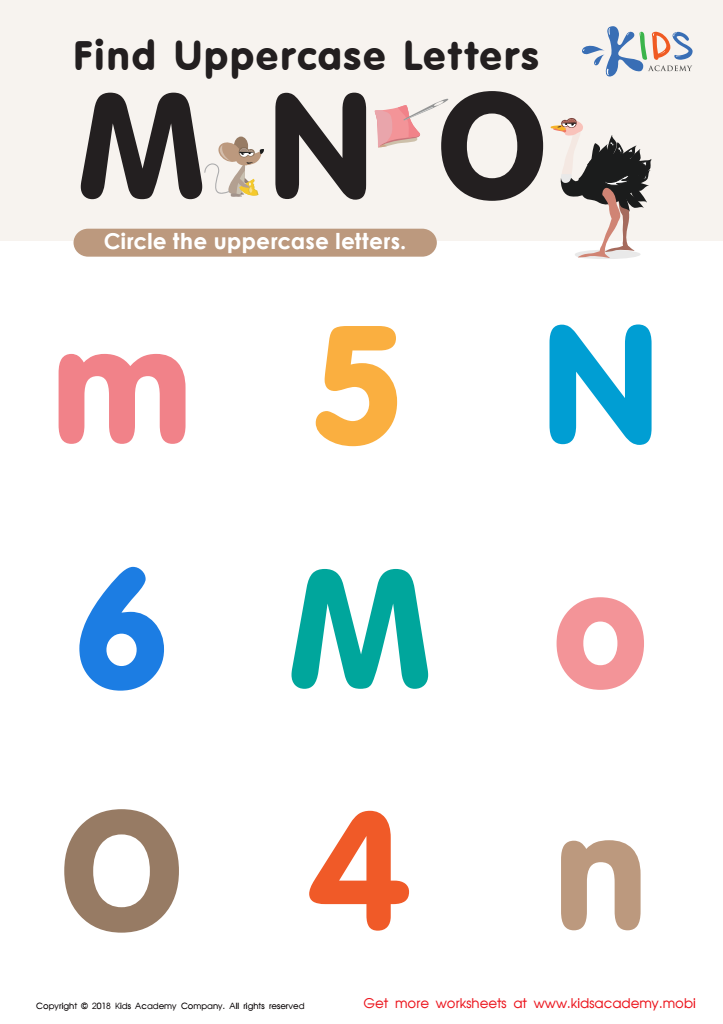
Find Uppercase Letters M, N, and O Worksheet
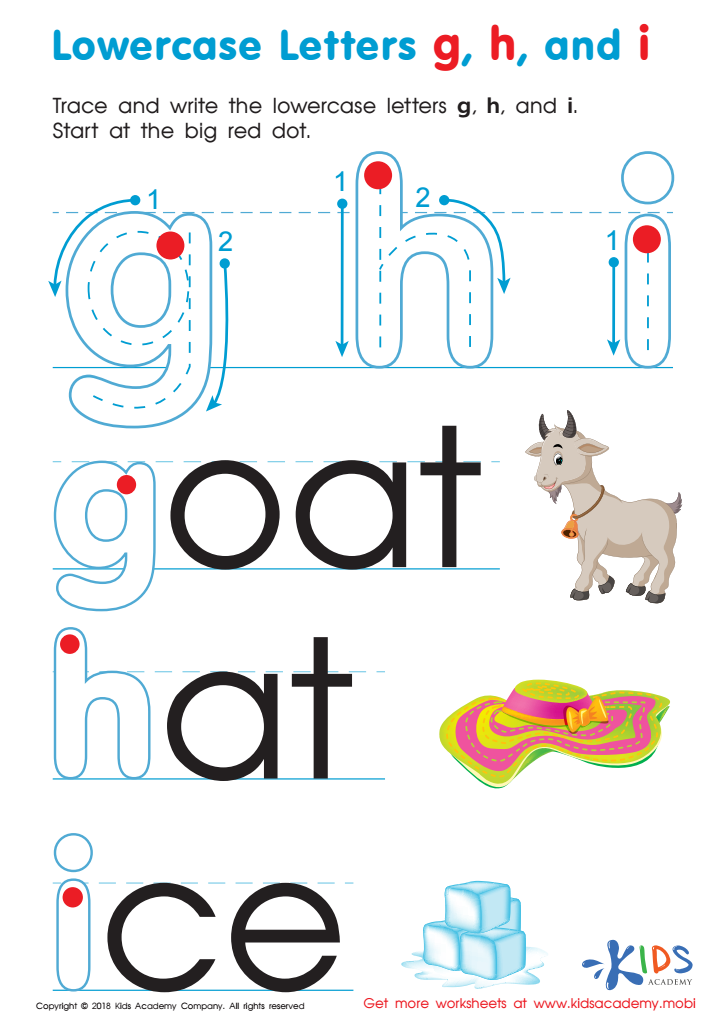
Lowercase Letters g h i Worksheet
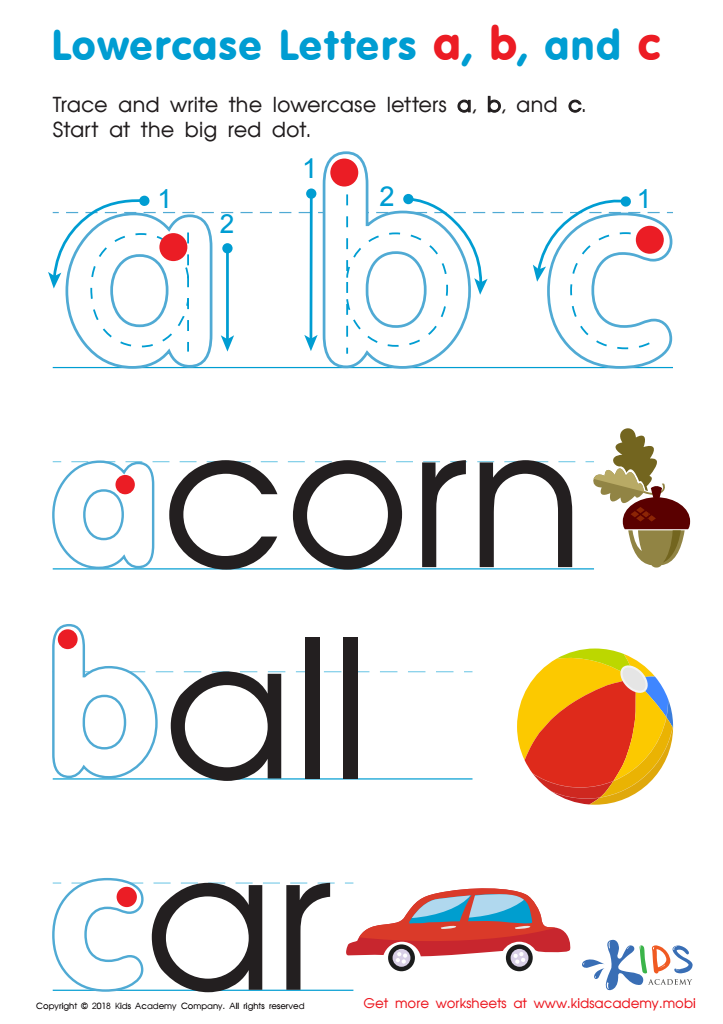
Lowercase Letters a b c Worksheet
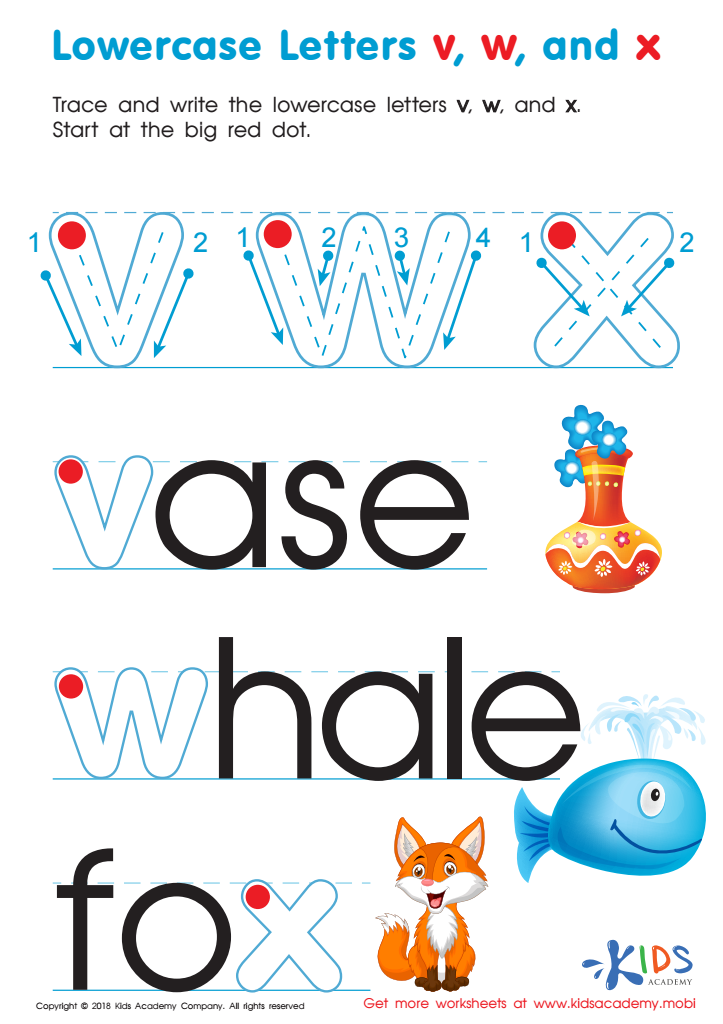
Lowercase Letters v w x Worksheet
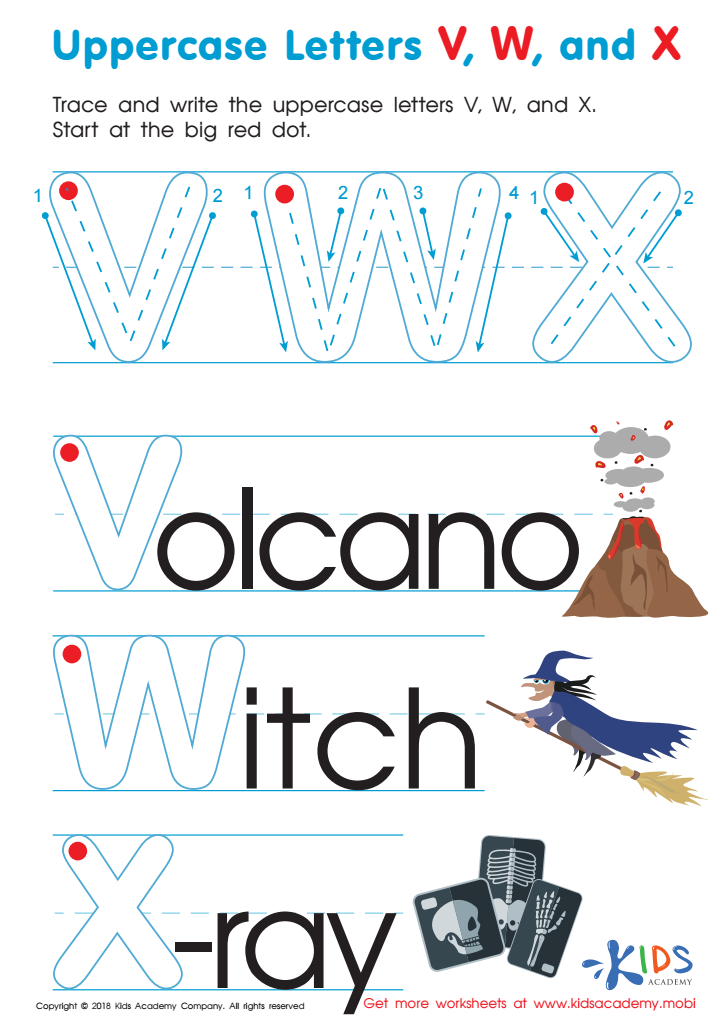
Uppercase Letters V, W, and X Worksheet






Parents and teachers should prioritize the recognition and understanding of normal upper and lowercase letters in children aged 5-7 for several important reasons. First, mastering these letters forms the foundation of literacy. Recognizing uppercase letters helps children understand the structure of sentences, as they signal the beginning of new sentences or proper nouns. Meanwhile, lowercase letters are more prevalent in written language, making their comprehension crucial for reading fluency.
Second, learning both letter cases aids in developing phonemic awareness. This skill is vital for young readers, as it enables them to decode words effectively, improving their reading skills and confidence. As children transition from phonics to fluent reading, the familiarity with upper and lowercase letters supports their ability to tackle a broader range of texts.
Additionally, this knowledge enhances children’s writing skills. Recognizing when to use uppercase letters—for instance, at the beginning of sentences or for names—teaches them to formalize their writing and communicate clearly.
Finally, mastery of uppercase and lowercase letters fosters self-esteem and motivation in children, paving the way for academic success and a lifelong love of learning. Thus, understanding these foundational elements is crucial for each child’s literacy journey.







