Normal 2D Shapes Worksheets for Ages 5-7 - Page 2
32 filtered results
-
From - To
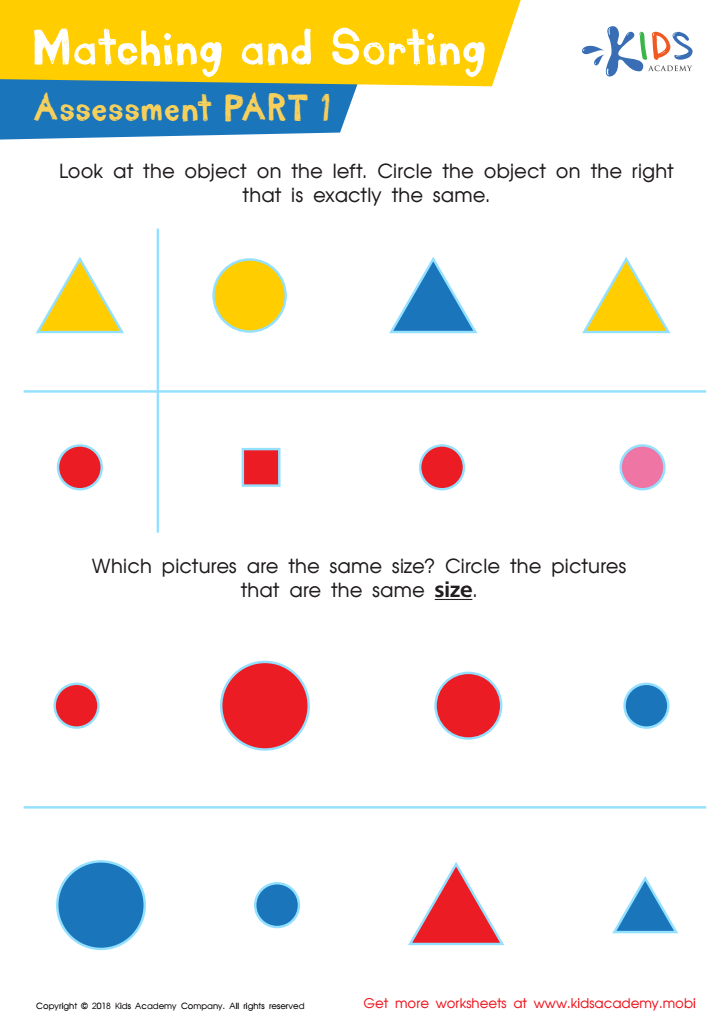
Matching and Sorting for Kindergarten: Assessment 1 Worksheet
 Assign to My Students


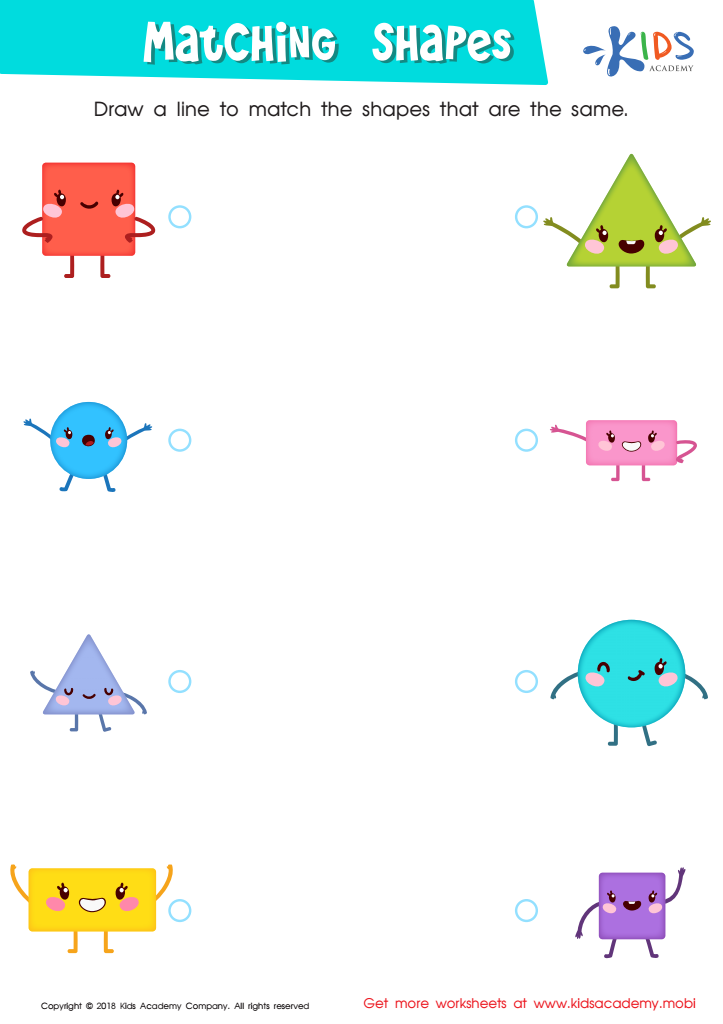
Matching Shapes Worksheet
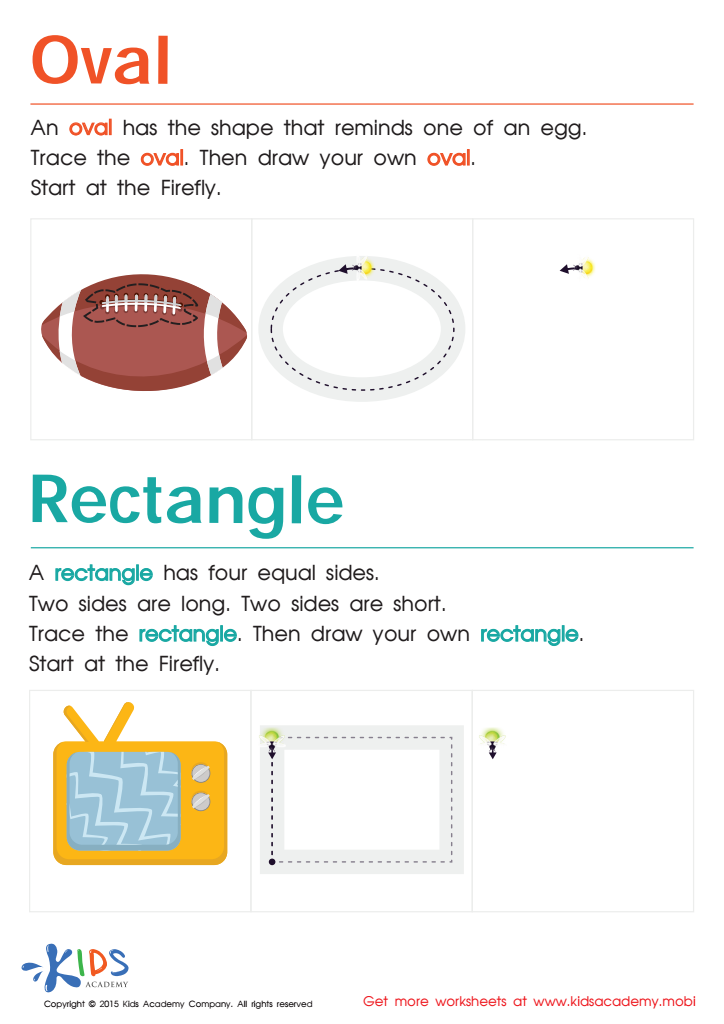
Easy Drawing of Ovals And Rectangles Worksheet
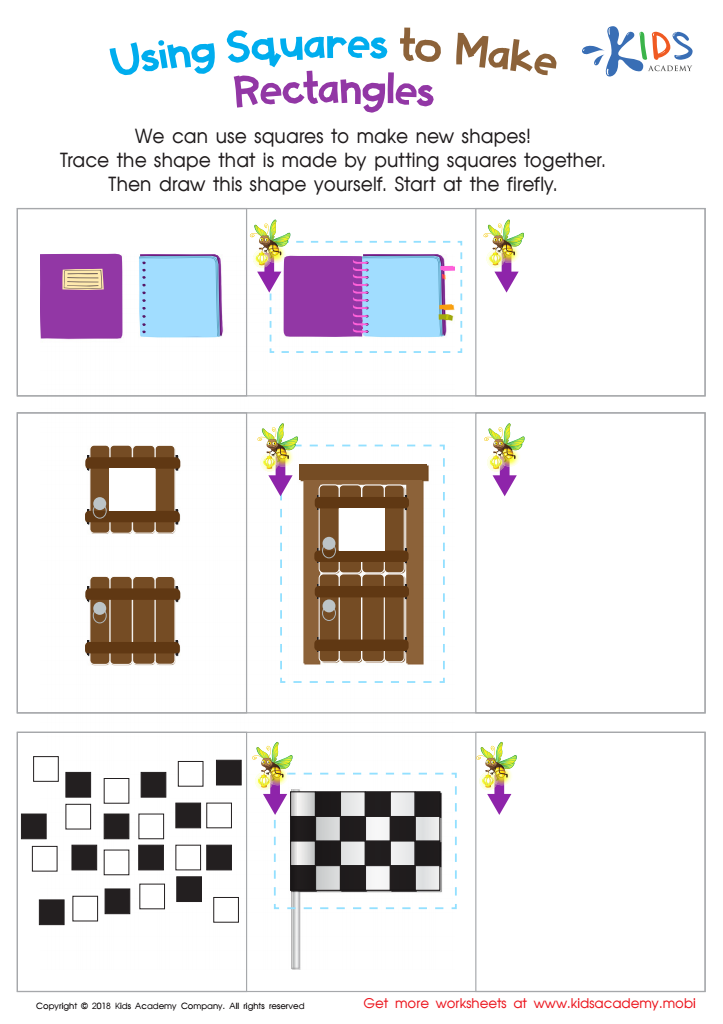
Using Squares to Make Rectangles Worksheet
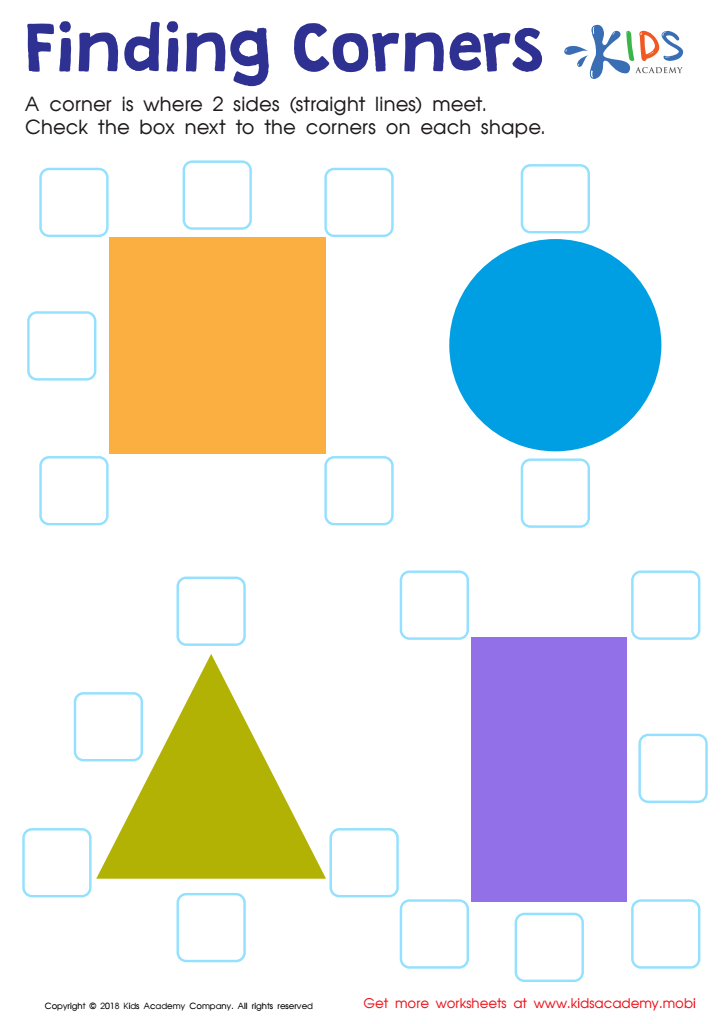
Finding Corners Worksheet
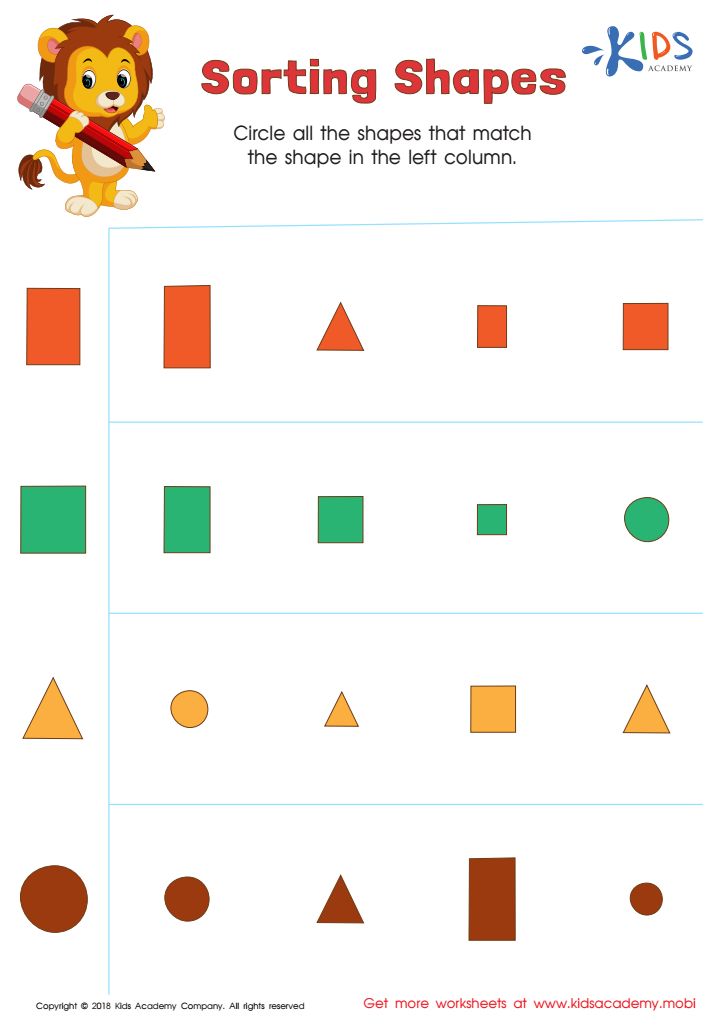
Sorting Shapes - Part 2 Worksheet
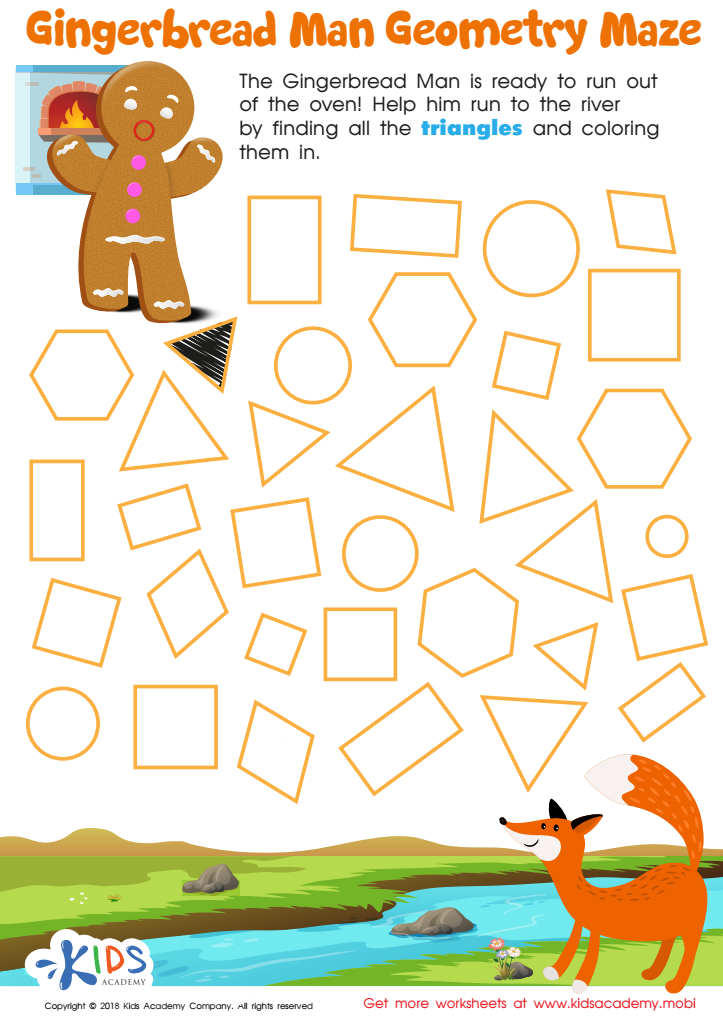
Gingerbread Man Geometry Maze Worksheet
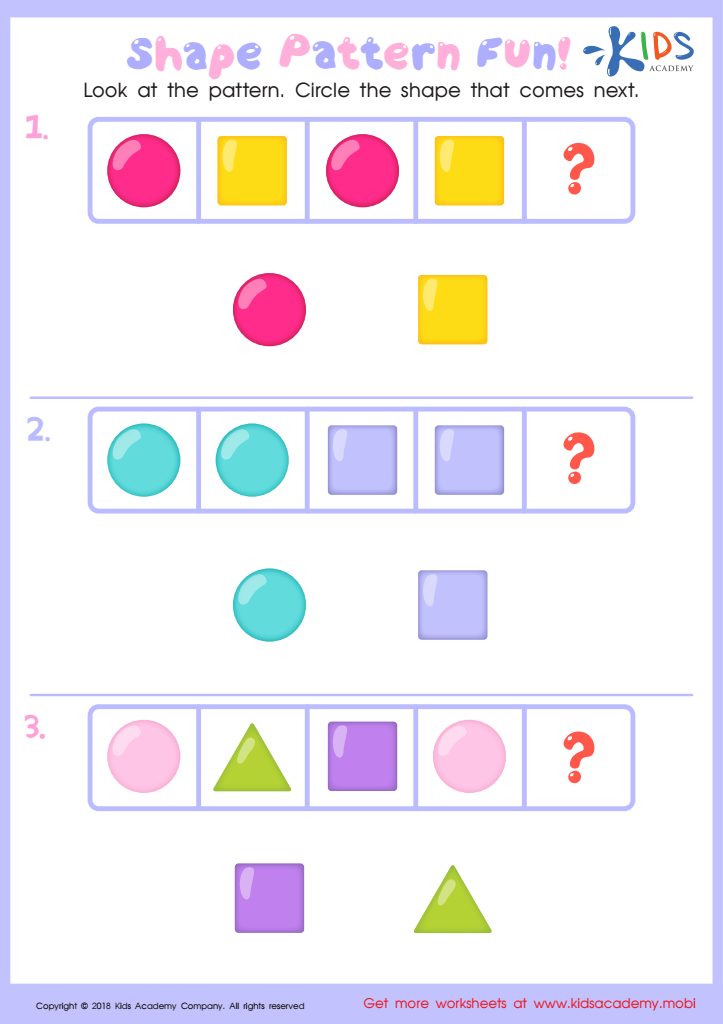
Shape Pattern Fun Worksheet








For children aged 5-7, understanding normal 2D shapes—like circles, squares, and triangles—is foundational for early cognitive development and mathematical learning. Parents and teachers should prioritize this aspect of education because it lays the groundwork for more complex concepts in geometry and spatial reasoning. Recognizing and naming shapes helps children categorize and organize visual information from their environment, which enhances their ability to process and understand the world around them.
Learning about 2D shapes also supports early problem-solving skills. When children compare differences between shapes, such as the number of sides or corners, they develop critical thinking abilities. Additionally, shape recognition plays a vital role in developing fine motor skills. Activities such as tracing, drawing, or cutting out shapes improve hand-eye coordination.
Incorporating shapes into everyday learning makes it fun and engaging. It can enhance language skills as children describe shapes’ properties, broadening their vocabulary and communication abilities. This foundational knowledge can assist young learners in future subjects like physics, technology, and engineering, making it crucial for their overall education. Therefore, understanding 2D shapes isn't just about geometry - it's a foundational skill that supports holistic learning and development in young children.