Normal 2D Shapes Worksheets for Ages 5-8 - Page 2
33 filtered results
-
From - To
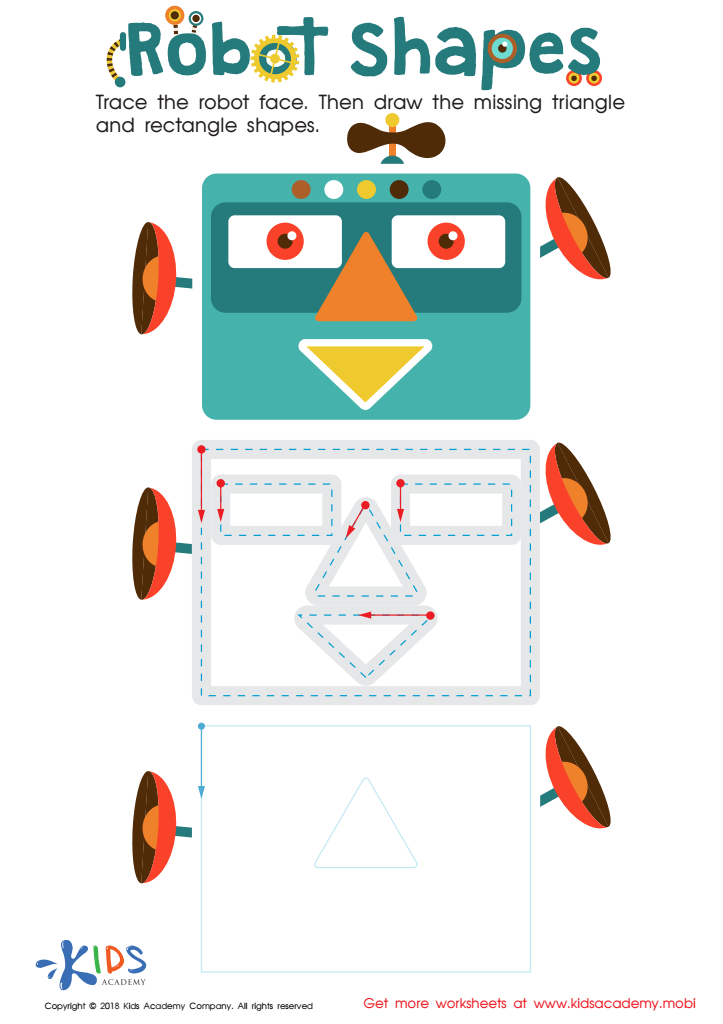
Robot Shapes Worksheet
 Assign to My Students











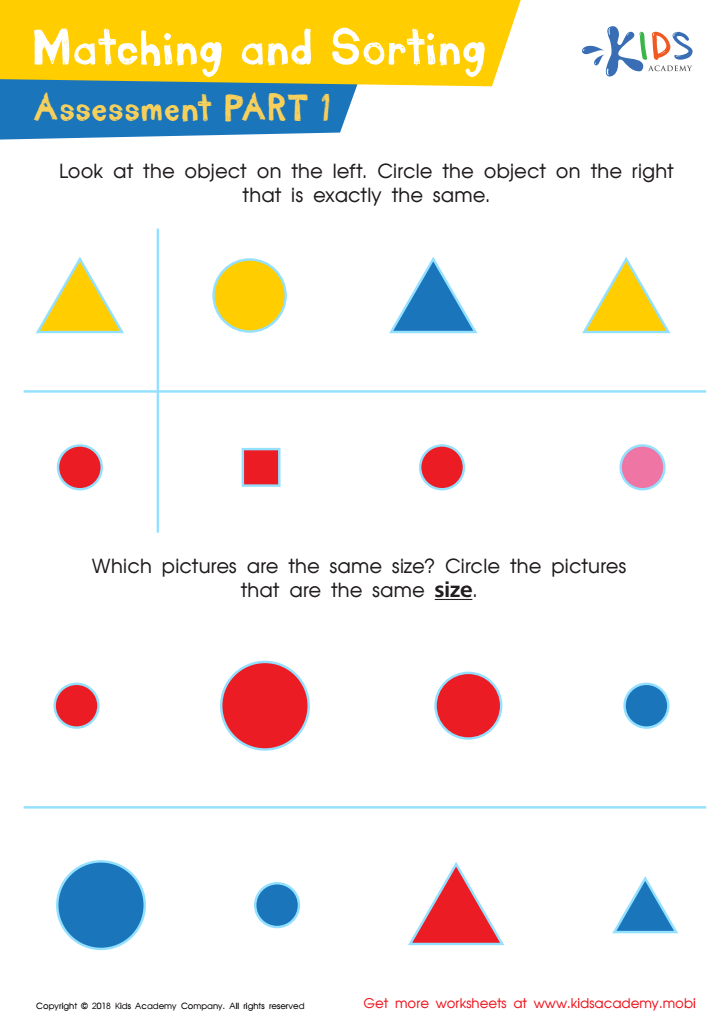
Matching and Sorting for Kindergarten: Assessment 1 Worksheet
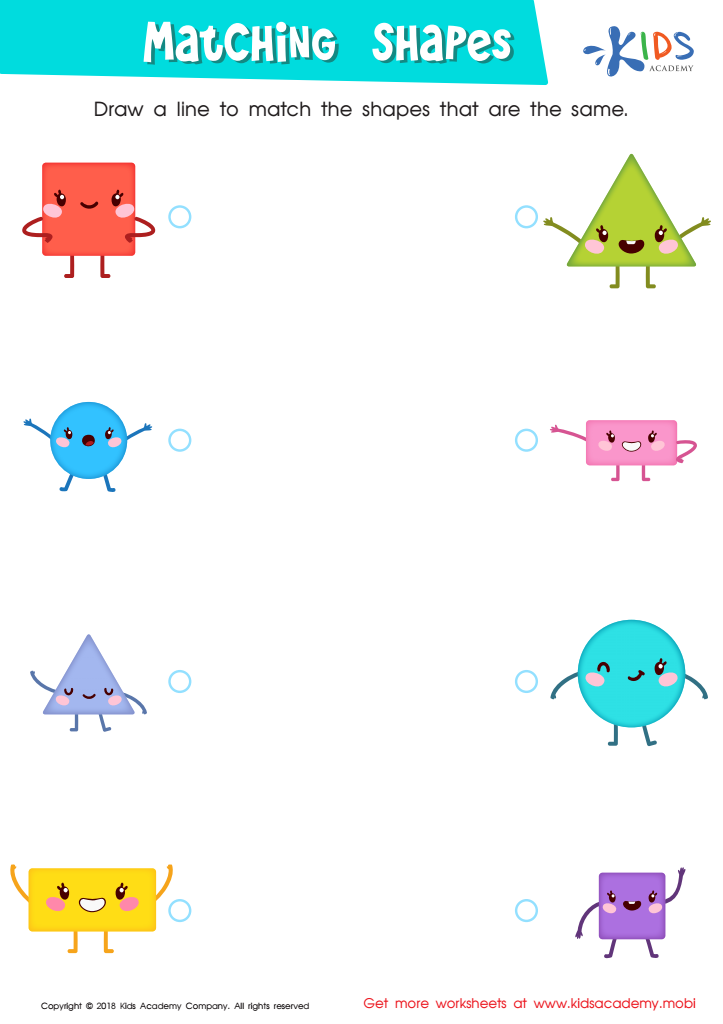
Matching Shapes Worksheet
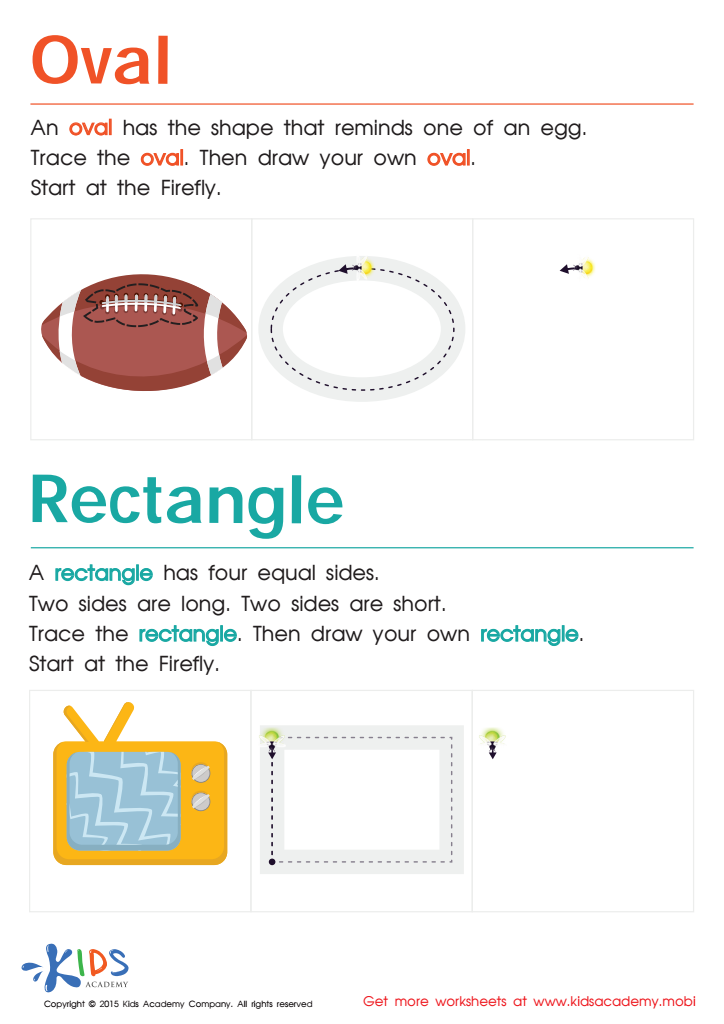
Easy Drawing of Ovals And Rectangles Worksheet
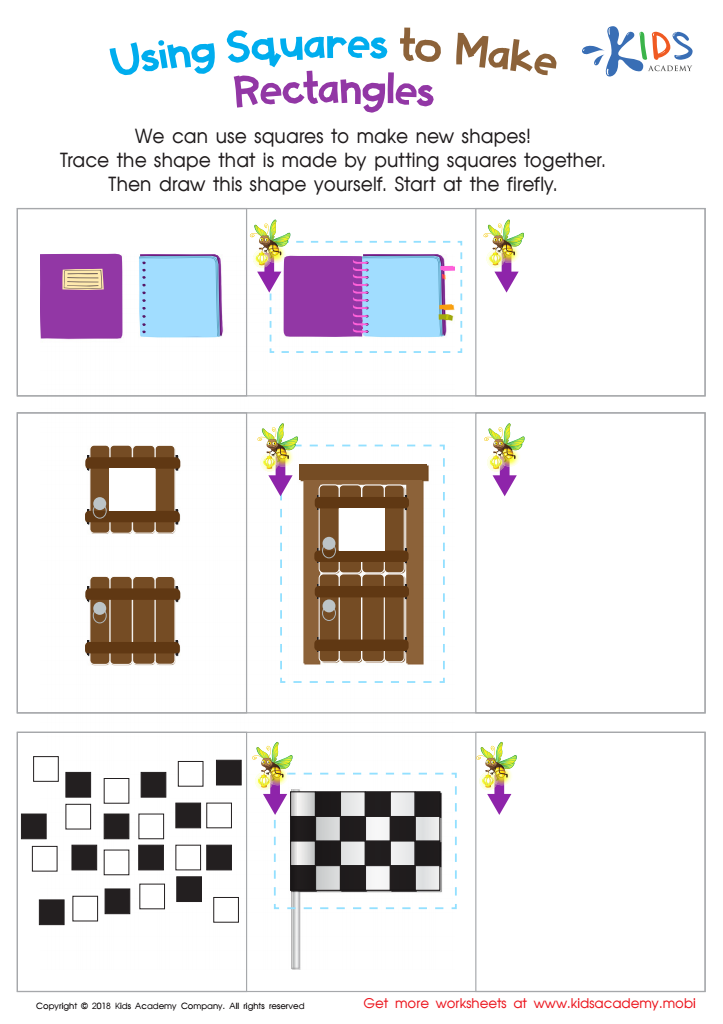
Using Squares to Make Rectangles Worksheet
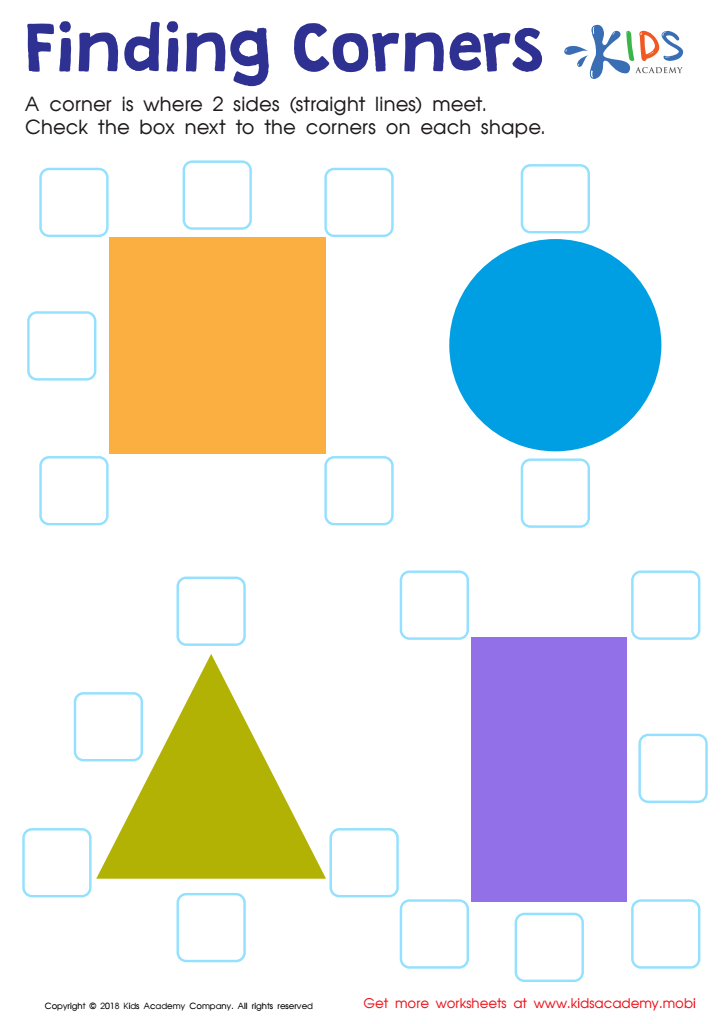
Finding Corners Worksheet
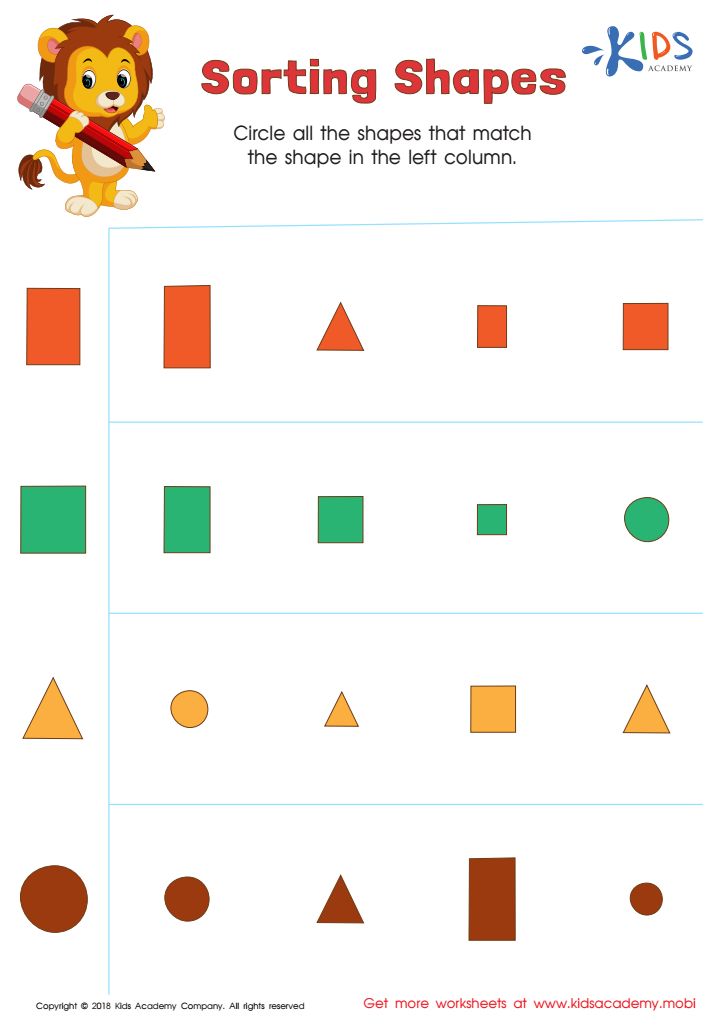
Sorting Shapes - Part 2 Worksheet
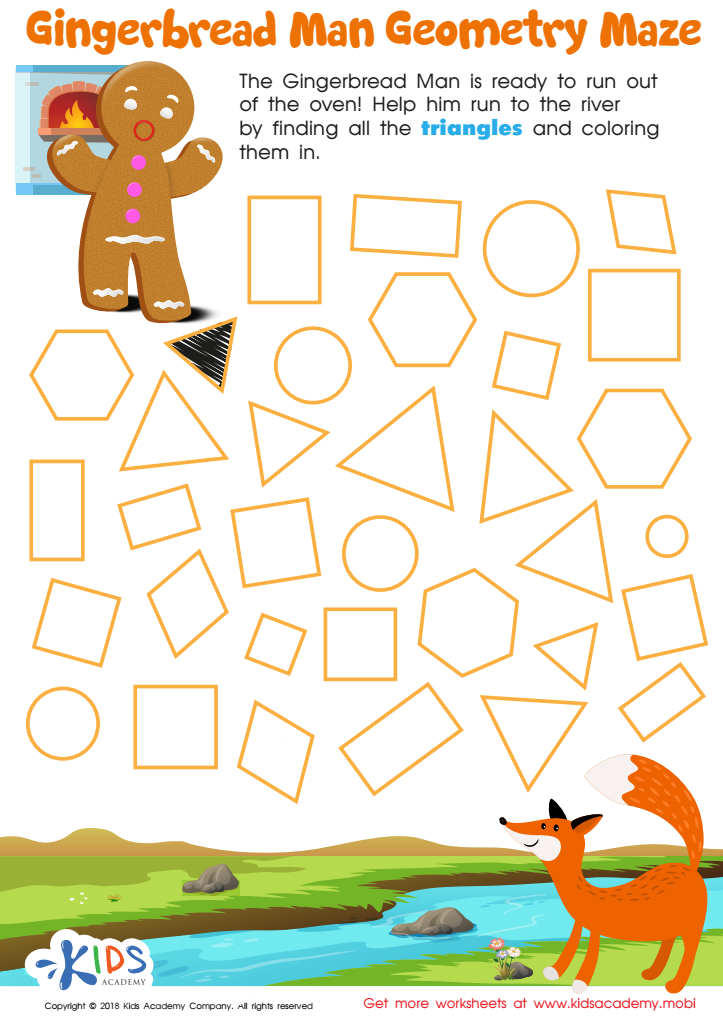
Gingerbread Man Geometry Maze Worksheet
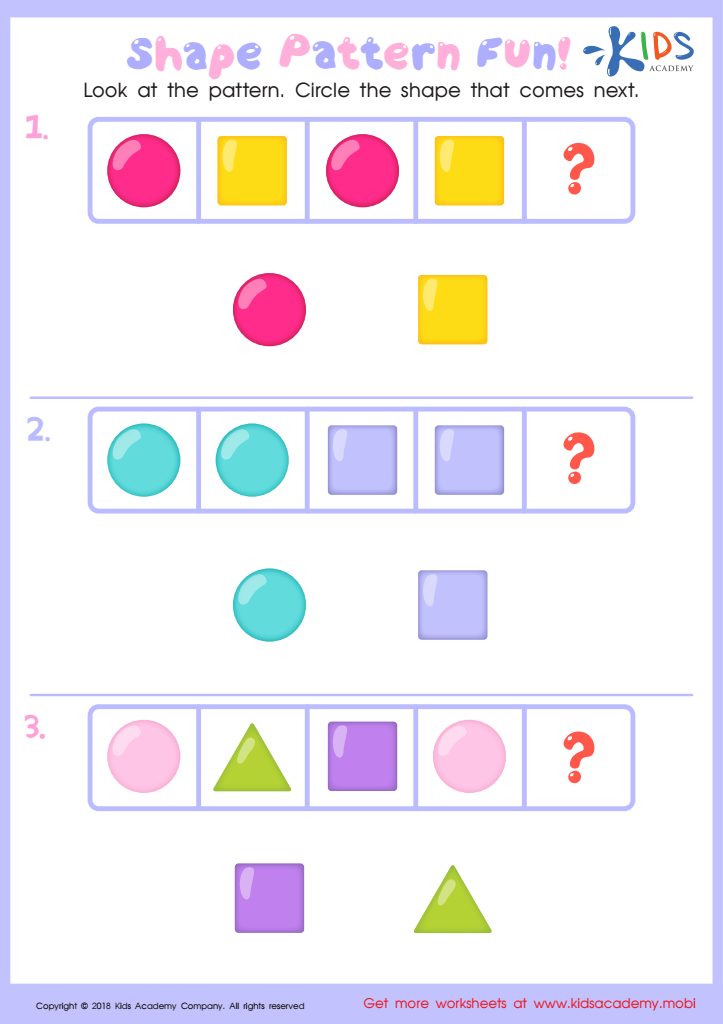
Shape Pattern Fun Worksheet








Understanding normal 2D shapes is fundamental for children aged 5-8 as it lays the groundwork for their mathematical literacy and visual-spatial skills. At this developmental stage, children are naturally curious about the world around them, making it an ideal time to introduce them to concepts like circles, squares, triangles, and rectangles. Recognizing these shapes helps children differentiate between various objects, promoting their observational skills.
Parents and teachers should care about this because shape recognition is vital for everyday applications—from identifying shapes in architecture to understanding more complex math concepts later on, such as area and perimeter. Engaging children with 2D shapes not only nurtures their cognitive skills but also boosts their creativity as they learn to combine shapes in art and design.
Additionally, discussions about shapes can enhance language development through new vocabulary and can foster critical thinking through activities that encourage children to categorize, compare, and contrast different shapes. Incorporating these concepts into play and routine learning reinforces their significance and helps children develop a strong foundation for future mathematical success, promoting confidence and enjoyment in learning overall.