Normal Worksheets for Ages 5-9 - Page 5
1637 filtered results
-
From - To
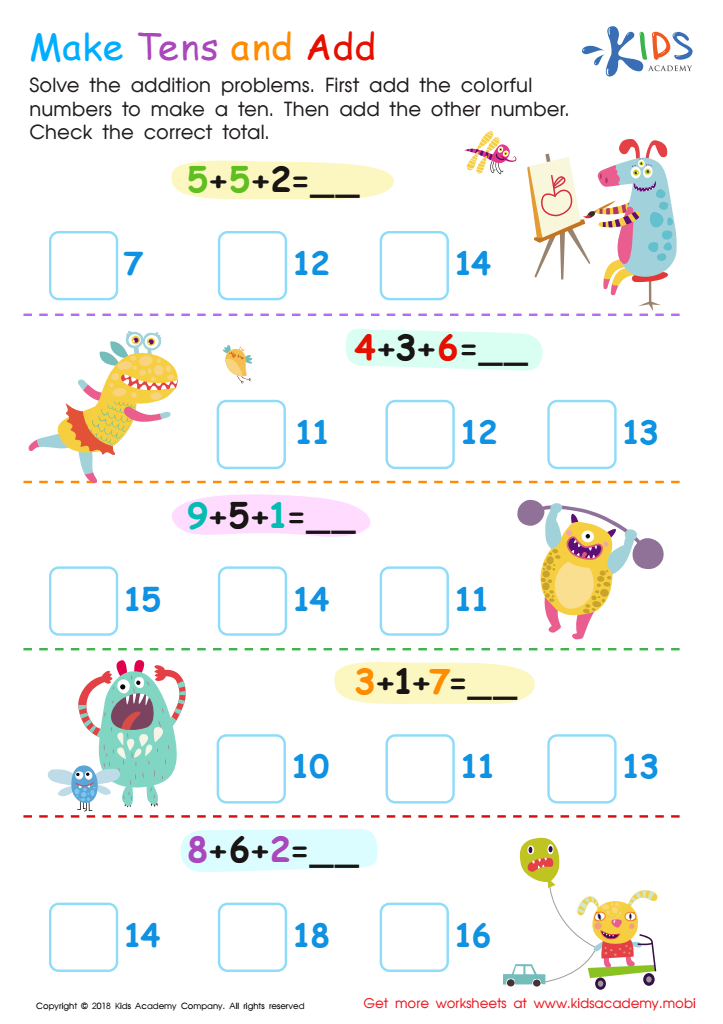
Make Tens and Add Worksheet
 Assign to My Students
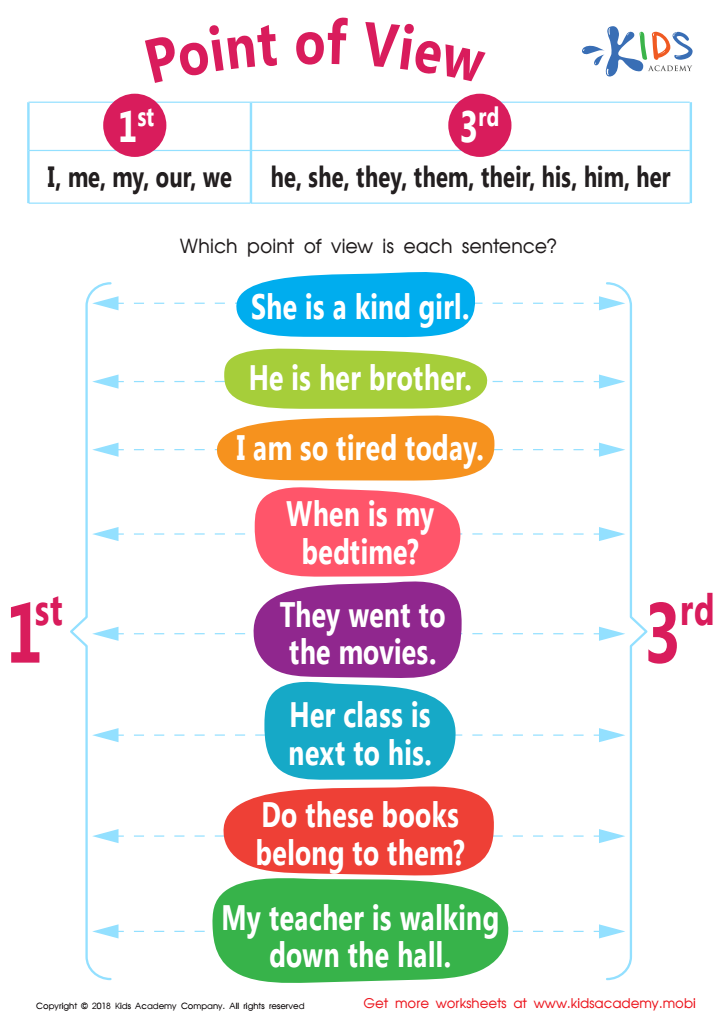
Point of View Worksheet
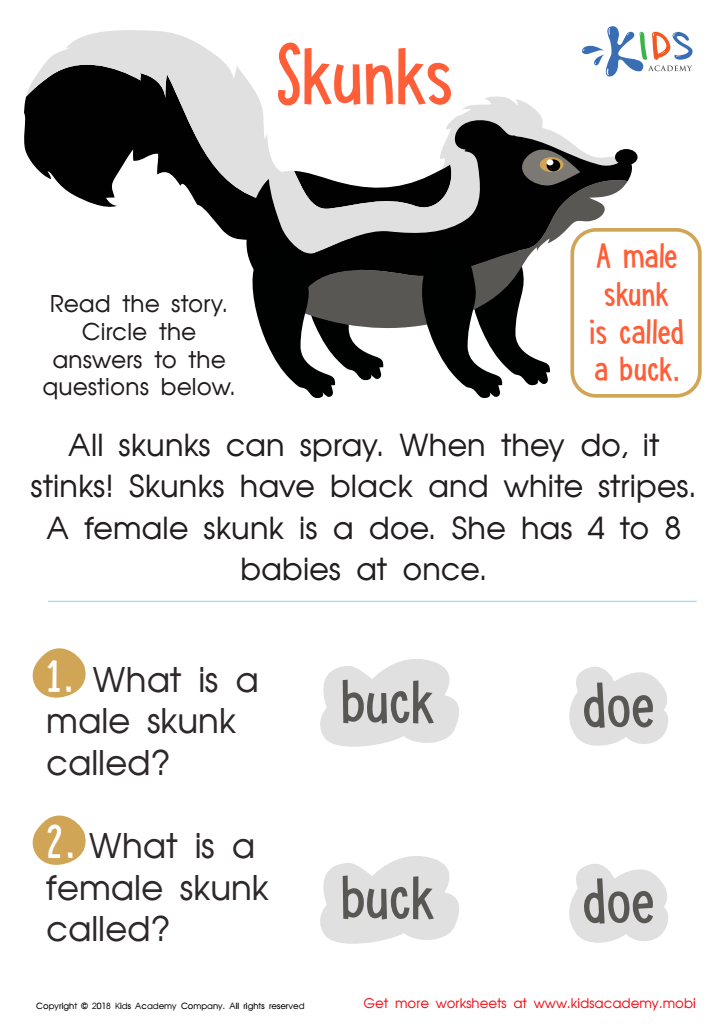
Skunks Worksheet
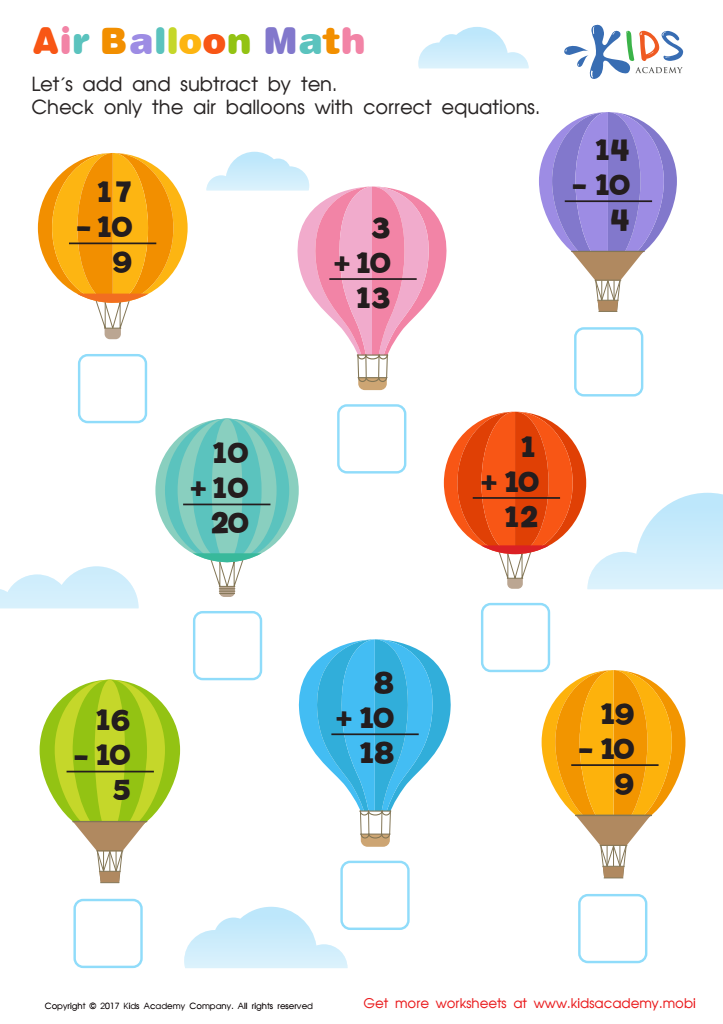
Air Balloon Math Worksheet
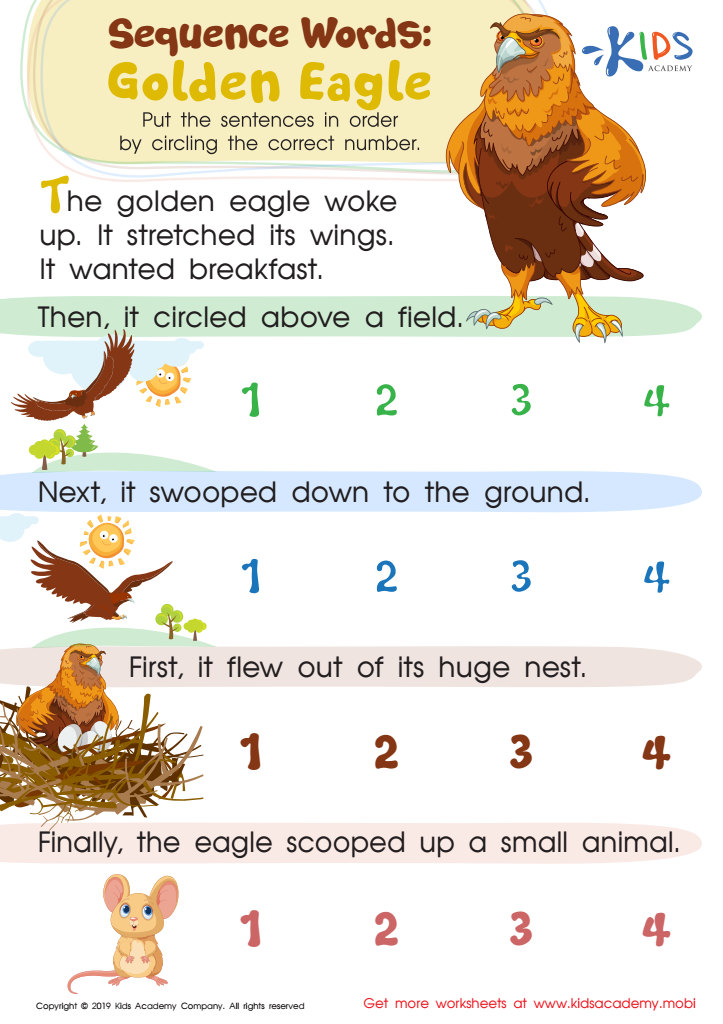
Sequence Word Eagle Worksheet
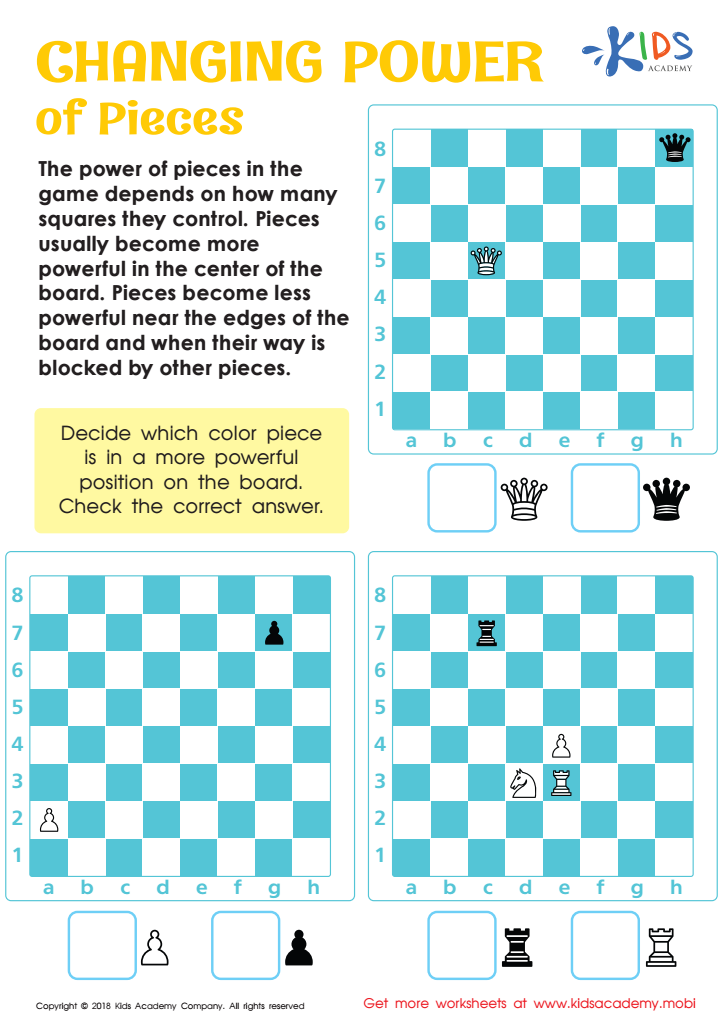
Changing Power of Chess Pieces Worksheet
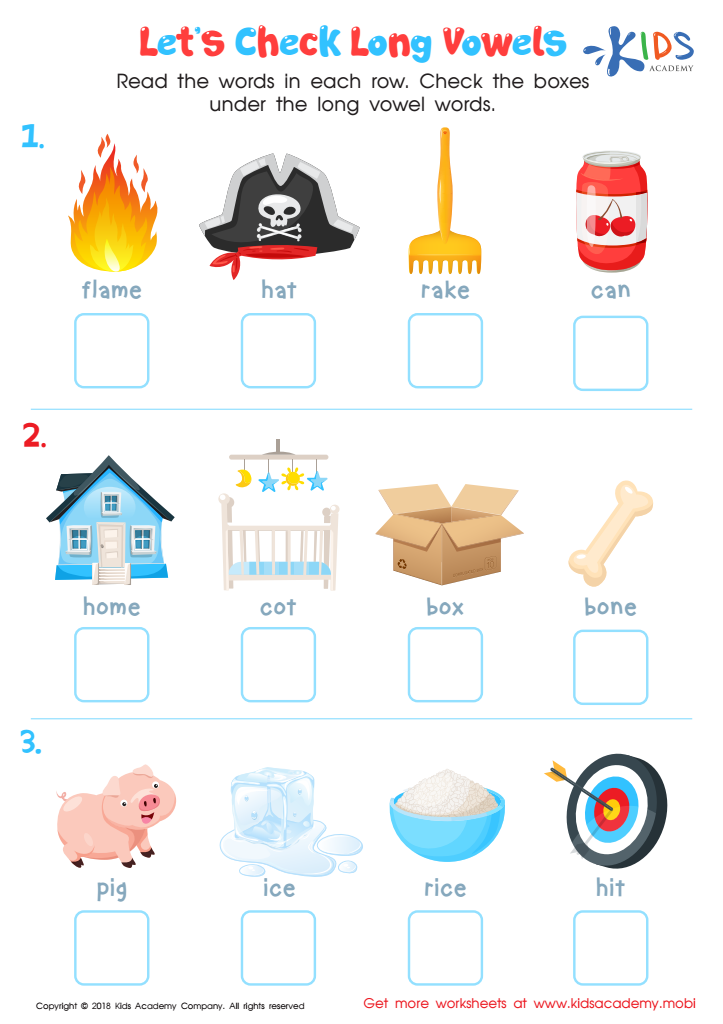
Let's Check Long Vowels: Assessment Worksheet
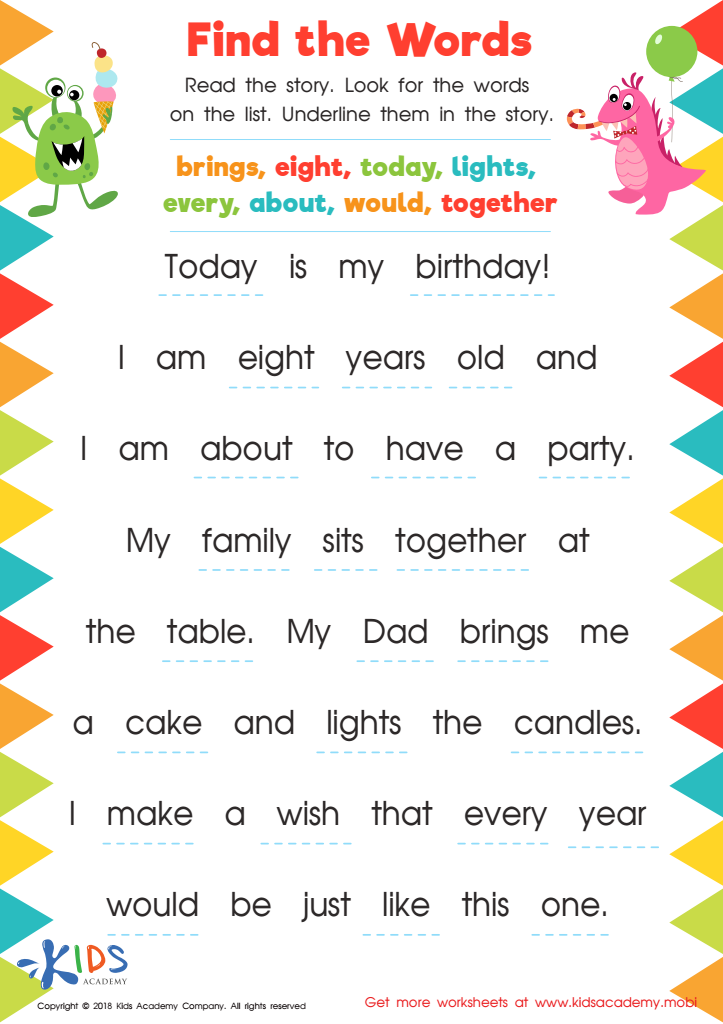
Find The Words Printable Worksheet
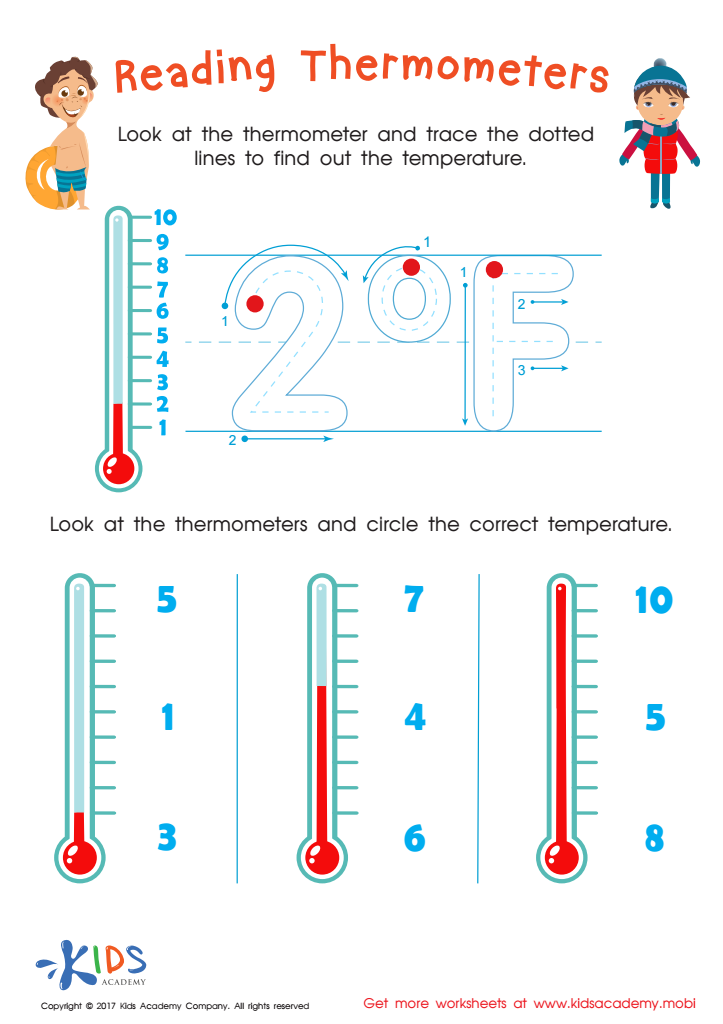
Reading Thermometers Printable
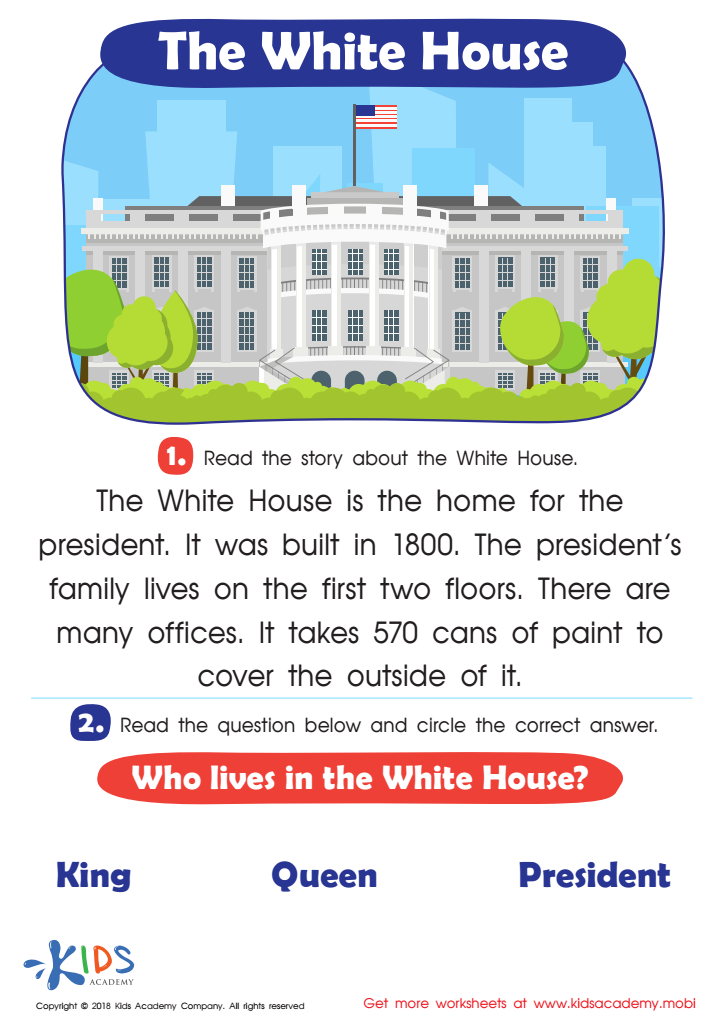
White House Worksheet
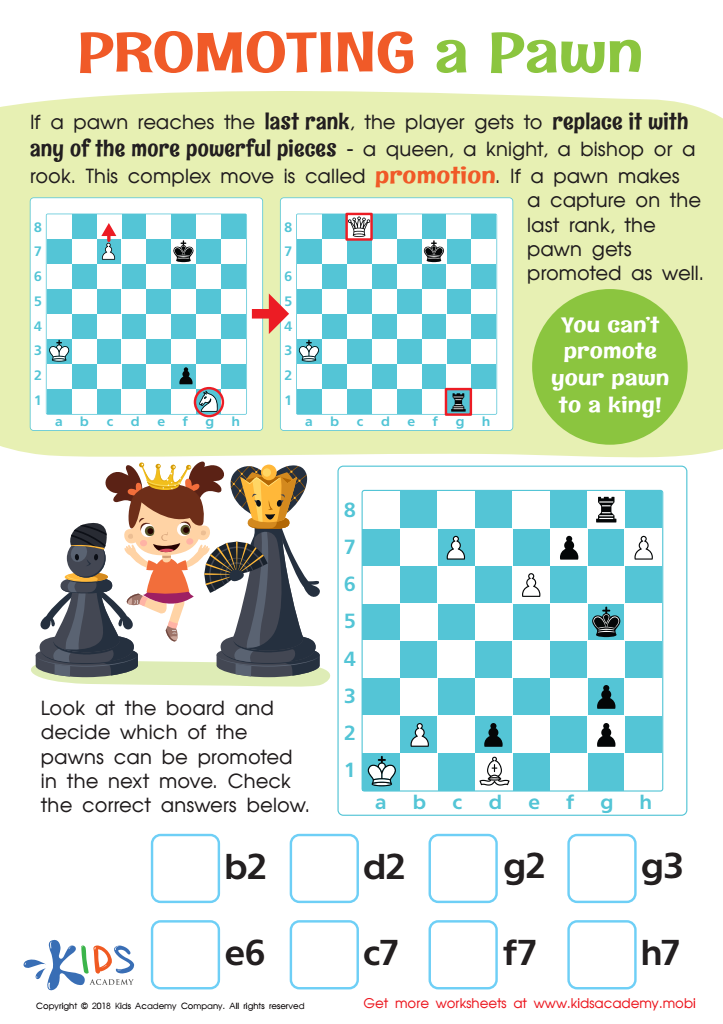
Promoting a Pawn Worksheet
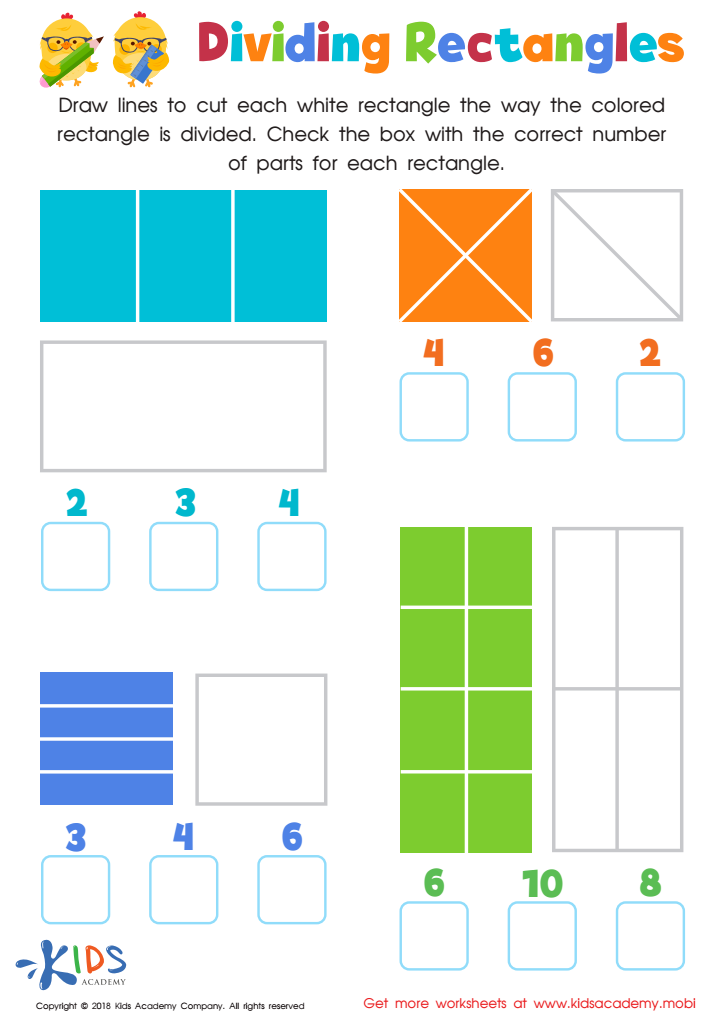
Dividing Rectangles Worksheet
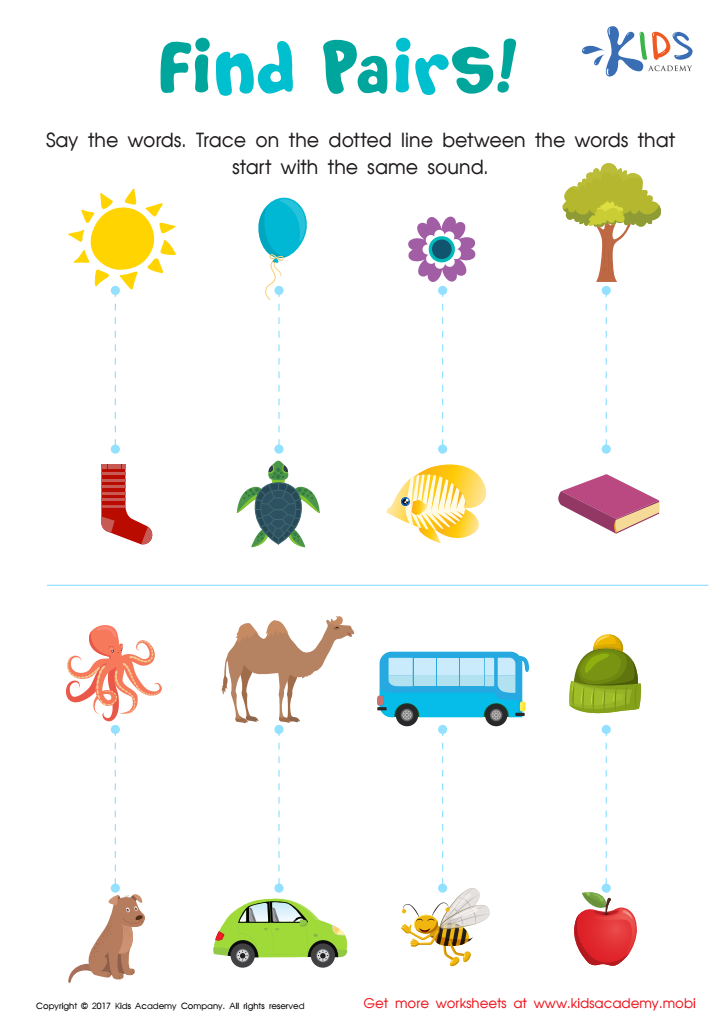
Beginning Sound: Find Pairs Worksheet
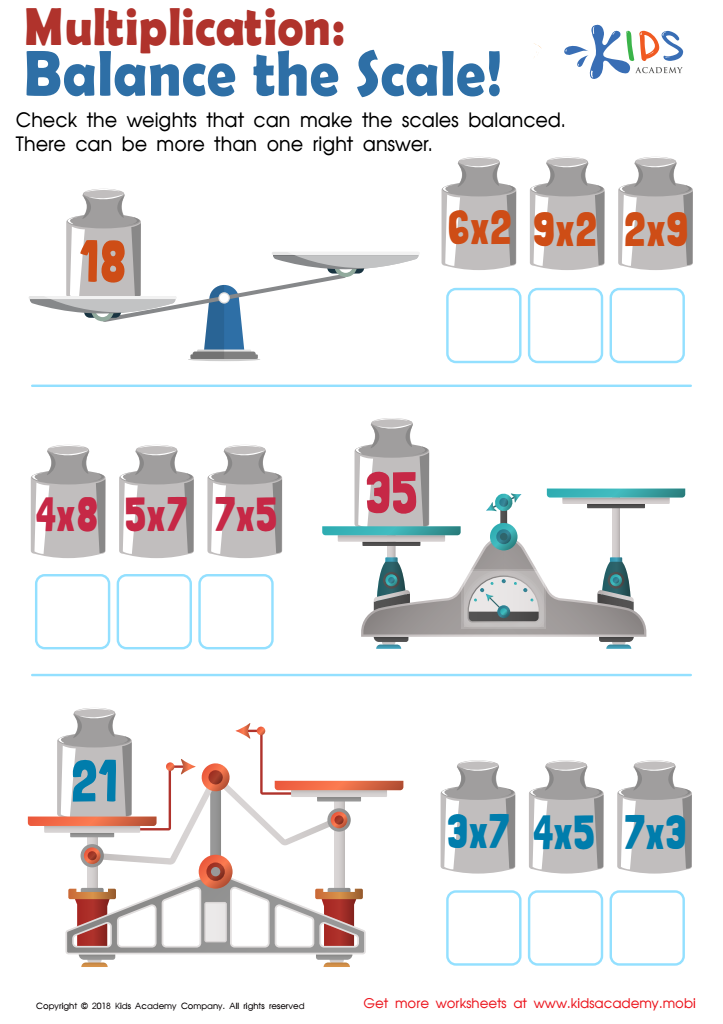
Balance the Scales Multiplication Worksheet
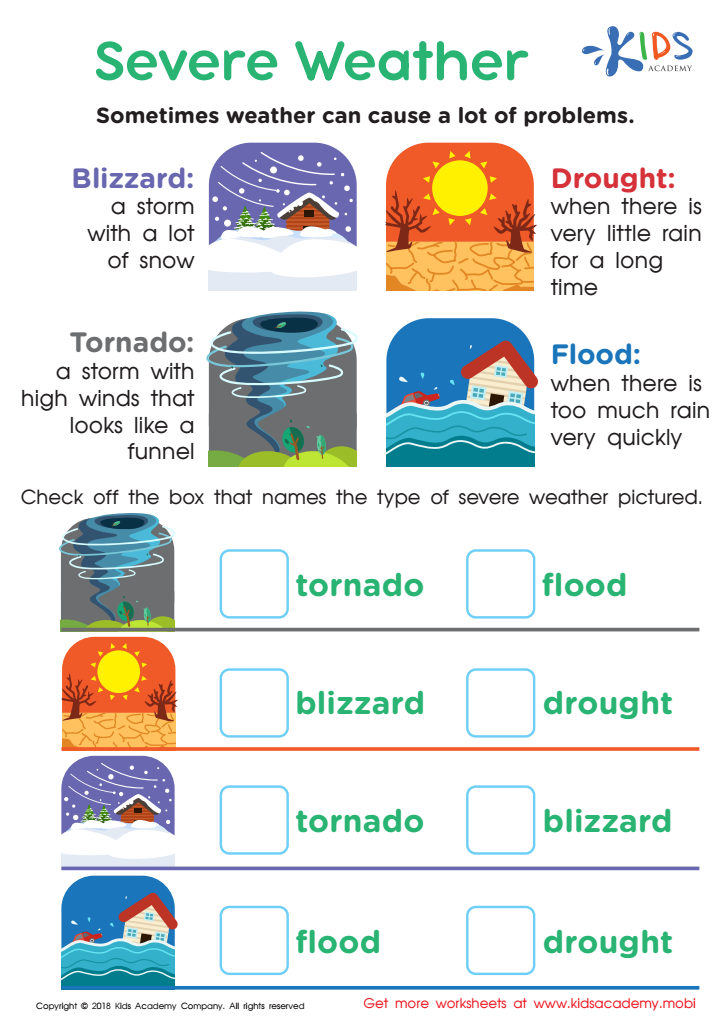
Severe Weather Worksheet
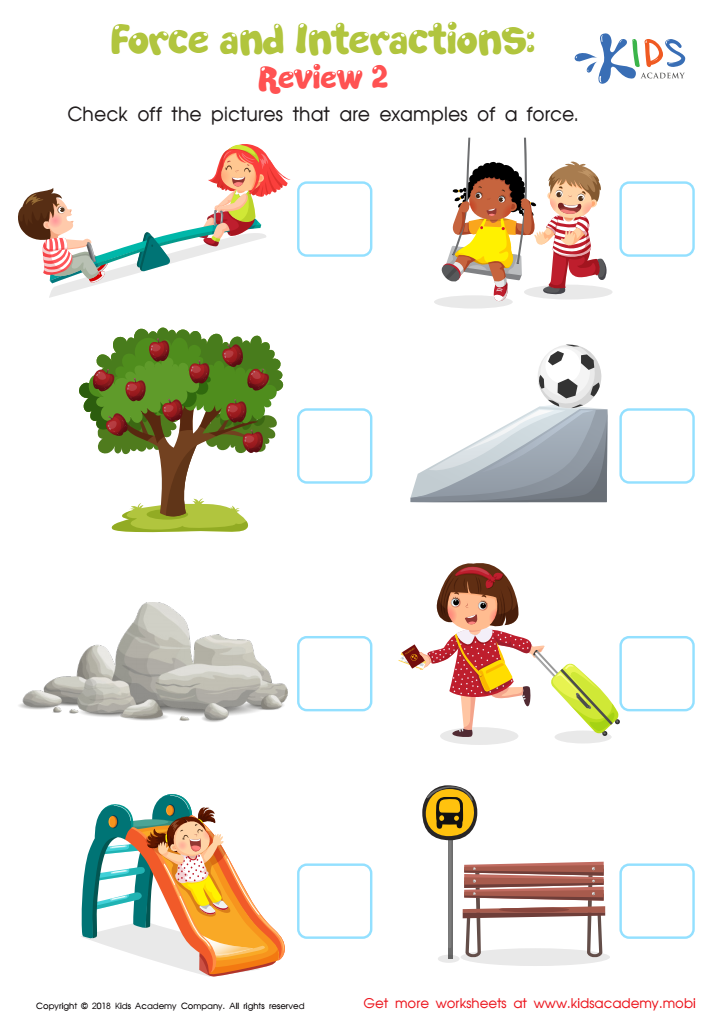
Force and Interactions: Review 2 Worksheet
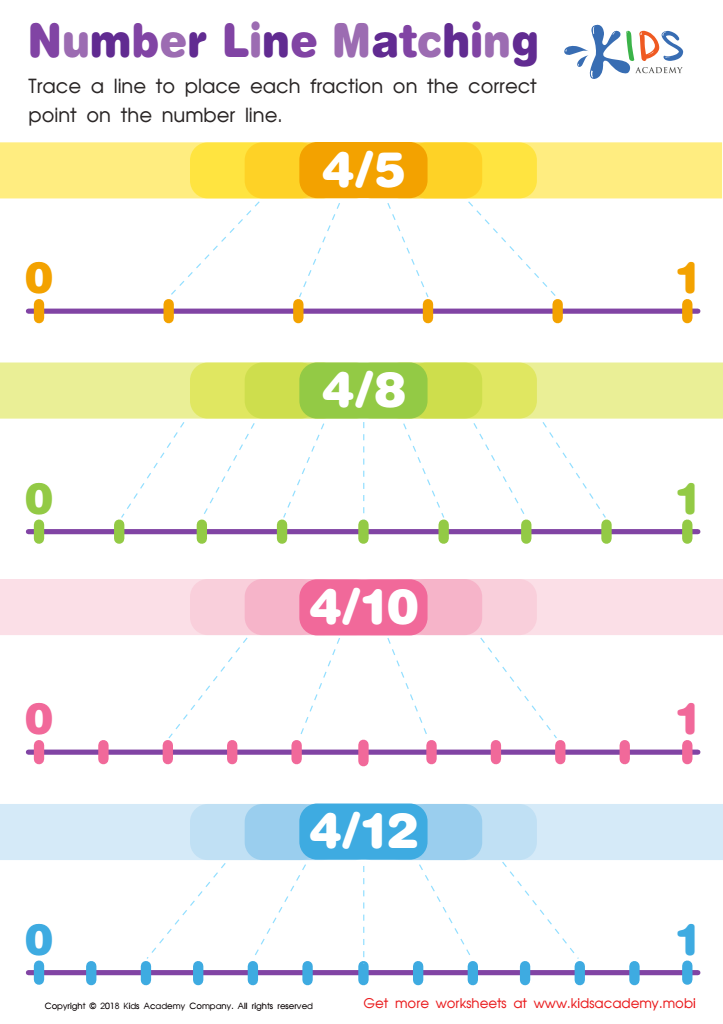
Number Line Matching Worksheet
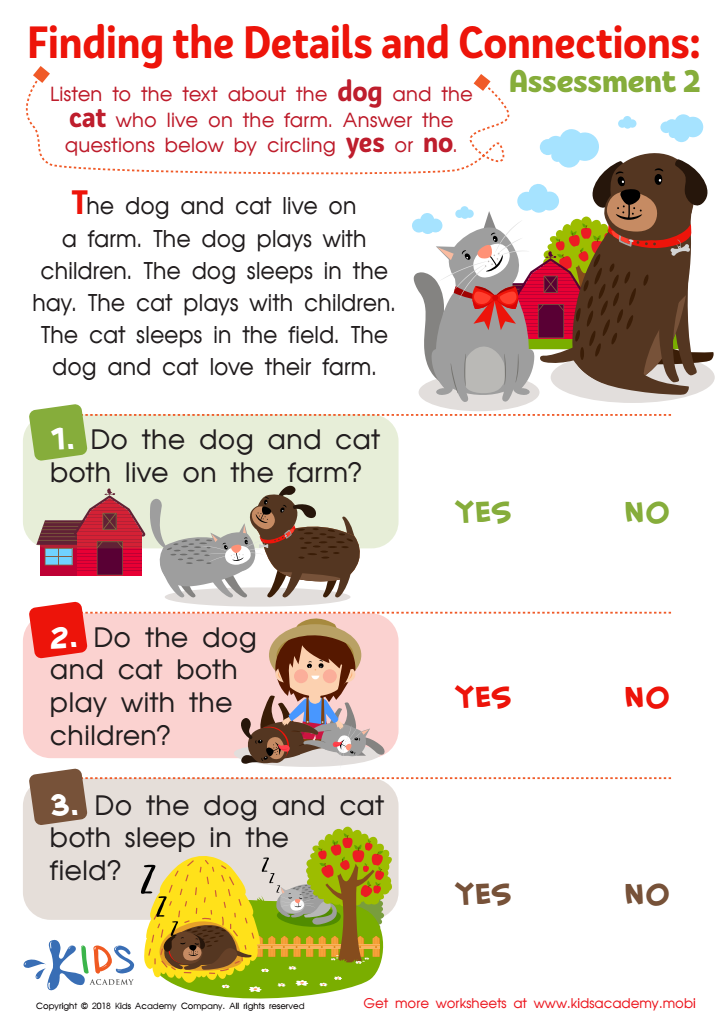
Finding the Details and Connections: Assessment 2 Worksheet
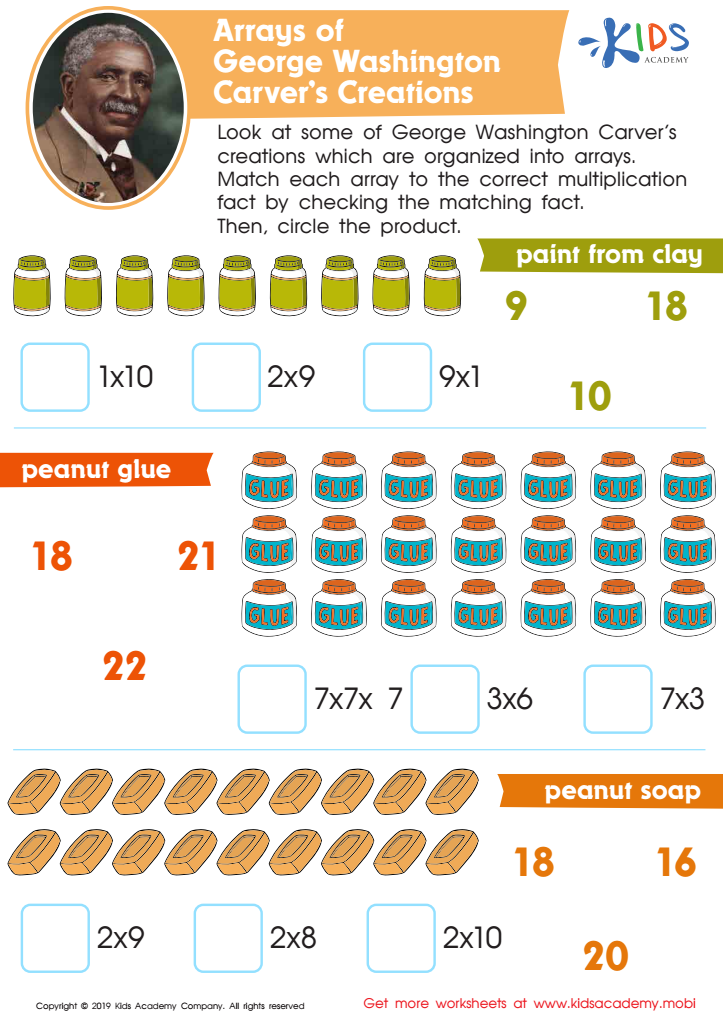
Arrays of George Washington Carver’s Creations Worksheet
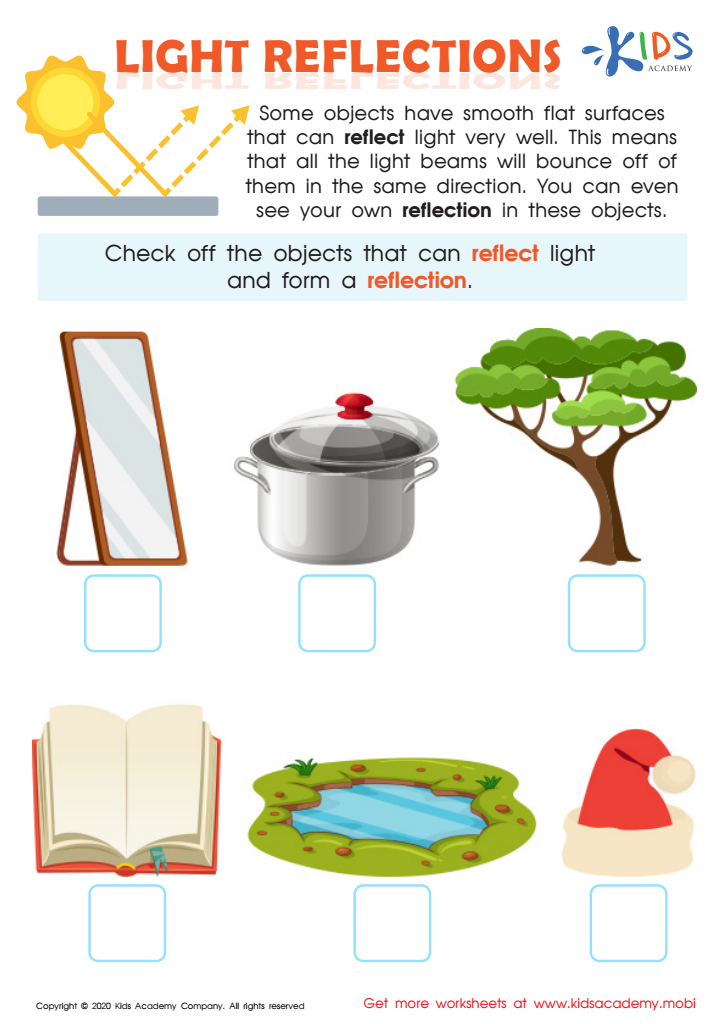
Light Reflections Worksheet
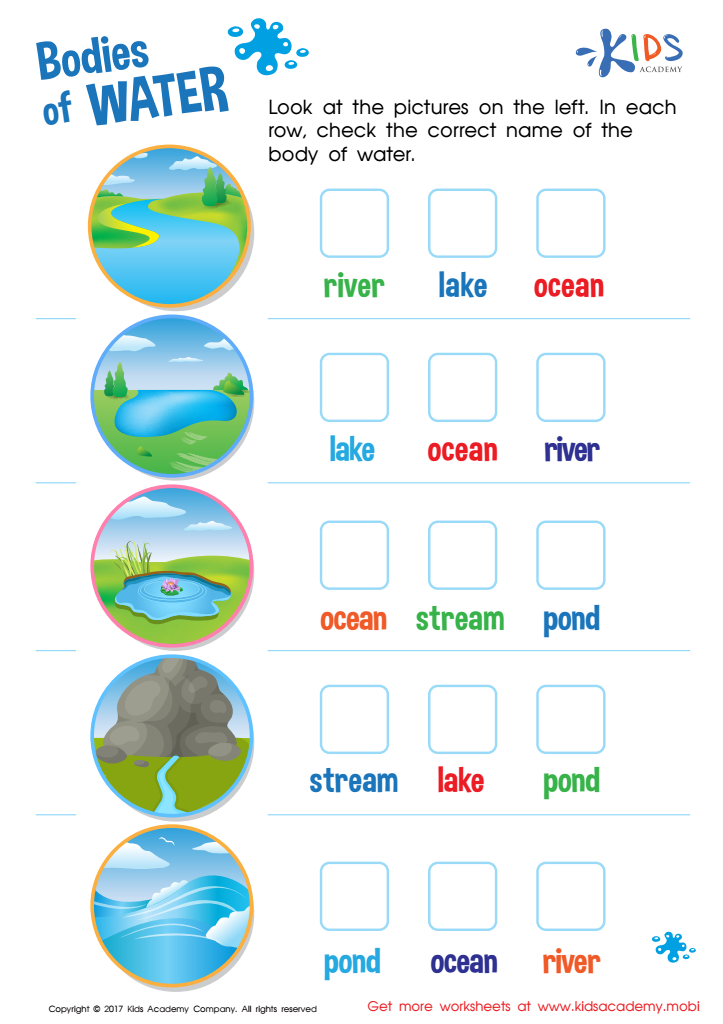
Bodies of Water Worksheet
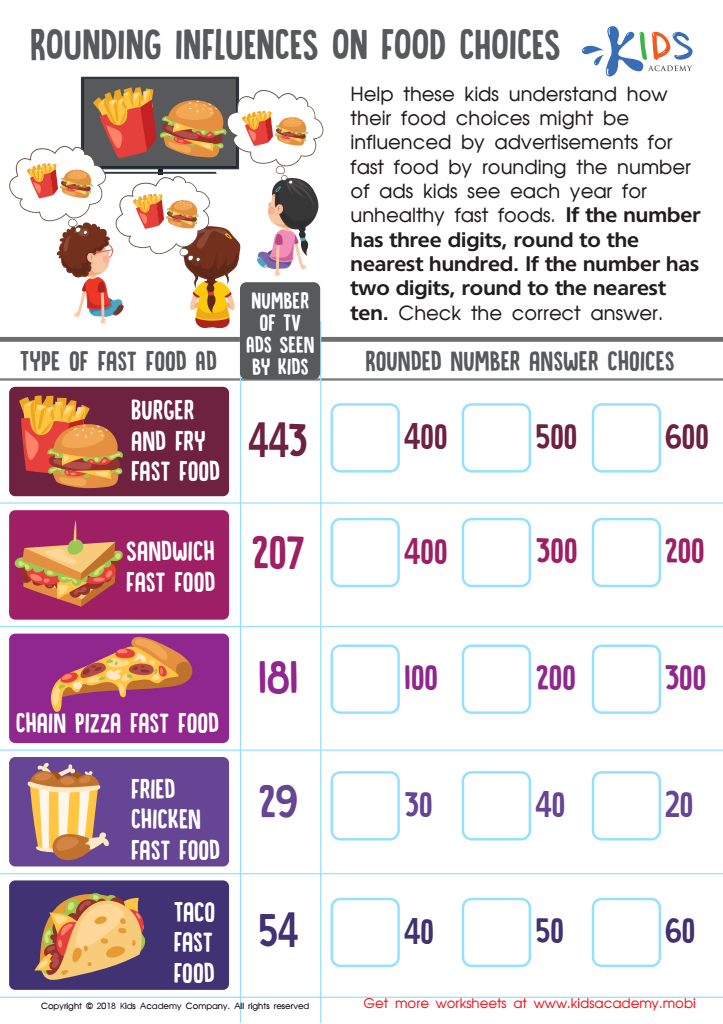
Rounding Influences Food Choices Worksheet
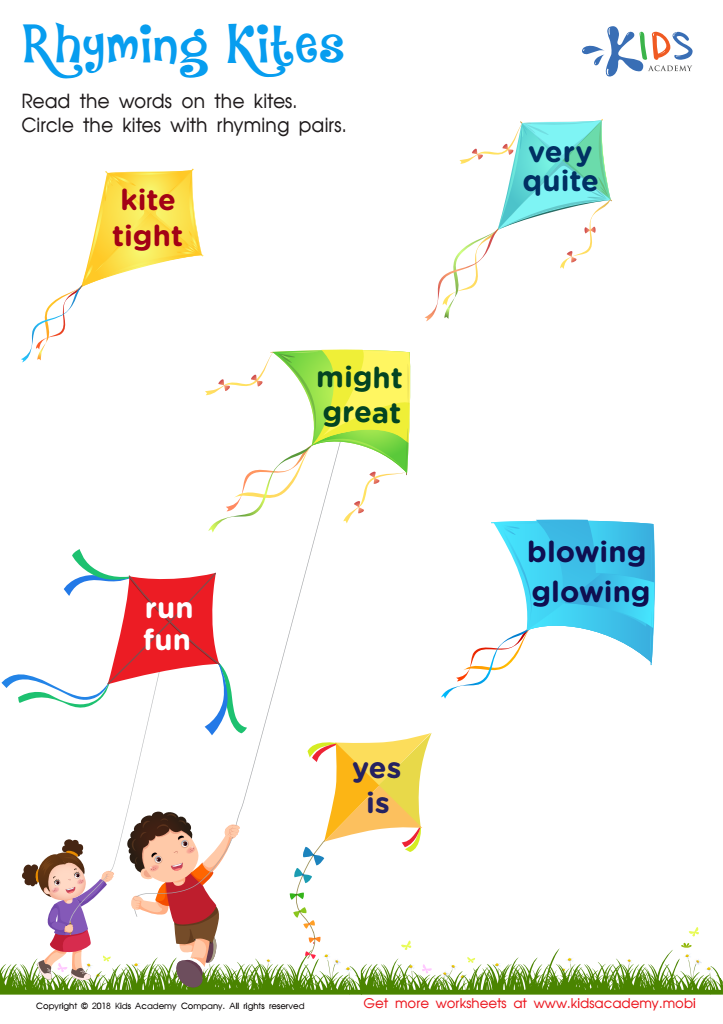
Rhyming Kites Worksheet
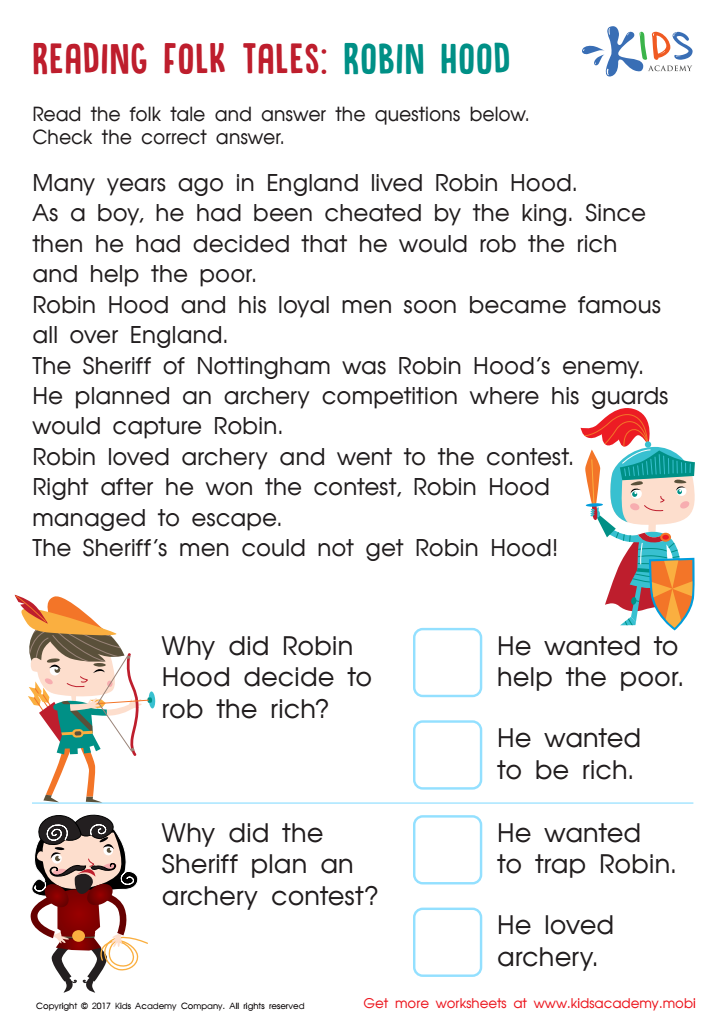
Robin Hood Folktale Worksheet







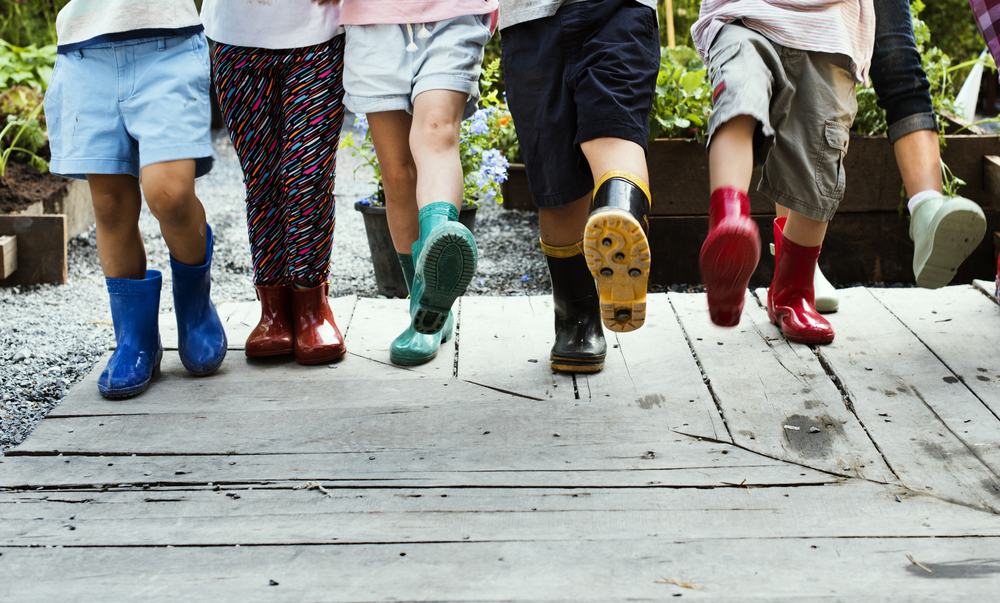
Understanding the concept of "normal" for children aged 5-9 is crucial for both parents and teachers as it shapes the developmental, social, and emotional landscape of young learners. During this critical formative stage, children undergo rapid changes in behavior, cognition, and social interactions. Recognizing what’s typical helps parents and teachers set appropriate expectations, identify milestones, and provide essential support when children deviate from these norms.
Caring about "normal" enables adults to foster a nurturing environment that caters to varied needs. For instance, if a child struggles with social interactions—something considered normal at this age—it may signal the need for intervention, encouragement, or skill-building activities. Similarly, understanding the normal spectrum of emotions can help adults in guiding children through challenges such as anxiety or frustration.
Furthermore, awareness of norms helps in creating inclusive classrooms, allowing for differentiated instruction that respects each child's pace of learning and growth. This understanding contributes to a child's self-esteem, inclusion, and motivation. In essence, knowledge of normal developmental behavior equips parents and teachers to cultivate supportive, responsive, and effective learning environments that enhance children's emotional well-being and academic success.








