Normal Vowel Diphthongs Worksheets for Ages 5-9
25 filtered results
-
From - To
Enhance your child’s reading and writing skills with our Normal Vowel Diphthongs Worksheets tailored for ages 5-9! These engaging, printable resources introduce young learners to the concept of diphthongs—combined vowel sounds that create new pronunciations. With a variety of activities, including matching, fill-in-the-blank, and coloring exercises, children will develop phonetic awareness while having fun. These worksheets are designed to build confidence in language skills and empower students to master vowel combinations in an enjoyable way. Perfect for home or classroom use, our resources provide a solid foundation for effective and enjoyable learning experiences. Start exploring today!
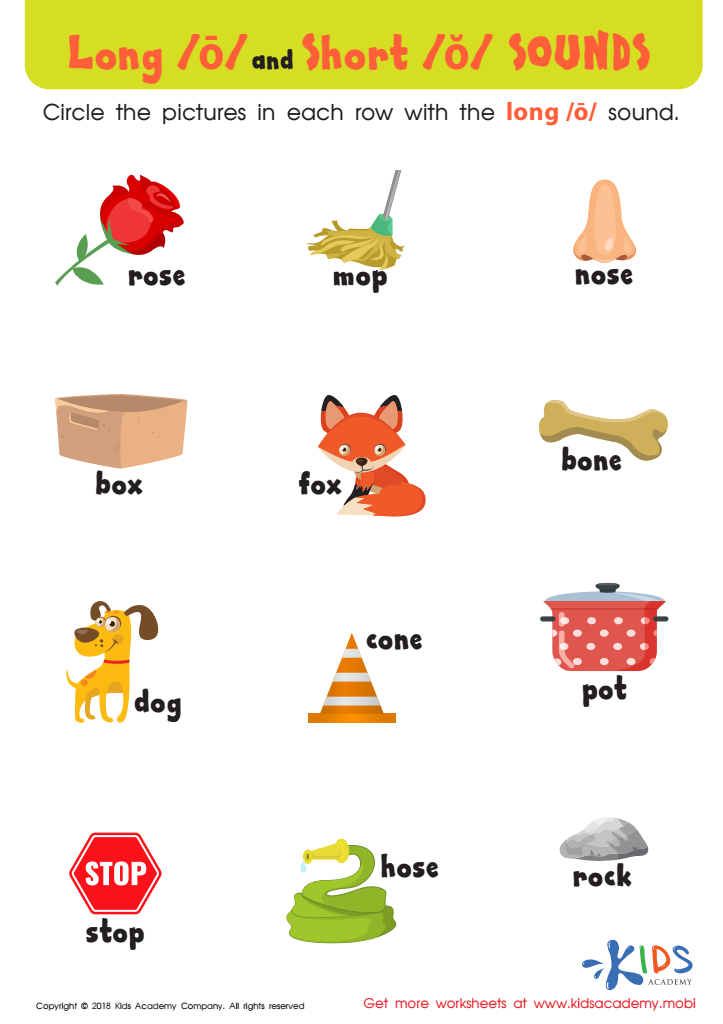
Reading: Long O and Short O Sounds Worksheet
 Assign to My Students
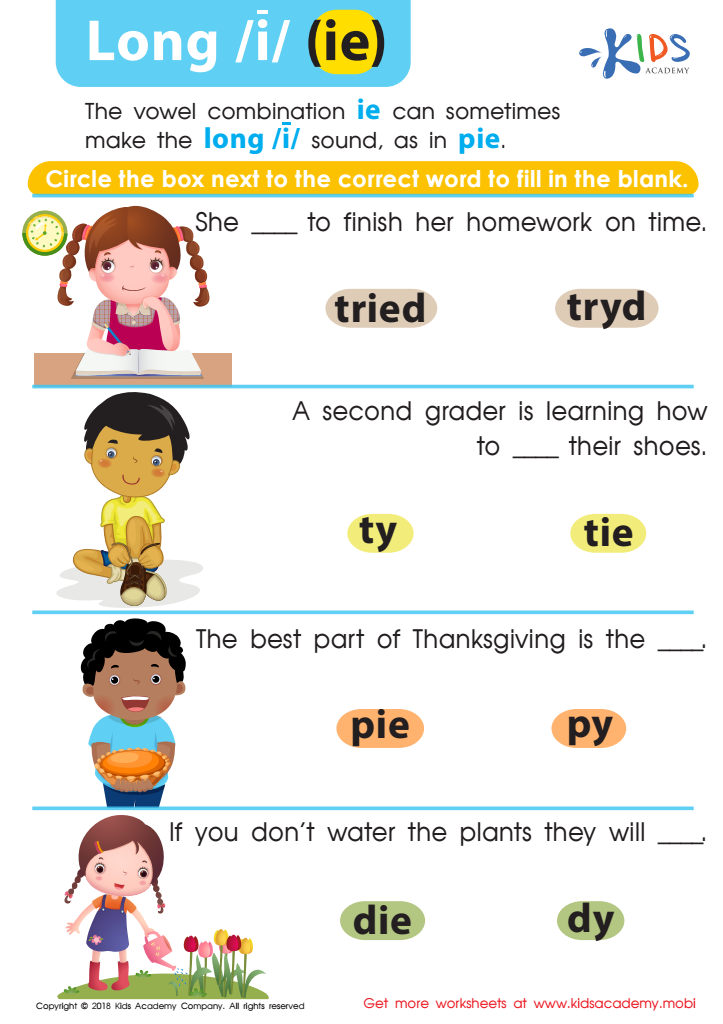
Reading: Long I and IE Worksheet
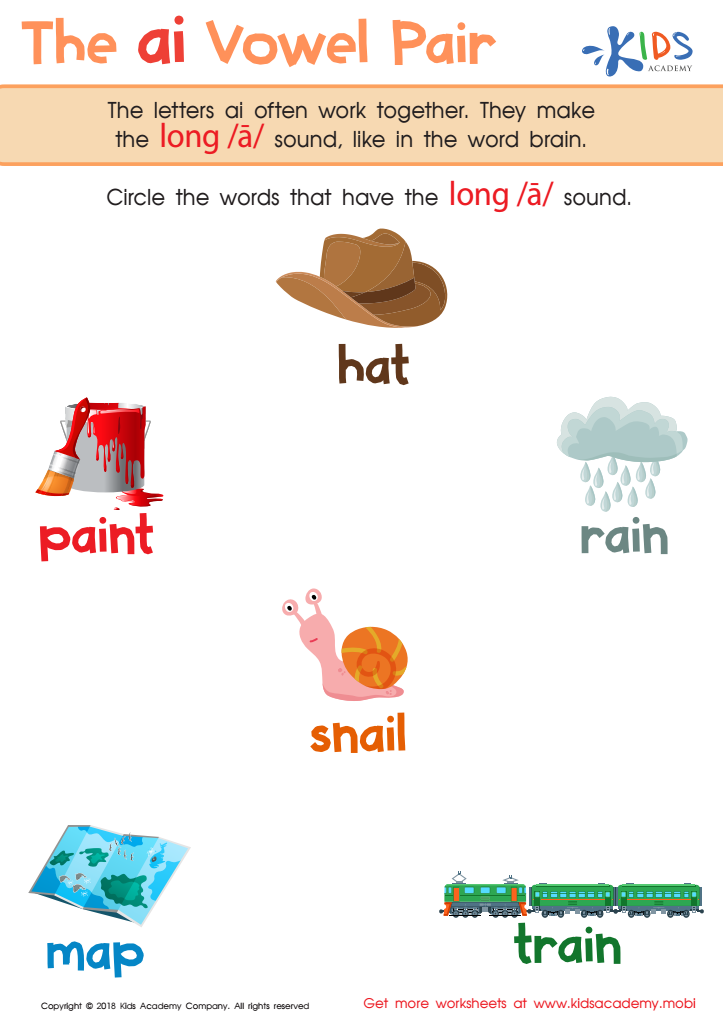
The AI Vowel Pair Worksheet
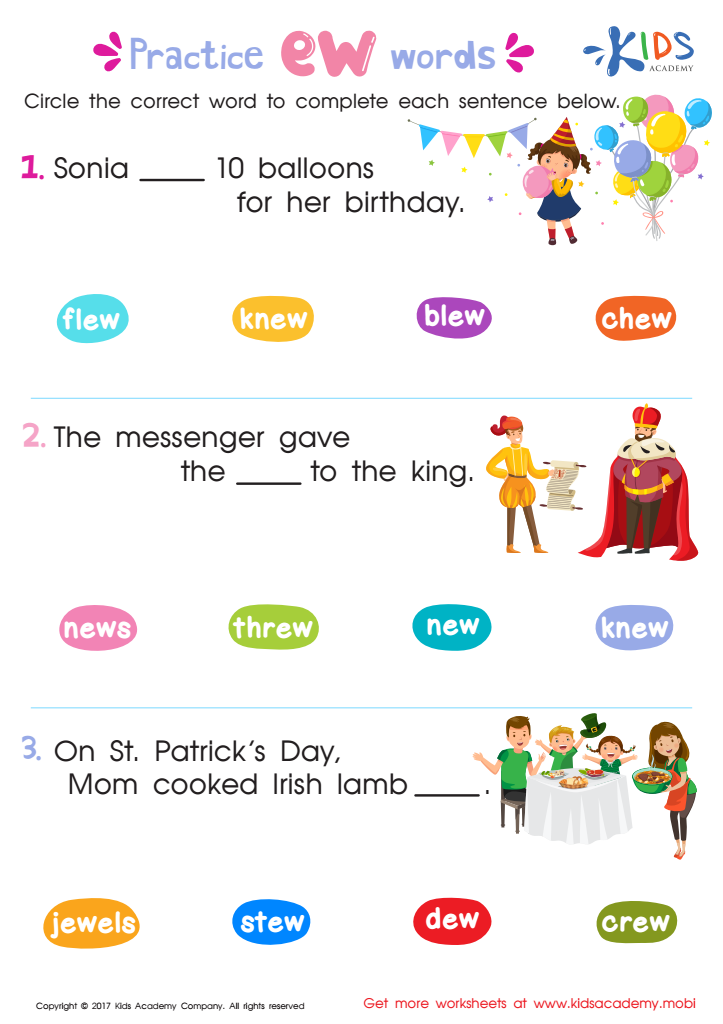
EW Words Worksheet
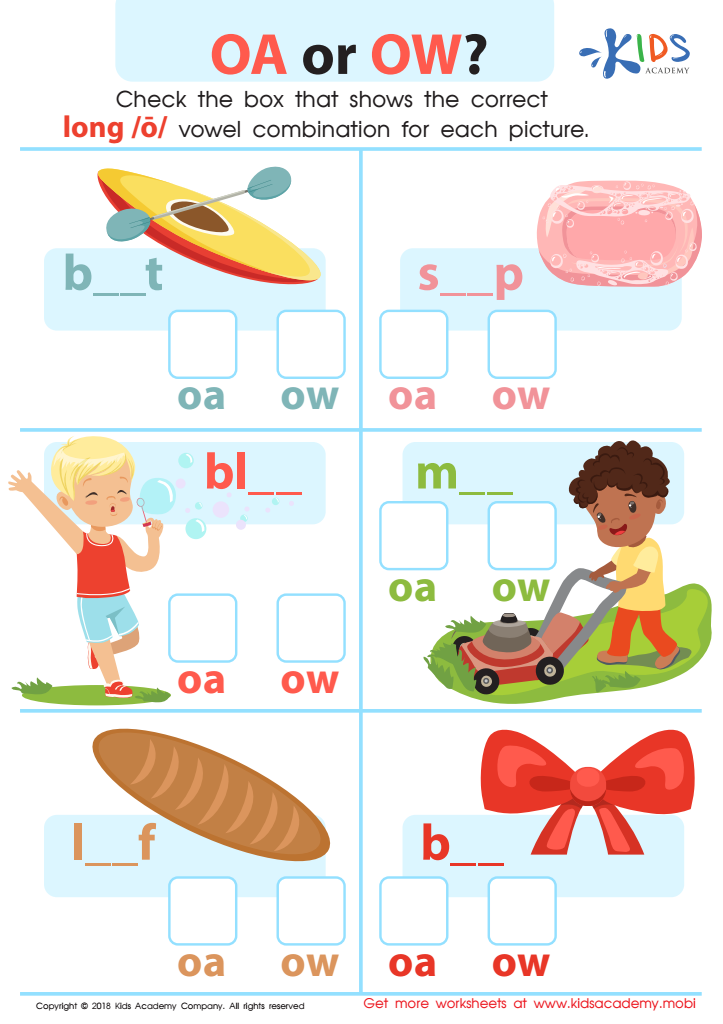
Reading: OA or OW Worksheet
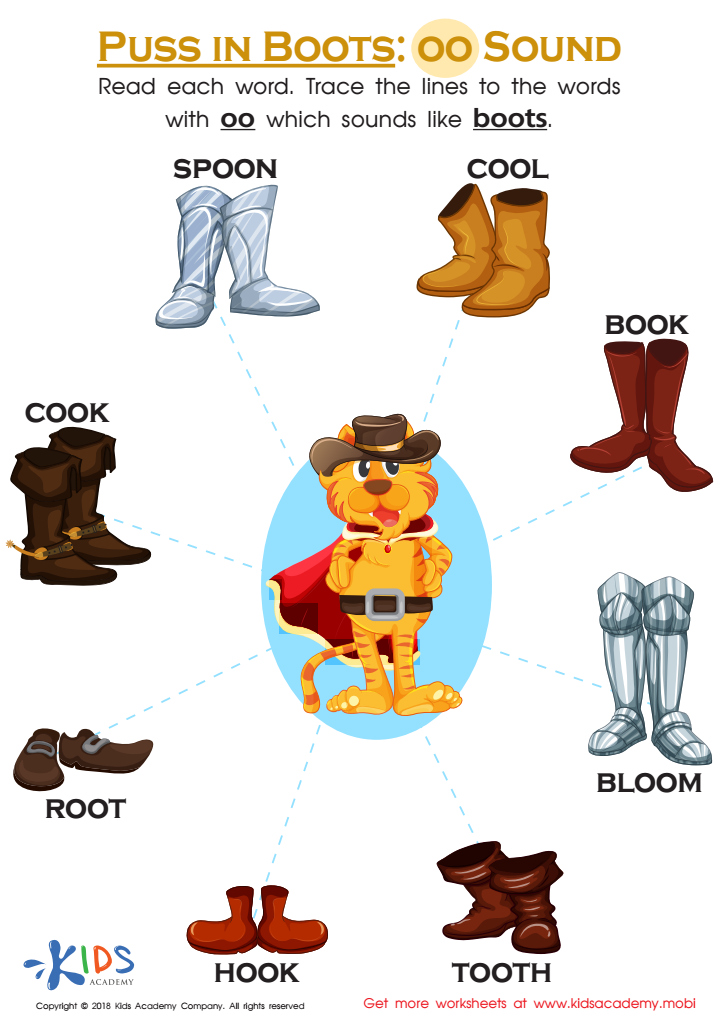
Puss in Boots: OO Sound Worksheet
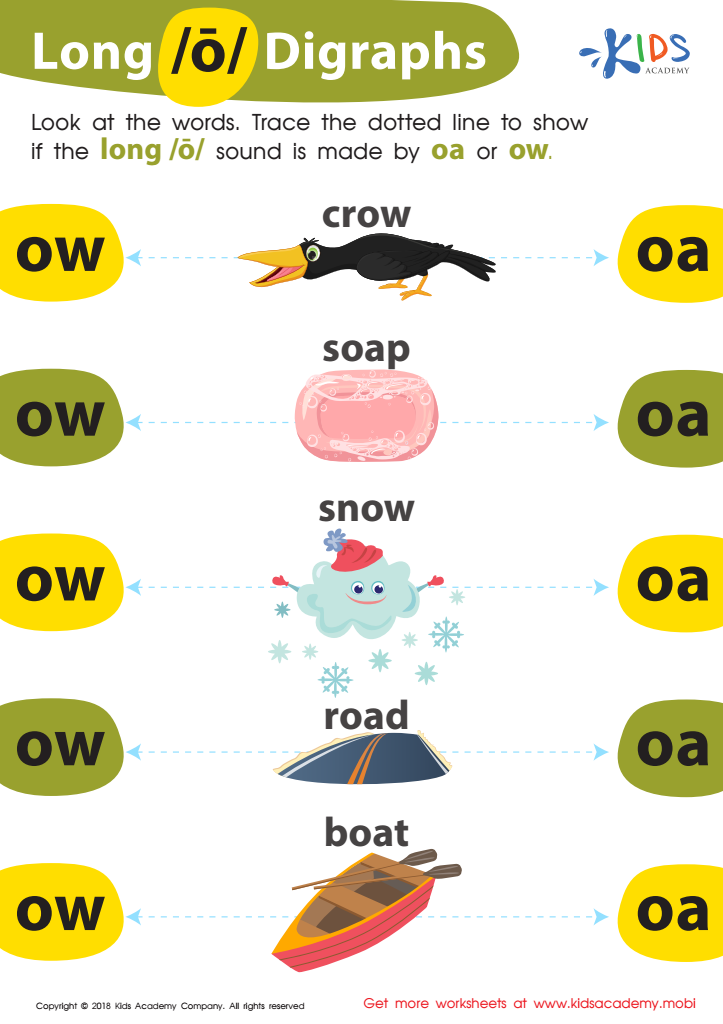
Reading: Long O Digraphs Worksheet
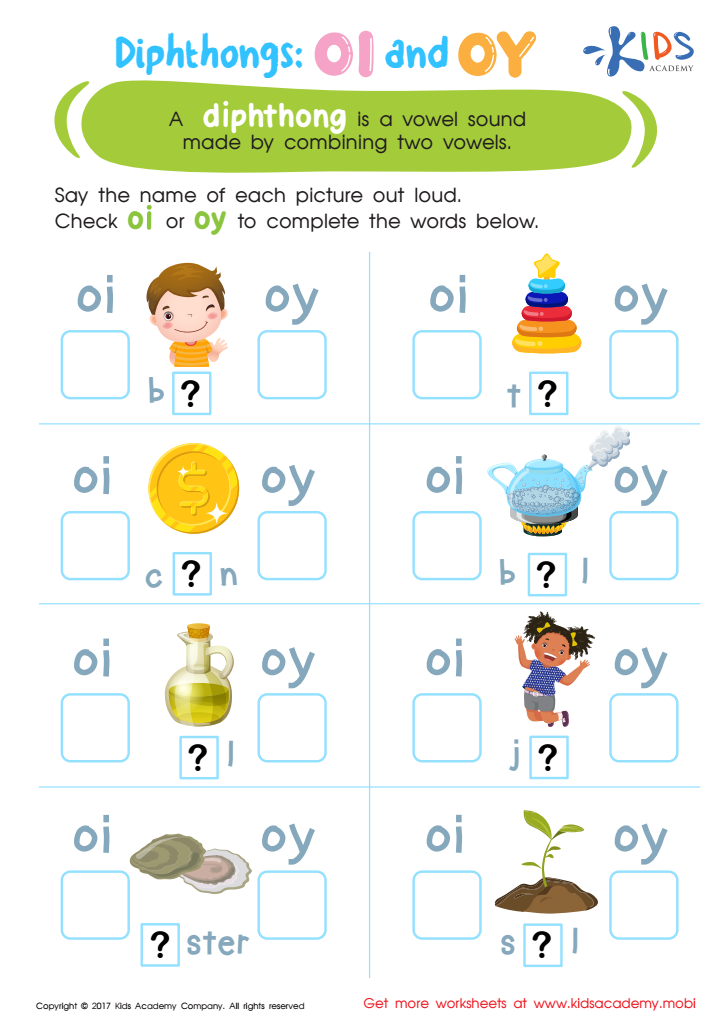
Vowel Diphthongs OI OY Worksheet
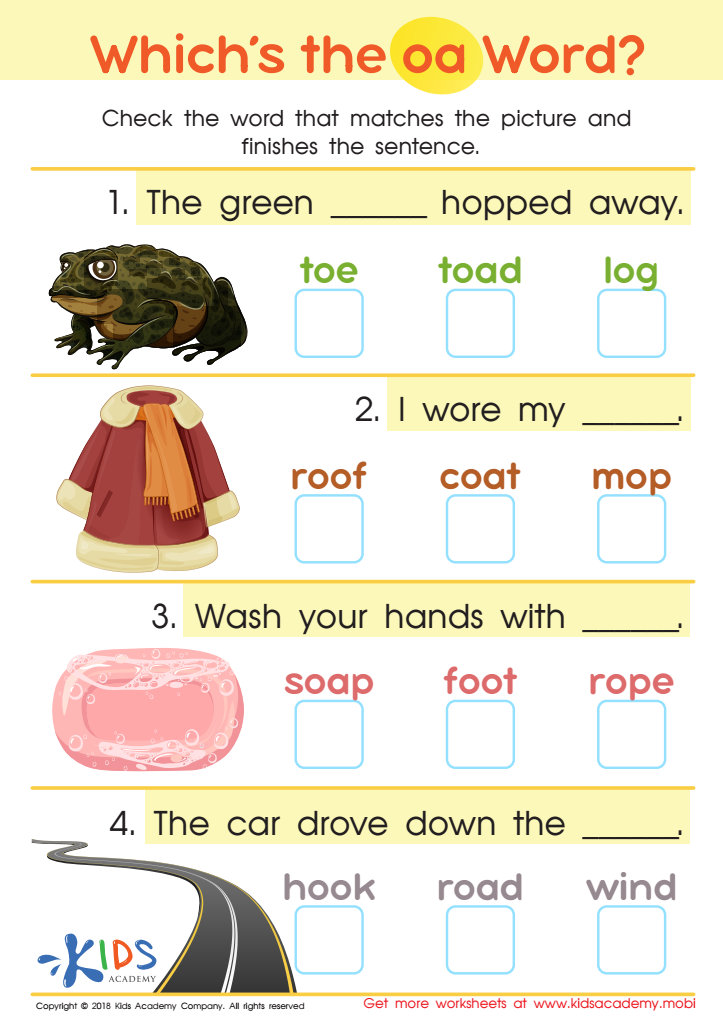
Which's the OA Word? Worksheet
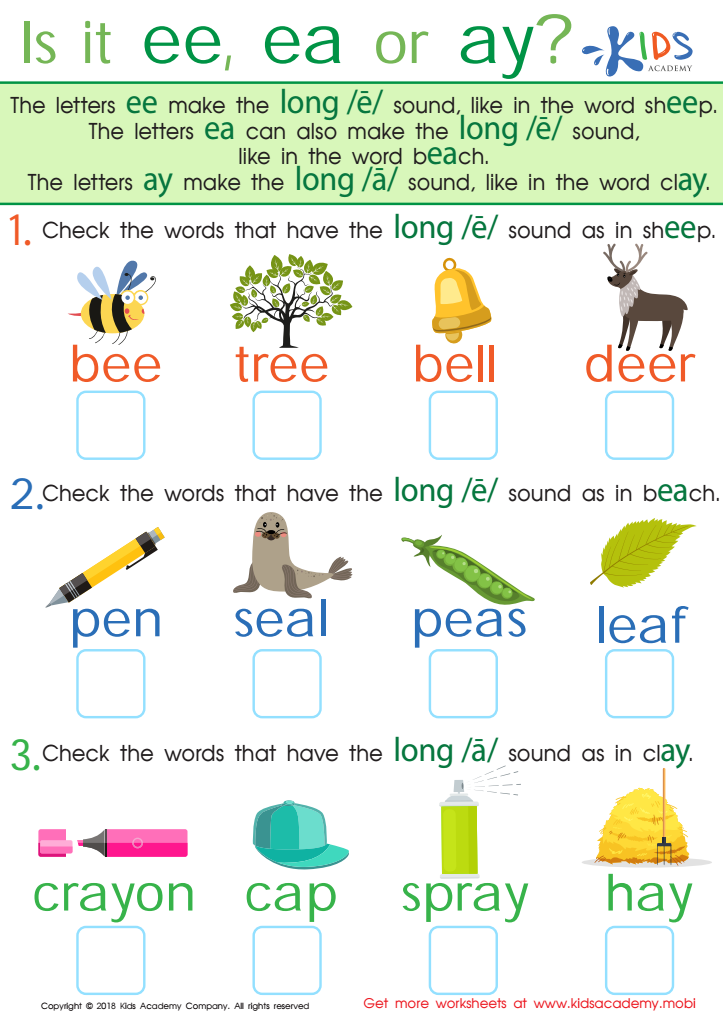
Is It EE, EA, or AY? Worksheet
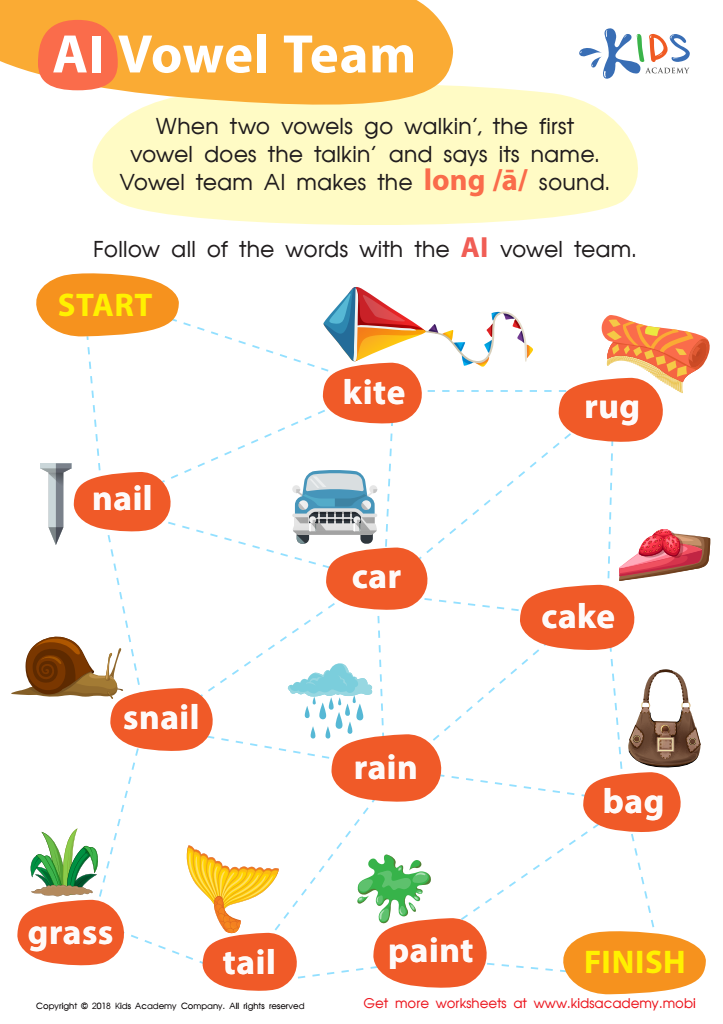
Reading: AI Vowel Team Worksheet
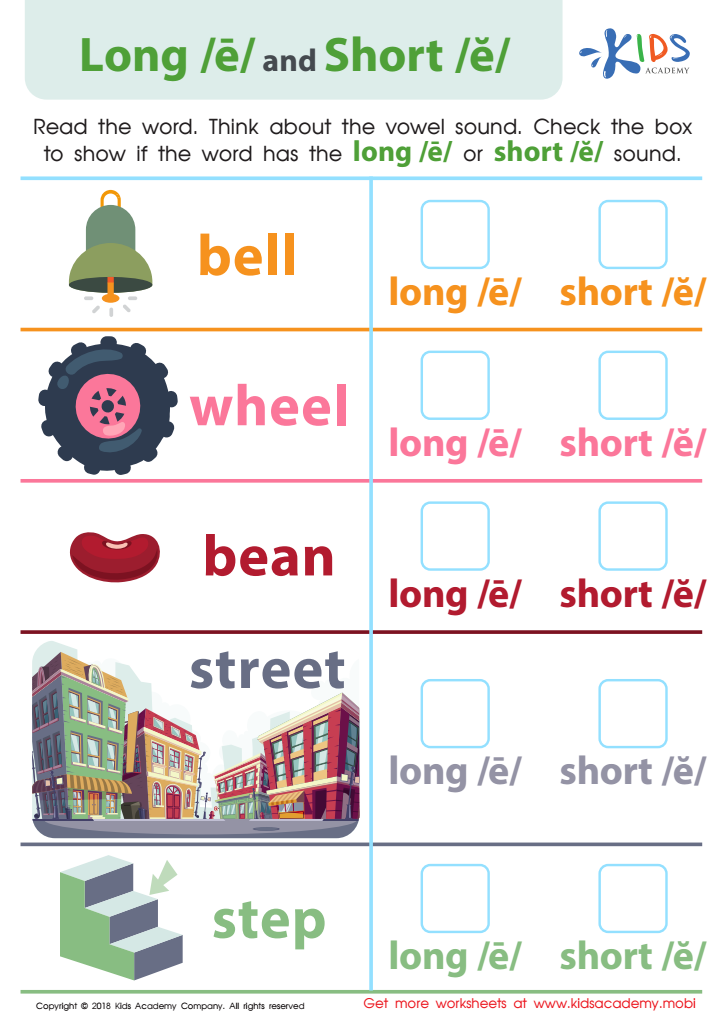
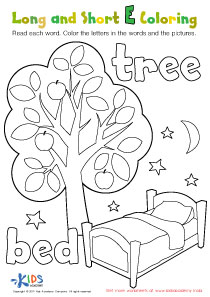
Reading: Long E and Short E Worksheet
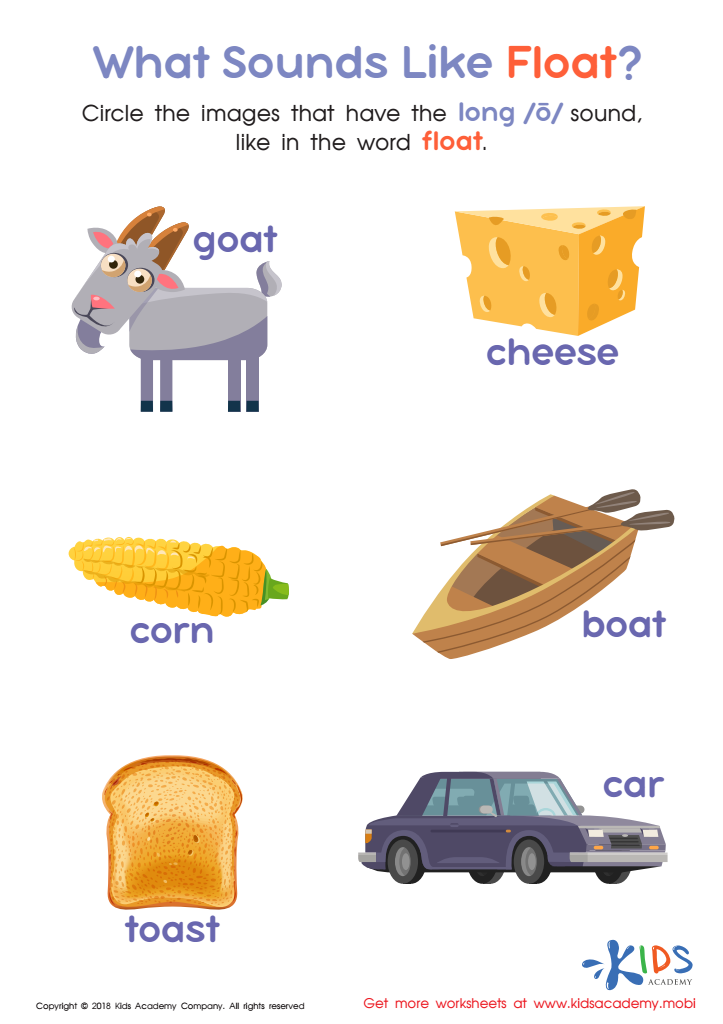
What Sounds Like Float? Worksheet
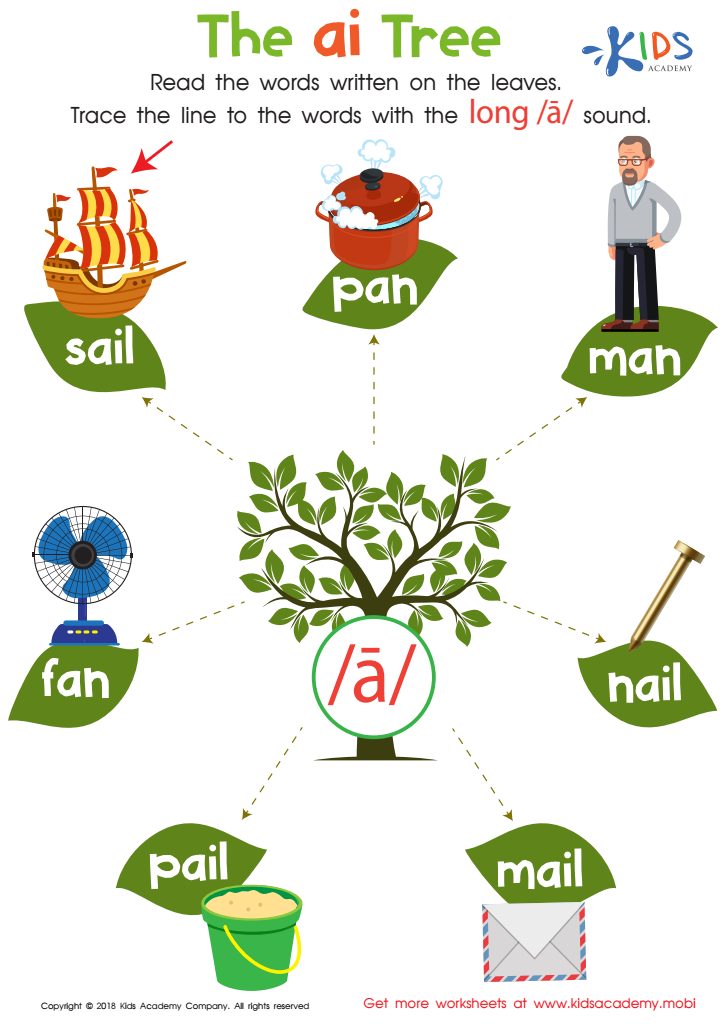
The AI Tree Worksheet
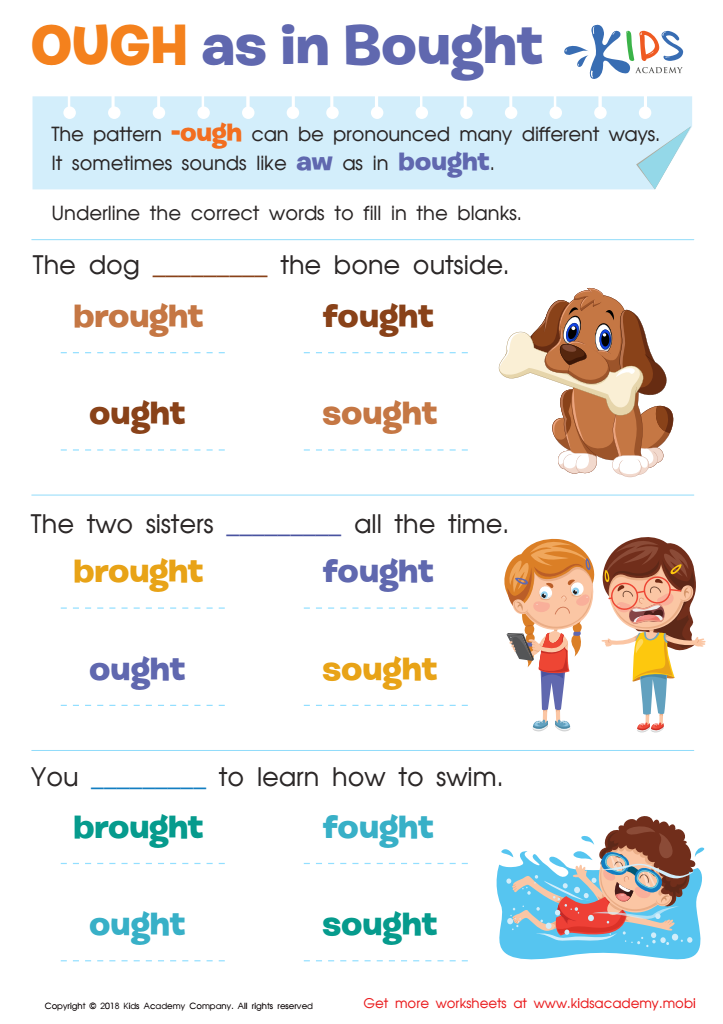
OUGH as in Bought Worksheet
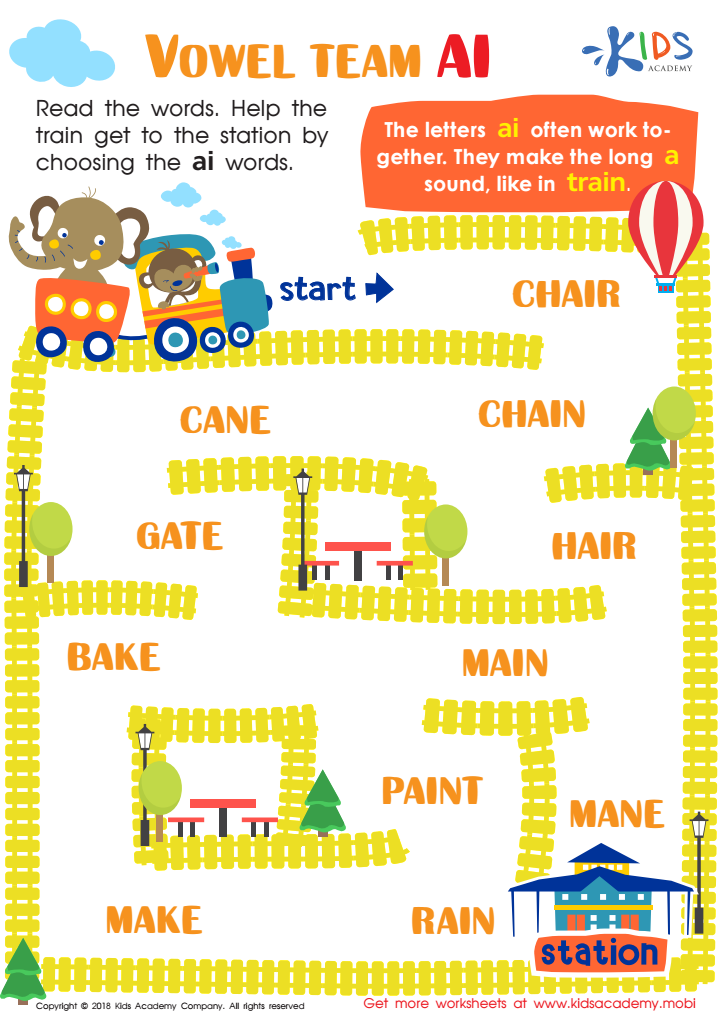
Vowel team ai Worksheet
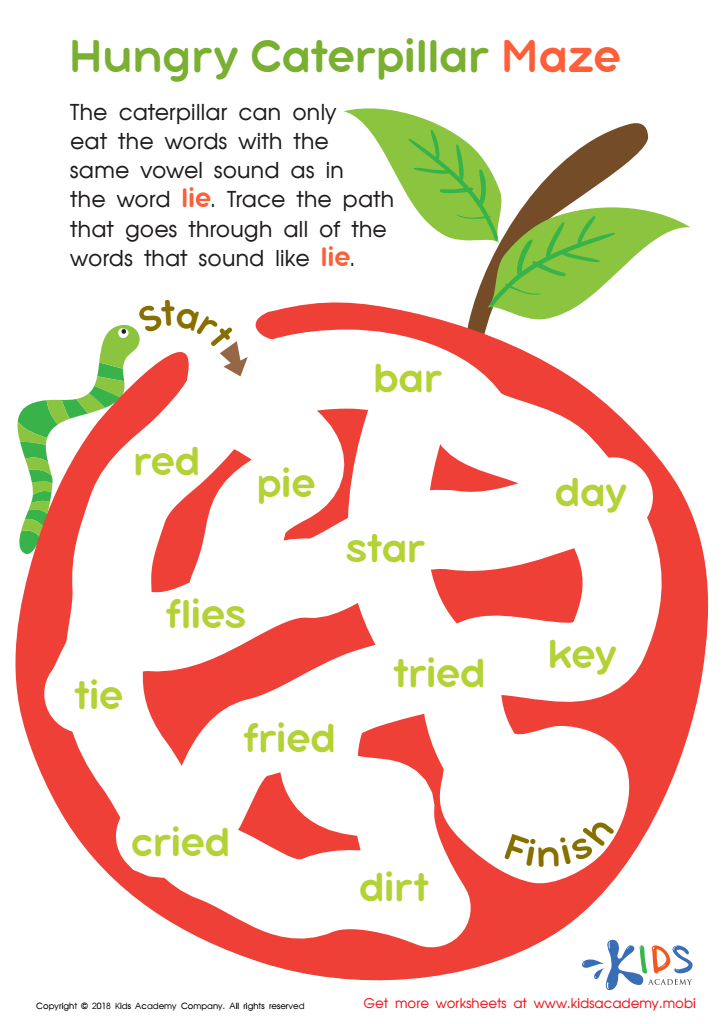
Hungry Caterpillar Maze Worksheet
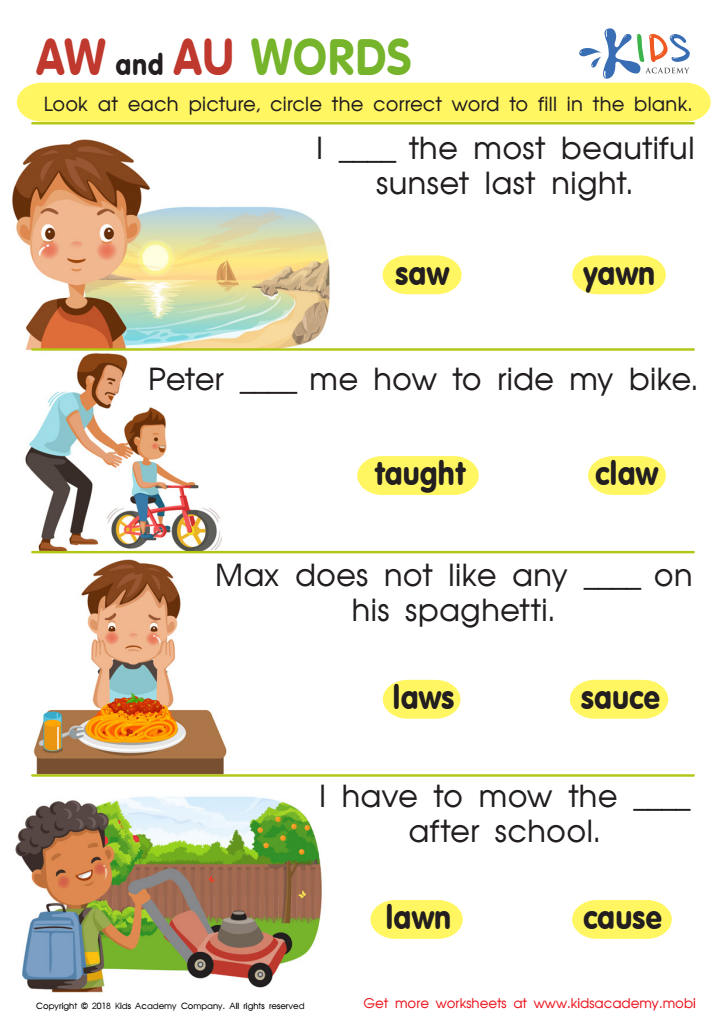
Reading: AW and AU Words Worksheet
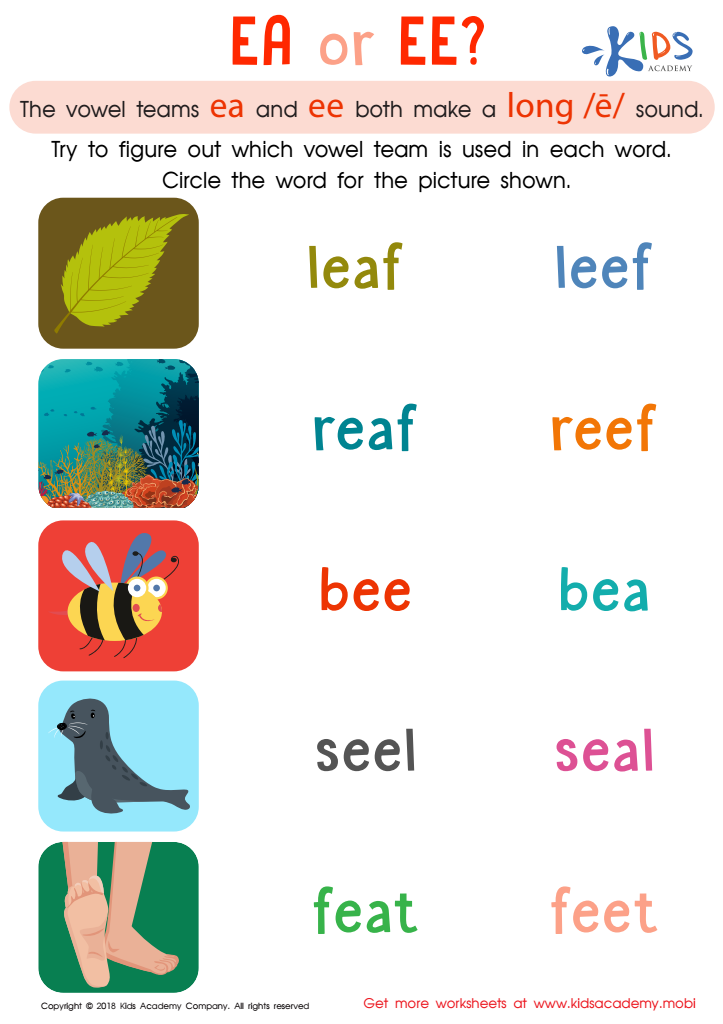
Reading: EA and EE Worksheet
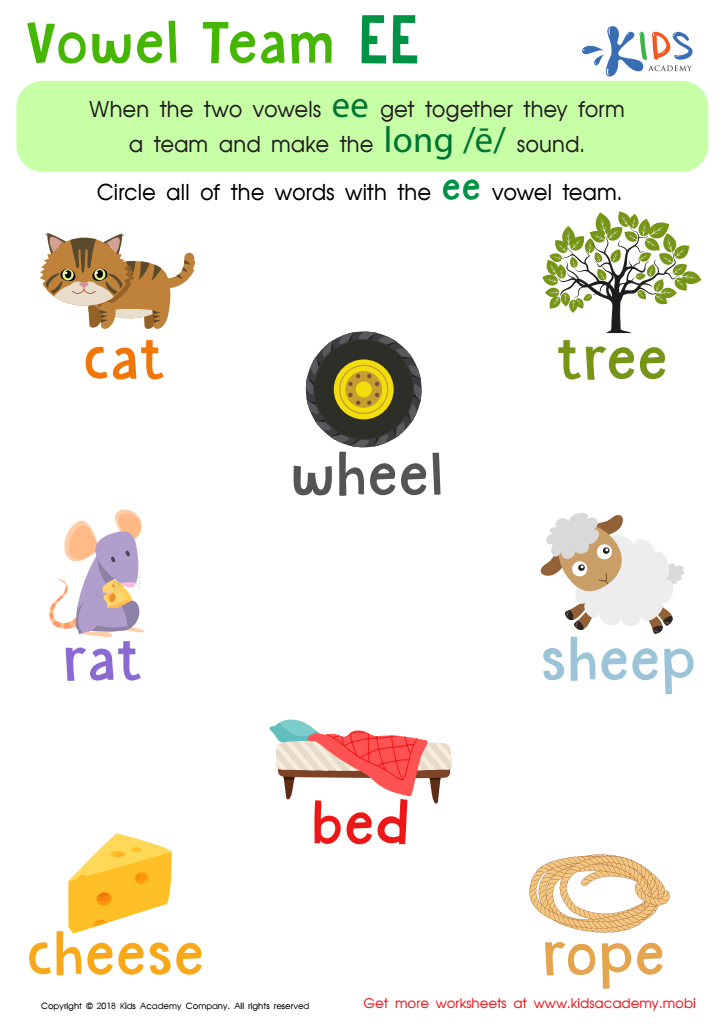
Reading: Vowel Team EE Worksheet
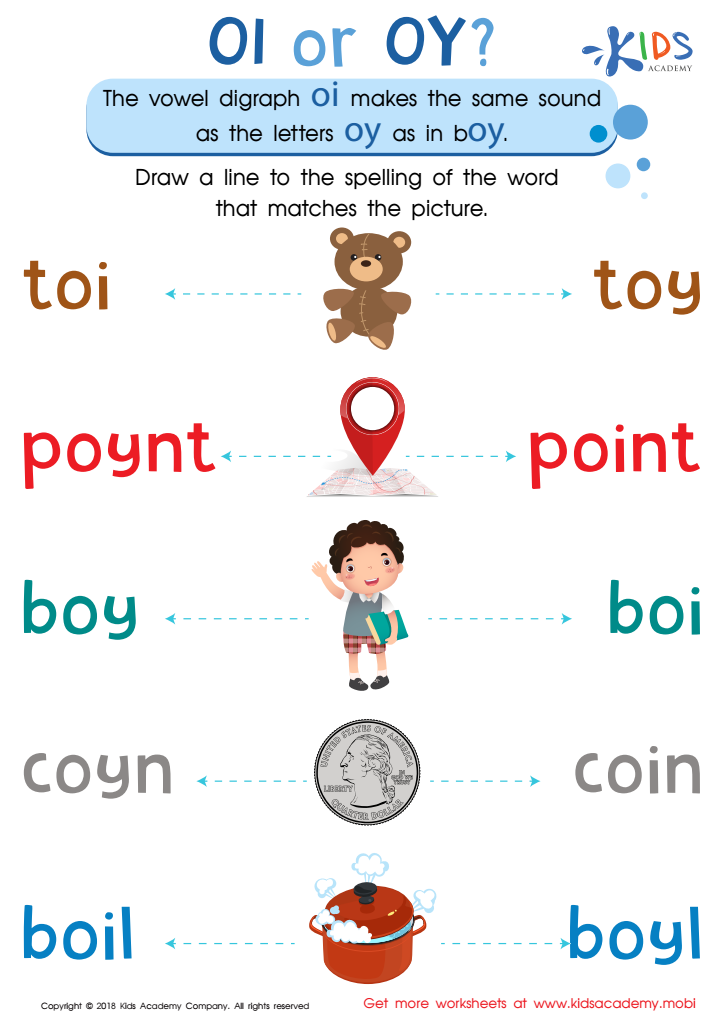
Reading: OI and OY Worksheet
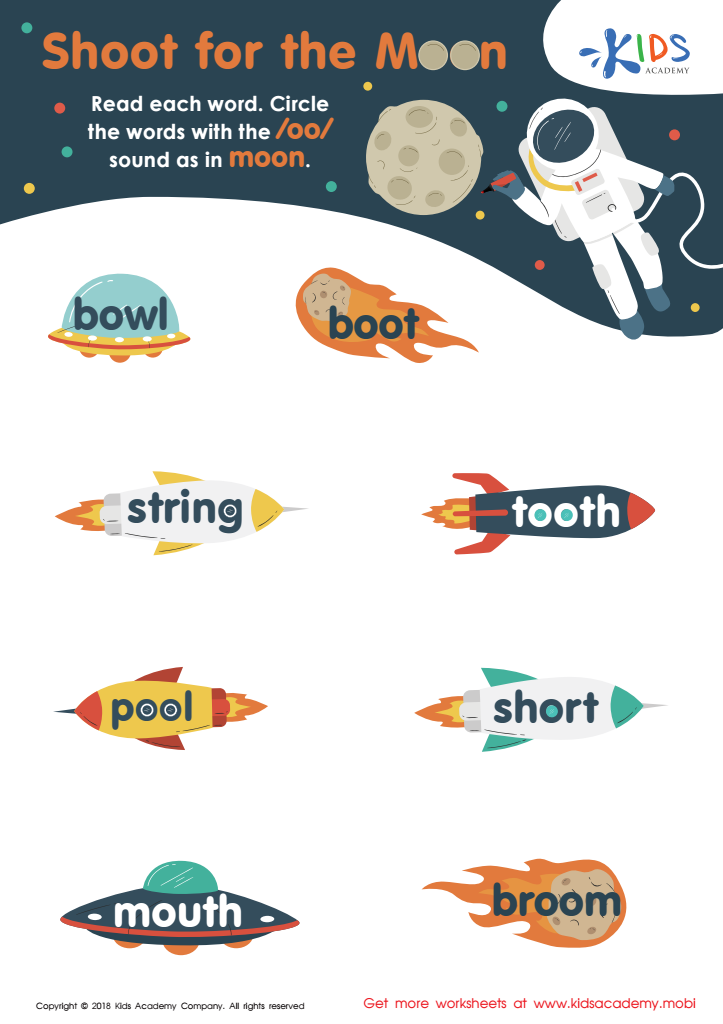
Reading: Shoot for the Moon Worksheet
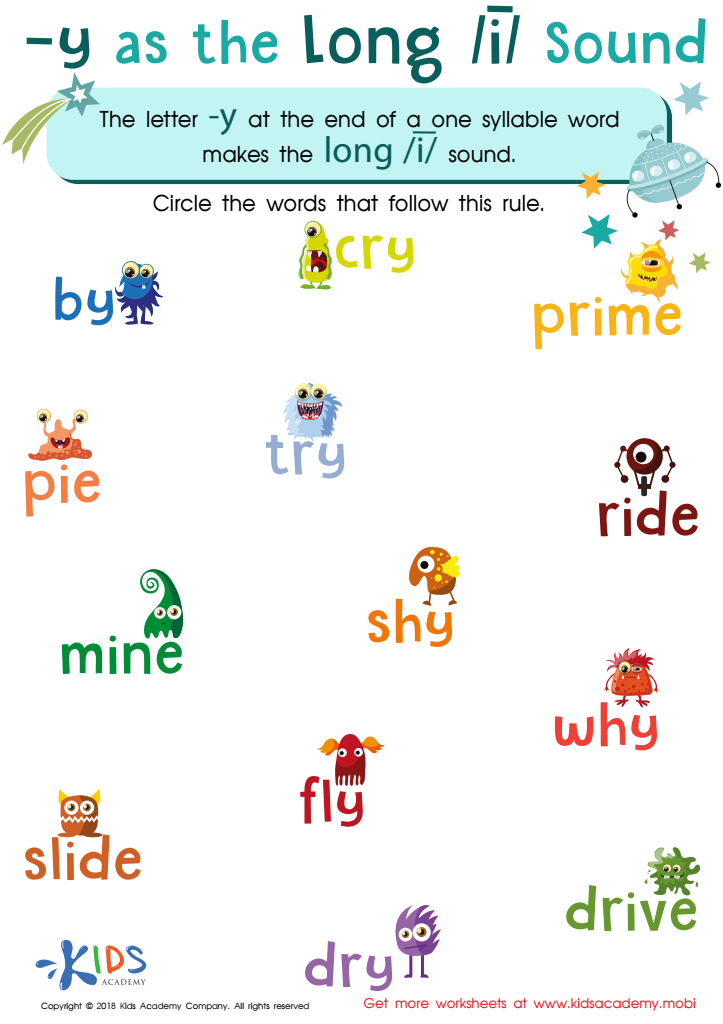
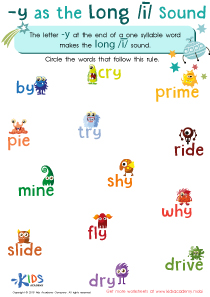
Reading: Y as Long I Worksheet
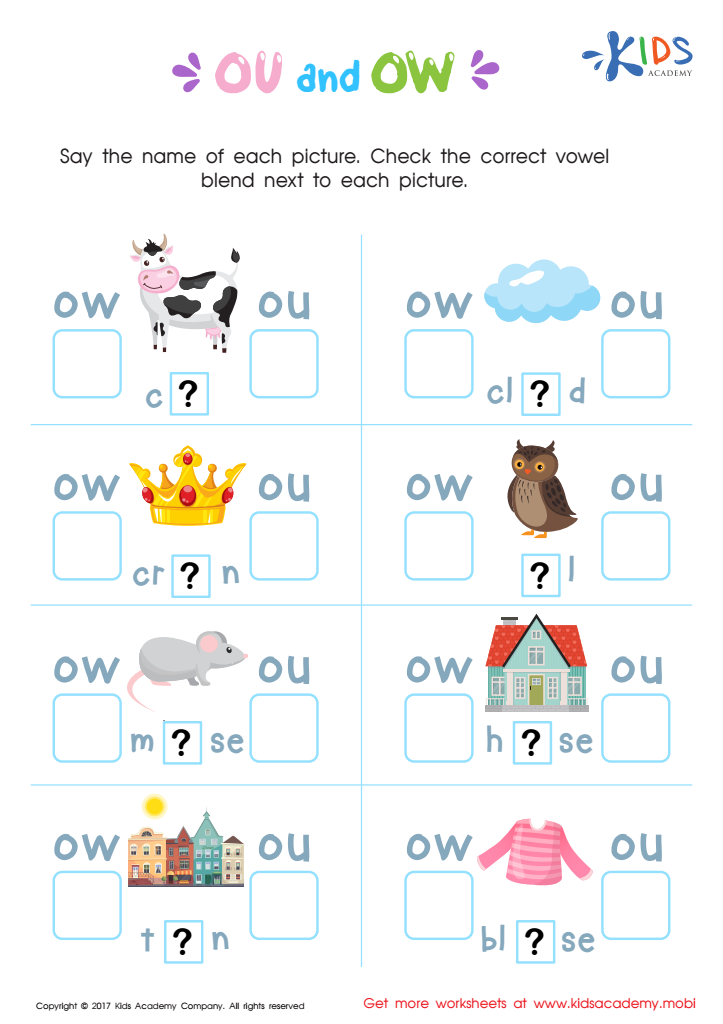
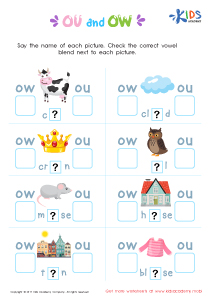
OU and OW Words Worksheet


Normal vowel diphthongs, combinations of two vowel sounds blended into one syllable, are crucial for young learners aged 5-9 as they lay the foundation for reading, writing, and overall language development. Understanding diphthongs enhances phonemic awareness, helping children to decode words more effectively. When children grasp how diphthongs work, their reading fluency improves, allowing them to engage more deeply with texts and enhancing their comprehension.
Moreover, knowing diphthongs aids in spelling, as many words incorporate these vowel combinations. This understanding promotes better writing skills, enabling children to express their thoughts clearly and confidently. Additionally, mastering phonetic elements like diphthongs contributes to proper pronunciation, which is essential in developing strong communication skills.
Through engaging activities and games centered around diphthongs, teachers and parents can foster a love for language in children. This playful learning approach encourages collaboration and enhances the relationship between students and their caregivers. Ultimately, focusing on normal vowel diphthongs is vital because it equips children with essential linguistic tools that facilitate their academic success and lifelong appreciation for language. Thus, nurturing these skills during early education can lead to a more competent and enthusiastic future reader and communicator.