Normal Animals Worksheets for Ages 5-9 - Page 2
49 filtered results
-
From - To
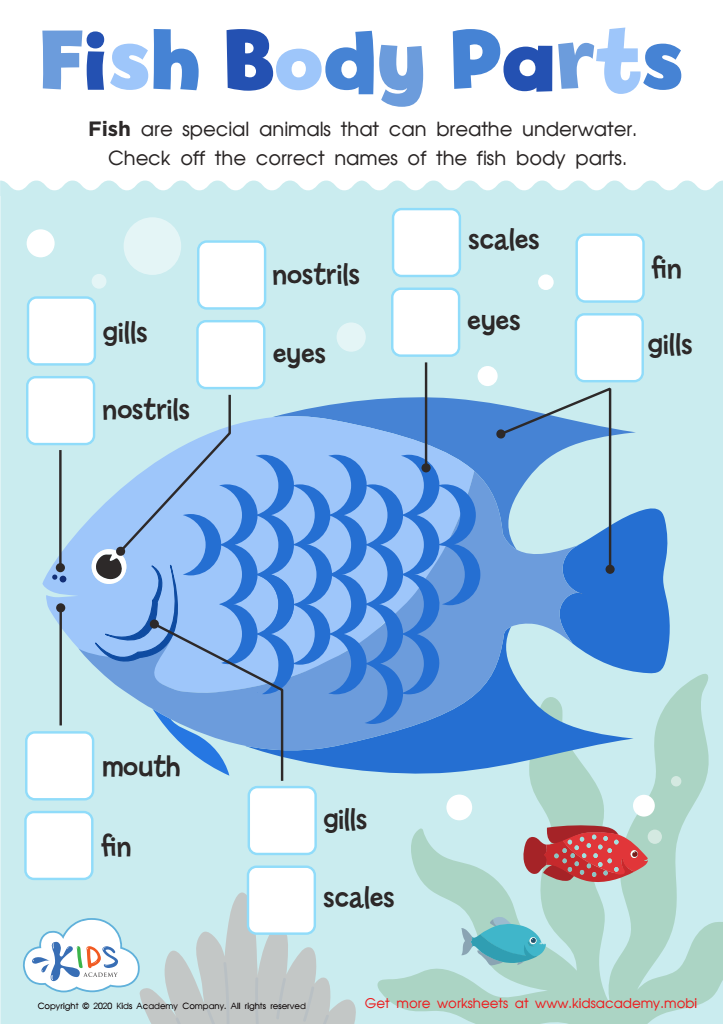
Fish Body Parts Worksheet
 Assign to My Students
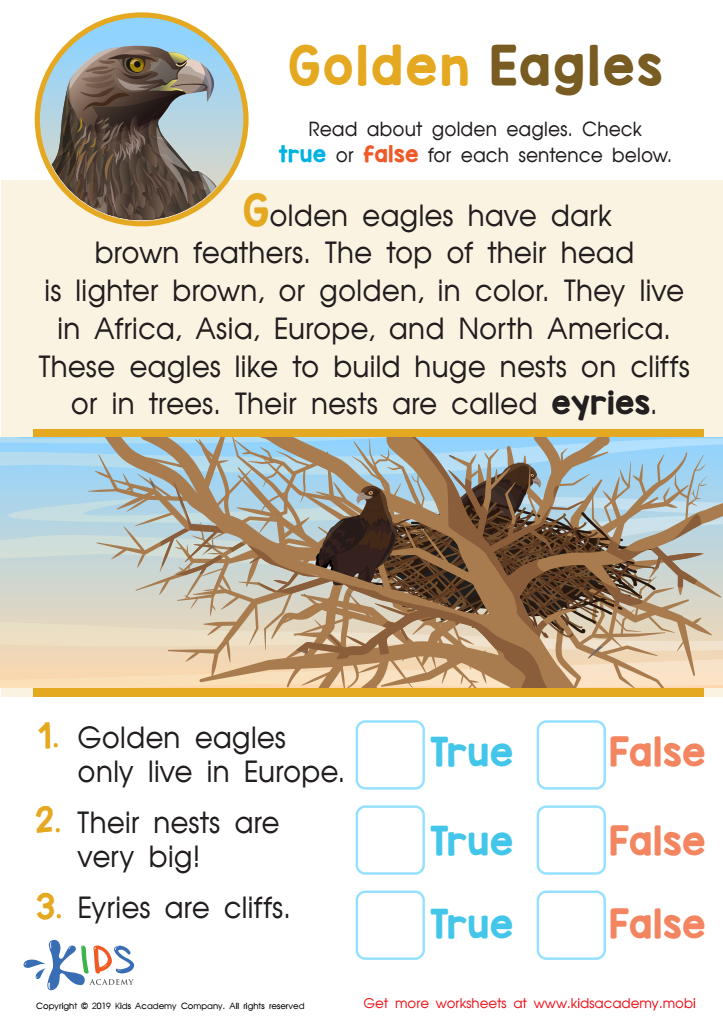
Golden Eagles Worksheet
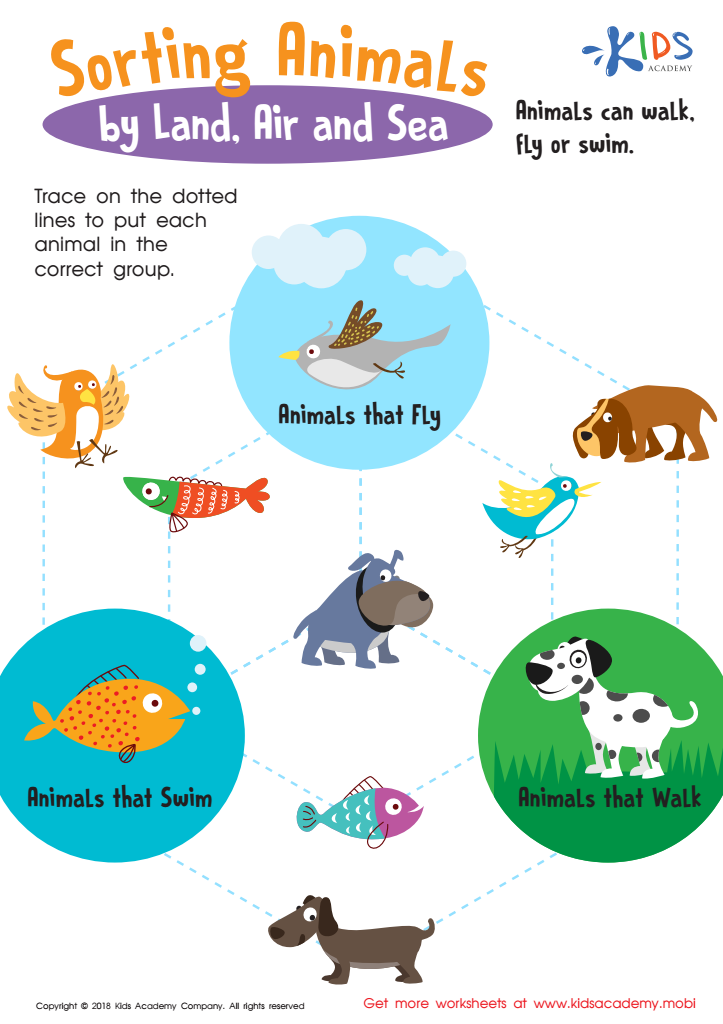
Sorting Animals by Land, Air and Sea Worksheet
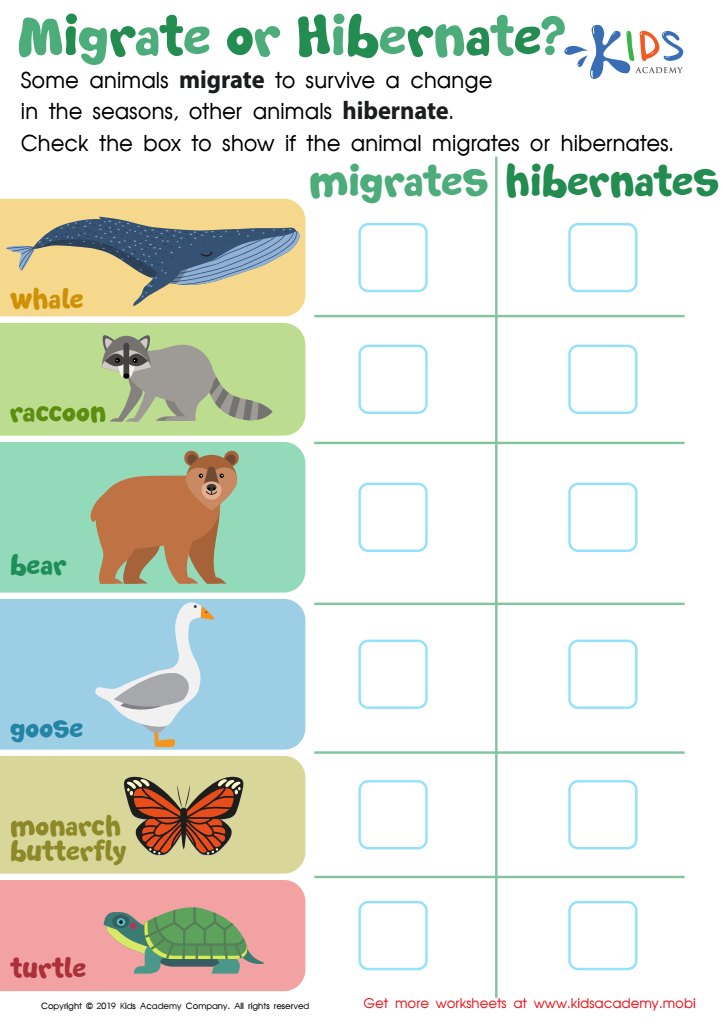
Migrate or Hibernate? Worksheet
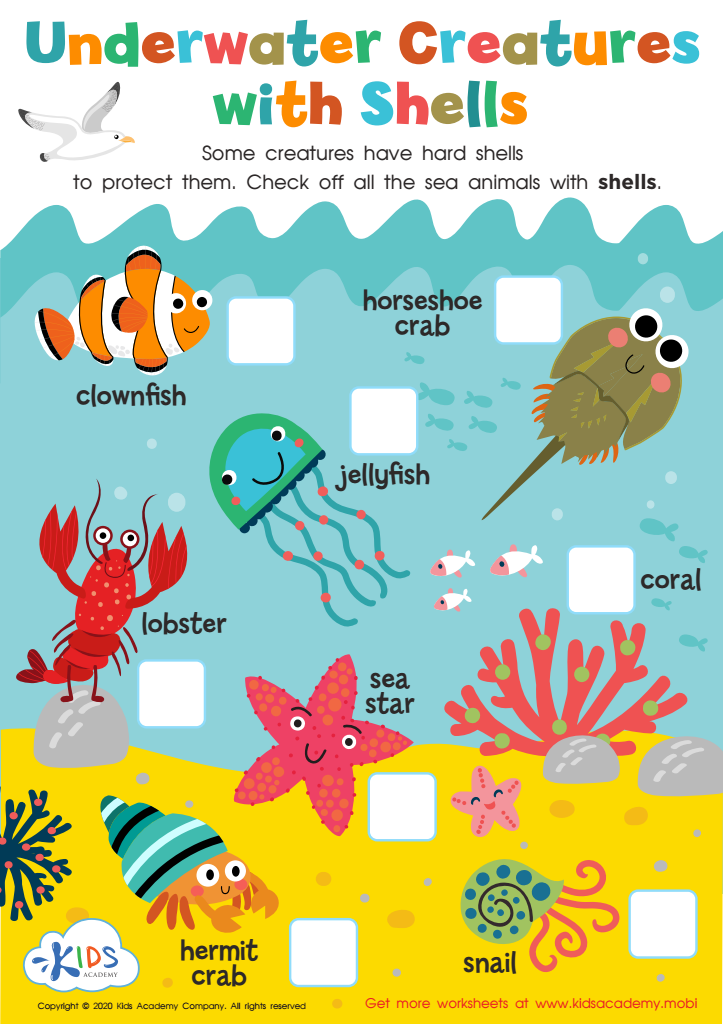
Underwater Creatures with Shells Worksheet
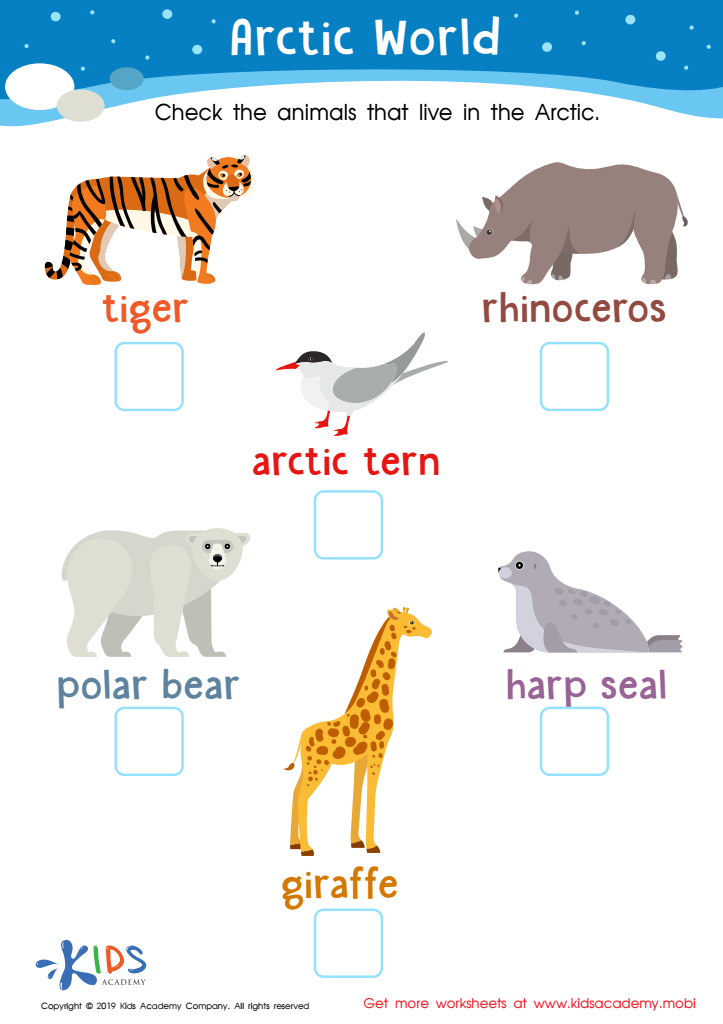
Arctic World Worksheet
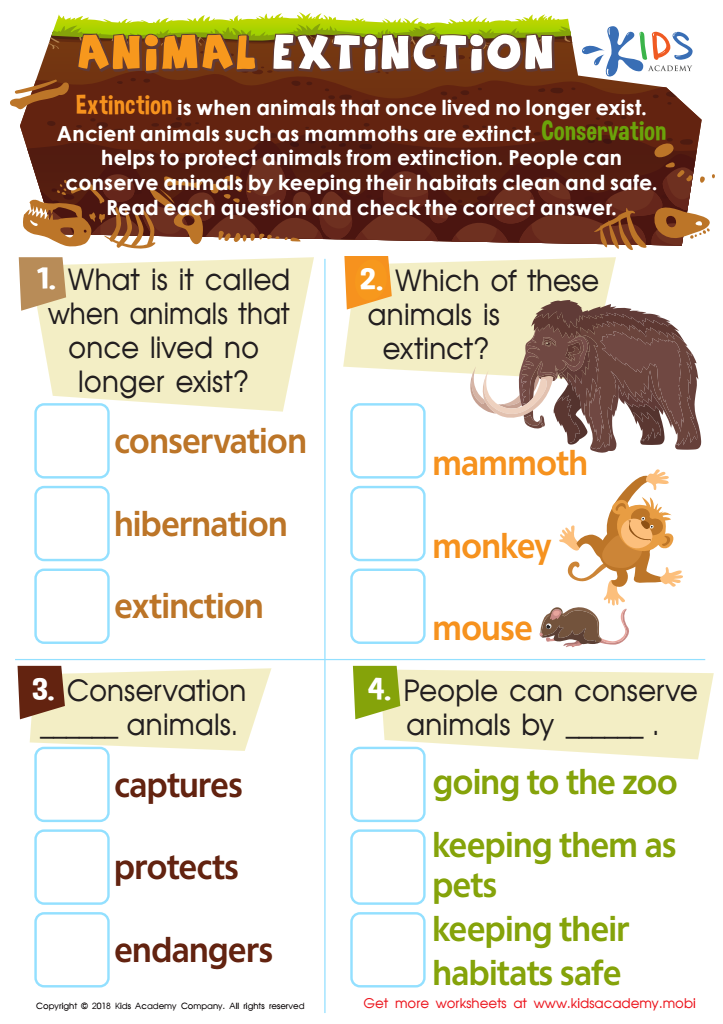
Animal Extinction Worksheet
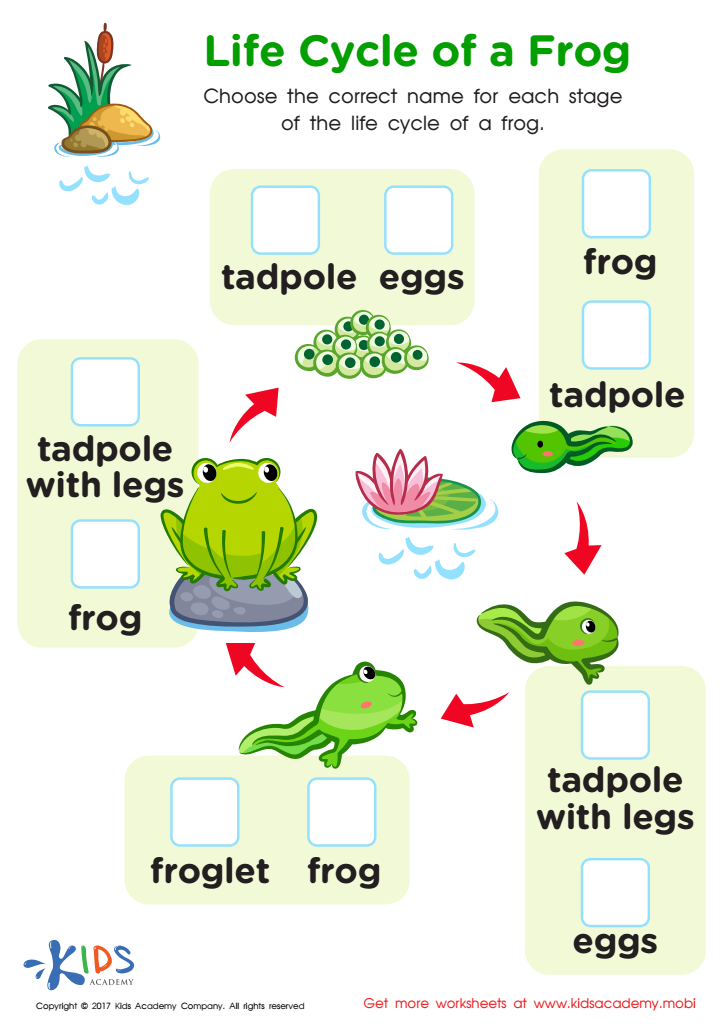
Life Cycle Frog Printable
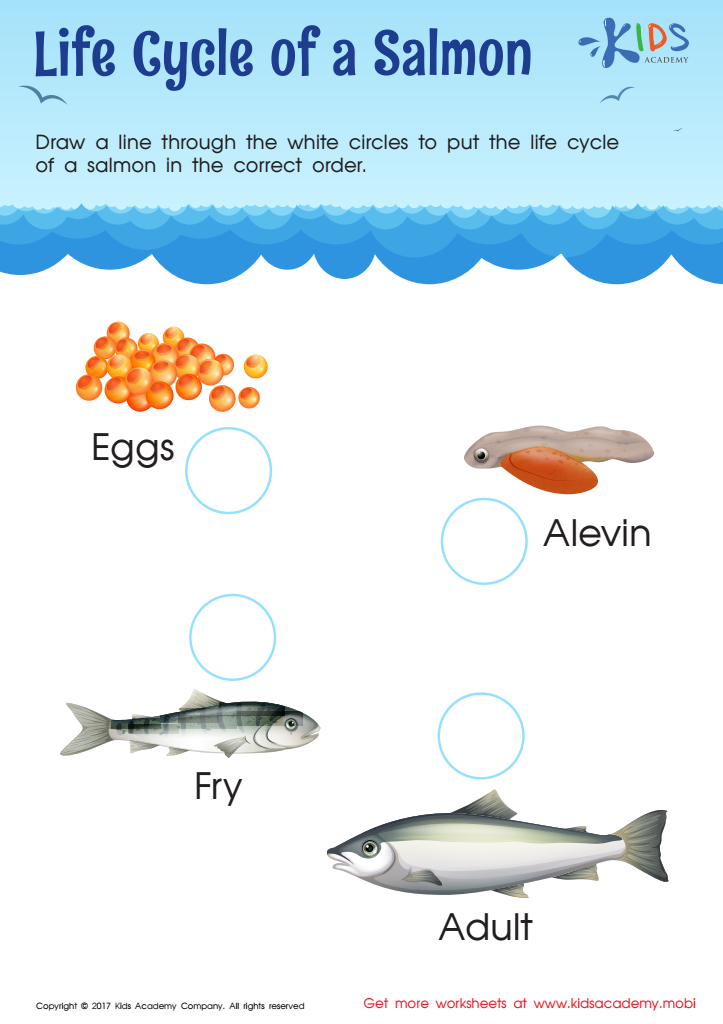
Cycle Of Salmon Worksheet
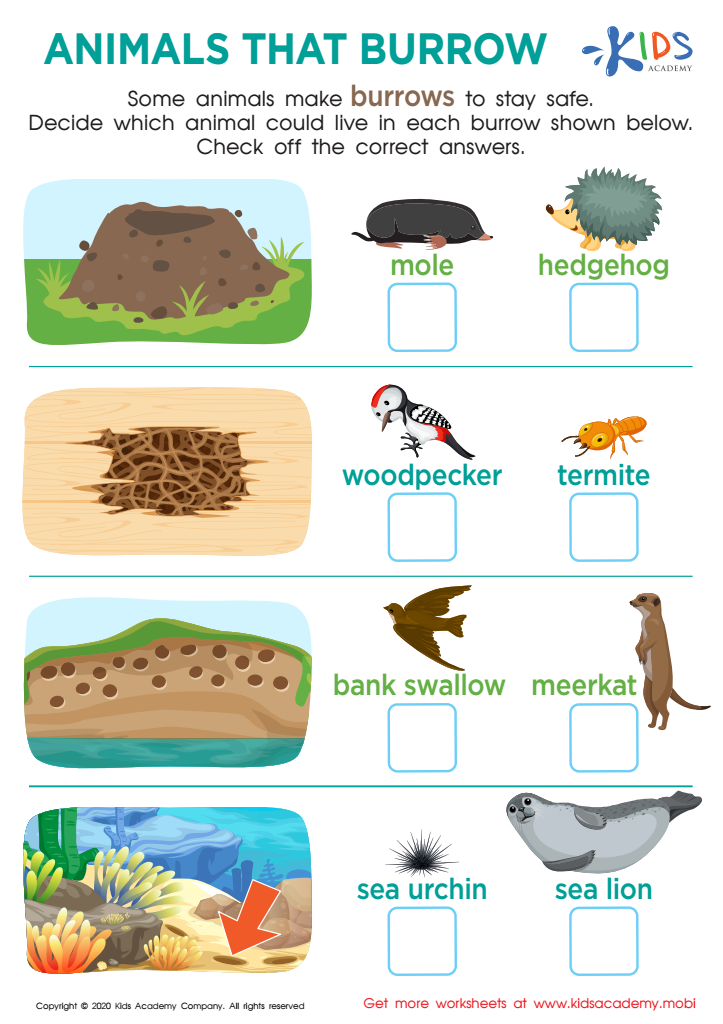
Animals That Burrow Worksheet
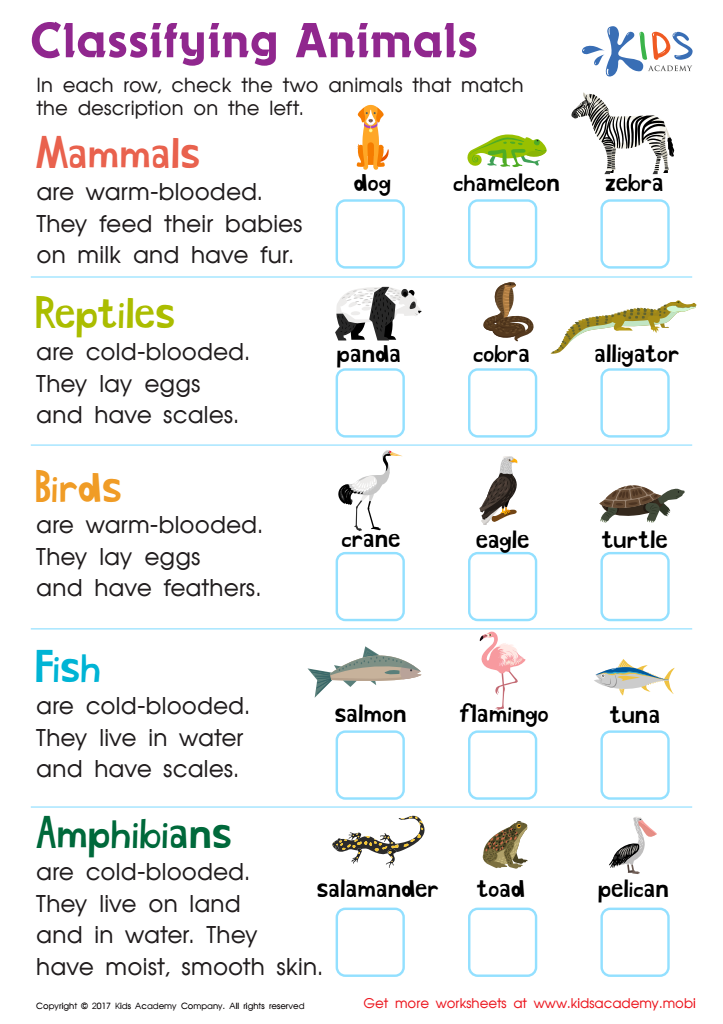
Classifying Animals Worksheet
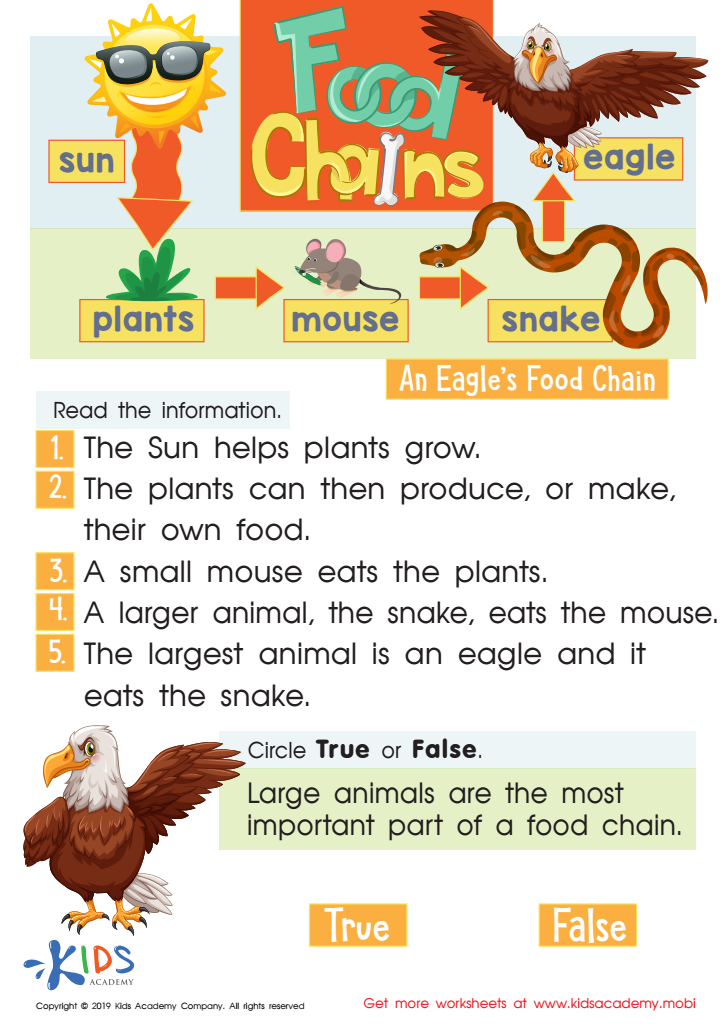
Food Chains Worksheet
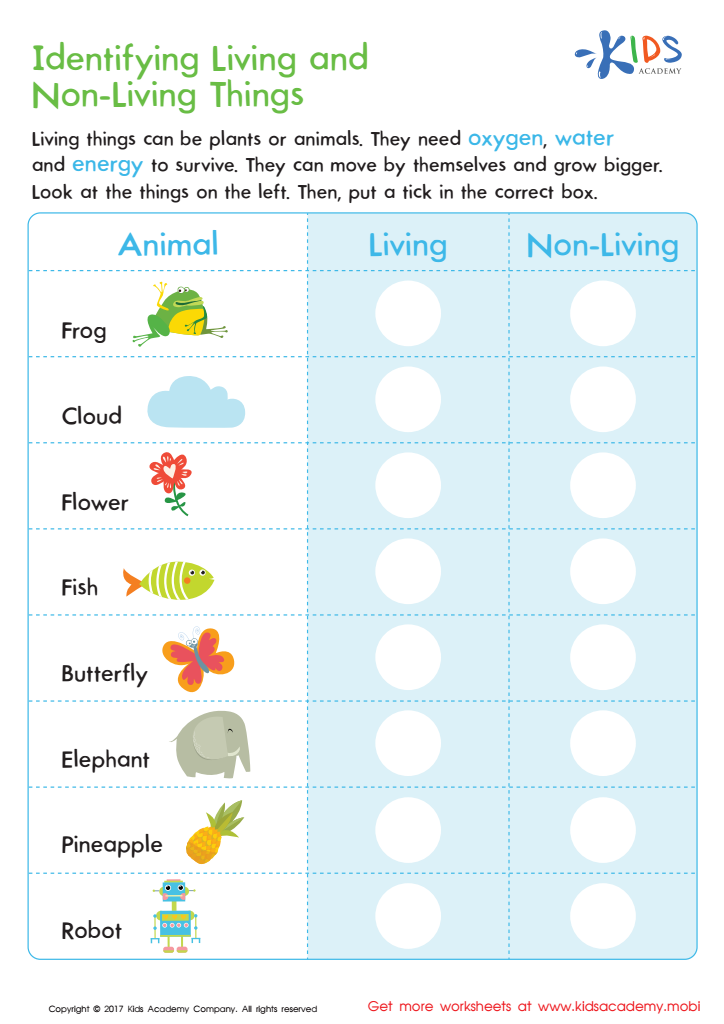
Identifying Living or Non–living Worksheet
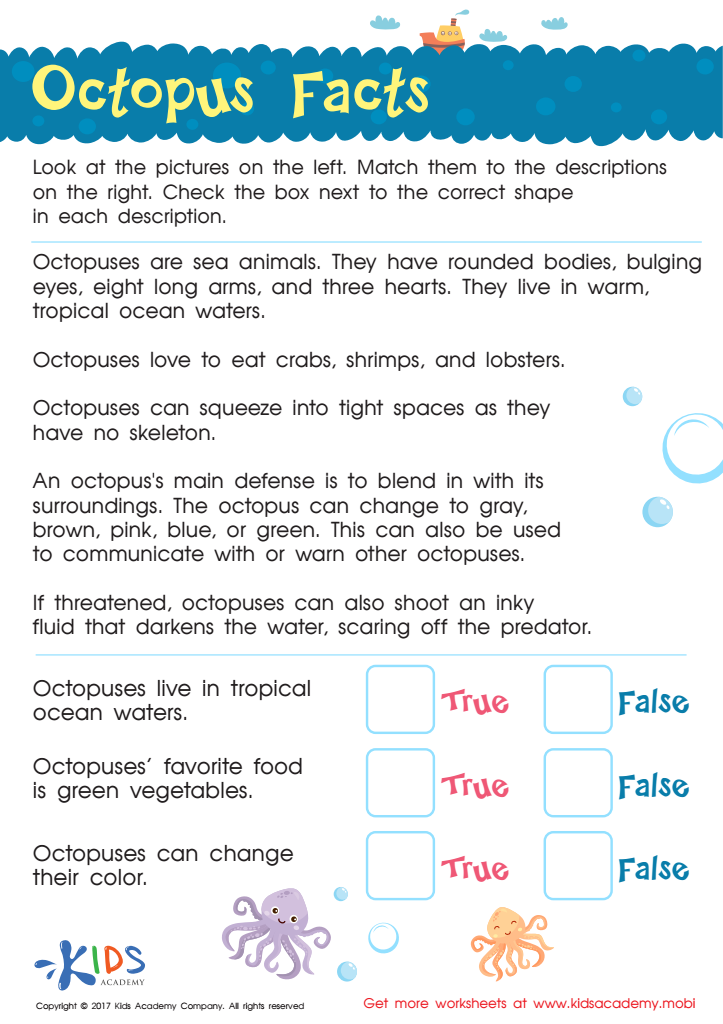
Octopus Facts Worksheet For Kids
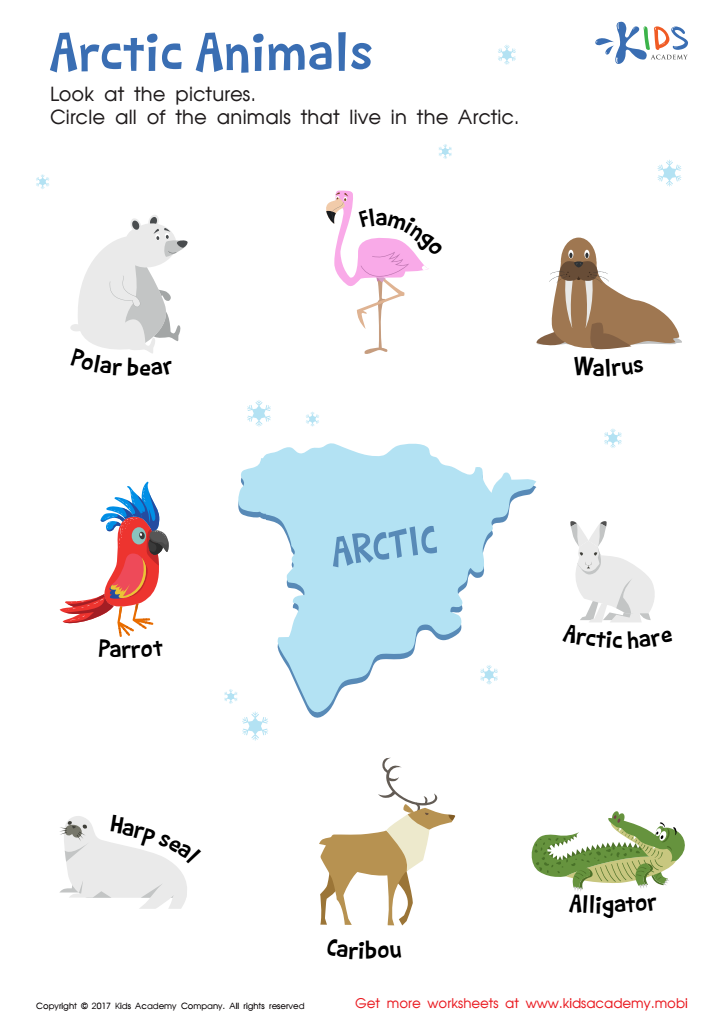
Arctic Animals Worksheet
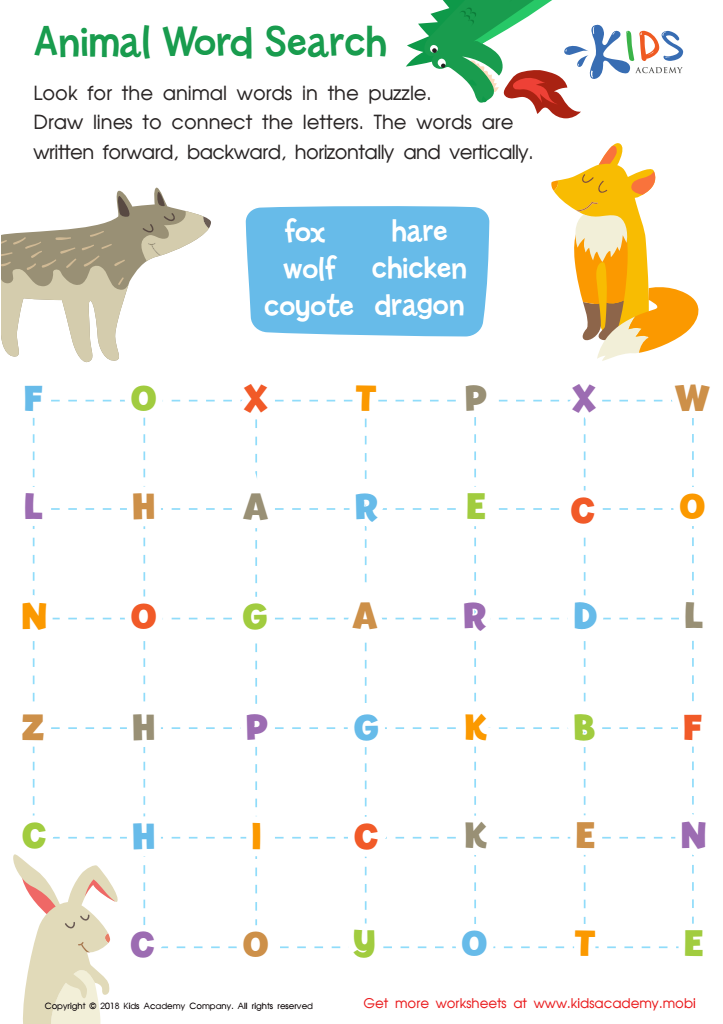
Animal Word Search Worksheet
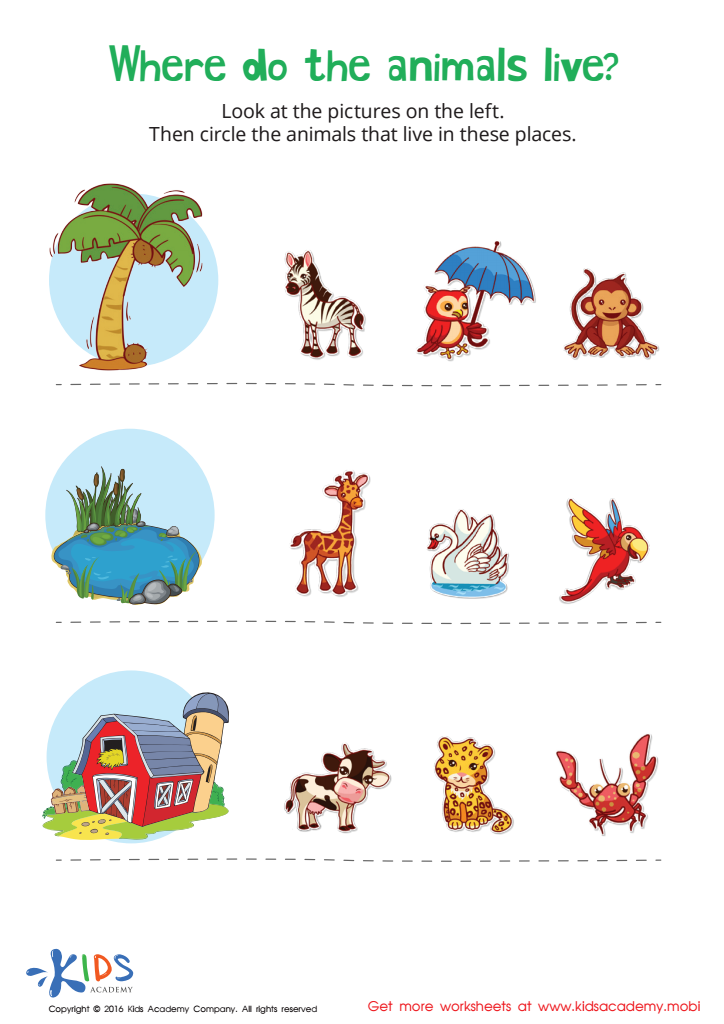
Where Animals Live Worksheet
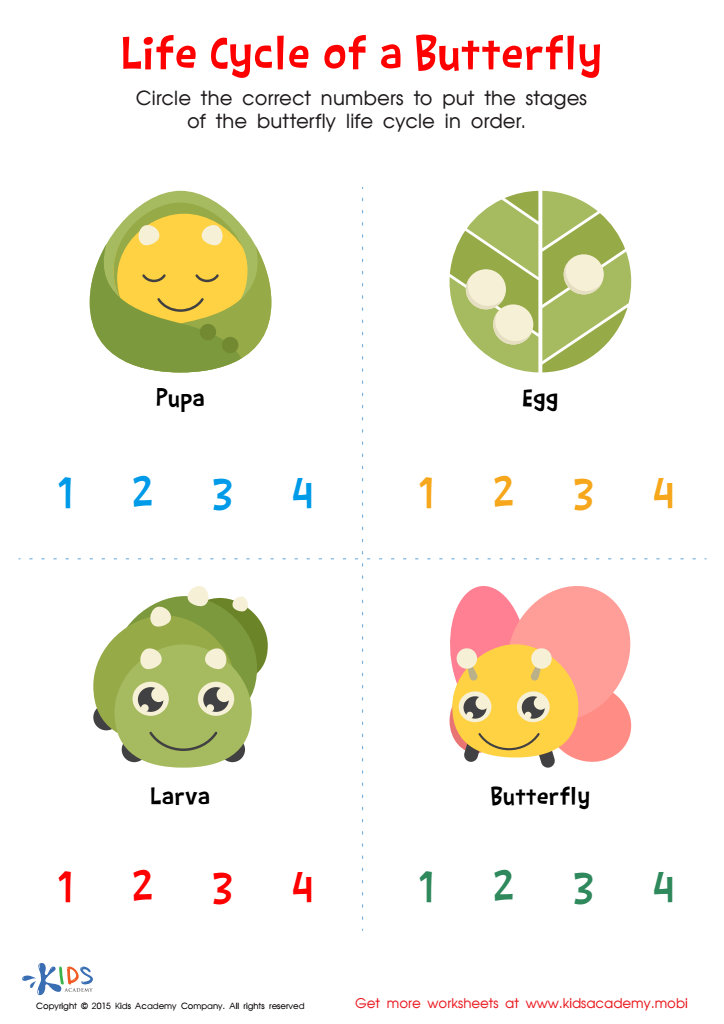
Life Cycle of Butterfly Printable
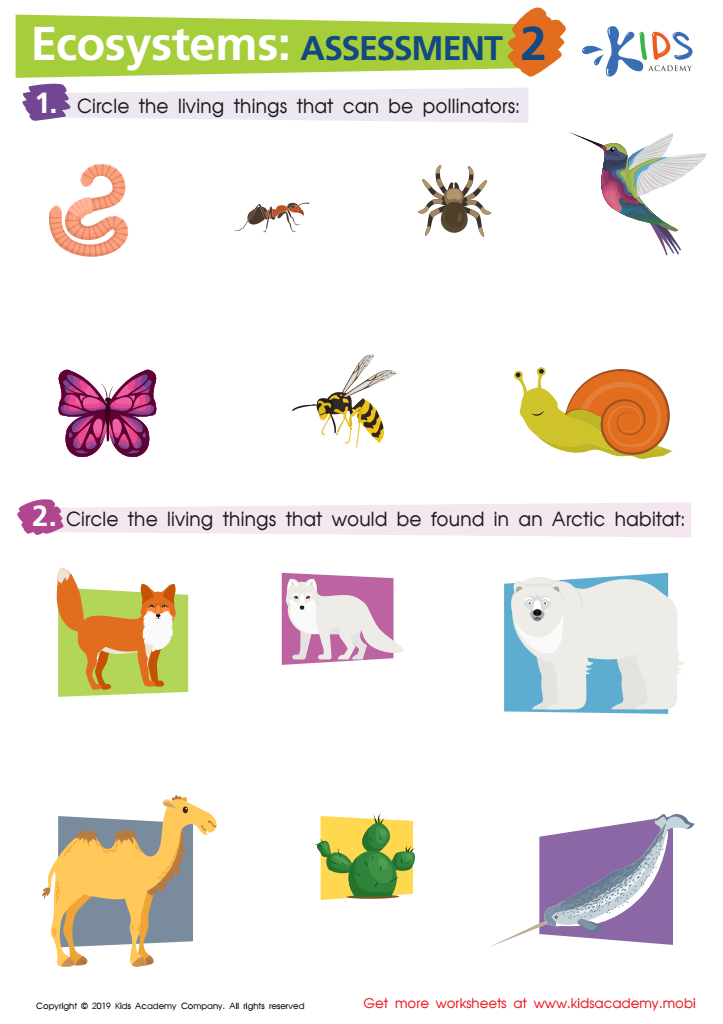
Ecosystems: Assessment 2 Worksheet
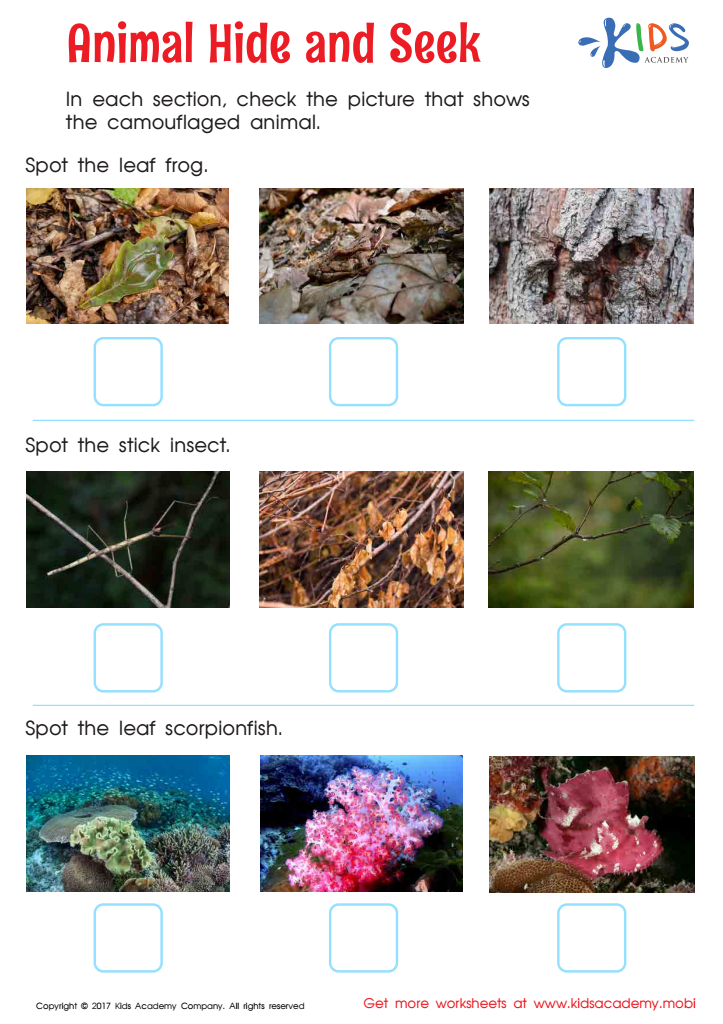
Animal Hide and Seek Worksheet
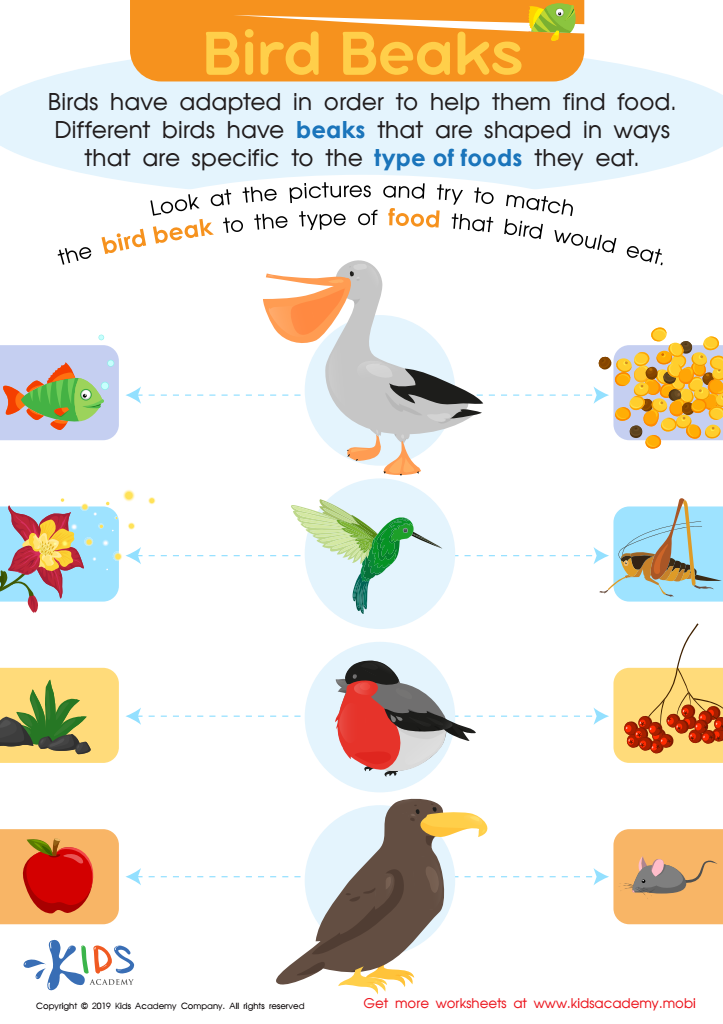
Bird Beaks Worksheet
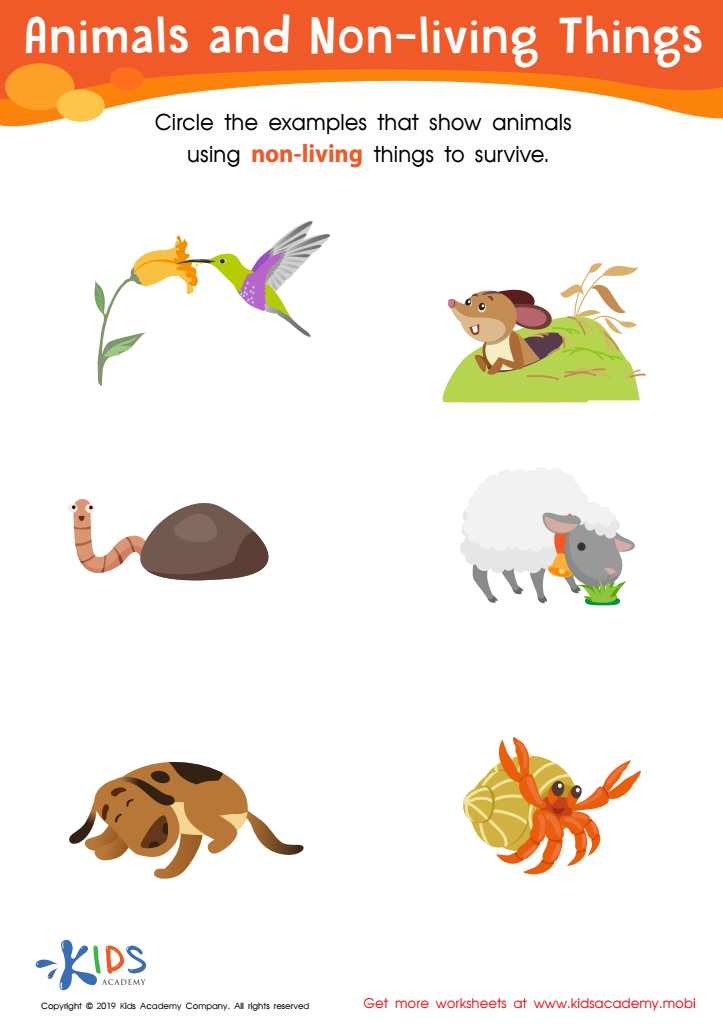
Animals and Non-Living Things Worksheet
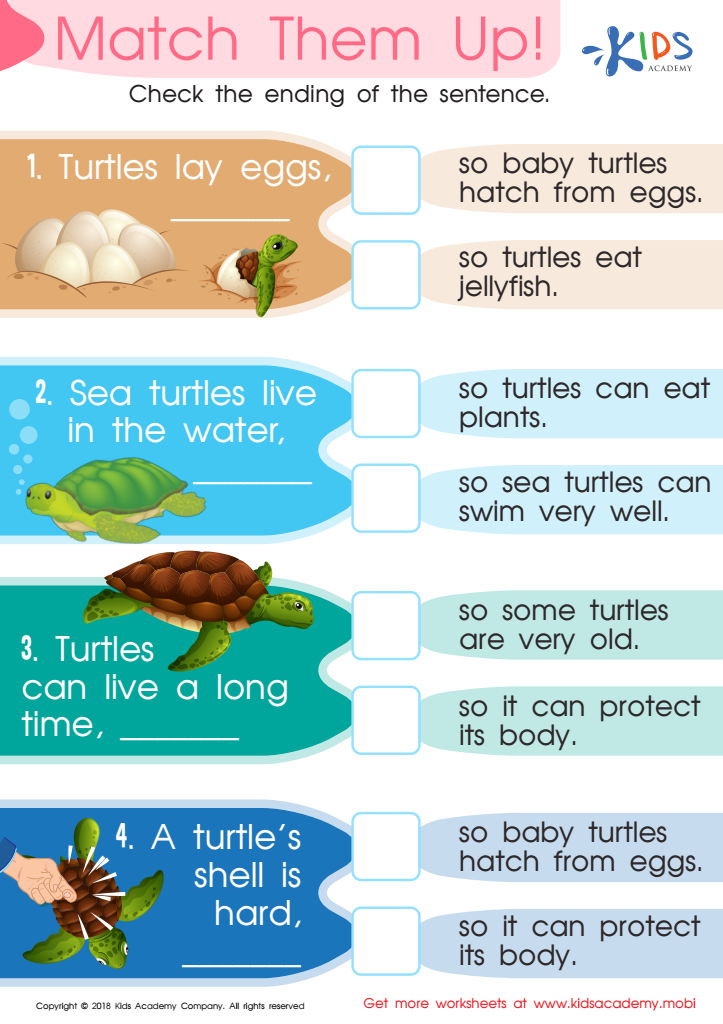
Match Them Up Worksheet
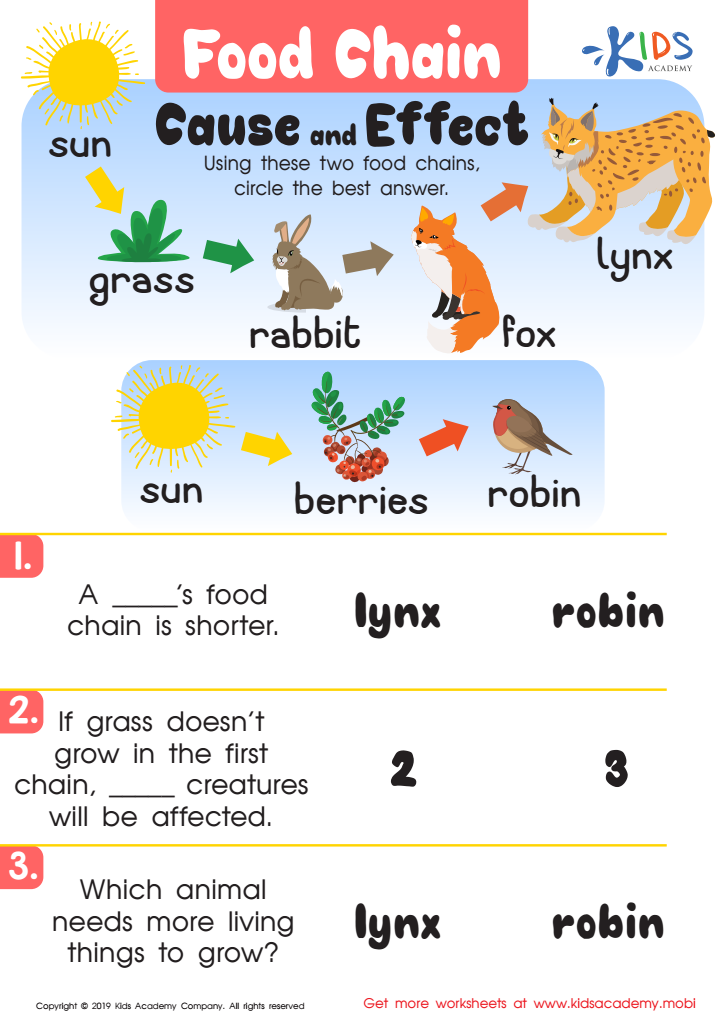
Food Chain Cause Worksheet








Parents and teachers should care about normal animals for children aged 5-9 because it nurtures early curiosity and promotes a connection to the natural world. Learning about animals encourages kids to develop important characteristics such as empathy, responsibility, and respect for living beings. When children understand more about the daily lives, habits, and needs of animals like rabbits, cats, dogs, and birds, they extend this understanding to care for pets and even wildlife.
Furthermore, integrating animal-related content into learning aids cognitive development by mixing science, storytelling, and practical experiences. Children learn to ask questions, make observations, and develop inference skills while understanding the different habitats, diets, and behaviors of animals. This multi-disciplinary approach strengthens their understanding and appreciation of biology, ecology, and even geography.
Animals can also be used as a theme in diverse teaching scenarios—from counting and math problems using animal examples to reading comprehension activities with books about animals. Engaging with animals can make education feel more relevant and exciting, thereby improving attention span and retention. Ultimately, fostering an early interest in the animal world collaborates to create compassionate, informed individuals with a lifelong interest in preserving and respecting the environment.








