Normal Our Planet and Environment Worksheets for Ages 5-9 - Page 2
68 filtered results
-
From - To
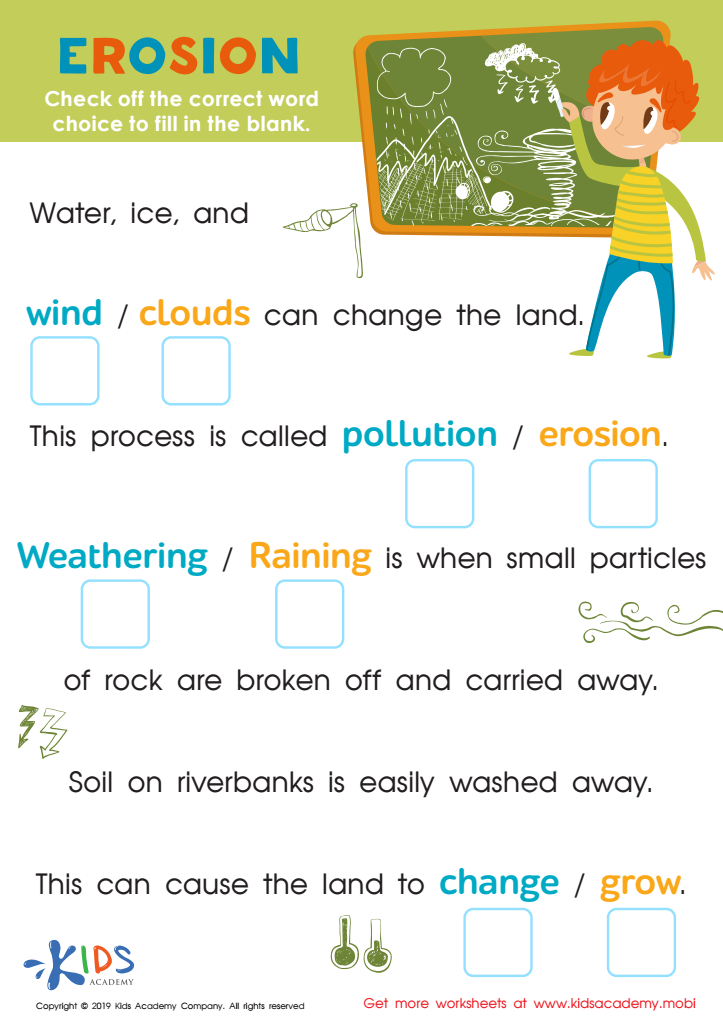
Erosion Worksheet
 Assign to My Students
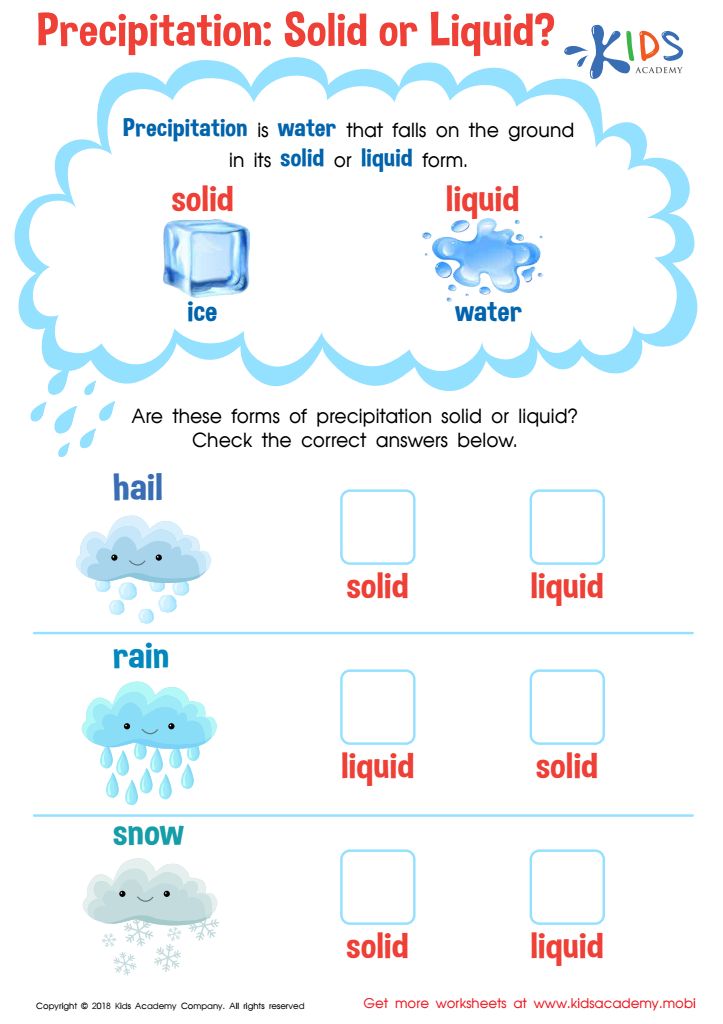
Precipitation: Solid or Liquid? Worksheet
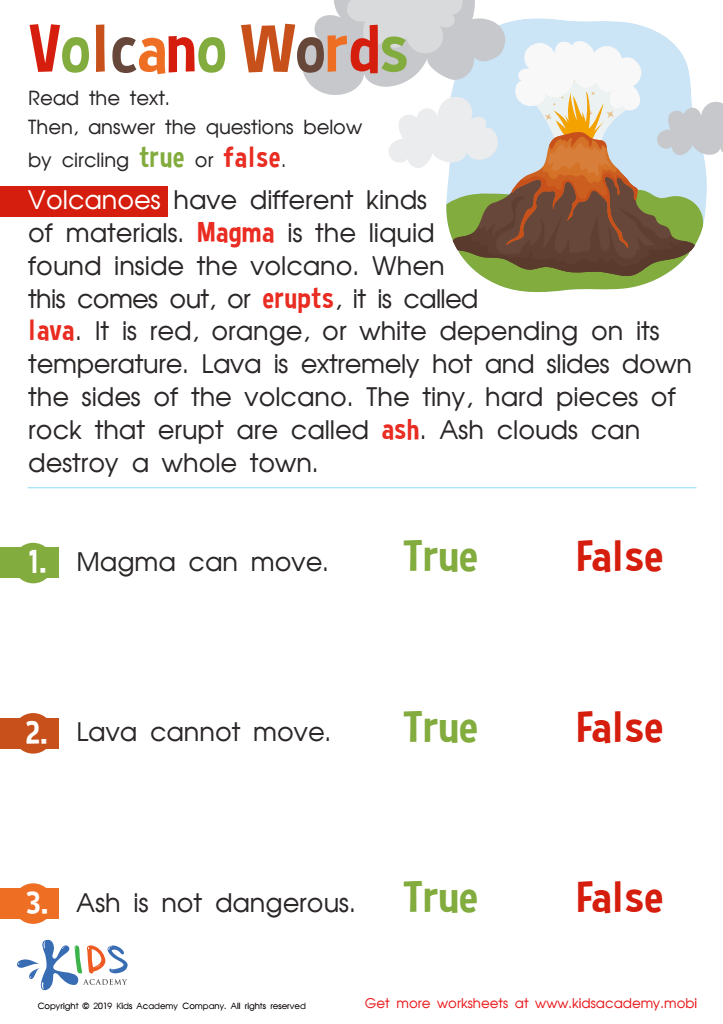
Volcano Words Worksheet
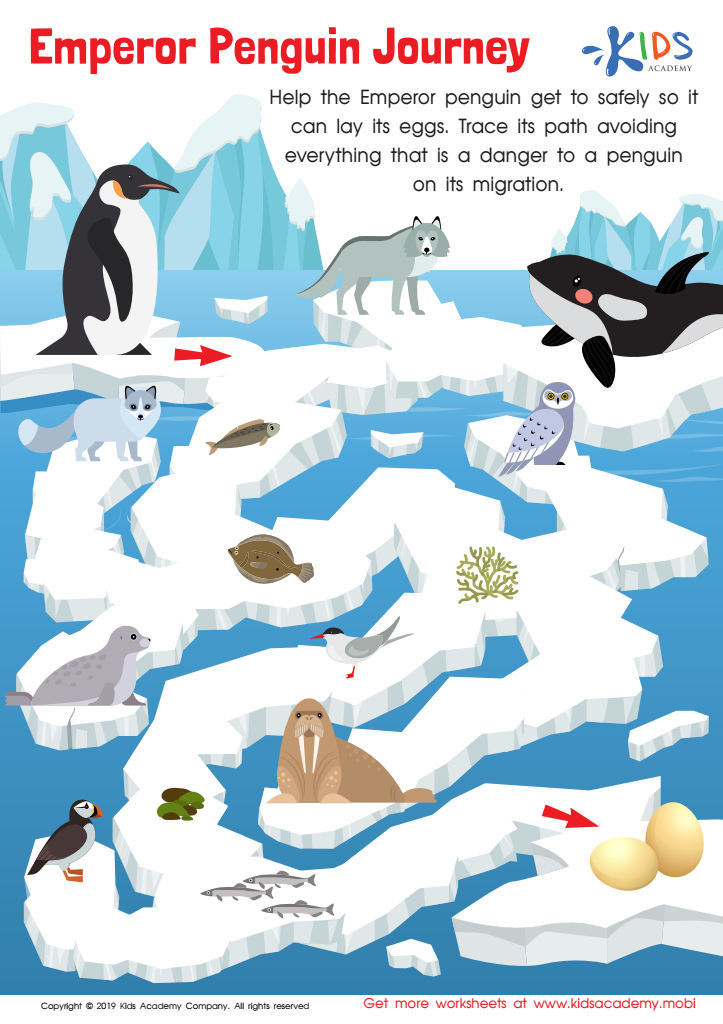
Emperor Penguin Journey Worksheet
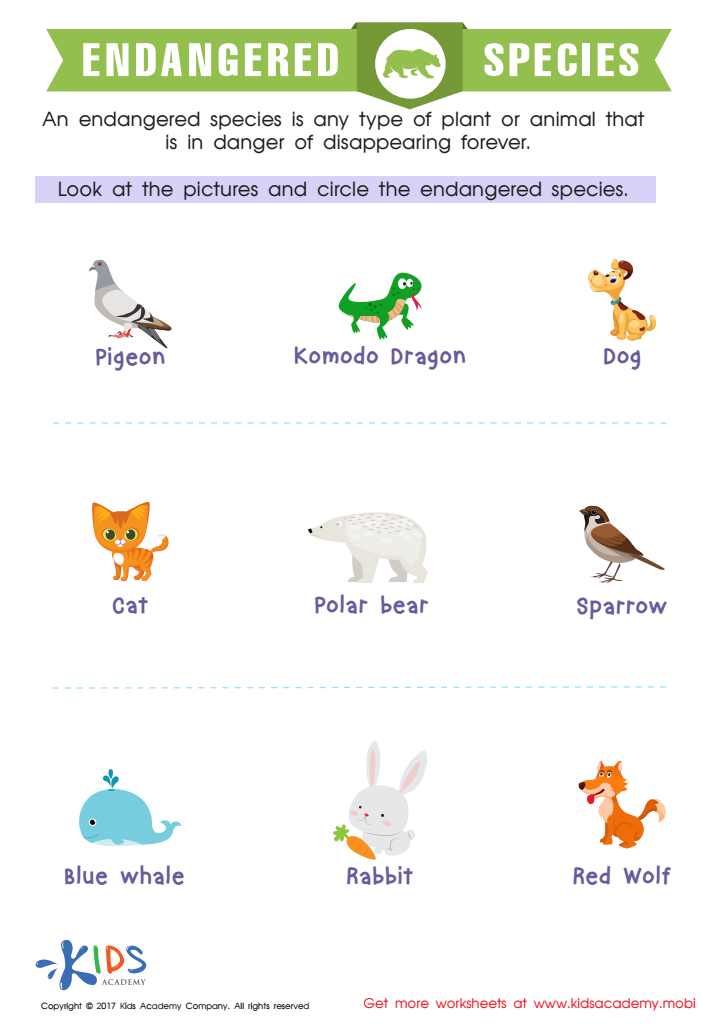
Endangerd Species Printable
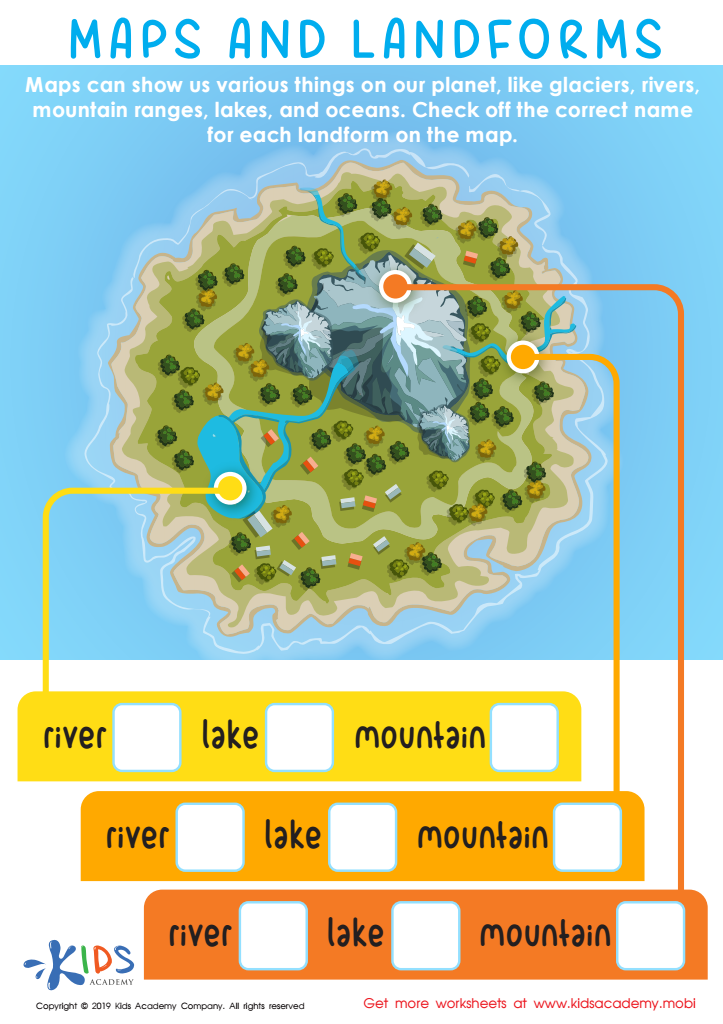
Maps and Landforms Worksheet
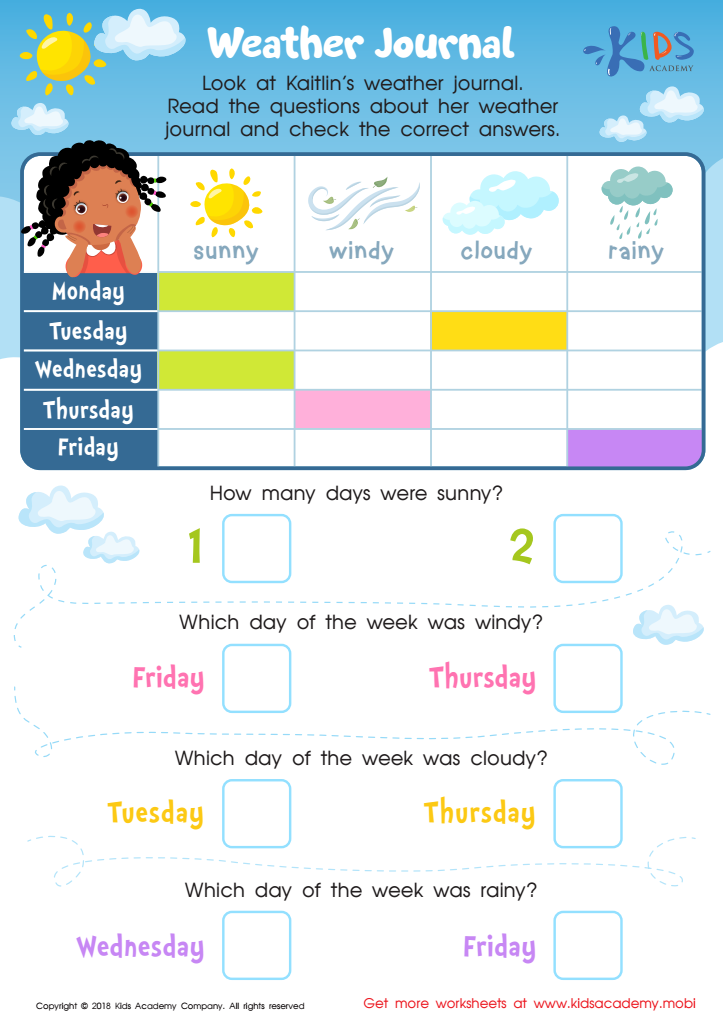
Weather Journal Worksheet
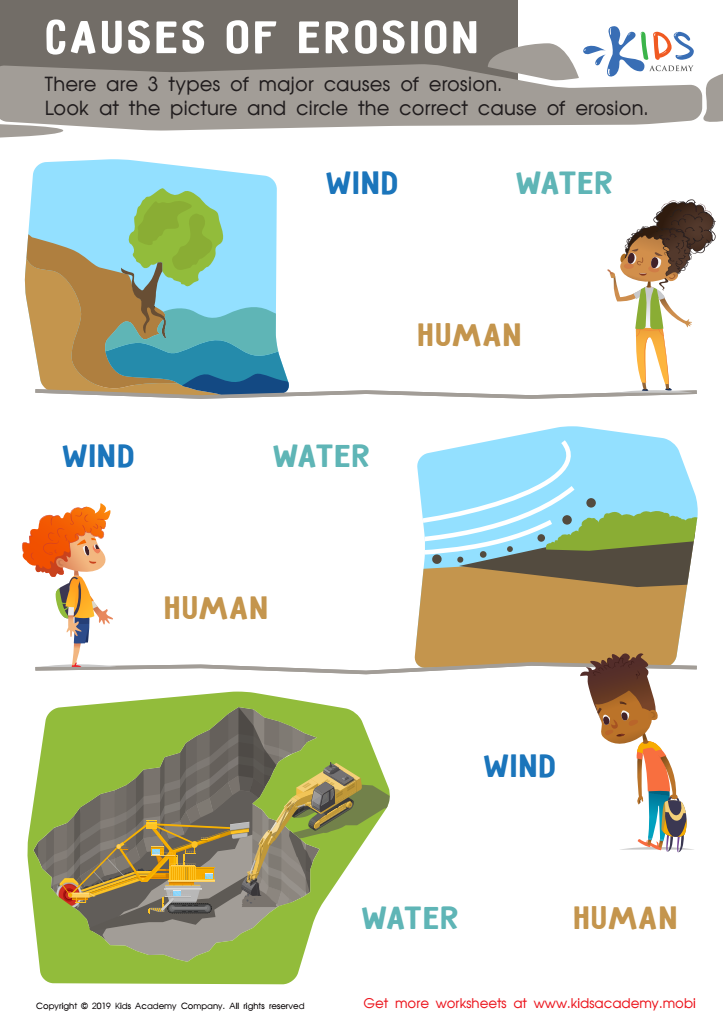
Causes of Erosion Worksheet
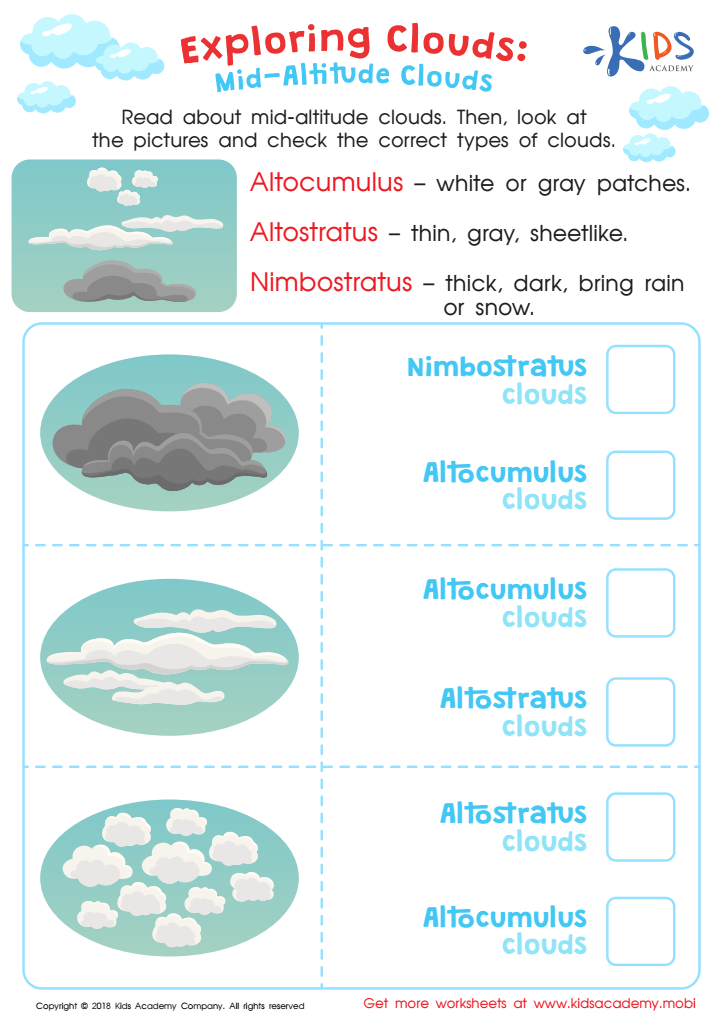
Exploring Clouds: Mid-altitude Clouds Worksheet
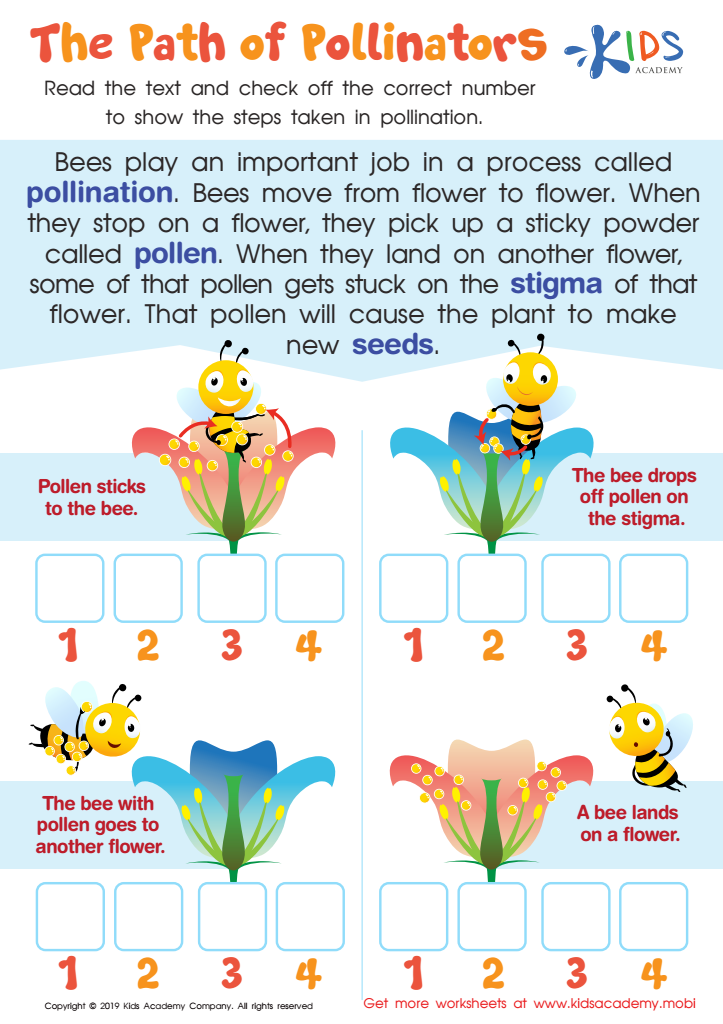
The Path of Pollinators Worksheet
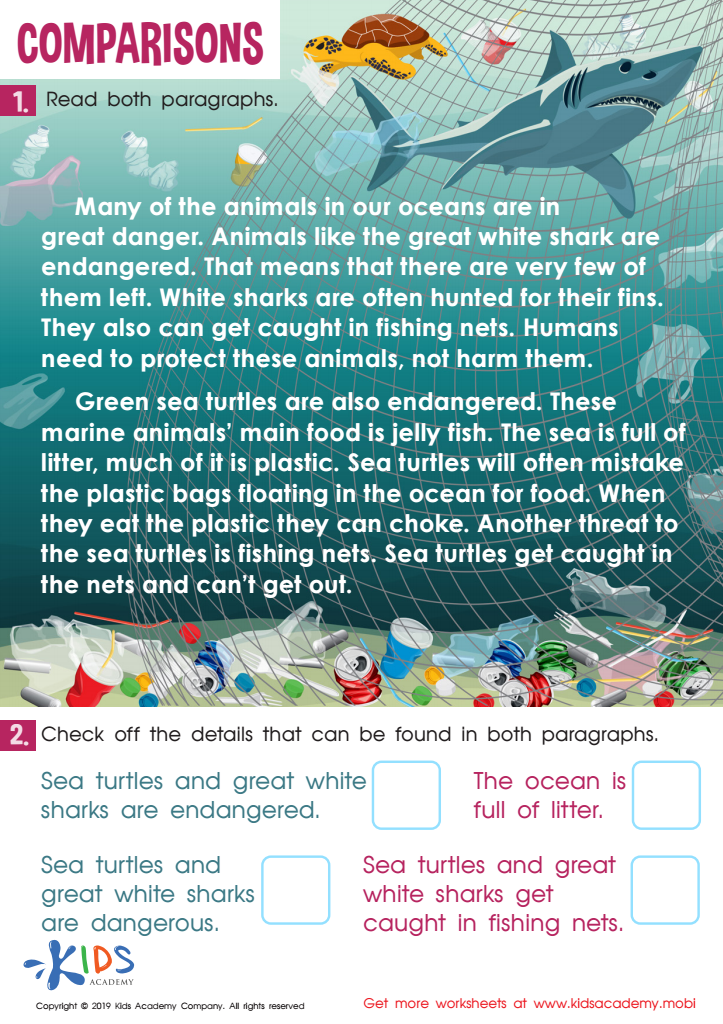
Comparisons Worksheet
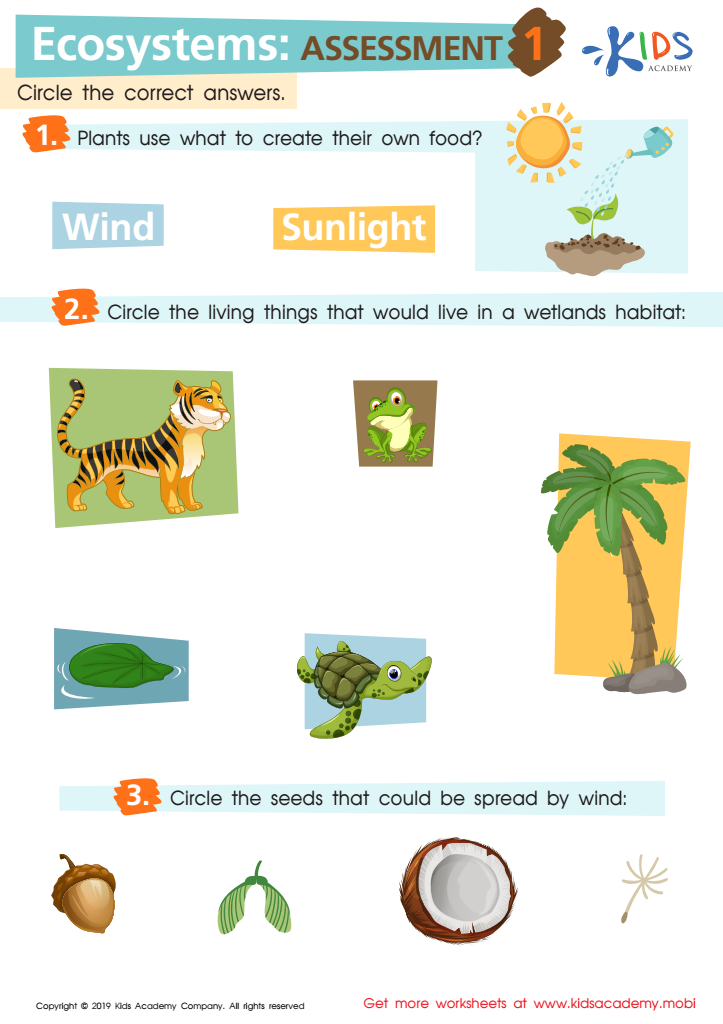
Ecosystems: Assessment 1 Worksheet
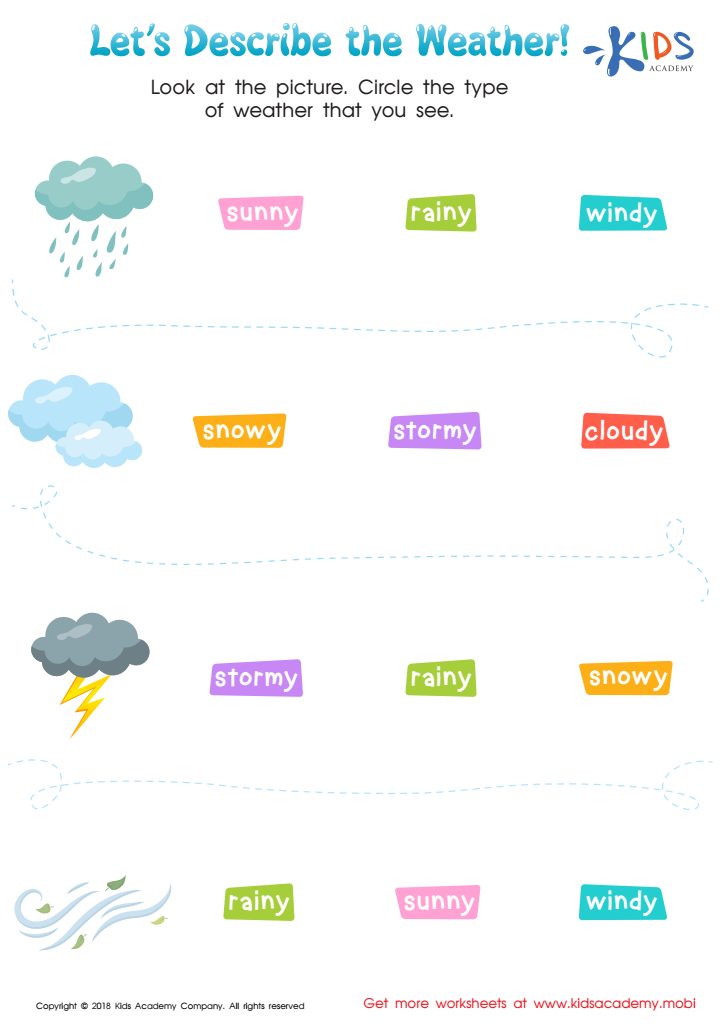
Let's Describe the Weather! Worksheet
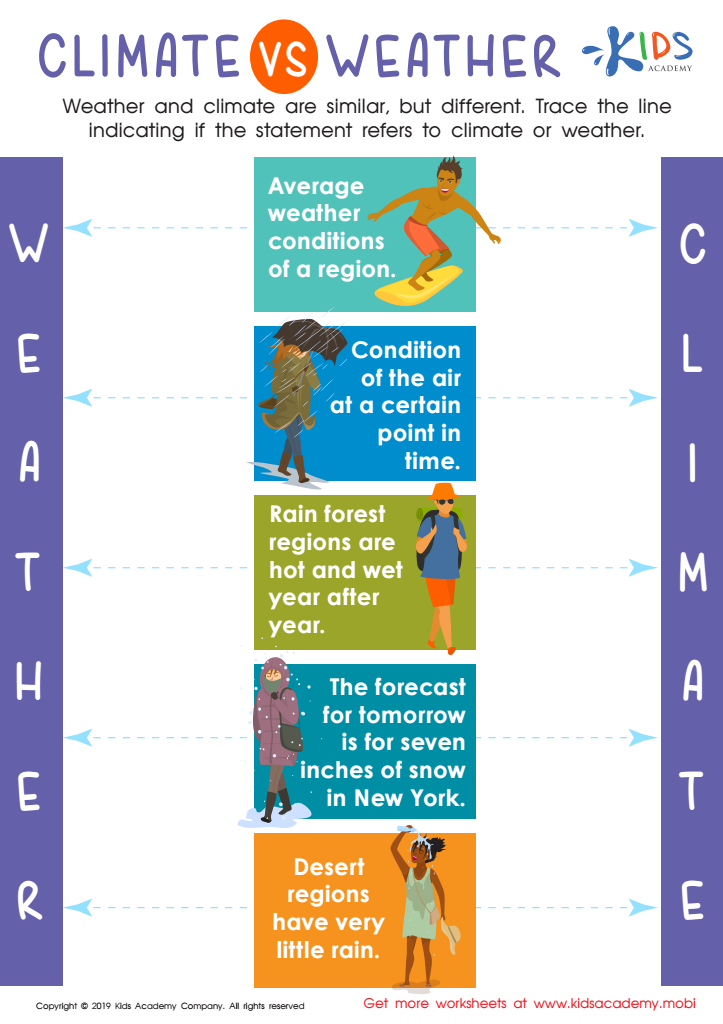
Climate vs Weather Worksheet
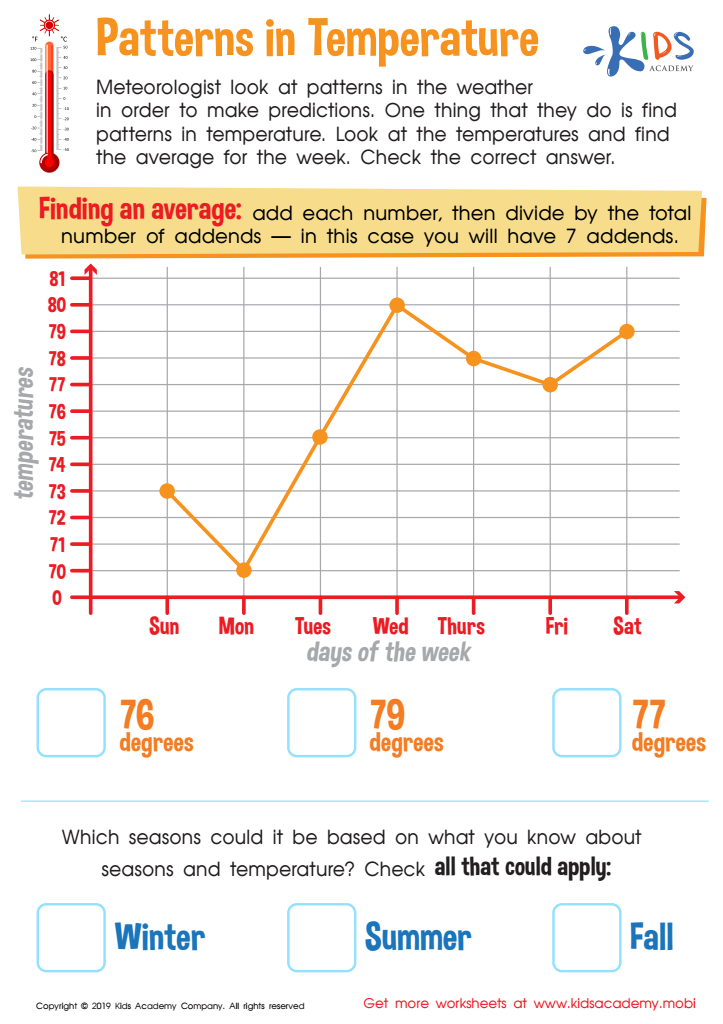
Patterns in Temperature Worksheet
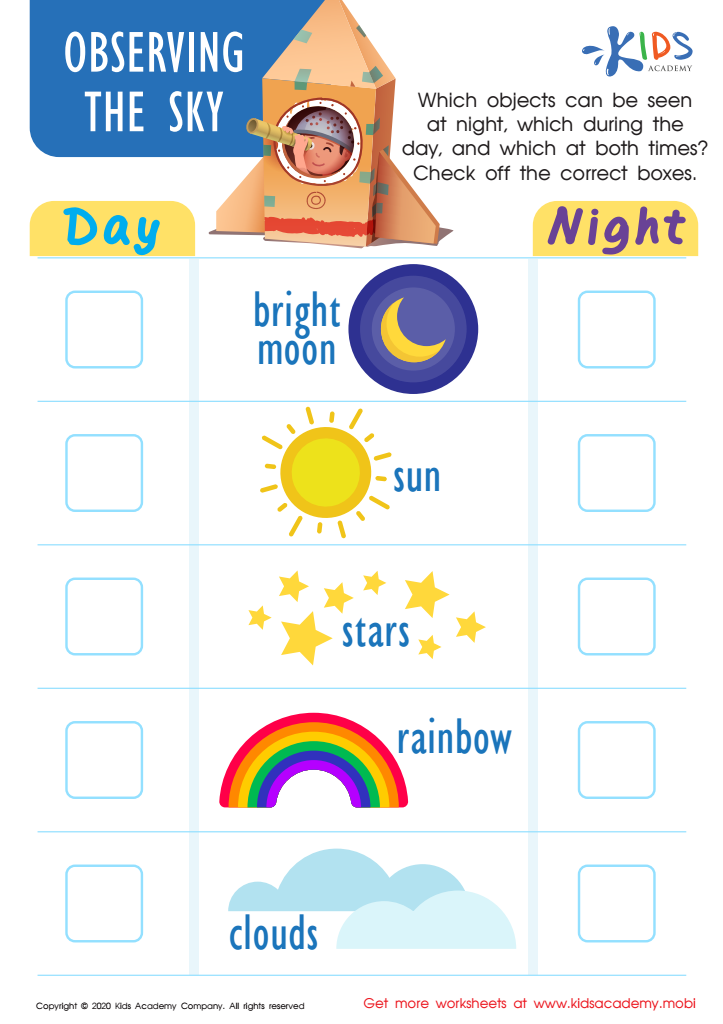
Observing the Sky Worksheet
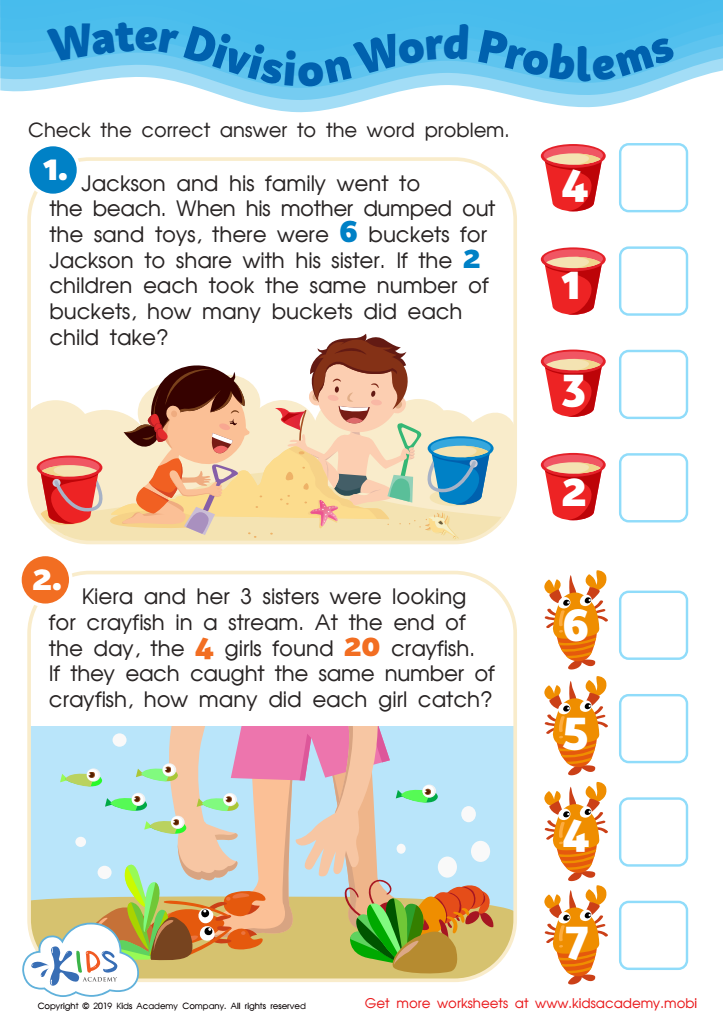
Water Division Word Problems Worksheet
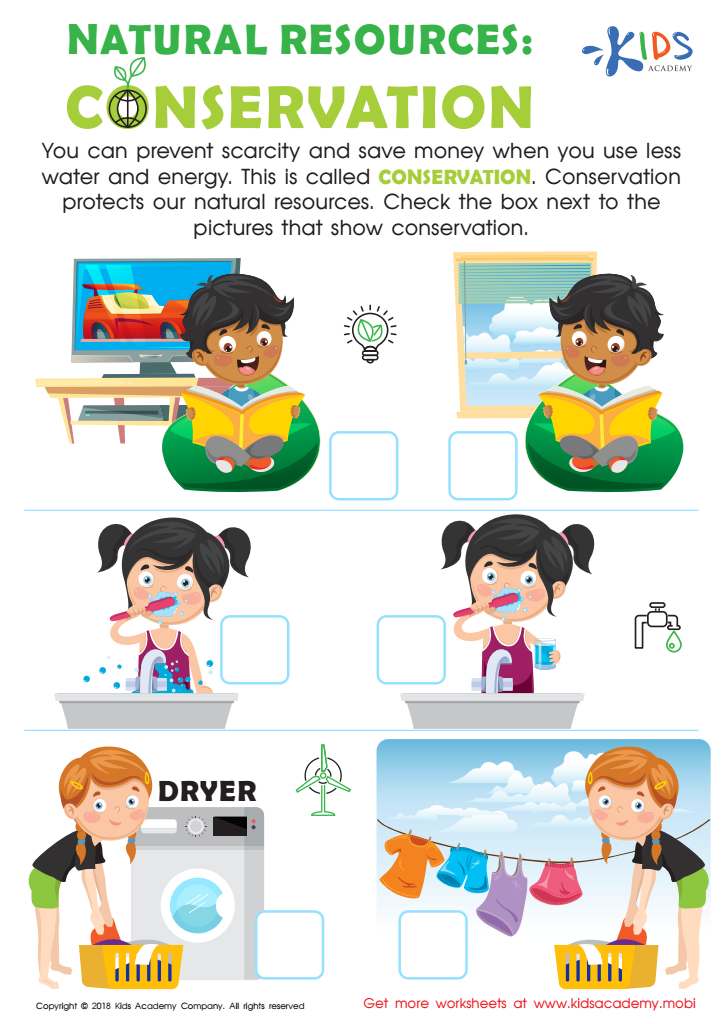
Natural Resources: Conservation Worksheet
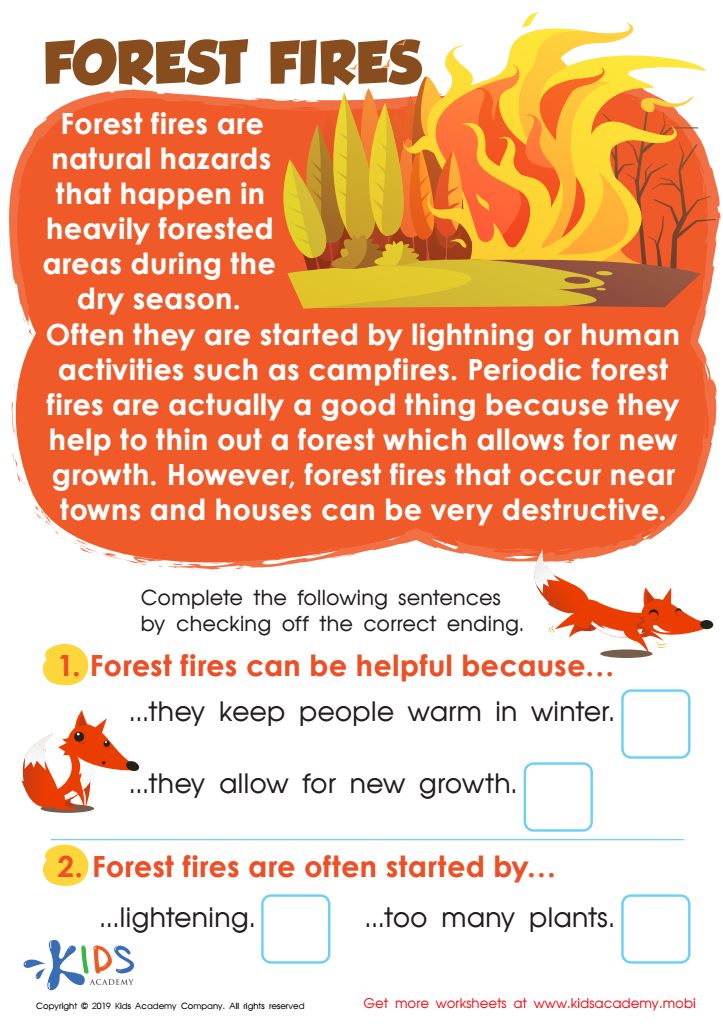
Forest Fires Worksheet
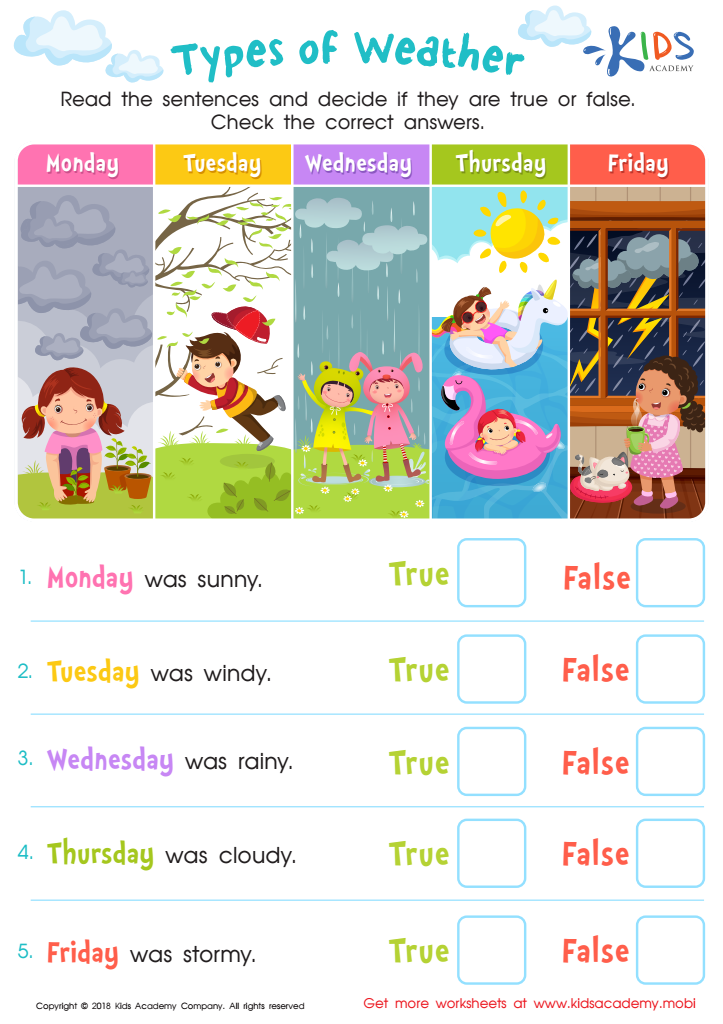
Types of Weather Worksheet
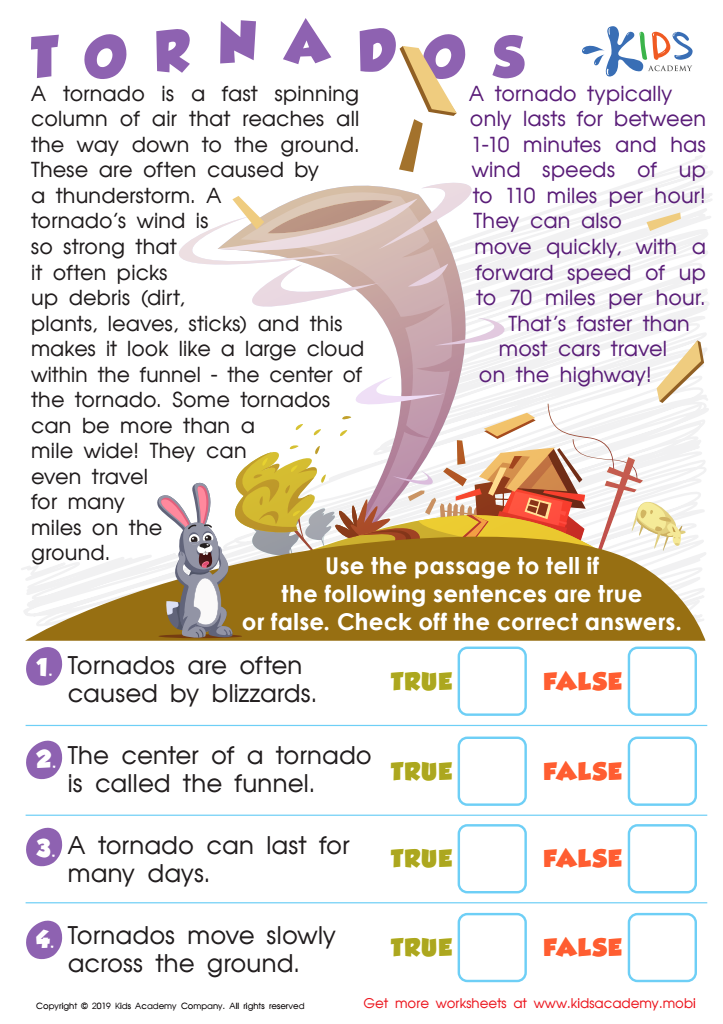
Tornados Worksheet
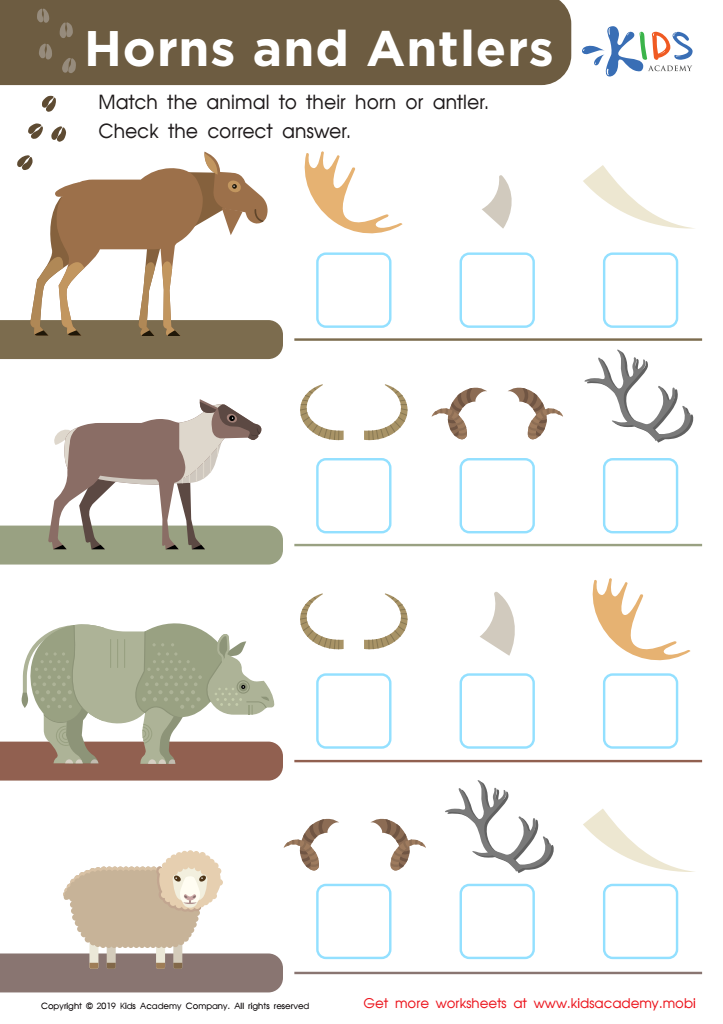
Horns and Antlers Worksheet
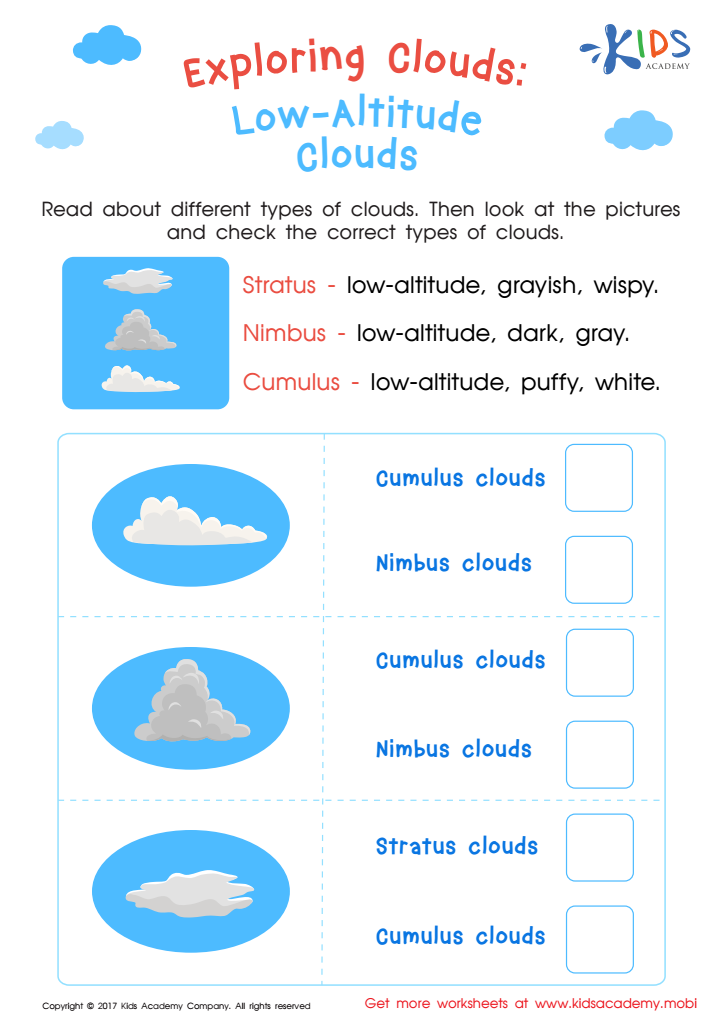
Exploring Clouds: Low Altitude Clouds Printable
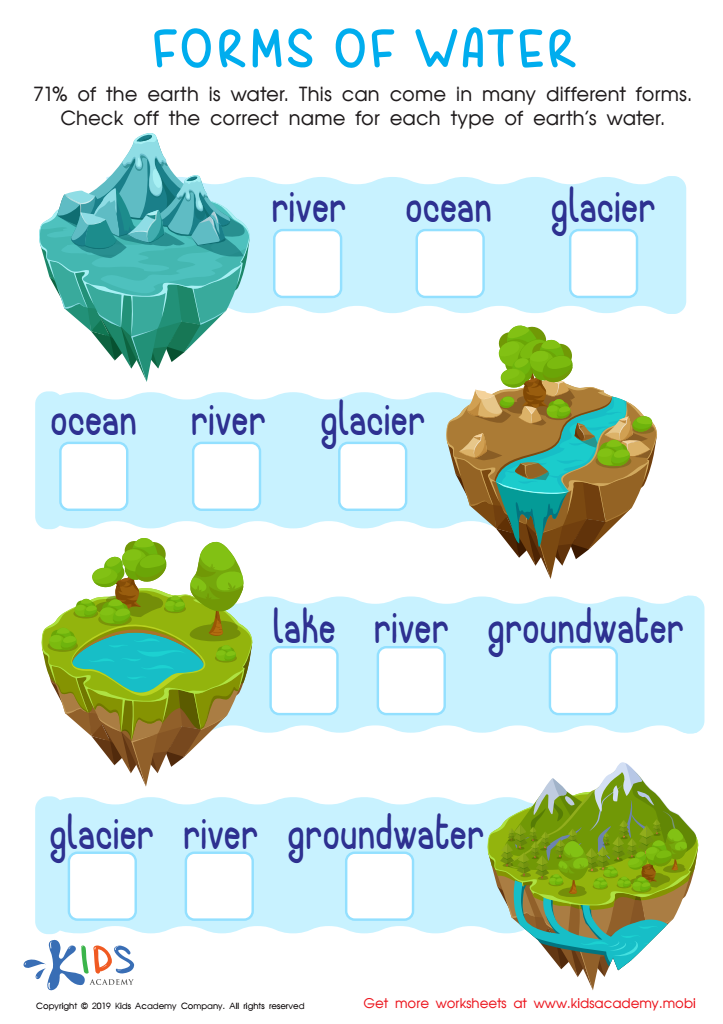
Forms of Water Worksheet




Caring about our planet and environment is essential for the current and future well-being of children aged 5-9. At this formative stage, children are highly impressionable and keen learners, making it a perfect time to instill values of environmental stewardship. Understanding how natural systems work, and how human activities impact these systems, can help create a sense of responsibility and empathy.
Teaching young children about the environment encourages outdoor play, stimulating curiosity and improving both physical and mental health. They learn to appreciate the beauty and importance of nature, which fosters a lifelong respect for the planet. Simple activities like recycling, planting trees, or conserving water can also teach essential life skills such as responsibility, teamwork, and problem-solving.
Moreover, engaging young minds with environmental concepts helps them understand larger, interconnected global issues such as climate change, conservation, and sustainability. When children grasp that their actions can have a significant impact, they become motivated to make positive choices, nurturing a generation of informed, conscientious individuals who are likely to implement sustainable practices long into their futures.
Overall, prioritizing environmental education for children is an investment in a healthier planet and a more mindful society.







