Normal World Around Us Worksheets for Ages 5-9 - Page 3
70 filtered results
-
From - To
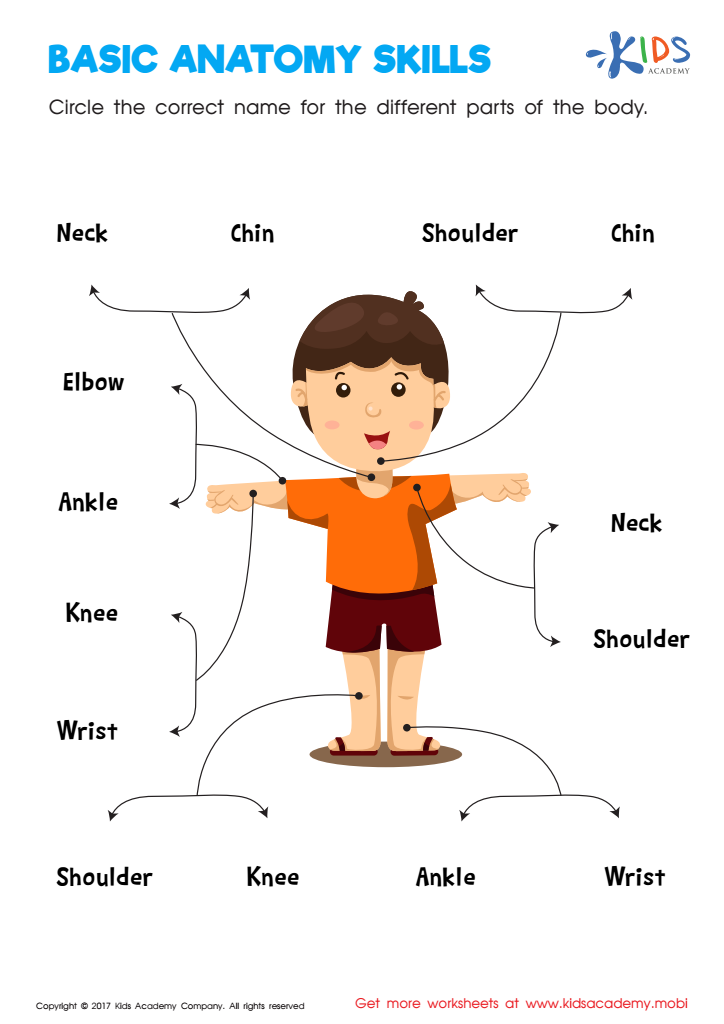
Basic Anatomy Skills Printable
 Assign to My Students
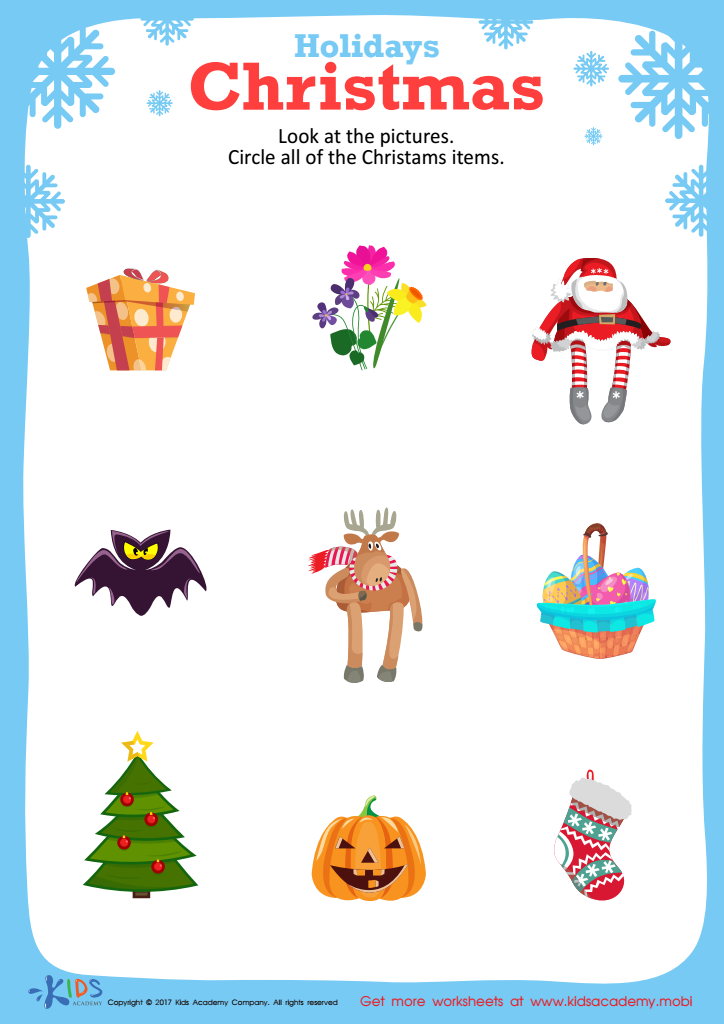
Christmas Holiday Worksheet
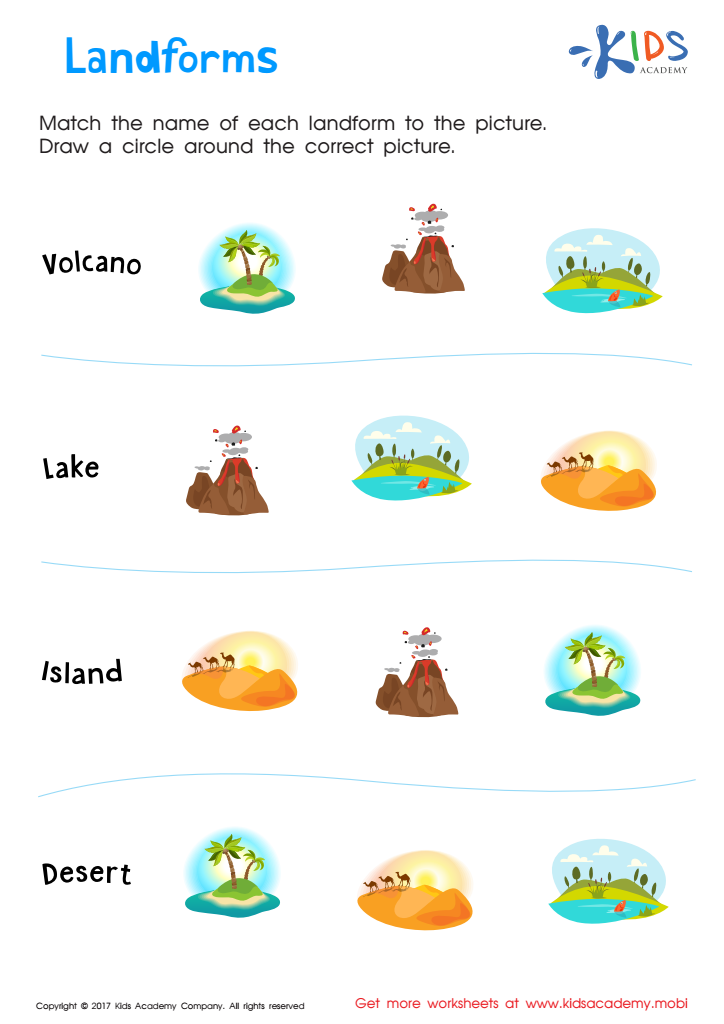
Landforms Printable
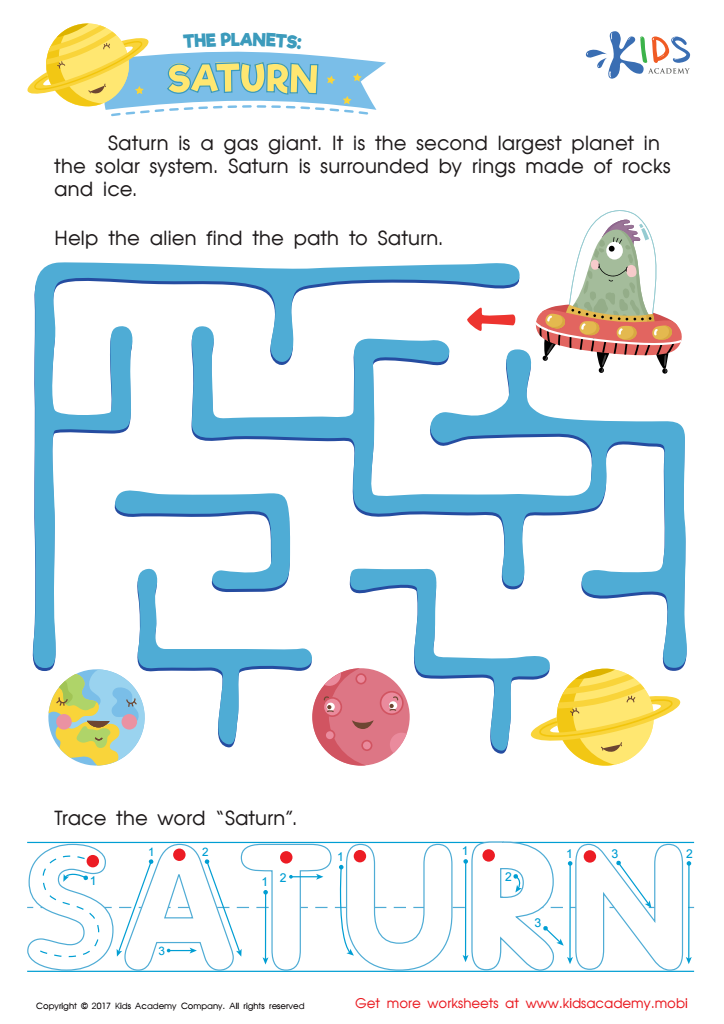
The Planets: Saturn Printable
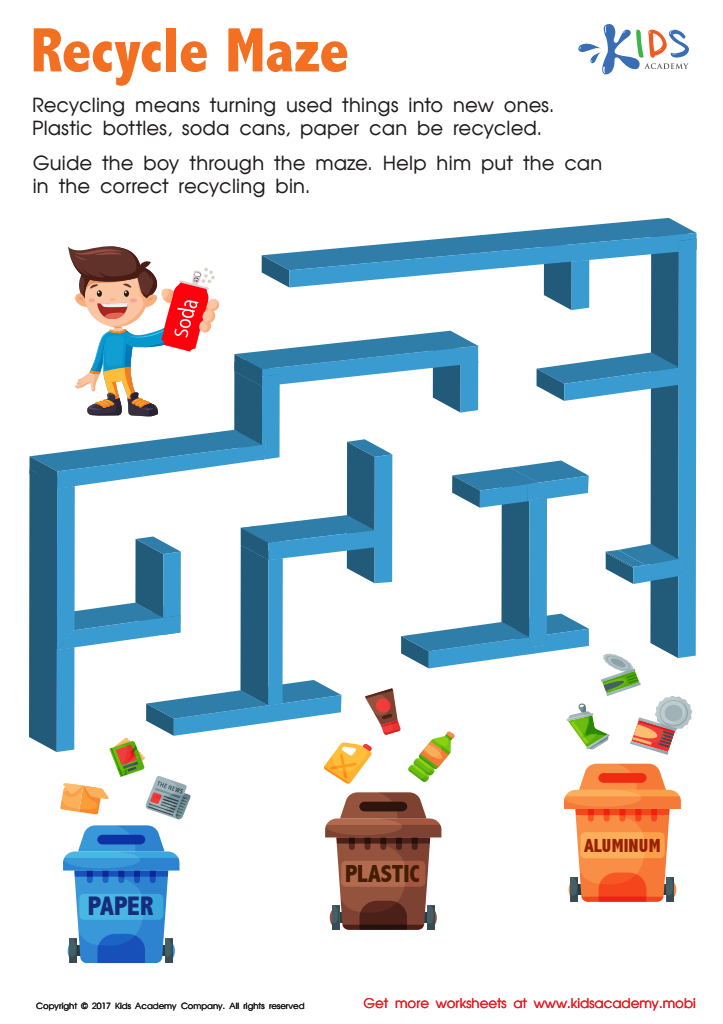
Recycle Maze Worksheet
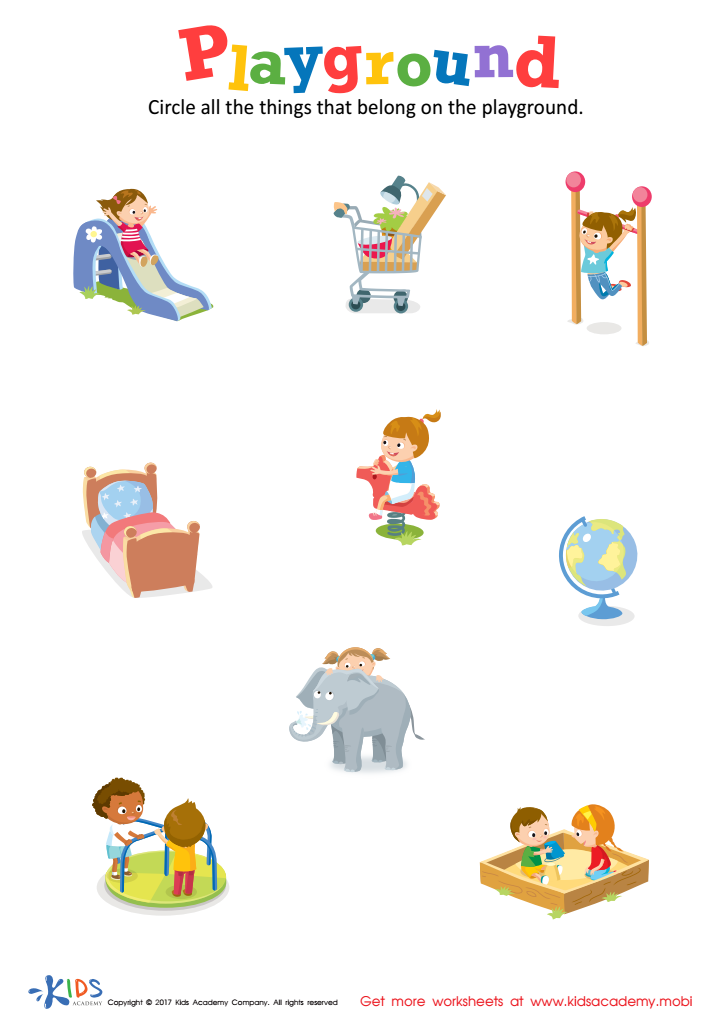
Playground Worksheet
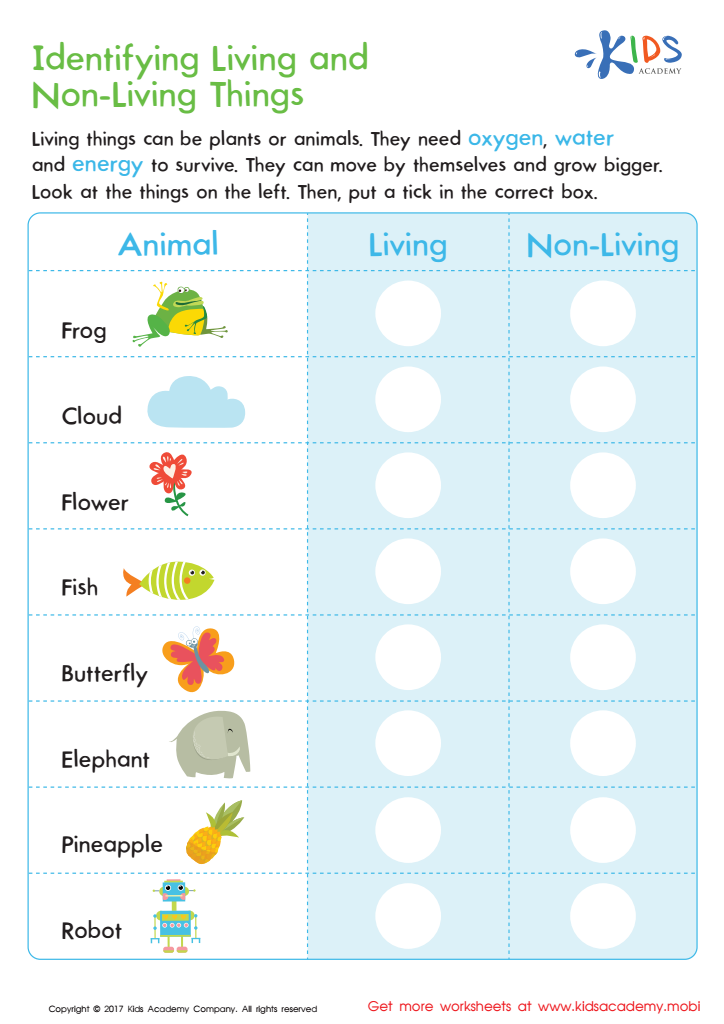
Identifying Living or Non–living Worksheet
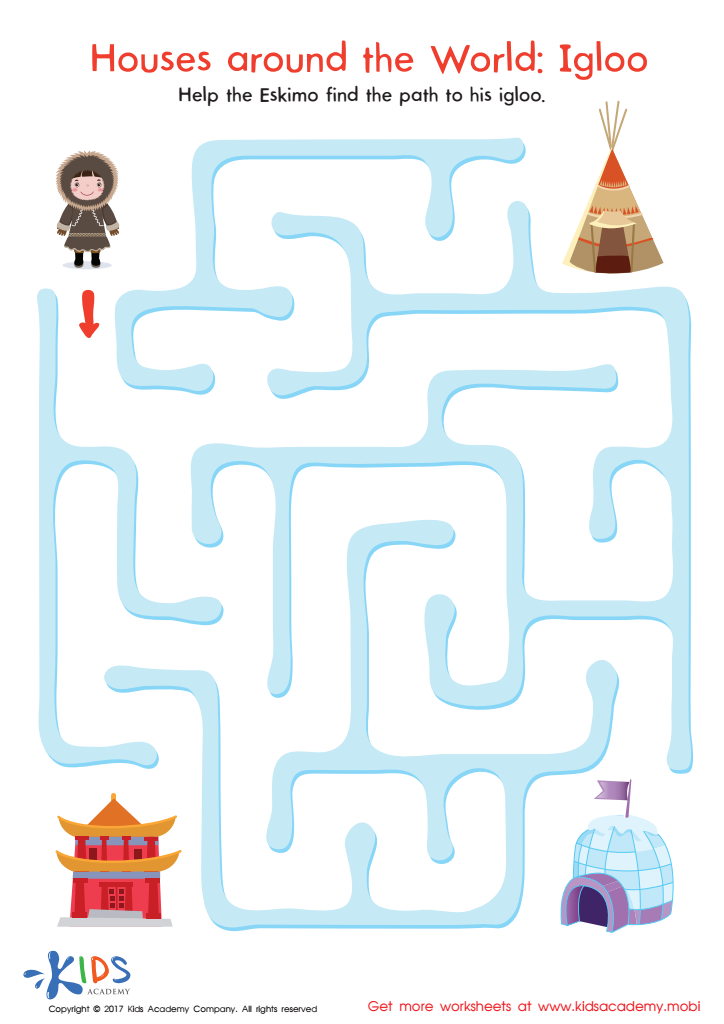
Houses Around the World: Igloo Printable
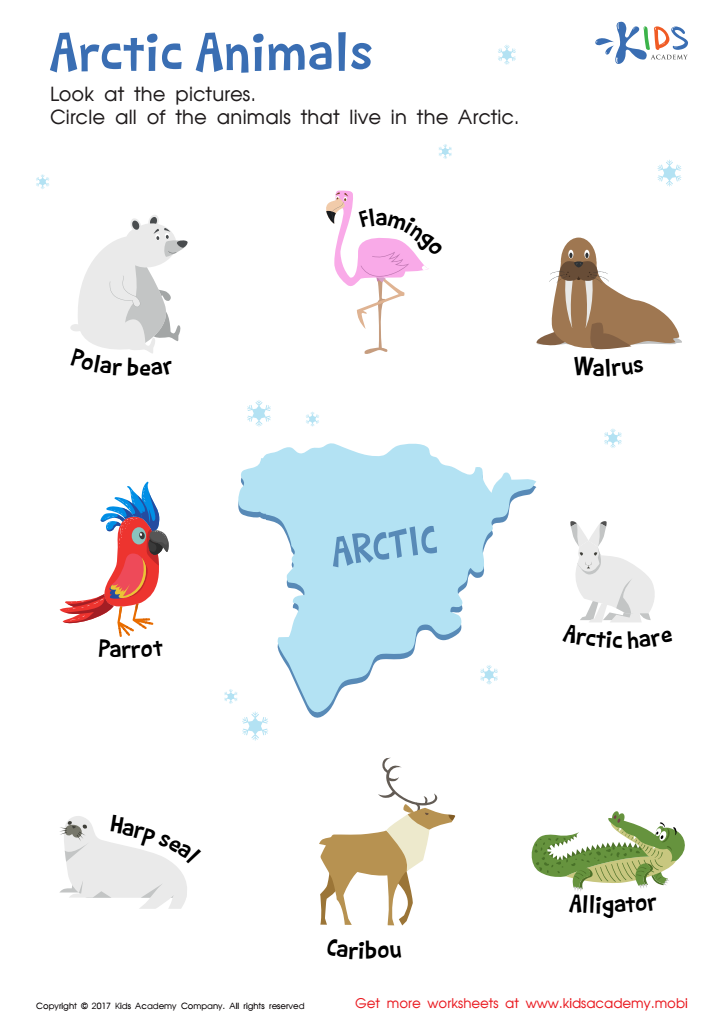
Arctic Animals Worksheet
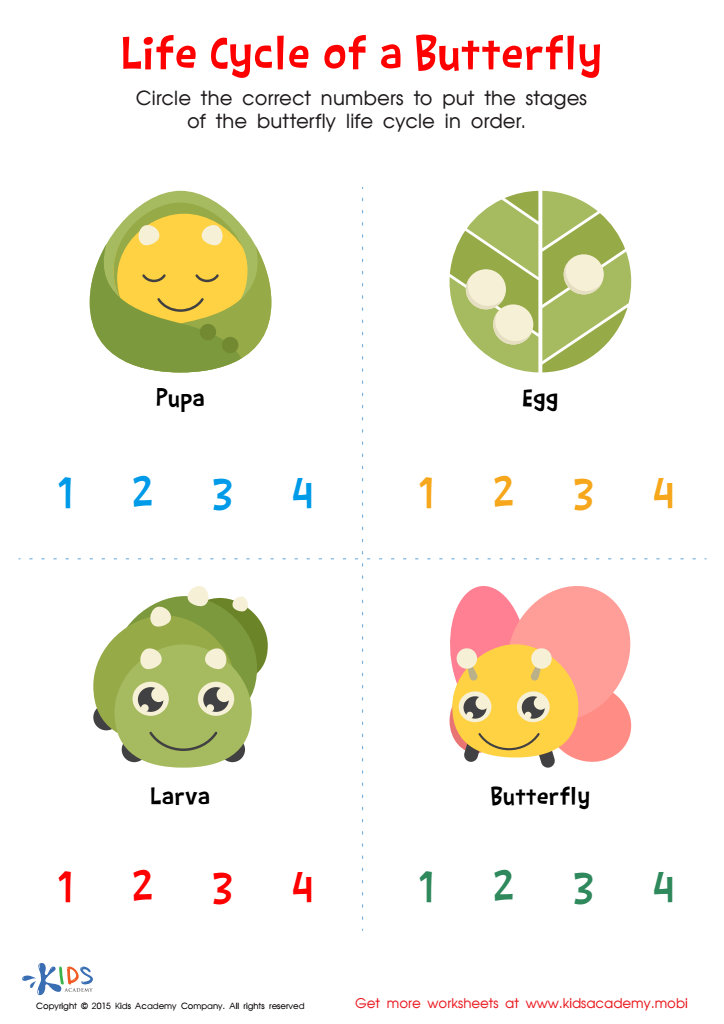
Life Cycle of Butterfly Printable
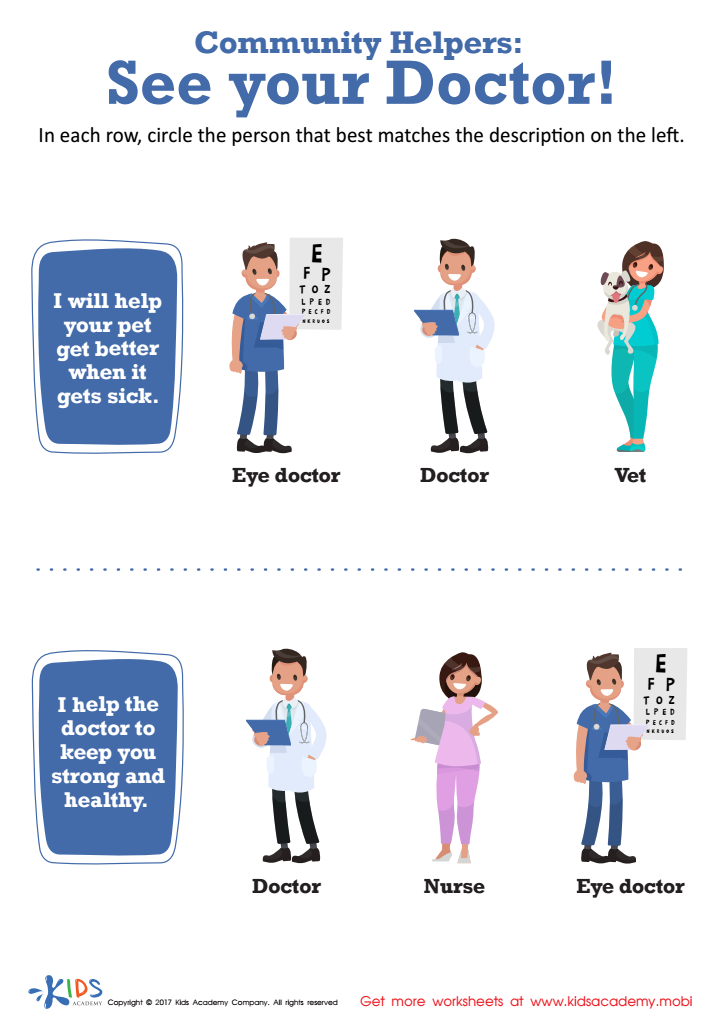
See Your Doctor (Part 2) Printable
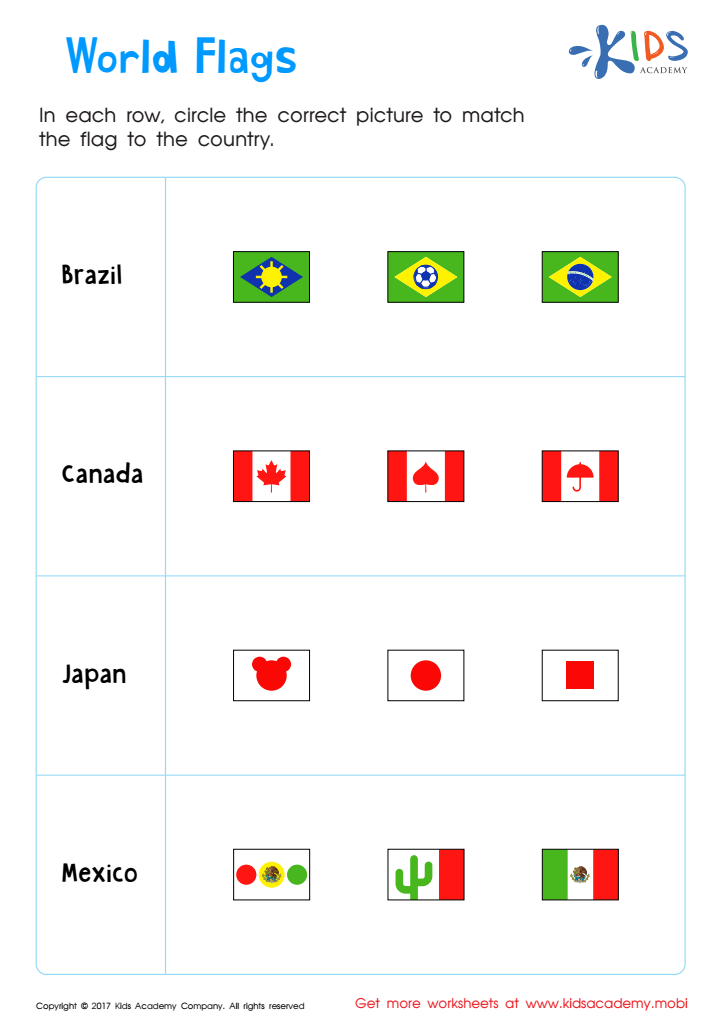
World Flags Printable
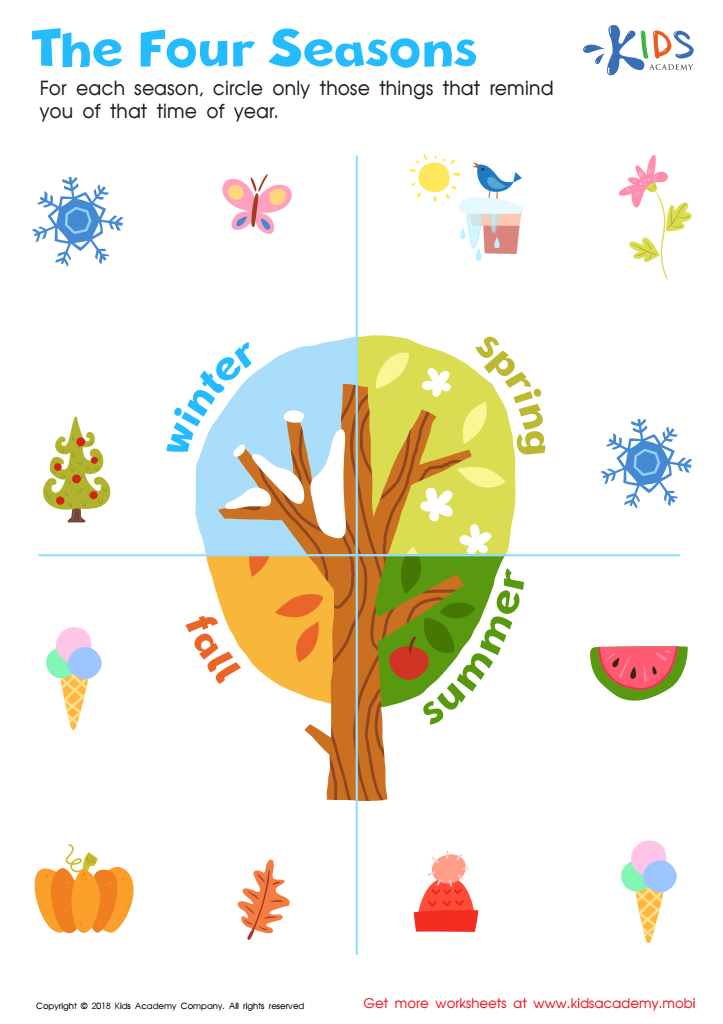
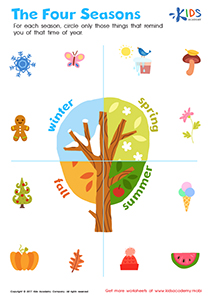
The Four Seasons Worksheet
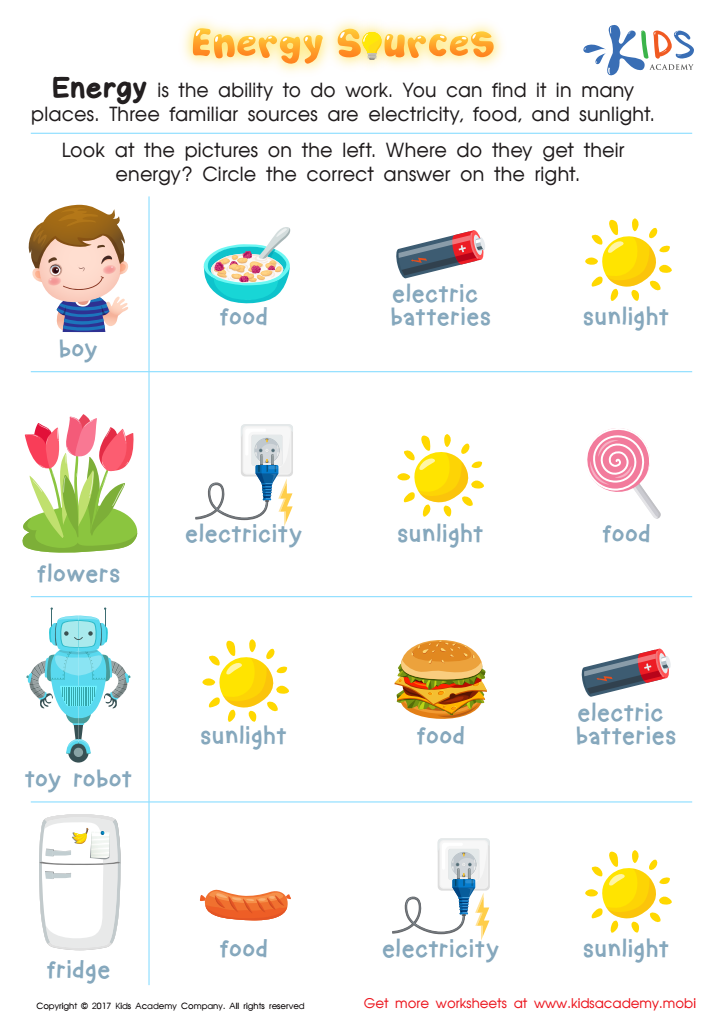
Energy Sources Printable
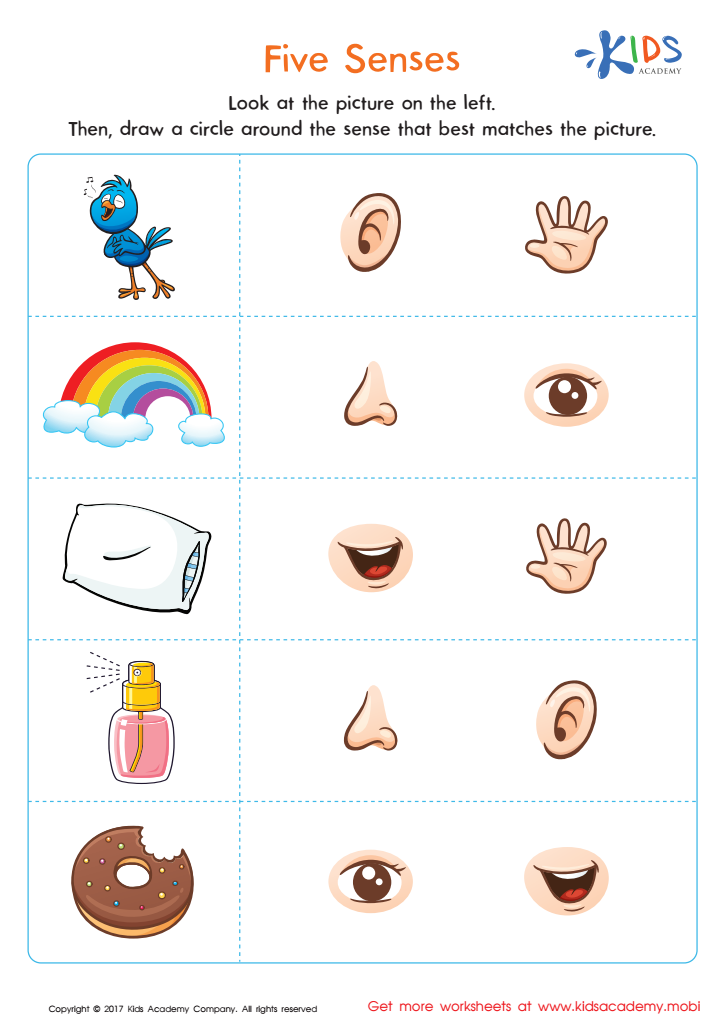
Five Senses Printable
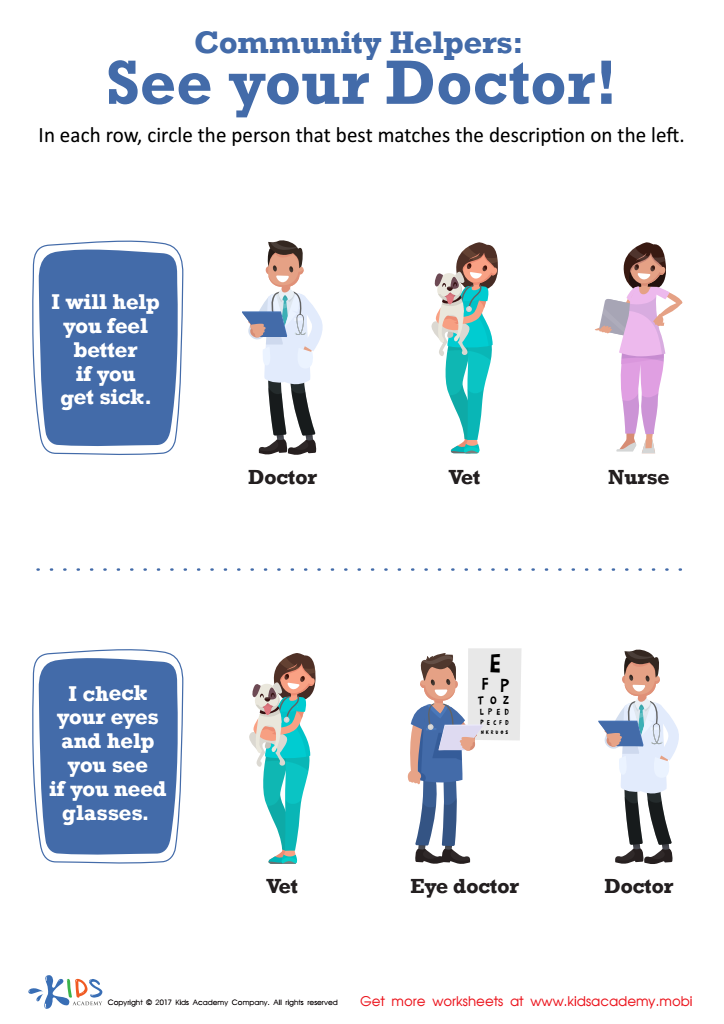
See Your Doctor (Part 1) Printable
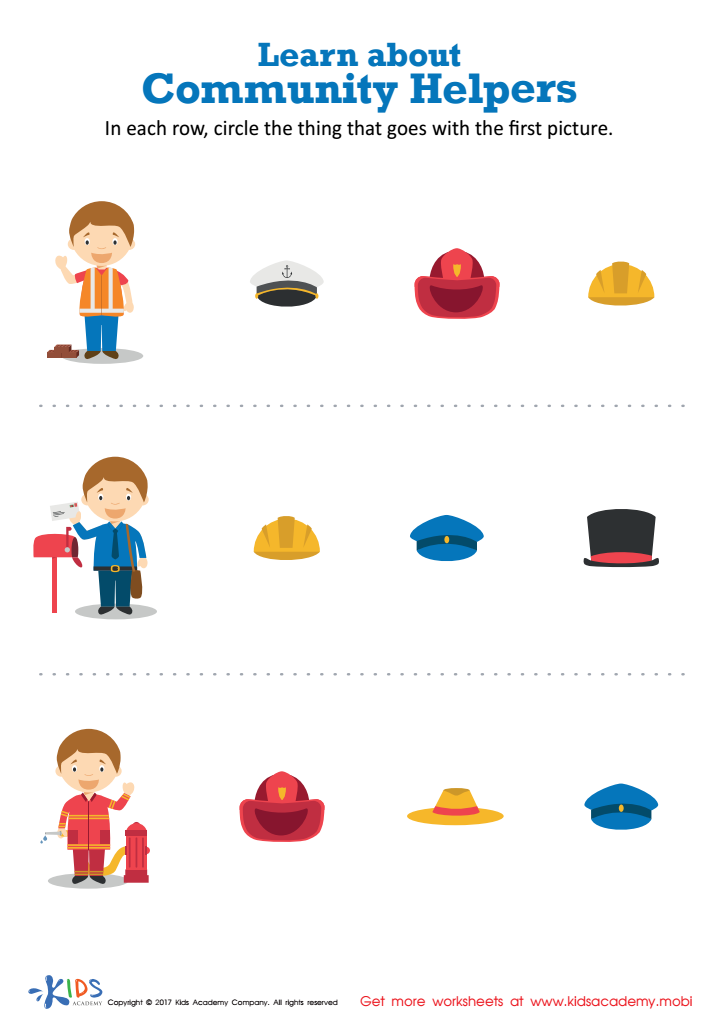
Learn about Community Helpers Printable
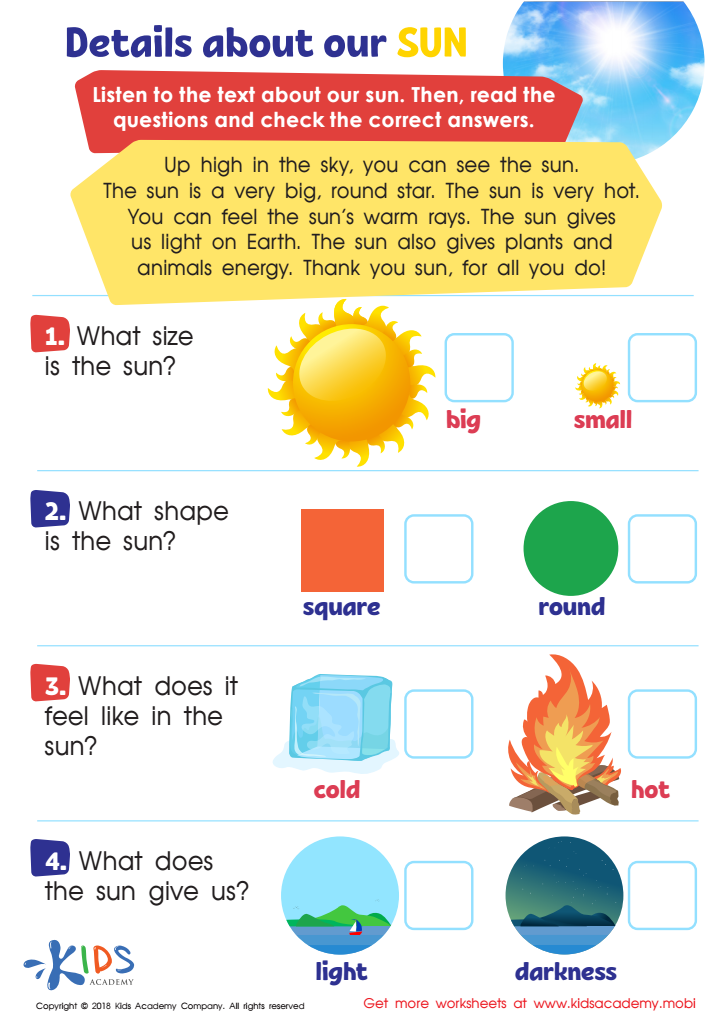
Details About Our Sun Worksheet
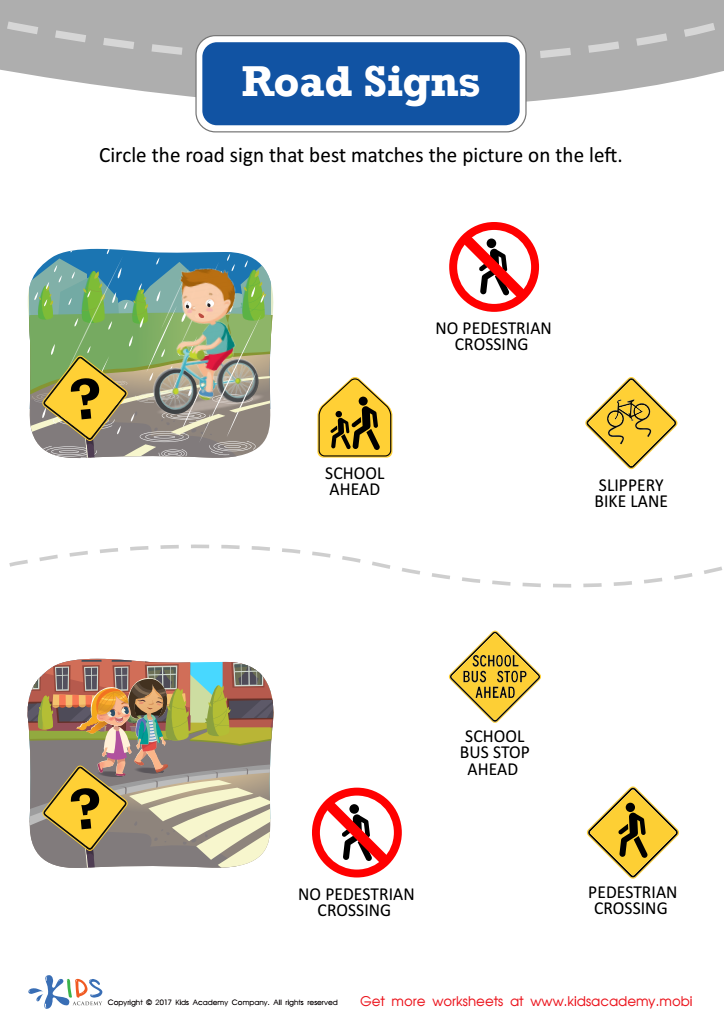
Road Signs (Part 2) Printable




Parents and teachers should prioritize helping children aged 5-9 understand the "Normal World Around Us" because these formative years are crucial for developing awareness and curiosity about their environment. Early education that focuses on the norms and routines of everyday life helps children build foundational skills for interacting with the world confidently and independently.
By exploring concepts like community roles, responsibility, and cultural practices, children learn valuable social skills, promoting empathy and understanding. Knowledge of their surroundings fosters critical thinking, as children start to question and understand societal structures and norms. This understanding also bolsters their ability to engage with diverse cultures, encouraging inclusivity and respect for differences.
Moreover, familiarity with their day-to-day environment helps children relate more effectively to academic subjects like science, geography, and social studies when they encounter them later in school. Teaching them about local resources, diverse occupations, and services builds a sense of security and belonging, making them more engaged learners.
In summary, helping young children understand the world around them enriches their cognitive, social, and emotional development, preparing them to navigate life's complexities with confidence and awareness.