Normal Chess Worksheets for Ages 6-8 - Page 2
47 filtered results
-
From - To
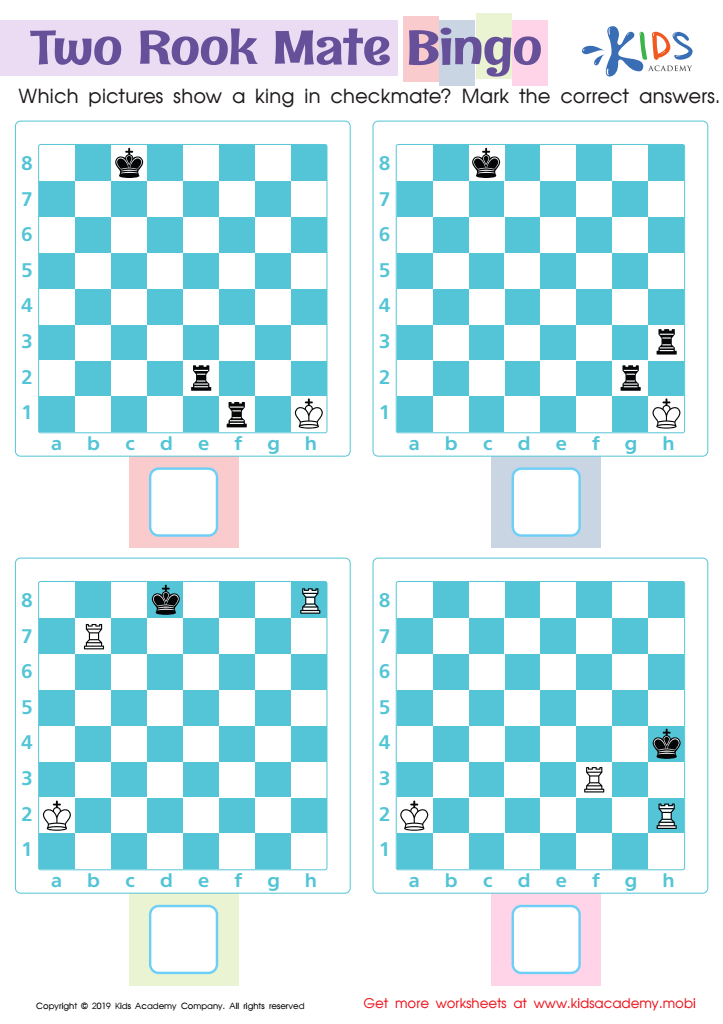
Two Rook Bingo Worksheet
 Assign to My Students
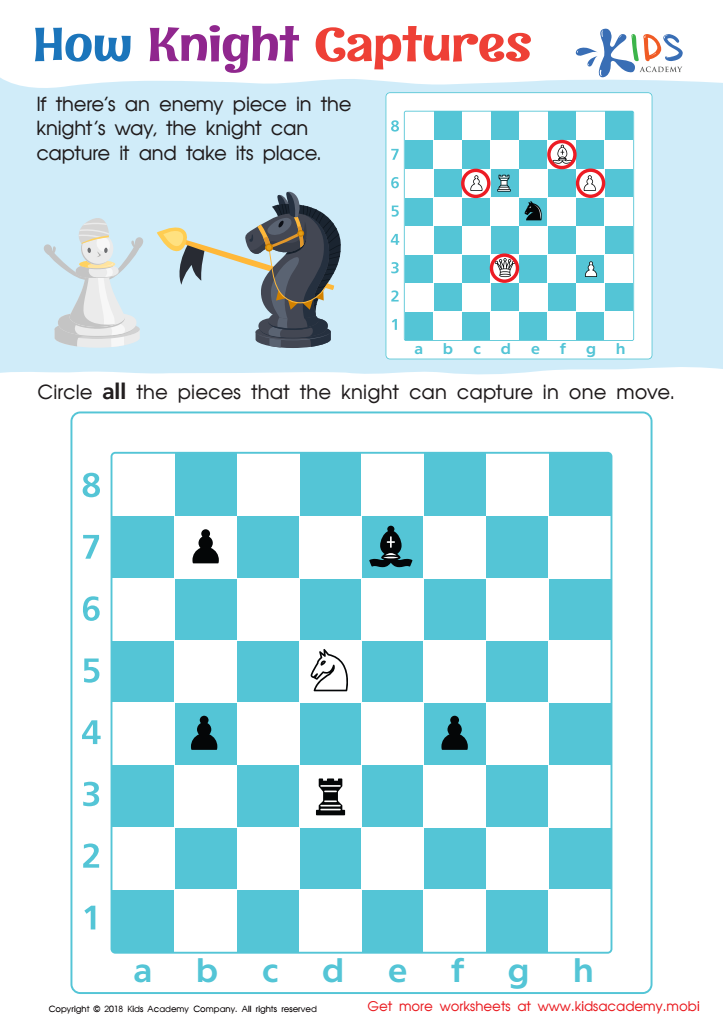
How Knight Captures Worksheet
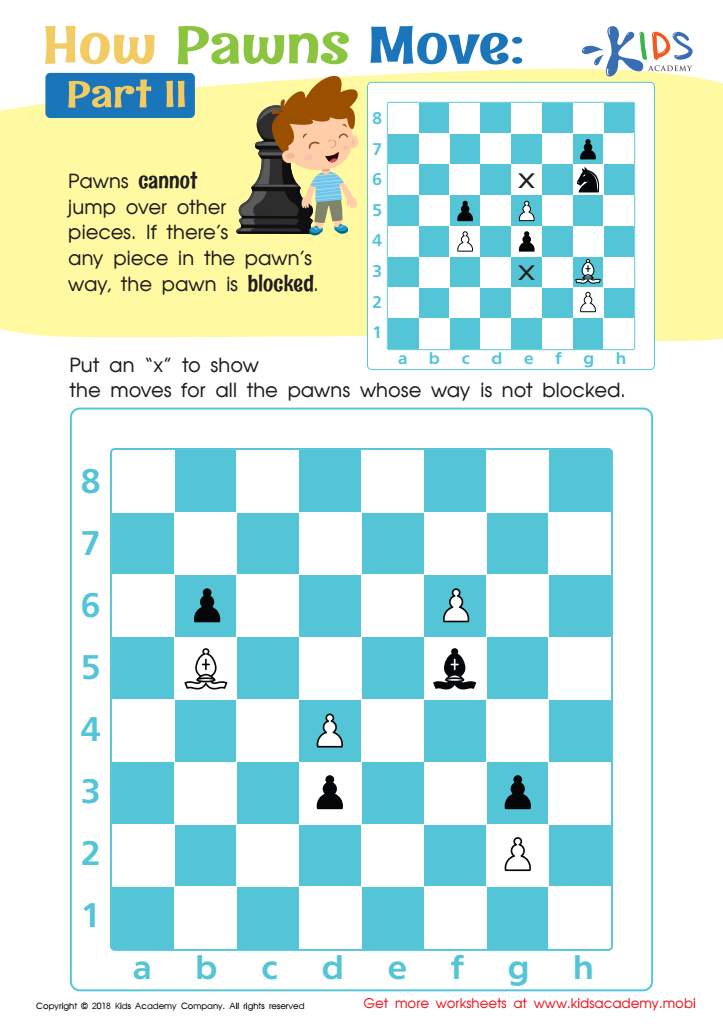
How Pawns Move: Part II Worksheet
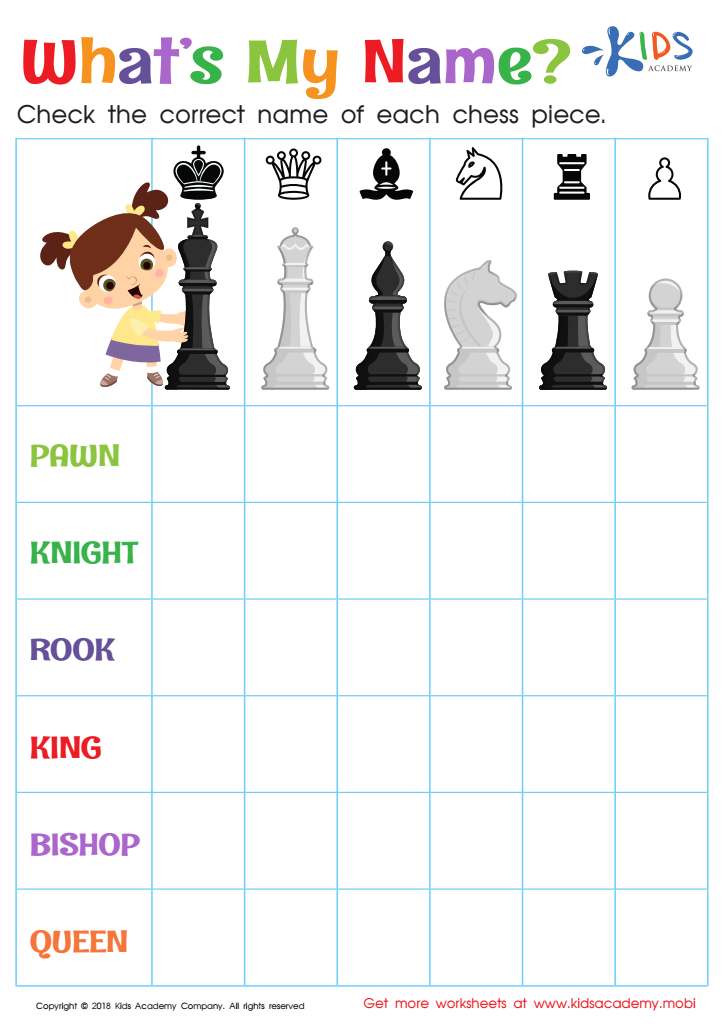
What's My Name? Worksheet
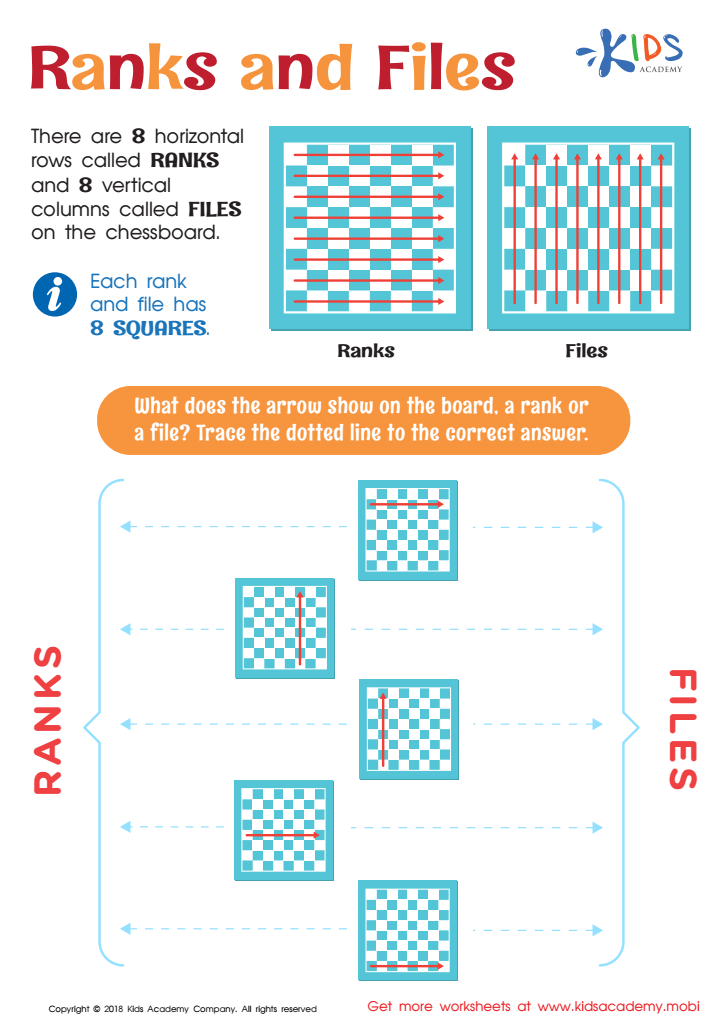
Ranks and Files Worksheet
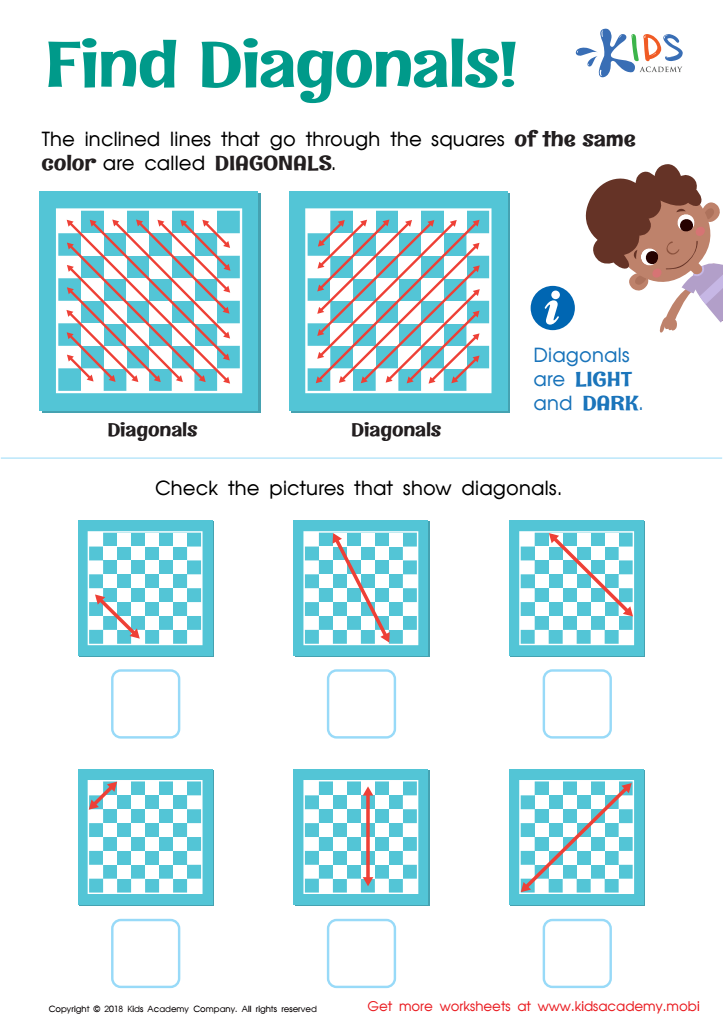
Find Diagonals Worksheet
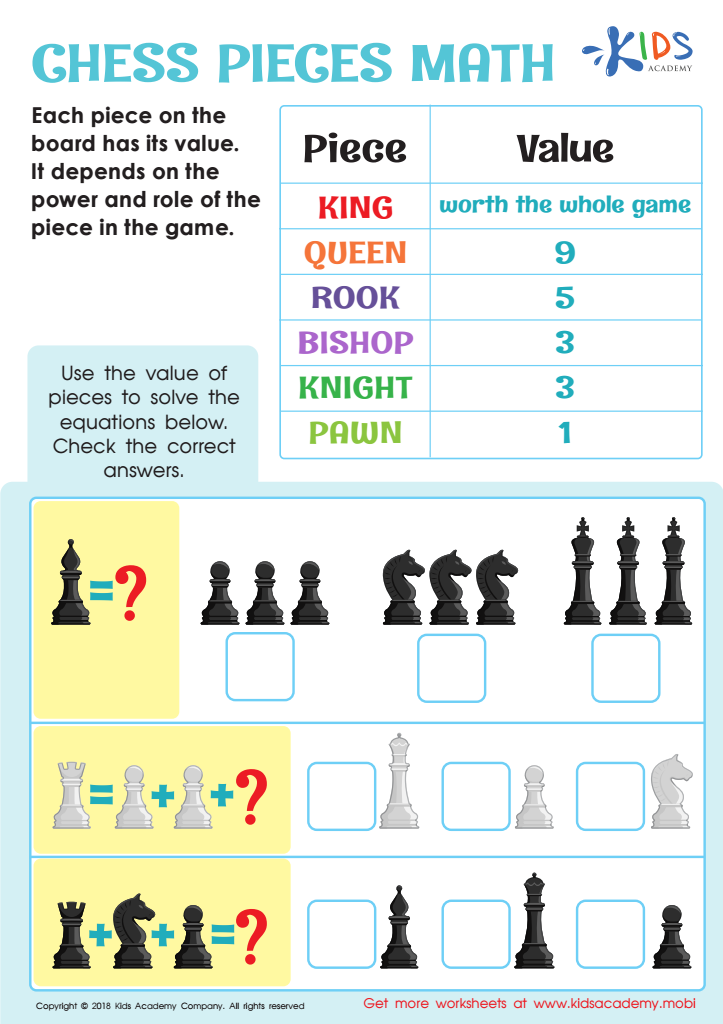
Chess Pieces Math Worksheet
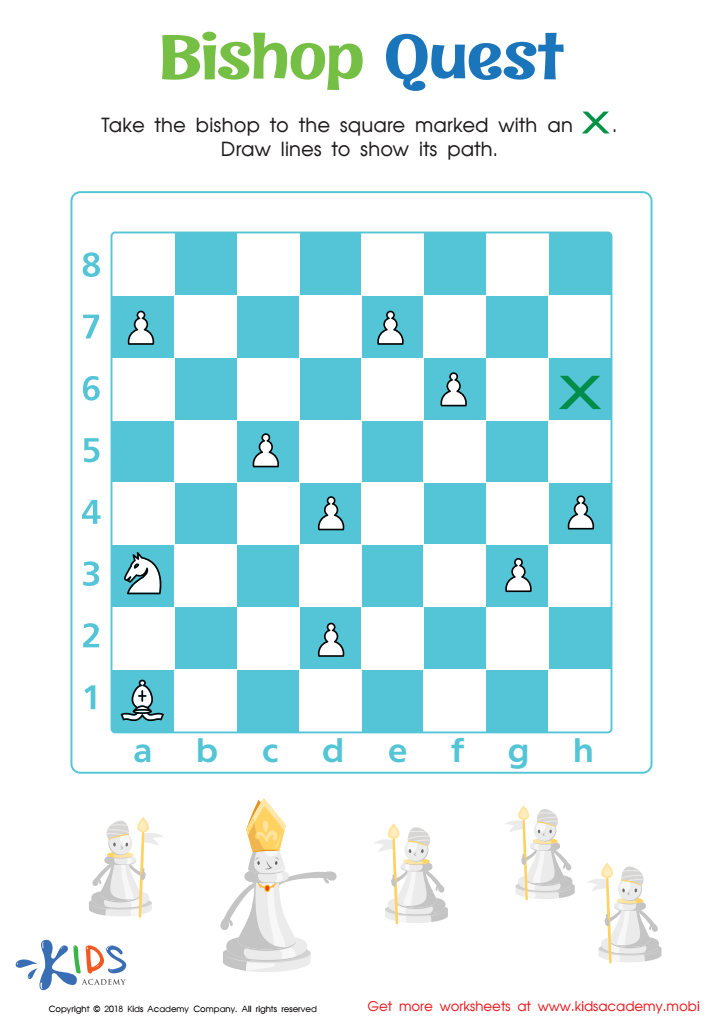
Bishop Quest Worksheet
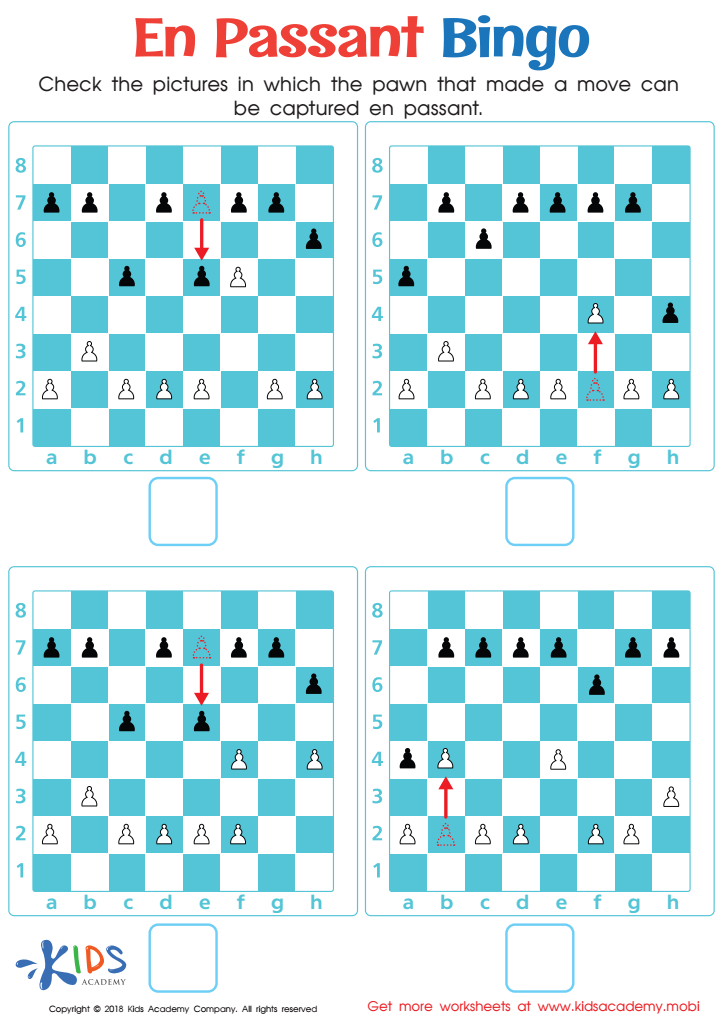
En Passant Bingo Worksheet
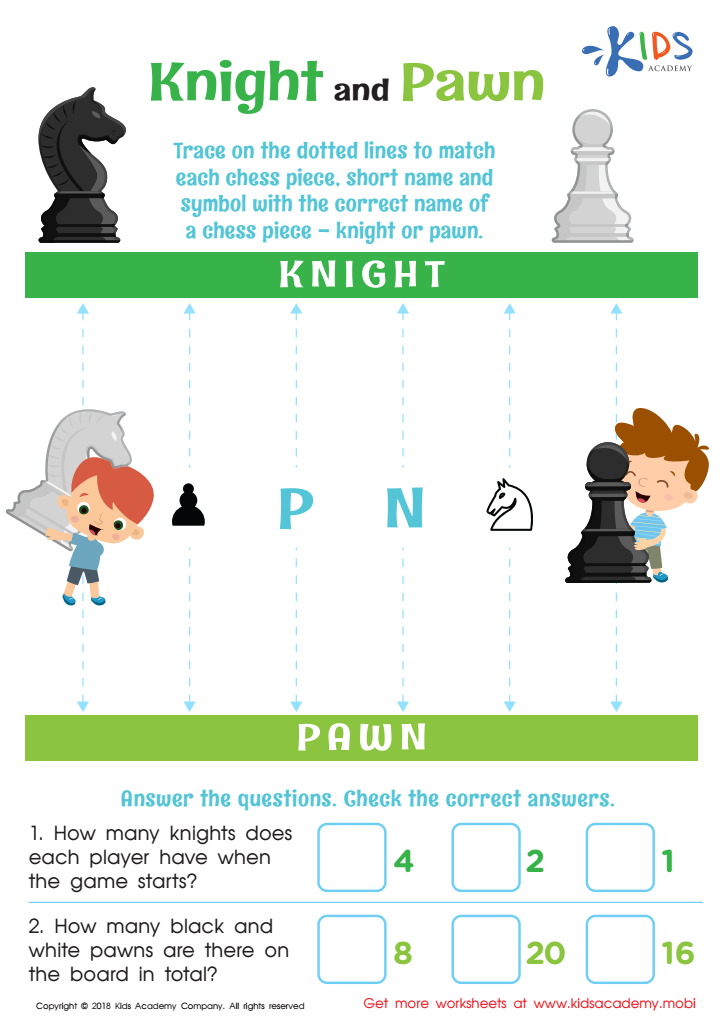
Knight and Pawn Worksheet
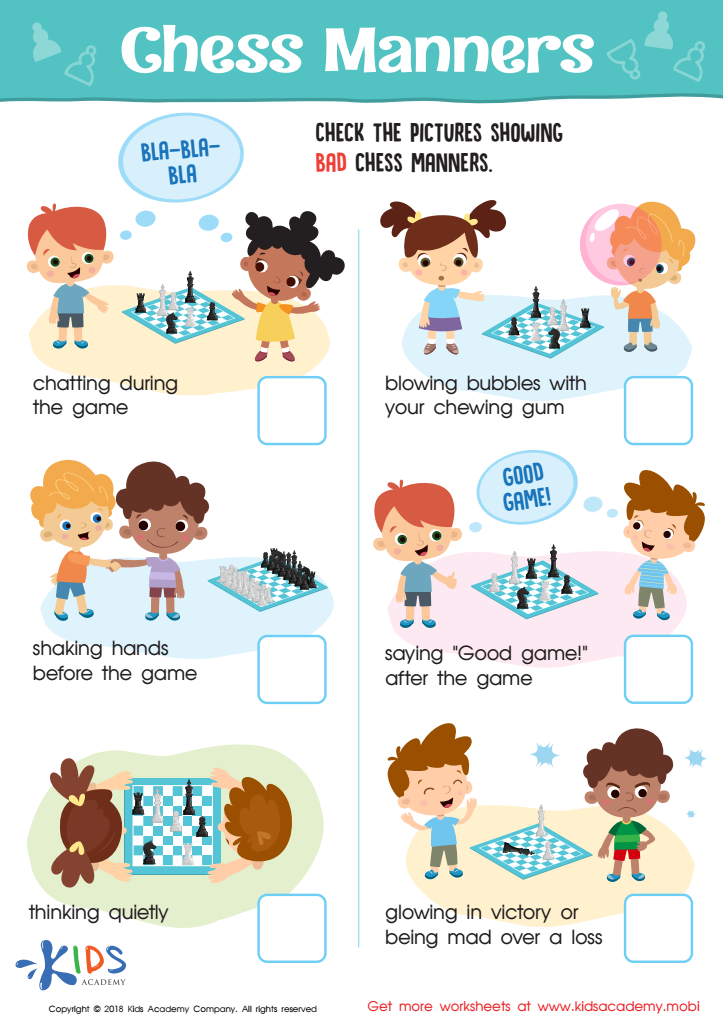
Chess Manners Worksheet
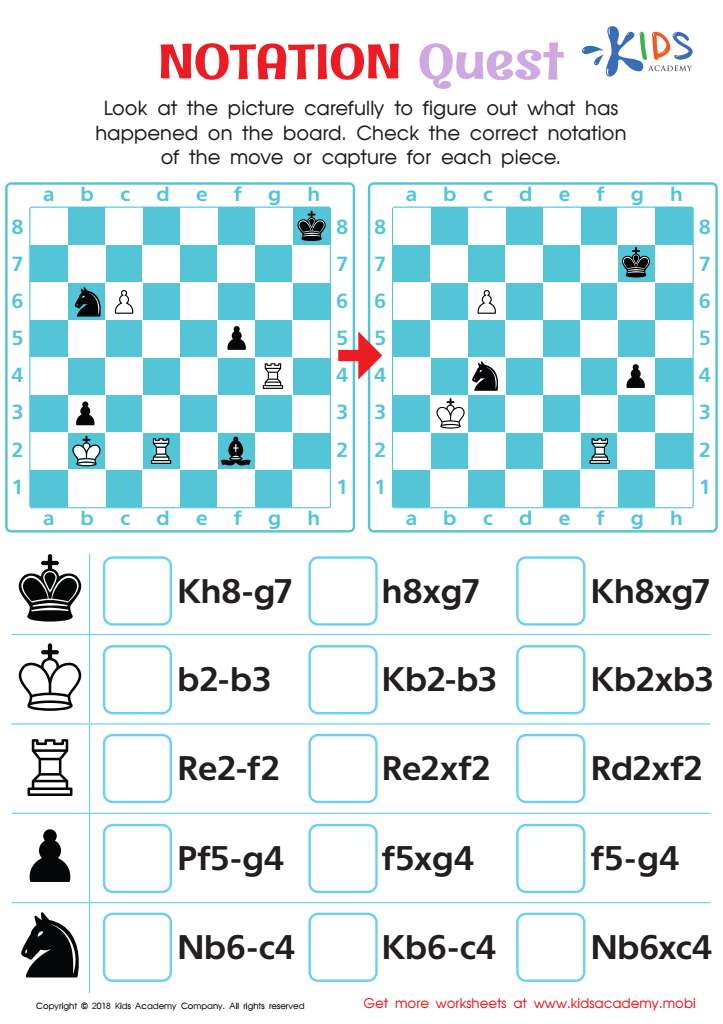
Notation Quest Worksheet
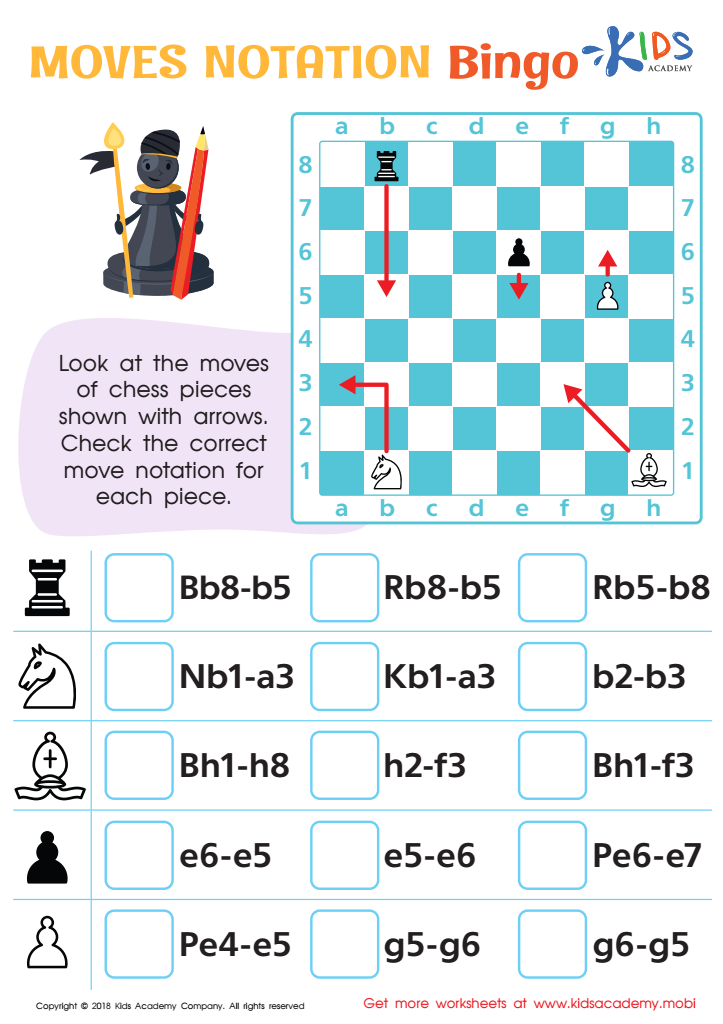
Moves Notation Bingo Worksheet
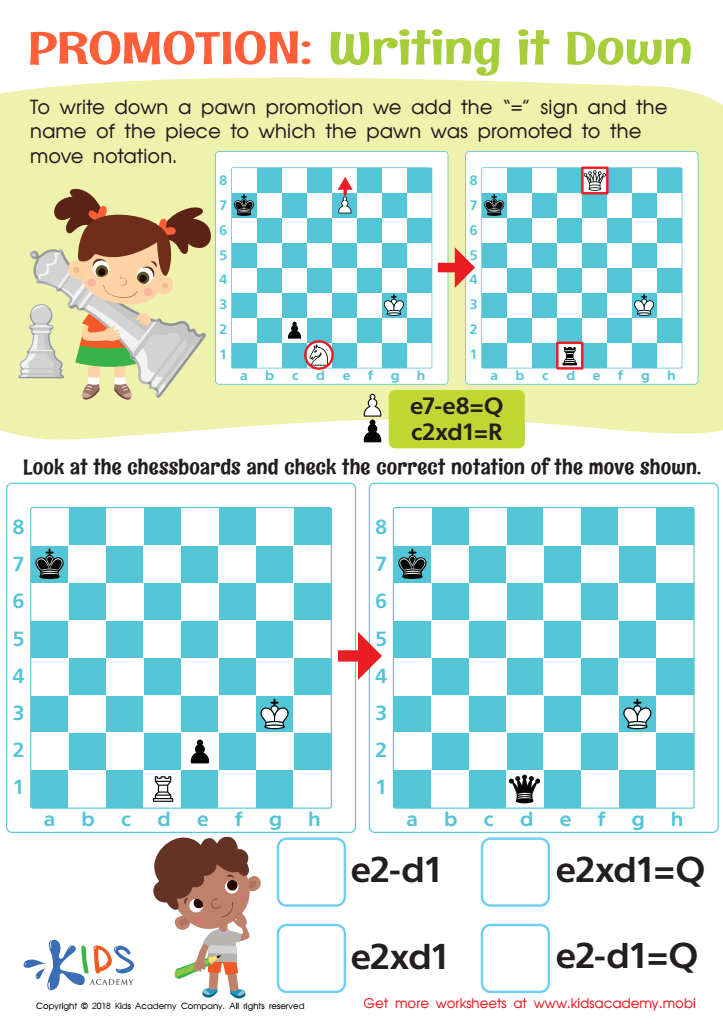
Writing it Down Worksheet
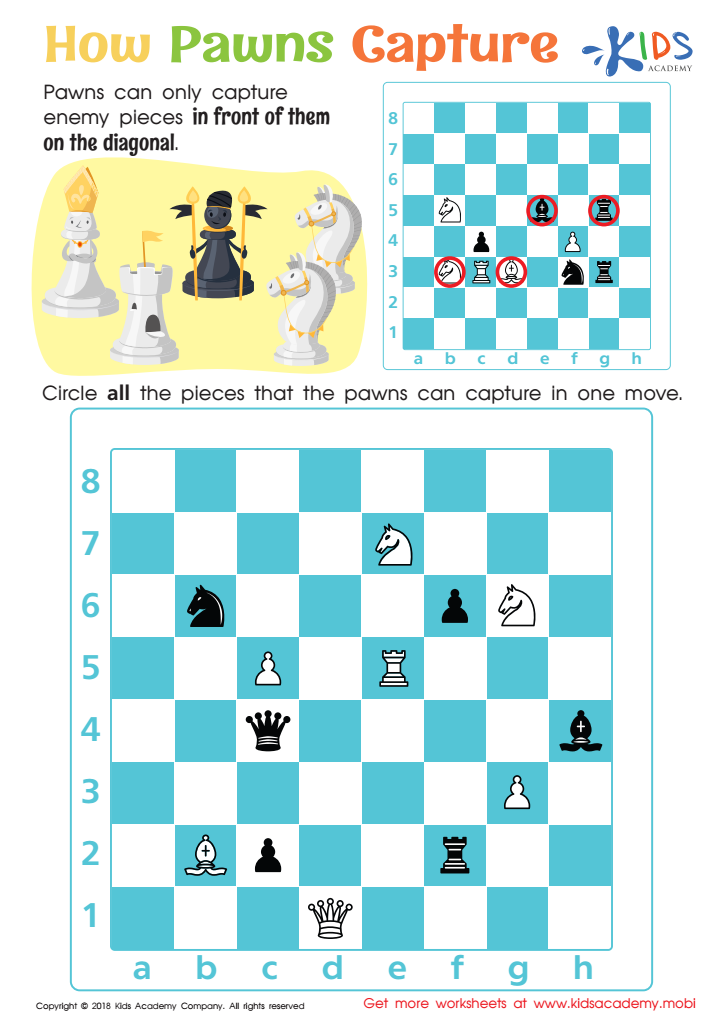
How Pawns Capture Worksheet
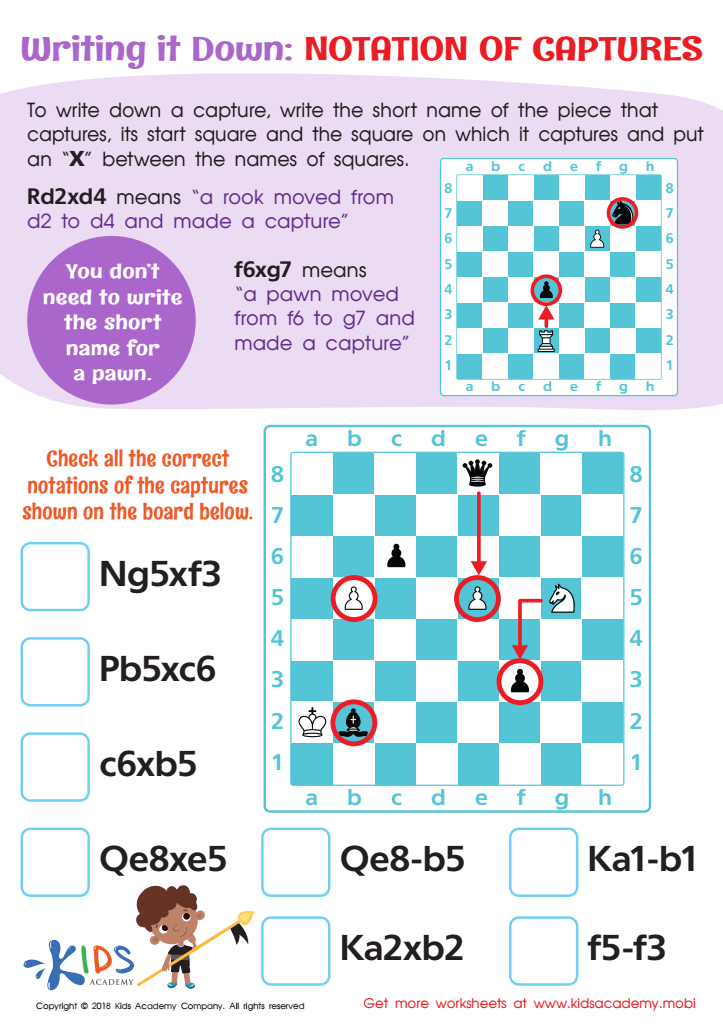
Notation of Captures Writing it Down Worksheet
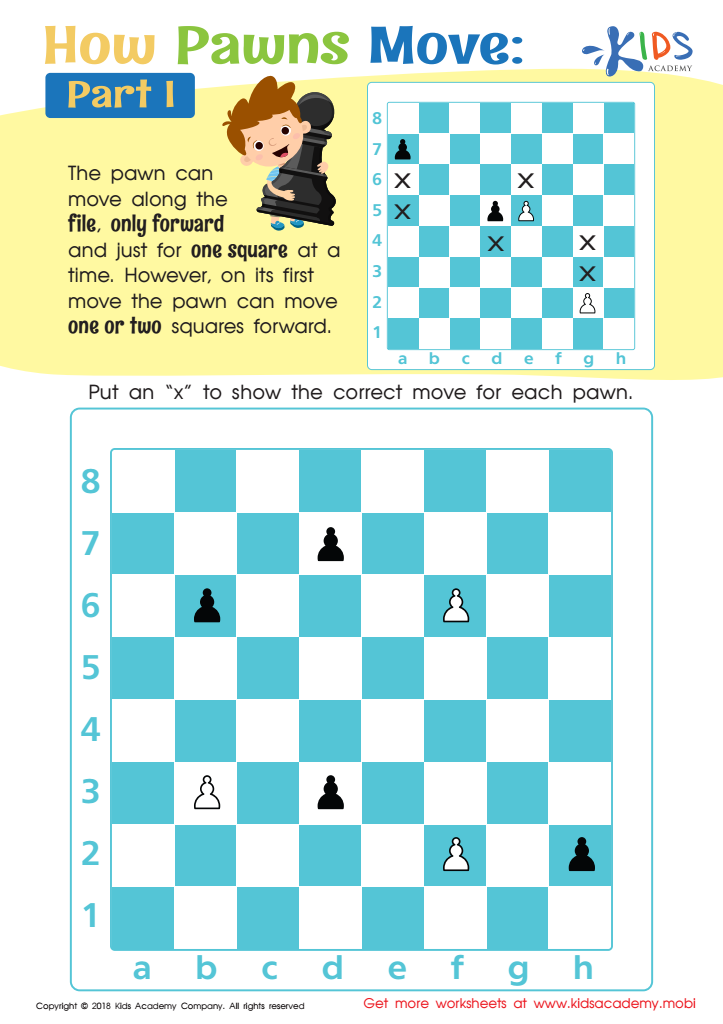
How Pawns Move: Part I Worksheet
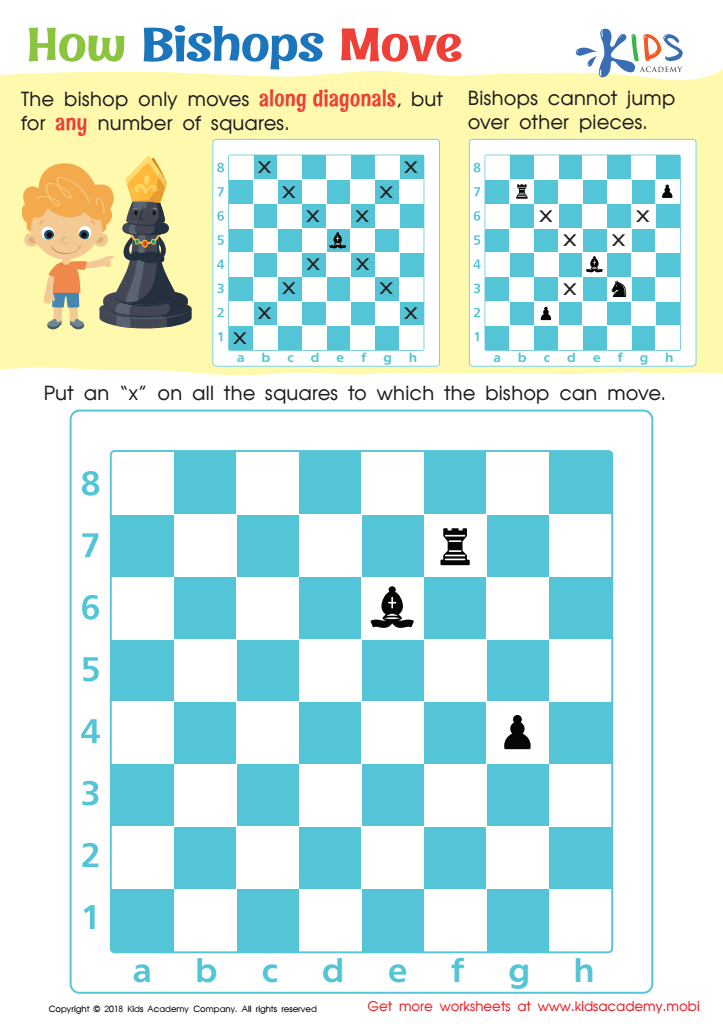
How Bishops Move Worksheet
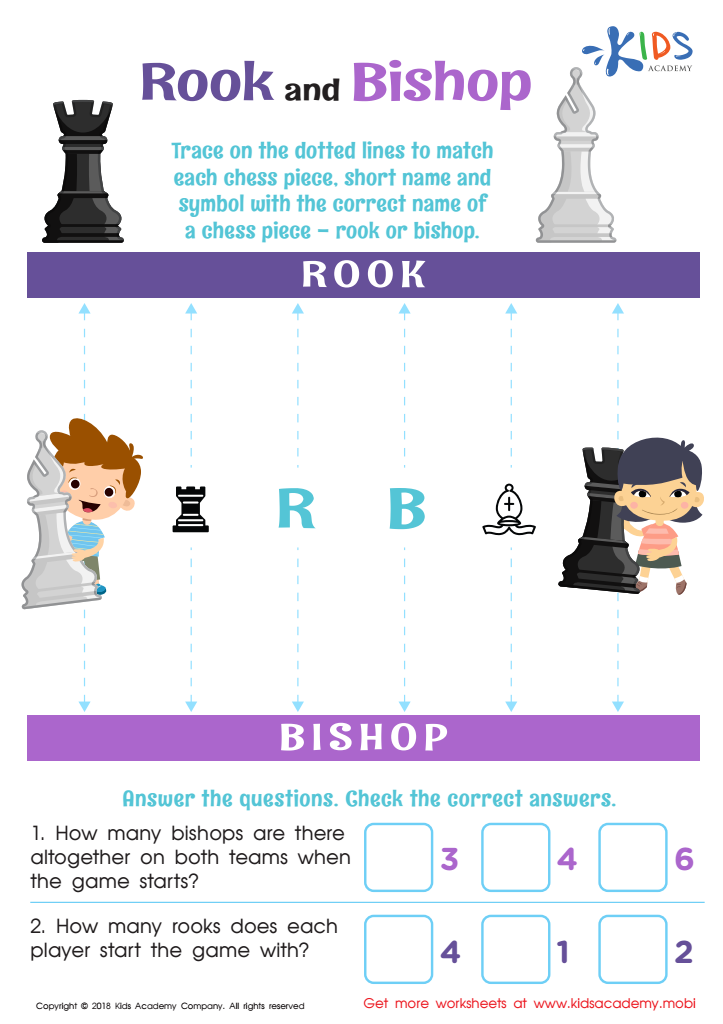
Rook and Bishop Worksheet
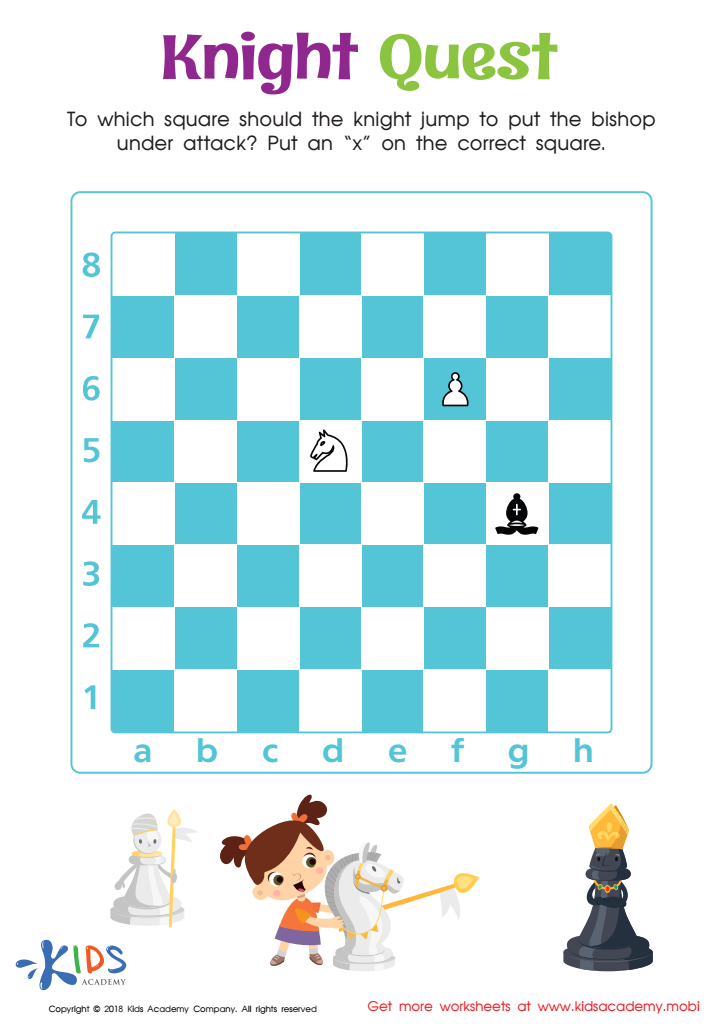
Knight Quest Worksheet
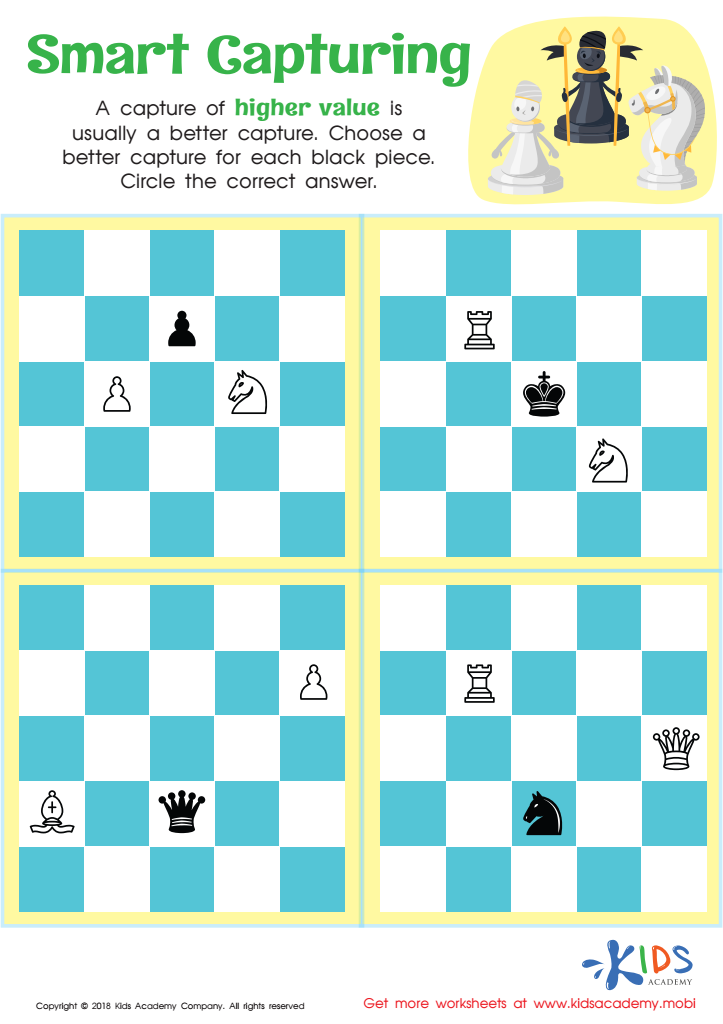
Smart Capturing Worksheet
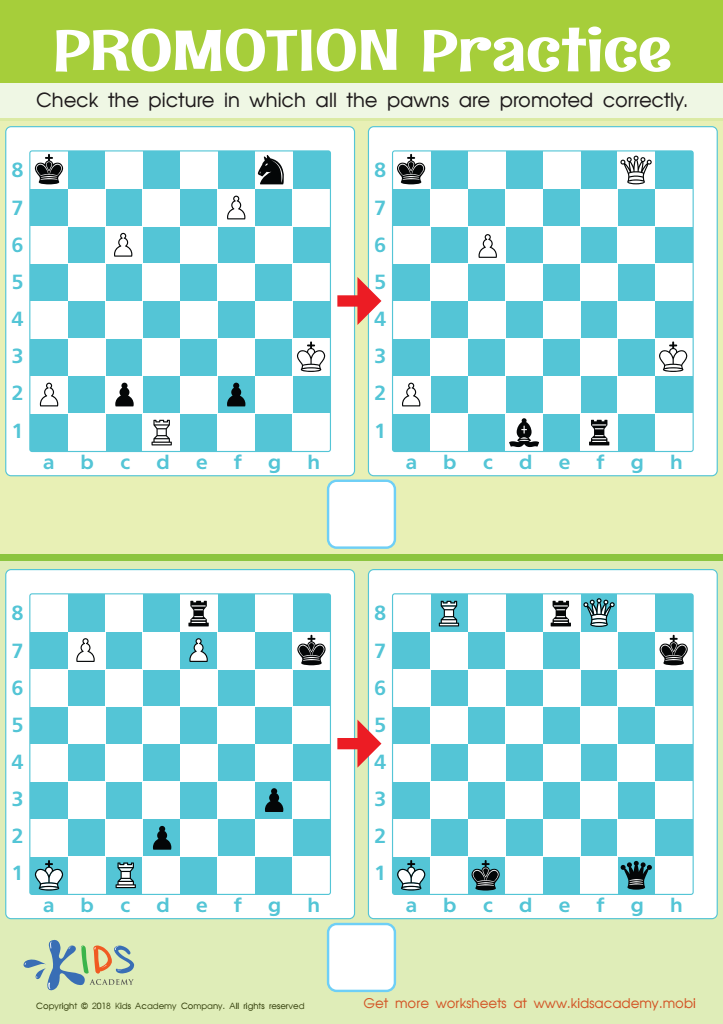
Promotion Practice Worksheet
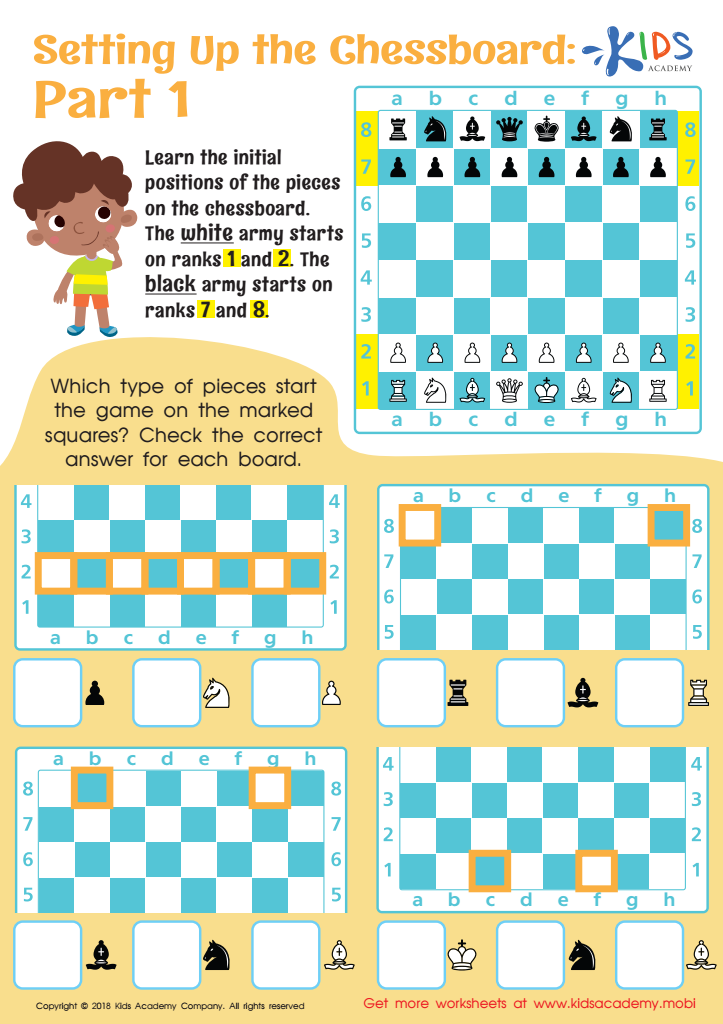
Setting up the Chessboard: Part 1 Worksheet





Normal Chess is an excellent activity for children aged 6 to 8, and it's essential for parents and teachers to recognize its value. At this young age, children's cognitive abilities are rapidly developing, and engaging them in chess significantly enhances critical thinking, problem-solving skills, and creativity. The game teaches them to plan, strategize, and consider multiple scenarios before making decisions, which are invaluable skills not just in chess but in everyday life.
Moreover, playing chess promotes patience and perseverance. Children learn to focus for extended periods, understand the importance of practice, and develop sportsmanship, as they experience both winning and losing gracefully. Social interaction is another advantage; playing chess can introduce children to peers, helping build friendships and enhancing their social skills.
Additionally, Normal Chess can be integrated into educational curriculums to complement learning in mathematics and logic, as it involves patterns, counting, and spatial reasoning. Encouraging this engaging, yet challenging game supports holistic development in young learners, provides a fun outlet for intellectual growth, and prepares them for future academic success. Overall, investing time in chess for children can inspire lifelong learning habits and mental agility.