Normal Comparison Worksheets for Ages 6-8
7 filtered results
-
From - To
Unlock your child's potential with our engaging "Normal Comparison Worksheets for Ages 6-8". Designed to nurture critical thinking and math skills, these vibrant worksheets make learning comparisons fun and effective. From comparing numbers and quantities to sizes and shapes, our printables offer varied activities that align with educational standards. Ideal for children from 6 to 8 years old, these worksheets provide hands-on practice in understanding greater than, less than, and equal concepts. Boost your child's confidence and competence in math with Kids Academy's expertly crafted comparison worksheets, perfect for classroom or at-home learning. Explore now and make math mastery achievable!
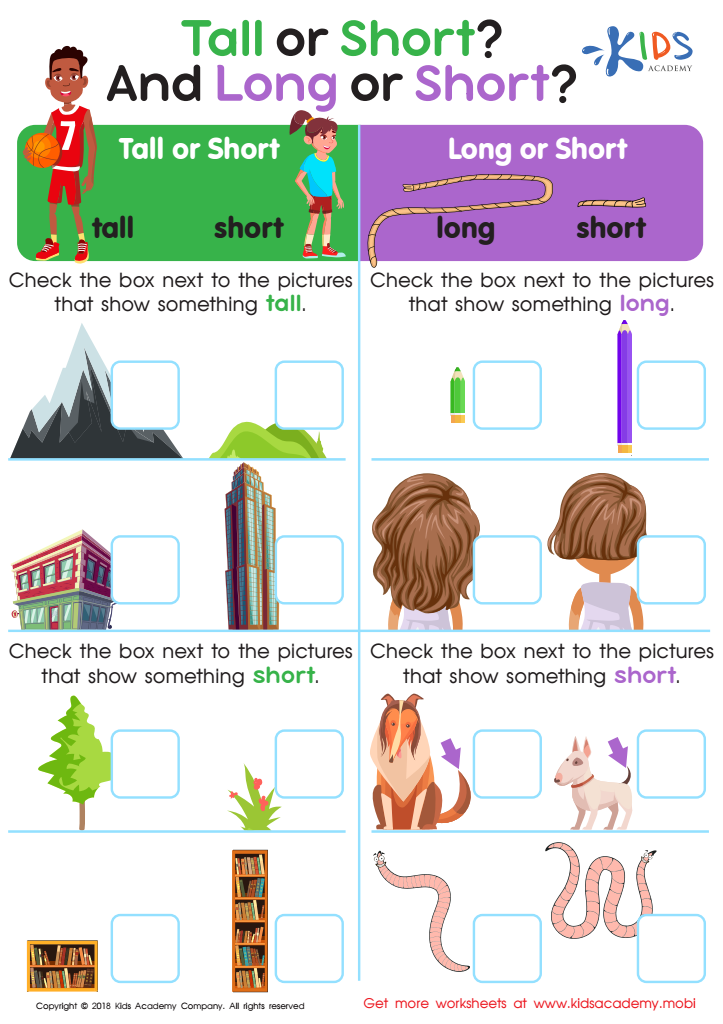
Tall or Short and Long or Short? Worksheet
 Assign to My Students
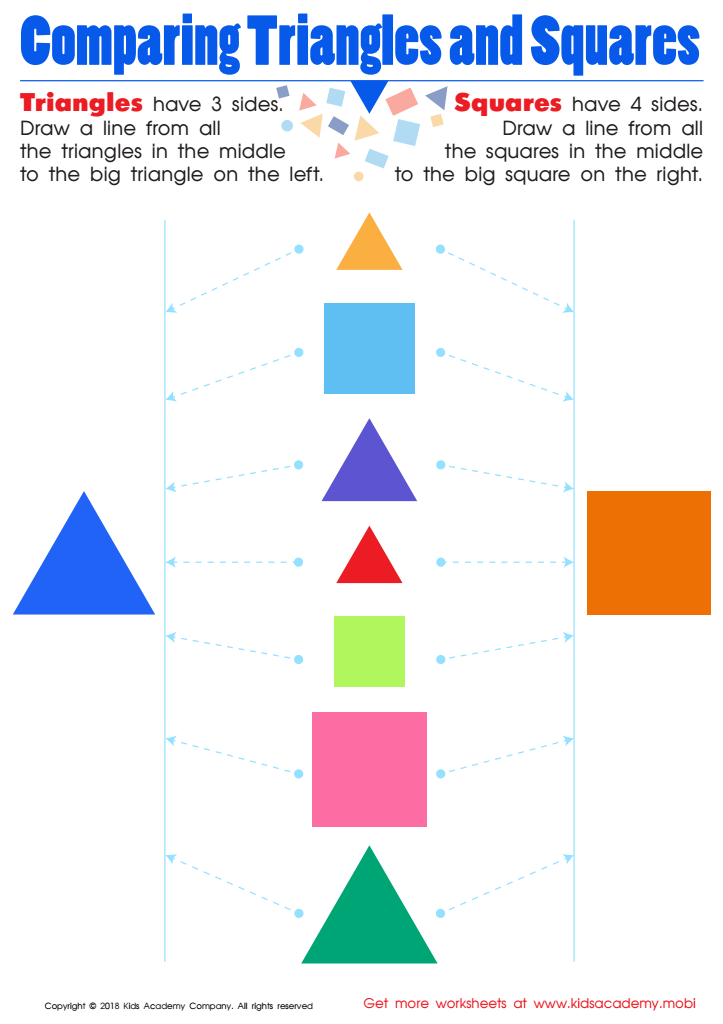
Comparing Triangles Squares Worksheet
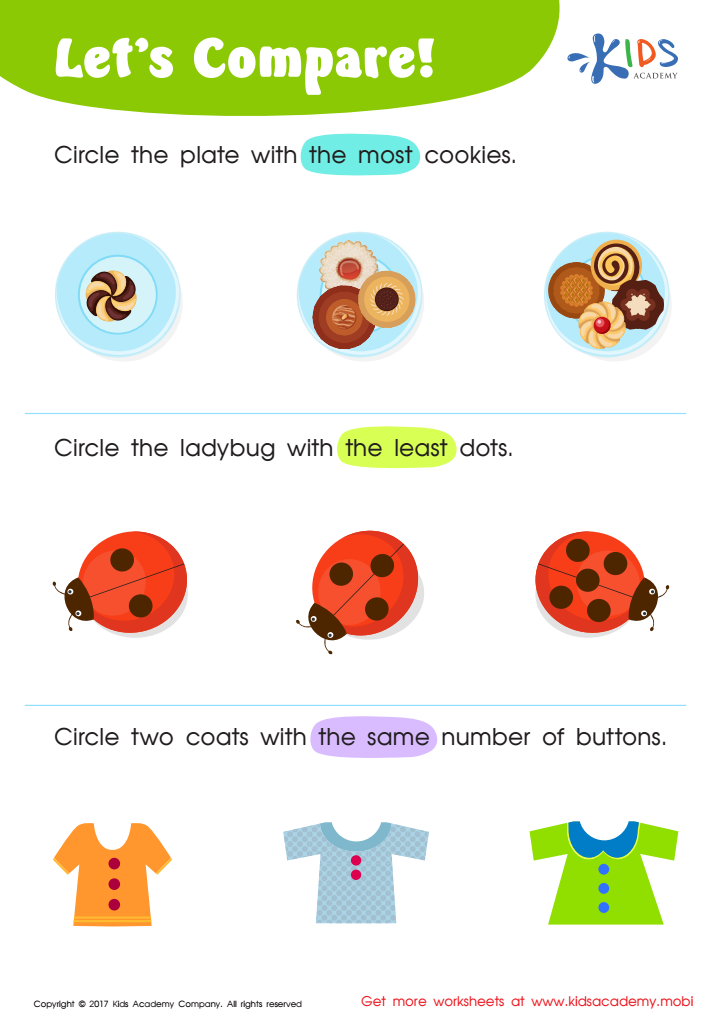
Matching: Classifying Toys by Size Worksheet
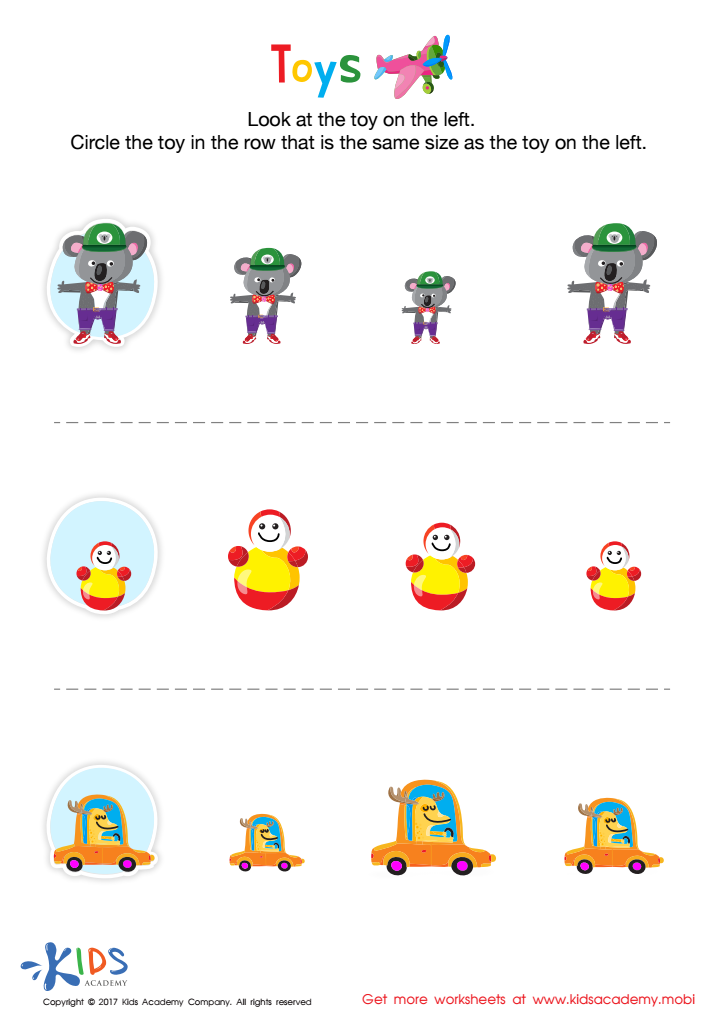
Matching: Classifying Toys by Size Worksheet
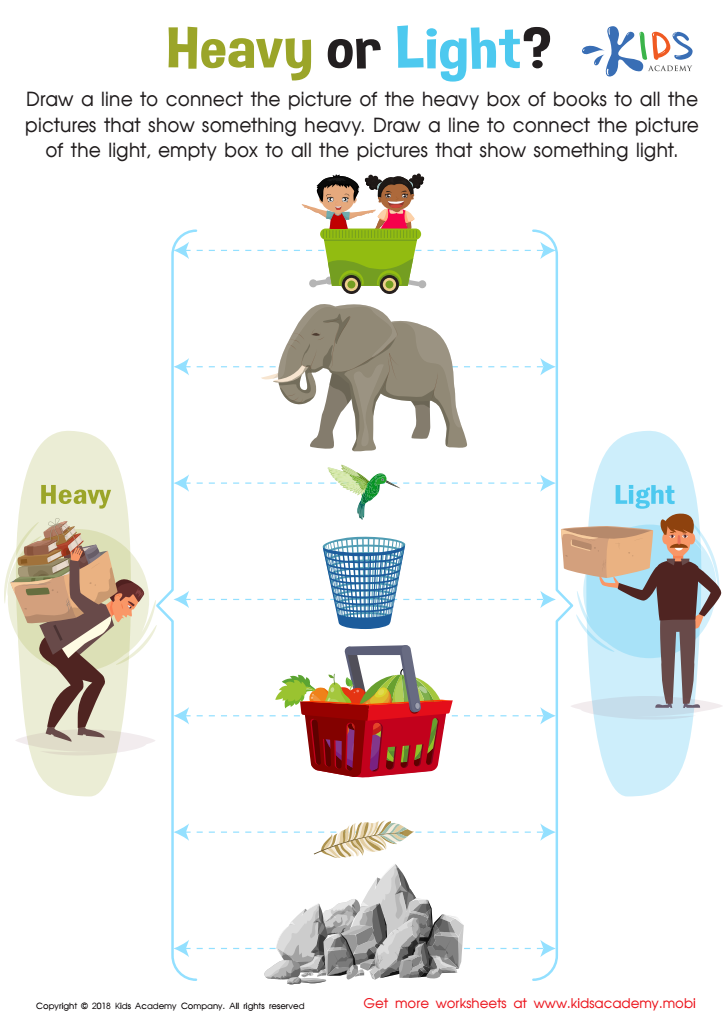
Heavy or Light? Worksheet
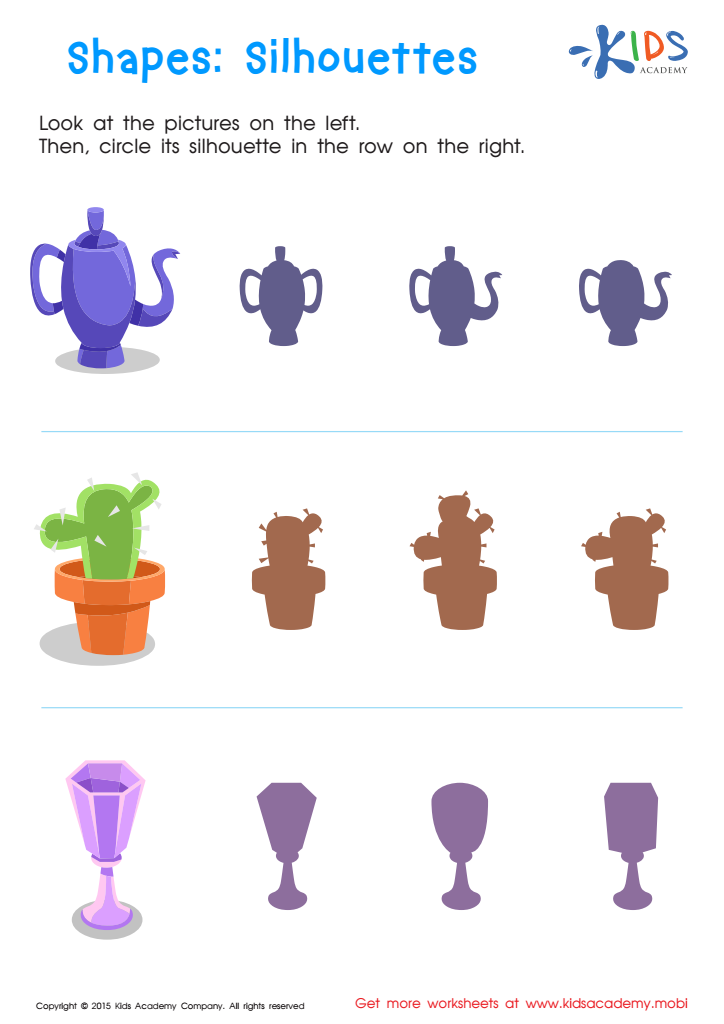
Silhouettes – Shapes Worksheet
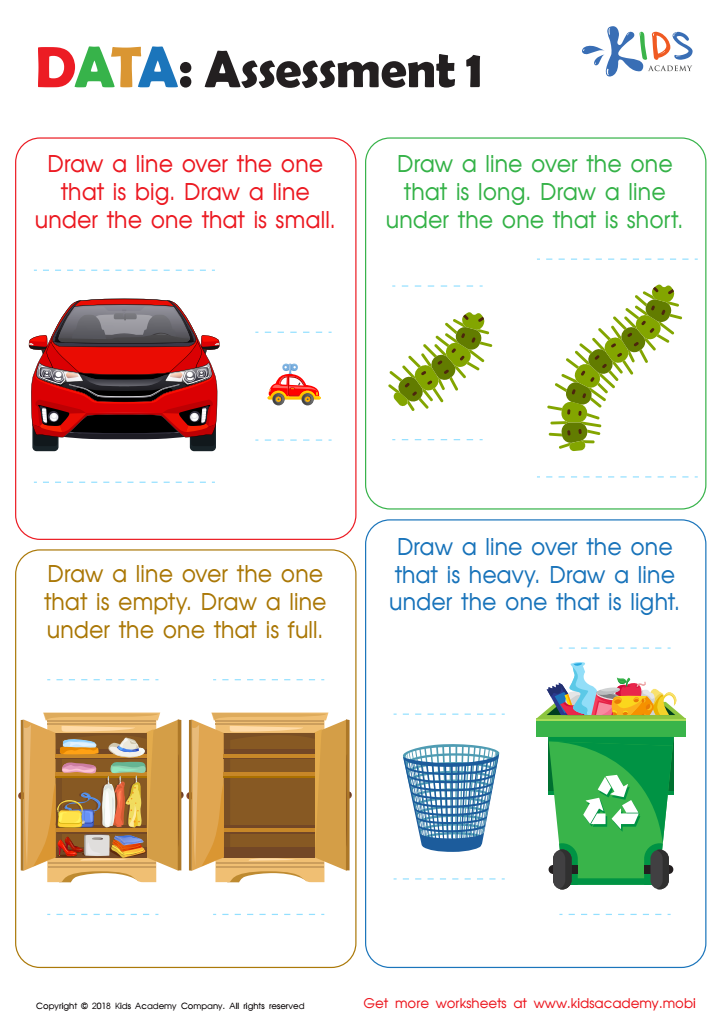
Data: Assessment 1 Worksheet






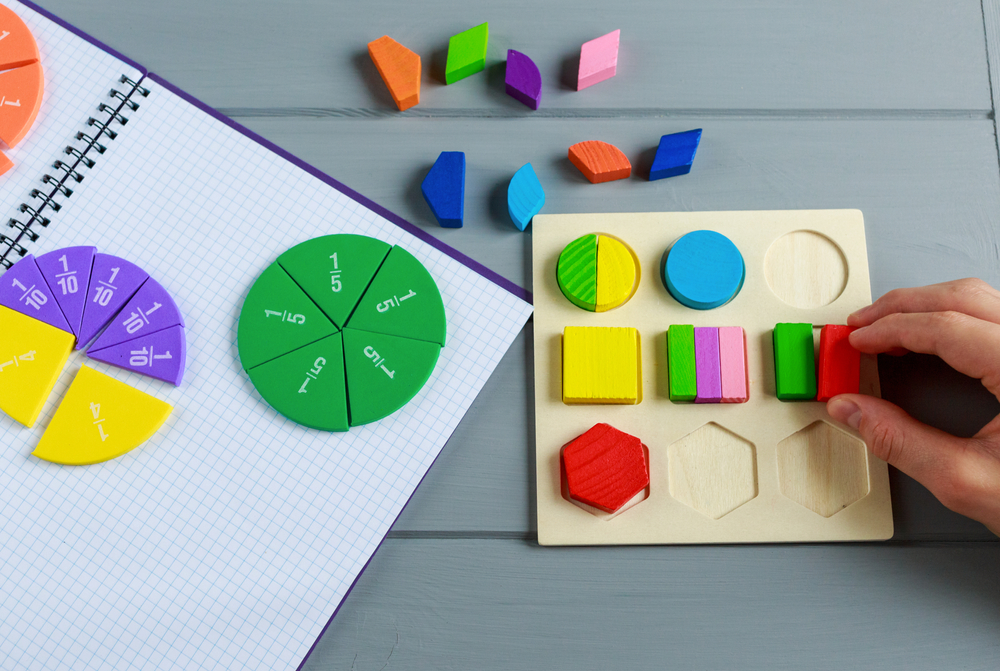
Normal comparison, often referred to as normative comparison, helps parents and teachers gauge a child's development and identify any areas needing support or enrichment. At ages 6-8, children experience rapid growth in various areas including cognitive skills, emotional regulation, and social interactions. By comparing these children's abilities and behaviors to established developmental milestones, adults can better understand whether a child is progressing at a typical rate.
Firstly, noticing deviations from the norm can highlight early signs of potential learning disabilities, social difficulties, or other developmental challenges. Early detection is crucial for timely interventions, allowing for tailored educational strategies that can better support the child’s specific needs.
Secondly, normative comparisons can celebrate a child's strengths. Recognizing above-average skills can also guide parents and teachers in providing additional enrichment opportunities to further cultivate their gifts.
Moreover, these comparisons can inform instructional practices. Teachers can modify their lesson plans to align better with the developmental stages of their students, ensuring an appropriate level of challenge and support.
Finally, understanding normative data helps manage expectations and avoid undue pressure. Appreciating that every child develops at their own pace fosters a more compassionate and effective approach to education, respecting both students' unique timelines and their diverse abilities.








