Normal Geometry Worksheets for Ages 6-8 - Page 3
59 filtered results
-
From - To
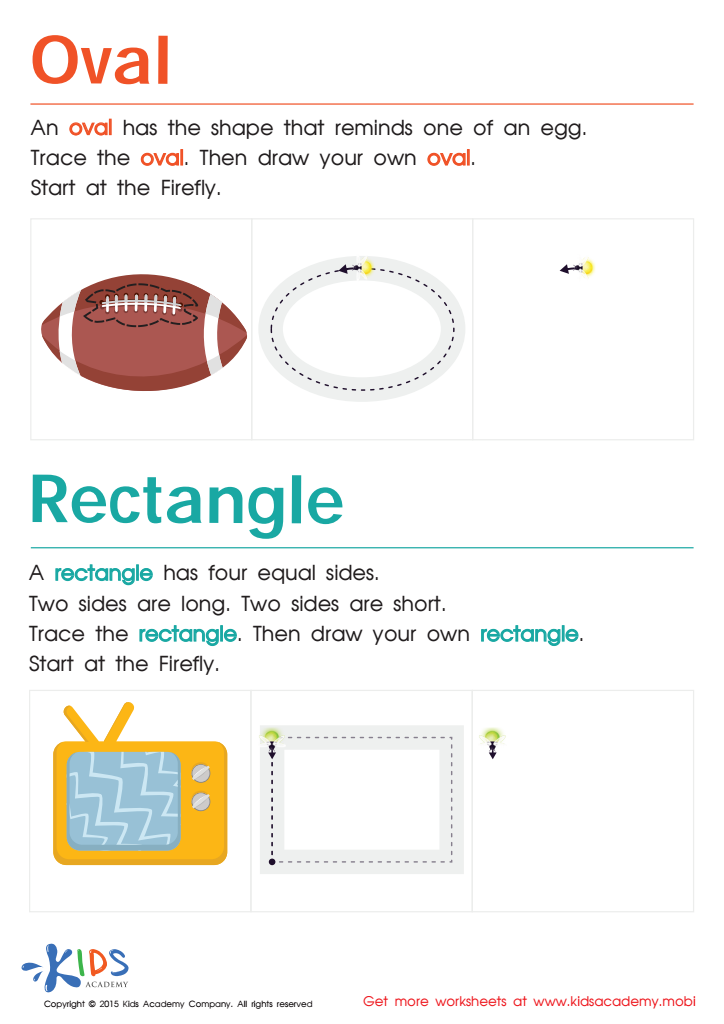
Easy Drawing of Ovals And Rectangles Worksheet
 Assign to My Students











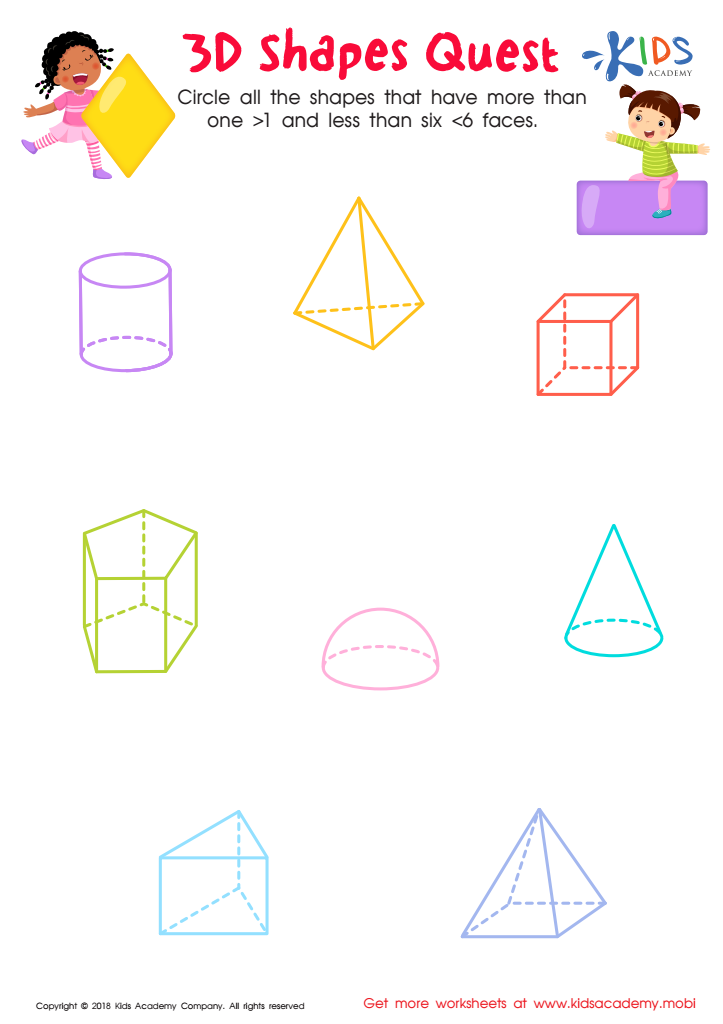
3D Shapes Quest Worksheet
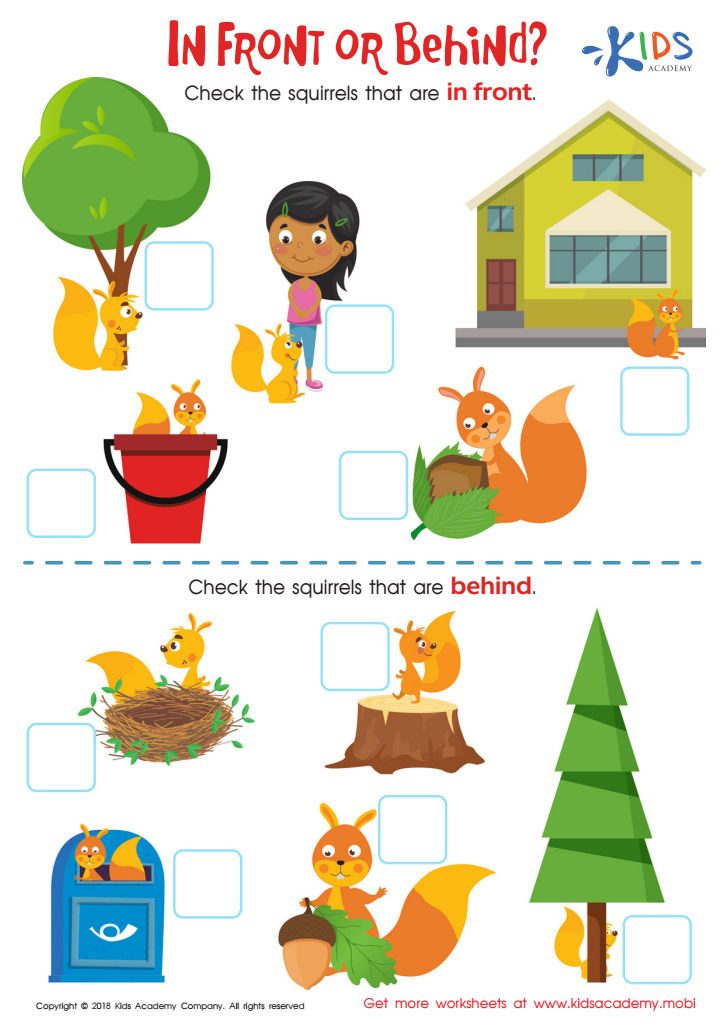
In Front or Behind: Part 2 Worksheet
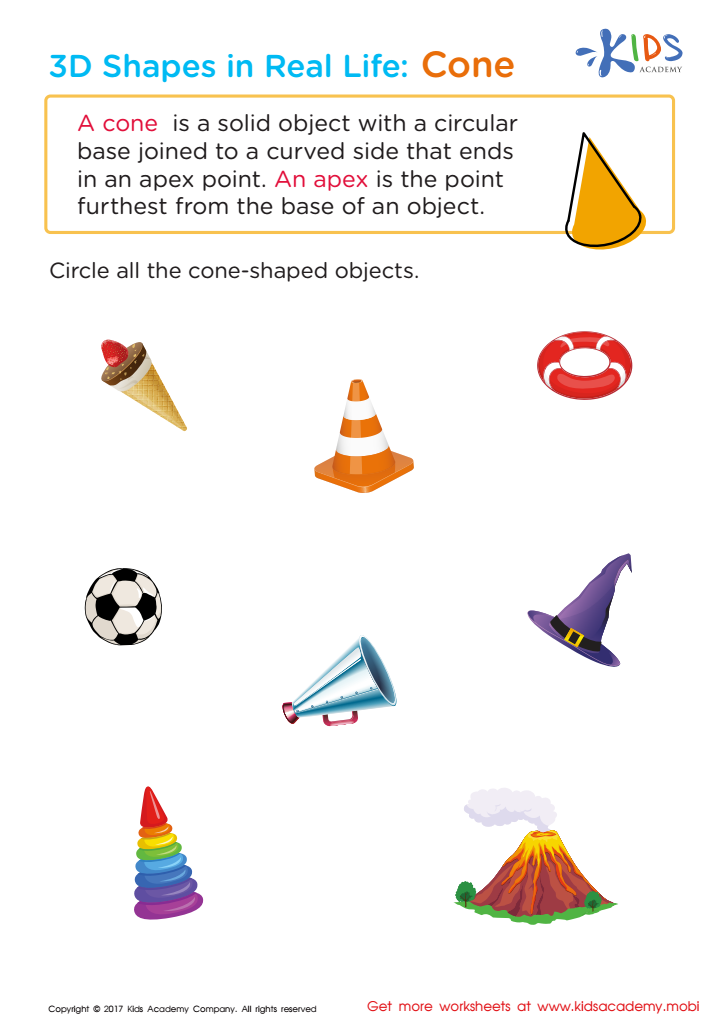
Shapes in Real Life: Cone Worksheet
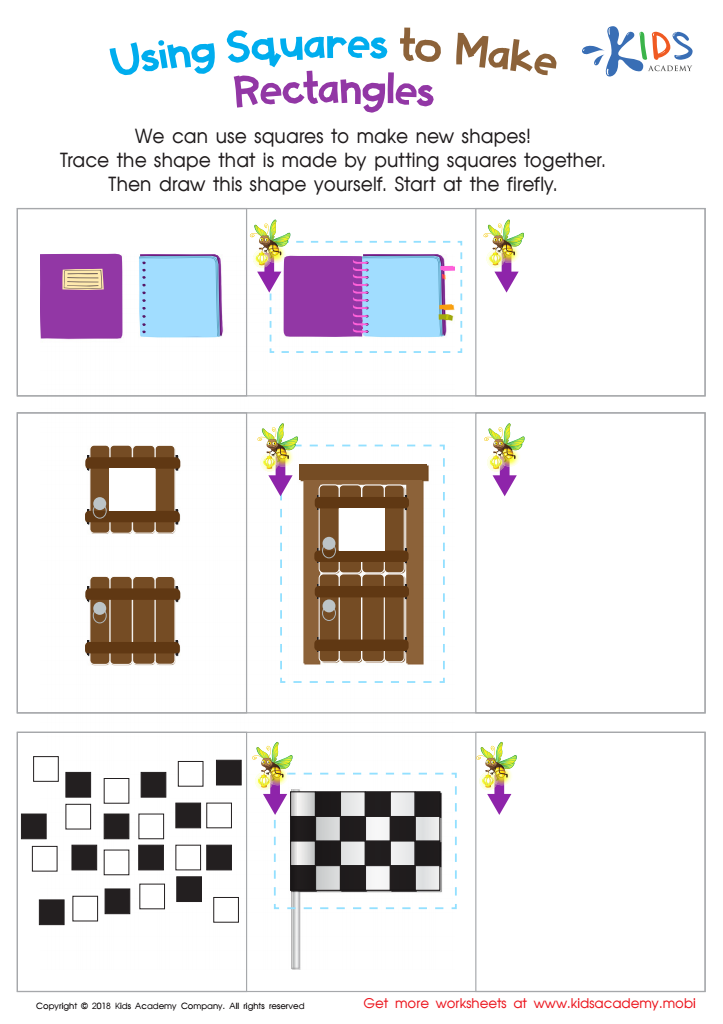
Using Squares to Make Rectangles Worksheet
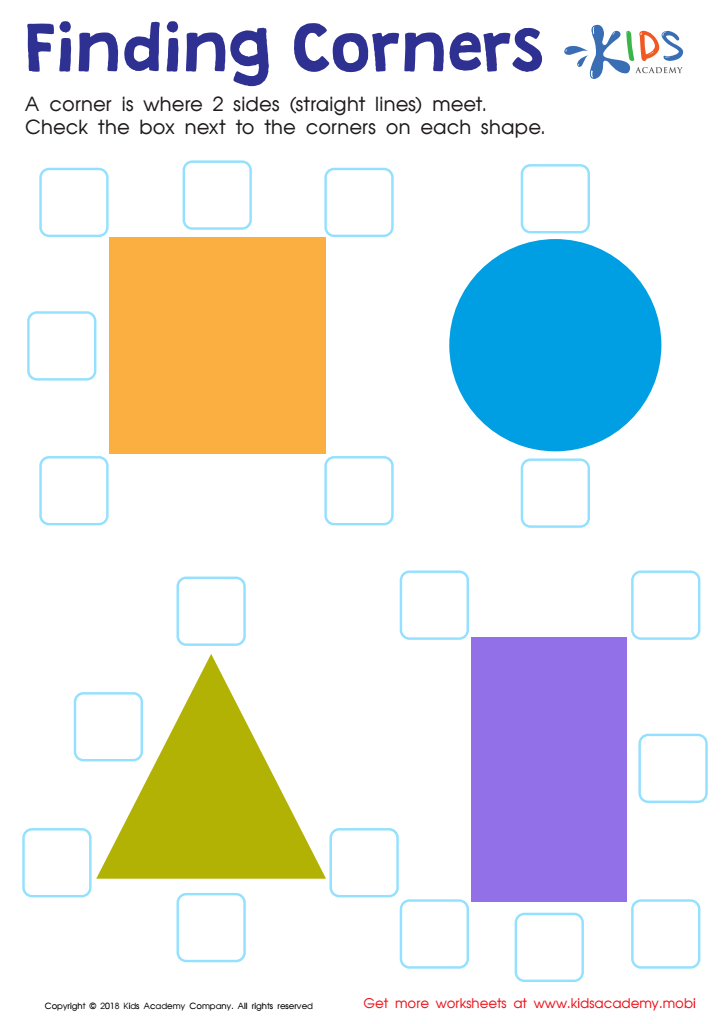
Finding Corners Worksheet
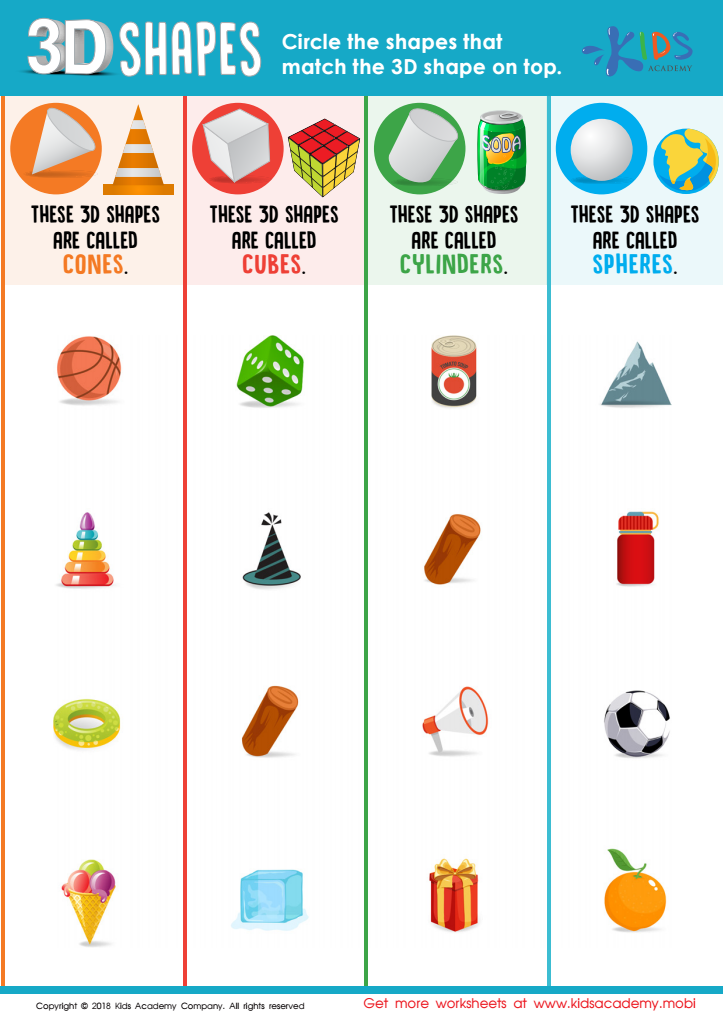
3D Shapes Worksheet
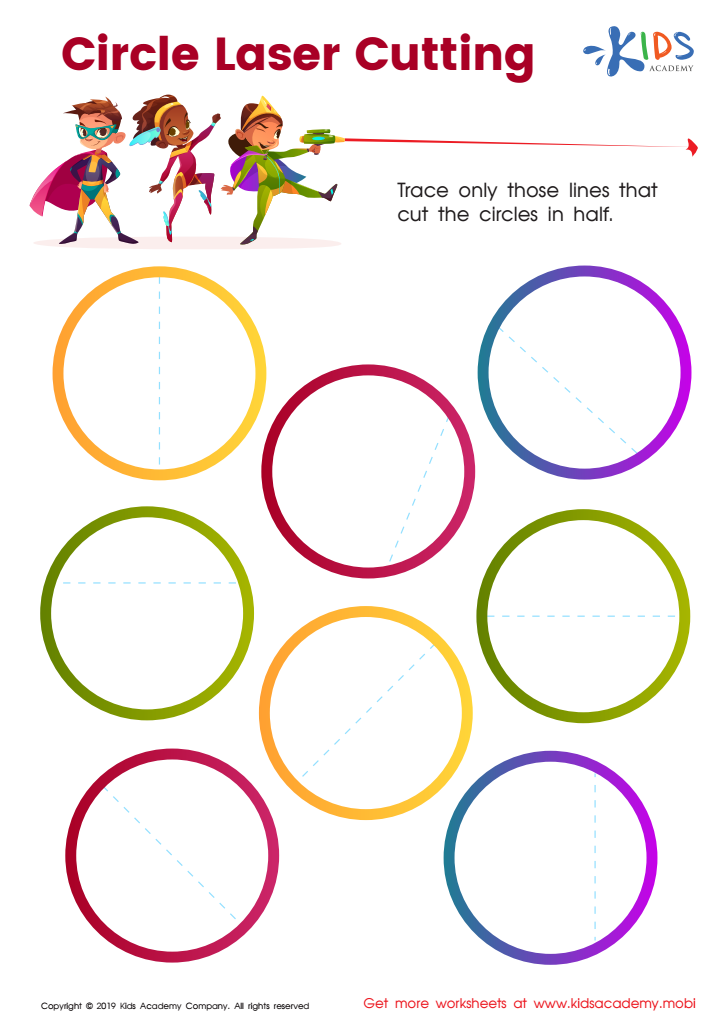
Circle Laser Cutting Worksheet
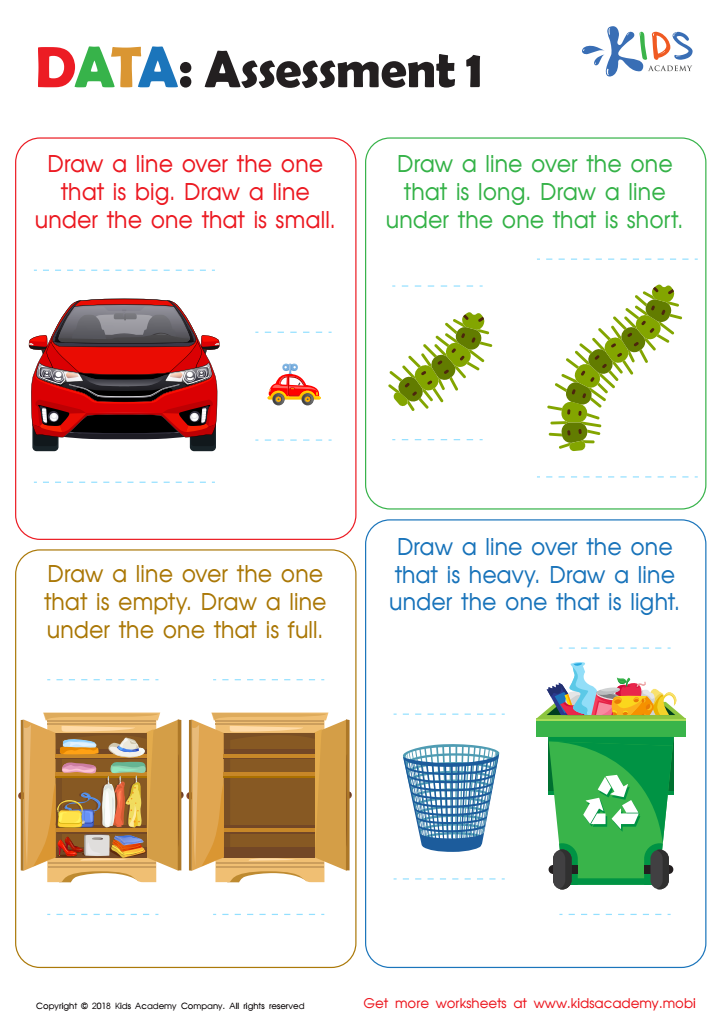
Data: Assessment 1 Worksheet
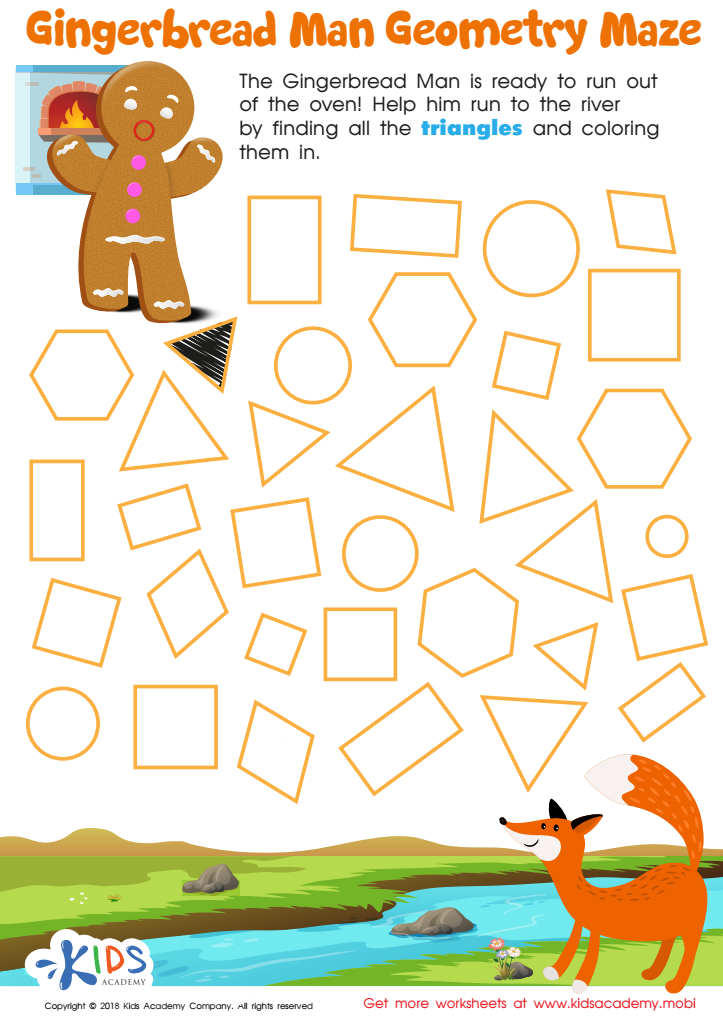
Gingerbread Man Geometry Maze Worksheet
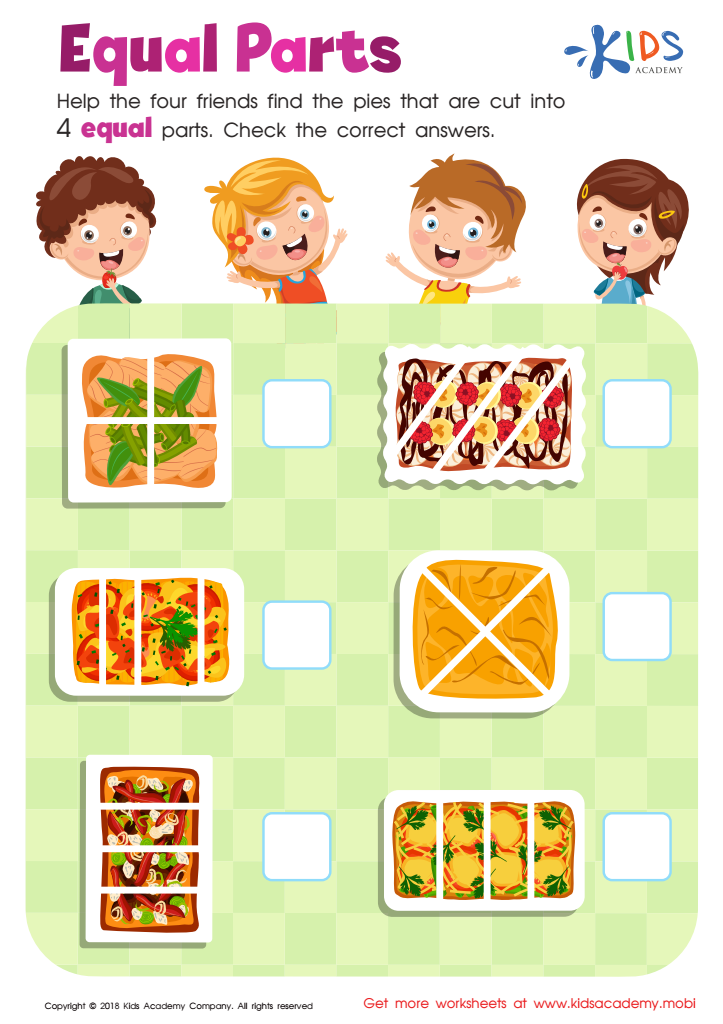
Equal Parts: Food Worksheet








Normal Geometry for ages 6-8 is crucial for young learners, as it lays the foundation for critical thinking and spatial awareness in both academic and everyday contexts. At this stage, children begin to explore shapes, sizes, and their relationships, which significantly contributes to their cognitive development. Understanding concepts such as symmetry, measurement, and geometry fosters problem-solving skills that are essential in math and science.
Moreover, engaging with geometry helps kids to recognize and categorize patterns, enhancing their logical reasoning. As they encounter geometric concepts in practical scenarios—like space and design—they improve their ability to visualize and manipulate objects mentally. Early exposure to geometry influences creativity, as children learn to think abstractly, drawing connections that stimulate innovation.
Parents and teachers play a pivotal role by providing opportunities to explore geometric concepts through hands-on activities, games, and interactive learning experiences. This encouragement not only boosts mathematical competence but also nurtures curiosity and a positive attitude towards learning. Ultimately, a solid grasp of geometry supports academic success and prepares children for more advanced mathematical concepts in the future, setting them on a path to becoming well-rounded learners.








