Normal Animals Worksheets for Ages 6-8
48 filtered results
-
From - To
Welcome to our Normal Animals Worksheets for Ages 6-8! These engaging, printable worksheets are designed to ignite curiosity in young learners about the animal kingdom. Each worksheet presents fun facts, colorful illustrations, and interactive activities that encourage children to explore the characteristics and habitats of various animals. Perfect for classroom use or at-home learning, our resources promote critical thinking and enhance scientific knowledge. Whether it's identifying animal traits or understanding ecosystems, our worksheets cater to different learning styles, making them ideal for teachers and parents alike. Dive into the wonderful world of normal animals and watch your child's love for science grow!
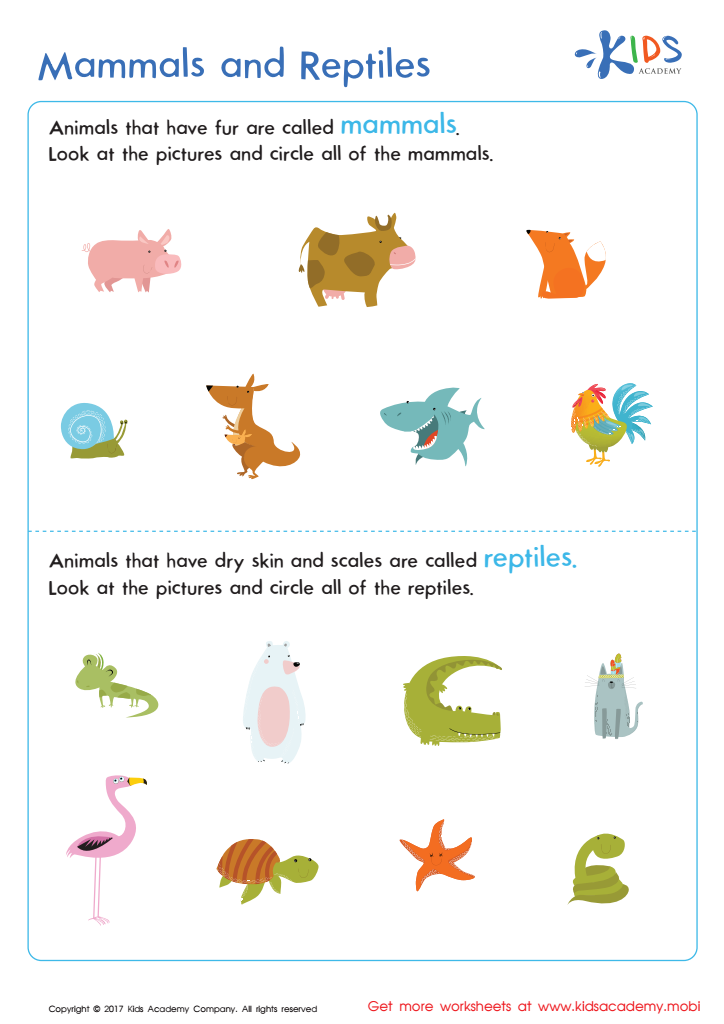
Mammals and Reptiles Worksheet
 Assign to My Students
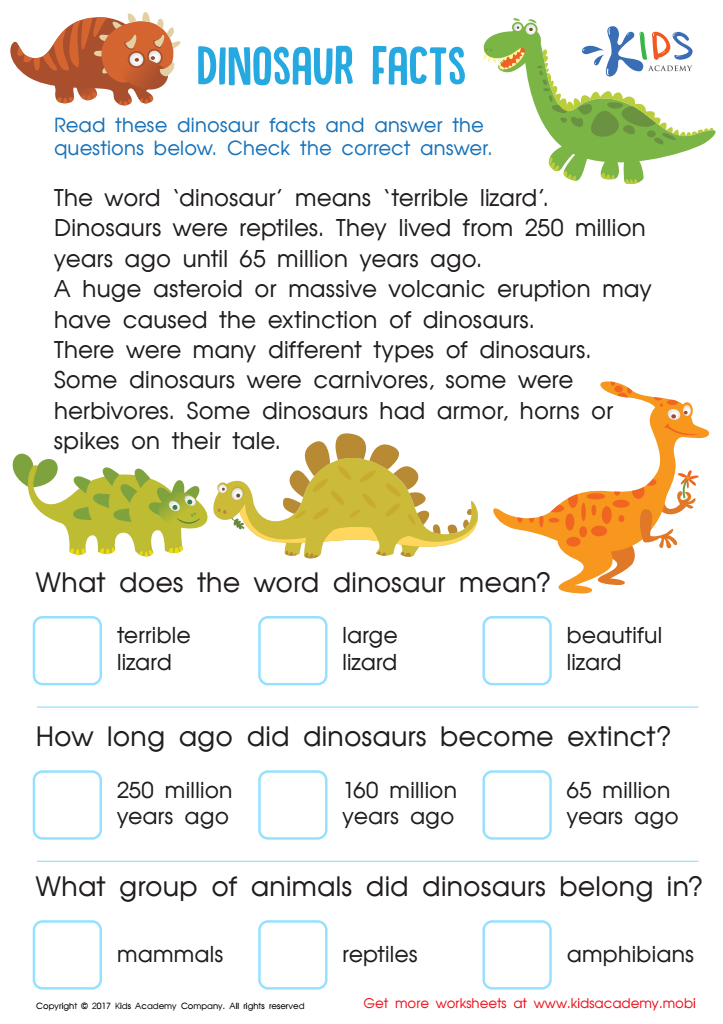
Dinosaur Facts Worksheet
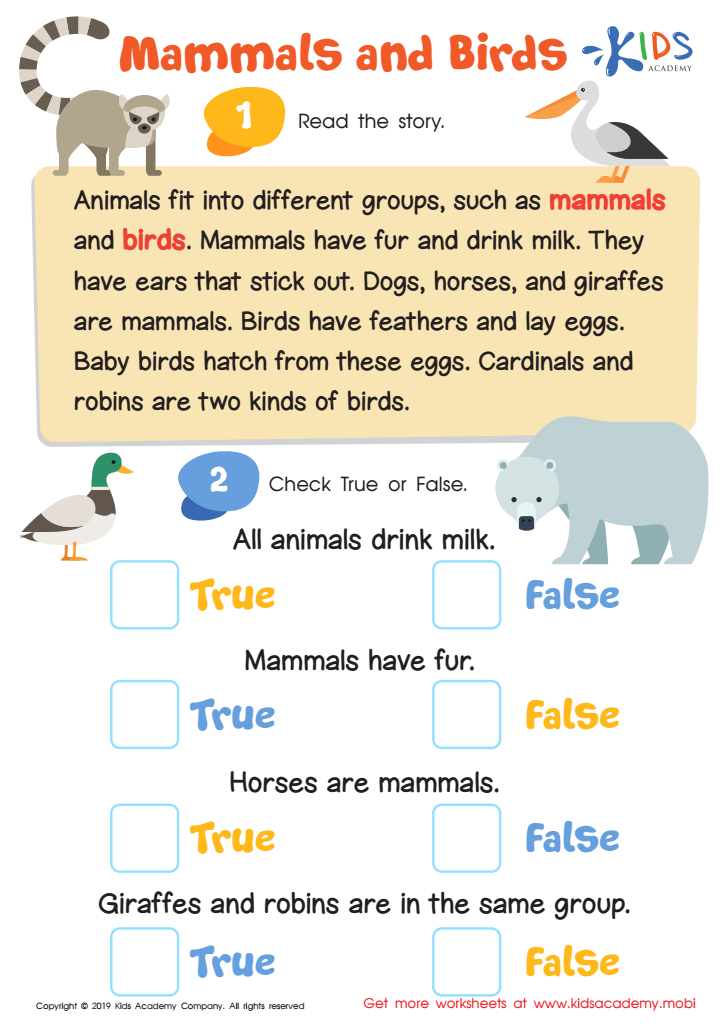
Mammals and Birds Worksheet
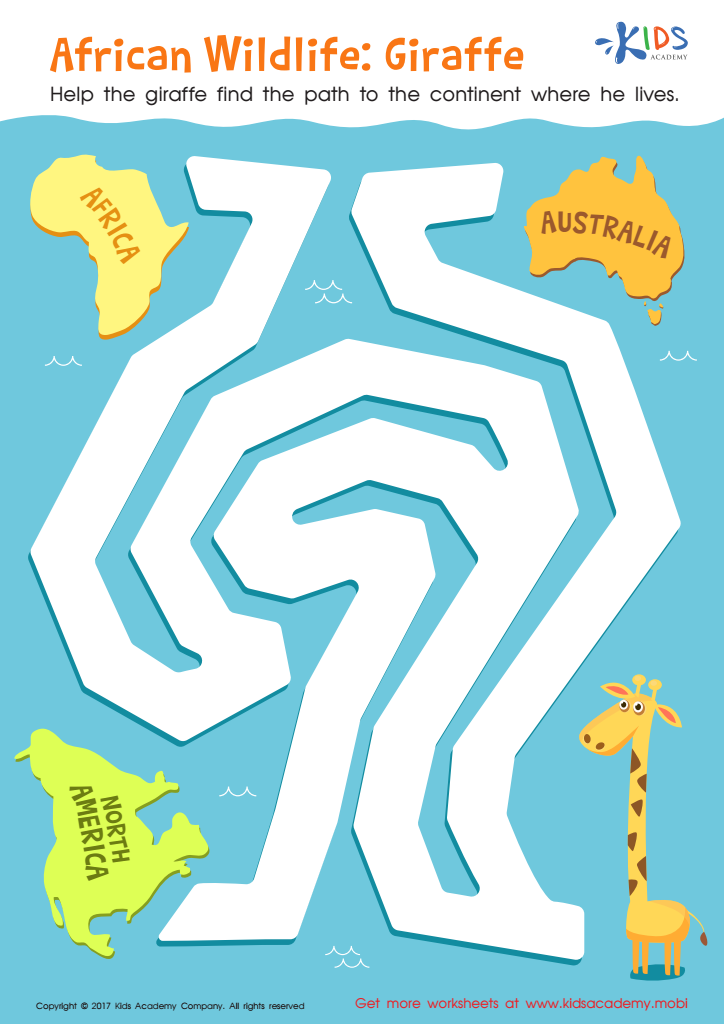
African Wildlife: Giraffe Worksheet
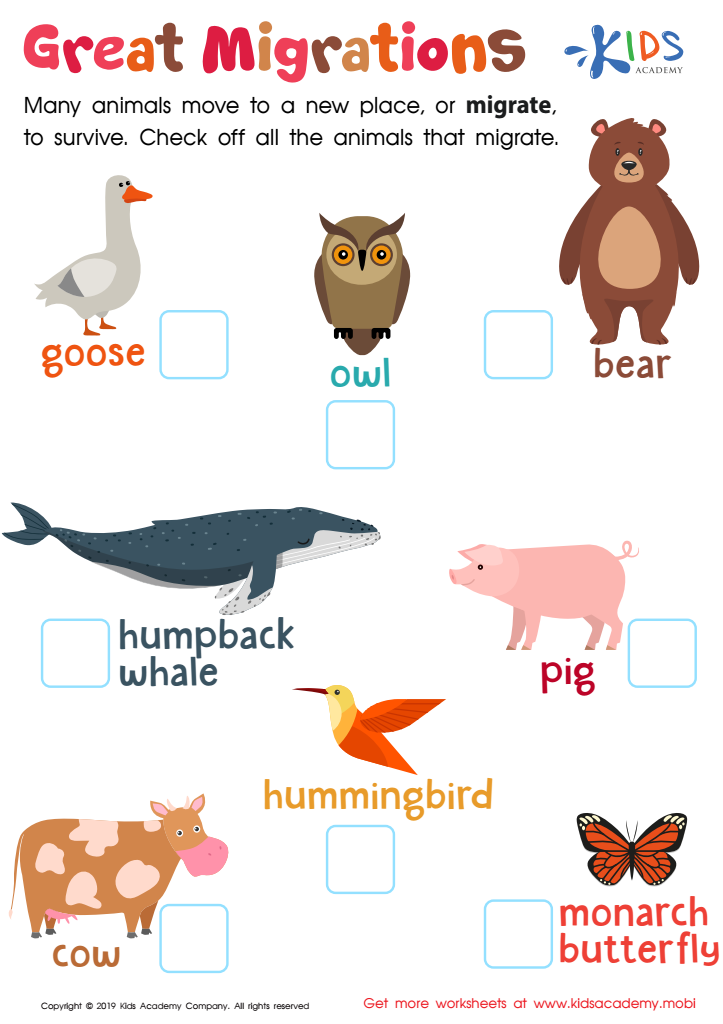
Great Migrations Worksheet
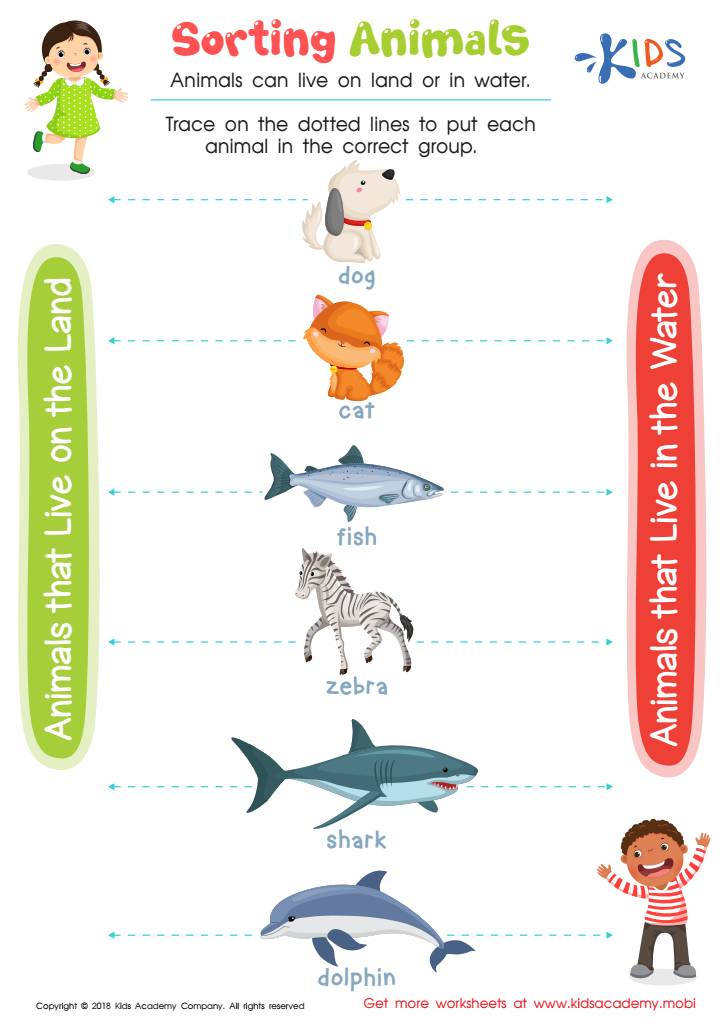
Sorting Animals Worksheet
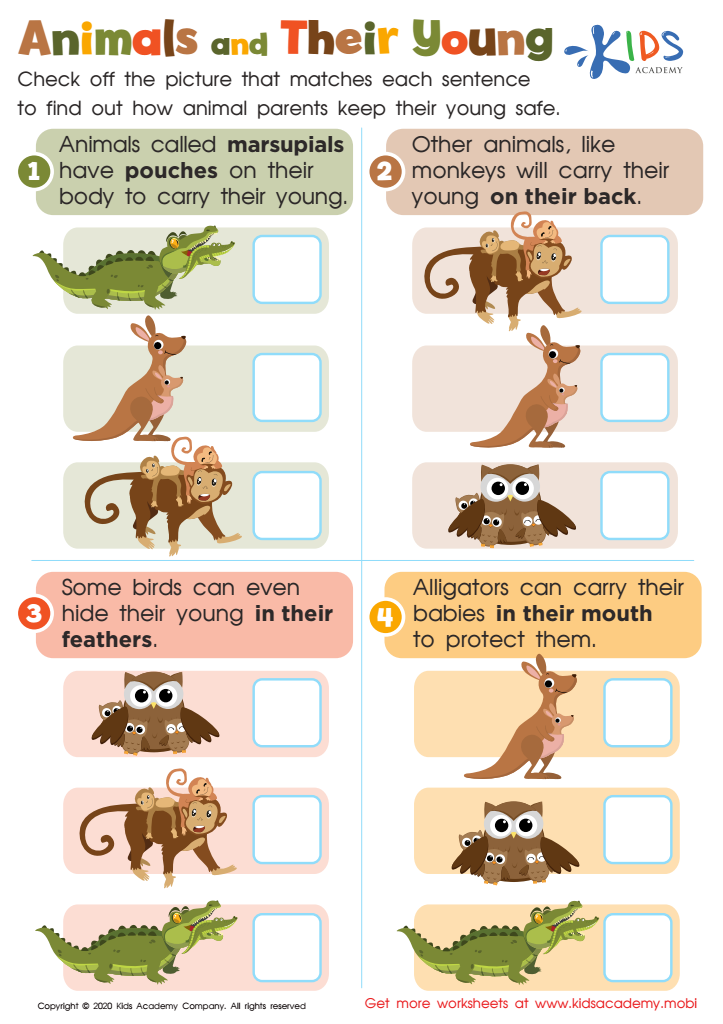
Animals and Their Young Worksheet
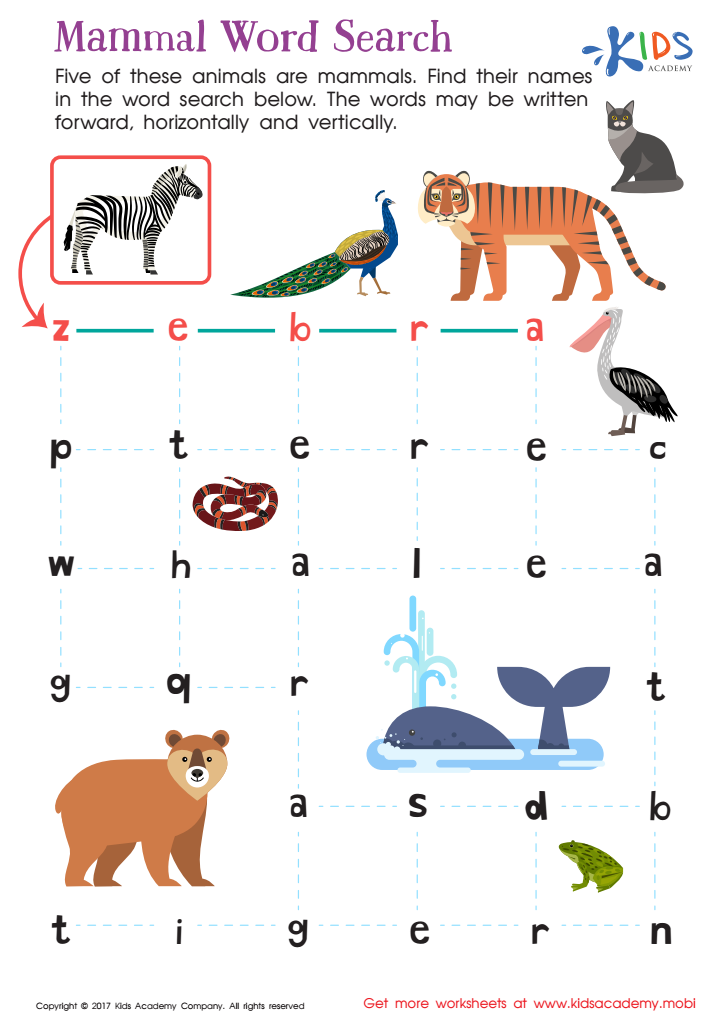
Printable Mammal Word Search
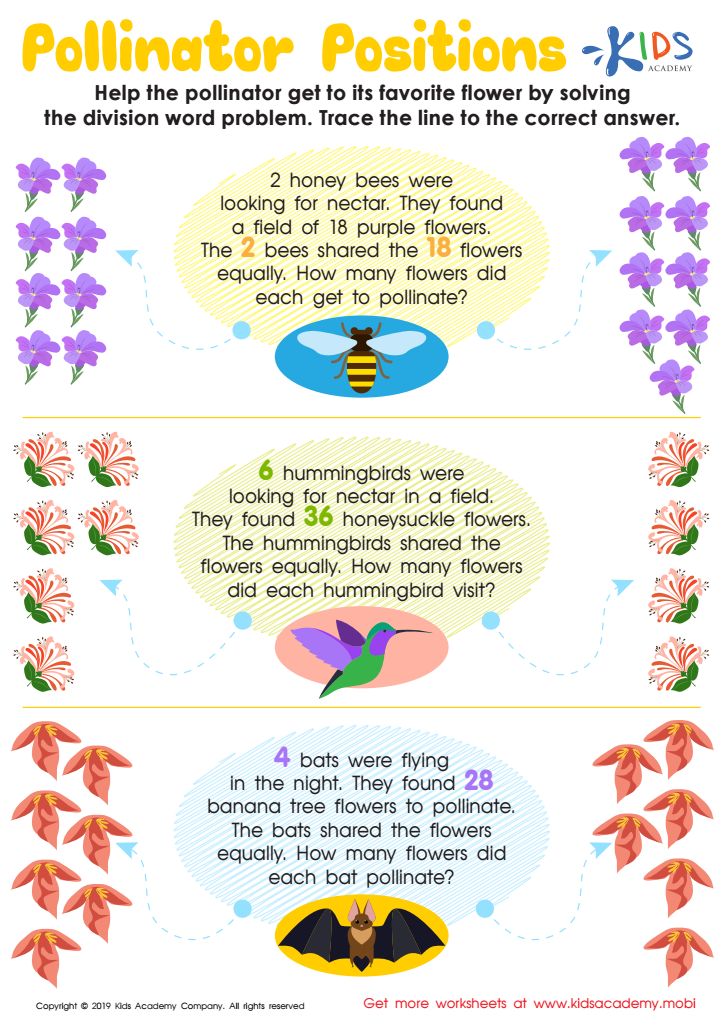
Pollinator Positions Worksheet
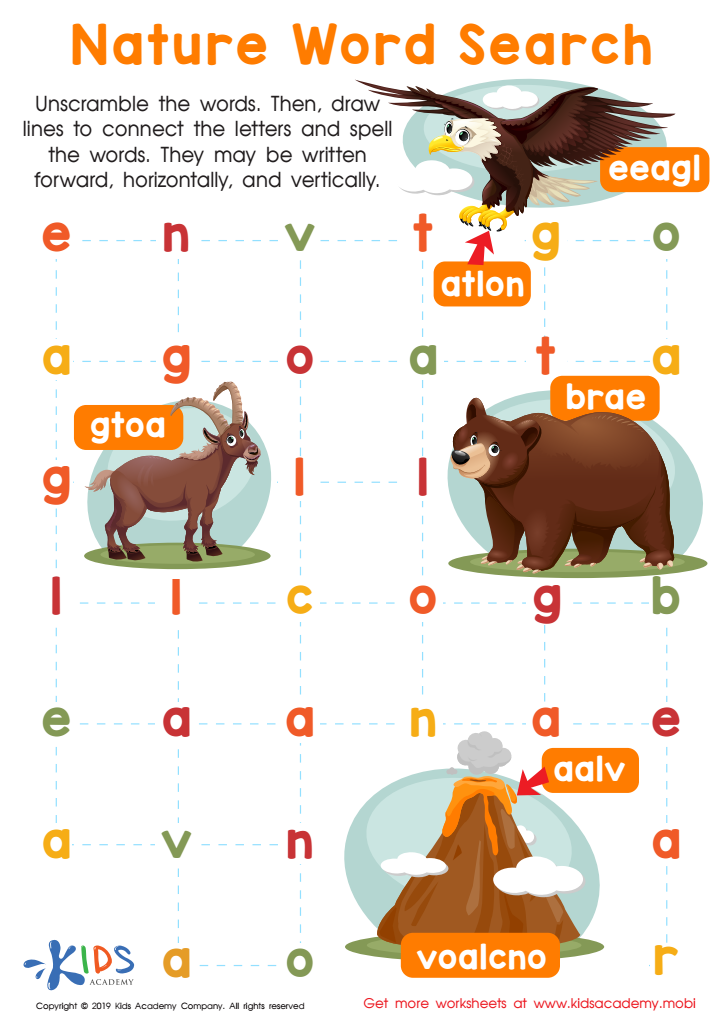
Nature Word Search Worksheet
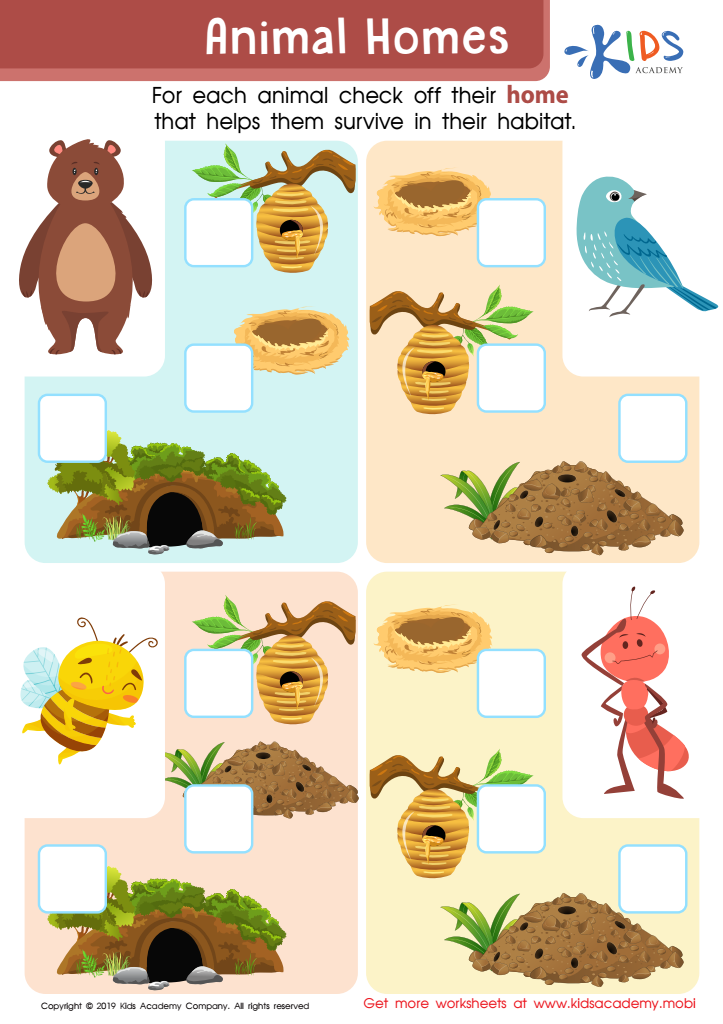
Animal Homes Worksheet
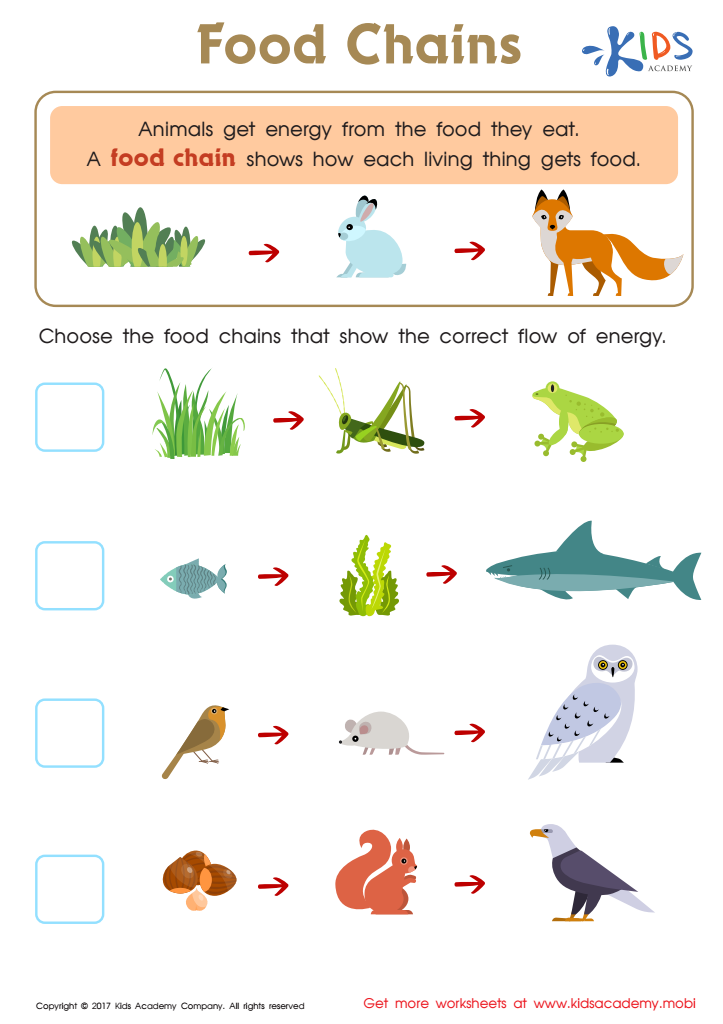
Food Webs and Food Chains Worksheet
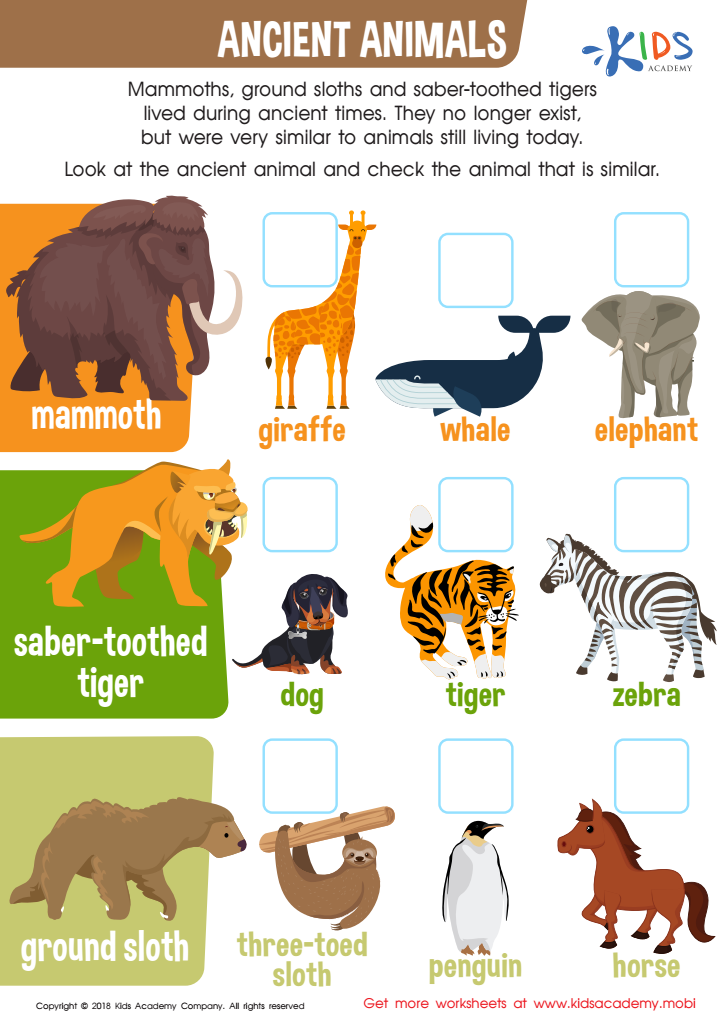
Ancient Animals Worksheet
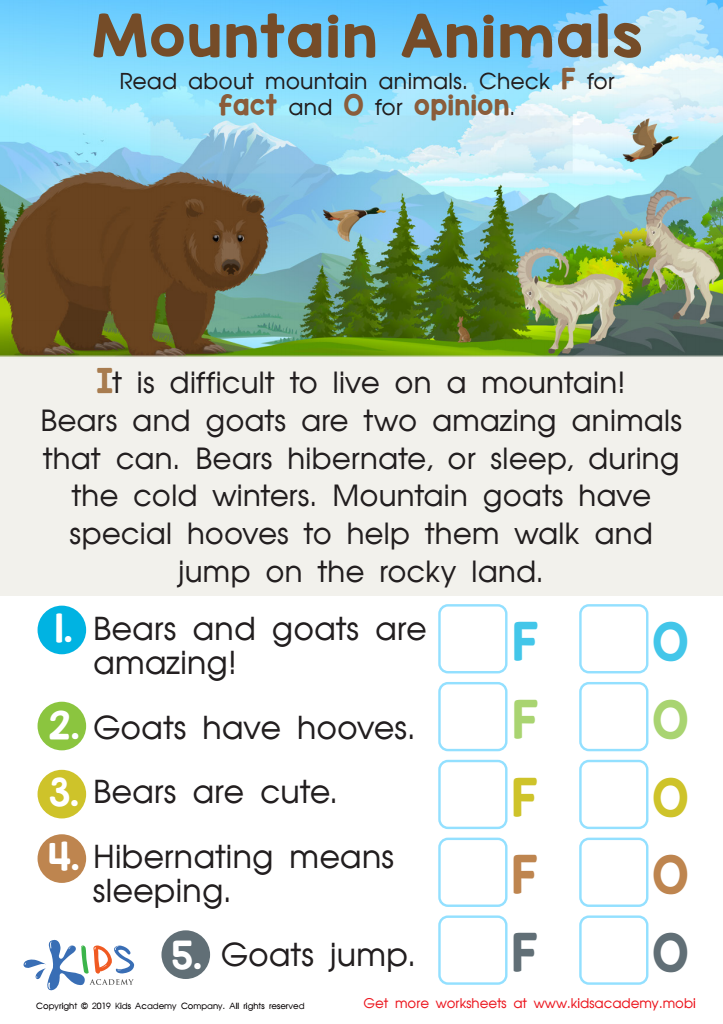
Mountain Animals Worksheet
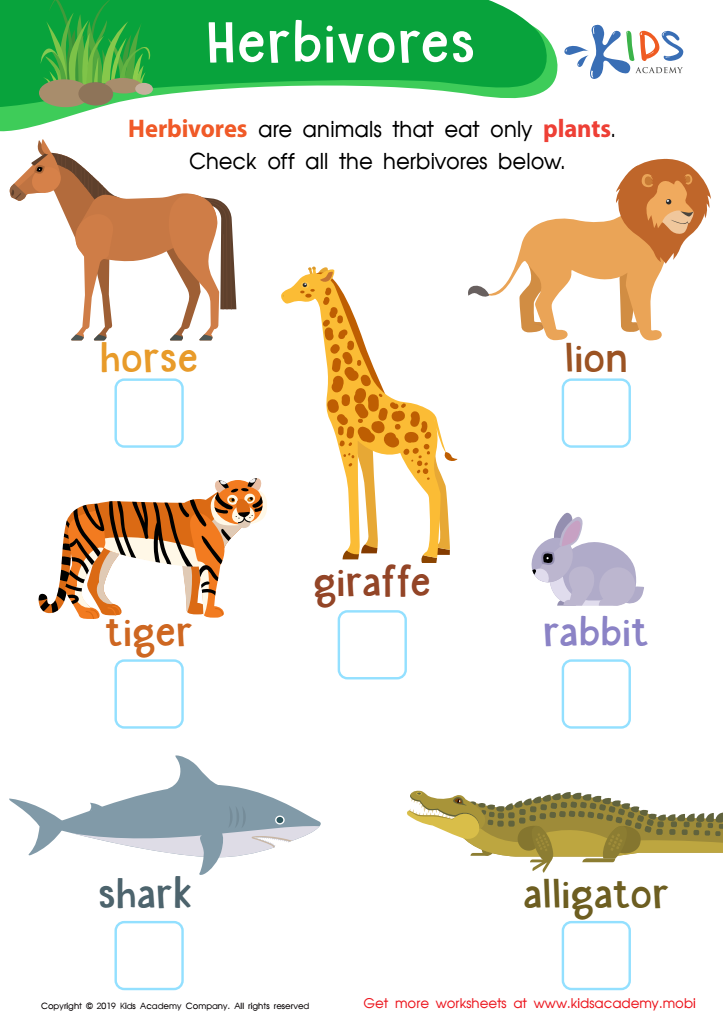
Herbivores Worksheet
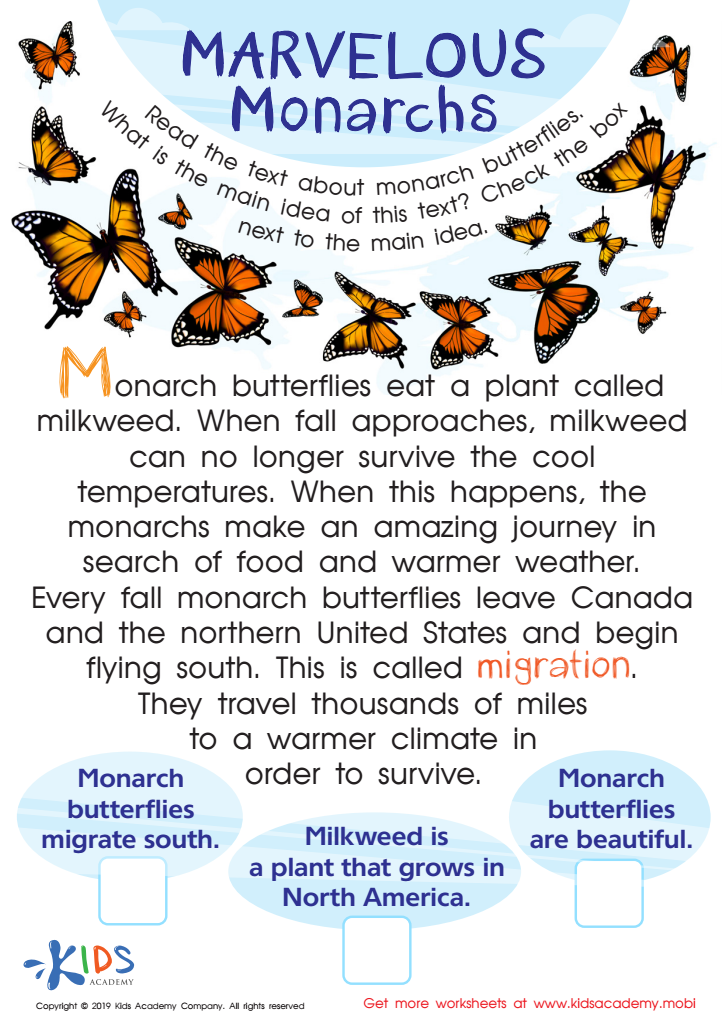
Marvelous Monarchs Worksheet
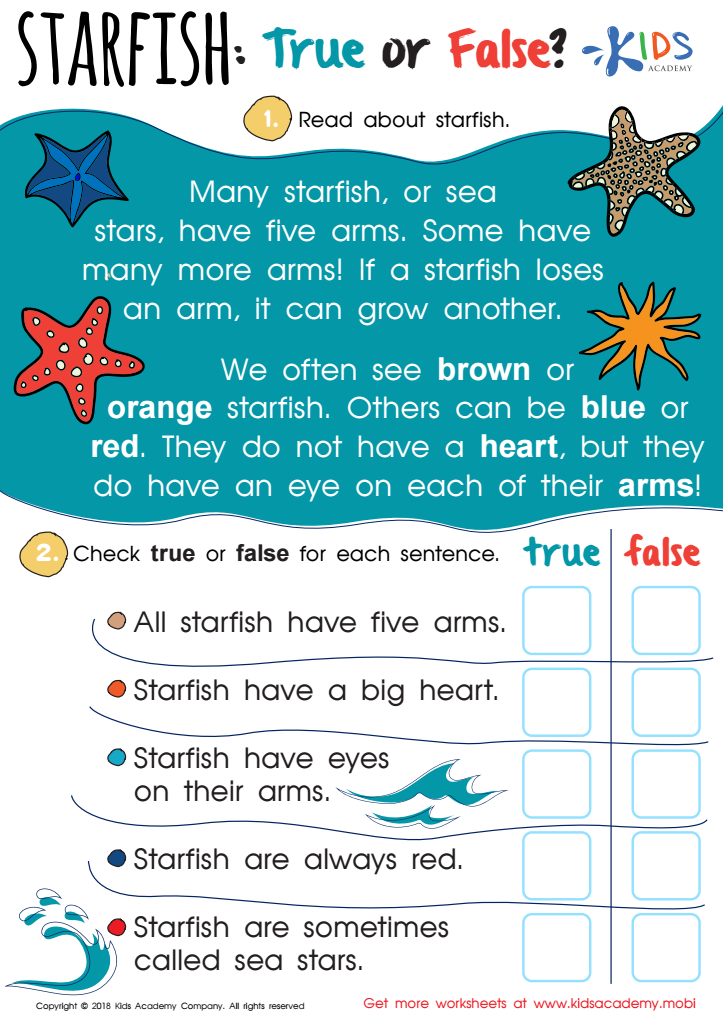
Starfish: True or False Worksheet
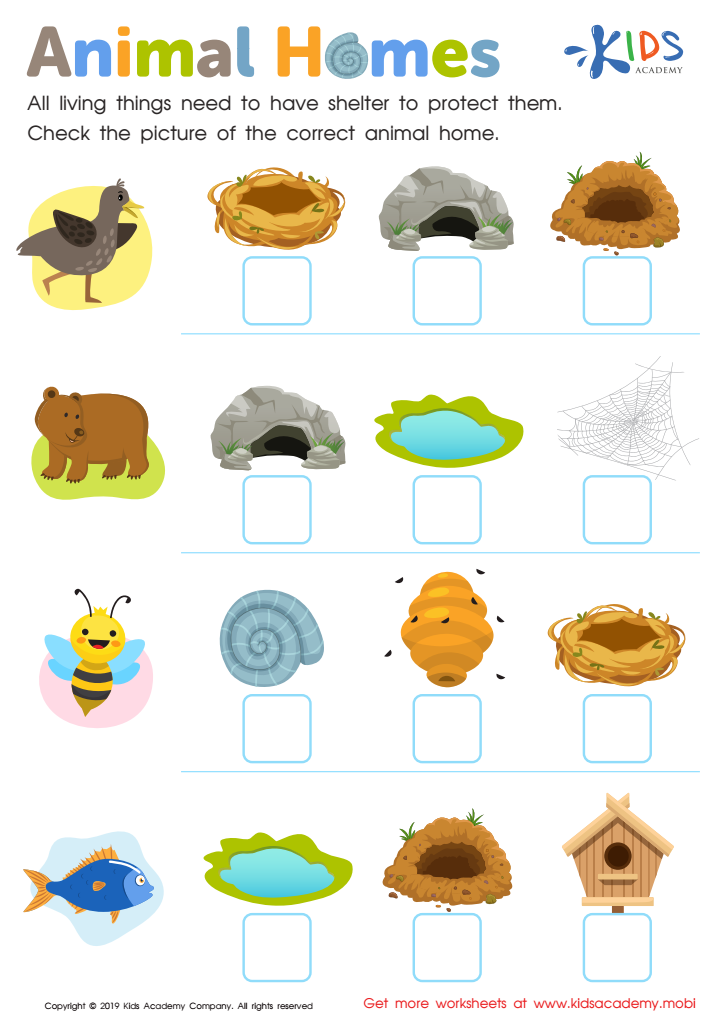
Animal Homes Worksheet
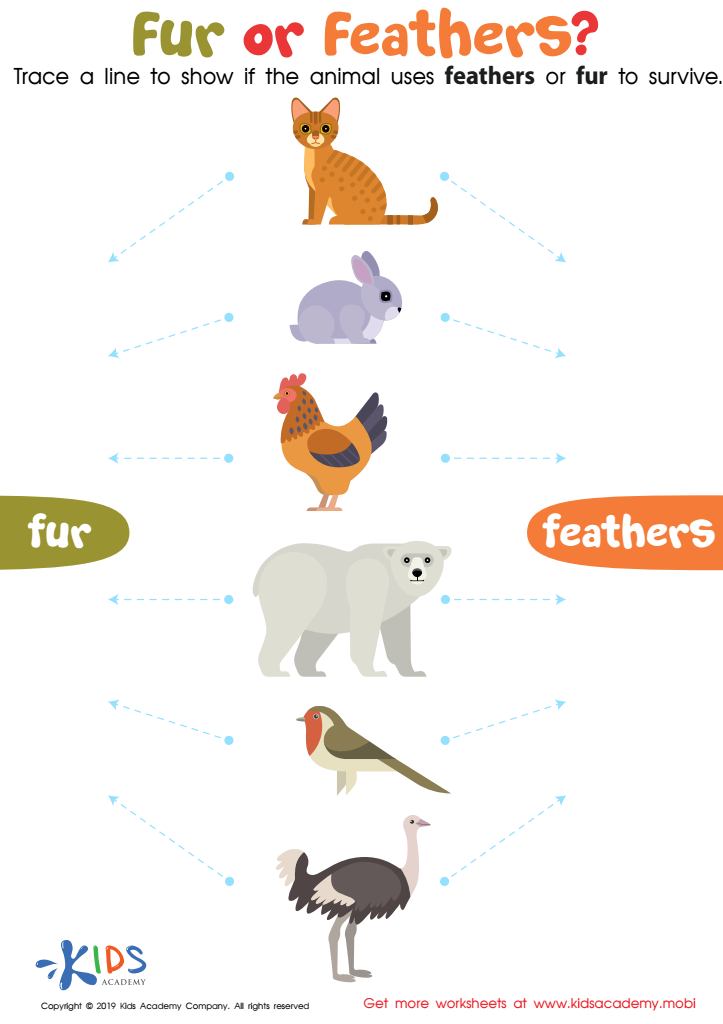
Fur or Feathers? Worksheet
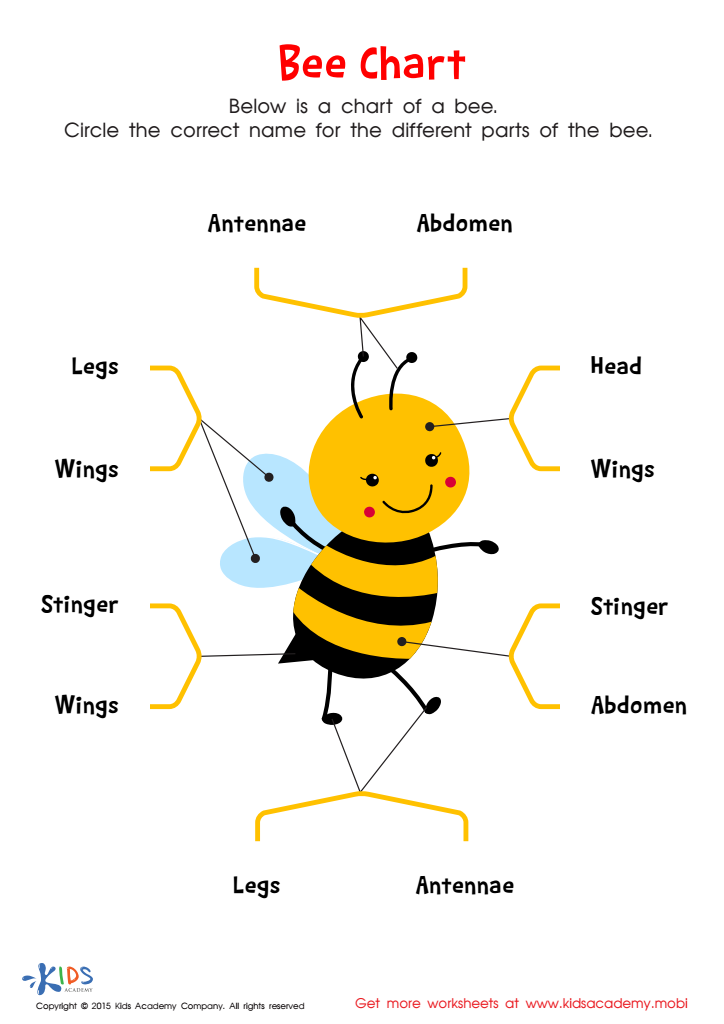
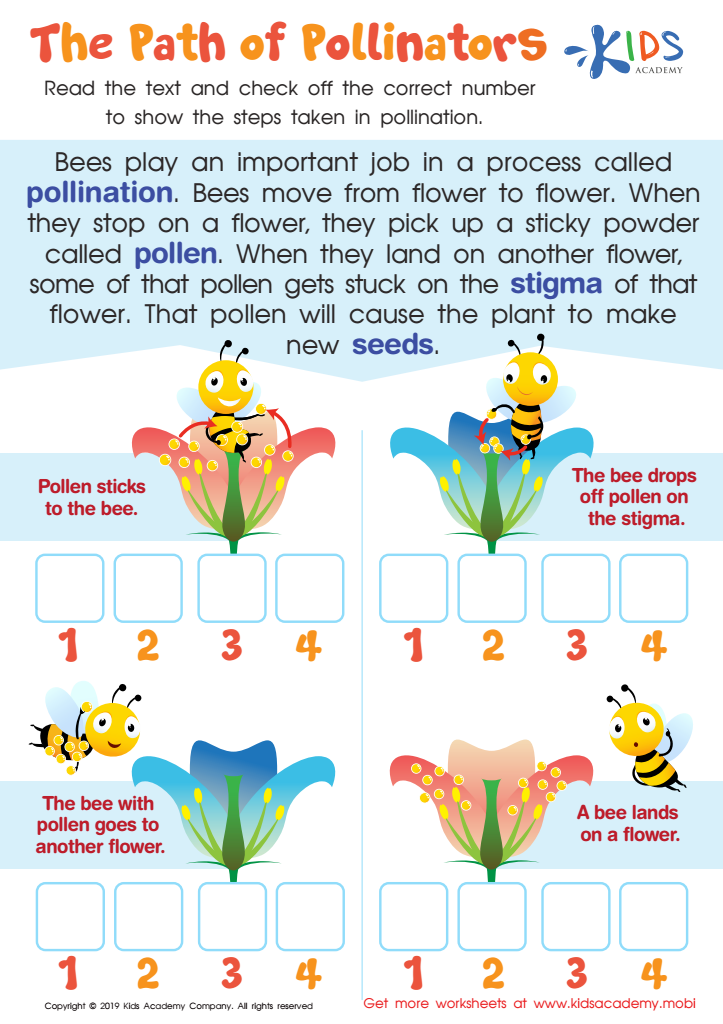
The Path of Pollinators Worksheet
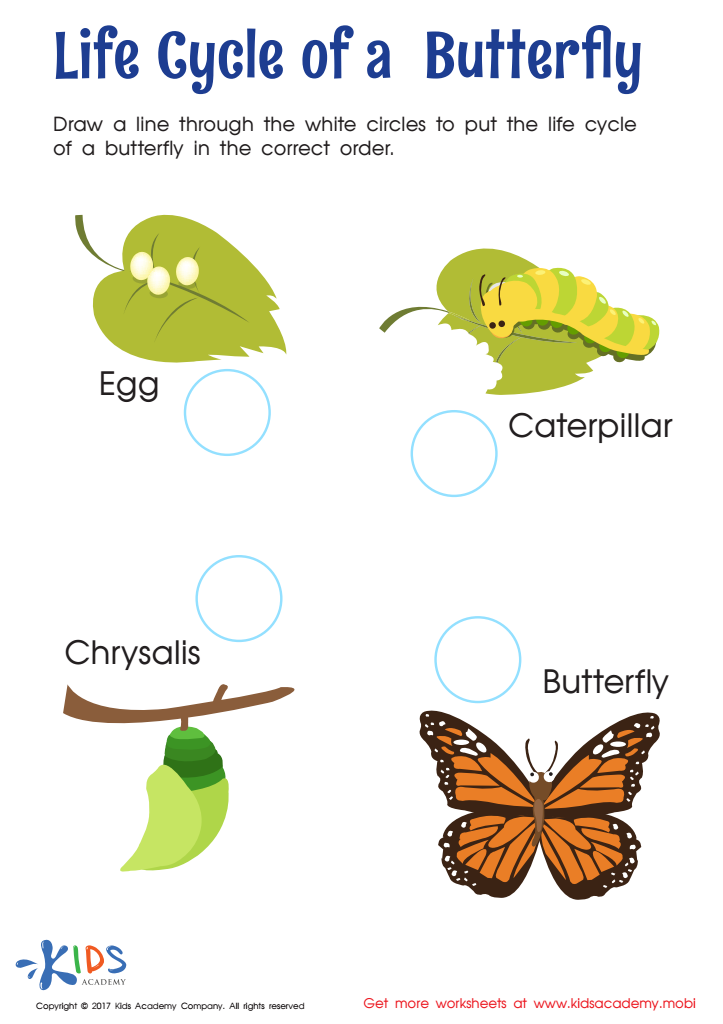
Life Cycle of Butterfly Worksheet
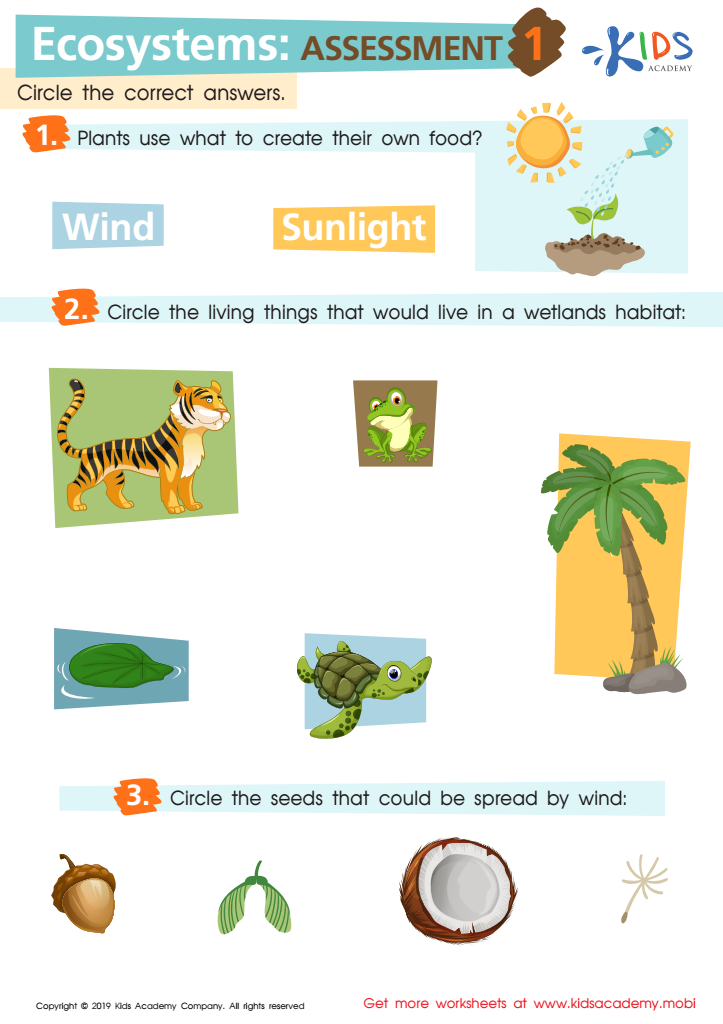
Ecosystems: Assessment 1 Worksheet








Understanding Normal Animals—those commonly found in everyday life—helps children aged 6-8 develop a solid foundation of knowledge about the natural world. As young learners, children possess an innate curiosity about animals, which can be nurtured into a lasting sense of wonder and stewardship. Parents and teachers should care about this because promoting awareness of Normal Animals engages children in key educational skills, such as observation, classification, and critical thinking.
Learning about familiar animals enhances children’s literacy and vocabulary, as they learn to describe characteristics, habitats, and behaviors. Incorporating Normal Animals into lessons makes science relatable and accessible, fostering a love for learning. Additionally, this knowledge encourages empathy and respect for living creatures, promoting a sense of responsibility toward the environment.
Furthermore, engaging with Normal Animals can spark interest in broader themes, such as ecosystems and biodiversity, which are vital components of environmental education. By connecting lessons about animals to real-world contexts, children can appreciate the interconnectedness of life. Ultimately, facilitating this learning encourages curiosity, compassion, and a deeper understanding of the world, equipping young minds to become informed, caring stewards of their environment in the future.








