Normal Writing Worksheets for Ages 6-8 - Page 2
176 filtered results
-
From - To
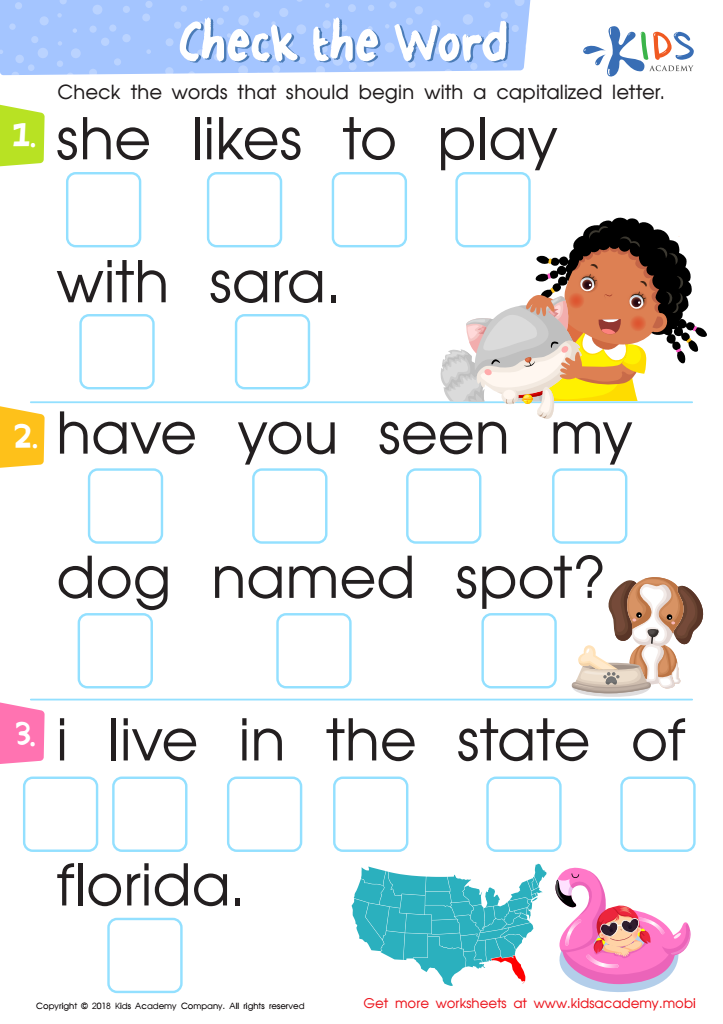
Check the Word Worksheet
 Assign to My Students
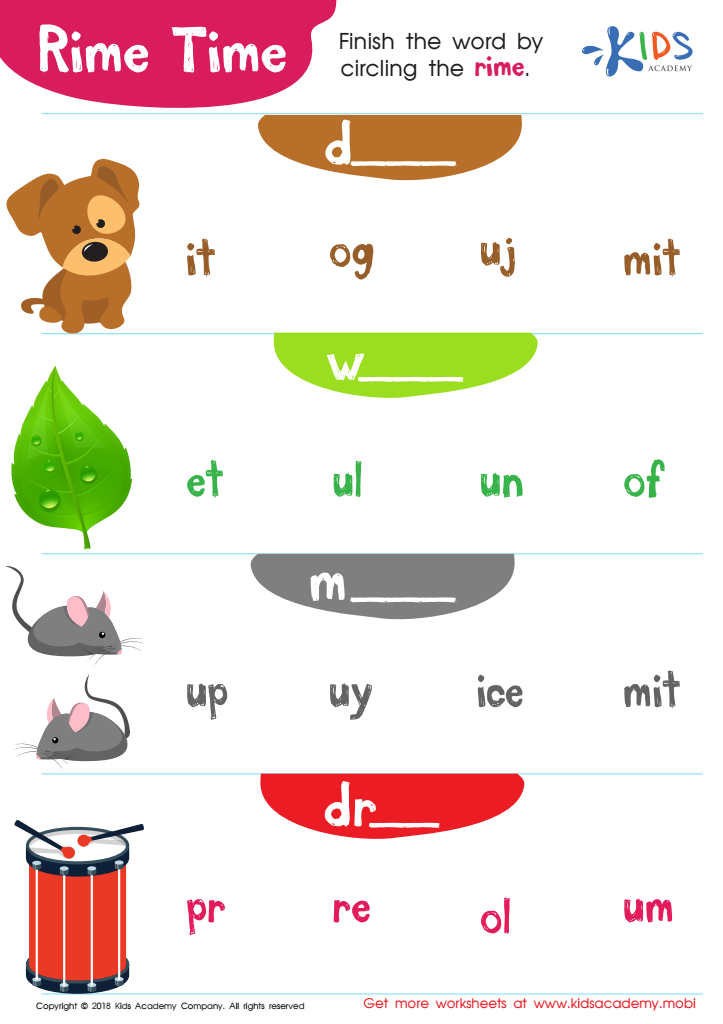
Rime Time Worksheet
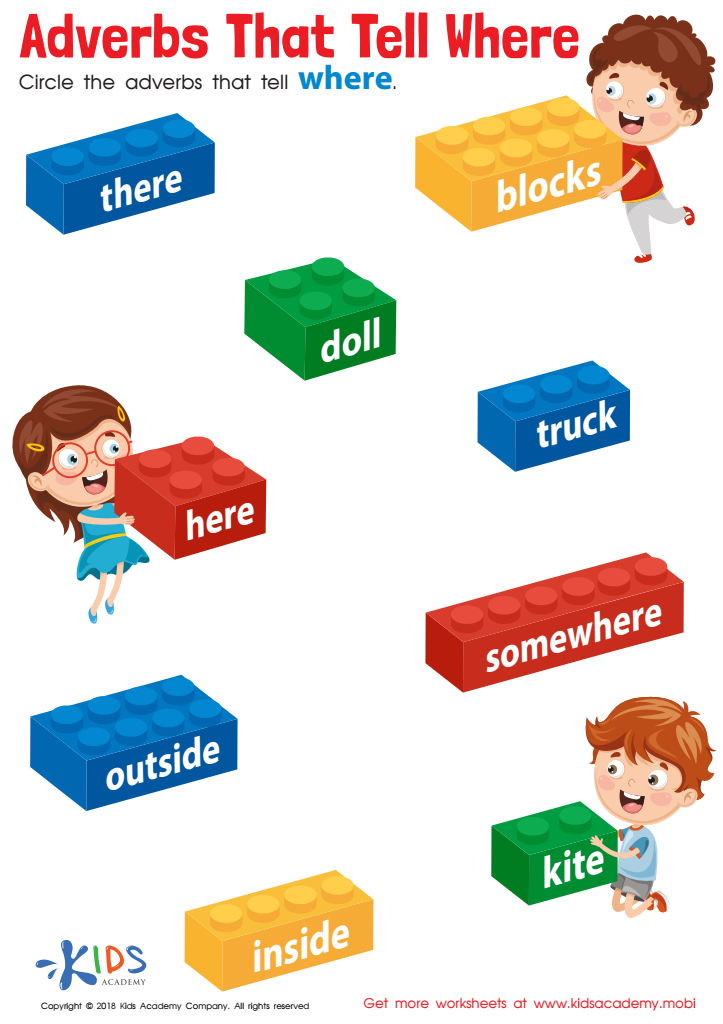
Adverbs That Tell Where Worksheet
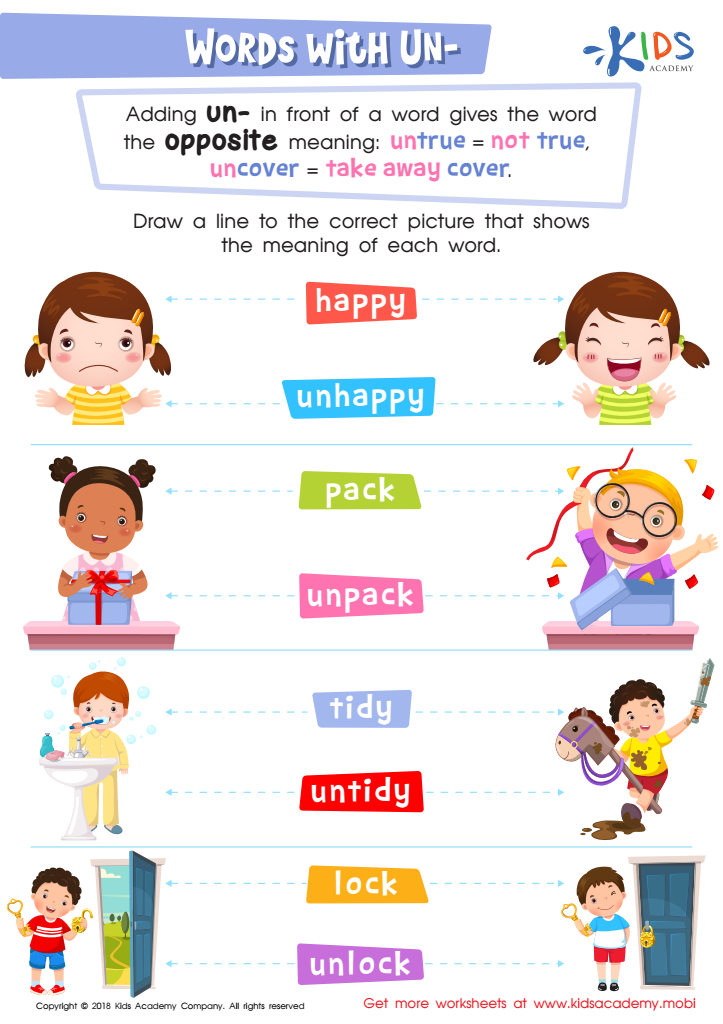
Words with Un– Worksheet
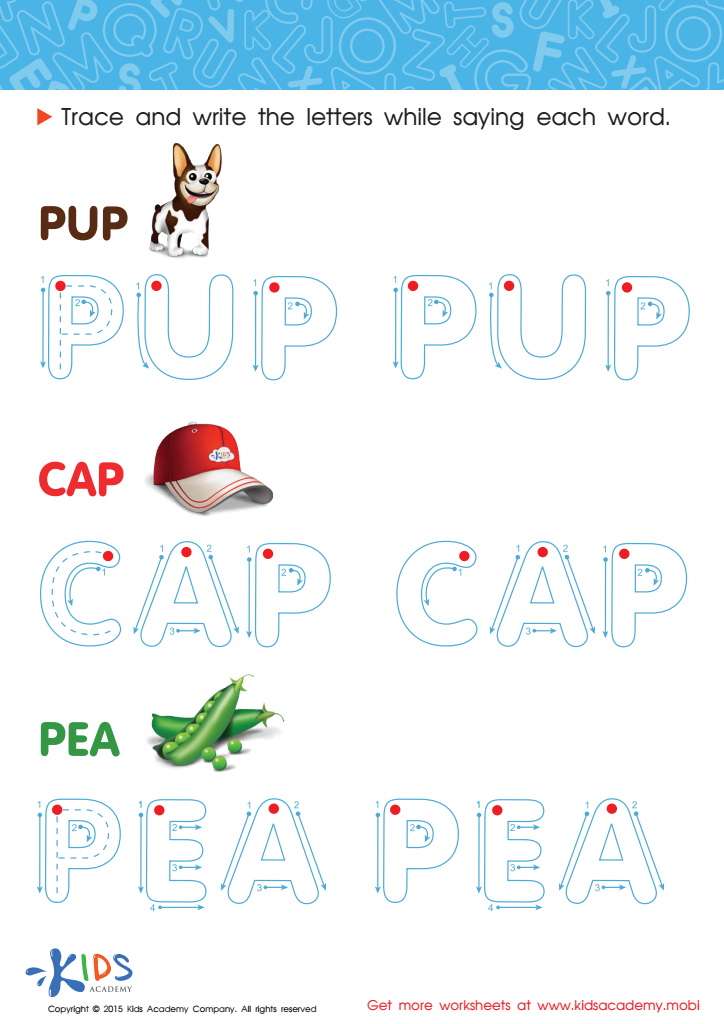
A Pup, a Cap and a Pea Spelling Worksheet
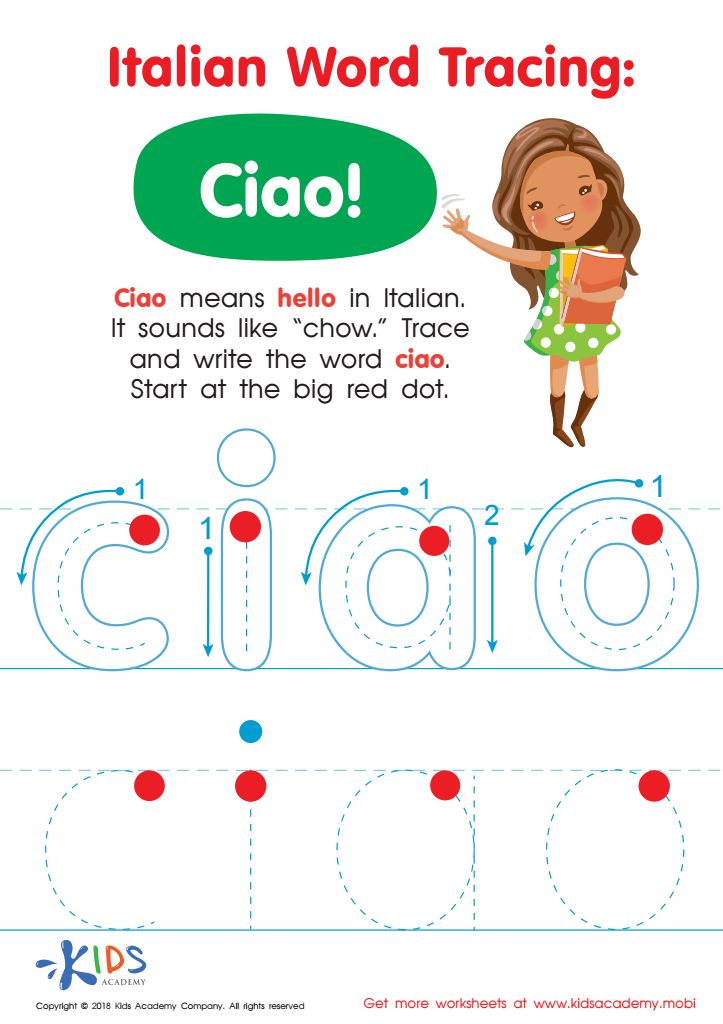
Italian Word Tracing: Ciao Worksheet
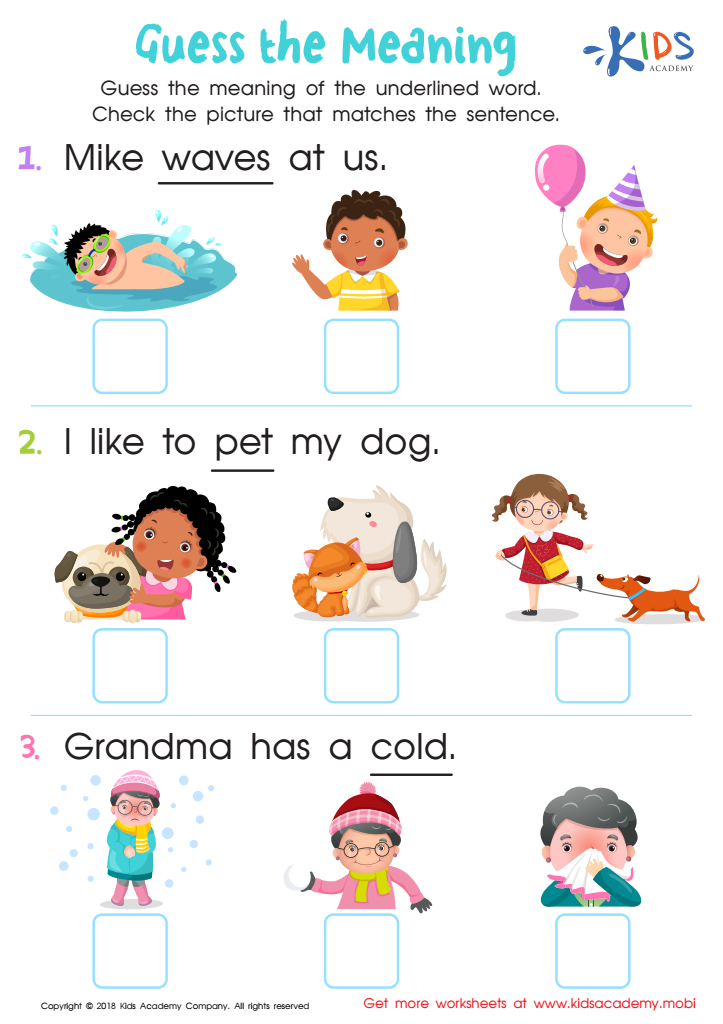
Guess the Meaning Worksheet
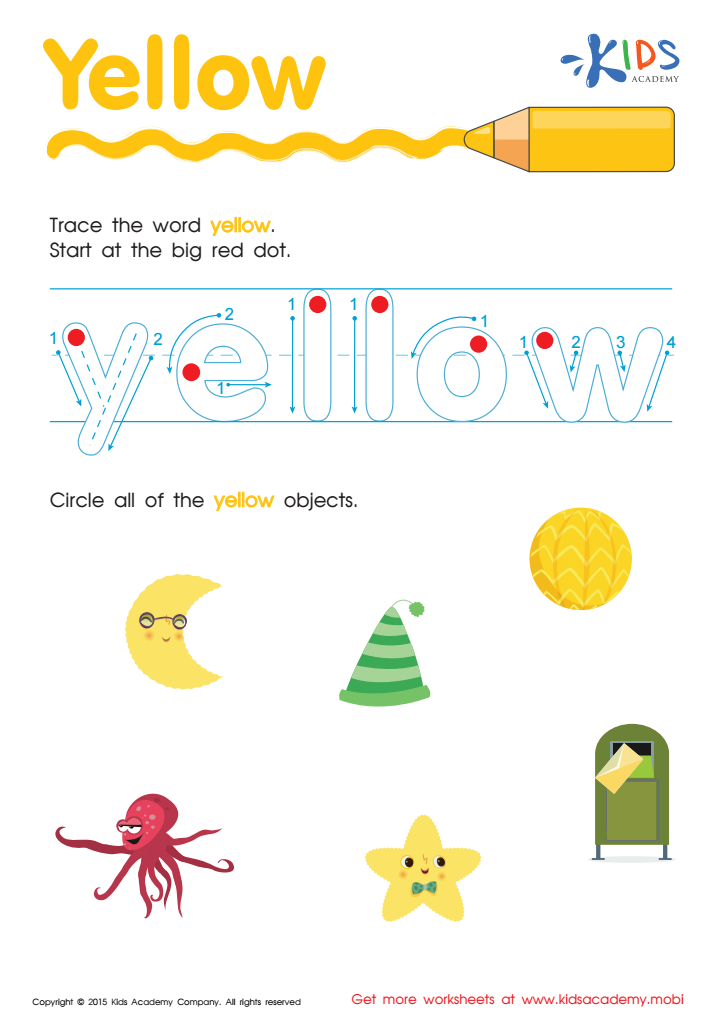
Yellow Tracing Color Words Worksheet
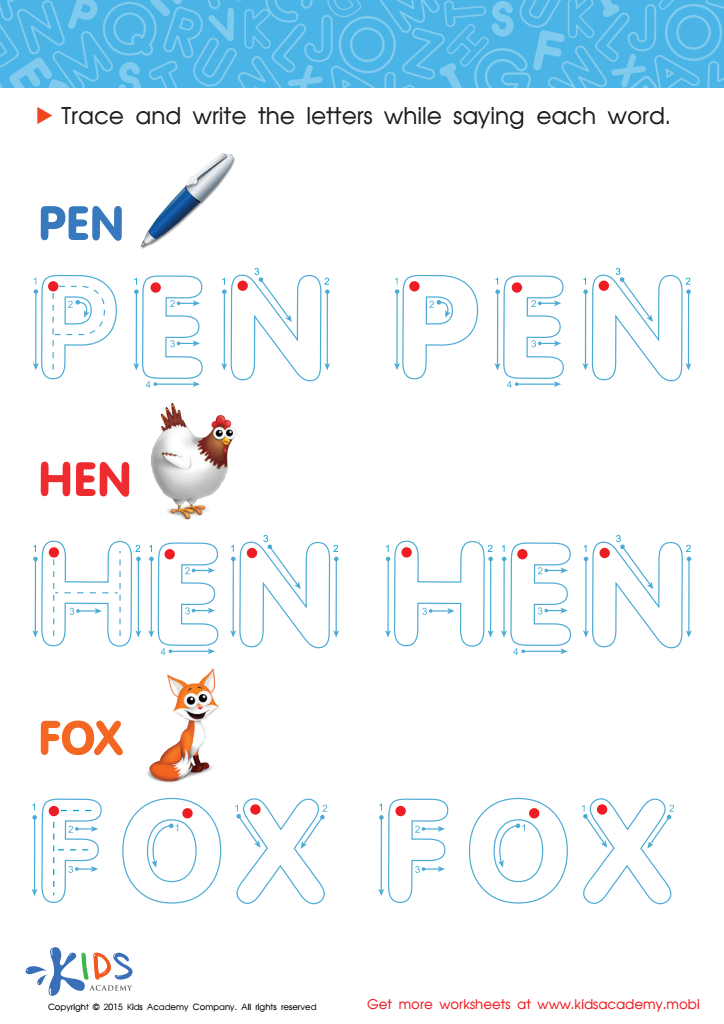
A Pen, a Hen and a Fox Spelling Worksheet
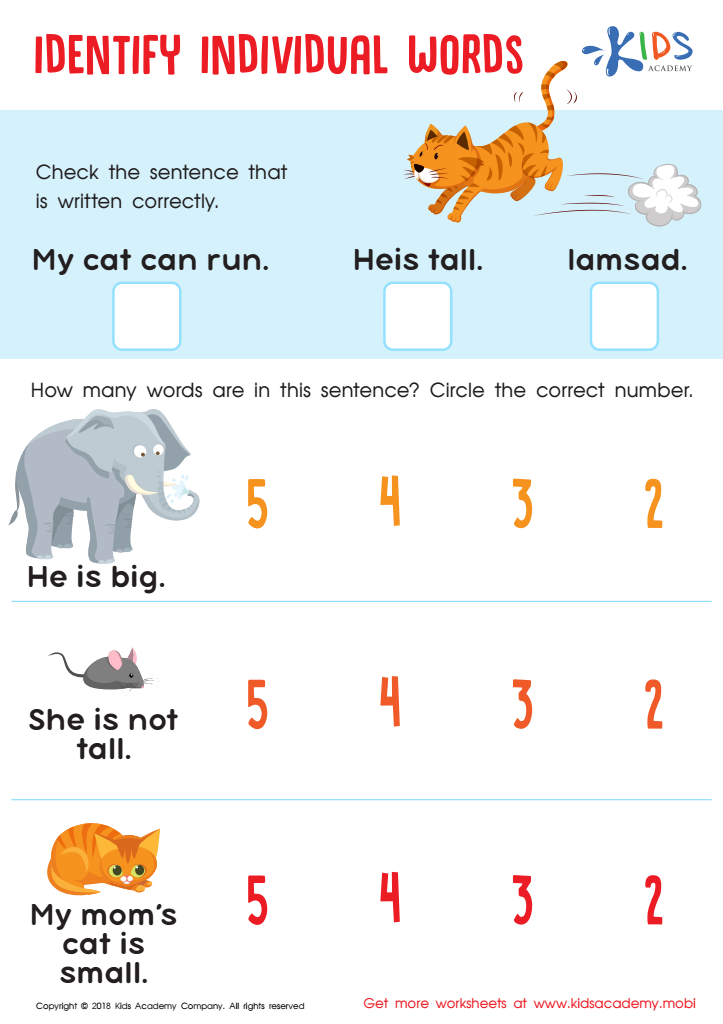
Identify Individual Words Worksheet
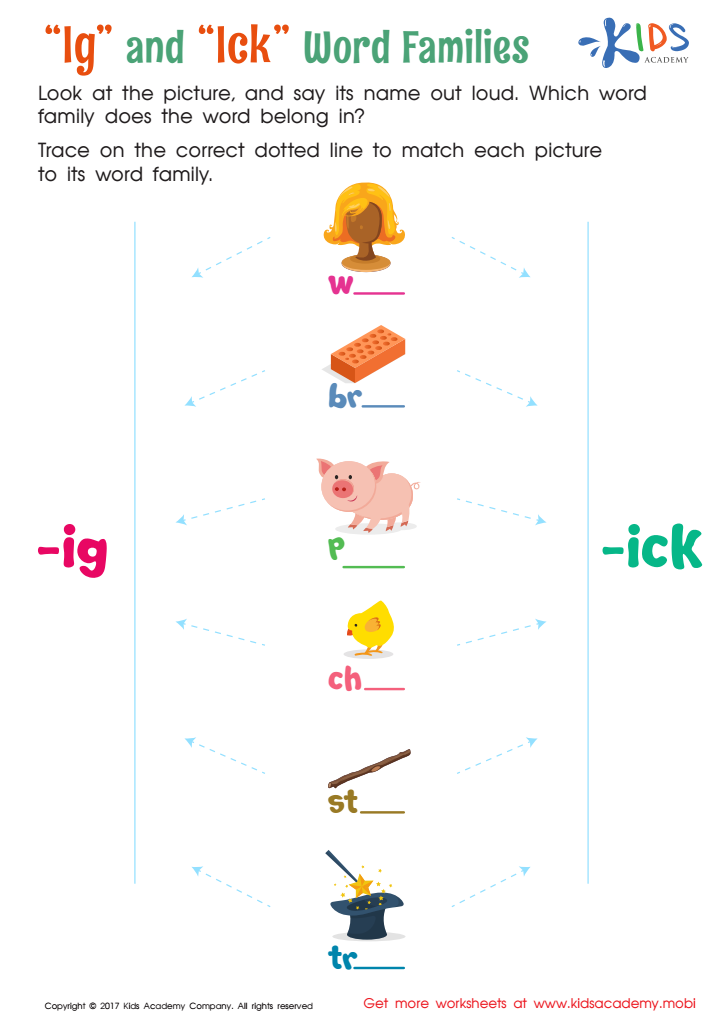
Words Families "ig" and "ick" Spelling Worksheet
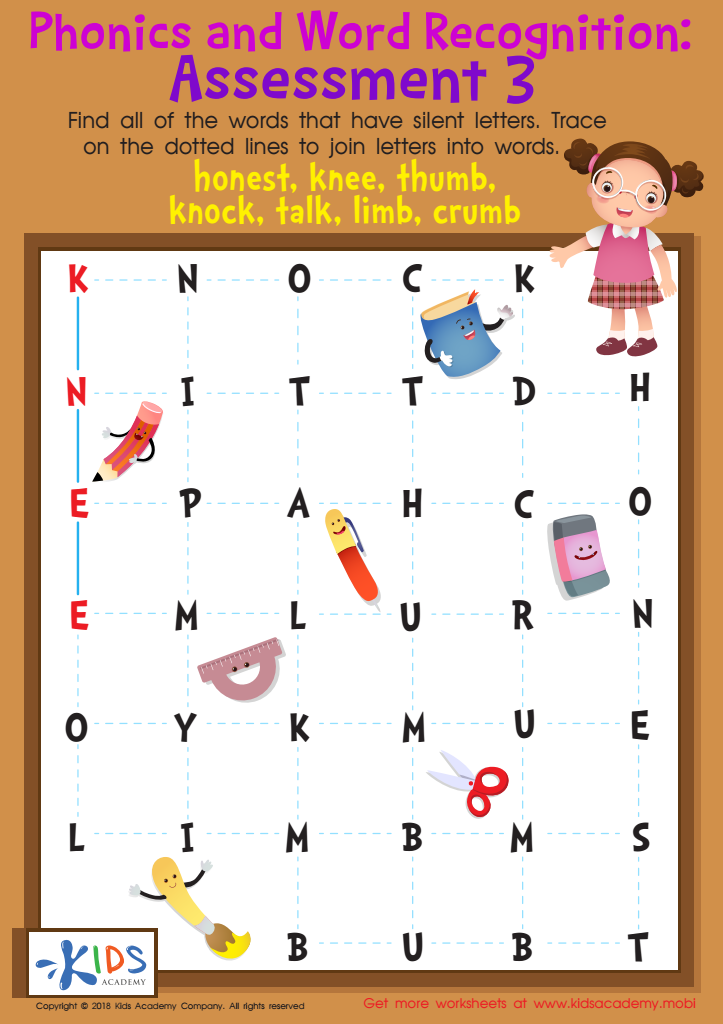
Phonics and Word Recognition: Assessment 3 Worksheet
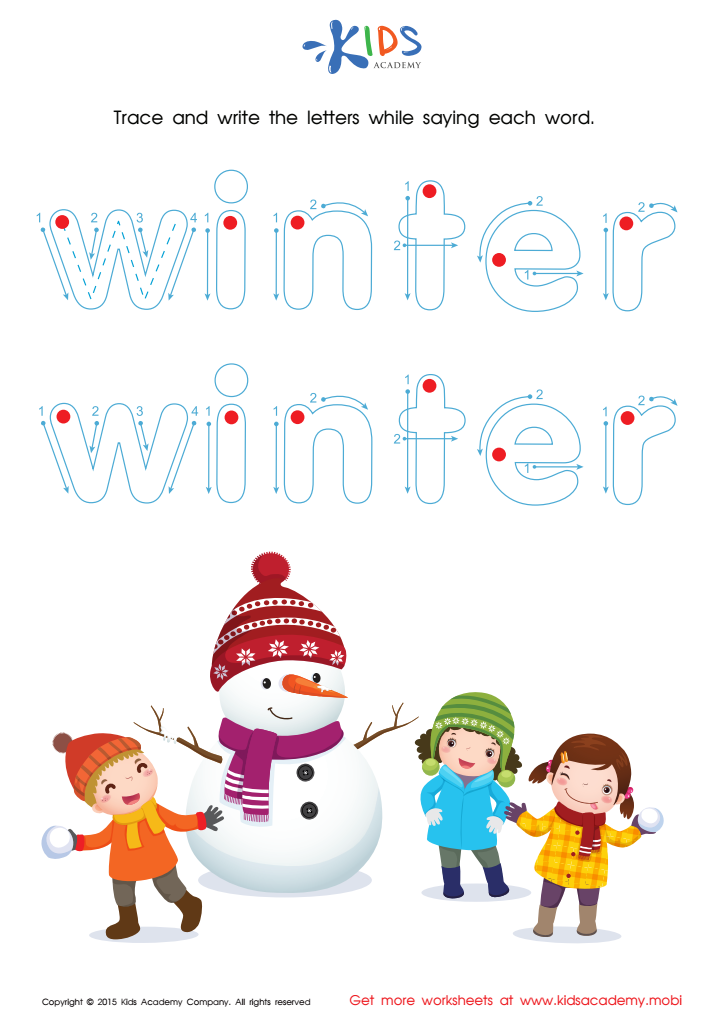
Snowman Tracing Winter Words Worksheet
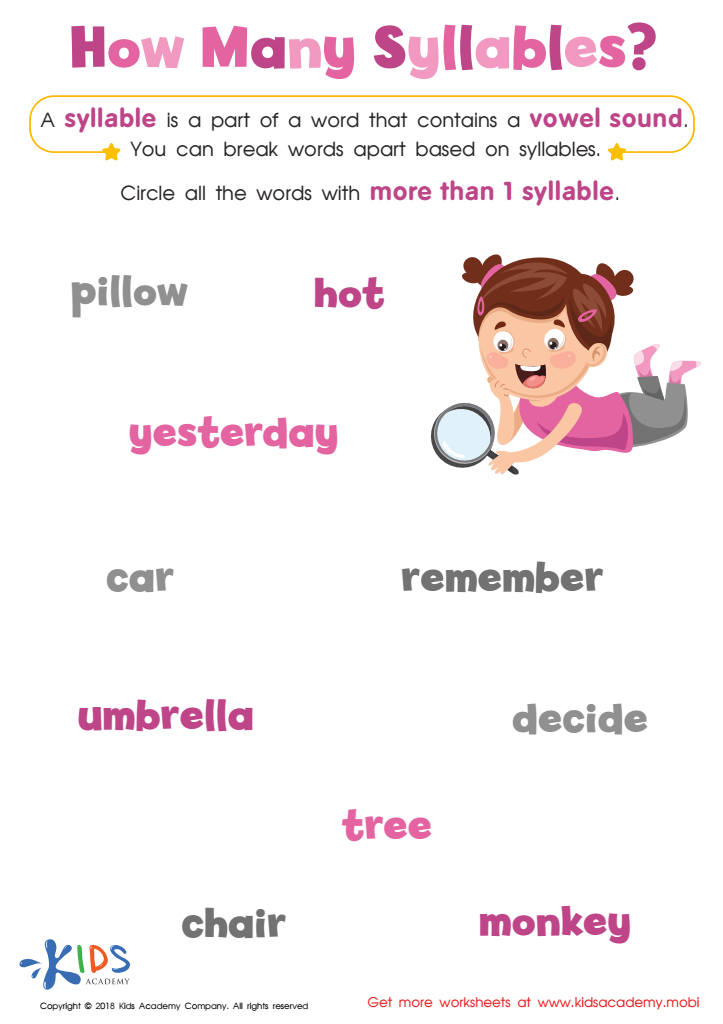
Reading: How Many Syllables Worksheet
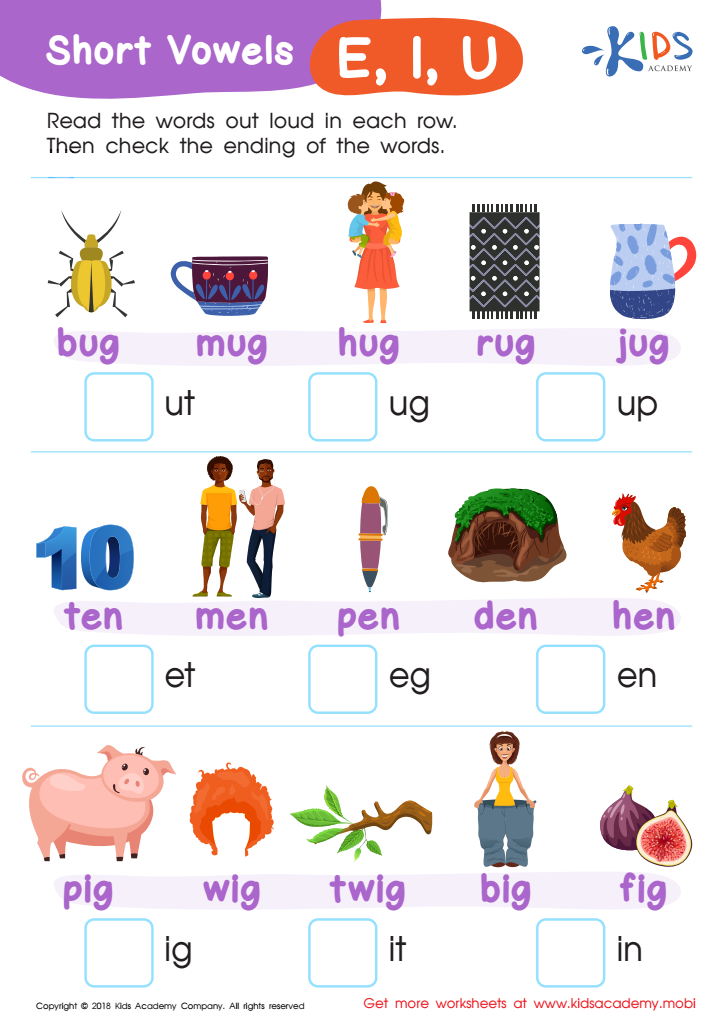
Short Vowels /e/, /i/, and /u/ Worksheet
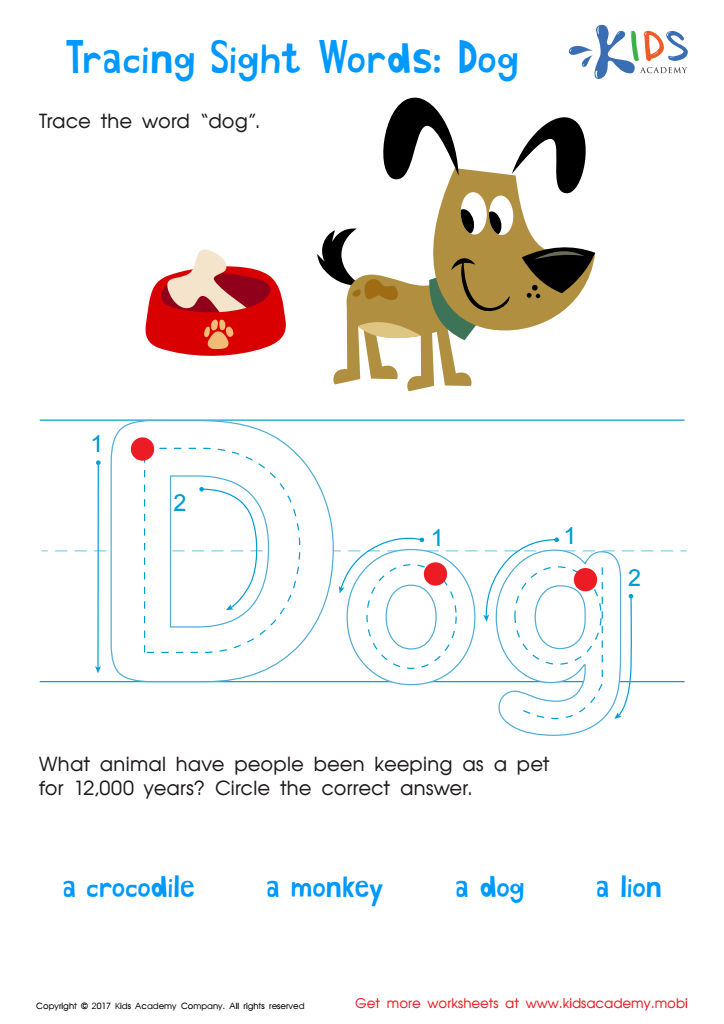
Dog Worksheet Sight Words Worksheet
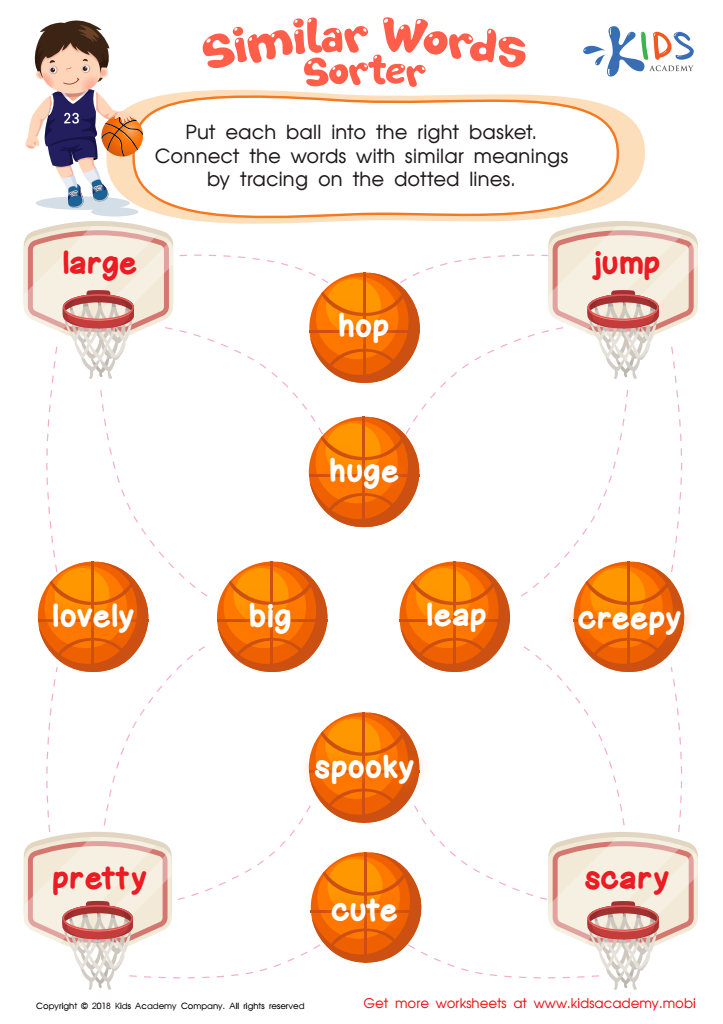
Similar Words Worksheet
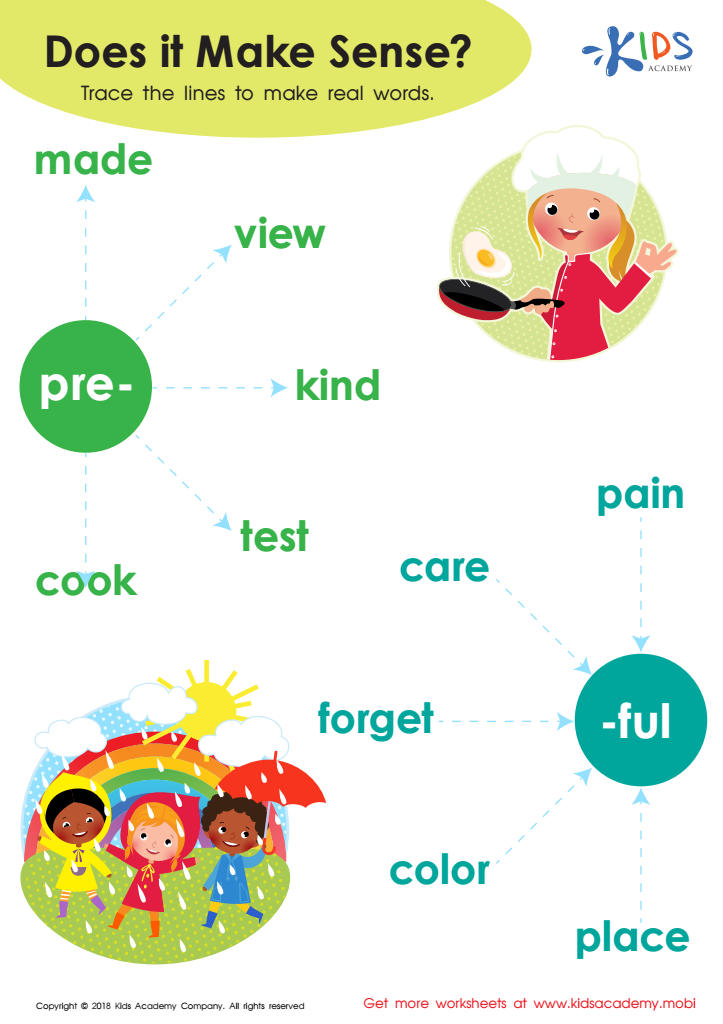
Prefix pre– and Suffix ful– Worksheet
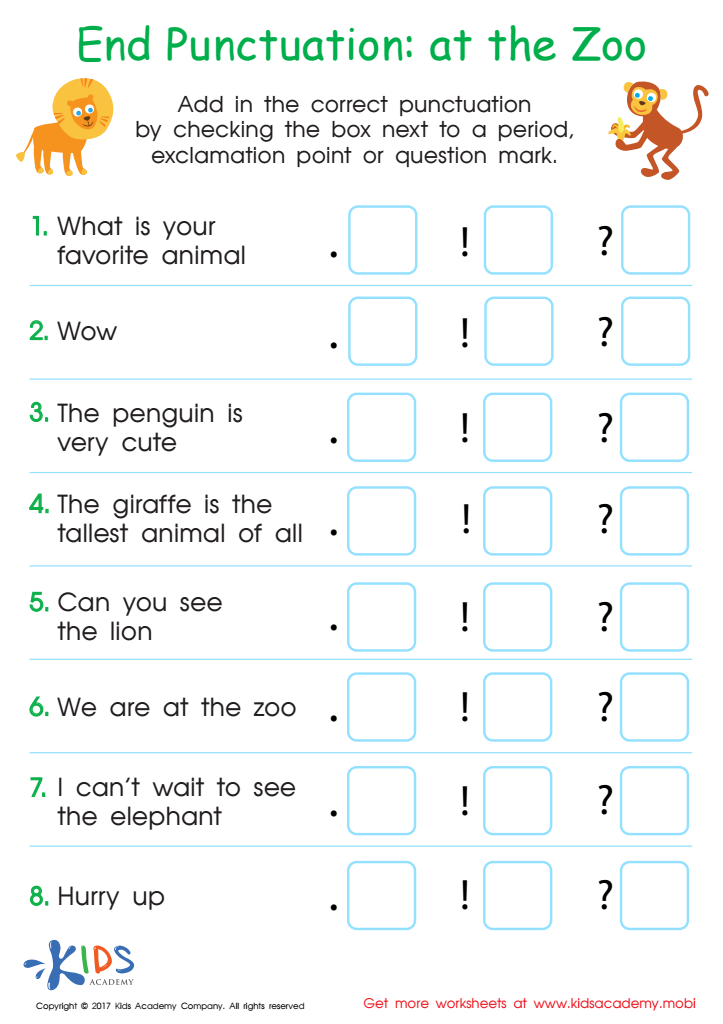
End Punctuation: At the Zoo Worksheet
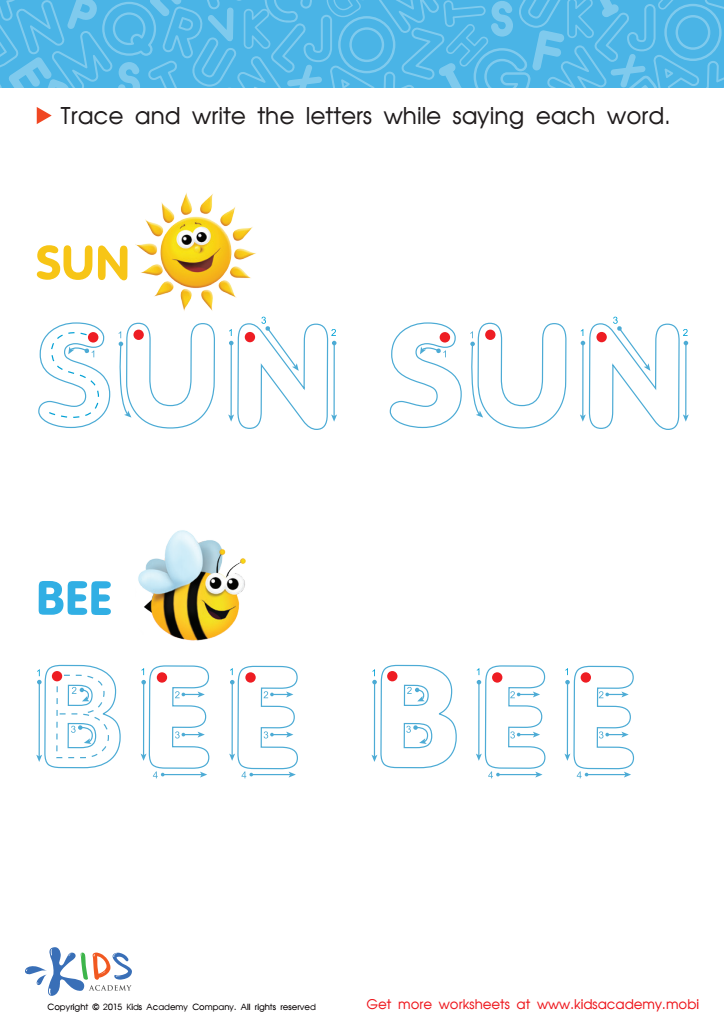
The Sun and a Bee Spelling Worksheet
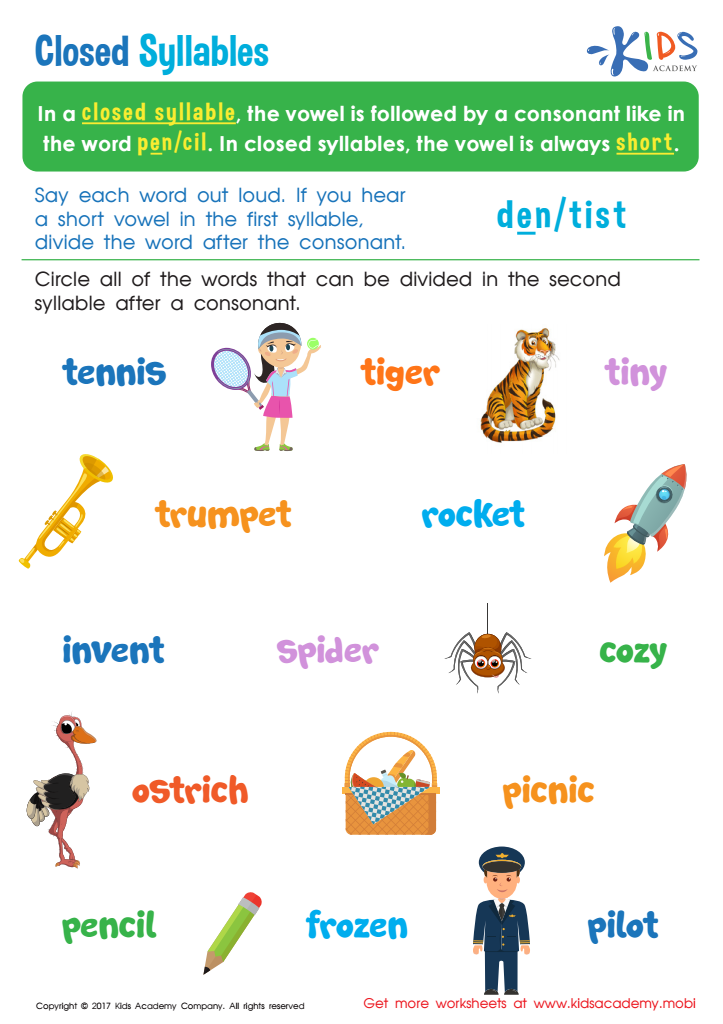
Closed Syllable Spelling Worksheet
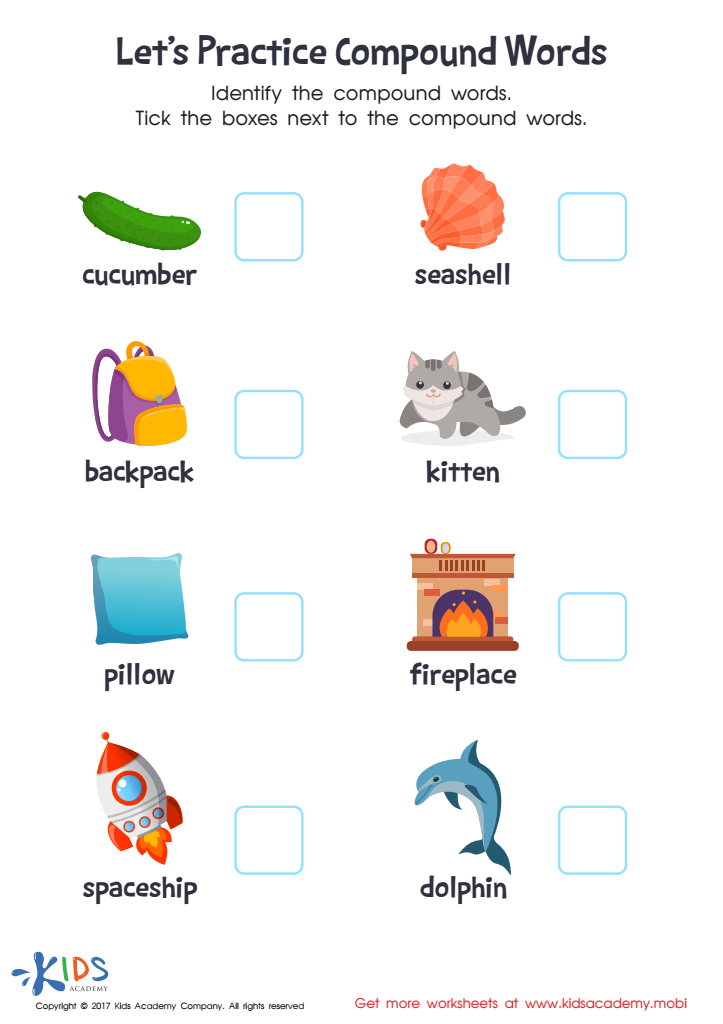
Let's Practice Compound Words Word Structure Worksheet
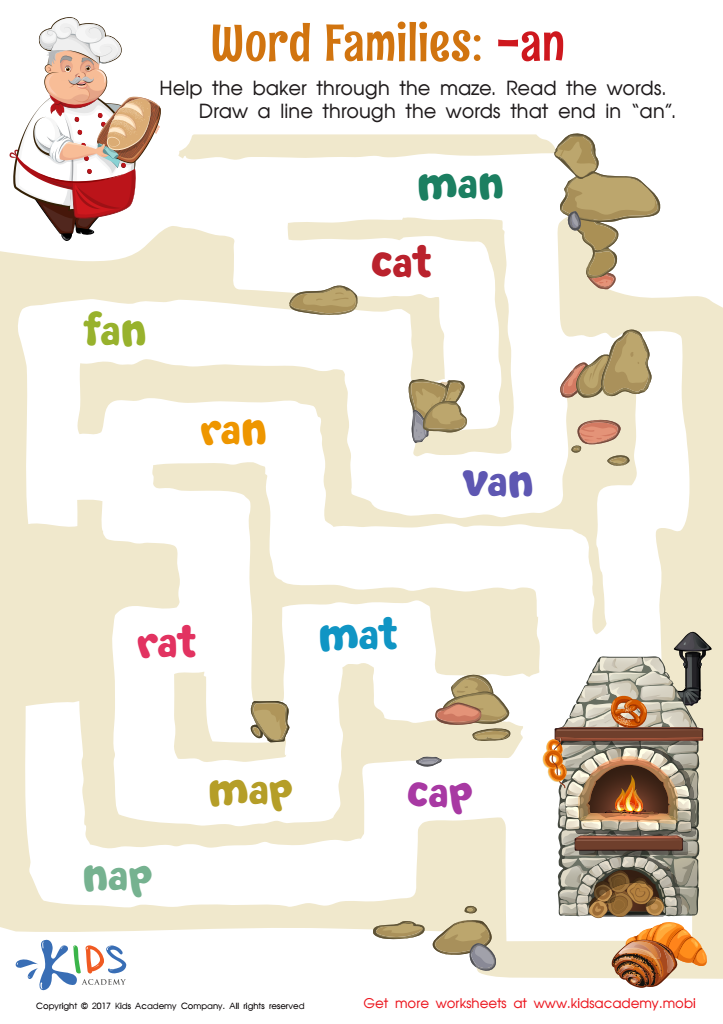
Words Families "an" Spelling Worksheet
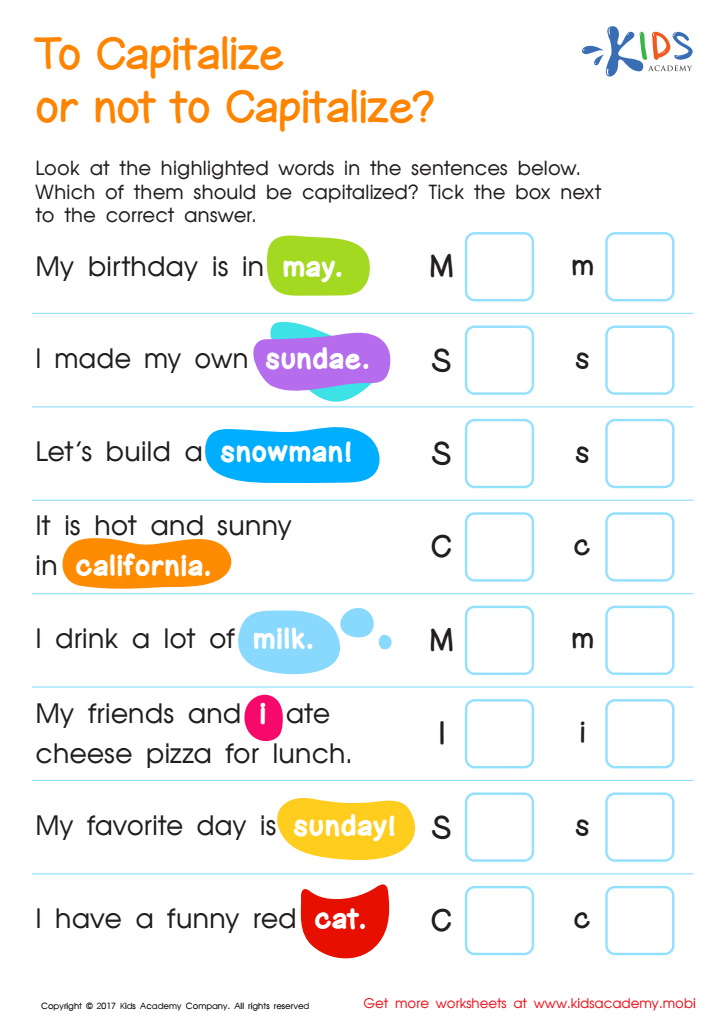
Capitalization: To Capitalize or Not? Printable







Parents and teachers should regard Normal Writing for ages 6-8 as crucial because it is a foundational skill that significantly impacts a child's academic journey and overall development. During these formative years, learning to write isn't just about forming legible letters; it involves fine motor skills, cognitive development, and the ability to communicate effectively.
First, writing enhances fine motor skills and hand-eye coordination, which are essential for everyday tasks. Rigorous practice helps children gain better control over their hand movements, paving the way for clearer handwriting. Secondly, it fosters cognitive development by encouraging thought organization and logical sequencing. When children write, they are required to think about word choice, spelling, and sentence structuring, thereby sharpening their intelligence and problem-solving skills.
Moreover, effective writing is vital for communication. It enables children to express their ideas, needs, and opinions clearly, contributing to better social and emotional development. Proficiency in writing ensures they can keep pace with curriculum requirements, reducing frustration and enhancing their learning experiences.
Ultimately, by prioritizing normal writing skills, parents and teachers equip children with the tools they need to succeed academically and socially, laying a solid groundwork for future educational endeavors and personal growth.